
by TCMVET | May 31, 2024 | Dog Cancer & Tumors
Yunnan Baiyao is a traditional Chinese herbal medicine known for its hemostatic and healing properties. Originally formulated to stop bleeding and promote wound healing, it has gained popularity in the veterinary community for its potential benefits in managing various health conditions in pets. One question that often arises is whether Yunnan Baiyao can shrink tumors. This article explores the potential benefits of Yunnan Baiyao for pets with tumors, its mechanisms, and how it can be integrated into a holistic treatment plan.
Understanding Yunnan Baiyao
Yunnan Baiyao is composed of several herbal ingredients, the primary ones being Panax notoginseng, Chinese yam, and several other proprietary herbs. It has been traditionally used to:
- Stop bleeding
- Promote wound healing
- Reduce inflammation
- Enhance circulation
Mechanisms of Action
The potential anti-tumor effects of Yunnan Baiyao are not yet fully understood, but several mechanisms have been proposed based on its traditional uses and observed effects:
- Anti-inflammatory Properties: Chronic inflammation is a known factor in tumor growth. Yunnan Baiyao’s anti-inflammatory properties may help reduce inflammation, potentially slowing the progression of tumors.
- Improved Blood Circulation: By enhancing blood circulation, Yunnan Baiyao may help improve the delivery of oxygen and nutrients to tissues, supporting overall health and potentially inhibiting tumor growth.
- Immune System Support: Some studies suggest that Yunnan Baiyao may have immune-modulating effects, helping the body’s natural defenses fight against abnormal cell growth.
Research and Evidence
While there is anecdotal evidence from pet owners and veterinarians about the benefits of Yunnan Baiyao in managing tumors, scientific research is still limited. Some studies have shown promising results in using Yunnan Baiyao to manage bleeding associated with tumors, but more research is needed to confirm its effectiveness in shrinking tumors directly.
Integrating Yunnan Baiyao into a Holistic Treatment Plan
If you are considering Yunnan Baiyao for your pet, it is crucial to consult with a veterinarian, preferably one experienced in traditional Chinese medicine. Here are some ways Yunnan Baiyao can be integrated into a comprehensive treatment plan:
- Complementary Therapy: Use Yunnan Baiyao alongside conventional treatments such as surgery, chemotherapy, or radiation therapy. It can help manage symptoms like bleeding and inflammation.
- Supportive Care: Incorporate Yunnan Baiyao to support overall health, boost the immune system, and improve quality of life.
- Customized Herbal Formulations: Work with a veterinarian to create a tailored herbal regimen that includes Yunnan Baiyao and other supportive herbs.
Case Studies and Testimonials
Many pet owners have reported positive outcomes when using Yunnan Baiyao for their pets with tumors. For instance, some have noted a reduction in tumor size and improved energy levels in their pets. These anecdotal reports, while not scientifically conclusive, offer hope and warrant further investigation.
Precautions and Considerations
While Yunnan Baiyao is generally considered safe, it is essential to use it under veterinary guidance. Some precautions include:
- Dosage: Ensure the correct dosage based on your pet’s size and condition.
- Monitoring: Regularly monitor your pet’s response to the treatment and adjust as necessary.
- Potential Interactions: Be aware of potential interactions with other medications your pet may be taking.
Conclusion
While Yunnan Baiyao shows promise in managing symptoms associated with tumors and may support overall health, more research is needed to confirm its effectiveness in shrinking tumors. Integrating Yunnan Baiyao into a holistic treatment plan, under the guidance of a veterinarian, can provide additional support for pets battling cancer. Always consult with a veterinary professional before starting any new treatment regimen for your pet.

by TCMVET | May 31, 2024 | Dog Cancer & Tumors
Prostate cancer in dogs is a serious condition that requires timely and effective treatment. While it is relatively rare, prostate cancer can significantly impact a dog’s quality of life. This article explores innovative treatment options for prostate cancer in dogs, including conventional methods and natural remedies, providing a comprehensive guide for concerned pet owners.
Understanding Prostate Cancer in Dogs
Prostate cancer in dogs typically affects older, unneutered males. It develops in the prostate gland, which is located near the bladder and urethra. The most common type of prostate cancer in dogs is adenocarcinoma, a malignant tumor that can spread to other parts of the body, including the bones and lymph nodes.
Symptoms of Prostate Cancer in Dogs
Early detection of prostate cancer can improve treatment outcomes. Common symptoms to watch for include:
- Difficulty urinating or defecating
- Blood in urine
- Straining during urination
- Lethargy
- Weight loss
- Difficulty walking due to pain or stiffness
Conventional Treatment Options
Conventional treatments for prostate cancer in dogs often involve a combination of therapies to manage the disease and improve the dog’s quality of life.
- Surgery: In some cases, surgical removal of the prostate gland or part of the tumor may be recommended. This option is often considered when the cancer is localized and has not spread extensively.
- Radiation Therapy: Radiation therapy can be used to shrink tumors and alleviate symptoms. It is often employed in conjunction with other treatments to control the spread of cancer.
- Chemotherapy: Chemotherapy uses drugs to kill cancer cells and can be effective in slowing the progression of prostate cancer. However, it can also have side effects, so it is important to weigh the benefits and risks.
- Hormone Therapy: Since prostate cancer is often hormone-driven, hormone therapy can help reduce the production of testosterone, slowing the growth of the tumor.
Natural Remedies and Supportive Care
In addition to conventional treatments, natural remedies and supportive care can play a significant role in managing prostate cancer in dogs.
- Diet and Nutrition: Feeding a balanced diet rich in antioxidants and anti-inflammatory foods can support overall health and strengthen the immune system. Consider incorporating ingredients like blueberries, turmeric, and fatty fish.
- Herbal Supplements: Certain herbal supplements have shown promise in supporting dogs with cancer. One such product is TCMVET Baituxiao, which combines traditional Chinese herbs known for their anti-cancer and immune-boosting properties.
- CBD Oil: Cannabidiol (CBD) oil has been used to manage pain and inflammation in dogs with cancer. It may also help reduce anxiety and improve appetite.
- Acupuncture: Acupuncture can provide pain relief and improve the quality of life for dogs undergoing cancer treatment. It helps stimulate the body’s natural healing processes and can be a valuable addition to a holistic treatment plan.
The Role of TCMVET Baituxiao
TCMVET Baituxiao is an herbal supplement specifically formulated to support dogs with cancer. It combines various traditional Chinese medicinal herbs that work synergistically to reduce tumor growth, boost the immune system, and improve overall vitality.
Key Benefits of TCMVET Baituxiao:
- Tumor Reduction: Helps inhibit the growth and spread of cancer cells.
- Immune Support: Strengthens the immune system, helping the body fight off cancer.
- Pain Relief: Provides natural pain relief, improving the dog’s comfort and quality of life.
- Anti-Inflammatory: Reduces inflammation, which is crucial in managing cancer symptoms.
Conclusion
Prostate cancer in dogs is a challenging diagnosis, but with a combination of conventional treatments and natural remedies, it is possible to manage the disease and improve your dog’s quality of life. Early detection and a proactive approach to treatment are key. Always consult with your veterinarian to develop a tailored treatment plan that best meets your dog’s needs.
by TCMVET | May 31, 2024 | Dog Cancer & Tumors
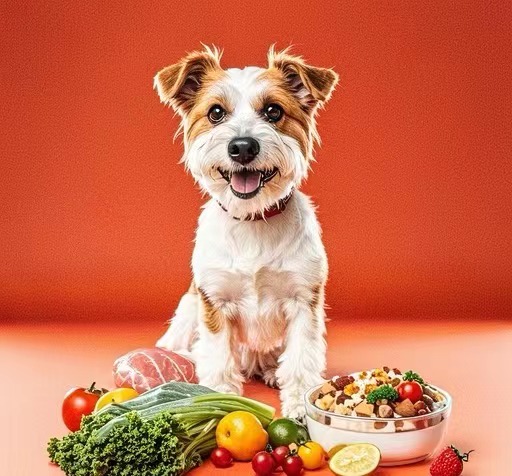
Inflammatory Bowel Disease (IBD) in dogs is a chronic condition that affects the gastrointestinal tract, causing symptoms such as vomiting, diarrhea, and weight loss. Managing IBD requires a careful approach to diet, as certain foods can trigger or worsen symptoms. Creating homemade dog food recipes tailored to IBD can provide relief and improve your dog’s quality of life. This article will explore the basics of IBD-friendly diets and share some nutritious and easy-to-make recipes.
Understanding IBD in Dogs
IBD occurs when a dog’s immune system mistakenly attacks the lining of the digestive tract, leading to inflammation. The exact cause of IBD is not well understood, but it is believed to be a combination of genetic, environmental, and dietary factors. Common symptoms of IBD in dogs include:
- Chronic diarrhea
- Vomiting
- Weight loss
- Loss of appetite
- Abdominal pain
Key Principles of an IBD-Friendly Diet
When preparing homemade food for a dog with IBD, it’s crucial to focus on ingredients that are easy to digest and unlikely to cause an immune response. Here are some key principles to follow:
- Limited Ingredients: Use simple recipes with limited ingredients to minimize the risk of triggering an immune response.
- Novel Proteins: Incorporate novel protein sources that your dog has not been exposed to before, such as duck, venison, or rabbit.
- Low-Fat Content: High-fat foods can exacerbate IBD symptoms, so opt for lean proteins and avoid added fats.
- Easily Digestible Carbohydrates: Use easily digestible carbohydrates like sweet potatoes, pumpkin, and white rice.
- Probiotics and Prebiotics: Include sources of probiotics and prebiotics to support gut health and improve digestion.
Homemade IBD Dog Food Recipes
Here are some IBD-friendly dog food recipes that are both nutritious and delicious.
Recipe 1: Turkey and Sweet Potato Delight
Ingredients:
- 1 pound ground turkey
- 1 large sweet potato, peeled and diced
- 1 cup cooked white rice
- 1 cup spinach, chopped
- 1 tablespoon flaxseed oil (optional)
- 1 probiotic supplement (consult your vet for recommendations)
Instructions:
- In a large pot, cook the ground turkey over medium heat until fully cooked. Drain any excess fat.
- Add the diced sweet potato and enough water to cover the ingredients. Bring to a boil, then reduce heat and simmer until the sweet potato is tender.
- Stir in the cooked rice and chopped spinach. Cook for an additional 5 minutes.
- Remove from heat and let cool. Add flaxseed oil and probiotic supplement if using.
- Store in an airtight container in the refrigerator for up to 3 days or freeze in portions.
Recipe 2: Duck and Pumpkin Stew
Ingredients:
- 1 pound ground duck or duck breast, diced
- 1 cup pumpkin puree (plain, no added sugar)
- 1 cup cooked quinoa
- 1/2 cup carrots, finely chopped
- 1 tablespoon coconut oil
- 1 probiotic supplement (consult your vet for recommendations)
Instructions:
- In a large skillet, heat the coconut oil over medium heat. Add the duck and cook until fully cooked.
- Add the pumpkin puree, cooked quinoa, and chopped carrots. Stir well to combine.
- Cook for an additional 10 minutes, stirring occasionally, until the carrots are tender.
- Remove from heat and let cool. Add the probiotic supplement if using.
- Store in an airtight container in the refrigerator for up to 3 days or freeze in portions.
Recipe 3: Venison and Rice Medley
Ingredients:
- 1 pound ground venison
- 1 cup cooked white rice
- 1/2 cup green beans, chopped
- 1/2 cup butternut squash, diced
- 1 tablespoon olive oil
- 1 probiotic supplement (consult your vet for recommendations)
Instructions:
- In a large pot, cook the ground venison over medium heat until fully cooked. Drain any excess fat.
- Add the diced butternut squash and enough water to cover the ingredients. Bring to a boil, then reduce heat and simmer until the squash is tender.
- Stir in the cooked rice and chopped green beans. Cook for an additional 5 minutes.
- Remove from heat and let cool. Add olive oil and the probiotic supplement if using.
- Store in an airtight container in the refrigerator for up to 3 days or freeze in portions.
Conclusion
Managing IBD in dogs requires a careful and thoughtful approach to their diet. By preparing homemade meals with easily digestible ingredients and avoiding common triggers, you can help alleviate your dog’s symptoms and improve their overall well-being. Always consult with your veterinarian before making any significant changes to your dog’s diet, and monitor their response to new foods closely.

by TCMVET | May 30, 2024 | Dog Cancer & Tumors
When a beloved dog is diagnosed with a tumor, finding effective treatments becomes a top priority for pet owners. Alongside conventional treatments like surgery, chemotherapy, and radiation, natural supplements can play a vital role in supporting overall health and potentially shrinking tumors. One such supplement is TCMVET Baituxiao, renowned for its tumor-fighting properties. This article explores the benefits of tumor shrinking supplements for dogs, with a focus on TCMVET Baituxiao.
Understanding Tumor Shrinking Supplements
Supplements aimed at shrinking tumors typically contain a combination of natural ingredients that support the immune system, reduce inflammation, and promote overall health. These supplements are designed to complement conventional treatments, enhancing their effectiveness and improving the quality of life for dogs.
Key Benefits of TCMVET Baituxiao
TCMVET Baituxiao is a herbal supplement formulated to support dogs with tumors. It contains a blend of traditional Chinese medicinal herbs known for their anti-cancer properties. Here are the key benefits of TCMVET Baituxiao:
- Anti-Tumor Properties:
- How it Works: TCMVET Baituxiao includes herbs that have been traditionally used to inhibit tumor growth and support the body’s natural defenses against cancer cells.
- Ingredients: The formula contains a mix of powerful herbs such as Bai Hua She She Cao, Ban Zhi Lian, and Huang Qin, known for their anti-inflammatory and anti-cancer effects.
- Immune System Support:
- How it Works: A robust immune system is crucial for fighting cancer. TCMVET Baituxiao boosts immune function, helping the body to target and destroy cancer cells more effectively.
- Ingredients: Herbs like Ling Zhi (Reishi mushroom) and Huang Qi (Astragalus) are included for their immune-enhancing properties.
- Anti-Inflammatory Effects:
- How it Works: Chronic inflammation can contribute to cancer progression. TCMVET Baituxiao helps reduce inflammation, creating a less favorable environment for tumor growth.
- Ingredients: Anti-inflammatory herbs such as Bai Hua She She Cao and Huang Qin play a significant role in this aspect.
- Improved Quality of Life:
- How it Works: Beyond its anti-tumor effects, TCMVET Baituxiao supports overall well-being, helping dogs maintain energy levels, appetite, and vitality.
- Ingredients: The holistic blend of herbs works together to support the dog’s overall health, making it easier to cope with the stresses of cancer treatment.
How to Use TCMVET Baituxiao
Incorporating TCMVET Baituxiao into your dog’s care regimen is straightforward. Here are some guidelines:
- Consult Your Veterinarian: Always discuss any new supplements with your veterinarian to ensure they are appropriate for your dog’s specific condition and treatment plan.
- Dosage: Follow the dosage instructions provided by the manufacturer or as recommended by your veterinarian. Dosage may vary based on the dog’s size, weight, and overall health.
- Administration: TCMVET Baituxiao can be mixed with your dog’s food or given directly. Ensure your dog consumes the full dose for maximum effectiveness.
Conclusion
Natural supplements like TCMVET Baituxiao offer a promising addition to conventional cancer treatments for dogs. With its blend of anti-tumor, immune-boosting, and anti-inflammatory herbs, TCMVET Baituxiao can help shrink tumors and improve your dog’s quality of life. Always consult with your veterinarian before starting any new supplement to ensure it is safe and suitable for your pet’s specific needs.

by TCMVET | May 30, 2024 | Food & Health
Diet plays a crucial role in managing the health and well-being of dogs diagnosed with mast cell tumors. A well-balanced, nutrient-rich diet can support the immune system, reduce inflammation, and potentially slow the progression of the disease. This article explores effective dietary strategies for dogs with mast cell tumors and provides practical tips for pet owners.
Understanding Mast Cell Tumors in Dogs
Mast cell tumors (MCTs) are a common type of skin cancer in dogs, arising from mast cells, which are part of the immune system. These tumors can vary in behavior, ranging from benign to highly aggressive. Proper nutrition is essential in supporting dogs with MCTs, enhancing their quality of life, and complementing conventional treatments.
Key Nutritional Strategies
- High-Quality Protein:
- Why: Protein supports muscle maintenance, repair, and overall strength, crucial for dogs battling cancer.
- Sources: Lean meats like chicken, turkey, fish, and eggs. Consider high-quality commercial dog foods labeled for cancer support.
- Healthy Fats:
- Why: Fats provide energy and support cell structure. Omega-3 fatty acids, in particular, have anti-inflammatory properties.
- Sources: Fish oil, flaxseed oil, and krill oil are excellent sources of omega-3 fatty acids.
- **Low
Optimizing Diet for Dogs with Mast Cell Tumors: Nutritional Strategies for Better Health
Introduction
Diet plays a crucial role in managing the health and well-being of dogs diagnosed with mast cell tumors. A well-balanced, nutrient-rich diet can support the immune system, reduce inflammation, and potentially slow the progression of the disease. This article explores effective dietary strategies for dogs with mast cell tumors and provides practical tips for pet owners.
Understanding Mast Cell Tumors in Dogs
Mast cell tumors (MCTs) are a common type of skin cancer in dogs, arising from mast cells, which are part of the immune system. These tumors can vary in behavior, ranging from benign to highly aggressive. Proper nutrition is essential in supporting dogs with MCTs, enhancing their quality of life, and complementing conventional treatments.
Key Nutritional Strategies
- High-Quality Protein:
- Why: Protein supports muscle maintenance, repair, and overall strength, crucial for dogs battling cancer.
- Sources: Lean meats like chicken, turkey, fish, and eggs. Consider high-quality commercial dog foods labeled for cancer support.
- Healthy Fats:
- Why: Fats provide energy and support cell structure. Omega-3 fatty acids, in particular, have anti-inflammatory properties.
- Sources: Fish oil, flaxseed oil, and krill oil are excellent sources of omega-3 fatty acids.
- Low Carbohydrates:
- Why: Some studies suggest that cancer cells thrive on sugars. A diet low in carbohydrates can help starve cancer cells.
- Sources: Focus on vegetables and avoid grains and high-glycemic foods. Sweet potatoes and pumpkin are good options for providing necessary carbs without spiking blood sugar levels.
- Antioxidant-Rich Foods:
- Why: Antioxidants help combat oxidative stress and support the immune system.
- Sources: Berries (blueberries, strawberries), leafy greens (spinach, kale), and brightly colored vegetables (carrots, bell peppers).
- Fiber:
- Why: Fiber supports healthy digestion and can aid in detoxification.
- Sources: Vegetables, fruits, and certain grains like oatmeal and brown rice in moderation.
Supplements to Consider
- Probiotics:
- Why: Support gut health, which is crucial for overall immune function.
- Sources: Probiotic supplements specifically formulated for dogs.
- Turmeric:
- Why: Contains curcumin, which has anti-inflammatory and anti-cancer properties.
- Sources: Turmeric powder or supplements, often combined with black pepper to enhance absorption.
- Medicinal Mushrooms:
- Why: Boost immune function and may have anti-cancer properties.
- Sources: Reishi, shiitake, and maitake mushrooms, available in supplement form.
- Vitamins and Minerals:
- Why: Essential for overall health and supporting the body’s natural defenses.
- Sources: A high-quality multivitamin supplement designed for dogs can ensure they receive a balanced intake of essential nutrients.
Practical Tips for Implementing Dietary Changes
- Consult Your Veterinarian: Always discuss dietary changes and supplements with your vet to ensure they are appropriate for your dog’s specific condition and treatment plan.
- Gradual Changes: Introduce new foods and supplements gradually to avoid digestive upset.
- Monitor Progress: Keep track of your dog’s response to dietary changes, noting any improvements in energy levels, coat condition, and overall well-being.
- Stay Hydrated: Ensure your dog has access to fresh, clean water at all times.
Conclusion
Optimizing the diet for dogs with mast cell tumors can significantly impact their health and quality of life. By incorporating high-quality proteins, healthy fats, low carbohydrates, and antioxidant-rich foods, along with appropriate supplements, pet owners can provide essential support for their furry companions. Always work closely with your veterinarian to create a tailored nutrition plan that complements your dog’s treatment and supports their overall well-being.
