
by TCMVET | May 22, 2024 | pet Chinese herbal medicine
Dandelion root is a popular herbal remedy known for its numerous health benefits. In recent years, it has gained popularity among pet owners as a natural supplement for dogs. Dandelion root can support liver health, improve digestion, and act as a diuretic. However, it’s crucial to know the appropriate dosage to ensure its safety and effectiveness for your dog.
Benefits of Dandelion Root for Dogs
Dandelion root offers several benefits for dogs, including:
- Liver Support
- Detoxification: Dandelion root helps in detoxifying the liver, which is essential for dogs, especially those undergoing medication or treatment.
- Improved Liver Function: It can promote bile production, aiding in digestion and overall liver health.
- Digestive Health
- Aids Digestion: Dandelion root stimulates appetite and helps in breaking down food, improving nutrient absorption.
- Prevents Constipation: The fiber content in dandelion root can help regulate bowel movements and prevent constipation.
- Diuretic Properties
- Reduces Water Retention: As a natural diuretic, dandelion root can help reduce water retention and flush out toxins through urine.
- Supports Kidney Health: It promotes kidney function and can be beneficial for dogs with urinary tract issues.
Appropriate Dosage of Dandelion Root for Dogs
The appropriate dosage of dandelion root depends on the form you are using and your dog’s size and health condition. Here are general guidelines:
- Dried Dandelion Root
- Small Dogs (up to 20 lbs): 1/4 teaspoon per day.
- Medium Dogs (21-50 lbs): 1/2 teaspoon per day.
- Large Dogs (51-100 lbs): 1 teaspoon per day.
- Giant Dogs (over 100 lbs): Up to 2 teaspoons per day.
- Dandelion Root Tincture
- Small Dogs (up to 20 lbs): 10-15 drops, 1-2 times per day.
- Medium Dogs (21-50 lbs): 20-30 drops, 1-2 times per day.
- Large Dogs (51-100 lbs): 40-50 drops, 1-2 times per day.
- Giant Dogs (over 100 lbs): Up to 60 drops, 1-2 times per day.
- Dandelion Root Capsules or Tablets
- Follow the manufacturer’s dosage instructions based on your dog’s weight. Typically, it ranges from 1/4 to 1 capsule per day for small dogs, up to 2 capsules per day for larger dogs.
Precautions and Considerations
While dandelion root is generally safe for dogs, there are a few precautions to keep in mind:
- Consult Your Veterinarian: Always consult with your veterinarian before adding any new supplement to your dog’s diet, especially if your dog has existing health conditions or is on medication.
- Monitor for Allergic Reactions: Watch for signs of allergic reactions, such as itching, swelling, or digestive upset. If any adverse reactions occur, discontinue use and consult your veterinarian.
- Gradual Introduction: Introduce dandelion root gradually to allow your dog’s system to adjust and to monitor for any potential side effects.
Conclusion
Dandelion root can be a beneficial natural supplement for dogs, offering liver support, improved digestion, and diuretic properties. Understanding the appropriate dosage and taking necessary precautions can help you safely incorporate dandelion root into your dog’s diet. Always consult with your veterinarian to ensure it is suitable for your dog’s specific health needs and to determine the correct dosage. With the right approach, dandelion root can be a valuable addition to your dog’s wellness routine.
by TCMVET | May 22, 2024 | Dog Cancer & Tumors
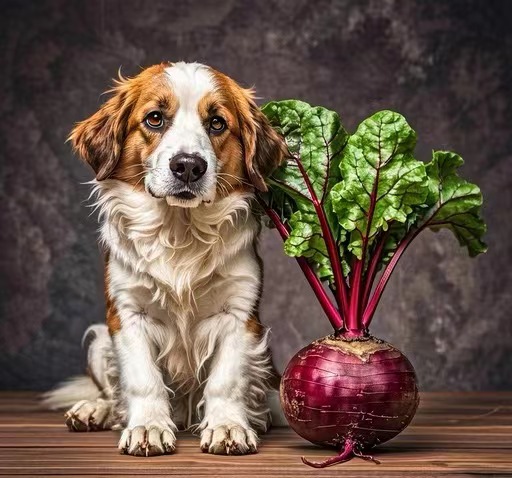
When a beloved dog is diagnosed with cancer, pet owners often seek the best ways to support their pet’s health and improve their quality of life. Among the various dietary considerations, beets have emerged as a potential superfood. This article explores whether beets are beneficial for dogs with cancer, considering their nutritional properties and potential health benefits.
Nutritional Profile of Beets
Beets are rich in essential nutrients and bioactive compounds, including:
- Vitamins: Beets are high in vitamins A, C, and several B vitamins, which are crucial for overall health.
- Minerals: They provide important minerals such as potassium, magnesium, and iron.
- Fiber: Beets contain dietary fiber, which aids in digestion and promotes gut health.
- Antioxidants: Beets are known for their high antioxidant content, particularly betalains, which give them their distinctive red color.
Potential Benefits of Beets for Dogs with Cancer
The following points highlight how beets might benefit dogs with cancer:
- Antioxidant Properties
- Oxidative Stress Reduction: Cancer and its treatments can cause oxidative stress, leading to cell damage. The antioxidants in beets can help neutralize free radicals and reduce oxidative stress, potentially slowing the progression of cancer.
- Anti-Inflammatory Effects
- Inflammation Reduction: Chronic inflammation is associated with cancer progression. Betalains in beets have anti-inflammatory properties that may help reduce inflammation and improve the dog’s overall health.
- Immune System Support
- Immune Boosting: Vitamins and minerals in beets, particularly vitamin C and iron, can support the immune system, helping the dog’s body to fight cancer more effectively.
- Digestive Health
- Improved Digestion: The fiber in beets aids in digestion and promotes a healthy gut microbiome, which is essential for nutrient absorption and overall well-being.
- Detoxification
- Liver Support: Beets can help support liver function, aiding in the detoxification process. This is especially beneficial for dogs undergoing chemotherapy or other cancer treatments that can tax the liver.
How to Incorporate Beets into a Dog’s Diet
While beets can offer various health benefits, it’s important to introduce them properly into a dog’s diet:
- Cooked Beets: Always cook beets before feeding them to your dog to make them easier to digest and to reduce the risk of gastrointestinal upset.
- Moderation: Start with small amounts to ensure your dog tolerates beets well. Too much fiber can cause digestive issues.
- No Additives: Avoid adding salt, sugar, or spices to the beets. Plain, cooked beets are the best option.
- Consult a Veterinarian: Always consult with your veterinarian before making significant changes to your dog’s diet, especially if your dog has cancer.
Conclusion
Beets can be a nutritious addition to the diet of dogs with cancer, offering antioxidant, anti-inflammatory, and immune-boosting benefits. However, they should be introduced in moderation and as part of a balanced diet tailored to the specific needs of a dog with cancer. Consulting with a veterinarian is crucial to ensure that beets and other dietary changes are appropriate for your pet’s individual health condition and treatment plan. By carefully incorporating beets into your dog’s diet, you can provide additional nutritional support to help them combat cancer and maintain a better quality of life.

by TCMVET | May 22, 2024 | Dog Cancer & Tumors
Mammary tumors are a common health issue in unspayed female dogs, with nearly half of these tumors being malignant. While traditional treatments such as surgery, chemotherapy, and radiation therapy are essential, complementary therapies can significantly enhance treatment outcomes and improve the quality of life for dogs with mammary tumors. This article explores various complementary therapies that can be integrated with conventional treatments to provide a holistic approach to managing mammary tumors in dogs.
Understanding Mammary Tumors in Dogs
Mammary tumors develop in the mammary glands and can be either benign (non-cancerous) or malignant (cancerous). Malignant tumors have the potential to metastasize, spreading to other parts of the body. Early detection and comprehensive treatment are crucial for managing this condition effectively.
Importance of Complementary Therapies
Complementary therapies are used alongside conventional treatments to support overall health, reduce side effects, and enhance the dog’s quality of life. These therapies can include nutritional support, herbal medicine, acupuncture, and physical therapy.
Nutritional Support
Role in Treatment:
- Importance: Proper nutrition is vital for maintaining overall health and supporting the immune system during cancer treatment.
- Components: A balanced diet with high-quality proteins, healthy fats, and essential vitamins and minerals.
Key Nutritional Strategies:
- High-Quality Protein:
- Benefits: Supports muscle maintenance and overall health.
- Sources: Lean meats, fish, and high-quality commercial dog foods.
- Omega-3 Fatty Acids:
- Benefits: Anti-inflammatory properties that can help reduce inflammation associated with cancer.
- Sources: Fish oil supplements, fatty fish like salmon and sardines.
- Antioxidants:
- Benefits: Help combat oxidative stress, which can damage cells and contribute to cancer progression.
- Sources: Blueberries, spinach, and specially formulated antioxidant supplements.
- Balanced Diet:
- Benefits: A well-balanced diet supports overall health and can help mitigate side effects of conventional treatments.
- Components: Include a mix of proteins, fats, and carbohydrates tailored to the dog’s needs.
Herbal Medicine
Role in Treatment:
- Importance: Certain herbs have anti-inflammatory and immune-boosting properties that can support cancer treatment.
- Examples: Turmeric (curcumin), milk thistle, and Astragalus.
Key Herbal Strategies:
- Turmeric (Curcumin):
- Benefits: Anti-inflammatory and antioxidant properties.
- Administration: Can be added to the dog’s diet in consultation with a veterinarian.
- Milk Thistle:
- Benefits: Supports liver function and detoxification.
- Administration: Available as supplements or extracts.
- Astragalus:
- Benefits: Immune-boosting properties.
- Administration: Typically given as a supplement.
Acupuncture
Role in Treatment:
- Importance: Acupuncture can help manage pain, reduce inflammation, and improve overall well-being.
- Procedure: Involves the insertion of fine needles into specific points on the body to stimulate healing.
Key Benefits:
- Pain Management:
- Effectiveness: Can help reduce pain associated with cancer and its treatments.
- Procedure: Sessions typically last 20-30 minutes and are performed by a trained veterinary acupuncturist.
- Inflammation Reduction:
- Effectiveness: Helps reduce inflammation and improve comfort.
- Procedure: Regular sessions can provide ongoing relief.
Physical Therapy
Role in Treatment:
- Importance: Physical therapy helps maintain mobility and reduce discomfort associated with cancer symptoms.
- Techniques: Includes exercises, massages, and hydrotherapy to improve strength and flexibility.
Key Physical Therapy Strategies:
- Exercise:
- Benefits: Helps maintain muscle mass and overall health.
- Activities: Tailored exercise programs designed by a veterinary physical therapist.
- Massage:
- Benefits: Reduces muscle tension and promotes relaxation.
- Procedure: Regular sessions can help improve circulation and reduce pain.
- Hydrotherapy:
- Benefits: Supports low-impact exercise and pain relief.
- Procedure: Involves exercises performed in water to reduce stress on joints.
Integrating Complementary Therapies with Conventional Treatment
Combining complementary therapies with conventional treatments can provide a holistic approach to managing mammary tumors in dogs. Pet owners should work closely with their veterinarian to develop an integrated treatment plan that addresses all aspects of their dog’s health.
Monitoring and Adjusting Treatment
Regular monitoring and adjustments to the treatment plan are essential to ensure the best possible outcome. This includes:
- Regular Check-Ups:
- Frequency: Frequent veterinary visits to monitor the dog’s condition and response to treatment.
- Blood Tests and Imaging:
- Purpose: Periodic blood tests and imaging studies to assess the effectiveness of the treatment and make necessary adjustments.
- Symptom Management:
- Focus: Ongoing management of symptoms such as pain, inflammation, and digestive issues.
Complementary therapies, including nutritional support, herbal medicine, acupuncture, and physical therapy, can play a significant role in improving the treatment outcomes and quality of life for dogs with mammary tumors. By integrating these therapies with conventional treatments, pet owners can provide a holistic approach to managing their dog’s condition. Always consult a veterinarian before starting any new treatments to ensure they are safe and appropriate for your dog’s specific needs.

by TCMVET | May 20, 2024 | Dog Cancer & Tumors
When a dog is diagnosed with cancer, proper nutrition and supportive supplements can play a crucial role in their overall health and quality of life. This article aims to provide a comprehensive guide on the best diet and supplements for dogs with cancer, helping pet owners make informed decisions to support their furry companions.
Understanding the Nutritional Needs of Dogs with Cancer
Cancer can significantly impact a dog’s metabolism and nutritional needs. Here are some key considerations for feeding a dog with cancer:
- High-Quality Protein: Dogs with cancer often require high-quality protein sources to maintain muscle mass and support their immune system. Opt for lean meats like chicken, turkey, and fish.
- Low Carbohydrates: Cancer cells thrive on carbohydrates. Reducing the carbohydrate content in your dog’s diet can help slow down the growth of cancer cells. Focus on low-carb vegetables like spinach, broccoli, and cauliflower.
- Healthy Fats: Omega-3 fatty acids have anti-inflammatory properties and can help support the immune system. Include sources like fish oil, flaxseed oil, and coconut oil in your dog’s diet.
- Antioxidants: Antioxidants help combat oxidative stress, which is often elevated in dogs with cancer. Include antioxidant-rich foods like blueberries, carrots, and leafy greens.
Best Diet for Dogs with Cancer
A balanced and tailored diet can help improve the quality of life for dogs with cancer. Here are some dietary recommendations:
Homemade Diet
A homemade diet allows you to control the ingredients and tailor the nutrition to your dog’s specific needs. Consult with a veterinarian or a pet nutritionist to create a balanced meal plan. Here’s a sample recipe:
- Protein Source: 50% lean meat (chicken, turkey, or fish)
- Vegetables: 25% low-carb vegetables (spinach, broccoli, cauliflower)
- Healthy Fats: 10% fats (fish oil, flaxseed oil, coconut oil)
- Carbohydrates: 15% complex carbs (sweet potatoes, pumpkin)
Commercial Cancer-Specific Diets
Several commercial dog foods are formulated specifically for dogs with cancer. These diets are designed to provide balanced nutrition while minimizing ingredients that may feed cancer cells. Look for brands that offer high protein, low carbohydrate, and high fat content, with added antioxidants and Omega-3 fatty acids.
Supplements for Dogs with Cancer
In addition to a balanced diet, certain supplements can support a dog’s health during cancer treatment. Here are some beneficial supplements:
- Fish Oil: Rich in Omega-3 fatty acids, fish oil helps reduce inflammation and supports the immune system.
- Probiotics: Probiotics promote a healthy gut microbiome, which is crucial for overall health and immune function.
- Turmeric: Curcumin, the active ingredient in turmeric, has anti-inflammatory and antioxidant properties that can help combat cancer.
- CBD Oil: Cannabidiol (CBD) oil can help manage pain, reduce inflammation, and improve overall well-being in dogs with cancer.
- Mushroom Extracts: Certain mushrooms like Reishi, Shiitake, and Maitake have immune-boosting and anti-cancer properties.
Consulting with a Veterinarian
Before making any significant changes to your dog’s diet or introducing new supplements, consult with your veterinarian. They can provide personalized recommendations based on your dog’s specific type of cancer, overall health, and treatment plan.
Proper nutrition and supportive supplements can play a vital role in the health and quality of life of dogs with cancer. By focusing on a balanced diet rich in high-quality proteins, healthy fats, and low carbohydrates, and incorporating beneficial supplements, you can help support your dog through their cancer journey. Always consult with a veterinarian to ensure that any dietary changes or supplements are safe and appropriate for your pet.

by TCMVET | May 17, 2024 | Dog Cancer & Tumors
Tumor development in dogs can be a distressing concern for any pet owner. Understanding how to prevent or slow tumor growth can significantly enhance a dog’s quality of life and increase their longevity. This article discusses comprehensive strategies that combine preventative measures and effective management techniques to combat tumor growth in dogs.
1. Regular Veterinary Checkups
Early detection is key to effectively managing tumor growth in dogs. Regular veterinary checkups, ideally twice a year for adult dogs and more frequently for seniors, allow for early identification and treatment of any suspicious growths before they develop further. These checkups should include thorough physical examinations and, if necessary, diagnostic imaging like X-rays or ultrasounds.
2. Proper Nutrition
Feeding your dog a balanced, high-quality diet is crucial in preventing tumors. Diets rich in antioxidants, such as vitamins A, C, and E, can help protect cells from damage and reduce the risk of cancer. Incorporate fresh, whole foods such as lean meats, healthy fats like fish oil, and vegetables to support overall health and immune function.
3. Maintain a Healthy Weight
Obesity is a known risk factor for various types of cancer. Maintaining your dog at a healthy weight not only reduces the risk of tumor development but also aids in overall health and vitality. Regular exercise and portion control are essential components of weight management.
4. Minimize Exposure to Carcinogens
Reducing your dog’s exposure to carcinogens can help prevent the onset of tumors. Avoid second-hand smoke, lawn chemicals, and harmful household cleaners. Opt for natural products both in your home and in your yard to keep your pet’s environment as safe as possible.
5. Spaying or Neutering
Spaying or neutering your dog can significantly reduce the risk of certain types of tumors, particularly those related to the reproductive system, such as mammary tumors in females and testicular cancer in males. Consult with your veterinarian about the best age for these procedures, as timing can influence their protective effects against cancer.
6. Use of Immunotherapy and Supplements
Emerging treatments such as immunotherapy are showing promise in helping the immune system recognize and fight tumor cells in dogs. Additionally, dietary supplements like turmeric, which contains curcumin, have anti-inflammatory and anti-cancer properties that may help in slowing tumor growth.
7. Regular Dental Care
Poor dental health can be a hidden source of chronic inflammation, which may contribute to cancer development. Regular dental checkups and cleanings, along with daily tooth brushing, are vital to maintain your dog’s oral health and potentially reduce the risk of oral tumors.
8. Stress Reduction
Chronic stress can weaken the immune system and potentially increase the risk of tumor growth. Provide a stable and loving home environment, regular exercise, and mental stimulation to help your dog manage stress effectively.
By incorporating these proactive strategies, you can significantly impact your dog’s risk and management of tumor growth, leading to a healthier, happier life for your furry friend.
