
by TCMVET | Mar 23, 2024 | Dog Cancer & Tumors
In the evolving world of veterinary oncology, the management of canine mast cell tumors (MCTs) is witnessing a significant paradigm shift. Traditional treatment options like surgery, chemotherapy, and radiation therapy have long been the standard. However, the integration of herbal medicine into treatment regimens is emerging as a new frontier, offering a complementary approach that may enhance outcomes for our canine companions.
Understanding Canine Mast Cell Tumors
MCTs are among the most common skin tumors in dogs, known for their unpredictable behavior and varying degrees of aggressiveness. These tumors arise from mast cells, which are part of the immune system. Treatment complexity arises from the tumor’s ability to mimic benign conditions and its potential to be highly metastatic.
The Role of Herbal Medicine in MCT Management
Herbal medicine, particularly from the rich tradition of Traditional Chinese Medicine (TCM), is gaining traction in the veterinary field. TCM focuses on restoring the balance within the body and views disease as a manifestation of imbalance. Herbs used in TCM are chosen for their properties that align with this philosophy, aiming to restore harmony and support the body’s natural healing processes.
Key Herbal Ingredients and Their Benefits
Several herbs stand out for their potential benefits in managing MCTs:
- Astragalus: Known for its immune-boosting properties, it may help strengthen the dog’s overall health and resistance.
- Turmeric (Curcumin): Has anti-inflammatory and antioxidant properties, potentially beneficial in reducing tumor proliferation.
- Cordyceps: An adaptogen that could improve stamina and support the immune system.
Integrating Herbal Medicine with Conventional Treatments
The beauty of incorporating herbal medicine lies in its ability to complement conventional treatments. For instance, herbs might help alleviate side effects of chemotherapy, enhance the body’s response to treatment, and potentially reduce tumor growth.
The Importance of a Tailored Approach
Each dog’s case of MCT is unique, necessitating a personalized approach. Herbal treatments should be tailored by a veterinarian knowledgeable in both traditional and holistic medicine, ensuring the herbal regimen is appropriate and safe.
Advantages of Herbal Medicine
The holistic nature of herbal medicine means it not only targets the tumor but also supports the overall well-being of the dog. It emphasizes on improving quality of life and potentially prolonging survival.
Herbal medicine represents a promising adjunct to traditional treatments for canine mast cell tumors. As we continue to explore and understand its benefits, this approach is likely to become a staple in holistic veterinary care, offering a more integrated and comprehensive treatment path for our beloved pets.
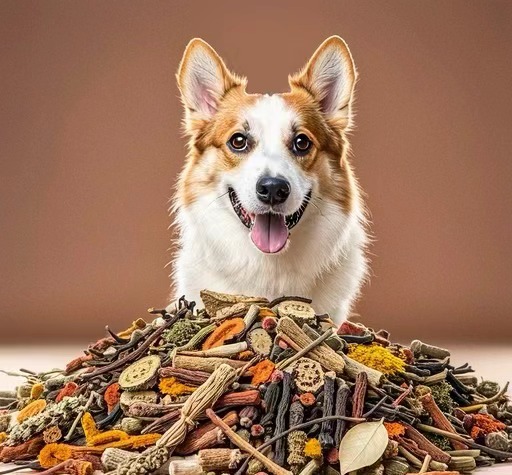
by TCMVET | Mar 23, 2024 | Dog Cancer & Tumors
The field of veterinary oncology is witnessing a paradigm shift with the integration of holistic care approaches, particularly through the use of Traditional Chinese Herbal Medicine (TCM) in treating dog tumors. This approach represents a complementary method, working alongside conventional treatments like surgery, chemotherapy, and radiation, to provide a more rounded care for dogs diagnosed with cancer.
Understanding the Role of TCM in Canine Oncology
TCM, with its centuries-old history, focuses on treating the whole patient rather than just the symptoms or the disease itself. The core principle of TCM is to restore and maintain balance in the body’s energy, or Qi. When it comes to canine tumors, TCM addresses the underlying imbalances that contribute to the disease, which could be Qi stagnation, blood stasis, or an imbalance in Yin and Yang.
Key Herbs in TCM for Dog Tumors
TCM utilizes a variety of herbs that are known for their cancer-fighting properties. Astragalus, for instance, is celebrated for boosting the immune system, which is crucial for dogs undergoing cancer treatment. Szechuan lovage, another vital herb, is known for improving blood circulation, essential for transporting nutrients and medicinal compounds throughout the body. Herbs like Rehmannia glutinosa have anti-inflammatory properties, which help in reducing the inflammation often associated with cancer.
Synergy with Conventional Cancer Treatments
The most notable aspect of incorporating Chinese herbs into canine cancer treatment is their ability to complement conventional treatments. While the primary treatments focus on eliminating cancer cells, TCM works to strengthen the dog’s overall constitution, thereby enhancing the effectiveness of conventional treatments and helping to mitigate their side effects.
Natural Management of Treatment Side Effects
Chinese herbs can play a significant role in alleviating the side effects of conventional cancer treatments. They provide support to organ systems that might be affected by chemotherapy or radiation, aid in detoxification, and offer anti-inflammatory and antioxidative benefits. This natural approach to managing side effects is essential for maintaining the quality of life of dogs during cancer treatment.
Tailoring TCM to Individual Needs
TCM treatments should be customized to each dog’s specific condition and needs, and should be administered under the guidance of a veterinarian skilled in both conventional and holistic veterinary medicine. This ensures the safety and effectiveness of the treatment and that it is appropriately integrated with standard cancer therapies.
Integrating Traditional Chinese Herbal Medicine into veterinary oncology for the treatment of dog tumors represents a significant advancement in the field. This approach offers a more holistic treatment option, not just targeting the tumor, but supporting the overall health and well-being of the dog. As the veterinary field continues to embrace this integrated approach, dogs with cancer can look forward to more comprehensive and effective treatment plans that offer a better quality of life.

by TCMVET | Mar 23, 2024 | Dog Cancer & Tumors
Canine cancer, a major concern for pet owners and veterinarians alike, requires a comprehensive approach to treatment. Traditional Western methods like surgery, chemotherapy, and radiation remain foundational in combatting this disease. However, an increasing number of veterinary professionals are recognizing the benefits of integrating Traditional Chinese Herbal Medicine (TCM) into their treatment protocols. This holistic approach, deeply rooted in ancient Chinese philosophy, emphasizes treating the whole patient rather than just the disease.
Understanding the Role of TCM in Canine Cancer Care
TCM offers a unique perspective on health and disease, focusing on restoring balance and harmony within the body. It is based on the concept of Qi (vital energy) and its smooth and balanced flow throughout the body. In the context of cancer, TCM seeks to address the underlying imbalances that contribute to the disease, such as Qi stagnation or blood stasis.
Key Herbs and Their Benefits
Several herbs are commonly used in TCM for canine cancer treatment. Astragalus, known for its immune-boosting properties, is a staple in many herbal formulas. It enhances the body’s natural defense mechanism, making it a valuable asset in fighting cancer. Szechuan lovage is another important herb, reputed for its circulation-improving qualities. By enhancing blood flow, it ensures that nutrients and medicinal compounds are effectively distributed throughout the body. Rehmannia glutinosa, recognized for its anti-inflammatory properties, plays a crucial role in reducing inflammation, a common problem in dogs with cancer.
Synergistic Effects with Conventional Treatments
One of the most compelling aspects of using TCM in canine cancer treatment is its potential to work synergistically with conventional treatments. While surgery, chemotherapy, and radiation attack the tumor directly, TCM supports the body’s overall health, helping to mitigate side effects and enhance the efficacy of conventional treatments.
Managing Side Effects Naturally
A significant advantage of incorporating TCM into cancer treatment is its ability to alleviate side effects associated with conventional therapies. Herbs in TCM can support organ systems affected by chemotherapy or radiation, aid in detoxification, and provide anti-inflammatory and antioxidative benefits. This not only improves the quality of life for dogs undergoing treatment but also promotes faster recovery.
Tailored Treatments for Individual Needs
It’s important to note that TCM should be administered under the guidance of a veterinarian experienced in integrative medicine. Each dog is unique, and treatments should be tailored to their specific health needs. This ensures the safe and effective use of herbal medicine in conjunction with standard cancer therapies.
The integration of Traditional Chinese Herbal Medicine in canine cancer treatment represents a significant advancement in veterinary care. By combining the best of both worlds – the precision of modern medicine and the holistic approach of ancient practices – we can offer our canine companions a more comprehensive, gentle, and effective treatment plan. As veterinary medicine continues to evolve, the synergy of these diverse methodologies promises not only better health outcomes but also a higher quality of life for our beloved pets.

by TCMVET | Mar 22, 2024 | Dog Cancer & Tumors
Mast Cell Tumors (MCTs) are one of the most common types of skin cancers found in dogs. They can manifest in any breed and at any age, although they predominantly appear in middle-aged to older dogs. Conventional treatments often involve surgery, chemotherapy, or radiation, but an increasing number of pet owners and veterinarians are turning towards Traditional Chinese Medicine (TCM) for a more holistic approach.
Understanding Mast Cell Tumors in Dogs
MCTs arise from mast cells, which are a vital part of the immune system, helping to fight off parasites and involved in allergic reactions. However, when these cells mutate and proliferate uncontrollably, they form mast cell tumors. These tumors can vary in appearance, from small, benign lumps to large, malignant growths, and can occur anywhere on the dog’s body.
The Conventional Approach to Treatment
The traditional approach to treating MCTs in dogs usually involves surgical removal of the tumor. In cases where the tumor is malignant, chemotherapy or radiation therapy may be recommended. However, these treatments can be invasive and may have significant side effects.
Integrating Traditional Chinese Medicine
TCM offers a gentler, yet effective alternative or complementary approach to treating MCTs in dogs. This holistic method considers the entire well-being of the pet, focusing not just on the tumor, but also on strengthening the immune system and improving overall health. Some of the key components of TCM in treating MCTs include:
- Herbal Medicine: Various Chinese herbs are known for their anti-tumor properties. Herbs like Bai Hua She She Cao (Hedyotis diffusa), Ban Zhi Lian (Scutellaria barbata), and Huang Qin (Scutellaria baicalensis) are commonly used in TCM to target cancer cells and boost immunity.
- Acupuncture: This ancient practice can help relieve pain, reduce inflammation, and improve energy flow, which can be beneficial for dogs undergoing cancer treatment.
- Diet Therapy: A balanced diet, potentially including specific foods and supplements known in TCM for their cancer-fighting properties, can play a critical role in supporting a dog’s health during cancer treatment.
The Benefits of Integrating TCM in MCT Treatment
By incorporating TCM into the treatment plan for MCTs, dogs can enjoy several benefits:
- Reduced side effects from conventional treatments
- Improved overall well-being and quality of life
- Strengthened immune system to help fight the tumor
- Holistic approach that treats the whole pet, not just the disease
While Traditional Chinese Medicine should not replace conventional veterinary care, it can be an excellent complementary approach to treating Mast Cell Tumors in dogs. TCM offers a more natural, less invasive option that can significantly enhance the quality of life for our canine companions facing this challenging disease.

by TCMVET | Mar 19, 2024 | Dog Cancer & Tumors
The resurgence of Traditional Chinese Medicine (TCM) in modern veterinary care is opening new horizons in the treatment of canine squamous cell carcinoma (SCC), a prevalent type of skin cancer in dogs. This article explores the promising role of TCM, particularly herbal remedies, in managing this challenging condition, presenting an integrative approach that combines ancient wisdom with modern veterinary science.
Understanding Canine Squamous Cell Carcinoma
Canine SCC is a form of skin cancer that predominantly affects areas with minimal pigmentation and exposure to sunlight. While modern veterinary practices offer surgical and chemical treatments, the quest for less invasive and more holistic approaches has led to the exploration of TCM.
The Principles of Traditional Chinese Medicine
TCM, rooted in a philosophy that emphasizes harmony between the body and its environment, offers a unique perspective on disease and wellness. Central to its approach is the balance of Qi, the vital energy, and the interplay of the Yin and Yang forces within the body. Herbal remedies, one of the pillars of TCM, are particularly noted for their potential in treating various ailments, including cancer.
TCM Herbs in Combating Canine SCC
TCM herbal formulations are tailored to individual cases, considering factors like the dog’s overall health, the cancer’s nature, and the presence of other symptoms. These formulations often include herbs known for their anti-inflammatory, immune-boosting, and tumor-inhibiting properties. Some herbs like Huang Qin (Scutellaria baicalensis) and Bai Hua She She Cao (Hedyotis diffusa) have shown promise in inhibiting tumor growth.
Integrating TCM in Modern Veterinary Oncology
The integration of TCM into canine cancer treatment doesn’t imply abandoning conventional methods. Instead, it provides a complementary approach, potentially enhancing the effectiveness of traditional treatments and mitigating their side effects. Veterinarians increasingly recognize the value of this integrative approach in offering a more holistic and personalized treatment plan.
Case Studies and Clinical Evidence
Emerging clinical studies and case reports illustrate the potential benefits of TCM in treating canine SCC. These include improved quality of life, slowed tumor progression, and reduced side effects from conventional treatments. However, the need for more rigorous scientific research to substantiate these findings remains critical.
Challenges and the Way Forward
While TCM offers promising avenues, challenges such as standardization of herbal formulations, understanding herb-drug interactions, and navigating regulatory landscapes persist. Increasing awareness among pet owners and veterinarians about the potential and limitations of TCM is essential for its successful integration into mainstream veterinary practice.
“Reviving Herbal Wisdom” isn’t just about bringing back ancient practices but is about enriching modern veterinary medicine with a holistic perspective. The potential of TCM in treating canine SCC is a beacon of hope for many pet owners seeking gentler, yet effective, treatment options for their beloved companions.
