
by TCMVET | Mar 18, 2024 | pet Chinese herbal medicine
The journey of medicine from the ancient wisdom of Shen Nong to the innovative treatments of modern veterinary oncology is a testament to the relentless pursuit of healing. This evolution is particularly significant in the realm of canine cancer treatments, where integrating traditional knowledge with contemporary science has opened new avenues for holistic care.
The Legacy of Shen Nong
Shen Nong, a mythical emperor in Chinese folklore, is celebrated for his contributions to herbal medicine. Known as the Divine Farmer, he is said to have tasted hundreds of herbs to understand their medicinal properties, a feat documented in the ancient text “Shen Nong Ben Cao Jing.” This pharmacopeia laid the foundation for Traditional Chinese Medicine (TCM), influencing generations of healing practices.
The Rise of Canine Cancer
In today’s world, cancer is a leading cause of death in dogs, with oral cancer being particularly aggressive. Factors like genetics, environment, and lifestyle contribute to the prevalence of this disease. Modern veterinary medicine has made significant strides in diagnosing and treating canine cancer, yet there remains a need for more holistic approaches.
Integrating Traditional Wisdom with Modern Science
The integration of Shen Nong’s herbal legacy with modern cancer treatments represents a fusion of ancient wisdom and contemporary science. TCM emphasizes the balance of the body’s energy, or Qi, and views disease as a manifestation of imbalance. By incorporating TCM practices like herbal therapy and acupuncture into canine cancer treatment, veterinarians can provide a more rounded approach to care.
Herbal Remedies for Canine Cancer
Herbs used in TCM, such as Huang Qin (Scutellaria) and Ling Zhi (Reishi mushrooms), have shown promise in supporting cancer treatment. They may help in alleviating symptoms, boosting immunity, and potentially reducing tumor growth. However, these remedies should be used under the guidance of a professional knowledgeable in both TCM and veterinary medicine to ensure safety and efficacy.
The Role of Acupuncture
Acupuncture, another facet of TCM, has been adapted for canine patients to help manage pain and improve quality of life. Acupuncture points are carefully selected to target areas affected by cancer, promoting healing and energy balance.
The Importance of a Multifaceted Approach
Embracing both traditional and modern treatments allows for a more personalized approach to canine cancer care. This includes conventional methods like surgery, chemotherapy, and radiation, alongside TCM practices. Such an integrative approach aims not only to treat the disease but also to enhance the overall well-being of the dog.
Educating Pet Owners
Education plays a crucial role in this integrative approach. Pet owners should be informed about the benefits and limitations of both traditional and modern treatments. This knowledge empowers them to make informed decisions about their pets’ health care.
The legacy of Shen Nong lives on in the realm of canine cancer treatments, bridging eras and ideologies. By integrating his herbal wisdom with modern veterinary practices, we offer our canine companions a chance at not just survival, but a better quality of life. This blend of ancient and modern not only honors our past but also paves the way for a more holistic future in veterinary medicine.

by TCMVET | Mar 15, 2024 | Dog Cancer & Tumors
Invasive Squamous Cell Carcinoma (SCC) in dogs is a condition that not only affects their physical health but also their overall well-being. While conventional veterinary treatments are essential, incorporating traditional Chinese herbal medicine (TCM) can offer additional support in managing the chronic and clinical symptoms. This article explores how TCM can complement modern treatments to enhance the quality of life for dogs with invasive SCC.
Recognizing Invasive SCC in Dogs Invasive SCC in dogs presents with symptoms like persistent sores, thickened skin patches, and, in advanced stages, ulcerations and bleeding. Understanding these signs is crucial for early intervention and effective management.
TCM Approach to Symptom Management TCM focuses on restoring balance and enhancing the body’s natural healing processes. Some herbs and formulations that can be beneficial in managing SCC symptoms include:
- Bai Hua She She Cao (Hedyotis diffusa): Known for its purported anti-cancer properties.
- Jin Yin Hua (Honeysuckle): Used for its anti-inflammatory and soothing effects.
- Xi Yang Shen (American Ginseng): Believed to boost energy and improve overall vitality.
Integrating TCM with Conventional Treatments Combining TCM with surgery, chemotherapy, or radiation can provide a more holistic treatment approach. TCM can help alleviate some of the side effects of conventional treatments and support the dog’s immune system.
TCM for Pain Management Herbs like Yan Hu Suo (Corydalis) and Yu Jin (Turmeric Tuber) are traditionally used in TCM for pain relief. They can be particularly useful in managing discomfort associated with invasive SCC.
Diet and Lifestyle Adjustments Along with herbal remedies, dietary adjustments and maintaining a stress-free environment are important. Foods rich in antioxidants and easy-to-digest nutrients can support healing and overall well-being.
Integrating traditional Chinese herbal medicine with conventional veterinary treatments offers a comprehensive approach to managing chronic and clinical symptoms of invasive SCC in dogs. It emphasizes not only treating the condition but also improving the quality of life for our canine companions.

by TCMVET | Mar 15, 2024 | Dog Cancer & Tumors
The differential diagnosis of nasal tumors in dogs, such as lymphoma, sarcomas, and melanomas, is a complex veterinary challenge. Incorporating traditional Chinese herbal medicine (TCM) alongside conventional methods can provide a more holistic approach to diagnosis and treatment. This article explores how TCM can aid in differentiating and managing these diverse nasal tumors in dogs.
Understanding Nasal Tumors in Dogs Canine nasal tumors vary greatly, with lymphoma, sarcomas, and melanomas being the most common types. Each has unique characteristics and requires distinct diagnostic approaches. Symptoms can include nasal discharge, nosebleeds, and facial deformity.
TCM Approach to Differentiating Nasal Tumors TCM focuses on balancing the body’s Qi (energy) and harmonizing the Yin and Yang. This holistic approach can assist in the differential diagnosis of nasal tumors:
- Lymphoma: TCM practitioners may look for signs of Qi stagnation and blood stasis.
- Sarcomas: In TCM, these are often associated with a deeper imbalance in the body’s vital energy.
- Melanomas: These may be linked to extreme Yin-Yang imbalances, according to TCM principles.
Herbal Remedies in TCM for Nasal Tumors
- Huang Qin (Scutellaria baicalensis): Used for its anti-inflammatory properties.
- Ku Shen (Sophora flavescens): May help in cases of lymphoma due to its cooling effects.
- He Shou Wu (Polygonum multiflorum): Believed to nourish the blood and could be beneficial for sarcomas.
- San Qi (Panax notoginseng): Often used for its purported ability to disperse blood stasis, potentially aiding in melanoma cases.
Integrating TCM with Conventional Diagnostic Methods Combining TCM with conventional diagnostics like biopsies and imaging can provide a comprehensive understanding of the tumor type. TCM may offer additional insights into the dog’s overall health condition, aiding in the selection of the most appropriate treatment.
Differential diagnosis of canine nasal tumors, such as lymphoma, sarcomas, and melanomas, can be enhanced with the inclusion of TCM. This holistic approach, alongside traditional veterinary practices, offers a promising avenue for more effective and tailored treatment strategies.

by TCMVET | Mar 14, 2024 | Dog Cancer & Tumors
Invasive Squamous Cell Carcinoma (SCC) in dogs is a serious and potentially life-threatening condition that warrants prompt attention. Chronic and clinical symptoms play a crucial role in its early detection and effective management. This article aims to provide a detailed understanding of these symptoms, enhancing awareness among dog owners and aiding in early intervention.
What is Invasive Squamous Cell Carcinoma? Invasive SCC is a type of cancer that originates in the squamous cells of the skin and can spread to deeper tissues and organs. It is more aggressive than its non-invasive counterpart and requires immediate veterinary care.
Chronic Symptoms The chronic symptoms of invasive SCC in dogs often develop slowly and can be mistaken for less serious conditions. These include:
- Persistent sores or lesions that do not heal
- Thickened or scaly patches of skin
- Changes in skin color or texture
Clinical Symptoms As the disease progresses, more severe clinical symptoms appear, including:
- Noticeable lumps or swellings in the affected area
- Ulceration and bleeding of skin lesions
- Loss of appetite and weight loss
- Lethargy and decreased activity levels
Diagnosis and Importance of Early Detection Early detection of invasive SCC can significantly improve the chances of successful treatment. Diagnosis typically involves a biopsy of the affected area, followed by imaging tests to determine the extent of cancer spread.
Treatment Options Treatment varies based on the stage and severity of the cancer and may include surgery, radiation therapy, chemotherapy, or a combination of these. The earlier the treatment begins, the better the prognosis.
Prevention and Care While some factors like genetics cannot be controlled, reducing exposure to known risk factors such as excessive sunlight can help prevent SCC. Regular veterinary check-ups and monitoring for any skin changes are essential.
Awareness of the chronic and clinical symptoms of invasive SCC in dogs is key to early diagnosis and effective treatment. Dog owners should be vigilant and seek veterinary advice if they notice any concerning symptoms.
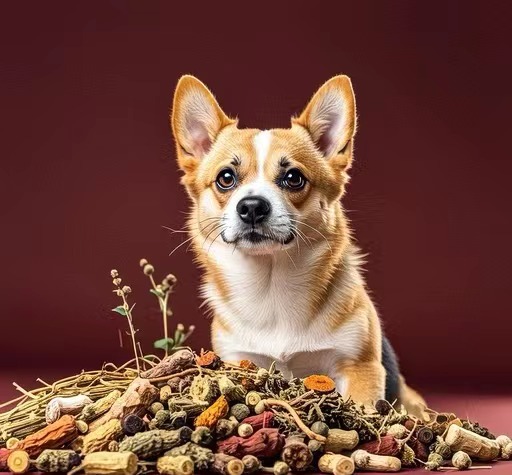
by TCMVET | Mar 13, 2024 | Dog Cancer & Tumors
The prognosis and long-term management of fibrosarcomas in dogs can be challenging. Integrating Chinese Herbal Medicine (CHM) with conventional treatment can offer additional support. This article explores how CHM can be beneficial in managing fibrosarcomas in dogs, focusing on prognosis and long-term care.
Understanding Fibrosarcomas in Dogs Fibrosarcomas are malignant tumors arising from fibrous tissues in dogs. They can be aggressive and challenging to treat. The prognosis depends on the tumor’s size, location, and the stage at diagnosis.
Conventional Treatment and Prognosis Conventional treatment usually involves surgery, radiation, and chemotherapy. The prognosis after these treatments varies, with recurrence being a common issue.
Incorporating Chinese Herbal Medicine CHM can play a supportive role in the management of fibrosarcomas in dogs, especially in improving overall health and potentially enhancing the efficacy of conventional treatments.
- Herbs for Immune Support: Herbs like Astragalus and Ginseng can strengthen the immune system, which is crucial for dogs with cancer.
- Herbs for Reducing Tumor Growth: Some herbs are believed to have anti-tumor properties that may slow down the growth of fibrosarcomas.
- Herbs for Managing Symptoms: CHM can also help manage symptoms and improve the quality of life by addressing issues like pain, inflammation, and appetite loss.
Integrating CHM with Conventional Care Integrating CHM should be done under the guidance of professionals skilled in both veterinary medicine and Chinese herbal practices. This integration ensures a balanced approach to managing the disease.
Long-Term Management Strategies Long-term management involves regular veterinary check-ups, maintaining a healthy diet and lifestyle, and the judicious use of CHM to support overall health and well-being.
Case Studies and Research While research on CHM in treating fibrosarcomas in dogs is limited, various case studies have shown positive outcomes when it is used as part of an integrated treatment plan.
The integration of Chinese Herbal Medicine into the prognosis and long-term management of fibrosarcomas in dogs offers a promising complementary approach. By combining the best of both conventional and traditional practices, it’s possible to enhance the care and quality of life for dogs with this challenging condition.
