
by TCMVET | Mar 13, 2024 | Dog Cancer & Tumors
Combating fibrosarcomas in dogs requires a comprehensive approach, and integrating Chinese Herbal Medicine (CHM) with nutrition and lifestyle changes can play a pivotal role. This article explores how the synergy of diet, lifestyle adjustments, and CHM can enhance the management of fibrosarcomas in dogs.
Understanding Fibrosarcomas in Dogs Fibrosarcomas are aggressive tumors arising from the connective tissues in dogs. These malignancies can grow rapidly and require early intervention. Integrating CHM with conventional treatment can provide a holistic approach to care.
The Role of Nutrition Nutritional management is critical for dogs with fibrosarcomas. A balanced diet that supports the immune system and overall health is vital.
- High-Quality Protein: Essential for repairing tissues and supporting immune function.
- Balanced Fatty Acids: Omega-3 fatty acids, known for their anti-inflammatory properties, are beneficial.
- Antioxidants and Vitamins: Crucial for supporting the immune system and combating oxidative stress.
Incorporating Chinese Herbal Medicine CHM offers a range of herbs known for their anti-cancer and immune-boosting properties. Integrating these into the dog’s diet can be beneficial:
- Astragalus: Known for its immune-boosting qualities.
- Dang Shen: A tonic herb that can enhance vitality.
- Turmeric: Contains curcumin, known for its anti-inflammatory properties.
Lifestyle Management Along with nutrition, lifestyle management is key. This includes:
- Regular Exercise: Maintaining a moderate exercise routine tailored to the dog’s condition.
- Stress Reduction: Ensuring a calm environment to support overall well-being.
- Holistic Therapies: Acupuncture and massage can complement CHM and conventional treatments.
Collaborative Approach A collaborative approach involving veterinarians and CHM practitioners ensures that the dietary and lifestyle changes align with the overall treatment plan.
Research and Case Studies Emerging studies suggest the positive impact of combining CHM, nutrition, and lifestyle changes in managing canine cancers, including fibrosarcomas.
Integrating Chinese Herbal Medicine with tailored nutrition and lifestyle management offers a holistic strategy for managing fibrosarcomas in dogs. This integrated approach supports overall health, complements conventional treatments, and enhances the quality of life for our canine companions.

by TCMVET | Mar 13, 2024 | Dog Cancer & Tumors
Diagnosing fibrosarcomas in dogs presents unique challenges, and integrating traditional practices like Chinese Herbal Medicine (CHM) can provide additional insights. This article explores the conventional diagnosis of fibrosarcomas in dogs and how CHM can complement this process.
Understanding Fibrosarcomas in Dogs Fibrosarcomas are malignant tumors originating from fibrous tissues. In dogs, these tumors may appear anywhere but are commonly found in the limbs, spine, and mouth. Early and accurate diagnosis is crucial for effective treatment and management.
Conventional Diagnostic Methods The standard approach to diagnosing fibrosarcomas in dogs includes:
- Physical Examination: Vets look for lumps or abnormal growths during routine check-ups.
- Biopsy and Histopathology: Tissue samples from the tumor are examined under a microscope.
- Imaging Techniques: X-rays, ultrasounds, and MRIs help determine the tumor’s size and spread.
Integrating Traditional Chinese Herbal Medicine While CHM is not a diagnostic tool in the conventional sense, it can provide supportive insights, particularly in understanding the overall health and balance of the dog, which can be crucial in managing cancer.
- Holistic Assessment: CHM practitioners often conduct a comprehensive evaluation, including examining the dog’s tongue, pulse, and behavior, which can offer additional clues about the dog’s overall health status.
- Supporting Diagnosis with Herbal Remedies: Certain herbal formulations, known for their healing properties, might be used to support the dog’s constitution and vitality during the diagnostic process and treatment.
- Collaboration with Veterinarians: Integrating CHM requires collaboration between the veterinarian and a skilled CHM practitioner for a holistic approach to diagnosis and subsequent treatment.
Case Studies and Research Emerging research and case studies have shown the potential benefits of incorporating CHM in supporting the overall health of dogs diagnosed with fibrosarcomas, although its role in direct diagnosis is limited.
While the primary diagnosis of fibrosarcomas in dogs relies on conventional veterinary methods, the integration of CHM can offer complementary support, enhancing the overall care approach. This holistic strategy underscores the importance of treating the entire dog, not just the disease.
by TCMVET | Mar 7, 2024 | Cat Cancer & Tumors
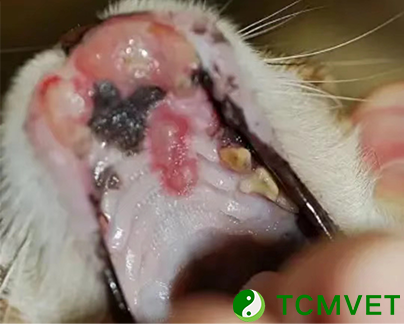
Squamous Cell Carcinoma (SCC) is a prevalent type of cancer in small animals, particularly affecting dogs and cats. It’s a malignant tumor that originates in the squamous epithelium, which is the outermost layer of the skin, as well as in the linings of the organs and cavities of the body. As a pet owner or a veterinary enthusiast, understanding the treatment options available for SCC in small animals is crucial for managing this disease effectively.
1. Surgical Removal:
Surgery is often the primary treatment for squamous cell carcinoma, particularly when the tumor is localized and has not metastasized. The goal of the surgery is to completely remove the cancerous tissue. In cases where SCC is located in the skin, the surgical removal is relatively straightforward. However, if the tumor is in more complex areas, such as the mouth or near the nail beds, the procedure can be more challenging. Post-surgical histopathology is essential to ensure that the margins are clear of cancer cells.
2. Radiation Therapy:
Radiation therapy is another effective treatment, particularly for tumors that are difficult to remove surgically, such as those in the oral cavity. It involves the use of high-energy rays to destroy cancer cells and shrink tumors. This therapy is often used post-surgery if the margins are not clear or if the cancer is inoperable. For some pets, radiation therapy can be used as a palliative treatment to relieve symptoms and improve the quality of life.
3. Chemotherapy:
Chemotherapy is less commonly used in treating SCC in small animals compared to other types of cancer, but it may be recommended in cases where the cancer has metastasized. It involves the use of drugs to kill cancer cells or slow their growth. Chemotherapy can be administered orally or through injections and often comes with side effects such as nausea, fatigue, and increased susceptibility to infections.
4. Cryosurgery:
For smaller or superficial SCC lesions, cryosurgery might be an option. This treatment involves using extreme cold (liquid nitrogen) to freeze and destroy abnormal cells. It is less invasive than traditional surgery and is usually performed on an outpatient basis.
5. Photodynamic Therapy (PDT):
PDT is a relatively new treatment option that involves using drugs, known as photosensitizing agents, alongside light to kill cancer cells. The drug is absorbed by the cancer cells and, when exposed to a specific wavelength of light, it produces a form of oxygen that kills the cells.
6. Electrochemotherapy:
Electrochemotherapy combines chemotherapy and electric pulses to enhance the absorption of chemotherapeutic drugs by the cancer cells. This treatment is gaining interest for treating tumors that are difficult to treat with conventional methods.
7. Palliative Care:
In cases where the cancer is too advanced, or the animal is not a good candidate for aggressive treatments, palliative care becomes the focus. This involves managing symptoms and maintaining the quality of life with medications, nutritional support, and pain management.
Treatment for squamous cell carcinoma in small animals varies based on the tumor’s location, size, and the general health of the animal. Advances in veterinary medicine have significantly increased the effectiveness of SCC treatments, offering hope and improved outcomes for pets diagnosed with this condition. Regular check-ups and early detection remain key in successfully managing and treating SCC. As always, consultation with a qualified veterinary oncologist is crucial to determine the best course of action for each individual case.

by TCMVET | Mar 4, 2024 | Cat Cancer & Tumors
The rise in tumor cases among domestic cats has raised concerns among pet owners. While modern veterinary practices play a pivotal role in treating these conditions, incorporating herbal strategies for early detection and prevention has gained traction. This comprehensive guide explores how natural remedies can be used alongside traditional methods for a more holistic approach to feline health care.
- Understanding Feline Tumors:
- Briefly describe common types of tumors in cats, including fibrosarcomas, brain tumors, intestinal tumors, mammary cancer, and osteosarcomas.
- Explain their symptoms, typical progression, and the importance of early detection.
- Role of Herbal Remedies in Early Detection:
- Introduce the concept of using herbal remedies as a preventive measure and for early detection of tumors.
- Discuss how herbs like Turmeric, Echinacea, and Milk Thistle can boost immune function and potentially help in identifying tumor growth early.
- Integrating Herbs with Regular Veterinary Care:
- Emphasize the importance of regular veterinary check-ups.
- Explain how herbs can complement these visits for an integrated approach to health monitoring.
- Preventive Herbal Strategies:
- Provide detailed information on preventive herbal strategies, including dietary supplements and topical applications.
- Discuss dosage, preparation, and administration methods for different herbs.
- Case Studies: Success Stories in Herbal Prevention:
- Share real-life examples or case studies of cats that have benefitted from herbal strategies in early tumor detection and prevention.
- Understanding Potential Risks and Side Effects:
- Address the possible risks and side effects of herbal remedies.
- Stress the importance of consulting with a veterinarian before starting any herbal treatment.
- Lifestyle Changes for Optimal Feline Health:
- Suggest lifestyle changes that can complement herbal strategies, such as diet modifications and environmental factors.
- Future of Herbal Treatments in Veterinary Care:
- Look into ongoing research and future prospects in the field of herbal treatments for feline tumors.
Incorporating herbal strategies for early detection and prevention of tumors in cats offers a promising complementary approach to traditional veterinary care. By understanding and utilizing these natural remedies under professional guidance, pet owners can contribute significantly to their cat’s health and well-being.

by TCMVET | Mar 4, 2024 | Cat Cancer & Tumors
The increasing prevalence of tumors in cats has prompted a surge in exploring alternative treatments. One promising avenue is using Traditional Chinese Herbs to boost feline immunity. This holistic approach focuses on enhancing the body’s natural defenses, offering a supportive role in tumor management and overall health. This article delves into how Traditional Chinese Herbs can be used to strengthen feline immunity against tumors, providing a complementary approach to conventional treatments.
- Understanding Tumors in Cats:
- Discuss the common types of tumors found in cats, including their causes and symptoms.
- Explain the significance of a robust immune system in preventing and fighting tumors.
- Traditional Chinese Herbs and Feline Health:
- Introduce the concept of Traditional Chinese Medicine (TCM) and its application in veterinary care.
- Highlight specific herbs used in TCM, like Astragalus for immune boosting, Lingzhi (Reishi mushroom) for anti-tumor properties, and Ginseng for overall vitality.
- Integrating Chinese Herbs into Feline Care:
- Provide guidelines on how to incorporate these herbs into a cat’s diet or treatment plan, with emphasis on consultation with a veterinarian experienced in TCM.
- Case Studies and Research:
- Present real-world examples or research studies that showcase the effectiveness of Chinese herbs in boosting feline immunity and combating tumors.
- Balancing Traditional Herbs with Conventional Treatments:
- Discuss how Traditional Chinese Herbs can complement conventional cancer treatments like chemotherapy or radiation.
- Diet and Lifestyle Adjustments for Immune Health:
- Suggest additional dietary and lifestyle changes that can support immune health, such as high-quality protein diets and stress reduction techniques.
- Potential Risks and Side Effects:
- Address possible risks or side effects associated with the use of Chinese herbs and the importance of professional guidance.
Traditional Chinese Herbs offer a promising addition to the arsenal against feline tumors. By boosting the immune system, these herbs can play a crucial role in tumor prevention and treatment, complementing conventional therapies. Always consult with a veterinarian skilled in TCM to tailor a safe and effective treatment plan for your feline friend.
