
by TCMVET | Feb 9, 2025 | Cat Cancer & Tumors
Cats, like humans, can develop tumors as they age. These growths can be benign or malignant, and as pet owners, we always want to provide our furry friends with the best care. While conventional treatments such as surgery, chemotherapy, and radiation are common, many cat owners are seeking natural alternatives to support their cat’s health and possibly complement traditional treatments. One of the most common and effective options is the use of natural supplements.
In this article, we will discuss the best natural therapies for feline tumors and how you can choose the right supplements to support your cat’s health, including the use of TCMVET Baituxiao, a product designed to help inhibit tumor growth.
Understanding the Role of Natural Supplements in Tumor Treatment
Natural supplements can play a vital role in supporting your cat’s body while it fights cancer. Some supplements focus on boosting the immune system, while others may help manage symptoms or inhibit tumor growth. However, it is essential to remember that supplements should not be used as a replacement for traditional veterinary care, but rather as a complementary therapy.
Key Supplements for Feline Tumors
- Turmeric (Curcumin)
Curcumin, the active ingredient in turmeric, has been studied for its anti-inflammatory and anti-cancer properties. It is known to help prevent the growth of tumors and even slow down the spread of cancer cells. You can find turmeric in supplement form, often combined with black pepper for better absorption.
- CBD Oil
CBD (Cannabidiol) is another natural supplement gaining popularity for its ability to help reduce pain and inflammation in pets with cancer. It may also help with anxiety and stress, which are common in cats with health conditions. CBD oil has been shown to potentially shrink tumors and improve overall quality of life.
- Omega-3 Fatty Acids
Omega-3s, found in fish oils, are well-known for their anti-inflammatory properties and ability to boost the immune system. They can help reduce tumor growth and support a healthy coat, skin, and overall vitality.
- Mushroom Supplements
Medicinal mushrooms such as Reishi, Shiitake, and Maitake have been used in traditional medicine for their immune-boosting and anti-cancer properties. These mushrooms contain beta-glucans, which stimulate the immune system to fight cancer cells.
- TCMVET Baituxiao
TCMVET Baituxiao is a Chinese herbal supplement that has gained recognition for its effectiveness in helping to reduce and inhibit tumor growth. Specifically formulated to support pets with cancer, this supplement works by promoting blood circulation and reducing the stagnation that can contribute to tumor growth. It is an excellent option for cats with tumors, particularly when used as a complementary treatment alongside veterinary care.
How to Choose the Right Supplement for Your Cat
When selecting a supplement for your cat, there are several factors to consider:
- Consult with Your Veterinarian: Always consult with your vet before introducing any new supplement to your cat’s regimen. Some supplements may interact with medications or other treatments, so it’s essential to ensure compatibility.
- Quality and Sourcing: Ensure that any supplement you choose is from a reputable source. Quality matters, especially when it comes to supplements that are meant to address health concerns. Opt for products that are specifically designed for pets and come from companies with a track record of quality and safety.
- Formulation for Cats: Cats have different nutritional needs than humans, so ensure that any supplement is formulated for cats. Some supplements are designed specifically to be cat-friendly and are easier for them to consume, whether in capsule, powder, or liquid form.
- Specific Tumor Type: Different types of tumors may require different forms of support. For instance, certain supplements may be more effective for managing solid tumors, while others might be better suited for internal or hematologic cancers. Make sure to choose a supplement that fits your cat’s specific condition.
Conclusion
Natural therapies can be a valuable part of your cat’s cancer care plan. Supplements such as turmeric, CBD oil, omega-3 fatty acids, and medicinal mushrooms can help support your cat’s immune system, reduce inflammation, and potentially inhibit tumor growth. In particular, TCMVET Baituxiao offers a unique blend of Chinese herbal ingredients designed to promote overall health and reduce tumor progression.
Always consult your veterinarian before adding any new supplement to your cat’s regimen to ensure the best possible outcomes for your pet’s health. Together, with a holistic approach to care, you can give your feline companion the best chance at a long, healthy life.

by TCMVET | Feb 6, 2025 | Dog Cancer & Tumors
Spleen tumors in dogs are often referred to as “silent killers” because they can grow undetected for a long time, showing minimal symptoms until they become a medical emergency. Many pet owners only realize their dog has a spleen tumor when sudden internal bleeding occurs. Understanding the risks, signs, and treatment options for canine splenic tumors is crucial for early detection and intervention.
What Are Spleen Tumors in Dogs?
The spleen is an important organ that helps with blood filtration, immune function, and iron recycling. Tumors in the spleen can be benign (non-cancerous) or malignant (cancerous). The most common types of splenic tumors in dogs include:
- Hemangioma – A benign tumor made up of blood vessels.
- Hemangiosarcoma (HSA) – A highly aggressive cancer that originates in blood vessel cells and has a high risk of spreading to other organs.
- Lymphoma – A type of cancer that affects the lymphatic system and can involve the spleen.
- Splenic Nodular Hyperplasia – A non-cancerous condition where the spleen forms abnormal nodules that can still rupture and cause bleeding.
Among these, hemangiosarcoma is the most dangerous and accounts for a large percentage of splenic tumors. It is particularly common in breeds like Golden Retrievers, German Shepherds, and Labrador Retrievers.
Symptoms of Spleen Tumors in Dogs
Early detection of spleen tumors is difficult because many dogs remain asymptomatic until the tumor grows significantly or ruptures. Some signs to watch for include:
- Lethargy or weakness – Your dog may seem tired and less active than usual.
- Pale gums – A sign of anemia, often due to internal bleeding.
- Sudden collapse – This may occur if the tumor ruptures and causes internal bleeding.
- Enlarged abdomen – A swollen belly can indicate a growing tumor or internal bleeding.
- Loss of appetite and weight loss – Gradual decline in eating and body weight.
- Rapid breathing or increased heart rate – A sign of low blood volume or oxygen deprivation.
If your dog shows any of these symptoms, seek veterinary care immediately, especially if they collapse or have pale gums.
How Are Spleen Tumors Diagnosed?
A veterinarian will typically use the following methods to diagnose splenic tumors:
- Physical Examination – Checking for an enlarged abdomen or signs of anemia.
- Ultrasound – Helps visualize masses inside the spleen.
- X-rays – Can show an enlarged spleen or signs of metastasis.
- Blood Tests – Detects anemia, abnormal white blood cell counts, and organ function changes.
- Fine-Needle Aspiration or Biopsy – Helps determine if the tumor is benign or malignant.
In many cases, a definitive diagnosis can only be made after the spleen is surgically removed and examined.
Treatment Options for Canine Spleen Tumors
1. Surgery (Splenectomy)
If a spleen tumor is detected, the most common treatment is splenectomy (surgical removal of the spleen). Dogs can live without a spleen, but if the tumor is malignant, surgery alone is often not enough to stop cancer progression.
2. Chemotherapy
For hemangiosarcoma, chemotherapy may be recommended after surgery to slow down cancer spread. However, the prognosis remains poor, with an average survival time of 3 to 6 months even with treatment.
3. Natural and Holistic Support
Some pet owners explore natural therapies to support their dog’s immune system and quality of life. Potential options include:
- Medicinal mushrooms (like Turkey Tail and Reishi) – May help support immune function.
- TCM (Traditional Chinese Medicine) herbs – Some herbal blends, like Baituxiao, have been used for tumor care.
- Dietary changes – A high-protein, anti-inflammatory diet may support overall health.
While these options cannot cure cancer, they may enhance well-being and slow disease progression.
Can Spleen Tumors Be Prevented?
While there is no guaranteed way to prevent spleen tumors, pet owners can take steps to reduce risks:
- Regular vet check-ups – Early detection through routine exams and ultrasounds in high-risk breeds.
- Avoid carcinogenic exposure – Reduce exposure to pesticides, secondhand smoke, and low-quality pet food.
- Support immune health – A balanced diet with antioxidants may help prevent cell damage.
Final Thoughts
Spleen tumors in dogs are a serious health concern, especially hemangiosarcoma, which often goes undetected until it becomes life-threatening. Regular veterinary check-ups, being aware of subtle symptoms, and acting quickly if your dog shows signs of distress can make a critical difference. If your dog is diagnosed with a splenic tumor, discuss treatment options with your vet to determine the best course of action for your pet’s quality of life.
By staying informed and proactive, pet owners can provide their dogs with the best possible care and support during this challenging time.
by TCMVET | Jan 26, 2025 | Dog Cancer & Tumors
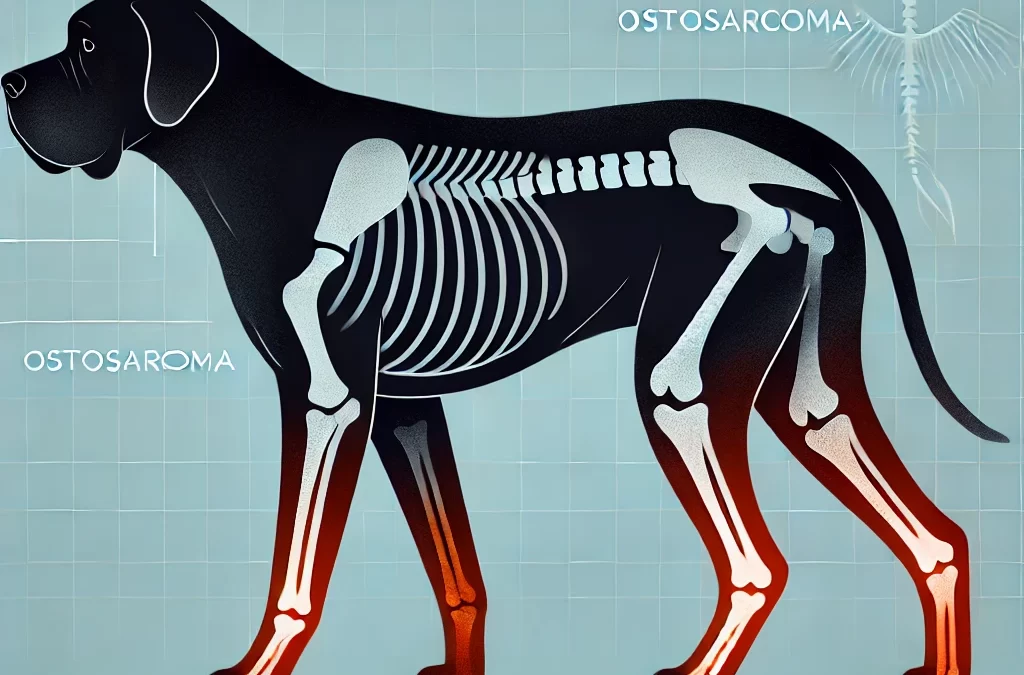
Osteosarcoma (OSA) is the most common primary bone cancer in dogs, and it disproportionately affects large and giant breeds. With its aggressive nature and rapid metastasis, this cancer presents a significant challenge for pet owners. However, understanding the risk factors and adopting preventive strategies can make a difference. This article explores why large dogs are more vulnerable to osteosarcoma and what proactive steps owners can take to minimize the risk.
Why Are Large and Giant Breeds More Susceptible to Osteosarcoma?
- Rapid Growth and Bone Development
Large and giant breed dogs grow quickly during their early months, putting stress on their bones. This rapid growth may lead to micro-damages in bone structures, creating a predisposition for cancerous mutations.
- Genetic Factors
Certain breeds have a genetic predisposition to osteosarcoma. Commonly affected breeds include:
- Great Dane
- Saint Bernard
- Irish Wolfhound
- Rottweiler
- Greyhound
- Labrador Retriever
- Golden Retriever
- Limb Length and Bone Stress
Taller dogs with long limbs are more prone to bone stress. Osteosarcoma frequently occurs in weight-bearing bones like the radius, ulna, humerus, and femur.
- Hormonal Influence and Spaying/Neutering
Studies suggest that early spaying or neutering, particularly before skeletal maturity, may increase osteosarcoma risk. This is believed to be linked to the removal of sex hormones, which play a role in bone growth regulation.
- Chronic Inflammation and Bone Trauma
Repeated trauma, previous fractures, or orthopedic surgeries may increase cancer susceptibility in dogs, especially in breeds already predisposed to osteosarcoma.
How to Reduce the Risk of Osteosarcoma in Large Dogs
- Controlled Growth During Puppyhood
- Avoid high-calorie, rapid-growth diets that put excessive strain on developing bones.
- Feed large breed puppies specially formulated food that promotes steady, controlled growth.
- Balanced Diet with Antioxidants
- Incorporate foods rich in omega-3 fatty acids, turmeric, and antioxidants to combat inflammation and oxidative stress.
- A diet with controlled calcium and phosphorus levels supports bone health without overgrowth.
- Responsible Spaying and Neutering
- Consider delaying sterilization until the dog has reached skeletal maturity (typically around 18-24 months for large breeds).
- Discuss alternative sterilization options with a veterinarian to balance cancer risk with reproductive health.
- Regular Exercise Without Excessive Strain
- Low-impact activities like swimming and controlled walks help maintain bone and joint health.
- Avoid excessive jumping and repetitive high-impact activities, particularly in young dogs.
- Early Detection and Routine Checkups
- Regular veterinary screenings help detect subtle bone changes early.
- Owners should monitor for signs such as limping, swelling in limbs, persistent pain, or sudden difficulty in movement.
- Supplements for Bone Strength
- Glucosamine & Chondroitin: Supports joint and bone integrity.
- Vitamin D & K2: Helps with calcium absorption and bone density.
- Curcumin & Medicinal Mushrooms: Exhibits anti-inflammatory and potential anti-cancer properties.
- Avoidance of Environmental Toxins
- Reduce exposure to known carcinogens, including pesticides, tobacco smoke, and processed pet foods with artificial additives.
Final Thoughts
While large and giant breed dogs are at higher risk for osteosarcoma, preventative care can play a significant role in reducing this threat. A well-balanced diet, controlled exercise, responsible breeding, and regular health monitoring can help pet owners manage risks effectively. Being proactive not only improves a dog’s longevity but also enhances their overall quality of life. If you notice any signs of lameness or swelling, consult a veterinarian as early diagnosis is crucial for improving outcomes.

by TCMVET | Jan 22, 2025 | Dog Cancer & Tumors
As pet owners seek alternatives to conventional cancer treatments like surgery, chemotherapy, and radiation, Traditional Chinese Medicine (TCM) has emerged as a promising complementary approach for dogs with tumors. TCM views cancer as an imbalance in the body’s vital energy (Qi) and aims to restore harmony through herbal medicine, acupuncture, and dietary therapy. But how effective is it? And how can we integrate these treatments into a holistic cancer care plan for dogs?
This article challenges conventional views on canine cancer treatment by diving deep into the ancient wisdom of TCM, merging it with modern veterinary insights to offer a fresh perspective on natural healing.
1. Understanding Cancer in Dogs from a TCM Perspective
In Western medicine, cancer is seen as uncontrolled cell growth often triggered by genetic, environmental, or dietary factors. TCM, however, interprets tumors differently:
- Stagnation of Qi and Blood: Tumors form when energy and blood become blocked, preventing proper circulation.
- Accumulation of Dampness and Phlegm: Excessive moisture in the body can condense into masses.
- Kidney and Spleen Deficiency: Weak organ function can lead to toxin buildup, reducing the body’s ability to clear abnormal cells.
TCM treatment focuses on removing blockages, strengthening organ function, and boosting immunity rather than simply destroying cancer cells.
2. Herbal Medicine: A Natural Approach to Tumor Reduction
Chinese herbal formulas for cancer aim to shrink tumors, enhance immune function, and support organ health. Some commonly used herbs include:
- Baituxiao (白兔肖): Known for its ability to inhibit tumor growth, clear heat, and detoxify the body.
- Huang Qi (黄芪, Astragalus): Strengthens immunity and improves energy flow, often used alongside conventional treatments.
- Ban Zhi Lian (半枝莲, Scutellaria Barbata): Has anti-cancer properties and supports liver health.
- Ling Zhi (灵芝, Reishi Mushroom): A powerful adaptogen that enhances immune response and reduces inflammation.
- Dang Gui (当归, Angelica Sinensis): Promotes blood circulation and prevents Qi stagnation, commonly used for tumors involving the skin or muscles.
These herbs are often prescribed in formulas tailored to a dog’s specific constitution and tumor type, making personalized treatment essential.
3. Acupuncture: Pain Management and Healing Activation
Acupuncture is widely used in human cancer patients to relieve pain and improve well-being, and the same principles apply to dogs. This practice works by stimulating specific meridian points, which:
- Reduce inflammation and pain
- Boost circulation to help shrink tumors
- Support the immune system to slow cancer progression
- Improve digestion and energy levels in weakened dogs
Acupuncture sessions are non-invasive and well-tolerated by most dogs. Many pet owners notice improvements in their dog’s mobility, comfort, and appetite after treatment.
4. Dietary Therapy: Healing Through Food
Food is medicine in TCM, and dietary adjustments play a critical role in supporting dogs with cancer. The goal is to reduce inflammation, nourish Qi, and prevent tumor growth through balanced nutrition.
Recommended Foods:
- Lean proteins: Duck, rabbit, and fish are preferred over red meat, which can be inflammatory.
- Anti-inflammatory vegetables: Carrots, broccoli, and mushrooms like shiitake and maitake.
- Healthy grains: Millet, quinoa, and barley, which strengthen the digestive system.
- Bone broth: Supports digestion and provides essential minerals.
Foods to Avoid:
- Processed foods with artificial additives
- Excessive fatty or greasy foods, which contribute to Dampness
- Sugary treats, as sugar is believed to feed tumor growth
A carefully tailored diet, combined with herbs and acupuncture, can help maintain energy levels and improve a dog’s overall resilience against cancer.
5. Integrating TCM with Conventional Treatments
While TCM offers powerful tools for managing canine tumors, it works best when combined with Western veterinary care. Many veterinarians now adopt an integrative approach, using TCM alongside surgery, radiation, or chemotherapy to:
- Reduce side effects of conventional treatments
- Strengthen the dog’s body against cancer recurrence
- Improve overall comfort and longevity
6. When to Consider TCM for a Dog with Cancer
TCM is particularly beneficial when:
- Surgery is not an option due to the tumor’s location or the dog’s age.
- The dog experiences severe side effects from chemotherapy or radiation.
- The goal is palliative care to extend quality of life rather than cure the cancer.
Since every dog responds differently, working with a TCM-trained veterinarian ensures a safe and effective treatment plan.
A Holistic Future for Canine Cancer Care
Traditional Chinese Medicine provides a gentle yet powerful approach to treating canine tumors by addressing the root cause rather than just the symptoms. By incorporating herbal medicine, acupuncture, and dietary therapy, pet owners can enhance their dog’s well-being and offer a compassionate, natural path to healing.
Cancer treatment should not just focus on prolonging life but on improving the quality of each day. With the right balance of TCM and Western medicine, dogs can enjoy a more comfortable, fulfilling journey, even when facing a cancer diagnosis.

by TCMVET | Jan 22, 2025 | Dog Cancer & Tumors
Bone cancer, particularly osteosarcoma, is one of the most aggressive cancers in dogs. It causes intense pain, often stemming from tumor growth, inflammation, and bone damage, and can lead to complications like fractures or metastasis to the lungs. For pet owners, the challenge lies in managing this pain while ensuring their dog’s life remains as fulfilling and comfortable as possible.
Here, we explore innovative approaches to pain relief and lifestyle enhancement for dogs with bone cancer, combining traditional treatments, natural remedies, and practical lifestyle adjustments.
Understanding Pain in Dogs with Bone Cancer
The pain associated with bone cancer comes from multiple sources:
- Tumor growth: The cancer cells invade healthy bone tissue, causing structural instability.
- Inflammation: The body’s response to cancer often triggers swelling and discomfort.
- Microfractures: As the bone weakens, even normal activity can result in painful fractures.
Recognizing the signs of pain is crucial. Dogs often exhibit:
- Limping or avoiding putting weight on an affected limb
- Restlessness, particularly at night
- Excessive licking or chewing of the affected area
- Loss of appetite and general lethargy
- Sensitivity or irritability when touched
Effective Pain Management Options
Managing pain is the cornerstone of care for dogs with bone cancer. Options include:
- Medications for Pain Relief
- Non-Steroidal Anti-Inflammatory Drugs (NSAIDs): These reduce inflammation and provide moderate pain relief.
- Opioids: Medications like tramadol or morphine are often prescribed for severe pain.
- Bisphosphonates: These drugs help reduce bone breakdown and may alleviate pain.
- Palliative Radiation Therapy
Radiation can shrink tumors and reduce inflammation, providing significant pain relief. It’s particularly effective when surgery is not an option.
- Amputation or Limb-Sparing Surgery
In some cases, removing the affected limb or performing surgery to stabilize the bone can drastically reduce pain and improve mobility.
- Integrative and Natural Therapies
- Acupuncture: Proven to help manage chronic pain and improve overall comfort.
- CBD Oil: Cannabidiol can reduce pain and inflammation while promoting relaxation. Always consult your vet for appropriate dosing.
- Turmeric or Curcumin Supplements: These natural anti-inflammatories can complement conventional treatments.
Enhancing Quality of Life
Pain management is just one part of the equation. To improve your dog’s daily life, consider:
- Adjusting Their Living Space
Provide soft bedding and ensure they have easy access to food, water, and outdoor areas. Consider ramps or non-slip rugs to make movement safer.
- Low-Impact Exercise
Gentle walks or swimming (if possible) can help maintain muscle strength and prevent stiffness. Monitor your dog closely to avoid overexertion.
- Nutritional Support
- High-protein diets can help maintain muscle mass.
- Anti-inflammatory foods like fish oil or omega-3 fatty acids can support joint and bone health.
- Avoid highly processed treats or kibble, as these may exacerbate inflammation.
- Mental Stimulation
Keep your dog engaged with puzzles, gentle play, or interactive toys to support their emotional well-being.
When to Seek Help
It’s essential to regularly assess your dog’s condition with a veterinarian. Look out for signs that their pain may be worsening, such as persistent refusal to eat, increased lethargy, or vocalizations of discomfort. In advanced stages, discussing humane options like palliative care or euthanasia may become necessary.
A Holistic Approach to Care
By combining modern medicine with holistic and lifestyle interventions, you can significantly alleviate your dog’s pain while enhancing their overall quality of life. Every dog’s journey is unique, and with the right care, even dogs facing bone cancer can experience meaningful and joyful moments with their families.
Remember, your love and attentiveness make all the difference.
