by TCMVET | Jan 20, 2025 | Dog Cancer & Tumors
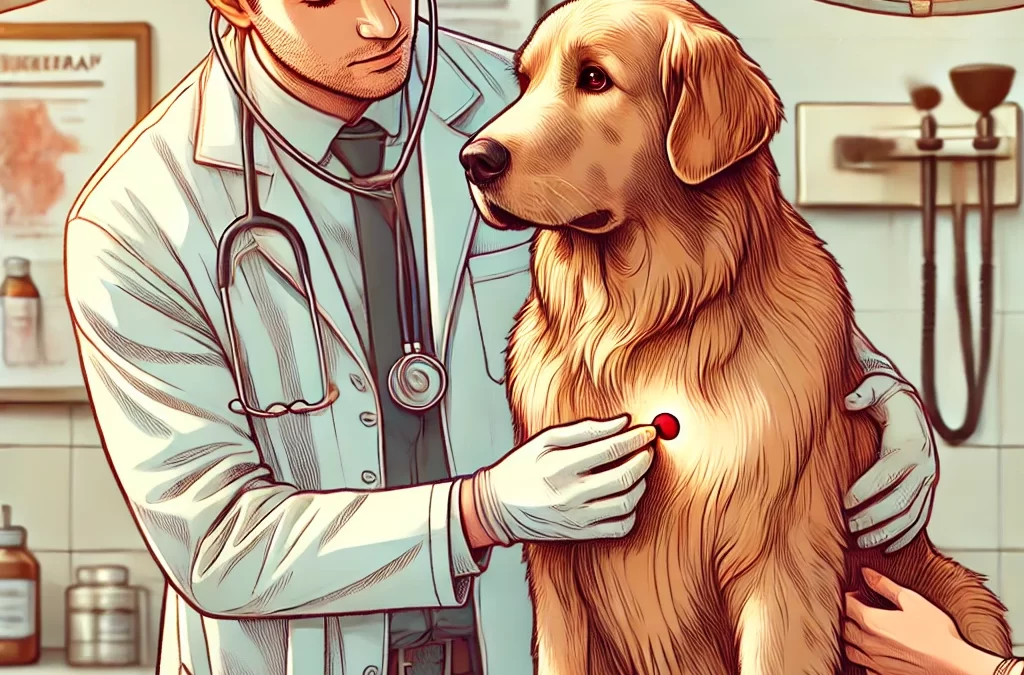
Picture this: You’ve just given your dog a much-deserved belly rub after a fun-filled walk. Suddenly, your fingertips brush against a small bump you’ve never noticed before. Cue the suspenseful music—Has an alien invader (read: malignant tumor) set up camp, or is it just a harmless squatter (benign growth) chilling under your dog’s skin? Before you sound the alarm or shrug it off, let’s shed some light on how to decode these mysterious new tenants in your furry friend’s body.
1. “Growth CSI”: Forensic Clues That Matter
Think of yourself as the detective in a high-stakes crime drama. Your job is to gather all the evidence:
- Texture and Mobility: Malignant tumors often feel irregular and may adhere to surrounding tissues, while benign lumps tend to be smoother and more mobile.
- Rate of Growth: Is that bump rapidly inflating like a balloon, or has it remained the same size over weeks or months? Faster growth can point to malignancy.
- Associated Symptoms: Changes in appetite, lethargy, weight loss, or localized pain might be extra red flags that require immediate attention.
The key takeaway? Don’t jump to conclusions just from how the lump feels. But do keep your “detective notebook” updated with observations.
2. Scientific Intel: Diagnostic Tests Reveal the Truth
Just like any good thriller, you’ll need a qualified partner to crack the case. In this episode, it’s your trusted veterinarian, armed with high-tech tools and a keen eye for detail:
- Fine Needle Aspiration (FNA): A quick, minimally invasive test that can provide immediate cellular clues. Think of it as collecting “fingerprints” of the lump’s identity.
- Biopsy: Sometimes, a closer look is needed—like analyzing a suspect’s DNA. A biopsy offers a deeper dive into the tissue’s structure and cell behavior.
- Imaging Tools: X-rays, ultrasounds, or MRIs act as the detective’s magnifying glass, spotting hidden clues about the growth’s boundaries and potential spread.
3. Tumor or Benign Growth? Understanding the Verdict
After collecting evidence and running tests, the verdict will be in. Malignant tumors—our “alien invaders”—carry the risk of infiltration and metastasis. This often calls for prompt, sometimes aggressive, treatment, which may include surgery, chemotherapy, or radiation. Benign growths—our “harmless squatters”—generally grow slowly and stay confined, but that doesn’t mean you can always ignore them. Some benign masses can still press on vital organs or become ulcerated over time, necessitating removal or periodic monitoring.
4. Crafting a Treatment Masterplan
Whether the diagnosis is a harmless squatter or a confirmed alien invader, having a solid game plan is non-negotiable:
- Surgical Removal: Often the first line of defense—like evicting a bad tenant.
- Medications & Therapies: Chemotherapy, targeted therapy, or immunotherapy can tip the scales in your dog’s favor if the tumor is malignant.
- Lifestyle Adjustments: From specialized diets to gentle exercise routines, holistic support helps your dog feel their best throughout treatment.
- Ongoing Monitoring: Think of this as your perimeter patrol to ensure no suspicious lumps return or appear elsewhere.
5. Celebrating the Wins and Sharing the Journey
Finding a new lump can be a scary twist in your beloved pet’s story. Yet remember: not every bump is a doom-and-gloom scenario. Armed with vigilance and a proactive approach, you can turn this “alien vs. squatter” mystery into a manageable subplot in your dog’s life adventure. Share updates with your vet, celebrate small victories (a stable lump, successful surgery, good energy levels), and cherish each tail wag along the way.
Because at the end of the day, every detective story worth telling concludes with hope—and maybe a few extra treats for the world’s best sidekick, your dog.

by TCMVET | Jan 18, 2025 | Dog Cancer & Tumors
Cancer in dogs is a formidable challenge, often diagnosed too late for effective intervention. Traditional diagnostic tools such as biopsies and imaging have their limitations—they can be invasive, costly, or incapable of detecting tumors at early stages. Enter tumor biomarkers: molecular signatures found in blood, urine, or tissue that offer a game-changing approach to canine oncology. With advancements in veterinary medicine paralleling breakthroughs in human oncology, the race is on to develop reliable, non-invasive biomarkers for early detection, real-time monitoring, and personalized treatment strategies.
1. What Are Tumor Biomarkers, and Why Do They Matter?
Tumor biomarkers are measurable biological substances that indicate the presence, progression, or response to treatment of cancer. These can be:
- Proteins and Enzymes: Elevated levels of specific proteins, such as C-reactive protein (CRP) or thymidine kinase 1 (TK1), may indicate malignancies.
- Circulating Tumor DNA (ctDNA): Fragments of tumor-derived DNA found in the bloodstream offer insights into genetic mutations and tumor burden.
- Exosomes and MicroRNAs (miRNAs): Tiny extracellular vesicles and non-coding RNAs are emerging as promising tools for cancer detection and prognosis.
The ability to detect cancer before it becomes clinically evident could drastically improve treatment outcomes and quality of life for dogs.
2. The Biomarker Revolution: From Concept to Clinical Application
2.1. Early Detection: The Ultimate Game-Changer
Early-stage cancer is often asymptomatic, making routine screening a challenge. Biomarkers can fill this gap by identifying malignancies long before symptoms appear.
- Canine-Specific CRP and TK1: Elevated levels have been linked to lymphoma, hemangiosarcoma, and mast cell tumors.
- Serum microRNAs: Certain miRNA profiles correlate strongly with osteosarcoma and mammary tumors, paving the way for routine blood tests to detect high-risk cases.
2.2. Prognostic Insights: Predicting Outcomes with Precision
Not all tumors behave the same way. Biomarkers help veterinarians differentiate between aggressive cancers and slow-growing neoplasms, allowing for tailored treatment strategies.
- Ki-67 and PCNA (Proliferation Markers): High expression levels suggest rapid tumor growth and a poorer prognosis.
- LDH (Lactate Dehydrogenase): Elevated LDH levels often indicate metastasis in hemangiosarcoma, guiding treatment intensity.
2.3. Therapeutic Monitoring: Real-Time Treatment Adjustments
Biomarkers allow for non-invasive tracking of tumor response, enabling veterinarians to tweak treatments dynamically.
- Circulating Tumor DNA (ctDNA): Monitoring ctDNA levels can indicate how well a dog is responding to chemotherapy or radiation.
- Exosome Profiling: Changes in exosomal cargo composition post-treatment provide clues about residual disease and relapse risk.
3. Cutting-Edge Technologies Shaping the Future of Canine Oncology
3.1. Artificial Intelligence (AI) Meets Biomarkers
AI-powered diagnostic tools are now being trained to analyze biomarker patterns, offering near-instant, highly accurate assessments. Imagine an AI-driven blood test that predicts cancer risk before clinical signs emerge!
3.2. Liquid Biopsy: The End of Invasive Diagnostics?
Liquid biopsy, which detects ctDNA and exosomal markers, is poised to revolutionize cancer diagnostics. Unlike traditional biopsies, it offers a minimally invasive, real-time snapshot of tumor evolution.
3.3. Personalized Medicine for Dogs
As biomarker research advances, veterinarians may soon have access to biomarker-driven decision-making, selecting the best chemotherapy, immunotherapy, or targeted treatments based on a dog’s unique tumor profile.
4. Challenges and Ethical Considerations
Despite its promise, biomarker-based diagnostics face hurdles:
- Standardization Issues: Biomarker levels can vary due to breed, age, and concurrent diseases.
- Cost vs. Accessibility: Advanced biomarker tests are still expensive and not widely available.
- False Positives and Negatives: No biomarker test is 100% foolproof—further refinement is needed to ensure reliability.
5. Conclusion: The Dawn of a New Era in Canine Cancer Care
Tumor biomarkers are no longer just theoretical tools—they are rapidly becoming integral to canine cancer diagnosis, prognosis, and treatment. By embracing this molecular revolution, veterinary medicine is stepping into a future where cancer is detected earlier, treated more precisely, and monitored with unprecedented accuracy.
As technology evolves, the dream of a simple blood test that screens for multiple canine cancers could soon be a reality, giving dogs and their owners the precious gift of more time and better quality of life.

by TCMVET | Jan 18, 2025 | Dog Cancer & Tumors
The world of veterinary oncology is witnessing a dramatic shift as cutting-edge technology and visionary research converge to transform our approach to canine brain tumors. While conventional diagnostic methods and traditional treatment modalities have long guided practitioners, a new era of innovation promises to redefine clinical outcomes and enhance our understanding of these complex conditions. Below, we explore how state-of-the-art diagnostic tools, artificial intelligence, and the growing influence of stereotactic radiosurgery (SRS) are pushing the boundaries of canine neuro-oncology.
- From Symptoms to Suspicion: The Evolving Diagnostic Landscape
1.1. Recognizing the Unusual
Historically, detecting canine brain tumors hinged on recognizing subtle neurological signs—such as persistent head tilt, ataxia, and changes in behavior or appetite. While these red flags remain crucial, advanced imaging and data analytics are offering a more nuanced perspective. Practitioners are now better able to differentiate between inflammatory conditions, infections, and neoplasms thanks to high-resolution imaging and refined diagnostic algorithms.
1.2. The Rise of Advanced Imaging
• High-Field MRI: Considered the gold standard for visualizing intracranial lesions, high-field MRI provides detailed images of soft tissue and lesion boundaries. The latest MRI sequences, including functional MRI (fMRI) and diffusion tensor imaging (DTI), can delve deeper into tumor biology, revealing microstructural changes before macroscopic abnormalities appear.
• Magnetic Resonance Spectroscopy (MRS): MRS offers molecular-level insights by assessing metabolic changes within the tumor. Elevated choline and lactate peaks, for instance, can serve as early warning signs of malignancy or aggressive growth.
• AI-Assisted Image Analysis: Innovative algorithms driven by artificial intelligence are making it possible to detect and quantify tumor growth with remarkable speed and accuracy. These tools can integrate clinical data, imaging markers, and histopathological findings to predict a tumor’s likely progression or response to treatment.
1.3. Biopsy and Beyond
Though imaging technology has evolved considerably, histopathological confirmation remains a mainstay of definitive diagnosis. Stereotactic biopsy techniques minimize invasiveness, lowering complications and accelerating recovery. In the near future, liquid biopsy—analyzing circulating tumor cells or tumor DNA in the bloodstream—could further reduce the need for invasive procedures, paving the way for real-time tumor monitoring and dynamic treatment adjustments.
- The Quantum Leap: Stereotactic Radiosurgery
2.1. Breaking the Mold of Conventional Radiotherapy
For decades, external beam radiotherapy was the de facto approach to treat inoperable or surgically challenging brain tumors in dogs. While effective in certain cases, it often involved multiple sessions over several weeks. Enter Stereotactic Radiosurgery (SRS)—a precision-driven technique that delivers a concentrated radiation dose to the tumor in one or just a few sessions, minimizing damage to surrounding healthy tissue.
2.2. Hallmarks of SRS
• Pinpoint Precision: Advanced imaging and computerized treatment planning ensure the radiation beam targets only the tumor, sparing surrounding structures.
• Reduced Treatment Sessions: Many canine SRS protocols require fewer visits, thereby reducing stress for both the pet and its owner.
• Rapid Symptom Relief: High-dose radiation frequently shrinks the tumor more quickly, offering faster symptom control compared to traditional fractionated radiotherapy.
• Minimal Side Effects: The focused approach translates to fewer radiation-related complications, such as skin irritation or hair loss.
2.3. Cutting-Edge Equipment
Veterinary hospitals increasingly employ systems once reserved for human medicine, such as Gamma Knife and CyberKnife units. These devices rely on hundreds of convergent radiation beams or a robotic arm capable of delivering high-dose radiation from multiple angles—ensuring unparalleled accuracy and control.
2.4. Integrating SRS with Other Modalities
Stereotactic radiosurgery is no longer an isolated procedure. Many specialists advocate a multimodal approach, combining:
• Chemotherapy or targeted therapy to tackle microscopic disease and distant metastases.
• Immunotherapy to enhance the body’s innate ability to detect and destroy cancer cells.
• Nutritional support and rehabilitation to improve overall well-being, expedite recovery, and maintain muscle mass.
- The Road Ahead: Challenges and Opportunities
3.1. Financial and Logistical Considerations
High-end technology—such as specialized radiotherapy machines—demands significant financial outlay. Consequently, not all veterinary centers can offer SRS, limiting accessibility. However, as technology matures and more clinics adopt advanced equipment, costs may decrease.
3.2. Pushing Research Boundaries
Long-term outcome data and large-scale clinical trials remain relatively scarce in veterinary medicine. By cultivating multidisciplinary collaborations between veterinarians, oncologists, radiologists, and medical physicists, the field can gather robust evidence on the safety, efficacy, and optimal protocols for SRS in dogs.
3.3. Personalized Medicine and Beyond
Molecular profiling, genetic testing, and digital health records are merging to create a more personalized medicine environment in veterinary care. Future innovations might incorporate real-time biomarker tracking to adapt treatment strategies on the fly—potentially revolutionizing canine neuro-oncology in ways we can barely imagine today.
- Conclusion
Diagnosing and treating brain tumors in dogs has never been more sophisticated, nor more hopeful. The fusion of high-precision imaging, AI-driven analytics, and stereotactic radiosurgery is redefining what’s possible in veterinary oncology. While significant challenges remain—from ensuring widespread accessibility to gathering large-scale evidence—the collective momentum points to a brighter future for canine patients with brain tumors.
By embracing these new frontiers, we elevate not only the standard of care in canine neuro-oncology but also the broader mission of veterinary medicine itself: maximizing the health, comfort, and longevity of our beloved companions. As SRS and other groundbreaking therapies gain traction, what once seemed like a distant possibility is rapidly becoming the new norm—offering dogs with brain tumors a truly remarkable second chance at life.

by TCMVET | Jan 16, 2025 | Dog Cancer & Tumors
When a beloved dog is diagnosed with a tumor, it can be a heart-wrenching experience for any pet owner. Conventional medicine offers effective treatments, such as surgery, chemotherapy, and radiation, while natural therapies provide complementary benefits that support the dog’s overall well-being. Combining the two approaches offers a balanced and innovative way to manage canine tumors. This article explores how to design a comprehensive plan that integrates natural therapies with Western medicine for optimal outcomes.
Understanding the Strengths of Each Approach
Conventional medicine excels in directly addressing tumors through surgery, chemotherapy, radiation, and advanced diagnostics. These methods focus on treating the tumor itself but may lead to side effects like reduced immunity, lethargy, or gastrointestinal issues.
Natural therapies aim to enhance the body’s inherent ability to heal and cope with treatments. Options include herbal medicine, dietary adjustments, supplements, acupuncture, and massage. These therapies focus on the dog’s overall well-being, helping to mitigate the side effects of conventional treatments while promoting recovery.
Building a Comprehensive Treatment Plan
Collaborate with your veterinarian to discuss the type and stage of the tumor, available treatment options, and how to integrate natural therapies without compromising conventional treatments. Every dog responds differently, so prioritize individual needs, including age, overall health, and lifestyle.
Introduce natural therapies gradually to avoid overwhelming your dog. Start with dietary adjustments, such as adding cancer-fighting foods like spinach, carrots, and fish oil. Gradually incorporate supplements like CBD oil or medicinal mushrooms. Include stress-relieving practices like acupuncture or massage during recovery periods.
Benefits of Integrating Natural and Conventional Approaches
Enhancing treatment efficacy by using natural therapies like turmeric and medicinal mushrooms can boost immunity and reduce inflammation. Quality of life improves with pain relief and anxiety reduction through acupuncture and CBD oil. Natural antioxidants can reduce the oxidative stress caused by radiation or chemotherapy, supporting holistic healing by addressing emotional, physical, and nutritional well-being.
Monitoring and Adjusting the Plan
Regular check-ins with the vet, frequent monitoring of tumor progression, and observing your dog’s behavior are crucial. Maintain a journal to track dietary changes, supplements, and alternative therapies to identify what works best for your dog.
Myths About Combining Natural and Conventional Treatments
It is a myth that natural therapies interfere with conventional medicine. Most therapies complement traditional treatments when guided by a veterinarian. Natural therapies are not a replacement for evidence-based treatments but work best as complementary methods. Gradual integration ensures the combination is not overwhelming for your dog.
Final Thoughts
Combining natural therapies with conventional medicine offers a promising path for treating canine tumors. By addressing the tumor directly while supporting the dog’s overall health and quality of life, this approach ensures a comprehensive care plan. Collaboration with your vet, thoughtful planning, and close observation will help your furry friend fight their tumor and live their best life.
When it comes to your dog’s health, an integrative strategy brings the best of both worlds—giving you peace of mind and your pet the care they deserve.

by TCMVET | Jan 12, 2025 | Dog Cancer & Tumors
Cancer in pets is a heartbreaking reality that no pet owner wishes to face. The treatments, though often life-saving, come with a myriad of side effects that can significantly impact a pet’s quality of life. As the search for better ways to support cancer-stricken pets continues, natural therapies are emerging as a beacon of hope. These therapies not only aim to reduce the adverse effects of conventional treatments but also improve the overall well-being of our furry companions.
The Challenge of Side Effects in Cancer Treatment
Conventional cancer treatments like chemotherapy, radiation, and surgery, while effective in targeting tumors, often come with a host of side effects. Common issues include:
- Nausea and vomiting
- Fatigue and lethargy
- Loss of appetite
- Pain and inflammation
- Immune system suppression
For many pet owners, managing these side effects can feel like an uphill battle. Natural therapies provide an alternative or complementary way to address these challenges while focusing on the pet’s comfort and overall health.
Key Natural Therapies to Reduce Side Effects
- Ginger for Nausea and Digestive Support
Ginger is a time-tested remedy for nausea. Rich in anti-inflammatory compounds, it can help pets deal with chemotherapy-induced nausea and vomiting. Ginger tea or supplements, when appropriately dosed, can soothe the stomach and improve appetite.
- Omega-3 Fatty Acids for Inflammation and Fatigue
Found in fish oil, omega-3 fatty acids have anti-inflammatory properties that help reduce pain and promote energy levels. These fatty acids can also support the immune system and aid in maintaining a healthy coat and skin during treatment.
- Probiotics for Gut Health
Cancer treatments can disrupt gut flora, leading to diarrhea and reduced immunity. Probiotic supplements tailored for pets help restore a healthy gut microbiome, improving digestion and overall health.
- Turmeric for Pain Relief and Anti-Inflammation
Turmeric contains curcumin, a natural compound with powerful anti-inflammatory and antioxidant properties. It can help manage pain, reduce inflammation, and support the immune system during cancer treatment.
- CBD Oil for Pain and Anxiety
CBD oil has gained popularity for its ability to manage chronic pain and reduce anxiety in pets. It can help ease the discomfort caused by cancer treatments and improve a pet’s mood, promoting better sleep and relaxation.
- Reishi Mushrooms for Immune Support
Reishi mushrooms are adaptogens known for their ability to boost immunity and reduce stress. They can help protect pets from infections during immune-suppressing treatments and improve their overall resilience.
- Acupuncture for Pain Management
Acupuncture is a holistic therapy that has been shown to relieve pain, improve energy levels, and stimulate appetite in pets undergoing cancer treatments. It’s a non-invasive option that many pets tolerate well.
- Aromatherapy for Stress Reduction
Gentle scents like lavender or chamomile can help reduce stress and anxiety in pets. Essential oils, when used correctly, can create a calming environment for pets dealing with the rigors of cancer treatment.
How Natural Therapies Improve Quality of Life
The ultimate goal of natural therapies is not just to alleviate side effects but to enhance a pet’s quality of life. By targeting specific symptoms and boosting overall well-being, these therapies allow pets to experience:
- Increased energy and vitality
- Better appetite and digestion
- Reduced pain and discomfort
- A stronger immune system to fight secondary infections
A Holistic Approach to Cancer Care
Natural therapies work best when combined with conventional treatments and a supportive care plan. This holistic approach ensures that the pet’s body and mind are both nurtured. Regular check-ins with a veterinarian experienced in integrative medicine can help tailor the best treatment plan for each pet.
Real-Life Success Stories
One inspiring story involves Bella, a senior Labrador retriever diagnosed with lymphoma. After starting chemotherapy, Bella’s energy levels plummeted, and she struggled with severe nausea. Her owner incorporated ginger and CBD oil into her care plan, along with acupuncture sessions. Within weeks, Bella’s appetite improved, and she regained her playful demeanor, proving that a combination of conventional and natural therapies can make a world of difference.
A Future of Hope and Healing
As our understanding of natural therapies continues to grow, so does the potential for improving cancer care in pets. These therapies offer hope for reducing the burden of side effects and helping pets live more comfortable, fulfilling lives during their treatment journey.
If your pet is facing cancer, consider exploring natural therapies as part of a comprehensive care plan. Always consult with your veterinarian to ensure the safety and efficacy of any treatment you choose. Together, we can give our pets the best possible chance at health and happiness.
