
by TCMVET | Dec 22, 2024 | Dog Cancer & Tumors
Making the decision to euthanize a beloved dog with cancer is one of the most heart-wrenching choices a pet owner can face. It’s a question steeped in love, guilt, and the unshakable bond we share with our furry companions. While the topic is often discussed clinically, let’s explore this sensitive issue from a unique perspective—one that blends practicality with emotional insight, helping you make a decision rooted in compassion and understanding.
The Reality of Cancer in Dogs
Cancer affects nearly half of all dogs over 10 years old, with symptoms and progression varying greatly depending on the type and stage. While advancements in veterinary medicine have made treatments like surgery, chemotherapy, and palliative care more accessible, these options often come with physical, emotional, and financial challenges. The pivotal question becomes: when is enough, enough?
Shifting the Focus: Quality of Life vs. Quantity of Life
The decision to euthanize should revolve around your dog’s quality of life rather than merely extending it. A dog may physically endure, but their spirit can falter when suffering becomes overwhelming. Here are key factors to assess:
- Pain Management
Is your dog in constant pain despite medication? Are they struggling to perform basic activities like walking or lying down comfortably?
- Appetite and Hydration
Has your dog stopped eating or drinking, even when offered their favorite treats? A declining appetite often signals that the body is shutting down.
- Energy Levels
Does your dog still enjoy activities they once loved? Chronic fatigue and disinterest can indicate emotional and physical decline.
- Social Engagement
Is your dog withdrawing from you and other pets? Dogs in distress often isolate themselves, avoiding touch and attention.
- Hygiene and Mobility
Are they unable to control urination or bowel movements? Difficulty moving or maintaining hygiene can lead to further discomfort and distress.
Emotional Toll: The Silent Suffering of the Owner
The journey of caring for a dog with cancer can be emotionally draining. Sleepless nights, constant worry, and the heartache of watching your pet decline can take a toll. Remember, this decision isn’t just about your dog’s suffering but also about your ability to provide care without compromising your well-being.
A Framework for the Decision: The HHHHHMM Scale
Veterinary professionals often use the HHHHHMM Scale (Hurt, Hunger, Hydration, Hygiene, Happiness, Mobility, and More Good Days Than Bad) as a practical tool for evaluating quality of life. Scoring each category can help you make an objective assessment.
A Unique Perspective: Celebrating Life While Preparing for Goodbye
Euthanasia isn’t just the end—it’s an opportunity to give your dog a peaceful, pain-free farewell. Here’s how you can make this transition meaningful:
- Create a Bucket List
Plan activities your dog still enjoys, even if they’re simple, like sitting in the sun or eating a special treat.
- Capture the Memories
Document these precious moments through photos or videos, celebrating your dog’s life and love.
- Involve Your Vet
Work closely with your vet to understand your dog’s prognosis and discuss end-of-life options, including in-home euthanasia for a familiar and comforting setting.
- Lean on a Support Network
Connect with friends, family, or online communities who understand the grief of losing a pet.
The Aftermath: Finding Peace and Purpose
The void left by a dog’s passing can feel insurmountable. To navigate this grief:
- Honor Their Memory: Create a keepsake, like a paw print or a memory box.
- Channel Your Love: Consider volunteering at an animal shelter or fostering a dog in need.
- Give Yourself Time: Healing takes patience. Allow yourself to grieve without judgment.
Final Thoughts: The Ultimate Act of Love
Deciding when to put a dog down with cancer is not about giving up—it’s about recognizing when the fight becomes unfair. It’s an act of courage and unconditional love, allowing your dog to leave this world with dignity and peace.
As you face this decision, remember: your dog’s life was filled with your care, and their passing will be marked by your compassion.

by TCMVET | Dec 18, 2024 | Dog Cancer & Tumors
Introduction: The Silent Enemy in Canine Cancer Care
Cancer cachexia, a complex metabolic syndrome characterized by severe weight loss and muscle wasting, is a silent yet deadly condition affecting many dogs with cancer. Often overshadowed by the primary disease, cachexia significantly impacts the quality of life, response to treatment, and overall survival of affected pets. Understanding and addressing this condition is crucial for holistic cancer care in dogs.
What is Cancer Cachexia?
Cancer cachexia is more than just weight loss. It’s a multifactorial condition driven by the interplay of systemic inflammation, metabolic dysregulation, and the tumor’s metabolic demands. Key features include:
- Loss of Muscle Mass: Unlike simple starvation, cachexia leads to muscle loss that cannot be reversed through increased caloric intake alone.
- Appetite Changes: Dogs may show reduced interest in food (anorexia) or altered taste preferences.
- Systemic Inflammation: Tumor-induced inflammation exacerbates metabolic imbalances, further worsening the condition.
Why Does Cancer Cachexia Occur in Dogs?
The exact mechanisms of cancer cachexia are complex and vary depending on the type and stage of cancer. Factors contributing to this condition include:
- Tumor Metabolism: Certain tumors secrete substances that interfere with normal metabolic processes, causing muscle and fat breakdown.
- Cytokines and Hormones: Increased levels of pro-inflammatory cytokines (e.g., TNF-alpha) and hormonal imbalances play a critical role in driving cachexia.
- Nutritional Deficiencies: Decreased food intake and impaired nutrient absorption worsen the dog’s condition.
Recognizing Cancer Cachexia in Dogs
Early detection is key to managing cancer cachexia. Look for these signs:
- Unexplained weight loss despite adequate food intake
- Muscle wasting, especially around the spine and hind legs
- Fatigue and reduced activity levels
- Changes in appetite or eating behavior
Innovative Management Strategies
While there is no one-size-fits-all solution, a multimodal approach can help manage cachexia in dogs. Here are some emerging strategies:
- Customized Nutritional Support: A diet rich in high-quality proteins, omega-3 fatty acids, and specific amino acids like glutamine can help preserve muscle mass.
- Appetite Stimulants: Medications like mirtazapine or capromorelin may improve appetite and food intake.
- Anti-Inflammatory Therapies: Omega-3 supplements and drugs targeting inflammatory pathways can reduce cytokine activity.
- Metabolic Modulators: Research into drugs like anamorelin and ghrelin mimetics shows promise in reversing muscle wasting.
The Role of Integrative Medicine
Natural therapies, such as Traditional Chinese Medicine (TCM), have shown potential in alleviating symptoms. Herbs like astragalus and ginseng may support immune function and energy levels, while acupuncture can improve appetite and reduce inflammation.
Looking Ahead: The Need for Further Research
Despite progress, cancer cachexia remains under-researched in veterinary medicine. Collaborative efforts between veterinarians, researchers, and pet owners are essential to develop new therapies and improve outcomes for affected dogs.
Conclusion: Hope Through Innovation
While cancer cachexia poses significant challenges, advancements in understanding and managing this condition offer hope. By adopting a holistic and proactive approach, we can improve the quality of life for dogs battling cancer and help them enjoy their golden years with dignity and comfort.
by TCMVET | Dec 16, 2024 | Dog Cancer & Tumors
Oral malignant melanoma (OMM) in dogs is a stealthy adversary. Known for its aggressive nature and rapid spread, it’s a diagnosis that strikes fear into the hearts of pet owners. But OMM is more than just a medical condition—it’s a call to action for pet parents to embrace vigilance, innovation, and holistic care. Let’s dive into this challenging topic with a fresh lens, exploring both science and hope.
What Is Oral Malignant Melanoma?
Oral malignant melanoma is a type of cancer that originates in the melanocytes—cells responsible for pigment production in the skin and mucous membranes. While it most commonly appears in the mouth, this cancer doesn’t stop there. It’s notorious for its ability to invade nearby tissues and metastasize to distant organs like the lungs and lymph nodes.
This condition is most prevalent in middle-aged to older dogs, particularly breeds with dark-pigmented gums, such as Cocker Spaniels, Chow Chows, and Scottish Terriers. Despite its grim reputation, understanding OMM’s signs and treatment options can empower owners to make informed decisions.
Recognizing the Signs
Oral malignant melanoma often goes unnoticed until it’s advanced, making regular oral check-ups critical. Common signs include:
- A dark or irregular mass in the mouth, gums, or lips.
- Bleeding, foul breath, or drooling.
- Difficulty eating, chewing, or swallowing.
- Facial swelling or enlarged lymph nodes.
If you spot any of these symptoms, consult your veterinarian immediately. Early detection can significantly impact outcomes.
Beyond Traditional Treatments: Embracing Innovation
Conventional treatments for OMM include surgery, radiation therapy, and chemotherapy. While effective in many cases, these options aren’t always accessible or affordable. Here are some innovative and integrative approaches gaining attention:
- Immunotherapy Vaccines: A game-changer in oncology, OMM-specific vaccines, like the canine melanoma vaccine (ONCEPT®), stimulate the dog’s immune system to fight cancer cells. This cutting-edge treatment has shown promise in extending survival times.
- Photodynamic Therapy (PDT): This technique uses light-activated drugs to destroy cancer cells selectively, sparing surrounding healthy tissue. It’s a less invasive option for certain cases.
- Holistic Supplements: Natural supplements like curcumin (found in turmeric), medicinal mushrooms, and omega-3 fatty acids are being explored for their anti-inflammatory and immune-boosting properties. Always consult a vet before incorporating supplements.
The Role of Diet in Recovery
A cancer diagnosis calls for a shift in dietary strategies. Dogs battling OMM benefit from a diet tailored to their metabolic needs. Focus on:
- High-quality proteins: Lean meats and fish to maintain muscle mass.
- Healthy fats: Omega-3 fatty acids to combat inflammation and support overall health.
- Low-carbohydrate options: Cancer cells thrive on sugar; limiting carbs can help slow their growth.
Homemade, vet-approved meals can be a great way to ensure your dog receives optimal nutrition.
Emotional and Practical Support for Pet Parents
Caring for a dog with OMM is as emotionally demanding as it is challenging. Here’s how to navigate this journey:
- Create a daily care routine: Establishing consistency can help reduce stress for both you and your dog.
- Seek community support: Online forums and local support groups for pet owners dealing with canine cancer can provide comfort and valuable insights.
- Explore palliative care options: If curative treatment isn’t an option, focus on pain management and improving your dog’s quality of life.
A Glimpse of Hope
While oral malignant melanoma in dogs is a formidable foe, advancements in veterinary medicine and integrative care are changing the narrative. Early detection, innovative treatments, and a focus on holistic well-being are empowering pet parents to fight back against this disease.
Your dog’s diagnosis doesn’t define the journey—it’s a chapter in the story of their resilience, love, and the bond you share. Keep asking questions, seeking solutions, and cherishing every moment.
by TCMVET | Dec 14, 2024 | Dog Cancer & Tumors
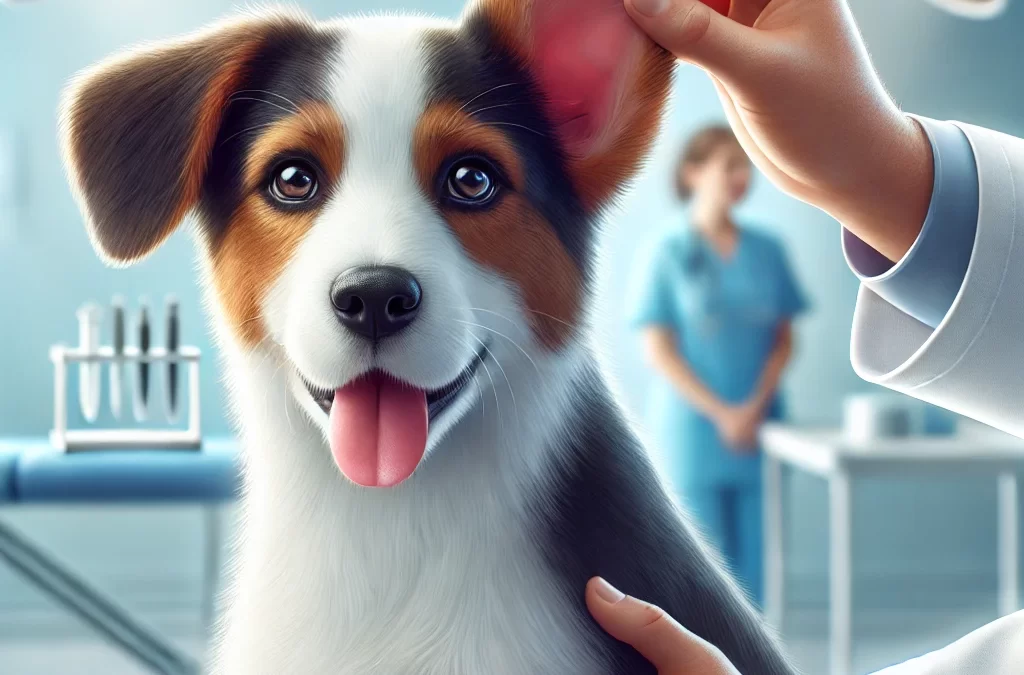
When it comes to lumps on a dog’s ear, one possibility that often surprises owners is a histiocytoma. These benign growths are common in younger dogs and can appear alarming due to their rapid development and prominent location. However, they’re usually harmless and often resolve on their own. Let’s dive into what makes histiocytomas unique and how you can provide the best care for your furry friend.
What Is a Histiocytoma?
A histiocytoma is a non-cancerous tumor that arises from the Langerhans cells, a type of immune cell found in the skin. These tumors are most commonly seen in dogs under three years of age and typically occur on the head, ears, or limbs.
In the case of the ear, histiocytomas often form on the outer surface or at the edge, creating a visible lump that may concern pet parents. Despite their dramatic appearance, histiocytomas are considered one of the most benign forms of growths in dogs.
Why Do Histiocytomas Occur in Dogs?
The exact cause of histiocytomas is unknown, but they’re thought to be related to an overactive immune response in younger dogs. Breeds such as Boxers, Labradors, and Bulldogs seem to have a higher predisposition, though any breed can develop one.
How to Identify a Histiocytoma on the Ear
Histiocytomas are distinctive in their appearance and behavior, making them relatively easy to spot:
- Appearance: A raised, round, red lump, often hairless and smooth. On the ear, it can look especially pronounced due to the thin skin and lack of fur.
- Size: Typically small, around 0.5 to 2 cm in diameter.
- Texture: Firm to the touch, with a slightly ulcerated or shiny surface.
- Behavior: Unlike malignant tumors, histiocytomas don’t usually cause discomfort unless they’re scratched or infected.
Should You Be Concerned?
One of the most reassuring aspects of histiocytomas is that they’re self-limiting, meaning they often disappear without intervention within 2 to 3 months. However, veterinary consultation is crucial to confirm the diagnosis and rule out more serious conditions such as:
- Mast cell tumors
- Squamous cell carcinoma
- Ear infections or abscesses
What to Expect During Diagnosis
Veterinarians typically use the following methods to identify a histiocytoma:
- Physical Examination: A detailed inspection of the lump and overall health of the dog.
- Fine Needle Aspiration (FNA): A small sample of cells is extracted for microscopic analysis.
- Biopsy: In rare cases, a biopsy may be performed for further confirmation.
Treatment and Care Options
Most histiocytomas resolve on their own, but certain cases may require intervention:
- No Treatment Needed: If the lump isn’t bothering the dog, it can be left alone to regress naturally.
- Surgical Removal: In rare cases where the growth causes irritation or is slow to heal, a veterinarian may recommend removal.
- Topical Treatments: If the histiocytoma becomes ulcerated, antibiotic creams or sprays can prevent infection.
Home Care Tips
While waiting for the histiocytoma to resolve, there are steps you can take to ensure your dog remains comfortable:
- Prevent Scratching: Use an Elizabethan collar if your dog scratches the ear excessively, as this can lead to bleeding or infection.
- Monitor the Growth: Keep an eye on the size, color, and texture of the lump. Rapid changes may warrant a follow-up visit.
- Clean the Area: Gently clean the ear with a vet-recommended solution to reduce the risk of secondary infections.
How Is an Ear Histiocytoma Different?
Histiocytomas on the ear can be more noticeable due to the ear’s sensitive location. They may cause the ear to look asymmetrical or floppy, and dogs might shake their heads more frequently. These specific signs make monitoring and care even more important.
A Natural Approach to Supporting Your Dog’s Healing
Some pet owners explore natural therapies to complement traditional veterinary care. While these methods are not a cure, they can support overall skin health:
- Omega-3 Fatty Acids: Promote a healthy immune response and reduce inflammation.
- Calendula Cream: A soothing herbal remedy to ease irritation around the lump.
- CBD Oil: May help reduce scratching and stress associated with discomfort.
When to Seek Veterinary Advice
Even though histiocytomas are benign, consult your vet if you notice:
- The lump growing rapidly or changing in texture.
- Persistent scratching, bleeding, or discharge.
- The histiocytoma not regressing after 3 months.
Final Thoughts
A histiocytoma on your dog’s ear might seem concerning at first glance, but it’s typically a harmless condition that resolves with little to no intervention. By understanding its unique nature and providing attentive care, you can ensure your dog remains happy and healthy throughout the process.

by TCMVET | Dec 13, 2024 | Dog Cancer & Tumors
Nose cancer in dogs, also known as nasal cancer, is a relatively rare but aggressive condition that affects the nasal cavity or sinuses. While it accounts for less than 1% of all canine cancers, its severity lies in its invasive nature and the difficulty of early detection. This article delves into the symptoms, diagnosis, treatment options, and supportive care for dogs battling nose cancer.
What Is Nose Cancer in Dogs?
Canine nose cancer primarily involves tumors that develop within the nasal passages or sinuses. The most common type is adenocarcinoma, but other forms like squamous cell carcinoma, fibrosarcoma, or osteosarcoma can also occur. This condition typically affects older dogs, with larger breeds appearing to be at a slightly higher risk.
Signs and Symptoms
Early signs of nasal cancer can be subtle and are often mistaken for respiratory infections or allergies. As the disease progresses, the symptoms become more pronounced. Look out for the following:
- Persistent Nasal Discharge
Unilateral discharge (affecting one nostril) that is bloody or mucoid in nature is a hallmark symptom.
- Frequent Sneezing
Chronic sneezing that doesn’t improve with treatment could indicate nasal irritation from a tumor.
- Facial Swelling
Swelling around the nose, eyes, or forehead may occur as the tumor invades surrounding structures.
- Breathing Difficulty
Snoring or noisy breathing might indicate a blockage in the nasal passages.
- Nose Bleeds (Epistaxis)
Intermittent or continuous bleeding from the nose is often reported.
- Neurological Symptoms
If the tumor extends into the brain, symptoms like seizures, disorientation, or behavioral changes may appear.
- Loss of Appetite and Weight Loss
As with many cancers, systemic effects can lead to reduced food intake and weight loss.
Diagnosis
Diagnosing nose cancer involves a thorough evaluation, including:
- Physical Examination: A vet may check for asymmetry in the face or abnormal sounds during breathing.
- Rhinoscopy: A small camera inserted into the nasal passages helps visualize the tumor.
- Imaging: X-rays, CT scans, or MRIs provide detailed views of the tumor and its spread.
- Biopsy: Tissue samples confirm the type and severity of the cancer.
Treatment Options
Treatment depends on the tumor’s size, type, and stage, as well as the overall health of your dog. Options include:
- Radiation Therapy
Radiation is the most effective treatment for nasal cancer, aiming to shrink the tumor and alleviate symptoms. While it may not cure the cancer, it can significantly improve quality of life.
- Surgery
Surgical removal of the tumor is challenging due to the complex anatomy of the nasal area but may be attempted in specific cases.
- Chemotherapy
Chemotherapy is less commonly used but might be recommended for certain tumor types or as an adjunct to other treatments.
- Palliative Care
When curative treatment isn’t an option, palliative care focuses on relieving pain and discomfort through medications, including anti-inflammatories, pain relievers, and nasal decongestants.
Natural Therapies for Supportive Care
Incorporating holistic approaches alongside conventional treatments can enhance your dog’s comfort:
- Herbal Supplements
Herbs like turmeric (curcumin) and astragalus are believed to have anti-inflammatory and immune-boosting properties.
- Dietary Adjustments
A high-quality, low-carbohydrate diet supports overall health and reduces inflammation.
- CBD Oil
Cannabidiol may help manage pain and reduce anxiety in dogs with advanced cancer.
Prognosis and Quality of Life
The prognosis for canine nose cancer depends on factors like tumor type and stage at diagnosis. With radiation therapy, many dogs experience symptom relief and extended survival times, often ranging from 8 to 18 months. Without treatment, the disease progresses quickly, often within weeks to a few months.
How to Support Your Dog
- Monitor Symptoms: Keep track of changes in breathing, eating, or energy levels.
- Frequent Vet Visits: Regular check-ups ensure your dog’s condition is monitored closely.
- Provide Comfort: Soft bedding, a quiet environment, and easy access to food and water make a big difference.
Final Thoughts
Canine nose cancer is a daunting diagnosis, but with timely intervention and a comprehensive care plan, you can give your dog the best possible quality of life. Always consult with your veterinarian to explore treatment options tailored to your dog’s specific needs.
