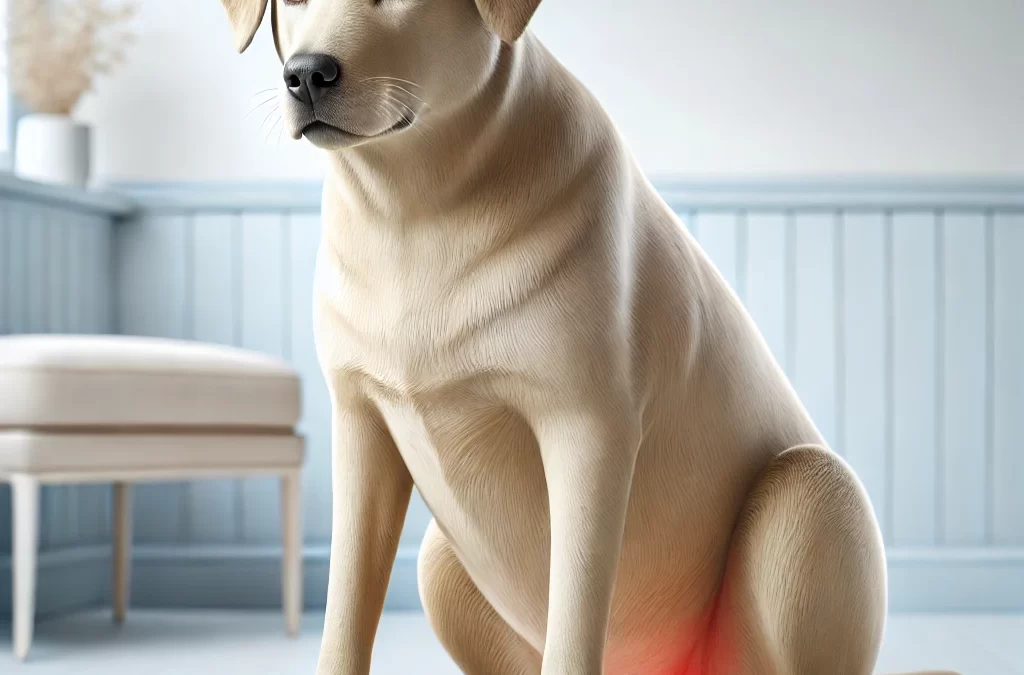
Abnormal Growths in the Lower Intestines of Dogs: A Silent Challenge
Abnormal growths in the lower intestines of dogs, though not as common as other health issues, are a concerning phenomenon that often flies under the radar. These growths, which can range from benign polyps to malignant tumors, affect a dog’s digestion, overall comfort, and long-term health. Understanding their causes, signs, and treatment options is crucial for ensuring a better quality of life for your furry companion.
What Are Abnormal Growths in the Lower Intestines?
The term “abnormal growths” encompasses a variety of conditions that affect the lower intestinal tract, which includes the colon, rectum, and anus. These growths might be:
- Polyps: Benign, non-cancerous growths that can cause discomfort but rarely spread.
- Adenocarcinomas: Malignant tumors originating from glandular cells, often aggressive and invasive.
- Leiomyosarcomas: Rare, malignant growths affecting the smooth muscle layer of the intestines.
- Lymphomas: Cancer affecting lymphatic tissues in the intestines, common in dogs with a predisposition to gastrointestinal diseases.
Causes of Lower Intestinal Growths in Dogs
The exact causes vary, but several factors contribute to the development of abnormal growths:
- Age: Older dogs are more prone to intestinal tumors due to cellular aging and mutations.
- Breed Predisposition: Breeds like German Shepherds and Collies have higher risks of gastrointestinal cancers.
- Diet and Environment: Low-quality diets, exposure to toxins, or chronic intestinal irritation can lead to abnormal cell growth.
- Chronic Inflammation: Conditions like inflammatory bowel disease (IBD) create a breeding ground for abnormal growths.
Signs and Symptoms to Watch For
Abnormal growths in the lower intestines often present subtle or ambiguous symptoms, making early detection a challenge. Key signs include:
- Chronic Diarrhea: Persistent loose stools, often with mucus or blood.
- Constipation or Straining: Difficulty passing stool due to obstruction caused by growths.
- Blood in Stool (Hematochezia): Bright red or dark, tarry blood is a common indicator.
- Abdominal Pain: Dogs may display signs like whining, restlessness, or a hunched posture.
- Weight Loss: Unexplained weight loss despite a normal appetite.
- Lethargy and Weakness: A decrease in energy levels due to anemia or systemic effects of the growth.
Diagnosis: Unveiling the Hidden Problem
Diagnosing lower intestinal growths requires a combination of clinical exams and advanced diagnostics:
- Physical Examination: A rectal exam may reveal palpable growths in the lower tract.
- Imaging: X-rays, ultrasounds, or CT scans help visualize tumors and their location.
- Endoscopy: A camera inserted into the colon can identify and sometimes biopsy abnormal tissue.
- Biopsy: Tissue samples confirm whether the growth is benign or malignant, guiding treatment.
Treatment Options: Tailored for Each Case
Treatment varies depending on the type, location, and stage of the growth:
- Surgical Removal: The first-line treatment for localized growths, particularly benign polyps or small malignant tumors.
- Chemotherapy: Recommended for cancers that have metastasized or cannot be fully removed surgically.
- Radiation Therapy: Used in conjunction with surgery for aggressive tumors.
- Palliative Care: Focused on pain management and improving the dog’s comfort in advanced or untreatable cases.
Holistic Support for Digestive Health
While medical treatments address the primary condition, holistic approaches can provide additional support:
- High-Fiber Diets: Promote smoother digestion and reduce irritation in the lower intestines.
- Probiotics: Enhance gut flora and support overall intestinal health.
- Turmeric (Curcumin): Known for its anti-inflammatory and potential anti-cancer properties.
- CBD Oil: Helps reduce inflammation and pain, improving the dog’s quality of life.
Preventive Measures: Reducing the Risk
While not all growths can be prevented, there are steps you can take to lower your dog’s risk:
- Regular Check-ups: Annual veterinary exams help catch abnormalities early.
- High-Quality Diets: Provide balanced, nutritious food to minimize gastrointestinal stress.
- Monitor Stool Health: Keep an eye on changes in your dog’s stool and bowel habits.
- Limit Toxin Exposure: Avoid feeding low-grade food or exposing your dog to harmful chemicals.
The Emotional Toll on Pet Parents
Caring for a dog with intestinal growths can be emotionally draining. It’s natural to feel anxious or overwhelmed, but remember you’re not alone. Many resources, including support groups and veterinary professionals, can guide you through this journey.
Conclusion: Knowledge Is Power
Abnormal growths in the lower intestines of dogs may seem daunting, but with early detection and proactive care, many dogs can lead fulfilling lives. Stay vigilant, seek regular veterinary advice, and provide the best possible care to your four-legged friend.