
by TCMVET | Mar 20, 2024 | Dog Cancer & Tumors
Throat and tracheal tumors in dogs and cats present a significant challenge in veterinary medicine. While Western medicine offers surgery, chemotherapy, and radiation therapy, Traditional Chinese Medicine (TCM) provides a holistic approach to treatment, emphasizing the balance of the body’s natural energies. This article delves into how TCM can be used to treat throat and tracheal tumors in canines and felines, offering an alternative or complementary approach to conventional methods.
Understanding TCM’s Perspective on Tumors
In TCM, tumors are considered manifestations of underlying imbalances in the body’s Qi (vital energy), along with disruptions in the harmony of Yin (the passive, cooling energy) and Yang (the active, warming energy). TCM approaches treatment by addressing these imbalances through various techniques, aiming to restore the body’s natural equilibrium and immune function.
TCM Treatment Modalities
- Herbal Medicine: Specific Chinese herbs are used to target tumors and strengthen the body’s natural defenses. Herbs such as Ban Zhi Lian (Scutellaria barbata) and Bai Hua She She Cao (Hedyotis diffusa) are known for their anti-tumor properties.
- Acupuncture: This ancient practice involves inserting needles at specific points to stimulate the flow of Qi. It can help reduce pain, enhance immune response, and improve the quality of life for pets with throat and tracheal tumors.
- Dietary Therapy: TCM emphasizes the importance of a balanced diet tailored to the individual animal’s condition. Foods that support Yin or Yang are recommended based on the nature of the tumor and the pet’s overall energy balance.
Integrating TCM with Conventional Veterinary Care
TCM is often most effective when used in conjunction with conventional treatments. For instance, acupuncture and herbal medicine can alleviate side effects of chemotherapy or enhance the efficacy of radiation therapy.
Safety and Efficacy
While TCM offers promising alternative treatments, it’s crucial to work with a veterinarian trained in both TCM and Western veterinary practices to ensure the safety and effectiveness of the treatment plan.
Case Studies and Research in TCM for Pet Tumors
Numerous case studies highlight the positive impact of TCM on pets with throat and tracheal tumors. Although research in this area is still growing, these stories offer hope and demonstrate the potential of TCM in veterinary oncology.
TCM offers a valuable perspective in treating throat and tracheal tumors in pets, focusing on holistic health and the balance of natural energies. While it may not replace conventional treatments, it provides a complementary approach that can enhance overall treatment outcomes and improve the quality of life for our canine and feline companions.

by TCMVET | Mar 20, 2024 | pet Chinese herbal medicine
The ancient practice of Traditional Chinese Medicine (TCM) offers a unique and holistic approach to treating pet tumors. Rooted in the belief of balancing the body’s energies – Qi, Yin, and Yang – TCM views tumors as a manifestation of imbalance within these forces. This article explores how TCM can be used to restore this balance and treat tumors in pets, offering a complementary method to conventional veterinary treatments.
Understanding TCM’s Approach to Pet Tumors
TCM is built on the philosophy that health is achieved through a harmonious balance of the body’s natural energies. In the context of pet tumors, TCM practitioners look beyond the physical mass, considering factors like the pet’s overall energy, diet, and environment.
Key TCM Treatments for Pet Tumors
- Herbal Remedies: Specific herbs are prescribed based on the individual pet’s needs. These herbs, like Huang Qin or Yun Zhi, are selected for their properties that can help reduce tumors, boost immunity, and balance energies.
- Acupuncture: This involves inserting thin needles at specific points to regulate Qi flow, which can help alleviate pain, reduce tumor size, and improve overall vitality.
- Diet and Nutrition: TCM emphasizes dietary adjustments tailored to each pet’s condition, focusing on foods that promote balance and strengthen the body’s defenses.
The Integration of TCM with Conventional Treatments
Combining TCM with Western veterinary medicine can provide a more comprehensive treatment plan. For example, acupuncture can be used alongside chemotherapy to reduce side effects and improve the quality of life.
Consultation with Qualified Practitioners
It’s important to consult with veterinarians who have training in both TCM and conventional medicine to ensure safe and effective treatment plans for pets.
The Future of TCM in Veterinary Medicine
The growing interest in holistic pet care is leading to a broader acceptance and integration of TCM in veterinary practices, paving the way for more research and development in this field.
“Balancing Animal Energies” is not just a concept but a viable treatment approach that offers a gentler, yet effective, alternative or complement to conventional treatments for pet tumors. By embracing TCM’s principles, pet owners can explore additional pathways to health and wellbeing for their beloved animals.
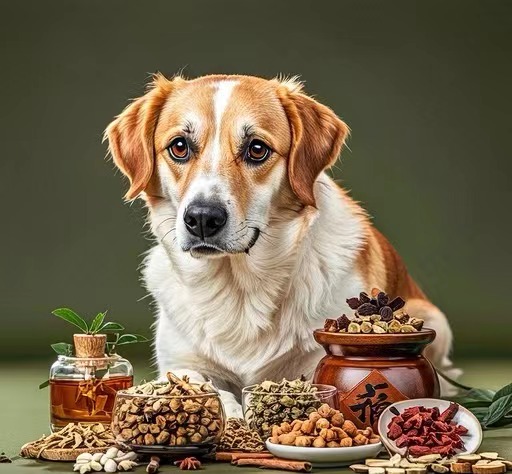
by TCMVET | Mar 20, 2024 | Dog Cancer & Tumors
In the realm of veterinary medicine, an increasing number of pet owners are turning towards holistic approaches to treat various ailments, including cancer. Traditional Chinese Medicine (TCM) has been gaining traction in this field due to its unique philosophy and comprehensive treatment methods. This article delves into how TCM, particularly the concept of Yin and Yang, can be beneficial in treating cancer in pets.
Understanding Yin and Yang in TCM: The foundation of TCM lies in the balance of Yin and Yang – two opposing yet complementary forces. In the context of pet health, Yin represents elements such as cold, stillness, and material aspects (like body fluids), while Yang symbolizes heat, activity, and functional aspects (like organ functions). In TCM, diseases, including cancer, are often viewed as imbalances between these two forces.
TCM Approach to Pet Cancer: When it comes to cancer in pets, TCM doesn’t just focus on the tumor itself but looks at the entire body as a system of energy. The goal is to restore the balance between Yin and Yang. Practitioners may use various methods such as acupuncture, herbal medicine, and dietary changes.
Acupuncture in Cancer Therapy: Acupuncture, a well-known TCM technique, involves inserting thin needles at specific points in the body to restore energy flow. In pets with cancer, acupuncture can help alleviate pain, improve immune system function, and enhance the quality of life.
Herbal Medicine: TCM herbal therapy is another cornerstone of treating pet cancer. Herbs are chosen based on their properties to balance Yin and Yang and to target specific aspects of the pet’s cancer. For instance, herbs like Huang Qi (Astragalus) may be used to boost the immune system, while others like Bai Hua She She Cao (Hedyotis) have properties that may inhibit tumor growth.
Dietary Adjustments: Diet in TCM plays a crucial role in maintaining health. For pets with cancer, dietary adjustments are made to strengthen the body’s balance. Foods that nourish Yin or Yang are selected based on the individual pet’s condition.
Integrating TCM with Conventional Treatments: One of the significant advantages of TCM is that it can be integrated with conventional cancer treatments such as surgery, chemotherapy, or radiation. This integrative approach can help minimize side effects and enhance overall treatment efficacy.
TCM offers a unique perspective on pet cancer treatment, focusing on restoring balance within the body. While it might not be a cure-all, its integration into conventional treatment plans can provide a holistic approach to managing cancer in pets, improving their quality of life and well-being.

by TCMVET | Mar 18, 2024 | pet Chinese herbal medicine
The convergence of traditional Chinese medicinal knowledge with modern technology in the field of canine oral oncology is a fascinating development in veterinary medicine. This union represents a holistic approach to treating one of the most challenging canine diseases. This article delves into how ancient wisdom is being integrated with cutting-edge technology to improve outcomes for dogs suffering from oral cancer.
The Ancient Wisdom of Chinese Medicine
Traditional Chinese Medicine (TCM) has a rich history dating back thousands of years. It is based on the principle of harmony and balance within the body and the universe. TCM uses various practices, including herbal medicine, acupuncture, and dietary therapy, to treat ailments. Key to this philosophy is the concept of Qi, the vital life force that flows through the body, and the balance of the Yin and Yang energies.
Canine Oral Cancer: A Modern Challenge
Canine oral cancer, primarily comprising conditions like melanoma, squamous cell carcinoma, and fibrosarcoma, poses significant challenges in veterinary medicine. These cancers are often aggressive and require a multi-faceted treatment approach. Modern veterinary oncology has made strides in diagnosis and treatment, including surgery, chemotherapy, and radiation therapy.
Integrating TCM in Modern Veterinary Oncology
The integration of TCM in treating canine oral cancer involves using ancient medicinal knowledge alongside modern medical techniques. This approach aims to treat the disease while maintaining the overall well-being of the animal.
- Herbal Medicine: Certain herbs in TCM are known for their anti-inflammatory and anti-cancer properties. They are used alongside conventional treatments to enhance their efficacy and mitigate side effects.
- Acupuncture: Acupuncture is used for pain management and to improve the quality of life of dogs undergoing cancer treatment. It is believed to stimulate the body’s natural healing processes.
- Dietary Therapy: TCM also emphasizes the importance of diet in managing diseases. Nutritional adjustments can support the immune system and help the body cope with cancer and its treatments.
Technology Enhancing Traditional Practices
Modern technology plays a pivotal role in integrating TCM into canine oral oncology. Advanced diagnostic tools, precision in administering treatments, and research into the efficacy of herbal remedies are vital components of this integrative approach.
The Importance of a Balanced Approach
The combination of TCM and modern veterinary oncology stresses the importance of a balanced approach to treatment. This methodology not only focuses on eradicating cancer cells but also on enhancing the overall health and quality of life of the canine patient.
“Tradition Meets Technology” is not just a phrase but a progressive approach in veterinary medicine, particularly in treating canine oral cancer. The blending of ancient Chinese medicinal knowledge with modern technology is paving the way for more comprehensive and compassionate cancer care. As we continue to explore and validate this integration, the potential to revolutionize veterinary oncology remains immense.

by TCMVET | Mar 18, 2024 | pet Chinese herbal medicine
The fusion of Traditional Chinese Medicine (TCM) with contemporary veterinary oncology represents a profound journey through history. This blend of ancient wisdom and modern science provides a unique perspective on pet healthcare, especially in the challenging realm of cancer treatment in animals. This article explores the historical journey from the early practices of Chinese medicine to the sophisticated world of today’s veterinary oncology.
The Roots of Chinese Medicine:
Chinese medicine, with its origins dating back thousands of years, has been a cornerstone of healthcare in Asia. It focuses on the principles of balance, harmony, and energy flow within the body. The foundational texts of TCM, such as “Huangdi Neijing” (The Yellow Emperor’s Classic of Medicine), offer insights into ancient practices, emphasizing the importance of holistic treatment.
Shen Nong and the Birth of Pharmacology:
A pivotal figure in this historical journey is Shen Nong, known as the Divine Farmer. He is credited with introducing the systematic study of herbs, setting the stage for the development of pharmacology. Shen Nong’s daring experimentation with herbs laid the groundwork for the comprehensive “Shen Nong Ben Cao Jing” (The Divine Farmer’s Materia Medica), a text that categorizes hundreds of medicinal plants and their uses.
从古代疗法到现代疗法:
The principles of Chinese medicine have slowly been integrated into various aspects of modern healthcare, including veterinary medicine. This integration is particularly evident in the treatment of canine cancers, where conventional methods like surgery, chemotherapy, and radiation therapy are often complemented with TCM practices to enhance treatment efficacy and manage symptoms.
Acupuncture and Cancer Care:
One of the most notable TCM practices in modern veterinary oncology is acupuncture. Known for its ability to reduce pain and inflammation, acupuncture is increasingly being used to alleviate the side effects of cancer treatments in pets, improving their quality of life.
Herbal Medicine in Veterinary Oncology:
The use of herbal medicine, a key component of TCM, has also found its way into veterinary cancer care. Certain herbs are known for their anti-inflammatory and immune-boosting properties, offering supportive care alongside conventional cancer treatments. However, the use of these herbs must be carefully managed by a veterinarian with expertise in both TCM and modern medicine.
Challenges and Opportunities:
Integrating TCM with modern veterinary practices is not without challenges. There’s a need for more scientific research to understand the efficacy and safety of combining these treatments. However, the potential benefits of this integrative approach, such as improved patient comfort and potentially better outcomes, are driving ongoing exploration and acceptance in the veterinary community.
The historical journey from the early practices of Chinese medicine to today’s veterinary oncology is a testament to the enduring power of ancient wisdom and the adaptability of modern science. As we continue to explore this integration, we open new doors to innovative and compassionate care for our animal companions, ensuring their health and well-being through a balanced and holistic approach.
