
Historical Journey: Linking Early Chinese Medicine Practices to Today’s Veterinary Oncology

Historical Journey: Linking Early Chinese Medicine Practices to Today’s Veterinary Oncology

The fusion of Traditional Chinese Medicine (TCM) with contemporary veterinary oncology represents a profound journey through history. This blend of ancient wisdom and modern science provides a unique perspective on pet healthcare, especially in the challenging realm of cancer treatment in animals. This article explores the historical journey from the early practices of Chinese medicine to the sophisticated world of today’s veterinary oncology.

The Roots of Chinese Medicine:

Chinese medicine, with its origins dating back thousands of years, has been a cornerstone of healthcare in Asia. It focuses on the principles of balance, harmony, and energy flow within the body. The foundational texts of TCM, such as “Huangdi Neijing” (The Yellow Emperor’s Classic of Medicine), offer insights into ancient practices, emphasizing the importance of holistic treatment.

Shen Nong and the Birth of Pharmacology:

A pivotal figure in this historical journey is Shen Nong, known as the Divine Farmer. He is credited with introducing the systematic study of herbs, setting the stage for the development of pharmacology. Shen Nong’s daring experimentation with herbs laid the groundwork for the comprehensive “Shen Nong Ben Cao Jing” (The Divine Farmer’s Materia Medica), a text that categorizes hundreds of medicinal plants and their uses.

从古代疗法到现代疗法:

The principles of Chinese medicine have slowly been integrated into various aspects of modern healthcare, including veterinary medicine. This integration is particularly evident in the treatment of canine cancers, where conventional methods like surgery, chemotherapy, and radiation therapy are often complemented with TCM practices to enhance treatment efficacy and manage symptoms.

Acupuncture and Cancer Care:

One of the most notable TCM practices in modern veterinary oncology is acupuncture. Known for its ability to reduce pain and inflammation, acupuncture is increasingly being used to alleviate the side effects of cancer treatments in pets, improving their quality of life.

Herbal Medicine in Veterinary Oncology:

The use of herbal medicine, a key component of TCM, has also found its way into veterinary cancer care. Certain herbs are known for their anti-inflammatory and immune-boosting properties, offering supportive care alongside conventional cancer treatments. However, the use of these herbs must be carefully managed by a veterinarian with expertise in both TCM and modern medicine.

Challenges and Opportunities:

Integrating TCM with modern veterinary practices is not without challenges. There’s a need for more scientific research to understand the efficacy and safety of combining these treatments. However, the potential benefits of this integrative approach, such as improved patient comfort and potentially better outcomes, are driving ongoing exploration and acceptance in the veterinary community.

The historical journey from the early practices of Chinese medicine to today’s veterinary oncology is a testament to the enduring power of ancient wisdom and the adaptability of modern science. As we continue to explore this integration, we open new doors to innovative and compassionate care for our animal companions, ensuring their health and well-being through a balanced and holistic approach.
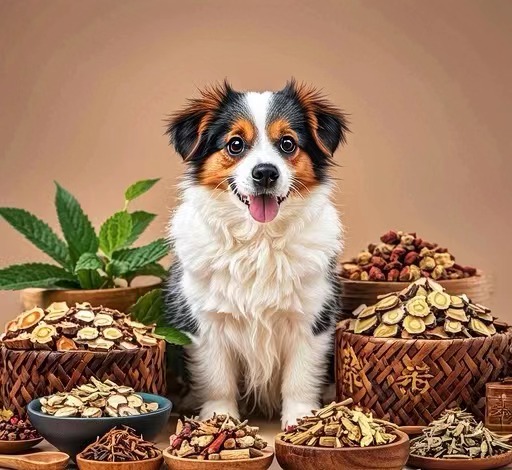
Ancient Wisdom in Modern Times

Ancient Wisdom in Modern Times

In an era where the fusion of traditional knowledge and modern science creates groundbreaking healthcare solutions, the role of Traditional Chinese Medicine (TCM) in treating contemporary ailments, such as canine oral cancer, has gained significant attention. This article explores how the ancient wisdom of TCM, rooted in centuries of empirical knowledge and holistic practices, is being adapted to complement modern veterinary oncology, particularly in treating oral cancer in dogs.

The Legacy of Traditional Chinese Medicine: TCM, with its history spanning thousands of years, is not merely a medical practice but a complex system of theories, diagnostics, and treatments. Its foundation lies in the belief of maintaining harmony between the body, mind, and environment. Key elements of TCM, such as herbal medicine, acupuncture, and dietary therapy, have been integral in human healthcare and are now finding relevance in veterinary practices.

Canine Oral Cancer: A Growing Concern: Oral cancer in dogs, including conditions like squamous cell carcinoma, melanoma, and fibrosarcoma, represents a significant challenge in veterinary medicine. Standard treatments typically involve surgery, chemotherapy, and radiation therapy. However, these treatments can often be invasive, expensive, and accompanied by side effects.

Integrating TCM in Canine Oral Cancer Care: In the quest for more holistic and less invasive treatment options, veterinarians and pet owners are turning to TCM. Here’s how various TCM practices are being integrated:

  1. Herbal Remedies: Many TCM herbs have anti-inflammatory, analgesic, and immune-boosting properties. Herbal formulations are being explored to reduce tumor size, alleviate pain, and enhance the overall quality of life for dogs with oral cancer.
  2. Acupuncture: This ancient practice is known to stimulate the nervous system and can help in managing pain and improving immune response in canine cancer patients.
  3. Dietary Adjustments: TCM emphasizes the role of diet in health. Nutritional therapy, involving a balanced diet with specific food items known to possess anti-cancer properties, is being tailored for dogs with oral cancer.

The Science Behind the Integration: Recent studies have shown promising results in the use of TCM in conjunction with conventional treatments. The synergistic effect of combining TCM practices with Western medicine can lead to improved outcomes, fewer side effects, and enhanced recovery rates.

Challenges and Considerations: While the integration of TCM in veterinary oncology is promising, it’s essential to approach it with careful consideration. It is vital to consult with qualified veterinarians who specialize in both TCM and conventional medicine. Ensuring the quality and safety of herbal products and acupuncture treatments is paramount.

The integration of Traditional Chinese Medicine in treating canine oral cancer represents a fusion of ancient wisdom and modern scientific advances. This holistic approach not only opens new avenues for effective cancer treatment but also underscores the importance of integrating diverse medical traditions for the betterment of animal health. As we continue to explore and validate these practices, the potential for more effective, less invasive cancer treatments becomes a hopeful reality.

Green yin-yang logo with TCMVET
Privacy Overview

This website uses cookies so that we can provide you with the best user experience possible. Cookie information is stored in your browser and performs functions such as recognising you when you return to our website and helping our team to understand which sections of the website you find most interesting and useful.