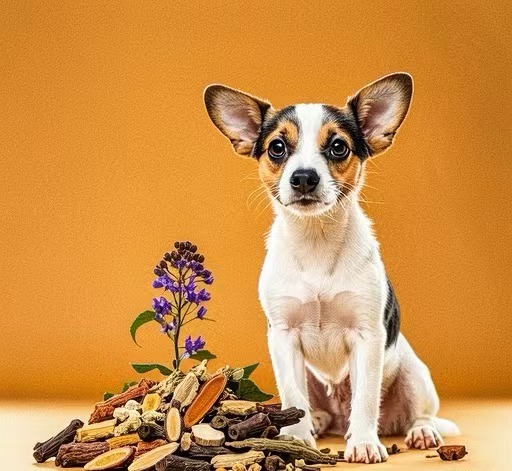
For centuries, traditional Chinese medicine (TCM) has been regarded as a healing system designed for humans — a tapestry of herbs, energy balance, and holistic philosophy. Yet as veterinary science advances, a fascinating transformation is taking place: the shift from “human medicine” to “pet medicine.” Researchers and veterinarians are now exploring how the ancient wisdom of herbal medicine can safely and effectively support animals battling cancer.
🌿 1. Shared Biology, Shared Healing
The concept of “Heaven and Human as One,” a core idea in TCM, emphasizes the interconnectedness of all living beings. Modern biology echoes this principle — many physiological systems in dogs and cats closely resemble those of humans. This similarity has opened the door for translational research: if certain herbs can modulate human immunity, reduce inflammation, or inhibit abnormal cell growth, could they also help companion animals?
Early studies and clinical observations suggest yes, but with an important caveat — dosage, metabolism, and toxicity vary greatly across species. For example, an herb like Huang Qi (Astragalus membranaceus) that boosts human immunity might also enhance a dog’s resistance to tumor-related fatigue, but at a carefully adjusted dose.
🧬 2. The Science of Transformation: From Herbal Tradition to Veterinary Application
Turning human herbal formulas into safe “pet medicine” isn’t as simple as shrinking the dose. It requires a multidisciplinary process that merges pharmacognosy, veterinary toxicology, and molecular oncology.
Researchers must identify:
Which bioactive compounds affect tumor cells or the immune system.
How these compounds are absorbed, distributed, and excreted by animals.
Whether they interact with conventional cancer drugs (like chemotherapy or steroids).
Recent progress has focused on herbs such as Ganoderma (Lingzhi), Curcuma (Turmeric), and Oldenlandia diffusa (Bai Hua She She Cao) — all known for their anti-inflammatory and immune-modulating properties. In controlled trials, these herbs have been shown to enhance quality of life, support appetite, and reduce chemotherapy side effects in pets with lymphoma or mammary tumors.
💧 3. Beyond Killing Tumors: The TCM Approach to Harmony
Unlike conventional oncology, which often centers on “destroying the tumor,” TCM’s philosophy aims to restore balance — strengthening the body’s qi (vital energy) and harmonizing internal systems.
For pets, this might mean:
Supporting liver and kidney function during chemotherapy.
Improving digestion and reducing stress through herbal tonics.
Enhancing vitality with adaptogenic herbs like Ginseng or Cordyceps.
Owners who choose integrative care often report that their animals appear more energetic, maintain better appetite, and recover faster after treatment cycles.
⚖️ 4. The Future: Integrative Oncology for Pets
The line between human and animal medicine is blurring. As more data accumulates, we may soon see standardized veterinary herbal formulations that combine ancient botanical wisdom with modern pharmacological precision.
The future of pet oncology could therefore be one of integration, not opposition — where chemotherapy and herbal medicine work hand in hand, and where healing is measured not only by tumor size, but by comfort, spirit, and quality of life.
🌱 Conclusion
The journey from “human medicine” to “pet medicine” reflects more than a scientific shift — it’s a philosophical one. It acknowledges that health, whether human or animal, is about balance, resilience, and the subtle dialogue between body and nature. In this evolving landscape, herbal medicine is no longer just a relic of the past — it’s becoming a bridge to a more compassionate and holistic future for veterinary care.
When we think of pharmaceuticals or veterinary medications, we often associate them with their primary uses, such as curing specific ailments or supporting recovery. Yet, some products, like Avmaquin, have gained attention not only for their intended applications but also for their surprising versatility. Let’s delve into what makes Avmaquin a standout in the veterinary field and explore its potential in ways you might not expect.
What is Avmaquin?
Avmaquin is primarily known as an antimicrobial agent used in veterinary medicine. It is formulated to combat a variety of bacterial infections, particularly in livestock and poultry. With its active ingredient targeting harmful bacteria, it helps maintain the health and productivity of animals, ensuring their well-being and minimizing economic losses for farmers. However, what sets Avmaquin apart is its wide-ranging impact beyond its antimicrobial properties.
1. A Shield for Livestock Productivity
The agricultural industry faces constant challenges from bacterial diseases that can rapidly spread among livestock. Avmaquin steps in as a preventative solution, acting as a shield to protect animals from these outbreaks. Beyond merely treating infections, its prophylactic application has proven to enhance the overall health status of herds and flocks, leading to better growth rates and increased productivity.
2. A Game-Changer in Sustainable Farming
In the modern era of farming, the focus is shifting toward sustainability. Avmaquin has shown promise as part of integrated farming practices. By reducing the need for broad-spectrum antibiotics, it contributes to antimicrobial stewardship, a critical goal in minimizing the risk of antibiotic resistance. This makes it a valuable tool for farmers striving to balance productivity with responsible practices.
3. Beyond Livestock: The Broader Implications
While primarily designed for animals, researchers are investigating whether Avmaquin’s properties could inspire innovations in other areas. For example:
Aquaculture: Trials are exploring its potential to safeguard fish populations from bacterial diseases, a growing concern in the aquaculture industry.
Companion Animals: Preliminary studies suggest that Avmaquin might have applications for certain bacterial infections in cats and dogs, expanding its reach into the pet care market.
4. A Catalyst for Research and Development
Avmaquin also serves as a springboard for new formulations. Its success in targeting specific pathogens has inspired the development of customized antimicrobial solutions tailored for niche veterinary needs. Scientists are leveraging its molecular framework to design next-generation treatments that could transform how we address animal health challenges.
5. Ethical Implications: Addressing the Concerns
No discussion about veterinary antimicrobials is complete without addressing ethical concerns. With the rise of consumer awareness around food safety and animal welfare, Avmaquin stands out as an example of how targeted treatments can align with ethical farming practices. Its use reduces the reliance on blanket antibiotic treatments, making it a preferred choice for conscientious farmers.
Reimagining Avmaquin’s Role
What makes Avmaquin truly remarkable is its potential to redefine veterinary care. Imagine a future where its applications extend beyond treatment, influencing preventive healthcare, sustainable farming, and even pet wellness. As we uncover more about its capabilities, Avmaquin could become a cornerstone of veterinary innovation, bridging the gap between tradition and forward-thinking solutions.
Final Thoughts: More Than Meets the Eye
Avmaquin is more than just a veterinary medication; it’s a symbol of how science can address complex challenges in animal health and farming. Its versatility, sustainability, and potential for broader applications make it a topic worth watching. Whether you’re a farmer, veterinarian, or pet owner, Avmaquin might just hold the key to unlocking a healthier future for all animals under our care.
In the realm of veterinary medicine, the diagnosis and treatment of mediastinal tumors represent a significant challenge. These tumors, which are located in the mediastinum — the area between the lungs — can include a range of conditions such as thymomas, lymphomas, and other less common neoplasms like hemangiosarcoma (HSA) and mesothelioma. However, a unique approach that combines the precision of modern veterinary science with the wisdom of traditional Chinese medicine, particularly herbal remedies, offers a promising perspective for pet owners and veterinarians alike.
Understanding Mediastinal Tumors
Mediastinal tumors can manifest through various clinical symptoms in animals, predominantly respiratory issues due to the mass effect of the tumor. These symptoms can range from exercise intolerance to acute respiratory distress. Additional complications like pleural effusion (fluid in the chest cavity) and paraneoplastic syndromes (PNS) such as hypercalcemia in lymphoma and regurgitation in thymoma due to esophageal compression are also common.
The Role of Chinese Herbal Medicine
Traditional Chinese Veterinary Medicine (TCVM) has a history that dates back thousands of years, with the foundational belief that health is a state of balance within the body. When it comes to treating conditions like mediastinal tumors, TCVM primarily focuses on restoring this balance and enhancing the body’s natural healing capabilities.
Chinese herbal medicine, a key component of TCVM, uses a combination of herbs to address specific symptoms and underlying imbalances. Unlike Western medicine, which often targets the tumor directly through methods like chemotherapy, Chinese herbs work by supporting the organ systems, boosting immunity, and improving overall well-being.
Integrating Western and Eastern Approaches
The integration of Western and Eastern medical practices offers a holistic approach to treating mediastinal tumors. While Western medicine excels in diagnosing and providing targeted treatments, Chinese herbal medicine can complement these methods by mitigating side effects, enhancing the body’s resilience, and addressing symptoms that Western treatments might overlook.
Specific Herbs and Their Uses
Herbs such as Astragalus (Huang Qi) and Ginseng (Ren Shen) are known for their immune-boosting properties. Others like Sargassum (Hai Zao) may help in managing fluid accumulation in cases of pleural effusion. The precise selection of herbs depends on the individual animal’s diagnosis and overall constitution.
The integration of Chinese herbal medicine into the treatment of mediastinal tumors in veterinary medicine is an avenue ripe with potential. This approach not only provides a new perspective on treatment but also emphasizes the importance of holistic care in the health and well-being of animals.
The field of veterinary oncology is increasingly embracing integrative approaches, combining conventional Western treatments with traditional Eastern therapies like Chinese herbal medicine. This integration aims to enhance the efficacy of treatments, particularly in challenging cases like canine pancreatic cancer. This article delves into the role of Chinese herbal treatments in canine pancreatic cancer, evaluating their efficacy and potential benefits as part of an integrative oncology approach.
Understanding Canine Pancreatic Cancer: Pancreatic cancer in dogs is a serious and often aggressive disease, characterized by the rapid growth of malignant tumors in the pancreas. Symptoms may include loss of appetite, weight loss, vomiting, and lethargy. Conventional treatments typically involve surgery, chemotherapy, and radiation, but these can have limited success and significant side effects.
The Rise of Integrative Oncology in Veterinary Medicine: Integrative oncology combines traditional veterinary treatments with complementary therapies like Chinese herbal medicine. This approach aims to provide a more holistic treatment, focusing on the overall well-being of the pet, not just the cancer itself. It’s gaining popularity as pet owners and veterinarians seek out more comprehensive treatment options.
Chinese Herbal Medicine in Canine Pancreatic Cancer: Chinese herbal medicine has been used for centuries in human medicine and is now finding its place in veterinary care. These herbs are believed to possess properties that can help fight cancer, boost the immune system, and improve quality of life. Key herbs used include Huang Qi (Astragalus), which is known for its immune-boosting properties, and Bai Hua She She Cao (Hedyotis diffusa), reputed for its anti-tumor effects.
Evaluating the Efficacy of Chinese Herbal Treatments: Several studies and anecdotal evidence suggest that Chinese herbal treatments can be beneficial in managing canine pancreatic cancer. These benefits may include slowed tumor growth, reduced side effects from conventional treatments, and improved overall quality of life. However, it is important to note that the efficacy of these treatments can vary and more scientific research is needed to fully understand their benefits and limitations.
Integrating Chinese Herbal Medicine with Conventional Treatments: In integrative oncology, Chinese herbal treatments are used in conjunction with conventional therapies. This approach aims to enhance the effectiveness of standard treatments, manage side effects, and maintain the pet’s quality of life. It’s important that this integration is overseen by a veterinarian skilled in both conventional and herbal medicine.
Integrative oncology represents a significant advancement in the treatment of canine pancreatic cancer, offering a more comprehensive approach to care. The use of Chinese herbal treatments as part of this approach shows promise in enhancing treatment efficacy and improving the quality of life for dogs with this challenging disease. As research in this area continues to grow, it will provide a deeper understanding of the role and benefits of these traditional remedies in veterinary medicine.
Oral cavity cancer in domestic animals is a significant health issue that affects numerous pets globally. This article provides a comparative study of Eastern and Western approaches to treating this disease, highlighting the strengths and potential synergies of both methods. The goal is to offer pet owners and veterinary professionals insights into a more holistic approach to cancer treatment.
Understanding Oral Cavity Cancer in Pets
Oral cavity cancer in pets, particularly dogs and cats, can manifest as tumors in the mouth, gums, and lips. These tumors can be aggressive and may require immediate attention. Early detection and a comprehensive treatment plan are crucial for the best possible outcomes.
Western Approach to Treatment
The Western medical approach typically involves a combination of surgery, chemotherapy, and radiation therapy. These methods aim to remove or reduce the size of the tumor and prevent its spread.
Surgery: Often the first line of treatment, it involves the removal of the tumor and surrounding tissues.
Chemotherapy: Uses drugs to kill cancer cells or slow their growth.
Radiation Therapy: Involves the use of high-energy rays to destroy cancer cells.
Eastern Approach to Treatment
Eastern medicine, particularly Traditional Chinese Medicine (TCM), offers a different perspective, focusing on balancing the body’s energy and enhancing its natural healing capabilities.
Herbal Therapy: Utilizes a variety of herbs known for their anti-cancer and immune-boosting properties.
Acupuncture: Aimed at relieving pain and improving the body’s natural energy flow.
Diet and Lifestyle Changes: Focuses on strengthening the body’s overall health through nutrition and environment.
Integrating Eastern and Western Approaches
An integrated approach can offer the best of both worlds. For instance, herbal therapy and acupuncture can be used alongside conventional treatments to mitigate side effects and improve the animal’s quality of life.
Comparative Advantages
Western Treatments: More effective in immediate tumor reduction and providing quick responses.
Eastern Treatments: Focus on long-term health, immunity enhancement, and minimizing side effects.
The Role of Veterinary Professionals
It’s essential to work with a veterinary oncologist and a practitioner skilled in TCM to develop a balanced and effective treatment plan. This collaboration ensures that treatments from both spheres complement each other.
Case Studies and Research
While there are numerous anecdotal success stories, more scientific research is needed to fully understand and validate the efficacy of an integrated approach. Ongoing studies and clinical trials are vital in this field.
A comparative study of Eastern and Western treatments for oral cavity cancer in domestic animals suggests that an integrated approach could offer enhanced benefits. By combining the immediate effectiveness of Western medicine with the holistic, long-term focus of Eastern practices, pets can receive comprehensive care that addresses both the symptoms and the root causes of cancer.