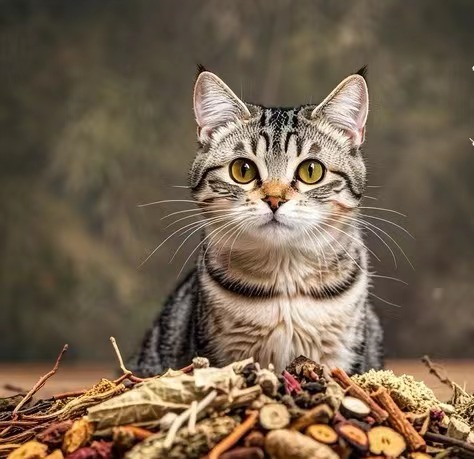
For pet owners facing the heart-wrenching diagnosis of cancer in their beloved feline companions, the journey can be filled with uncertainty. While conventional treatments like surgery, chemotherapy, and radiation are commonly recommended, many are seeking alternatives to complement these options or, in some cases, as a holistic approach to overall care. One of the most promising areas is the use of natural remedies to help slow the growth of tumors in cats, providing not only physical relief but emotional comfort for both the pet and the owner.
The Power of Nature in Tumor Management
Natural remedies harness the therapeutic power of plants, herbs, and other natural substances to promote healing, reduce inflammation, and bolster the immune system. Unlike traditional treatments that primarily focus on eliminating cancer cells, natural remedies aim to enhance the body’s ability to fight cancer from within. This holistic approach does not target just the tumor itself but seeks to restore balance to the entire system, offering a comprehensive solution for managing cancer in cats.
Key Natural Remedies for Slowing Tumor Growth in Cats
Turmeric (Curcuma longa) One of the most well-known natural remedies for cancer, turmeric contains a compound called curcumin, which has been shown to have powerful anti-inflammatory, antioxidant, and anti-cancer properties. Curcumin can help slow tumor growth by inhibiting cancer cell proliferation and promoting apoptosis (programmed cell death). Additionally, it can support liver function, which is vital for detoxification, especially during cancer treatment.
Cannabidiol (CBD) Oil CBD oil, derived from hemp, is another powerful natural remedy gaining attention for its potential in cancer management. Studies have shown that CBD can slow the growth of tumors by inducing cell death in cancerous cells and reducing inflammation. Moreover, it can improve your cat’s quality of life by managing pain and anxiety, which often accompany cancer treatments.
Reishi Mushroom (Ganoderma lucidum) Reishi mushrooms have long been used in Traditional Chinese Medicine (TCM) for their immune-boosting properties. They contain beta-glucans that enhance immune function and promote the body’s ability to fight cancer. By supporting the immune system and improving overall vitality, Reishi mushrooms can aid in slowing tumor growth and enhancing your cat’s ability to cope with cancer.
Astragalus Root (Astragalus membranaceus) Often used in TCM, Astragalus is known for its ability to enhance immune function and reduce inflammation. By stimulating the production of white blood cells and boosting the immune response, Astragalus can help the body combat cancer more effectively and slow the progression of tumors.
Essiac Tea Essiac tea, a blend of four herbs (burdock root, sheep sorrel, slippery elm bark, and Indian rhubarb), is renowned for its detoxifying properties and potential anti-cancer effects. The tea is thought to work by improving the immune system, detoxifying the body, and inhibiting the growth of cancerous cells.
TCMVET Baituxiao: A Modern Take on Ancient Wisdom
For pet owners looking for a targeted, modern application of these ancient healing principles, TCMVET Baituxiao stands out as a product specifically formulated to help manage tumors in pets. Combining traditional Chinese herbs known for their anti-cancer properties, such as Bai Hua She She Cao and Dang Gui, with modern advances in herbal supplementation, TCMVET Baituxiao offers a balanced approach to tumor care.
Reducing Tumor Growth: The herbs in TCMVET Baituxiao are carefully selected to work together to inhibit tumor growth and reduce the size of existing tumors. Its formulation helps manage cancer cells while promoting overall health.
Supporting Immunity: By boosting the immune system, TCMVET Baituxiao helps your cat’s body more effectively fight off cancer and prevent recurrence.
Minimizing Side Effects: One of the major benefits of using TCMVET Baituxiao is its ability to reduce inflammation and discomfort, helping cats stay comfortable as they undergo treatment.
Incorporating TCMVET Baituxiao into your cat’s care regimen can offer significant benefits as part of an integrated, holistic approach to managing tumors.
Why Choose Natural Remedies for Your Cat?
Choosing natural remedies for slowing tumor growth in cats isn’t about replacing conventional treatments; it’s about enhancing the body’s ability to heal itself. Natural remedies offer an alternative to harsh side effects commonly seen with chemotherapy and radiation, and they work in tandem with traditional treatments to improve overall health and comfort.
By using natural remedies like turmeric, CBD oil, Reishi mushrooms, and Astragalus, alongside products like TCMVET Baituxiao, pet owners can help their cats feel better, live longer, and face cancer with resilience.
Final Thoughts
Managing a cat’s tumor with natural remedies provides a compassionate, holistic approach that seeks to nourish and support the body rather than simply targeting the tumor. These remedies can enhance conventional treatments by improving overall well-being, boosting immunity, and reducing inflammation. Always consult with your veterinarian before adding any new treatments to ensure the best possible care for your feline companion.
Bile duct cancer in cats, also known as bile duct carcinoma, is an aggressive and complex form of liver cancer. Typically affecting senior cats, this cancer originates in the bile ducts within the liver, causing symptoms such as jaundice, abdominal pain, and decreased appetite. Although surgical options are limited due to the high risk of metastasis, a holistic approach that combines natural care and herbal support can help enhance your cat’s quality of life. This article explores herbal and lifestyle strategies that can provide comfort and assist in managing bile duct cancer in cats.
Recognizing Bile Duct Cancer in Cats
Bile duct cancer usually develops in the intrahepatic bile ducts (inside the liver) rather than in the extrahepatic ducts (outside the liver). Its symptoms can be subtle at first, making early detection challenging. Here are some common signs of bile duct carcinoma:
Jaundice: Yellowing of the eyes, gums, and skin due to bile duct obstruction.
Weight Loss: Gradual weight loss from reduced appetite and nutrient absorption issues.
Abdominal Swelling and Pain: Caused by tumor growth and fluid accumulation in the abdomen.
Fatigue: A lack of energy due to the body’s increased metabolic demands and liver function disruption.
While these symptoms are not unique to bile duct carcinoma, they warrant immediate veterinary consultation, particularly in older cats.
Herbal Supplements for Supporting Liver Health
While herbs cannot replace traditional medical treatments, they can provide supportive care for cats with liver cancer, helping to manage inflammation, support liver function, and promote general wellness.
Astragalus Root (Astragalus membranaceus): Known for its immune-boosting properties, astragalus is a traditional herb in Chinese medicine often used to support overall vitality. In cats, it may help improve immunity, especially when undergoing treatment for cancer.
Burdock Root (Arctium lappa): Burdock root has detoxifying properties that support liver and kidney health. It may help flush toxins and reduce liver strain, promoting healthier bile flow.
Chaga Mushroom (Inonotus obliquus): Chaga is a potent antioxidant and adaptogen known to reduce oxidative stress and support immune function. Its gentle nature makes it suitable for long-term use in supporting cancer care.
Licorice Root (Glycyrrhiza glabra): Licorice root has anti-inflammatory effects that may help reduce liver inflammation associated with bile duct carcinoma. However, it should be used with caution as it may affect blood pressure.
Ginger (Zingiber officinale): Known for its digestive benefits, ginger can help stimulate appetite and reduce nausea, making it beneficial for cats experiencing reduced appetite due to liver cancer.
Dietary and Lifestyle Support
In addition to herbal supplements, making adjustments to your cat’s diet and lifestyle can help reduce strain on the liver and improve comfort.
Liver-Supportive Diet: Feeding a diet with easily digestible proteins, healthy fats, and minimal carbohydrates helps reduce the liver’s workload. Consider incorporating foods high in antioxidants, such as blueberries and broccoli, to combat oxidative stress.
Regular, Gentle Exercise: Light playtime helps improve circulation and prevent fluid buildup. Avoid strenuous activity, which can be taxing on cats with liver issues.
Stress Reduction: Minimizing stress is essential for cats with compromised immune systems. Ensure they have a quiet, cozy space where they feel safe and calm.
Consulting with an Integrative Veterinarian
When managing a complex disease like bile duct cancer, consulting with an integrative veterinarian who understands the benefits of combining conventional treatments with herbal support is beneficial. They can help you craft a customized plan tailored to your cat’s unique needs, ensuring herbs are introduced safely alongside any medications or treatments.
While bile duct carcinoma is a serious and challenging condition, a holistic approach that includes herbal support, dietary adjustments, and gentle exercise can provide comfort and improve quality of life for affected cats. Natural remedies such as astragalus, burdock root, and chaga mushroom can be used alongside conventional treatments to support liver health and enhance immune resilience. By prioritizing your cat’s comfort and working closely with a trusted veterinarian, you can provide compassionate and effective care for your feline companion.
Feline lymphoma is a serious and common type of cancer in cats, affecting their immune system and overall well-being. While traditional treatments like chemotherapy and radiation are often prescribed, many cat owners are turning to Traditional Chinese Veterinary Medicine (TCVM) and Chinese herbal medicine to complement conventional therapies and enhance their pet’s quality of life. In this article, we will explore the role of Chinese herbal medicine in supporting cats with lymphoma, including its benefits, key herbs used, and how it can be integrated into a holistic treatment plan.
The Benefits of Chinese Herbal Medicine for Cats with Lymphoma
Chinese herbal medicine has been used for thousands of years to treat a variety of health issues in both humans and animals. When it comes to feline lymphoma, herbal treatments can provide a range of benefits, particularly when used in conjunction with traditional veterinary care. Some of the key benefits include:
Boosting the Immune System: Many Chinese herbs are known for their immune-boosting properties, which can help strengthen the body’s ability to fight cancer.
Reducing Inflammation: Herbs like turmeric and Huang Qi (Astragalus) are known for their anti-inflammatory properties, which can help reduce swelling and discomfort associated with lymphoma.
Improving Appetite and Digestion: Cats with lymphoma often suffer from a loss of appetite and digestive issues. Herbal remedies can stimulate the appetite and support digestion, helping to maintain a healthy weight.
Managing Pain and Discomfort: Herbal medicine can provide natural pain relief and support overall comfort for cats undergoing cancer treatments.
Promoting Overall Balance: Chinese herbal medicine focuses on restoring balance within the body, addressing the root cause of illness while promoting holistic healing.
Key Chinese Herbs for Feline Lymphoma
Several Chinese herbs are commonly used to support cats with lymphoma. These herbs work in different ways to promote healing, manage symptoms, and enhance the cat’s quality of life:
Huang Qi (Astragalus) Astragalus is one of the most commonly used herbs in Chinese medicine for immune support. It helps boost the body’s natural defenses, strengthens the immune system, and may help slow the growth of tumors. Astragalus is also known for its ability to improve energy levels and vitality in weakened cats.
Ban Zhi Lian (Scutellaria barbata) This herb is often used for its anti-cancer properties and has been shown to inhibit tumor growth in some studies. It also has anti-inflammatory effects and is believed to help reduce pain and improve circulation in cats with lymphoma.
Hedyotis Diffusa (Bai Hua She She Cao) Known for its ability to detoxify and eliminate heat from the body, Hedyotis diffusa is frequently used in cancer treatments in TCVM. It helps target abnormal cell growth while supporting the overall health of the digestive system, making it an excellent option for cats with alimentary lymphoma.
Dang Gui (Angelica Sinensis) Dang Gui is commonly used to promote blood circulation and nourish the blood, which can be helpful for cats undergoing chemotherapy. It helps to combat the side effects of chemotherapy by reducing fatigue, improving appetite, and supporting the body’s natural healing processes.
Reishi Mushroom (Ling Zhi) Reishi mushrooms are widely recognized for their immune-modulating effects. They help to balance the immune system, support detoxification, and provide antioxidant protection. Reishi mushrooms may help reduce oxidative stress, which is crucial for cats with lymphoma undergoing conventional treatments like chemotherapy.
How to Integrate Chinese Herbal Medicine with Conventional Treatments
When considering Chinese herbal medicine for a cat with lymphoma, it’s essential to work closely with both your veterinarian and a qualified TCVM practitioner. Integrating herbal medicine with conventional treatments like chemotherapy or radiation requires a careful approach to ensure that the therapies complement rather than interfere with each other.
Here are steps to safely and effectively integrate Chinese herbal medicine into your cat’s lymphoma treatment plan:
Consult with a TCVM Practitioner: A trained TCVM practitioner can evaluate your cat’s overall health and tailor a specific herbal formula to address their individual needs. This personalized approach ensures that the herbs used are appropriate for your cat’s condition and won’t interact negatively with other treatments.
Use Herbs to Support Conventional Treatments: Chinese herbs can help manage side effects associated with chemotherapy, such as nausea, fatigue, and loss of appetite. For example, herbs like Dang Gui can help restore energy levels and promote better appetite, improving your cat’s overall well-being during treatment.
Monitor Progress Regularly: Regular monitoring of your cat’s health is critical when using both conventional and herbal treatments. Keep in close communication with your veterinarian and TCVM practitioner to assess how well your cat is responding to the combination of treatments. Adjustments to herbal formulas may be needed over time to align with your cat’s changing condition.
Support Holistic Health: In addition to herbal treatments, focus on providing a stress-free environment, a nutritious diet, and plenty of hydration. Chinese medicine emphasizes the importance of balance, so maintaining a holistic approach to your cat’s overall health is key.
Chinese herbal medicine offers a powerful complementary approach to conventional cancer treatments for cats with lymphoma. By integrating TCVM into your cat’s care plan, you can help boost their immune system, manage symptoms, and improve their overall quality of life. As with any treatment, it’s important to consult with qualified professionals to ensure that your cat receives safe and effective care. With a combination of Chinese herbs, conventional therapies, and attentive care, you can give your cat the best possible support in their journey through lymphoma.
The increasing prevalence of tumors in cats has prompted a surge in exploring alternative treatments. One promising avenue is using Traditional Chinese Herbs to boost feline immunity. This holistic approach focuses on enhancing the body’s natural defenses, offering a supportive role in tumor management and overall health. This article delves into how Traditional Chinese Herbs can be used to strengthen feline immunity against tumors, providing a complementary approach to conventional treatments.
Understanding Tumors in Cats:
Discuss the common types of tumors found in cats, including their causes and symptoms.
Explain the significance of a robust immune system in preventing and fighting tumors.
Traditional Chinese Herbs and Feline Health:
Introduce the concept of Traditional Chinese Medicine (TCM) and its application in veterinary care.
Highlight specific herbs used in TCM, like Astragalus for immune boosting, Lingzhi (Reishi mushroom) for anti-tumor properties, and Ginseng for overall vitality.
Integrating Chinese Herbs into Feline Care:
Provide guidelines on how to incorporate these herbs into a cat’s diet or treatment plan, with emphasis on consultation with a veterinarian experienced in TCM.
Case Studies and Research:
Present real-world examples or research studies that showcase the effectiveness of Chinese herbs in boosting feline immunity and combating tumors.
Balancing Traditional Herbs with Conventional Treatments:
Discuss how Traditional Chinese Herbs can complement conventional cancer treatments like chemotherapy or radiation.
Diet and Lifestyle Adjustments for Immune Health:
Suggest additional dietary and lifestyle changes that can support immune health, such as high-quality protein diets and stress reduction techniques.
Potential Risks and Side Effects:
Address possible risks or side effects associated with the use of Chinese herbs and the importance of professional guidance.
Traditional Chinese Herbs offer a promising addition to the arsenal against feline tumors. By boosting the immune system, these herbs can play a crucial role in tumor prevention and treatment, complementing conventional therapies. Always consult with a veterinarian skilled in TCM to tailor a safe and effective treatment plan for your feline friend.