
by TCMVET | Jan 29, 2024 | pet Chinese herbal medicine
The realm of pet health care is continually evolving, and one of the most intriguing developments in recent years is the incorporation of Traditional Chinese Veterinary Medicine (TCVM) into Western veterinary practices. Central to TCVM is the use of herbal treatments, a method that has been used in human medicine for centuries and is now gaining traction for pets.
The Basics of TCVM Herbal Medicine
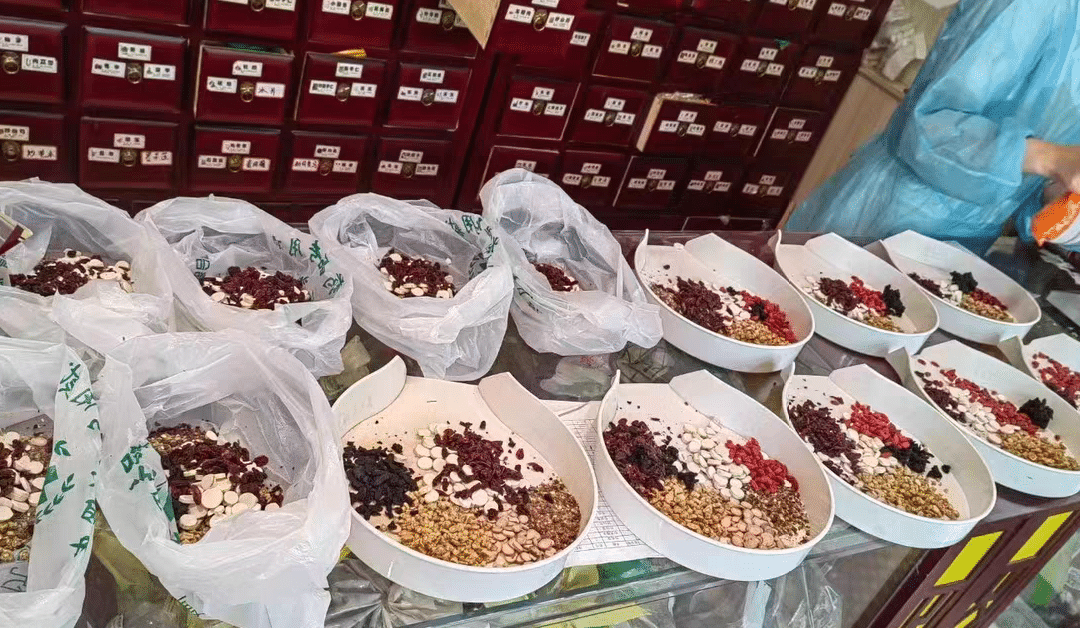
TCVM operates on principles that seek harmony and balance in the body. Herbs in TCVM are chosen based on their properties and how they interact with the pet’s Qi (vital energy), Yin and Yang. Common herbs like Ginseng and Astragalus have been used to boost energy, while others like Gou Qi Zi (Wolfberry) support eye health.
Safety and Efficacy
When it comes to using TCVM herbs for pets, safety and efficacy are paramount. It’s crucial that these treatments are administered or prescribed by a professional TCVM practitioner. Although herbal treatments are generally safe, they need to be used appropriately to avoid any side effects.
Case Studies and Research
There are numerous success stories where TCVM herbs have significantly improved pet health conditions. For instance, a study published in the ‘Journal of Veterinary Science’ highlighted the positive effects of certain TCVM herbs in treating canine arthritis. Such examples underscore the potential of these treatments.
Choosing the Right TCVM Therapy
Finding the right TCVM practitioner is key. Look for licensed veterinarians who have additional training in TCVM. Each pet is unique, and a tailored treatment plan is essential for the best results.
Conclusion
TCVM herbs offer an exciting alternative or complement to conventional pet treatments. They hold a promise for enhancing the wellbeing of our furry companions in a more natural and holistic way. As pet owners increasingly seek out holistic care options, TCVM herbs stand out as a valuable and effective choice.

by TCMVET | Jan 26, 2024 | pet Chinese herbal medicine
Introduction Traditional Chinese Veterinary Medicine (TCVM), an ancient practice stemming from Traditional Chinese Medicine (TCM), has been gaining popularity in the pet care world. Among its most intriguing aspects are the use of TCVM herbs for pets. This article explores the benefits, types, and considerations of using TCVM herbal remedies to enhance the health and well-being of our furry companions.
What is TCVM? TCVM stands for Traditional Chinese Veterinary Medicine. It’s an approach that has been used for thousands of years to treat various health conditions in animals, mirroring principles from human Traditional Chinese Medicine. TCVM encompasses acupuncture, diet, exercise, and herbal therapy.
The Role of Herbs in TCVM Herbs are a cornerstone of TCVM and are used to treat a range of conditions in pets. These herbs are believed to balance the body’s energy, or Qi, and support natural healing processes.
Common TCVM Herbs and Their Uses
- Ginseng: Used for general weakness, to enhance stamina and appetite.
- Astragalus: Boosts the immune system and supports heart health.
- Dang Gui: Commonly used for blood deficiencies and circulatory problems.
- Goji Berries: Supports eye health and kidney function.
Benefits of TCVM Herbs for Pets TCVM herbs offer various benefits:
- Natural Treatment: An alternative to conventional medication.
- Holistic Approach: Focuses on treating the whole body, not just symptoms.
- Personalization: Tailored to the individual needs of each pet.
Considerations and Safety While TCVM herbs can be beneficial, it’s crucial to approach them with care:
- Consult a TCVM Practitioner: Always consult with a qualified TCVM veterinarian before starting any herbal treatment.
- Quality of Herbs: Ensure herbs are sourced from reputable suppliers.
- Monitoring: Watch for any adverse reactions in your pet.
Integrating TCVM Herbs into Pet Care Incorporating TCVM herbs into your pet’s care regimen can be done in various ways, such as through supplements, added to food, or as part of a prescribed treatment plan from a TCVM practitioner.
Conclusion TCVM herbs offer a unique and holistic way to address various health concerns in pets. By understanding and respecting the principles of Traditional Chinese Veterinary Medicine, pet owners can explore new avenues to enhance their pets’ health and quality of life.

by TCMVET | Oct 19, 2023 | Research and News
The diagnosis of cancer in our beloved canine companions is a daunting and emotionally charged event for pet owners. As the quest for effective treatments continues, many are turning to natural alternatives to complement traditional methods. Herbal supplements, with their rich history in holistic health, are becoming increasingly recognized in the realm of canine cancer care. In this exploration, we unearth the potential benefits and considerations of such herbal interventions.
Why Herbal Supplements?
Herbs have been integral to traditional medicine systems for centuries. Their allure in modern times, especially in treating conditions like cancer, lies in their natural compositions, potential therapeutic benefits, and fewer side effects when compared to certain synthetic drugs.
Herbs in the Spotlight for Canine Cancer Care
- Turmeric: Known primarily for its active ingredient, curcumin, turmeric possesses anti-inflammatory and antioxidant properties. Some studies suggest curcumin may inhibit tumor growth and reduce the spread of cancer cells.
- Milk Thistle: Celebrated for its liver-supporting benefits, milk thistle can be crucial when dogs undergo chemotherapy, helping protect the liver from potential toxic side effects.
- Olive Leaf Extract: With its antioxidant and anti-inflammatory traits, olive leaf extract can potentially support a dog’s immune system and overall well-being during cancer treatments.
- Echinacea: This immune-boosting herb might help strengthen a dog’s natural defenses, especially vital during times of illness or stress.
- Astragalus: Often used in Traditional Chinese Medicine, Astragalus is believed to enhance the immune system and may provide supportive benefits in cancer care.
The Herbal Balance
While the potential benefits of these herbal supplements are promising, it’s imperative to strike a balance. Not all herbs are suitable for every dog, and dosages need careful calibration.
Collaboration is Key
Before introducing herbal supplements into your dog’s cancer treatment regimen, always collaborate with a veterinarian. They can offer insights into potential drug-herb interactions, correct dosages, and the overall suitability of a particular herb for your dog’s unique situation.
Conclusion
As we tap into the bounties of nature, herbal supplements present a new horizon in canine cancer care. Their therapeutic potential, combined with conventional treatments, might offer our furry friends a better quality of life, weaving hope into the tapestry of holistic pet care.
by TCMVET | Oct 19, 2023 | Research and News
Cancer in dogs is as heart-wrenching as it sounds. As our loyal companions age, they become more susceptible to various diseases, including different forms of cancer. In this era, where blending ancient wisdom with modern science is gaining traction, Chinese herbs are emerging as potential allies in the fight against canine cancer. Let’s delve into how these time-tested botanicals might offer hope and relief.
The Chinese Herbal Legacy
For thousands of years, Traditional Chinese Medicine (TCM) has been a cornerstone of health and wellness in the East. Utilizing a holistic approach, TCM focuses on achieving balance within the body, and herbs play an integral role in this intricate dance of yin and yang.
Chinese Herbs Against Canine Cancer
- Astragalus (Huang Qi): Celebrated for its immune-boosting properties, Astragalus may help in enhancing the body’s natural defense mechanisms, potentially aiding in the fight against cancer.
- Hedyotis (Bai Hua She She Cao): This herb has been traditionally used in TCM to combat tumors. Modern studies are looking into its potential anti-cancer properties.
- Oldenlandia (Bai Hua She She Cao): Often paired with Hedyotis, Oldenlandia is believed to possess properties that may directly target cancer cells.
- Turmeric (Jiang Huang): While Turmeric finds its roots in Indian Ayurvedic practices, it’s also embraced in Chinese herbalism. Curcumin, the active component in turmeric, has shown potential anti-cancer effects in various studies.
- Reishi Mushroom (Ling Zhi): A symbol of longevity in Chinese culture, the Reishi mushroom might support the immune system and inhibit tumor growth.
Integrative Approach: The Way Forward?
It’s essential to remember that while Chinese herbs offer promising benefits, they shouldn’t replace conventional cancer treatments for dogs. Instead, an integrative approach, combining the strengths of both traditional and modern medicine, might be the most beneficial.
Consultation is Crucial
Always consult with a veterinarian or a specialist in veterinary herbal medicine before introducing any new treatment or supplement to your dog’s regimen. They can provide guidance on appropriate dosages, potential interactions, and overall safety.
Conclusion
As we bridge the wisdom of ancient Chinese herbal practices with contemporary veterinary care, there’s renewed hope in the battle against canine cancer. While the journey is ongoing, the combined strength of East and West brings promise to our four-legged friends’ lives.

by TCMVET | Oct 18, 2023 | Research and News
Cushing’s Disease, medically known as hyperadrenocorticism, is a condition where a dog’s adrenal glands produce excessive cortisol. This can lead to various symptoms like increased thirst, urination, a pot-bellied appearance, and hair loss. While there are conventional treatments available, many pet owners are looking towards alternative therapies. Among them, Chinese herbs have become a popular holistic choice. In this article, we’ll delve into the potential benefits and applications of Chinese herbs for treating Cushing’s Disease in dogs.
Understanding Cushing’s Disease
Before diving into the remedies, it’s essential to understand the disease. Cushing’s can be caused by a tumor in the adrenal or pituitary gland or prolonged exposure to high doses of steroids. The excessive cortisol affects the body’s functions and can lead to various complications if left untreated.
The Holistic Approach of Traditional Chinese Veterinary Medicine (TCVM)
TCVM emphasizes balance in the body, aiming to treat the root causes of diseases rather than just the symptoms. Chinese herbs have been used for millennia to address imbalances and promote healing. Their natural properties make them an appealing alternative or supplement to traditional treatments.
Chinese Herbs for Cushing’s Disease in Dogs
- Rehmannia (Shu Di Huang): This root is known for its tonifying properties. It nourishes the blood and yin and can help restore balance in dogs with Cushing’s.
- Astragalus (Huang Qi): Commonly used to boost the immune system, Astragalus also supports the adrenal glands, potentially helping to reduce excessive cortisol production.
- Ginkgo Biloba: While more commonly associated with cognitive support, Ginkgo can improve blood flow and reduce inflammation, assisting dogs with Cushing’s symptoms.
- Dandelion (Pu Gong Ying): This herb acts as a diuretic and supports the liver, helping to detoxify and address some of the symptoms of Cushing’s Disease.
Consultation is Crucial
While the potential of Chinese herbs for treating Cushing’s Disease seems promising, it’s paramount for dog owners to consult with a veterinarian before introducing any new treatments. A veterinarian experienced in both Western and Chinese medicine can offer guidance on appropriate dosages and combinations.
Conclusion
Cushing’s Disease in dogs can be a challenging condition to manage. However, the holistic approach of Chinese herbs offers a promising alternative or complementary treatment. With proper guidance and understanding, these ancient remedies might offer relief and improved quality of life for our four-legged friends.
