Baituxiao vs K9 INU: 7 Powerful Key Factors for Dog Owners in Norway
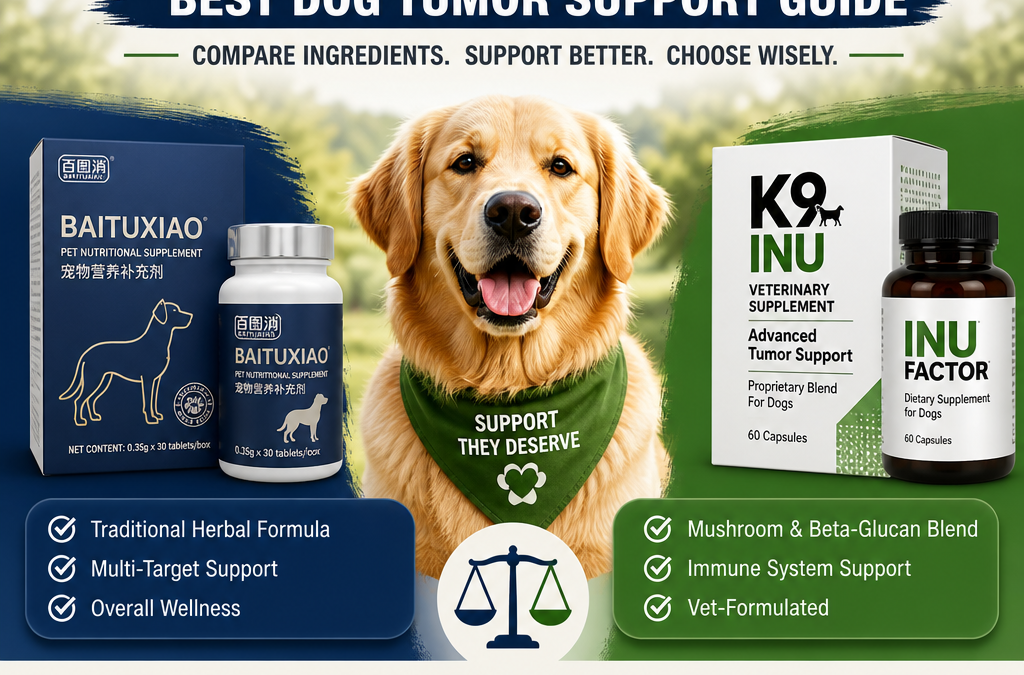
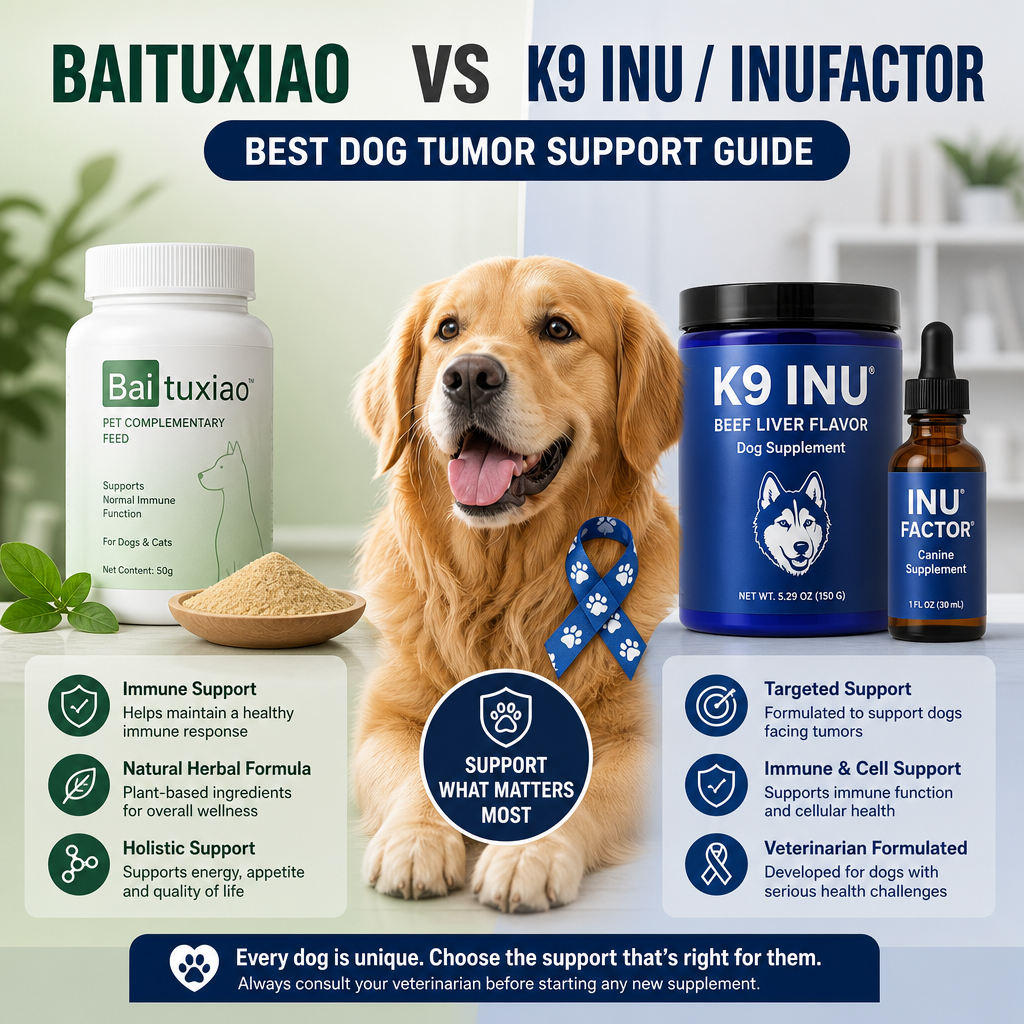
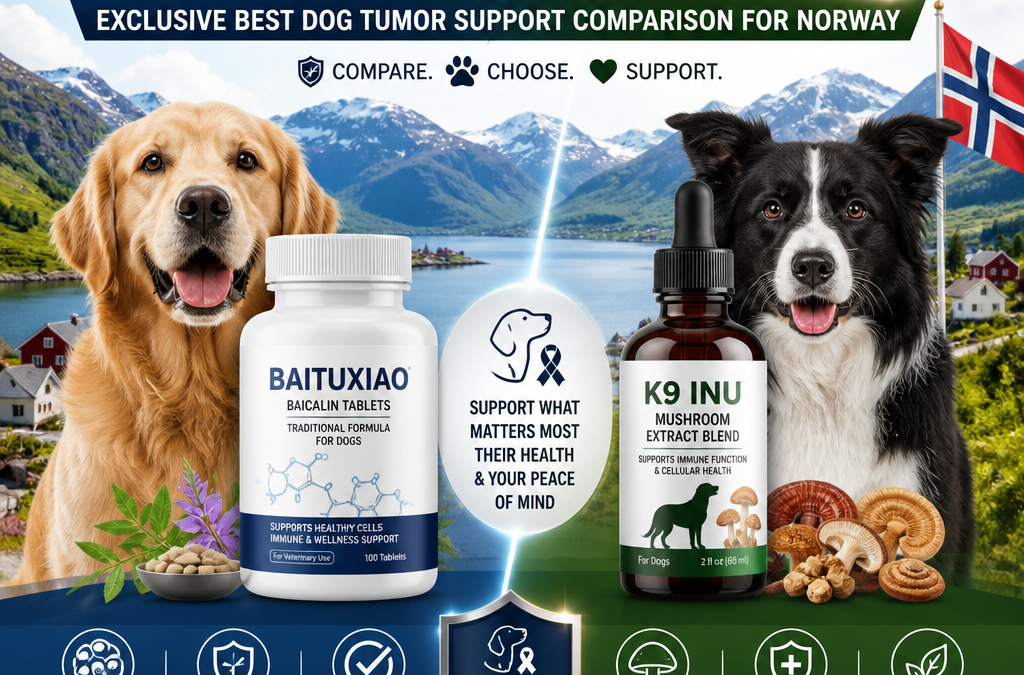
Baituxiao vs K9 INU is a comparison many Norwegian dog owners may consider when looking for additional support after a dog has been diagnosed with a tumor. Both products are marketed as complementary supplements, but they should not be viewed as replacements for veterinary diagnosis, surgery, chemotherapy, radiation, pain management, or other clinically recommended care. Understanding their intended use, ingredients, practical differences, and safety considerations can help owners make a more informed decision together with their veterinarian.
- Why dog tumor support requires careful evaluation
- Baituxiao vs K9 INU: differences in product positioning
- Ingredient quality and evidence matter
- What to ask before using any supplement
- Safety considerations for Norwegian dog owners
- Choosing between the two products
- A balanced approach to dog tumor support comparison
Why dog tumor support requires careful evaluation
A tumor is not a single disease. It may be benign or malignant, slow-growing or aggressive, localized or spread throughout the body. The appropriate treatment depends on the tumor type, location, grade, stage, the dog’s age, and general health. A supplement that appears appropriate for one dog may be unsuitable for another, particularly if the dog is taking prescription medicines or has liver, kidney, gastrointestinal, or bleeding problems.
Supportive products are generally used to complement a veterinary treatment plan. Their possible goals may include supporting appetite, maintaining normal immune function, helping the dog cope with treatment-related stress, or providing nutritional compounds with antioxidant activity. However, evidence for supplements in canine cancer care varies considerably. Product claims should therefore be assessed carefully rather than accepted as proof of therapeutic benefit.
In many cases, owners begin comparing options only after hearing difficult news from the clinic. That is understandable, but the first step should still be a complete diagnosis and a discussion of available care. If you are also looking at other complementary options, you may find it helpful to review alternative dog tumor support options alongside the current treatment plan.
It also helps to remember that the same label can mean different things in different markets. The support approach, the dose, and even the ingredient profile may vary by supplier. That is why any Baituxiao vs K9 INU review should begin with the exact product you can actually buy, not with a generalized claim online.
For dog owners, the practical question is often not whether a supplement sounds promising, but whether it can be used without disrupting treatment or causing avoidable side effects. That is especially important when the dog is already under stress from a cancer diagnosis, surgery recovery, or a changing appetite.
Baituxiao vs K9 INU: differences in product positioning
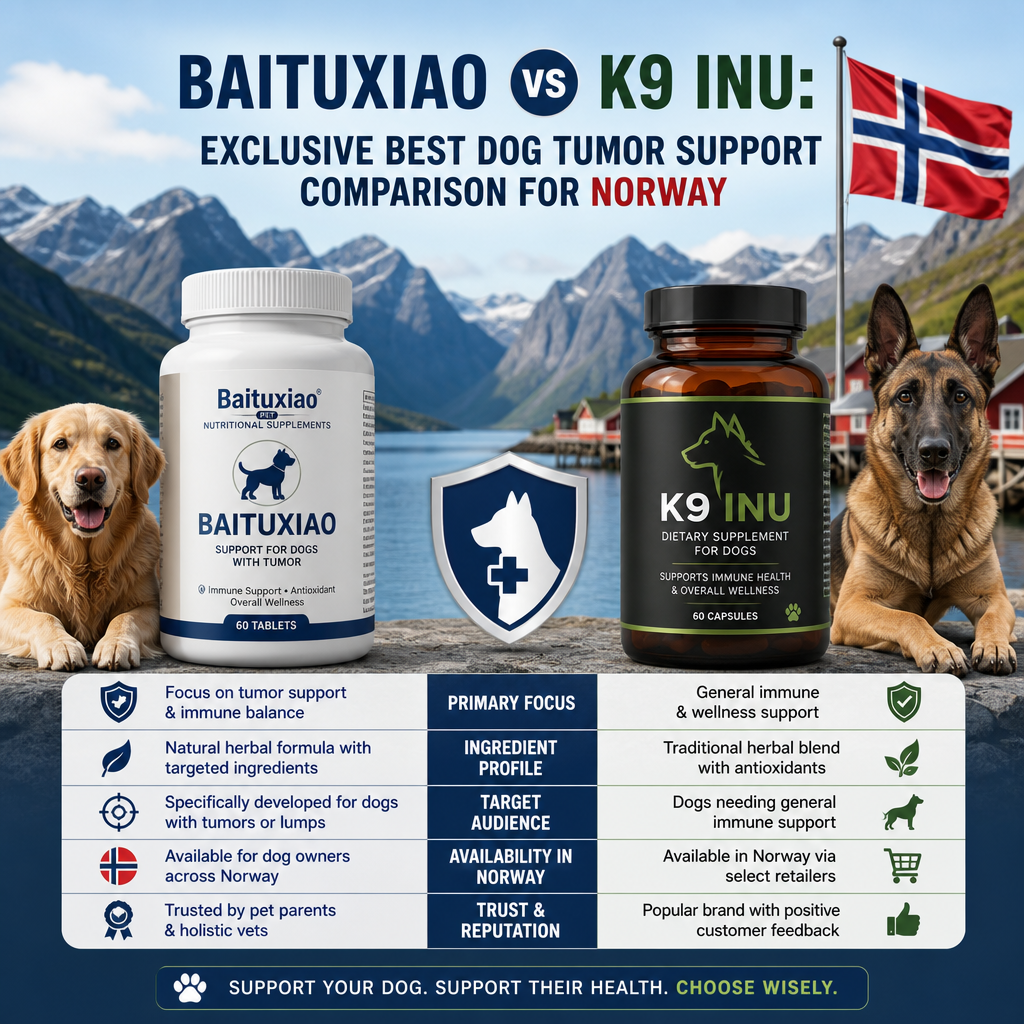
The most important starting point in a Baituxiao vs K9 INU comparison is that these products may be positioned differently depending on the manufacturer, seller, and formulation available in a particular market. Owners should examine the current label instead of relying only on online descriptions or promotional language.
Baituxiao is commonly presented as a traditional herbal or botanical support product. Its formulation may include several plant-derived ingredients selected for general wellness, immune support, or antioxidant purposes. Because multi-ingredient herbal formulas can vary by supplier and region, checking the complete ingredient list, amounts, manufacturing information, and administration instructions is essential.
K9 INU is generally marketed as a canine supplement intended to provide nutritional or botanical support for dogs with serious health concerns. Its exact composition, concentration, and recommended use should also be confirmed from the official packaging. Some products sold under similar names may differ in ingredients or dosage, making it risky to compare products based only on brand names.
For a reliable dog tumor support comparison, compare the actual labels side by side. Look at active ingredients, serving size, additives, allergens, batch information, storage requirements, and whether the product is specifically manufactured for dogs. A careful Baituxiao vs K9 INU review should also ask whether the product has a clear purpose beyond marketing language. A label that explains support in plain terms is usually easier to trust than one that promises broad results without specifics.
If the label is vague, ask the seller for a full ingredient panel and the manufacturer’s quality documentation. This matters because a product sold under a familiar name can still vary from one market to another. For example, some owners in Europe researching broader oncology support also compare products such as K9 Immunity Alternative: Best Affordable Dog Tumor Supplements in France when they are trying to understand what is actually in a supplement and how it fits with veterinary care.
It may also help to ask how the product is meant to be used in everyday life. Is it intended for short-term support during treatment? Is it a general wellness formula? Does it require capsules, powders, or liquids? These practical details can matter just as much as the brand name when a dog is already dealing with a reduced appetite or a sensitive stomach.
Ingredient quality and evidence matter
A supplement’s reputation does not establish that it treats cancer. The quality of evidence can range from laboratory research and small preliminary studies to controlled clinical trials in dogs. These types of evidence are not interchangeable. An ingredient that affects cancer cells in a laboratory setting does not automatically shrink tumors in living animals.
Owners should be cautious about claims such as “cures cancer,” “guaranteed tumor removal,” or “works for every dog.” Such statements are medically unreliable and may encourage delays in effective treatment. More responsible products describe themselves as supportive and make clear that veterinary care remains necessary.
When reviewing Baituxiao or K9 INU, consider whether the manufacturer provides transparent information about sourcing, quality testing, contaminant screening, and manufacturing standards. Herbal supplements can contain variable concentrations, and contamination with heavy metals, pesticides, microbes, or undeclared pharmaceutical substances is a potential concern. Products imported into Norway may also be subject to different rules than medicines approved for veterinary use.
It is also worth checking whether the product cites any primary research or expert guidance. A useful external reference for understanding the limits of complementary care in veterinary oncology is the American Veterinary Medical Association’s overview of cancer in pets, which explains why diagnosis, staging, and treatment planning remain central.
For readers who are considering broader botanical support, another relevant example is Supporting Your Dog with Tumors Naturally: Benefits of Jinyinhua, which shows how a single ingredient discussion can be approached more carefully than broad marketing claims.
Evidence quality also matters because it helps set expectations. A product with limited preliminary support may still be considered by some owners as part of comfort-focused care, but that does not make it a treatment. In a Baituxiao vs K9 INU decision, the best question is often not which one sounds stronger, but which one has the clearest composition, the most transparent quality controls, and the least chance of interfering with care.
In that sense, the comparison is really about risk management. If one product has uncertain sourcing, incomplete labeling, or no clear quality documentation, it may be less suitable even if its promotional material sounds impressive. A cautious owner will usually favor transparency over bold promises.
What to ask before using any supplement
Before starting any product, ask whether the dog’s diagnosis has been confirmed with appropriate testing. A supplement can only be evaluated properly when the tumor type and treatment plan are known. That is especially important if the dog has already undergone surgery or is scheduled for follow-up imaging.
Also ask whether the dog is currently receiving chemotherapy, radiation, immunotherapy, pain relief, or antibiotics. Even products that appear gentle can alter how the body processes medicine or affect appetite, digestion, and clotting. A veterinary oncologist can help determine whether a supplement is worth trying or whether the safest approach is to avoid extra products entirely.
When owners slow down and review the case carefully, the choice between Baituxiao vs K9 INU becomes less about advertising and more about compatibility with the dog’s actual needs. That is the right way to frame the decision, especially when the goal is comfort and stable day-to-day function rather than unrealistic promises.
Useful questions include whether the product needs to be given with food, whether it can be split into smaller doses, and whether a dog with nausea would tolerate it at all. Those details may seem minor, but they can determine whether a product is practical enough to use consistently. If the dog refuses the supplement or develops stomach upset, the theoretical value of the product becomes much less important than real-world tolerance.
Owners should also ask whether they are trying to solve a specific problem or simply hoping to do something helpful. A supplement should have a clear role. It may be aimed at supporting appetite, easing convalescence, or providing general nutritional support, but it should not be added just because a diagnosis feels overwhelming. Thoughtful selection is better than adding multiple products without a plan.
If there is any uncertainty about the dog’s condition, it is reasonable to wait before making changes. Veterinary guidance can prevent unhelpful overlap between supplements and prescriptions. In many cases, the safest decision is to keep the regimen simple until the care team has reviewed the product and its ingredients.
Safety considerations for Norwegian dog owners
Norwegian owners should purchase supplements through trustworthy channels and verify whether the product can legally be imported or sold in Norway. Customs requirements, labeling rules, and veterinary medicine regulations may apply, particularly when a product makes disease-treatment claims. A veterinarian or Norwegian pharmacy may be able to clarify whether a specific product is appropriate and legally available.
Potential side effects may include vomiting, diarrhea, reduced appetite, lethargy, skin reactions, or changes in thirst and urination. Herbal products can also interact with medicines. For example, some ingredients may influence blood clotting, sedation, blood pressure, liver enzymes, or the metabolism of chemotherapy drugs. This is especially important before surgery, biopsy, dental procedures, or invasive treatment.
Do not introduce multiple new supplements at the same time. If a veterinarian approves a product, introduce it according to the recommended dose and monitor the dog closely. Keep a record of the product name, batch number, dose, start date, and any changes in symptoms. Stop the supplement and contact the veterinary clinic if the dog develops persistent gastrointestinal symptoms, unusual bleeding, severe weakness, breathing difficulty, facial swelling, or a sudden decline.
If you are comparing imported products, remember that the safest choice is not always the most heavily advertised one. A cautious, label-based comparison is more useful than relying on testimonials. That is particularly true for owners who have also looked at Energyvet / Cytovet system alternative: 7 Powerful Must-Have Dog Tumor Supplements in Slovakia and are trying to understand how different support products are positioned in European markets.
Norwegian dog owners should also think about continuity of supply. A product that is difficult to reorder, changes formula without notice, or arrives with inconsistent packaging may be a poor long-term choice. If a supplement is part of an ongoing support plan, consistency matters because sudden changes can make it harder to judge whether the product is helping or causing problems.
Another safety issue is interaction with the dog’s existing condition. A dog with poor kidney function, liver disease, or a tendency to bleed may need a much more conservative approach than a healthy adult dog. For that reason, a Baituxiao vs K9 INU comparison should always be filtered through the dog’s medical history rather than through general advice alone.
Practical ways to compare product labels
When owners compare supplements carefully, the conversation becomes less confusing. Start with the ingredient list and look for full disclosure. A product that names its ingredients clearly is easier to review with a veterinarian than one that relies on a proprietary blend without amounts. Exact quantities matter because two products with similar ingredients can have very different strengths.
Next, check whether the product states the intended species. A supplement designed specifically for dogs is usually more appropriate than one borrowed from human wellness trends. Dog-specific products are not automatically safer, but they are easier to evaluate for dosing and formulation concerns. This is one reason why a Baituxiao vs K9 INU review should go beyond marketing claims and focus on the actual package details.
Then look at excipients or inactive ingredients. Flavors, thickeners, preservatives, and coatings can matter for dogs with sensitivities. Some dogs tolerate capsules better than chews, while others need powders mixed into food. If a product is impossible to administer without stress, it may not be a practical option even if the label looks promising.
Finally, look for proof of manufacturing quality. Batch numbers, expiration dates, lot tracing, and clear storage instructions suggest a more organized product. If none of that information is available, caution is warranted. Owners do not need to become formulators, but they do need enough information to ask the right questions.
Choosing between the two products
There is no universal winner in the Baituxiao vs K9 INU discussion. The better choice depends on the individual dog and the product’s verified formulation. A veterinarian may recommend avoiding supplements altogether during certain treatments, while in other cases a carefully selected product may be acceptable as part of nutritional and palliative support.
Before choosing, ask these practical questions:
- Has the tumor been identified through appropriate veterinary testing?
- Is the dog receiving surgery, chemotherapy, radiation, immunotherapy, or pain relief?
- Could any ingredient interact with current medication?
- Does the dog have liver, kidney, stomach, or clotting problems?
- Is the product manufactured specifically for dogs?
- Are the ingredients and quantities clearly listed?
- Is there credible quality-control information?
- Can the dog swallow and tolerate the product comfortably?
A supplement should never delay diagnostic imaging, biopsy, referral to a veterinary oncologist, or treatment for pain and nausea. Maintaining appetite, hydration, mobility, and quality of life is often more meaningful than pursuing unsupported claims about tumor elimination.
If you want to compare a different supporting product category for dogs with tumors, it may also help to read about Turkey Tail Mushroom: A Natural Supplement for Supporting Breast Tumor Treatment in Dogs. Looking at a few structured examples can make it easier to identify what is evidence-based and what is merely promotional language.
In practice, the best decision may be to choose neither product until the veterinarian has reviewed the full picture. That can feel frustrating for owners who want to act quickly, but thoughtful timing often prevents unnecessary complications. If a supplement is appropriate, it should fit the dog’s condition, routine, and treatment plan without creating extra risk.
When a veterinarian may advise caution or avoidance
There are several situations where even a well-marketed supplement should be approached carefully. A veterinarian may advise caution if the dog is about to have surgery, if blood clotting is already a concern, or if the dog is receiving a drug with a narrow safety margin. A product that seems harmless on the shelf may still be inappropriate in a specific clinical context.
Caution is also sensible when a dog has a poor appetite, frequent vomiting, diarrhea, or significant weight loss. In those cases, the priority may be stabilization, hydration, and symptom control rather than adding another product to the regimen. If the dog cannot keep food down, even a useful supplement may not be realistic.
Some owners hope a supplement will give them more time before making difficult treatment choices. That is understandable, but it should not be the basis of a decision. A good Baituxiao vs K9 INU comparison does not replace medical judgment. It supports it by identifying which product, if any, has a place in the broader plan.
A balanced approach to dog tumor support comparison
A responsible dog tumor support comparison should focus on transparency, safety, evidence, and the dog’s quality of life rather than dramatic marketing promises. Baituxiao and K9 INU may appeal to owners seeking complementary support, but neither should be assumed to replace proven veterinary care. The most appropriate decision is one made after reviewing the exact formulation with a veterinarian who understands the dog’s diagnosis and treatment plan.
For Norwegian families, local veterinary guidance is particularly valuable because it can address available oncology services, import considerations, medication interactions, and follow-up monitoring. Used carefully and realistically, supportive products may have a place in an overall care plan. The priority, however, should always remain accurate diagnosis, timely treatment, comfort, and the best possible quality of life for the dog.
In the end, Baituxiao vs K9 INU is not just a brand-to-brand decision. It is a question of fit, safety, and whether a product can be integrated responsibly into a dog’s care. If the answer is unclear, the safest move is to pause and ask the veterinarian before starting anything new.
That careful mindset is especially useful for owners who want to stay proactive without taking unnecessary risks. When the evidence is incomplete, the labels are inconsistent, or the medical situation is complex, the most helpful path is usually to simplify, review, and coordinate with the veterinary team before making a final choice.
Ultimately, a well-informed Baituxiao vs K9 INU decision should support the dog’s comfort, not add stress for the family or interfere with treatment. If the product cannot clearly meet that standard, it is better to step back and keep the focus on proven care.