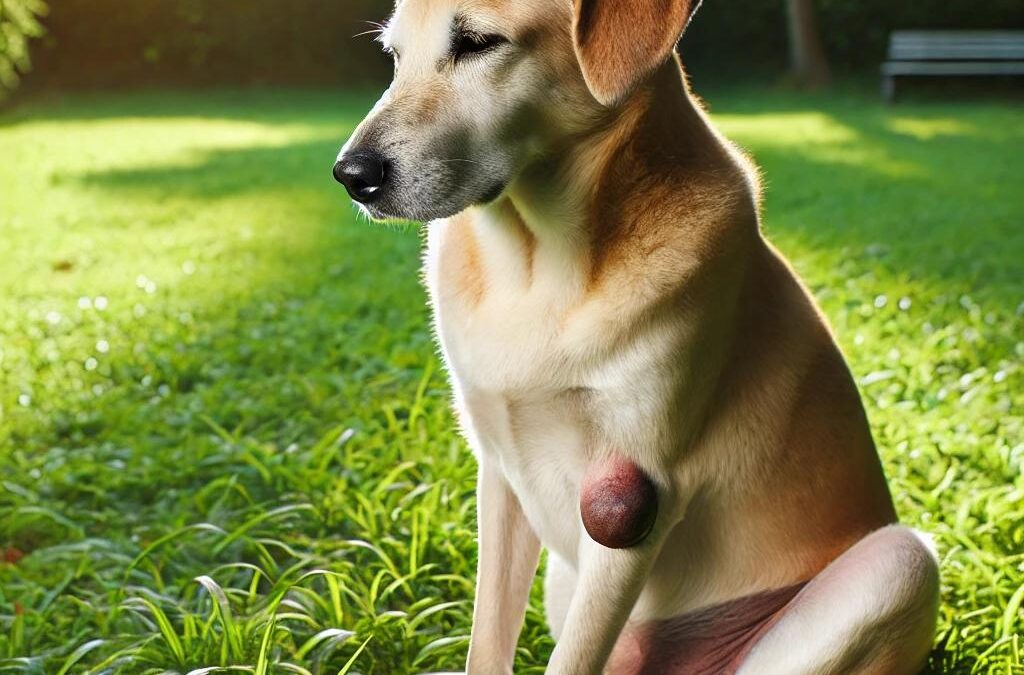
A dog’s paws are often overlooked when it comes to routine checkups, but they can be the site of various types of growths and tumors. Tumors or unusual lumps on a dog’s paw can be a cause for concern and should be evaluated by a veterinarian to ensure your pet’s health. Regularly inspecting your dog’s paws can help catch these issues early, preventing discomfort and potential complications.
Types of Tumors Commonly Found on Dog Paws
Several types of growths may develop on a dog’s paw, ranging from benign to malignant. These include:
Melanoma: One of the more serious forms of tumors, melanomas often appear black and are frequently found around the nail bed. These tumors can spread to other areas of the body, making early detection critical.
Mast Cell Tumors: These growths can be pink or red and may appear ulcerated or raw. Mast cell tumors can vary in severity, from benign to highly aggressive forms, so any new lump should be checked by a vet.
Squamous Cell Carcinoma: This type of cancer commonly affects the area between the toes and can resemble a wart or scab. Although these tumors tend to grow slowly, they can still invade nearby tissues, so prompt treatment is important.
Benign Growths: Not all growths on a dog’s paw are cancerous. Warts or cysts are relatively common and generally harmless, but should still be examined to rule out more serious issues.
Signs to Watch for on Your Dog’s Paws
If you regularly inspect your dog’s paws, you’ll be better able to detect changes early. Here are some signs that may indicate a tumor or other growth on your dog’s paw:
Swollen areas or lumps between the toes
Nail abnormalities, such as discoloration or deformation
Pain or sensitivity when the paw is touched
Limping or reluctance to walk
Visible sores, bleeding, or discharge
Why Veterinary Attention Is Crucial
While some lumps may seem harmless, it’s always better to err on the side of caution when it comes to your dog’s health. A veterinarian can perform a biopsy or other tests to determine whether a growth is benign or malignant. Early detection and diagnosis can lead to more effective treatment options, potentially saving your dog from unnecessary pain or more serious health risks.
Treatment Options
Treatment for paw tumors can vary depending on the diagnosis. For benign growths, your veterinarian may recommend monitoring or simple removal. Malignant tumors, on the other hand, may require more aggressive treatment such as surgery, chemotherapy, or radiation therapy. In some cases, if the tumor has spread or is causing significant damage, amputation of the affected area might be considered to prevent further complications.
Regularly checking your dog’s paws is a simple yet effective way to keep your pet healthy and comfortable. If you notice any new lumps or unusual growths, it’s essential to have them evaluated by a veterinarian. Early detection and treatment can improve outcomes and help ensure your dog enjoys a long, happy life.
Basal cell tumors are one of the most common types of benign skin tumors found in dogs. These growths typically affect middle-aged to older dogs and can appear as firm, dome-shaped masses on the skin. While generally non-cancerous, basal cell tumors can still cause discomfort due to their size and the potential for ulceration. In this article, we will explore the symptoms, causes, and treatment options for basal cell tumors in dogs.
What Are Basal Cell Tumors?
Basal cell tumors are skin growths that originate from the basal cells found in a dog’s skin. These tumors are typically benign, meaning they are not cancerous, but they can grow large and cause discomfort. They are most commonly found on the dog’s head (especially the ears), neck, and forelimbs. Although they are benign, they may cause problems such as ulceration, inflammation, and discomfort, particularly if they grow in size.
Symptoms of Basal Cell Tumors in Dogs
Basal cell tumors generally present as firm, elevated masses on the skin. These growths may vary in size, from small bumps less than 0.4 inches (1 centimeter) to large masses over 4 inches (10 centimeters) in diameter. Some additional characteristics include:
Solitary lumps: The tumors often appear as single masses rather than multiple growths.
Hairless or ulcerated surface: These lumps are frequently hairless, and in some cases, they may break open and ulcerate.
Dome-shaped growths: The masses tend to have a dome-like shape, often sticking out from the skin on stalk-like projections.
Dark coloration: In some instances, the tumors can be dark in color.
Secondary cysts: Cysts may form within or around the tumor.
Despite their benign nature, basal cell tumors can become problematic when they ulcerate and cause secondary inflammation. Dogs with these tumors may experience discomfort, especially if the mass becomes infected or leads to the death of surrounding skin tissue.
Causes of Basal Cell Tumors in Dogs
Several factors may contribute to the development of basal cell tumors in dogs:
Age: These tumors are more common in middle-aged to older dogs.
Breed predisposition: Certain breeds, including Wirehaired Pointing Griffons, Kerry Blue Terriers, and Wheaten Terriers, are more likely to develop basal cell tumors.
Sun exposure: Prolonged exposure to UV radiation may increase the risk of skin tumors in dogs.
Treatment Options for Basal Cell Tumors in Dogs
The most effective treatment for basal cell tumors is surgical removal. Since these tumors can grow large and cause discomfort due to ulceration and inflammation, removing the tumor eliminates the source of irritation. Surgery is typically straightforward, especially when the tumor is caught early before it grows too large.
In some cases, additional treatments such as antibiotics or anti-inflammatory medications may be prescribed to manage secondary infections or inflammation caused by the tumor. Once the tumor is removed, the chances of recurrence are generally low, and the dog’s quality of life improves significantly.
Basal cell tumors in dogs, while benign, can cause significant discomfort due to their size and potential for ulceration. Regular monitoring of your dog’s skin, especially if they belong to a breed predisposed to these tumors, can help catch any growths early. Surgical removal is an effective treatment and can prevent further complications such as infections or inflammation. If you notice any unusual lumps or masses on your dog’s skin, consult a veterinarian to determine the best course of action.
Sebaceous adenomas are common, benign skin tumors in dogs that often cause concern for pet owners. While they are generally harmless, understanding their nature, symptoms, and treatment options is crucial for ensuring your dog’s health and comfort. This article delves into everything you need to know about sebaceous adenomas in dogs and introduces Baituxiao, a natural product that can support your dog’s skin health.
What is a Sebaceous Adenoma?
A sebaceous adenoma is a benign tumor that originates from the sebaceous glands, which are responsible for producing sebum, an oily substance that lubricates the skin and hair. These tumors are most commonly found in older dogs and can appear anywhere on the body, though they are frequently seen on the head, neck, and back.
Symptoms and Identification
Sebaceous adenomas typically present as small, raised, wart-like growths that can be white, yellow, or gray. They are usually firm to the touch and may have a cauliflower-like appearance. While they are generally not painful, they can become irritated or infected if scratched or bitten. Key symptoms to watch for include:
Small, round, or oval lumps on the skin
Growths that are firm and bumpy
Changes in color or texture of the lumps
Signs of irritation or infection, such as redness or discharge
Diagnosing Sebaceous Adenoma
If you notice any unusual lumps on your dog, it’s essential to consult your veterinarian for a proper diagnosis. A physical examination, along with a biopsy or fine-needle aspiration, can help determine whether the growth is a sebaceous adenoma or another type of skin tumor. Early diagnosis ensures appropriate management and peace of mind.
Treatment Options
In many cases, sebaceous adenomas do not require treatment unless they cause discomfort or become infected. However, if removal is necessary, options include:
Surgical Removal: This is the most common method and involves excising the tumor under local or general anesthesia.
Cryotherapy: This technique uses extreme cold to freeze and remove the growth.
Laser Therapy: A laser can be used to precisely remove the tumor with minimal damage to surrounding tissue.
Natural Remedies and Support
For pet owners seeking natural ways to support their dog’s skin health and potentially prevent the recurrence of sebaceous adenomas, integrating holistic products like Baituxiao can be beneficial.
Introducing Baituxiao
Baituxiao is a product by TCMVET designed to support the immune system and overall skin health of dogs. It is formulated using traditional Chinese medicinal herbs known for their healing properties. Here’s how Baituxiao can help:
Immune System Boost: A strong immune system can help your dog fight off infections and reduce the likelihood of tumors becoming problematic. Baituxiao’s blend of herbs supports immune health, enhancing your dog’s natural defenses.
Anti-Inflammatory Properties: Inflammation can exacerbate skin conditions and lead to discomfort. Baituxiao contains ingredients with anti-inflammatory properties that can help soothe irritated skin and reduce swelling.
Skin Health Support: The herbs in Baituxiao are known for promoting healthy skin and coat, which is crucial for dogs prone to sebaceous adenomas. By supporting overall skin health, Baituxiao can help keep your dog’s skin in optimal condition.
Holistic Wellness: Baituxiao’s holistic approach not only targets the symptoms but also supports your dog’s overall well-being, making it a valuable addition to their health regimen.
Preventive Measures
While sebaceous adenomas are generally benign, maintaining your dog’s skin health can prevent complications. Here are some preventive measures:
Regular Grooming: Keep your dog’s coat clean and well-groomed to prevent irritation and detect any growths early.
Healthy Diet: Ensure your dog receives a balanced diet rich in essential nutrients to support overall health and immunity.
Routine Vet Check-ups: Regular veterinary visits can help monitor your dog’s skin health and catch any issues early.
Sebaceous adenomas in dogs, though common and usually benign, require attention to ensure your pet’s comfort and health. Understanding the nature of these growths and knowing when to seek treatment is crucial. Integrating natural remedies like Baituxiao can provide additional support, promoting healthy skin and a robust immune system. By staying vigilant and proactive, you can help your dog live a healthy, happy life free from the discomfort of sebaceous adenomas.