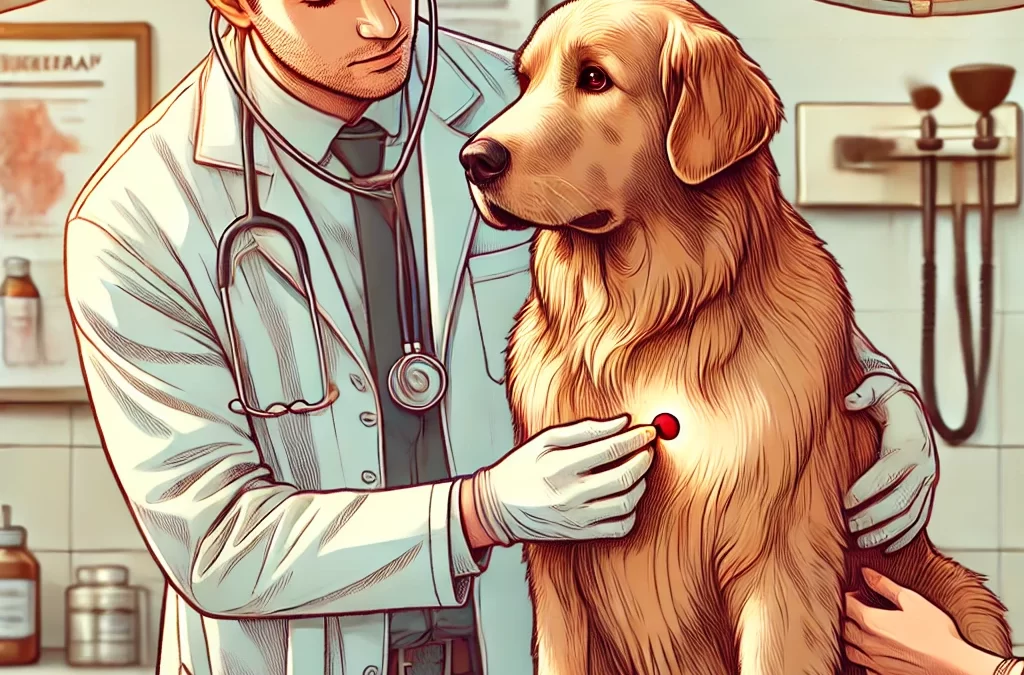
Picture this: You’ve just given your dog a much-deserved belly rub after a fun-filled walk. Suddenly, your fingertips brush against a small bump you’ve never noticed before. Cue the suspenseful music—Has an alien invader (read: malignant tumor) set up camp, or is it just a harmless squatter (benign growth) chilling under your dog’s skin? Before you sound the alarm or shrug it off, let’s shed some light on how to decode these mysterious new tenants in your furry friend’s body.
1. “Growth CSI”: Forensic Clues That Matter
Think of yourself as the detective in a high-stakes crime drama. Your job is to gather all the evidence:
Texture and Mobility: Malignant tumors often feel irregular and may adhere to surrounding tissues, while benign lumps tend to be smoother and more mobile.
Rate of Growth: Is that bump rapidly inflating like a balloon, or has it remained the same size over weeks or months? Faster growth can point to malignancy.
Associated Symptoms: Changes in appetite, lethargy, weight loss, or localized pain might be extra red flags that require immediate attention.
The key takeaway? Don’t jump to conclusions just from how the lump feels. But do keep your “detective notebook” updated with observations.
2. Scientific Intel: Diagnostic Tests Reveal the Truth
Just like any good thriller, you’ll need a qualified partner to crack the case. In this episode, it’s your trusted veterinarian, armed with high-tech tools and a keen eye for detail:
Fine Needle Aspiration (FNA): A quick, minimally invasive test that can provide immediate cellular clues. Think of it as collecting “fingerprints” of the lump’s identity.
Biopsy: Sometimes, a closer look is needed—like analyzing a suspect’s DNA. A biopsy offers a deeper dive into the tissue’s structure and cell behavior.
Imaging Tools: X-rays, ultrasounds, or MRIs act as the detective’s magnifying glass, spotting hidden clues about the growth’s boundaries and potential spread.
3. Tumor or Benign Growth? Understanding the Verdict
After collecting evidence and running tests, the verdict will be in. Malignant tumors—our “alien invaders”—carry the risk of infiltration and metastasis. This often calls for prompt, sometimes aggressive, treatment, which may include surgery, chemotherapy, or radiation. Benign growths—our “harmless squatters”—generally grow slowly and stay confined, but that doesn’t mean you can always ignore them. Some benign masses can still press on vital organs or become ulcerated over time, necessitating removal or periodic monitoring.
4. Crafting a Treatment Masterplan
Whether the diagnosis is a harmless squatter or a confirmed alien invader, having a solid game plan is non-negotiable:
Surgical Removal: Often the first line of defense—like evicting a bad tenant.
Medications & Therapies: Chemotherapy, targeted therapy, or immunotherapy can tip the scales in your dog’s favor if the tumor is malignant.
Lifestyle Adjustments: From specialized diets to gentle exercise routines, holistic support helps your dog feel their best throughout treatment.
Ongoing Monitoring: Think of this as your perimeter patrol to ensure no suspicious lumps return or appear elsewhere.
5. Celebrating the Wins and Sharing the Journey
Finding a new lump can be a scary twist in your beloved pet’s story. Yet remember: not every bump is a doom-and-gloom scenario. Armed with vigilance and a proactive approach, you can turn this “alien vs. squatter” mystery into a manageable subplot in your dog’s life adventure. Share updates with your vet, celebrate small victories (a stable lump, successful surgery, good energy levels), and cherish each tail wag along the way.
Because at the end of the day, every detective story worth telling concludes with hope—and maybe a few extra treats for the world’s best sidekick, your dog.
A diagnosis of a splenic tumor in a beloved dog can be heart-wrenching, as these tumors often pose a serious health risk. However, gaining an understanding of the types of splenic tumors, survival rates, and potential treatments can help dog parents make the best choices for their pet’s wellbeing. In this article, we’ll explore splenic tumors in dogs from a fresh perspective, focusing on the realities and options that can provide both clarity and hope.
1. What Are Splenic Tumors?
Hemangiosarcoma: A malignant and aggressive tumor type, hemangiosarcoma is unfortunately common in canine spleens and often spreads rapidly to other organs.
Hemangioma and Splenic Masses: Benign tumors and masses can also form on the spleen. Though these do not spread like hemangiosarcoma, they can rupture, leading to internal bleeding.
Lymphoma: This type, arising in the lymphatic system, may also affect the spleen, adding complexity to the condition.
2. Recognizing Symptoms Early
Subtle Symptoms: Splenic tumors are often asymptomatic until they reach an advanced stage. Symptoms may include lethargy, loss of appetite, and weight loss.
Acute Crisis: In cases where the tumor ruptures, symptoms can escalate rapidly. Pale gums, collapse, abdominal swelling, and labored breathing may signal internal bleeding, requiring immediate veterinary attention.
3. Survival Rates and What They Mean
Splenic Hemangiosarcoma: With hemangiosarcoma, the prognosis is often guarded due to its aggressive nature. Median survival rates with surgery alone can range from 2-3 months.
With Chemotherapy: Combining surgery with chemotherapy can extend survival, sometimes offering 6-12 months, depending on the individual dog’s response.
Benign Tumors and Masses: Survival rates for benign masses are considerably more optimistic, as surgical removal can often provide a complete solution without recurrence.
4. Exploring Treatment Options
Surgical Intervention: Splenectomy, or removal of the spleen, is the most common treatment for splenic tumors. It can provide immediate relief from symptoms and prevent further complications from a ruptured mass.
Chemotherapy: This is often recommended for malignant tumors like hemangiosarcoma to control the spread, though it may not be curative. Some dogs tolerate chemotherapy well, showing few side effects.
Alternative Therapies: Many pet parents explore natural supplements like medicinal mushrooms, which may boost immune function. While these aren’t substitutes for surgery or chemotherapy, they can serve as complementary support.
5. Providing a Good Quality of Life
Managing Pain and Comfort: Pain management is essential to ensure a good quality of life. Veterinarians often recommend pain relief medications or even acupuncture.
Diet and Nutrition: Providing a balanced diet rich in antioxidants and immune-boosting supplements can support overall health, especially during treatment or recovery.
Low-Stress Environment: Minimizing stress through a calm and familiar environment can make a big difference, helping your dog feel comfortable and secure.
6. Why There’s Still Hope
Promising Research: Ongoing research into canine cancers, especially hemangiosarcoma, may lead to better treatments and outcomes.
New Therapies: Immunotherapy and targeted treatments are in development, with some showing early promise in trials. Although these are not yet widely available, they offer hope for the future.
Stories of Resilience: Many dogs with splenic tumors defy the odds and live longer than expected, especially with attentive care and timely treatment.
7. How to Support Your Dog’s Journey
Veterinary Guidance: Building a strong relationship with your veterinarian is crucial. They can tailor a treatment plan and provide resources for managing your dog’s condition.
Support Communities: Many online support groups exist for dog parents dealing with cancer, offering encouragement, advice, and shared experiences that can be incredibly uplifting.
Conclusion
Splenic tumors in dogs present unique challenges, but with prompt diagnosis, informed decisions, and compassionate care, many dogs maintain a good quality of life. While survival rates vary, staying proactive and hopeful can make all the difference. Remember, each journey is unique, and by supporting your dog through every step, you’re giving them the love and care they deserve.