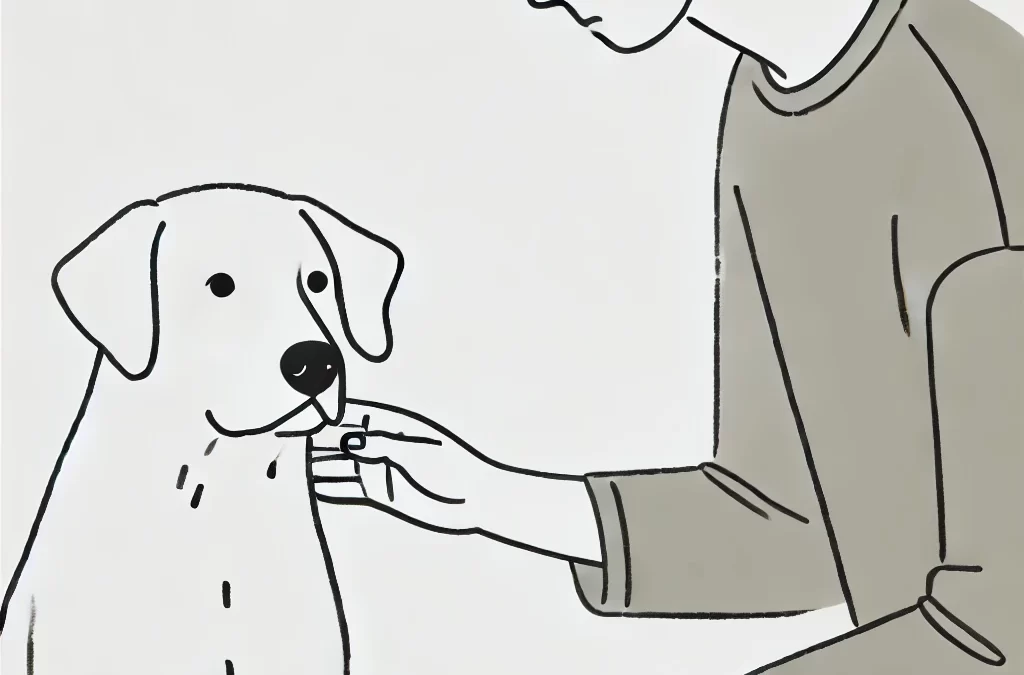
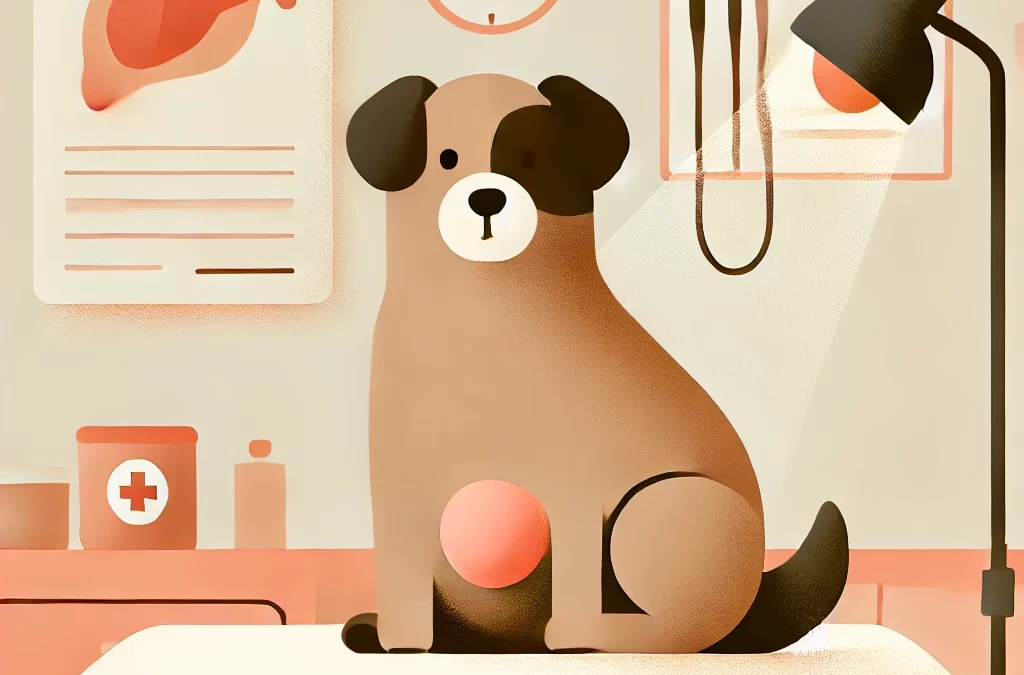
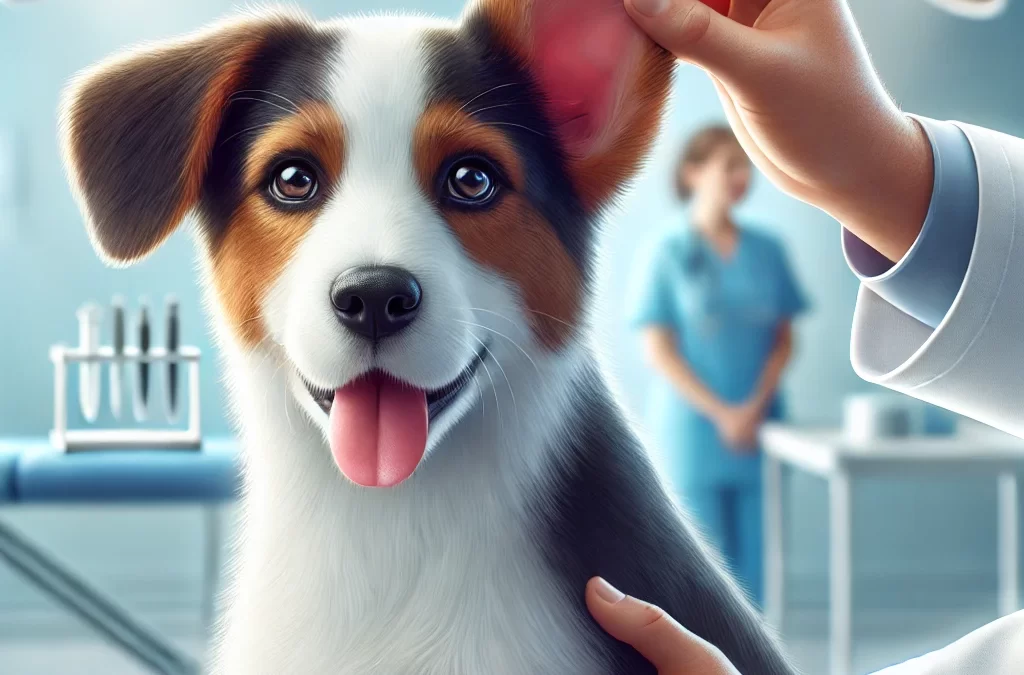
Discovering that your dog has a tumor can be distressing, and one of the first questions pet owners ask is, “How long does my dog have?” The answer depends on various factors, including the type of tumor, its location, stage, treatment options, and the dog’s overall health. Understanding these elements can help you make informed decisions and provide the best possible care for your furry companion.
Types of Tumors and Their Impact on Life Expectancy
Not all tumors are life-threatening. Some are benign and may not affect your dog’s lifespan, while others are malignant and can spread aggressively.
1. Benign Tumors
Benign tumors, such as lipomas (fatty tumors) and sebaceous adenomas, typically do not impact a dog’s lifespan unless they interfere with movement or organ function. In many cases, dogs can live a normal life without treatment, though surgical removal may be considered for comfort.
2. Malignant Tumors (Cancerous Tumors)
Malignant tumors pose a more serious risk as they can invade surrounding tissues and metastasize to other organs. Common malignant tumors in dogs include:
Mast Cell Tumors (MCTs): Can be slow-growing or aggressive. With early removal, many dogs continue to live for years, but advanced cases may significantly shorten lifespan.
Osteosarcoma (Bone Cancer): Highly aggressive, often requiring amputation and chemotherapy. Without treatment, survival time is typically 3–6 months, but with treatment, some dogs live 1–2 years or longer.
Lymphoma: One of the most common canine cancers. With chemotherapy, remission can extend a dog’s life by 1–2 years, but without treatment, survival time is usually 1–2 months.
Hemangiosarcoma: A fast-spreading cancer affecting the spleen, heart, or liver. Prognosis is poor, with survival time of a few weeks to months even with treatment.
Mammary Tumors: If caught early and surgically removed, many dogs recover well. However, malignant cases that have spread significantly reduce life expectancy.
Key Factors Affecting a Dog’s Survival Time
Several variables influence how long a dog with a tumor may live:
1. Early Detection and Diagnosis
The sooner a tumor is identified, the better the chances of effective treatment. Regular veterinary check-ups and monitoring for lumps, weight loss, or behavioral changes can lead to early intervention, which can greatly extend life expectancy.
2. Tumor Type, Location, and Stage
The size, location, and spread of the tumor determine how much it will impact your dog’s health. Tumors affecting vital organs or the nervous system tend to be more dangerous, while skin tumors or those on limbs may be easier to manage.
3. Treatment Options and Response
Treatment significantly affects survival time. Common options include:
Surgery: Can completely remove benign tumors and some localized cancers, potentially leading to full recovery.
Chemotherapy: Often used for cancers like lymphoma. While it may not cure cancer, it can extend a dog’s life and improve quality of life.
Radiation Therapy: Helps shrink tumors that cannot be surgically removed.
Holistic and Palliative Care: Natural remedies, dietary changes, and pain management can improve comfort and well-being for dogs in advanced stages.
4. Overall Health and Age
A younger dog with a strong immune system is more likely to respond well to treatment compared to an older dog with other underlying health conditions. Maintaining a healthy lifestyle with a balanced diet and exercise can support better outcomes.
5. Quality of Life Considerations
Beyond survival time, a dog’s quality of life is a crucial factor. Monitoring pain levels, appetite, mobility, and energy levels can help determine the best course of action. In some cases, humane euthanasia may be the kindest option if a dog is suffering.
How to Support a Dog with a Tumor
1. Work Closely with a Veterinarian
Regular check-ups, diagnostic tests, and tailored treatment plans can help maximize your dog’s lifespan and comfort.
2. Provide a Nutrient-Rich Diet
A cancer-friendly diet rich in lean proteins, omega-3 fatty acids, and antioxidants can support the immune system and overall health.
3. Manage Pain and Discomfort
Pain management, whether through medication, acupuncture, or herbal supplements, can greatly improve a dog’s well-being.
4. Monitor Changes in Behavior
Noticing signs like increased lethargy, loss of appetite, or difficulty breathing can help you adjust care strategies in a timely manner.
5. Consider Alternative Therapies
Some pet owners explore Traditional Chinese Medicine, CBD oil, or other holistic treatments to support their dog’s health alongside conventional treatments.
Final Thoughts
A tumor diagnosis in dogs does not necessarily mean the end is near. Many dogs live happily for months or even years with proper care, treatment, and lifestyle adjustments. The key is early detection, appropriate treatment, and maintaining a high quality of life. Every dog is different, and by working closely with a veterinarian, you can make the best decisions to ensure your pet’s remaining time is as comfortable and fulfilling as possible.
Would you like to explore more about specific tumor types, treatment options, or holistic care approaches?
Discovering a lump on your dog’s stomach can be alarming. As pet owners, our first instinct is often worry—but not all lumps are dangerous. In fact, many are benign and manageable with proper care. To help you navigate this situation, here’s a fresh perspective on understanding, identifying, and addressing stomach lumps in dogs.
What Exactly Is a Stomach Lump?
A stomach lump in dogs refers to any abnormal mass or swelling in the abdominal area. These can vary in size, shape, and texture—some feel soft and movable, while others may be firm or attached to underlying tissues.
The key to handling such lumps lies in observation and timely action. Before jumping to conclusions, let’s explore the most common causes behind these growths.
Common Causes of Stomach Lumps
Lipomas (Fatty Tumors): These are benign, soft, and slow-growing lumps commonly found in older dogs. Lipomas rarely pose a health risk and are usually more of a cosmetic issue.
Hematomas or Abscesses: If your dog recently experienced trauma, the lump could be a hematoma (a collection of blood under the skin) or an abscess caused by an infection. These are often warm and tender to the touch.
Hernias: Hernias occur when internal tissues or organs push through a weak spot in the abdominal wall. They may feel soft and reduce when pressed gently.
Malignant Tumors: Unfortunately, some lumps are cancerous. Mast cell tumors, soft tissue sarcomas, and other malignancies often require prompt veterinary attention and treatment.
Cysts or Sebaceous Gland Growths: These are often fluid-filled sacs or clogged glands that can appear on your dog’s stomach. They’re generally harmless but may require draining or minor surgery if they grow too large.
Signs That Require Immediate Attention
While not all stomach lumps are a cause for concern, certain symptoms signal the need for an urgent vet visit:
The lump grows rapidly in size.
Your dog appears in pain when the area is touched.
The lump is hard, immovable, or irregularly shaped.
There is redness, swelling, or discharge from the area.
Your dog shows signs of lethargy, appetite loss, or other systemic issues.
What to Do If You Discover a Lump
Monitor the Lump: Keep track of its size, texture, and behavior. Taking photos every few days can help you note any changes.
Schedule a Vet Visit: Your veterinarian can perform a physical exam and may recommend diagnostic tests such as a fine-needle aspiration, biopsy, or ultrasound to determine the lump’s nature.
Consider Treatment Options: Depending on the diagnosis, your vet might suggest observation, medication, surgery, or other therapies. For benign growths like lipomas, treatment may not be necessary unless the lump causes discomfort.
Explore Natural Remedies (With Vet Approval): For non-malignant growths, some pet owners turn to natural supplements like turmeric, omega-3 fatty acids, or herbal treatments that promote overall immune health. Always consult your vet before introducing any new supplement.
Prevention Tips for a Healthy Dog
Regular Check-ups: Early detection is key to managing lumps effectively. Regular visits to the vet ensure any changes are addressed promptly.
Balanced Diet: A nutrient-rich diet can support your dog’s overall health and immunity.
Maintain a Healthy Weight: Obesity increases the risk of fatty tumors and other health issues. Keep your dog active and at an ideal weight.
Skin Care: Regular grooming and inspection of your dog’s coat and skin can help you spot abnormalities early.
A Word of Comfort
Not every lump is life-threatening, and advances in veterinary medicine have made diagnosis and treatment more effective than ever. By staying observant and proactive, you can ensure your dog remains happy and healthy.
If you notice a stomach lump, take a deep breath and reach out to your veterinarian. Together, you’ll find the best path forward for your furry companion.
Tags: dog stomach lump, causes of lumps in dogs, dog lump treatment, dog health care, benign tumors in dogs, natural remedies for dogs
When it comes to lumps on a dog’s ear, one possibility that often surprises owners is a histiocytoma. These benign growths are common in younger dogs and can appear alarming due to their rapid development and prominent location. However, they’re usually harmless and often resolve on their own. Let’s dive into what makes histiocytomas unique and how you can provide the best care for your furry friend.
What Is a Histiocytoma?
A histiocytoma is a non-cancerous tumor that arises from the Langerhans cells, a type of immune cell found in the skin. These tumors are most commonly seen in dogs under three years of age and typically occur on the head, ears, or limbs.
In the case of the ear, histiocytomas often form on the outer surface or at the edge, creating a visible lump that may concern pet parents. Despite their dramatic appearance, histiocytomas are considered one of the most benign forms of growths in dogs.
Why Do Histiocytomas Occur in Dogs?
The exact cause of histiocytomas is unknown, but they’re thought to be related to an overactive immune response in younger dogs. Breeds such as Boxers, Labradors, and Bulldogs seem to have a higher predisposition, though any breed can develop one.
How to Identify a Histiocytoma on the Ear
Histiocytomas are distinctive in their appearance and behavior, making them relatively easy to spot:
Appearance: A raised, round, red lump, often hairless and smooth. On the ear, it can look especially pronounced due to the thin skin and lack of fur.
Size: Typically small, around 0.5 to 2 cm in diameter.
Texture: Firm to the touch, with a slightly ulcerated or shiny surface.
Behavior: Unlike malignant tumors, histiocytomas don’t usually cause discomfort unless they’re scratched or infected.
Should You Be Concerned?
One of the most reassuring aspects of histiocytomas is that they’re self-limiting, meaning they often disappear without intervention within 2 to 3 months. However, veterinary consultation is crucial to confirm the diagnosis and rule out more serious conditions such as:
Mast cell tumors
Squamous cell carcinoma
Ear infections or abscesses
What to Expect During Diagnosis
Veterinarians typically use the following methods to identify a histiocytoma:
Physical Examination: A detailed inspection of the lump and overall health of the dog.
Fine Needle Aspiration (FNA): A small sample of cells is extracted for microscopic analysis.
Biopsy: In rare cases, a biopsy may be performed for further confirmation.
Treatment and Care Options
Most histiocytomas resolve on their own, but certain cases may require intervention:
No Treatment Needed: If the lump isn’t bothering the dog, it can be left alone to regress naturally.
Surgical Removal: In rare cases where the growth causes irritation or is slow to heal, a veterinarian may recommend removal.
Topical Treatments: If the histiocytoma becomes ulcerated, antibiotic creams or sprays can prevent infection.
Home Care Tips
While waiting for the histiocytoma to resolve, there are steps you can take to ensure your dog remains comfortable:
Prevent Scratching: Use an Elizabethan collar if your dog scratches the ear excessively, as this can lead to bleeding or infection.
Monitor the Growth: Keep an eye on the size, color, and texture of the lump. Rapid changes may warrant a follow-up visit.
Clean the Area: Gently clean the ear with a vet-recommended solution to reduce the risk of secondary infections.
How Is an Ear Histiocytoma Different?
Histiocytomas on the ear can be more noticeable due to the ear’s sensitive location. They may cause the ear to look asymmetrical or floppy, and dogs might shake their heads more frequently. These specific signs make monitoring and care even more important.
A Natural Approach to Supporting Your Dog’s Healing
Some pet owners explore natural therapies to complement traditional veterinary care. While these methods are not a cure, they can support overall skin health:
Omega-3 Fatty Acids: Promote a healthy immune response and reduce inflammation.
Calendula Cream: A soothing herbal remedy to ease irritation around the lump.
CBD Oil: May help reduce scratching and stress associated with discomfort.
When to Seek Veterinary Advice
Even though histiocytomas are benign, consult your vet if you notice:
The lump growing rapidly or changing in texture.
Persistent scratching, bleeding, or discharge.
The histiocytoma not regressing after 3 months.
Final Thoughts
A histiocytoma on your dog’s ear might seem concerning at first glance, but it’s typically a harmless condition that resolves with little to no intervention. By understanding its unique nature and providing attentive care, you can ensure your dog remains happy and healthy throughout the process.
Tumors originating from the connective tissue surrounding nerves can affect dogs, presenting various symptoms depending on their type and location. Recognizing these growths early and understanding treatment options is crucial for a better prognosis and improving a pet’s quality of life. This article explores common nerve-related tumors in dogs, including amputation neuromas, neurofibromas, and neurofibrosarcomas.
Types of Nerve-Related Tumors in Dogs
Amputation NeuromasAmputation neuromas are disorganized growths often seen after surgical amputations or traumatic injuries, such as tail docking in dogs. These growths form when nerve tissue begins to heal and reorganize following an injury. Young dogs with docked tails are especially susceptible, often due to repeated irritation of the tail. Owners may notice that their dog frequently licks or bothers the affected area. Thankfully, surgical removal provides a complete cure, offering a straightforward solution for pets with this condition.
NeurofibromasNeurofibromas are benign tumors that develop in the connective tissue surrounding nerves. They are generally firm, white lumps that remain localized without spreading to other areas. Neurofibromas typically occur in older dogs, causing mild discomfort depending on their location. While these growths are not cancerous, they may still require surgical removal to prevent issues related to nerve compression or local irritation.
NeurofibrosarcomasNeurofibrosarcomas are the malignant counterpart to neurofibromas and exhibit a similar appearance as white, firm lumps. These tumors tend to be locally invasive, potentially causing nerve pain or affecting nearby tissues. Complete surgical removal is typically the primary treatment for neurofibrosarcomas. Depending on the tumor’s aggressiveness and the extent of local invasion, additional therapies, such as radiation treatment or chemotherapy, may help slow tumor regrowth. This combined approach may extend a dog’s quality of life, though long-term outcomes vary.
Recognizing Symptoms of Nerve-Related Tumors in Dogs
Identifying nerve-related tumors in dogs can be challenging, as symptoms vary by tumor type and location. Here are some key indicators that may suggest the presence of these tumors:
Unusual lumps or masses under the skin
Persistent licking or irritation at a surgical or injury site
Localized pain or discomfort, especially in older dogs
Weakness or loss of function in a specific limb or area
If any of these symptoms appear, it’s best to consult a veterinarian for an examination and potentially imaging tests, such as X-rays or MRI scans.
Treatment and Management Options
Surgical removal is the most common and effective treatment for nerve-related tumors in dogs. For benign tumors like neurofibromas, surgery alone is often curative. In cases of neurofibrosarcomas, surgery may be combined with radiation or chemotherapy to improve outcomes and reduce the risk of regrowth. Post-surgical follow-ups are important, as they allow vets to monitor for any recurrence and take timely action if necessary.
Preventing and Managing Complications
While some nerve-related tumors, like amputation neuromas, can be associated with trauma or surgical procedures, there is no specific prevention method for neurofibromas or neurofibrosarcomas. Regular veterinary check-ups, especially for senior dogs, can aid early detection and intervention.
Understanding nerve-related tumors in dogs, including amputation neuromas, neurofibromas, and neurofibrosarcomas, is essential for dog owners, especially as pets age. Recognizing symptoms early and exploring surgical and supportive therapies can significantly enhance a pet’s quality of life and offer better outcomes. Consult with a veterinarian to discuss the best approach tailored to your pet’s condition.
Discovering a lump on the right side of your dog’s throat can be a concerning experience for any pet owner. While it’s natural to worry, understanding the potential causes and available treatments is crucial for your dog’s health and your peace of mind. This article delves into the common reasons behind throat lumps in dogs, diagnostic methods, and the most effective treatments, all aimed at optimizing your dog’s health and well-being.
Common Causes of Throat Lumps in Dogs
Benign Tumors: Not all lumps are cancerous. Benign tumors such as lipomas or cysts are common and usually harmless. However, they should still be monitored and evaluated by a veterinarian to rule out any complications.
Infections and Abscesses: Infections, often resulting from bites or wounds, can cause swelling and lumps in the throat area. Abscesses are pus-filled swellings that may require drainage and antibiotics.
Cancerous Growths: Malignant tumors like lymphomas or thyroid carcinomas can present as lumps on the throat. Early detection and treatment are critical for the best outcomes.
Enlarged Lymph Nodes: Lymph nodes can become enlarged due to infections, immune responses, or cancer. Swollen lymph nodes in the throat should be examined to determine the underlying cause.
Diagnostic Methods
Physical Examination: A thorough physical examination by a veterinarian is the first step in diagnosing the nature of the lump. The vet will palpate the lump to assess its size, texture, and mobility.
Fine Needle Aspiration (FNA): FNA involves using a thin needle to extract cells from the lump for microscopic examination. This minimally invasive procedure helps in determining whether the lump is benign or malignant.
Biopsy: If FNA results are inconclusive or suggest malignancy, a biopsy may be performed. This involves removing a larger tissue sample for detailed analysis.
Imaging Techniques: X-rays, ultrasounds, and CT scans provide detailed images of the lump and surrounding tissues, helping to identify the lump’s nature and plan further treatment.
Effective Treatment Options
Surgical Removal: For benign tumors and some malignant growths, surgical removal is often the best option. This procedure eliminates the lump and reduces the risk of further complications.
Radiation Therapy: For inoperable or malignant tumors, radiation therapy can shrink the tumor and alleviate symptoms. It’s often used in conjunction with surgery or chemotherapy.
Chemotherapy: Chemotherapy is used for treating malignant tumors, especially if they have spread. This treatment can help control cancer growth and improve your dog’s quality of life.
Antibiotics and Drainage: In cases of infections and abscesses, antibiotics are prescribed to combat the infection. Abscesses may require surgical drainage to remove pus and reduce swelling.
Holistic and Supportive Care: Supplements like Baituxiao can be integrated into your dog’s treatment plan to boost the immune system, reduce inflammation, and improve overall health. Holistic approaches, including acupuncture and herbal remedies, can complement conventional treatments.
Preventive Measures and Monitoring
Regular Check-ups: Routine veterinary visits are crucial for early detection and treatment of any lumps or abnormalities. Regular check-ups ensure that any changes in your dog’s health are promptly addressed.
Home Monitoring: Pet owners should regularly check their dogs for any unusual lumps or changes in existing lumps. Keeping a record of the lump’s size, shape, and growth rate can be helpful for the veterinarian.
Healthy Lifestyle: A balanced diet, regular exercise, and proper grooming contribute to your dog’s overall health and can help prevent various health issues, including lumps.
Understanding and treating lumps on your dog’s throat is essential for maintaining their health and quality of life. By being informed about the potential causes, diagnostic methods, and treatment options, you can ensure that your dog receives the best possible care. Always consult with a veterinarian to determine the most appropriate course of action for your pet. Early detection and timely intervention are key to effectively managing and treating throat lumps in dogs.