by TCMVET | Dec 11, 2025 | Dog Cancer & Tumors
Whippet cancer risks, early tumor symptoms in Whippets, common cancers in this breed—these are concerns many owners never expect to face when they first bring home their elegant, speedy companion. Yet understanding how tumors and cancer can affect Whippets, especially as they age, is one of the most important steps you can take to protect their health and quality of life.
—
A. Breed Overview: The Whippet at a Glance
Whippets are medium-sized sighthounds, typically weighing 25–40 pounds, with a lean, athletic build and short, fine coats. They’re known for their gentle, affectionate temperament, love of soft couches, and bursts of incredible speed. Most are calm indoors, playful outdoors, and deeply bonded to their families.
Typical lifespan:
Many Whippets live around 12–15 years when well cared for, which means a significant portion of their lives is spent as seniors.
General health profile and genetic traits:
– Usually considered a relatively healthy breed overall
– Slim body type with very little body fat
– Deep chest and long legs
– Sensitive skin and thin coat
– Often have a strong prey drive and active lifestyle in younger years
Whippets are not at the very top of the list for cancer-prone breeds like Boxers or Golden Retrievers, but they are still at meaningful risk for several tumor types, particularly as they get older. Like many purebred dogs, Whippets can be predisposed to certain soft tissue tumors, mast cell tumors, bone cancer, and spleen or abdominal tumors. Being aware of these tendencies allows you to respond more quickly if something seems off.
—
B. Understanding Whippet Cancer Risks and Early Tumor Symptoms in Whippets
1. Common cancers in this breed
While every individual dog is different, the following tumor and cancer types are among those more frequently reported in Whippets and related sighthounds:
1. Soft tissue sarcomas (skin and under-the-skin masses)
These are tumors that arise from connective tissues such as fat, muscle, or fibrous tissue. They may appear as:
– Firm or soft lumps under the skin
– Slow-growing masses that at first don’t seem to bother the dog
Whippets’ lean build can make these lumps easier to notice if you regularly check their body.
2. Mast cell tumors (MCTs)
Mast cell tumors are skin tumors that can look like:
– Small, raised “bug bites” or warts
– Larger, irregular lumps that may change size or become red and irritated
They can be tricky because they often don’t look serious at first. In some Whippets, MCTs can appear on the legs, trunk, or around the belly and chest.
3. Osteosarcoma (bone cancer)
While more classically associated with giant breeds, deep-chested, long-legged dogs like Whippets can also develop bone cancer, especially in the limbs. Typical features:
– Gradual or sudden lameness
– Swelling over a bone, often near a joint
– Pain, reluctance to use one leg
Any persistent limping in a middle-aged or older Whippet deserves veterinary attention.
4. Hemangiosarcoma (spleen or body cavity tumors)
This is a malignant tumor of blood vessel cells that often affects the spleen, liver, or heart:
– May not show obvious signs until advanced
– Can cause sudden weakness or collapse if internal bleeding occurs
Whippets, as moderately sized dogs, are not the most overrepresented breed, but they are not exempt, and age increases the risk.
5. Other skin growths (benign and malignant)
Because Whippets have thin skin and minimal fur, a wide variety of skin bumps are easy to see and feel. Some are benign (like lipomas or warts), while others may be cancerous. The challenge for owners is that you can’t tell benign from malignant by appearance alone.
2. Why Whippets may be at risk
Several factors can influence tumor and cancer risk in Whippets:
– Body type: Their lean frame and deep chest align with general patterns seen in dogs that develop certain sarcomas and bone cancers.
– Age: Most cancers appear in middle-aged and older dogs (often 8+ years).
– Genetics and breeding lines: Some family lines may show more skin tumors or other cancers, though this is usually only noticeable to breeders tracking many generations.
– Sun exposure: Light-colored or thin-coated Whippets may be more vulnerable to UV-related skin damage, which may contribute to some skin tumor risks over time.
None of these factors guarantee that a Whippet will develop cancer, but they make proactive monitoring and early detection especially important.
—
C. Early Warning Signs Owners Should Watch For
Catching cancer early can sometimes improve treatment options and comfort, even if it can’t always change the overall outcome. Because Whippets are so streamlined, small changes can be visible sooner if you’re paying attention.
1. Skin and lump checks
Inspect your Whippet’s skin and body regularly:
– Feel along the neck, shoulders, chest, belly, legs, and tail
– Note any:
– New lumps or bumps
– Lumps that grow, change shape, or become firmer
– Sores or lesions that don’t heal
– Areas that are red, scaly, or ulcerated
When to call your vet:
– Any new lump that persists longer than a couple of weeks
– A lump that grows quickly or changes color/texture
– Lumps that bleed, ooze, or cause your dog to lick or scratch
Only a vet, often with a fine needle aspirate or biopsy, can determine what a lump actually is.
2. Changes in appetite, weight, or energy
Subtle changes may be among the first early tumor symptoms in Whippets:
– Eating slower, eating less, or skipping meals
– Gradual weight loss despite normal food intake
– Reduced interest in play or walks
– Sleeping more, seeming “down,” or less engaged with family
In a Whippet, even small losses of weight or muscle can be easy to see due to their thin build. Any unexplained loss of body condition warrants a check-up.
3. Mobility issues and pain
For bone and joint-related cancers:
– Persistent limping or favoring one leg
– Reluctance to jump on furniture or into the car
– Crying out, growling, or pulling away when a leg or joint is touched
– Swelling around a limb or joint that doesn’t resolve
Sudden or ongoing lameness, especially in an older Whippet, should not be assumed to be “just arthritis” without a veterinary exam.
4. Bleeding, coughing, or unusual symptoms
Certain internal tumors can cause:
– Sudden episodes of weakness, collapse, or pale gums (possible internal bleeding)
– Distended belly or sudden increase in abdominal size
– Coughing or difficulty breathing
– Unexplained nosebleeds or bleeding from the mouth or rectum
These signs are urgent. If you notice them, contact a veterinarian or emergency clinic immediately.
5. Simple at-home monitoring tips
– Keep a health notebook (or phone notes) documenting:
– When you first noticed a lump
– Changes in your dog’s weight or appetite
– Any episodes of limping or unusual behavior
– Take monthly photos of any lumps with a coin or ruler for scale.
– Use a body condition score chart (from your vet) to help track weight and muscle over time.
—
D. Senior Care Considerations for Whippets
As Whippets age, their risk for tumors and cancer naturally rises. Thoughtful senior care can support comfort and make early detection easier.
1. How aging affects Whippets
Senior Whippets typically:
– Lose some muscle mass, especially over the back and thighs
– Become less heat-tolerant and more cold-sensitive due to low body fat
– May develop joint stiffness or arthritis
– Can experience slower recovery from activity or illness
These changes can sometimes mask or mimic signs of cancer, which is why regular check-ups are essential.
2. Nutrition and body condition
For older Whippets:
– Aim to keep them lean but not bony—you should feel ribs easily but not see prominent spine and hip bones.
– Adjust calorie intake if activity declines to avoid weight gain, which can stress joints and organs.
– Talk with your veterinarian about:
– Senior dog formulas or high-quality adult diets appropriate for their health status
– Protein levels to maintain muscle mass
– Any special needs (e.g., kidney support diets if other illnesses are present)
3. Exercise and activity
Whippets still need regular, controlled exercise as seniors:
– Shorter, more frequent walks instead of long, intense sessions
– Gentle play in secure areas
– Avoiding high-impact activities if joints are arthritic or if cancer is suspected or diagnosed
Staying active supports healthy weight, mood, and circulation, which all help senior dogs feel better overall.
4. Joint care and pain management
Older Whippets can have:
– Arthritis or general joint wear-and-tear
– Pain from past injuries or underlying conditions
Work with your veterinarian on:
– Safe pain management options
– Joint-supporting strategies such as appropriate bedding, ramps, and floor traction
– Monitoring for new or changing patterns of pain, which could indicate tumors rather than (or in addition to) arthritis
5. Check-up intervals and screening
For most senior Whippets (around age 8 and up):
– Twice-yearly wellness exams are often recommended
– Discuss with your vet:
– Baseline and periodic bloodwork
– Urinalysis
– Imaging (X-rays or ultrasound) if warranted by age or symptoms
– Regular full-body lump checks
Because cancer can develop quickly, seeing your veterinarian every six months greatly increases the chance of early detection.
—
E. General Tumor Prevention & Wellness Support
Nothing can guarantee that a Whippet will never develop cancer, but smart lifestyle choices can support overall health and may help reduce some risk factors.
1. Maintain a healthy weight
– Excess weight is linked to inflammation and strain on organs and joints.
– Weigh your Whippet regularly and adjust food under veterinary guidance.
– Use measured meals rather than free-feeding.
2. Balanced diet and hydration
– Feed a complete and balanced diet appropriate for life stage and health status.
– Ensure fresh water is always available.
– If you’re considering home-prepared diets, work with a veterinary nutritionist so the diet is safe and balanced.
3. Regular physical activity
– Daily walks and moderate play help maintain muscle and cardiovascular health.
– Avoid chronic overexertion; balance sprint-type play with rest.
– Monitor for signs of fatigue or soreness, especially in older dogs.
4. Minimize environmental risks
– Avoid tobacco smoke exposure.
– Limit prolonged sunbathing, especially for light-colored, thin-coated Whippets; ask your vet about safe sun protection if needed.
– Store household chemicals, pesticides, and rodent poisons securely and away from pets.
5. Thoughtful use of supplements and integrative support
Some owners explore:
– Omega-3 fatty acids for general inflammation support
– Joint-supporting supplements for seniors
– Antioxidant-rich foods or supplements
Any of these should be discussed with your veterinarian first, especially if your dog has a diagnosed tumor or is on other medications. Supplements are not regulated like medications and must not be used as a replacement for proper veterinary oncology care.
—
F. Integrative and Holistic Approaches (as a Complement Only)
Some families choose to add gentle, holistic approaches alongside standard veterinary care to support a Whippet with tumors or cancer. Examples include:
– Acupuncture aimed at comfort, mobility, or general well-being
– Massage or gentle bodywork to support relaxation and circulation
– Traditional or herbal-based wellness philosophies focused on “balance” and vitality
These methods are best viewed as supportive, not curative. They:
– Should always be coordinated with your primary veterinarian or a veterinary oncologist
– Should be provided by trained professionals familiar with cancer patients
– Must not delay or replace diagnostic tests, surgery, chemotherapy, radiation, or other evidence-based treatments recommended by your veterinary team
Used thoughtfully, integrative care may enhance quality of life and help some dogs feel more comfortable during or after conventional treatment.
—
Conclusion
Whippets are graceful, loving companions, but like all dogs, they face real tumor and cancer risks as they age. By understanding the most common cancers in this breed, watching closely for early warning signs, and providing attentive senior care, you can greatly improve your chances of catching problems sooner. Regular veterinary check-ups, open communication with your vet, and breed-aware monitoring give your Whippet the best opportunity for a longer, more comfortable life by your side.
by TCMVET | Dec 11, 2025 | Dog Cancer & Tumors
Irish Setter cancer risks, tumor symptoms in Irish Setters, common cancers in this breed are topics every owner should understand as their elegant red companion moves from playful youth into the senior years. While it can feel scary to think about cancer, learning the basics now helps you notice changes earlier, make informed decisions, and give your dog the best possible quality of life.
—
A. Breed Overview
The Irish Setter is a medium–large sporting dog, known for its flowing mahogany coat, joyful personality, and boundless energy. They are typically:
– Weight: 55–75 pounds
– Height: 24–27 inches at the shoulder
– Lifespan: around 11–15 years
– Temperament: affectionate, social, energetic, intelligent, and often slow to mature emotionally
Like many larger breeds, Irish Setters have some inherited health tendencies. They are known for:
– A generally athletic build and lean body
– A strong hunting and sporting background
– Some breed-specific issues (e.g., bloat, certain immune and gastrointestinal conditions, hip dysplasia, and eye disease)
In terms of cancer, Irish Setters are considered at increased risk for several tumor types commonly seen in medium–large, deep-chested, and active breeds. While not every dog will develop cancer, owners should be aware that tumors of the bone, spleen, skin, and lymphatic system can be more frequent in this group than in some smaller or mixed-breed dogs.
—
B. Tumor and Cancer Risks for This Breed
1. Osteosarcoma (Bone Cancer)
Osteosarcoma is a malignant bone tumor that tends to affect large and giant breeds, and Irish Setters fall into a higher-risk size range. Typical features:
– Often arises in the long bones of the legs (e.g., near the shoulder, wrist, or knee)
– More common in middle-aged to older dogs, though it can appear earlier
– May start as subtle lameness or tenderness that seems like a “sprain”
Their leggy, athletic build and size likely contribute to this increased risk. Any persistent, unexplained limp in an older Irish Setter deserves prompt veterinary attention.
2. Hemangiosarcoma (Spleen, Heart, or Skin Blood Vessel Tumor)
Hemangiosarcoma is an aggressive cancer of the blood vessel cells:
– Common sites: spleen, heart, and sometimes skin
– Can grow silently inside the abdomen or chest
– May cause sudden weakness, collapse, or pale gums if it bleeds internally
Deep-chested, athletic breeds like Irish Setters appear to have a higher incidence. Their active, outdoorsy nature does not cause this cancer, but their genetic background and body type may contribute to risk.
3. Lymphoma (Cancer of the Lymphatic System)
Lymphoma is a cancer of lymphocytes (a type of white blood cell):
– Often presents as enlarged lymph nodes under the jaw, in front of the shoulders, or behind the knees
– Can also affect organs such as the spleen, liver, and bone marrow
– May cause weight loss, lethargy, or increased drinking and urination
Although lymphoma can affect any dog, certain purebred lines, including some sporting breeds, seem to have a higher occurrence. Families of Irish Setters with multiple cancer cases may carry a hereditary predisposition.
4. Mast Cell Tumors and Other Skin Tumors
Irish Setters can develop skin tumors, including:
– Mast cell tumors (which can look like simple skin lumps)
– Soft tissue sarcomas
– Benign growths like lipomas (fatty tumors)
Their lighter skin under a rich coat doesn’t directly cause cancer, but because they are often active outdoors, owners should pay special attention to any new lumps, bumps, or sores, especially as the dog ages.
5. Testicular and Mammary Tumors (Unneutered Dogs)
As with most breeds:
– Intact males can develop testicular tumors.
– Intact females can develop mammary (breast) tumors, especially if they have had multiple heat cycles without being spayed.
Reproductive status is one of the clearest, controllable risk factors for certain cancers in Irish Setters.
—
C. Early Warning Signs Owners Should Watch For
Understanding early warning signs can make a significant difference in outcome. Not every change means cancer, but patterns that persist or worsen deserve a veterinary exam.
1. Skin and External Lumps
Watch for:
– New lumps or bumps anywhere on the body
– Existing lumps that:
– Grow quickly
– Change color or texture
– Ulcerate or bleed
– “Bug bite”–like bumps that don’t go away after a couple of weeks
At-home tip:
Once a month, gently run your hands over your dog’s entire body—head, ears, neck, chest, belly, legs, tail. Note anything new. If a lump is:
– Larger than a pea and present longer than a month, or
– Growing noticeably from week to week
schedule a vet visit.
2. Changes in Mobility or Lameness
Because bone tumors are a concern in this breed, keep an eye on:
– Limping that lasts more than a few days
– Reluctance to jump into the car, climb stairs, or go on walks
– Swelling or warmth around a joint or leg
– Crying out when a limb is touched
Even older dogs who “slow down” deserve evaluation. Don’t assume it’s just arthritis.
3. Weight, Appetite, and Energy Changes
Subtle shifts over weeks or months may matter:
– Unplanned weight loss, even if your dog seems to be eating
– Decreased appetite or picky eating
– Sleeping more, playing less, or getting tired more quickly
– General “slowing down” that feels out of character
Track weight every 4–6 weeks at home or at a clinic, especially after age 7–8.
4. Bleeding, Coughing, or Abdominal Changes
Internal tumors like hemangiosarcoma can be tricky. Call your vet promptly if you notice:
– Sudden weakness, collapse, or difficulty standing
– Pale gums
– Distended or tight-feeling belly
– Episodes of unexplained coughing or shortness of breath
– Repeated vomiting or black, tarry stools
These can be emergencies; don’t wait to see if they “get better on their own.”
5. When to Seek Veterinary Attention
Contact your veterinarian if:
– A lump is new, growing, or looks suspicious
– Limping persists more than 5–7 days
– Your dog loses more than about 5–10% of body weight unintentionally
– There is unexplained bleeding, collapse, or severe lethargy
Your vet may suggest exams, bloodwork, imaging (like X-rays or ultrasound), or a biopsy to understand what’s going on.
—
D. Senior Care Considerations for This Breed
As Irish Setters age, their needs shift. Cancer risk increases with age, so senior care is strongly tied to tumor monitoring.
1. How Aging Affects Irish Setters
Typical aging changes include:
– More joint stiffness, particularly in hips and elbows
– Decrease in muscle mass if activity drops
– Less efficient metabolism, making weight control trickier
– Higher risk of chronic diseases, including cancer
For many Irish Setters, 7–8 years is a good time to consider them “senior” and adjust care accordingly.
2. Nutrition and Body Condition
Good nutrition supports the immune system and overall resilience:
– Aim for a lean, muscular body condition—ribs easily felt, not seen, with a defined waist
– Senior or joint-support diets can be helpful if recommended by your vet
– Avoid overfeeding treats; use a portion of the daily food allotment as training rewards
If your dog has a history of tummy sensitivity or gluten issues (seen in some Irish Setters), talk with your vet about appropriate diets that support both gastrointestinal and overall health.
3. Exercise and Activity Adjustments
Irish Setters remain active-minded even as their bodies age:
– Continue daily walks and light play to maintain muscle and joint health
– Avoid high-impact activities (repeated long jumps, intense fetching on hard ground) if your dog is stiff or arthritic
– Mental exercises—sniffing games, training refreshers, low-impact field-style games—keep them content without over-straining joints
Consistent, moderate activity can also help you spot early signs of pain or fatigue.
4. Joint Care and Pain Management
Joint changes are common in this breed as they age:
– Watch for difficulty rising, hesitation on stairs, or lagging behind on walks
– Ask your vet about non-drug strategies (weight management, controlled exercise, physical therapy)
– If medications or joint supplements are discussed, always use them under veterinary guidance
Comfortable joints make it easier to notice when new lameness appears that might be more concerning.
5. Check-Up Intervals and Screening
For senior Irish Setters, many veterinarians recommend:
– Twice-yearly wellness exams after age 7–8
– Periodic bloodwork and urinalysis to look for internal changes
– Imaging (X-rays or ultrasound) when indicated, especially if there are signs of internal disease, unexplained weight loss, or persistent lameness
An ongoing relationship with a trusted veterinarian allows for more personalized screening plans based on your dog’s history and family background.
—
E. General Tumor Prevention & Wellness Support
There is no guaranteed way to prevent cancer, but you can meaningfully support your Irish Setter’s health.
1. Maintain a Healthy Weight
Excess body fat creates chronic inflammation and stress on joints:
– Use a measuring cup for food
– Reassess food amounts whenever activity level changes
– Ask your vet for a body condition score and ideal weight target
2. Appropriate Diet and Hydration
Focus on:
– A complete, balanced diet suitable for your dog’s age, size, and health status
– Fresh water always available
– Limiting highly processed, fatty table scraps
Some owners explore diets with higher-quality proteins or specific ingredients. Any major diet change should be discussed with your vet, especially if your dog has concurrent illnesses.
3. Regular Physical Activity
Consistent exercise can help:
– Keep body weight in check
– Support a strong cardiovascular system
– Maintain muscle mass for joint support
For most adult Irish Setters, twice-daily walks plus play or training works well, adjusted to their age and health.
4. Avoiding Known Environmental Risks
While research is ongoing, reasonable precautions include:
– Minimizing exposure to tobacco smoke
– Using pet-safe cleaning and lawn products when possible
– Following label instructions carefully for any flea/tick products and household chemicals
5. Thoughtful Use of Supplements and “Natural” Supports
Some owners consider:
– Omega-3 fatty acids for joint and general wellness
– Antioxidant-rich foods or supplements
– Herbs or mushroom-based products marketed for immune support
Evidence for many of these is still emerging. They may support general health but should not be viewed as cures or as replacements for veterinary oncology care. Always check with your veterinarian before starting any new supplement, especially if your dog is on medications or has been diagnosed with cancer.
—
F. Integrative and Holistic Support (As a Complement, Not a Replacement)
Integrative care combines conventional veterinary medicine with selected holistic approaches to support the whole dog. For Irish Setters facing tumors or cancer, some families explore:
– Acupuncture or massage for comfort, mobility, and stress reduction
– Gentle physical therapy to maintain strength and function
– Dietary counseling with a vet experienced in integrative nutrition
These approaches may help improve quality of life, ease side effects, and support overall resilience. They should always:
– Be coordinated with your primary veterinarian or veterinary oncologist
– Never delay or replace proven diagnostic tests or recommended medical treatment
– Be individualized to your dog’s needs rather than based on generic protocols
—
Conclusion
Irish Setters, like many medium–large athletic breeds, face a higher likelihood of certain cancers, particularly bone, blood vessel, lymphatic, and skin tumors. Early detection—through hands-on monthly checks, attention to changes in mobility, appetite, and energy, and regular veterinary visits—is your strongest tool. By combining smart senior care, healthy lifestyle choices, and close partnership with your veterinarian, you can navigate Irish Setter cancer risks, monitor tumor symptoms in Irish Setters, and stay alert to common cancers in this breed while still focusing on what matters most: a full, happy life together.
by TCMVET | Dec 11, 2025 | Dog Cancer & Tumors
Great Dane cancer risks, early tumor symptoms in Great Danes, common cancers in this breed are crucial topics for any owner of these gentle giants to understand, especially as their dogs move into middle and senior age. Because of their size, growth patterns, and genetics, Great Danes face a distinct set of health challenges, including a higher likelihood of certain tumors and cancers.
—
A. Breed Overview: The Gentle Giant With Unique Health Needs
Great Danes are among the tallest dog breeds, known for their calm, affectionate nature and strong bond with their families. Despite their imposing appearance, they are typically:
– Friendly and gentle, often called “couch potatoes” once mature
– Loyal, people-oriented, and sensitive
– Moderate energy dogs that still require regular exercise
Size and lifespan
– Weight: Often 100–175 pounds or more
– Height: 28–34 inches at the shoulder (or taller)
– Typical lifespan: About 7–10 years, which is shorter than many smaller breeds
Because they grow extremely quickly as puppies and reach a very large adult size, Great Danes are prone to certain orthopedic and internal health issues. Unfortunately, they are also known to have a relatively high incidence of several cancer types compared with many other breeds, especially cancers related to the bones, spleen, and digestive tract.
—
B. Tumor and Cancer Risks for Great Danes
1. Osteosarcoma (Bone Cancer)
Osteosarcoma is one of the most common cancers in this breed, as it frequently affects large and giant dogs. It typically develops in the long bones of the legs but can occur in other bones as well.
Factors contributing to risk include:
– Giant size and rapid growth: The stress on growing bones may partly explain the higher rates in very large dogs.
– Genetic predisposition: Certain lines within the breed may be more prone to bone tumors.
– Age: Often seen in middle-aged to older dogs, though it can occur earlier.
Owners may first notice subtle lameness or swelling in a leg, which can be mistaken for a sprain or joint problem.
2. Hemangiosarcoma (Cancer of Blood Vessels)
Hemangiosarcoma is a malignant tumor of blood vessel cells. In Great Danes, it is often found:
– In the spleen
– In the heart
– Occasionally in the skin
Because these tumors are made of blood vessels, they can bleed suddenly. The risk appears higher in some large and giant breeds, including Great Danes, possibly due to genetic and physiological factors such as:
– Larger blood volume and organ size
– Breed-related genetic mutations that are still being studied
This type of cancer can remain hidden for a long time before causing obvious symptoms, which is why regular checkups are so important.
3. Gastric and Intestinal Tumors
Great Danes are infamous for gastric dilatation-volvulus (bloat), but they may also develop:
– Stomach (gastric) tumors
– Intestinal tumors
Their deep-chested conformation and gastrointestinal anatomy may contribute to a higher risk of certain digestive system problems overall. While not every Dane will face these issues, vets often keep a closer eye on the digestive health of this breed for that reason.
4. Lymphoma
Lymphoma affects the lymphatic system, including lymph nodes and internal organs. It’s common in many breeds, and Great Danes are no exception.
Possible risk factors:
– Immune system regulation: Large-breed immune function patterns are still being researched.
– Environmental exposure: Secondhand smoke, certain chemicals, or chronic inflammation may play a role, though the exact causes are often unknown.
Owners might first notice enlarged lymph nodes, often under the jaw or behind the knees, or more general signs such as lethargy and weight loss.
5. Mast Cell Tumors and Other Skin Tumors
While not the top cancer in Great Danes, skin tumors, including mast cell tumors, can still occur. Their short coat makes it easier to see lumps, but large dogs’ bodies give a lot of “real estate,” so regular hands-on checks are important.
Risk influences include:
– Sun exposure on lightly pigmented skin
– Genetics and mast cell biology in this and other large breeds
—
C. Great Dane Cancer Risks, Early Tumor Symptoms in Great Danes
Knowing what to watch for can lead to earlier veterinary assessment and, in some cases, more options for management.
Key Early Signs to Watch For
1. New or Changing Lumps and Bumps
– Any new mass under or on the skin
– Lumps that grow quickly or change texture
– Sores that don’t heal or bleed repeatedly
Tip: Once a month, run your hands slowly over your dog’s entire body, including under the neck, armpits, groin, and along the legs. Note any changes in size or shape.
2. Lameness or Bone Pain
– Limping that doesn’t improve after a few days of rest
– Swelling on a leg or over a bone
– Reluctance to jump, climb stairs, or rise
In a giant breed like a Great Dane, it’s easy to assume joint issues or arthritis, but persistent lameness always deserves a veterinary exam.
3. Weight Loss or Appetite Changes
– Eating less, being pickier, or skipping meals
– Losing weight despite eating normally
– A “sunken” look over the hips or ribs becoming more visible
Great Danes are large and can hide subtle weight changes; weekly weight checks at home (or frequent weigh-ins at the vet) are useful.
4. Lethargy and Reduced Activity
– Less interest in walks or play
– Sleeping more than usual
– Seeming “down,” weak, or easily tired
These signs can be very nonspecific but can also indicate internal cancers such as hemangiosarcoma or lymphoma.
5. Bleeding, Coughing, or Breathing Changes
– Sudden collapse or weakness, pale gums (a potential emergency)
– Coughing that lasts more than a week
– Labored breathing or rapid, shallow breaths
– Nosebleeds or unexplained bruising
6. Digestive Changes
– Vomiting or diarrhea that is frequent or persists
– Dark, tarry stools or visible blood
– A swollen or painful abdomen
When to Seek Veterinary Attention
Contact your veterinarian promptly if you notice:
– Any lump that grows over days to weeks
– Ongoing lameness, swelling, or bone pain
– Unexplained weight loss or persistent appetite loss
– Sudden collapse, pale gums, or difficulty breathing (emergency)
– Repeated vomiting, abdominal swelling, or behavior changes
Never wait to “see if it goes away” with a giant breed; they can decompensate quickly, and early evaluation is always safer.
—
D. Senior Care Considerations for Great Danes
Great Danes are often considered seniors by around 6–7 years of age. Aging interacts with cancer risk in several ways:
– Older cells are more prone to mutations
– Existing low-grade issues may evolve into more serious disease
– The body has less reserve to cope with illness
Nutrition and Body Condition
– Aim for a lean but well-muscled body condition; excess weight stresses joints and organs.
– High-quality, age-appropriate diets for large-breed seniors can support joint health and help maintain stable weight.
– Sudden changes in appetite or drinking habits in an older Dane should prompt a vet visit.
Exercise and Activity
– Regular, moderate exercise (walks, gentle play) helps maintain muscle, joint function, and a healthy weight.
– Avoid high-impact activities like repeated jumping or hard sprints, especially in older dogs.
Adjust intensity, not consistency: several short, gentle walks can be better than one long, exhausting outing.
Joint Care and Pain Management
Large, aging dogs commonly have arthritis, which can mask or mimic cancer-related pain.
Helpful strategies (under veterinary guidance) may include:
– Joint-supportive diets or supplements
– Pain management plans tailored to your dog
– Non-slip flooring, ramps, and supportive beds
Any new or sharply worsening lameness or localized bone pain should still be checked for possible bone tumors, not simply assumed to be arthritis.
Check-Up Intervals and Screening
For senior Great Danes, many veterinarians recommend:
– Twice-yearly wellness exams
– Periodic blood work and urinalysis
– Imaging (X-rays or ultrasound) as indicated by clinical signs or history
These visits allow your vet to monitor subtle changes over time and may help identify issues earlier, when more options may be available.
—
E. General Tumor Prevention & Wellness Support
While no strategy can guarantee a cancer-free life, supporting overall health can reduce certain risk factors and improve your dog’s resilience.
Healthy Weight and Body Condition
– Keep your Dane lean, with a visible waist and easily felt ribs.
– Avoid overfeeding, especially calorie-dense treats.
– Ask your veterinarian to help you set an ideal weight range and feeding plan.
Diet and Hydration
– Feed a balanced, complete diet formulated for large or giant breeds.
– Provide fresh water at all times and monitor drinking habits.
– Sudden changes in thirst or urination should be discussed with your vet.
Regular Physical Activity
– Daily walks support cardiovascular health, digestion, and mental well-being.
– Mental stimulation (training, puzzle toys, scent games) helps reduce stress, which may indirectly support immune health.
Minimizing Environmental Risks
Where possible:
– Avoid smoke exposure (including secondhand cigarette or vaping smoke).
– Use pet-safe cleaning products and avoid unnecessary chemical exposure.
– Protect lightly pigmented skin from prolonged intense sun exposure.
Thoughtful Use of Supplements and Natural Support
Some owners explore:
– Omega-3 fatty acids for general inflammation support
– Joint supplements for comfort in older dogs
– Gentle herbal or integrative products aimed at wellness
These may offer supportive benefits, but:
– They are not cures or treatments for tumors or cancer.
– Some products can interact with medications or affect lab test results.
– Always review any supplement or natural product with your veterinarian before starting it.
—
F. Integrative and Holistic Care as a Complement
For Great Danes with tumors or cancer, some families consider integrative approaches alongside conventional care. These may include:
– Acupuncture for comfort and mobility support
– Massage or gentle bodywork for relaxation and pain relief
– TCM-inspired or holistic strategies focused on overall vitality and balance
When used appropriately, such approaches can:
– Help improve quality of life
– Support appetite, mobility, and emotional well-being
– Provide additional comfort during or after conventional treatments
They should never replace diagnostics, surgery, chemotherapy, radiation, or other treatments recommended by a qualified veterinarian or veterinary oncologist. Always coordinate integrative care with your primary vet to ensure safety and compatibility with ongoing treatments.
—
Conclusion
Great Danes, as giant, fast-growing dogs, face a higher likelihood of certain cancers, particularly bone tumors, hemangiosarcoma, and other internal and skin tumors. Recognizing early tumor symptoms in Great Danes—such as persistent lameness, new lumps, weight loss, or sudden weakness—can help you seek veterinary care sooner. With attentive senior care, regular wellness exams, thoughtful lifestyle choices, and close partnership with your veterinarian, you can give your Great Dane the best possible support for a comfortable, well-monitored life.
by TCMVET | Dec 11, 2025 | Dog Cancer & Tumors
Vizsla cancer risks, early tumor signs in Vizslas, common cancers in this breed are topics every Vizsla owner should understand long before their dog reaches old age. These athletic, affectionate dogs are generally healthy, but like all breeds, they have certain patterns of disease that show up more often—cancers and tumors among them. Knowing what to watch for and how to support your dog as they age can make a real difference in comfort, quality of life, and early detection.
—
A. Breed Overview
The Vizsla is a medium-sized, short-coated pointing dog originally bred for hunting in Hungary. They are:
– Weight/Size: Typically 45–65 pounds, lean and muscular
– Temperament: Sensitive, people-oriented, energetic, and highly trainable
– Lifespan: Commonly 12–14 years, sometimes longer with good care
They are known for their close bond with their families and a strong need for exercise and mental stimulation.
Are Vizslas prone to tumors or cancer?
Overall, Vizslas are often considered a relatively healthy breed, but as with many medium-to-large purebreds, certain cancers appear more frequently. Reports from breed clubs, owner surveys, and veterinary experience suggest:
– A notable incidence of mast cell tumors (a type of skin cancer)
– Lymphoma/lymphosarcoma occurring in some lines
– Occasional hemangiosarcoma (a cancer of blood vessel cells)
– Some soft tissue sarcomas and osteosarcoma (bone cancer), though these are not as prominent as in giant breeds
Not every Vizsla will develop cancer, but being aware of these patterns allows owners to act quickly if something seems off.
—
B. Tumor and Cancer Risks for This Breed
1. Mast Cell Tumors (MCT)
Mast cell tumors are among the more frequently reported cancers in Vizslas. They arise from mast cells in the skin and can look like:
– Small, seemingly harmless skin bumps
– Red, itchy, or swollen nodules
– Lumps that wax and wane in size
Short coats, like the Vizsla’s, make skin changes easier to see, which is an advantage if you’re regularly checking your dog. Some cases are low-grade and behave less aggressively, while others can be more serious. Early evaluation of any new lump is essential.
2. Lymphoma (Lymphosarcoma)
Lymphoma is a cancer of lymphocytes (a type of white blood cell) and can affect lymph nodes, organs like the spleen and liver, and sometimes the digestive tract or skin. In Vizslas, it may show up as:
– Enlarged lymph nodes under the jaw, in front of the shoulders, or behind the knees
– General tiredness and weight loss
– Increased thirst or changes in appetite
While not unique to Vizslas, this cancer is one of the more common malignancies in dogs overall, and owners should know the basic signs.
3. Hemangiosarcoma
Hemangiosarcoma is a cancer of blood vessel cells and often affects the spleen, liver, or heart. It can be challenging because:
– It often grows quietly with few early signs
– Dogs may seem fine until a sudden internal bleed occurs
– It’s more common in some large breeds, but Vizslas are not exempt
Because Vizslas are active dogs, sudden collapse, weakness, or pale gums can be mistaken for “overexertion”—but these should always be treated as emergencies.
4. Soft Tissue Sarcomas
Soft tissue sarcomas are tumors that arise from connective tissues (fat, muscle, fibrous tissue) and often appear as:
– Firm lumps under the skin
– Masses that may slowly grow over months
They can be locally invasive, so early removal and proper diagnosis (by biopsy or histopathology) are important. Vizslas’ slim bodies make subcutaneous lumps relatively easy to spot if you regularly handle and groom them.
5. Osteosarcoma (Bone Cancer)
Osteosarcoma is more typical in large and giant breeds, but medium-sized dogs like Vizslas can develop it. It often affects:
– The long bones of the legs
– Causes lameness, pain, or swelling in a limb
– May initially be mistaken for a sports injury or arthritis
Because Vizslas are very active and prone to minor strains, it’s easy to overlook persistent lameness as “just soreness.” If a limp doesn’t improve or worsens, especially in a middle-aged or older dog, veterinary evaluation is needed.
Factors That Influence Risk in Vizslas
Several characteristics of the breed may interact with cancer risk:
– Size and athletic lifestyle: Medium size and high activity levels may increase wear-and-tear, sometimes masking early signs (like subtle limping or fatigue).
– Purebred genetics: Closed gene pools can concentrate hereditary risks in some lines, including certain cancers.
– Age: Most cancers appear in middle-aged and older dogs (often 7+ years), though exceptions exist.
– Sex and hormones: Spay/neuter timing may influence certain cancer risks (such as mammary tumors in females). Decisions about timing should always be made in consultation with a veterinarian familiar with current research and your individual dog.
None of these factors guarantee a problem; they simply highlight why vigilant, informed care matters.
—
C. Early Warning Signs Owners Should Watch For
Recognizing early changes is one of the most powerful tools you have as a Vizsla owner. These dogs are stoic and often hide discomfort, so subtle signs matter.
Skin and Lump Changes
Because Vizslas have short, close coats, you can easily check for skin and subcutaneous abnormalities. Watch for:
– New lumps or bumps anywhere on the body
– Existing lumps that:
– Grow in size
– Change texture, color, or shape
– Ulcerate (break open), crust, or bleed
– Persistent redness, itching, or swelling in one area
At-home tip:
Do a gentle “nose-to-tail” check once a month:
1. Run your hands along the neck, shoulders, chest, belly, legs, and tail.
2. Note any bumps—size, location, and when you first noticed them.
3. Take photos next to a coin or ruler to track changes over time.
Any new lump or one that grows, changes, or bothers your dog should be checked by a veterinarian.
General Health and Behavior Changes
Tumors inside the body don’t show on the surface, so you’ll rely on more general signs:
– Weight loss despite normal or good appetite
– Decreased appetite or pickiness with food
– Lower energy or reluctance to exercise, jump, or play
– Increased drinking or urination
– Digestive issues: vomiting, diarrhea, or dark/tarry stools
– Coughing, difficulty breathing, or reduced stamina
– Unexplained bruising or bleeding (nose, mouth, stool, urine)
Mobility and Pain
For bone or joint-related cancers:
– Limping that persists more than a few days
– Favoring one leg, stiffness after rest
– Swelling over a bone or joint
– Whining, flinching, or avoiding touch in a specific area
When to Seek Veterinary Attention Promptly
Contact your veterinarian promptly if you notice:
– Any new lump, especially in a middle-aged or older Vizsla
– Lumps that grow, change quickly, bleed, or bother your dog
– Sudden collapse, pale gums, or distended abdomen (emergency)
– Unexplained weight loss, persistent vomiting, or chronic diarrhea
– Lameness lasting more than a week or worsening over time
Do not wait to “see if it goes away” with suspected serious signs. Early evaluation doesn’t always mean cancer—but if it is cancer, time often matters for options and comfort.
—
D. Senior Care Considerations for Vizslas
As Vizslas age, their needs change. Many remain playful and active well into their senior years, but underlying changes in organs, joints, and immune function can increase susceptibility to health issues, including tumors.
How Aging Affects This Breed
Common age-related changes in Vizslas include:
– Gradual slow-down in activity and recovery after exercise
– Thinner muscle mass if not carefully supported with diet and exercise
– Increased risk of arthritis and joint discomfort
– Higher likelihood of developing benign or malignant growths
Because their bodies are lean, changes in body condition—such as weight loss or muscle loss—can be more noticeable if you pay attention.
Nutrition and Body Condition
For senior Vizslas:
– Aim to keep them at a lean, athletic body condition—you should feel ribs easily but not see pronounced hip bones.
– Work with your veterinarian to choose a diet appropriate for:
– Age and activity level
– Joint health
– Any existing conditions (kidney, liver, or endocrine disease)
Avoid overfeeding treats or “people food” that can lead to weight gain; excess fat can increase the risk of some health problems and make joint issues worse.
Exercise and Activity Adjustments
Senior Vizslas still need exercise, but it may need to be:
– Slightly shorter and more frequent walks instead of long, intense runs
– Lower impact activities like:
– Gentle hiking on softer terrain
– Controlled off-leash play in safe areas
– Short retrieve sessions instead of prolonged sprinting
Monitor for:
– Excessive panting or lagging behind
– Stiffness or limping after activity
– Longer recovery times
Adjust accordingly and discuss any persistent changes with your vet.
Joint Care and Pain Management
Older Vizslas are at risk for arthritis, which can complicate the evaluation of lameness from more serious issues like bone tumors. Good joint care may include:
– Maintaining a healthy weight to reduce stress on joints
– Providing soft bedding and non-slip flooring
– Moderating intense jumping and rough play
Your veterinarian may recommend medications, joint supplements, or other therapies if pain is present. Always follow veterinary guidance and never give human pain medications without explicit veterinary instruction.
Check-Up Intervals and Screening
For Vizslas over about 7 years of age (or earlier if your vet advises):
– Consider wellness exams every 6 months
– Ask about:
– Baseline and periodic bloodwork
– Urinalysis
– Imaging (X-rays or ultrasound) when indicated
– Regular oral exams, as mouth tumors can be missed at home
Frequent check-ups help catch subtle trends—like gradual weight loss, mild anemia, or organ changes—that might suggest deeper issues.
—
E. General Tumor Prevention & Wellness Support
While no strategy can guarantee that a Vizsla will never develop cancer, you can support your dog’s overall health and potentially reduce some risk factors.
Healthy Weight and Body Condition
Obesity is linked to various health problems and can complicate the management of cancer if it occurs. To support a healthy weight:
– Measure food portions rather than free-feeding
– Use low-calorie training treats or pieces of regular kibble
– Monitor body condition regularly and adjust intake with veterinary guidance
Diet and Hydration
A balanced, high-quality diet appropriate for your Vizsla’s life stage and health status is fundamental:
– Ensure constant access to fresh, clean water
– Choose complete, balanced diets that meet AAFCO or equivalent standards
– Make any major diet changes gradually and under veterinary supervision, especially if your dog has existing conditions
Some owners explore diets with specific ingredients, omega-3 fatty acid sources, or other “supportive” components. These can sometimes be helpful for overall wellness but should never be viewed as cancer cures. Always discuss dietary choices with your veterinarian.
Regular Physical Activity
Consistent, moderate exercise helps:
– Maintain ideal body weight
– Support cardiovascular and joint health
– Improve mental well-being and reduce stress
For a Vizsla, this might mean:
– Daily walks or jogs
– Off-leash runs in secure areas
– Scent work or field-style games that engage both mind and body
Minimizing Environmental Risks
You can’t eliminate every exposure, but you can be thoughtful:
– Limit unnecessary exposure to secondhand smoke
– Use pet-safe cleaning products and yard chemicals where possible
– Protect light-colored skin areas from excessive sun if your Vizsla has thin or lightly pigmented areas (e.g., nose, belly)
Supportive Supplements and Natural Approaches
Some owners are interested in:
– Omega-3 fatty acids
– Joint-support supplements
– Antioxidant-rich foods or supplements
– Other herbal or integrative products
These may help with general wellness or specific issues like joint support, but:
– They should not be used as a substitute for veterinary oncology care
– They may interact with medications or existing health problems
– Always discuss any supplement or natural product with your veterinarian before starting
—
F. Optional Integrative Care: Supporting Overall Resilience
Some families choose to incorporate gentle, holistic approaches alongside conventional veterinary care, especially if their Vizsla has a tumor or is undergoing cancer treatment. These might include:
– Acupuncture or massage to help with comfort and mobility
– Carefully selected herbal or nutritional support
– Traditional or TCM-inspired concepts aimed at supporting overall vitality and balance
When used, these approaches should:
– Be guided by a veterinarian experienced in integrative medicine
– Complement, not replace, evidence-based diagnostics and treatments
– Focus on quality of life, comfort, and resilience rather than promises of cure
Transparent communication between your regular veterinarian, any specialists, and integrative practitioners is essential to keep your Vizsla’s care safe and coordinated.
—
Conclusion
Vizsla cancer risks, early tumor signs in Vizslas, common cancers in this breed are all important subjects for owners who want to give their dogs the best possible life. While this affectionate, athletic breed is generally healthy, skin tumors, lymphoma, hemangiosarcoma, and other cancers can occur, especially in middle-aged and older dogs. Regular at-home checks, attention to subtle behavior changes, and twice-yearly senior exams make early detection far more likely. By combining thoughtful lifestyle choices, vigilant monitoring, and a strong partnership with your veterinarian, you can support your Vizsla’s health at every life stage and respond quickly if concerns ever arise.
by TCMVET | Jan 26, 2025 | Dog Cancer & Tumors
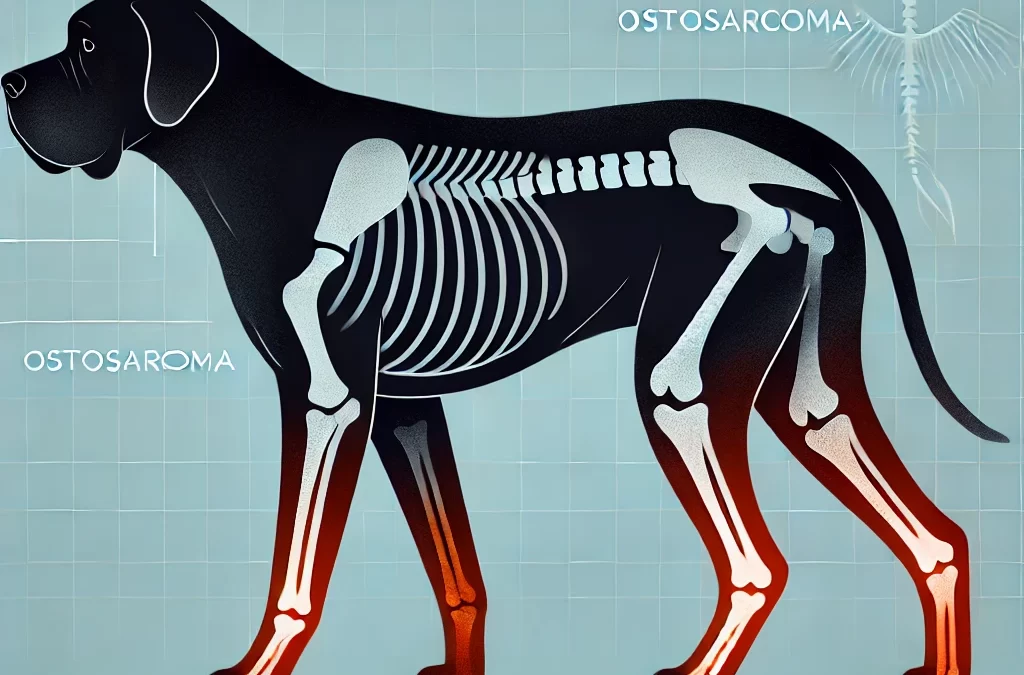
Osteosarcoma (OSA) is the most common primary bone cancer in dogs, and it disproportionately affects large and giant breeds. With its aggressive nature and rapid metastasis, this cancer presents a significant challenge for pet owners. However, understanding the risk factors and adopting preventive strategies can make a difference. This article explores why large dogs are more vulnerable to osteosarcoma and what proactive steps owners can take to minimize the risk.
Why Are Large and Giant Breeds More Susceptible to Osteosarcoma?
- Rapid Growth and Bone Development
Large and giant breed dogs grow quickly during their early months, putting stress on their bones. This rapid growth may lead to micro-damages in bone structures, creating a predisposition for cancerous mutations.
- Genetic Factors
Certain breeds have a genetic predisposition to osteosarcoma. Commonly affected breeds include:
- Great Dane
- Saint Bernard
- Irish Wolfhound
- Rottweiler
- Greyhound
- Labrador Retriever
- Golden Retriever
- Limb Length and Bone Stress
Taller dogs with long limbs are more prone to bone stress. Osteosarcoma frequently occurs in weight-bearing bones like the radius, ulna, humerus, and femur.
- Hormonal Influence and Spaying/Neutering
Studies suggest that early spaying or neutering, particularly before skeletal maturity, may increase osteosarcoma risk. This is believed to be linked to the removal of sex hormones, which play a role in bone growth regulation.
- Chronic Inflammation and Bone Trauma
Repeated trauma, previous fractures, or orthopedic surgeries may increase cancer susceptibility in dogs, especially in breeds already predisposed to osteosarcoma.
How to Reduce the Risk of Osteosarcoma in Large Dogs
- Controlled Growth During Puppyhood
- Avoid high-calorie, rapid-growth diets that put excessive strain on developing bones.
- Feed large breed puppies specially formulated food that promotes steady, controlled growth.
- Balanced Diet with Antioxidants
- Incorporate foods rich in omega-3 fatty acids, turmeric, and antioxidants to combat inflammation and oxidative stress.
- A diet with controlled calcium and phosphorus levels supports bone health without overgrowth.
- Responsible Spaying and Neutering
- Consider delaying sterilization until the dog has reached skeletal maturity (typically around 18-24 months for large breeds).
- Discuss alternative sterilization options with a veterinarian to balance cancer risk with reproductive health.
- Regular Exercise Without Excessive Strain
- Low-impact activities like swimming and controlled walks help maintain bone and joint health.
- Avoid excessive jumping and repetitive high-impact activities, particularly in young dogs.
- Early Detection and Routine Checkups
- Regular veterinary screenings help detect subtle bone changes early.
- Owners should monitor for signs such as limping, swelling in limbs, persistent pain, or sudden difficulty in movement.
- Supplements for Bone Strength
- Glucosamine & Chondroitin: Supports joint and bone integrity.
- Vitamin D & K2: Helps with calcium absorption and bone density.
- Curcumin & Medicinal Mushrooms: Exhibits anti-inflammatory and potential anti-cancer properties.
- Avoidance of Environmental Toxins
- Reduce exposure to known carcinogens, including pesticides, tobacco smoke, and processed pet foods with artificial additives.
Final Thoughts
While large and giant breed dogs are at higher risk for osteosarcoma, preventative care can play a significant role in reducing this threat. A well-balanced diet, controlled exercise, responsible breeding, and regular health monitoring can help pet owners manage risks effectively. Being proactive not only improves a dog’s longevity but also enhances their overall quality of life. If you notice any signs of lameness or swelling, consult a veterinarian as early diagnosis is crucial for improving outcomes.
