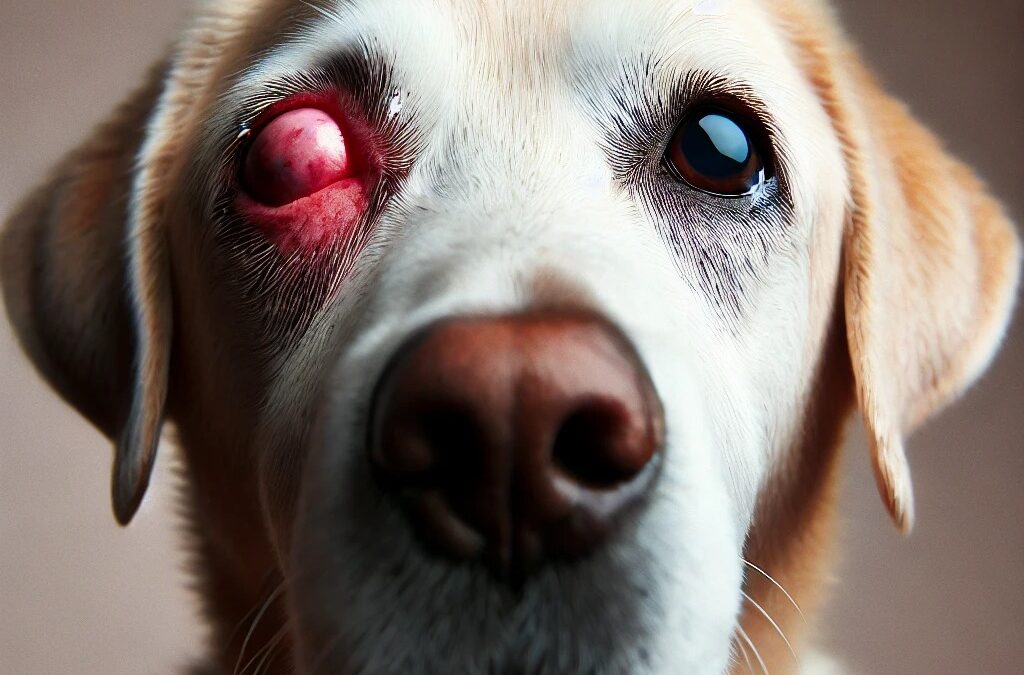
Dogs possess an extraordinary sense of smell, often relied upon for tasks such as search and rescue, detection of explosives, and even identifying diseases in humans. However, rare cancers in dogs can significantly affect this vital ability. This article explores how uncommon canine cancers impact odor detection capabilities, shedding light on the underlying mechanisms and implications for affected dogs.
Understanding Canine Olfaction
A dog’s sense of smell is one of its most remarkable traits. With up to 300 million olfactory receptors, dogs can detect scents at incredibly low concentrations. This ability is not only crucial for their survival but also makes them invaluable in various service roles.
Rare Canine Cancers and Their Effects
While many cancers can impact a dog’s overall health, certain rare cancers specifically affect the nasal passages, brain, and nervous system, directly influencing their olfactory abilities. Here are some examples:
Nasal Tumors: Cancers such as nasal adenocarcinoma can obstruct the nasal passages, reducing a dog’s ability to detect scents. These tumors can cause inflammation, bleeding, and physical blockage of the nasal cavities.
Olfactory Neuroblastoma: This rare cancer originates in the olfactory nerve, directly impacting the sense of smell. Symptoms may include nasal discharge, sneezing, and a noticeable decrease in olfactory function.
Brain Tumors: Tumors affecting the olfactory bulb or other regions of the brain involved in scent processing can impair a dog’s ability to interpret smells. This can lead to confusion and behavioral changes.
Symptoms and Diagnosis
Detecting these cancers early is crucial for managing their impact on a dog’s olfactory abilities. Key symptoms to watch for include:
Persistent nasal discharge or bleeding
Sneezing and nasal obstruction
Behavioral changes such as disorientation
Decreased interest in scent-based activities
Veterinarians may use imaging techniques like MRI or CT scans, along with biopsy procedures, to diagnose these rare cancers accurately.
Impact on Service Dogs
Service dogs, such as those trained for search and rescue or medical detection, rely heavily on their sense of smell. Rare cancers affecting olfaction can compromise their ability to perform their duties, necessitating early detection and appropriate intervention.
Treatment Options
Treatment for cancers affecting a dog’s sense of smell depends on the type and stage of the cancer. Options may include:
Surgery: To remove tumors obstructing the nasal passages or affecting the olfactory nerve.
Radiation Therapy: Effective for shrinking tumors in sensitive areas like the nasal cavity or brain.
Chemotherapy: Used to target and destroy cancer cells, though its efficacy varies with the cancer type.
Research and Advances
Recent advancements in veterinary oncology have led to better diagnostic tools and treatment options for rare canine cancers. For example, research into targeted therapies and immunotherapy offers hope for more effective and less invasive treatments.
Rare canine cancers can profoundly impact a dog’s olfactory abilities, affecting their quality of life and their ability to perform essential tasks. Early detection, accurate diagnosis, and appropriate treatment are crucial in managing these cancers and preserving a dog’s sense of smell.
When we think about canine cancer, the focus often falls on tumors and their direct effects. However, the impact of cancer on a dog’s balance and coordination is a crucial aspect that can significantly affect their quality of life. This article explores how cancer affects these critical functions and what pet owners can do to help their furry friends navigate these challenges.
The Connection Between Canine Cancer and Balance Issues
1. Brain Tumors and Neurological Effects
Brain tumors are a primary cause of balance and coordination issues in dogs. These tumors can interfere with the brain’s normal functions, including those that control movement and balance. Symptoms might include:
Head Tilt: A noticeable tilt of the head to one side.
Circling: Walking in circles rather than a straight line.
Stumbling and Falling: Difficulty maintaining balance, leading to frequent falls.
Seizures: Uncontrolled movements that can affect overall coordination.
2. Inner Ear Tumors
The inner ear plays a vital role in maintaining balance. Tumors in this area can disrupt the vestibular system, leading to:
Dizziness: Dogs may appear disoriented and unsteady.
Nystagmus: Rapid, involuntary eye movements.
Loss of Coordination: Difficulty walking or standing normally.
3. Metastatic Cancer
Cancer that spreads from its original site to other parts of the body can also affect balance and coordination. For example, cancer that metastasizes to the spine can compress the spinal cord, impacting a dog’s ability to walk and maintain balance.
Symptoms to Watch For
Early detection is key to managing balance and coordination issues in dogs with cancer. Symptoms to monitor include:
Unsteady Gait: Walking with a wobble or unsteady steps.
Lack of Coordination: Difficulty performing routine movements.
Reluctance to Move: Avoiding physical activity due to discomfort or instability.
Frequent Falls: Tripping or falling more often than usual.
Eye and Head Movements: Abnormal eye movements or head tilting.
Diagnosis and Treatment
Proper diagnosis and timely intervention can help manage the impact of cancer on your dog’s balance and coordination. Veterinary care may include:
1. Neurological Examination
A comprehensive neurological exam can help identify the underlying cause of balance issues. This may involve:
Reflex Tests: Checking limb reflexes and responses.
Eye Movement Assessment: Observing for nystagmus or abnormal eye movements.
Gait Analysis: Evaluating walking patterns and coordination.
2. Imaging Techniques
Advanced imaging techniques like MRI and CT scans can detect tumors in the brain, inner ear, or spine, providing a clear picture of the affected areas.
3. Treatment Options
Treatment depends on the type and location of the cancer. Options may include:
Surgery: Removing tumors that are accessible and operable.
Radiation Therapy: Targeting tumors with radiation to shrink them and alleviate symptoms.
Chemotherapy: Using drugs to slow tumor growth and spread.
Supportive Care: Medications to manage symptoms and improve quality of life.
Supporting Your Dog at Home
Helping your dog cope with balance and coordination issues involves making some adjustments at home:
1. Safe Environment
Ensure your home is free from obstacles that could cause your dog to trip or fall. Use non-slip mats and remove clutter from pathways.
2. Assistive Devices
Consider using harnesses or support slings to help your dog move around safely.
3. Gentle Exercise
Encourage gentle exercise to maintain muscle strength and coordination, but avoid activities that could cause falls or injuries.
4. Regular Veterinary Visits
Keep up with regular veterinary check-ups to monitor your dog’s condition and adjust treatments as necessary.
Canine cancer can significantly impact a dog’s balance and coordination, but with early detection, appropriate treatment, and supportive care, you can help your furry friend navigate these challenges. By staying vigilant and proactive, you can ensure your dog maintains the best possible quality of life.
Cancer in dogs can lead to a variety of health complications, including blindness. This article explores how different types of cancer can affect a dog’s vision, the symptoms to watch for, and the importance of early detection and treatment.
How Cancer Can Cause Blindness in Dogs
Ocular Tumors: Tumors can develop directly within the eye, affecting structures such as the retina, optic nerve, or other critical components responsible for vision. Common ocular cancers include melanoma, lymphoma, and adenocarcinoma. These tumors can cause significant damage to the eye, leading to partial or complete blindness. Symptoms may include visible masses on the eye, redness, swelling, or changes in eye color.
Brain Tumors: Tumors located in the brain, particularly in areas affecting the optic nerves or visual cortex, can disrupt a dog’s ability to see. The optic nerves transmit visual information from the eyes to the brain, and any pressure or damage from a tumor can impair this process. Symptoms might include sudden vision loss, changes in behavior, seizures, or head tilting.
Metastatic Cancer: Cancer that originates in other parts of the body can spread (metastasize) to the eyes or brain, leading to similar issues as primary tumors in these locations. Metastatic cancer often progresses rapidly, making early detection and intervention crucial.
Paraneoplastic Syndromes: These are indirect effects of cancer that can impact various parts of the body, including the eyes. Certain cancers can cause immune system reactions that damage ocular tissues, resulting in vision loss.
Symptoms to Watch For
If your dog has cancer, it’s important to monitor for signs of vision problems. Symptoms indicating potential blindness include:
Squinting or closing one eye
Excessive tearing or discharge
Redness or swelling around the eyes
Cloudiness or visible masses on the eye
Behavioral changes such as bumping into objects or hesitancy to move in dim light
Sudden or gradual loss of vision
Diagnosis and Treatment
Early detection and intervention are key to managing cancer-related blindness in dogs. Diagnostic methods include:
Physical Examination: A thorough eye exam by a veterinarian to check for abnormalities.
Imaging: Techniques such as MRI, CT scans, or ultrasound to detect tumors in the eyes or brain.
Biopsy: Taking a sample of the tumor to determine its type and guide treatment.
Treatment options vary depending on the type and location of the cancer. They may include:
Surgery: Removal of the tumor to prevent further damage and potentially restore vision.
Radiation Therapy: Targeting the tumor with radiation to shrink it and reduce its impact on vision.
Chemotherapy: Using drugs to treat cancer and slow its progression.
Palliative Care: For advanced cases, focusing on maintaining comfort and quality of life.
Cancer can significantly impact a dog’s vision, leading to partial or complete blindness. Understanding the connection between cancer and blindness, recognizing the symptoms, and seeking prompt veterinary care are crucial steps in managing this condition. By staying informed and proactive, you can help ensure your dog receives the best possible care.