by TCMVET | Jul 18, 2024 | Food & Health
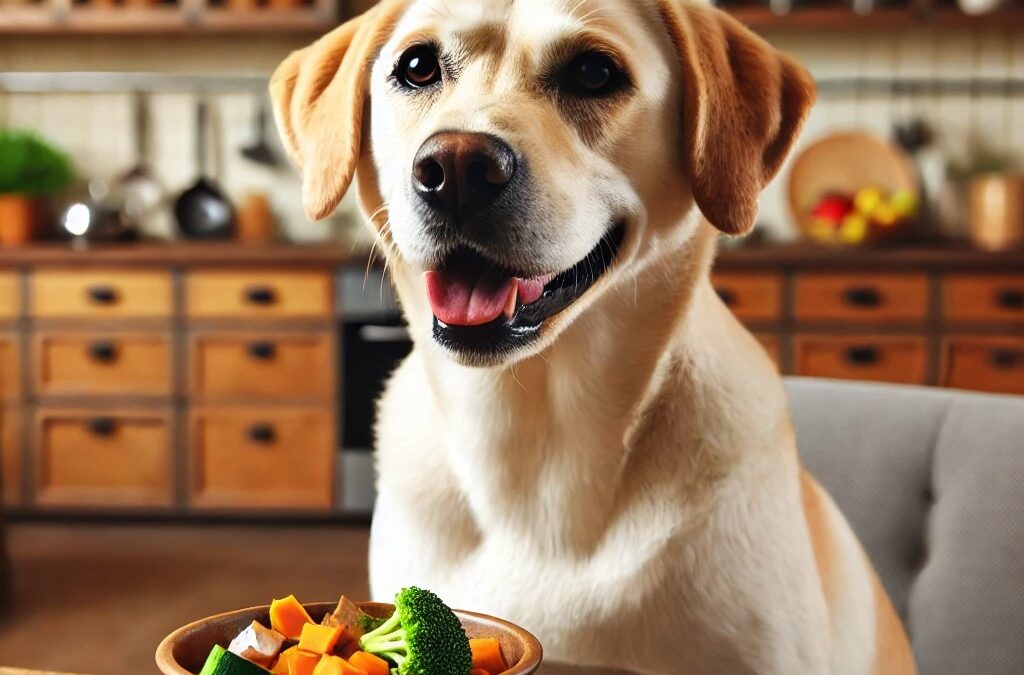
As pet owners, the diagnosis of cancer in our beloved dogs can be heart-wrenching. While veterinary treatments are crucial, nutrition plays a significant role in supporting their health and well-being during this challenging time. Creating homemade meals tailored to the needs of dogs battling cancer can provide essential nutrients, improve their quality of life, and complement medical treatments. Here’s a guide to crafting the best homemade meals for dogs fighting cancer.
Understanding the Nutritional Needs of Dogs with Cancer
Cancer can significantly alter a dog’s metabolism, leading to weight loss, muscle wasting, and decreased energy levels. It’s essential to understand the specific nutritional requirements for dogs with cancer:
- High-Quality Protein: Protein helps maintain muscle mass and supports the immune system. Choose easily digestible, high-quality protein sources such as chicken, turkey, fish, and lean beef.
- Healthy Fats: Fats are a vital energy source for dogs with cancer. Omega-3 fatty acids, found in fish oil, flaxseed oil, and chia seeds, have anti-inflammatory properties and can help slow cancer progression.
- Low Carbohydrates: Cancer cells thrive on glucose, so it’s beneficial to limit carbohydrate intake. Opt for low-glycemic vegetables like broccoli, spinach, and cauliflower.
- Antioxidants: Antioxidants help combat oxidative stress and support the immune system. Incorporate foods rich in vitamins A, C, and E, such as carrots, blueberries, and sweet potatoes.
- Hydration: Ensure your dog stays well-hydrated, as cancer and its treatments can lead to dehydration. Add bone broth or water-rich vegetables like cucumbers to their diet.
Recipe Ideas for Homemade Dog Meals
Here are some nutritious and delicious recipes to consider when preparing homemade meals for your dog with cancer:
1. Chicken and Veggie Delight
- Ingredients:
- 1 cup cooked chicken breast (shredded)
- 1/2 cup steamed broccoli (chopped)
- 1/2 cup steamed carrots (chopped)
- 1/4 cup quinoa (cooked)
- 1 tablespoon fish oil
- Instructions:
- Combine all ingredients in a bowl.
- Mix well and serve at room temperature.
- Store leftovers in the refrigerator for up to three days.
2. Beef and Sweet Potato Stew
- Ingredients:
- 1 pound lean ground beef
- 1 cup sweet potatoes (diced)
- 1/2 cup green beans (chopped)
- 1/4 cup blueberries
- 1 tablespoon flaxseed oil
- Instructions:
- Cook the ground beef in a skillet until fully browned.
- In a pot, combine the cooked beef, sweet potatoes, green beans, and blueberries.
- Add enough water to cover the ingredients and simmer until the vegetables are tender.
- Stir in the flaxseed oil and let the stew cool before serving.
- Store leftovers in the refrigerator for up to three days.
3. Fish and Spinach Medley
- Ingredients:
- 1 cup cooked salmon (flaked)
- 1/2 cup spinach (steamed and chopped)
- 1/2 cup cauliflower (steamed and chopped)
- 1/4 cup brown rice (cooked)
- 1 tablespoon chia seeds
- Instructions:
- Combine all ingredients in a bowl.
- Mix well and serve at room temperature.
- Store leftovers in the refrigerator for up to three days.
Supplementing with TCMVET’s Baituxiao
In addition to these nutritious meals, consider supplementing your dog’s diet with TCMVET’s Baituxiao. This supplement is formulated to support the immune system and overall health, providing an extra layer of defense against cancer.
Consulting with Your Veterinarian
Before making any significant changes to your dog’s diet, consult with your veterinarian. They can provide personalized recommendations based on your dog’s specific needs and medical condition.
Crafting homemade meals for dogs battling cancer is a labor of love that can have a profound impact on their health and quality of life. By understanding their nutritional needs and incorporating high-quality ingredients, you can provide your furry friend with the best possible support during their fight against cancer. Remember, a well-balanced diet, combined with veterinary care and supplements like TCMVET’s Baituxiao, can make a significant difference in their journey to recovery.

by TCMVET | Jun 10, 2024 | Food & Health
The alkaline diet, known for its potential health benefits, has gained attention as a dietary strategy for managing cancer in dogs. By focusing on foods that promote an alkaline environment in the body, this diet aims to support overall health and potentially inhibit cancer growth. This article explores the benefits of an alkaline diet for dogs with cancer and provides innovative recipes to help pet owners implement this dietary approach.
What is an Alkaline Diet?
An alkaline diet emphasizes the consumption of foods that promote an alkaline pH in the body. This includes fresh vegetables, fruits, and certain grains, while avoiding acidic foods such as processed meats, dairy, and refined sugars. The goal is to create a less acidic internal environment, which is believed to be less conducive to cancer cell growth.
Benefits of an Alkaline Diet for Dogs with Cancer
1. Supports Immune Function
An alkaline diet is rich in vitamins, minerals, and antioxidants, which can boost the immune system and help the body fight cancer.
2. Reduces Inflammation
许多碱性食物具有抗炎特性,有助于减少与癌症和其他慢性疾病相关的炎症。
3. Promotes Overall Health
By focusing on whole, unprocessed foods, an alkaline diet can improve overall health and vitality, supporting a dog’s quality of life during cancer treatment.
Alkaline Diet Recipes for Dogs with Cancer
Here are some innovative and nutritious recipes to help you incorporate an alkaline diet into your dog’s meal plan.
Recipe 1: Alkaline Veggie Mix
Ingredients:
- 1 cup steamed broccoli
- 1 cup steamed spinach
- 1/2 cup chopped cucumber
- 1/2 cup chopped zucchini
- 1 tablespoon olive oil
- 1 teaspoon turmeric powder
Instructions:
- In a large bowl, combine the steamed broccoli, spinach, chopped cucumber, and zucchini.
- Drizzle with olive oil and sprinkle with turmeric powder.
- Mix thoroughly and serve as a meal or a supplement to your dog’s regular diet.
Recipe 2: Quinoa and Veggie Delight
Ingredients:
- 1 cup cooked quinoa
- 1/2 cup steamed carrots
- 1/2 cup steamed green beans
- 1 tablespoon flaxseed oil
Instructions:
- In a large bowl, combine the cooked quinoa, steamed carrots, and green beans.
- Drizzle with flaxseed oil.
- Mix well and ensure it is at a safe temperature before serving.
Recipe 3: Berry and Green Smoothie
Ingredients:
- 1/2 cup blueberries
- 1/2 cup spinach
- 1/2 cup kale
- 1/2 cup coconut water
Instructions:
- Blend the blueberries, spinach, kale, and coconut water until smooth.
- Pour the mixture into your dog’s bowl or use it as a topper for their regular food.
Tips for Implementing an Alkaline Diet for Your Dog
1. Consult with Your Veterinarian
Before making any dietary changes, consult with your veterinarian to ensure an alkaline diet is suitable for your dog’s specific health needs.
2. Gradual Transition
Introduce alkaline foods gradually to your dog’s diet to avoid digestive upset.
3. Monitor Health and Progress
Regularly monitor your dog’s weight, energy levels, and overall health to ensure the diet is providing the intended benefits.
4. Balance Nutrients
Ensure your dog receives a balanced diet with all essential nutrients. Supplement with vitamins and minerals if necessary.
Conclusion
An alkaline diet can be a valuable component of a comprehensive approach to managing cancer in dogs. By incorporating these innovative recipes into your dog’s meal plan, you can support their health and well-being during their fight against cancer. Remember to consult with your veterinarian and monitor your dog’s progress to ensure the best possible outcomes.
For more information on canine health and nutrition, visit our blog and stay updated with the latest research and tips.

by TCMVET | Jun 10, 2024 | Food & Health
The ketogenic diet, known for its high-fat, moderate-protein, and low-carbohydrate composition, has gained popularity as a potential dietary strategy for managing cancer in dogs. This article explores the benefits of a ketogenic diet for dogs with cancer and provides innovative recipes to help pet owners support their furry friends’ health.
Why Consider a Ketogenic Diet for Dogs with Cancer?
Research suggests that a ketogenic diet can be beneficial for dogs with cancer by altering the metabolism of cancer cells. Cancer cells primarily rely on glucose for energy. By reducing carbohydrate intake and increasing fat, the ketogenic diet limits the glucose available to cancer cells, potentially slowing their growth.
Benefits of a Ketogenic Diet for Dogs with Cancer
- Reduced Tumor Growth: Lower glucose levels can inhibit the energy supply to cancer cells, slowing their growth.
- Improved Energy Levels: Ketones, produced from fat, provide a more stable energy source, helping dogs maintain energy and vitality.
- Enhanced Immune Function: Healthy fats can support immune function, aiding the body in fighting cancer.
Ketogenic Diet Recipes for Dogs with Cancer
Here are some innovative and nutritious recipes to help you incorporate a ketogenic diet into your dog’s meal plan.
Recipe 1: Keto Chicken and Vegetable Medley
Ingredients:
- 1 cup cooked chicken breast, shredded
- 1/2 cup broccoli, steamed and chopped
- 1/2 cup cauliflower, steamed and chopped
- 1 tablespoon coconut oil
- 1 teaspoon turmeric powder
Instructions:
- In a large bowl, mix the shredded chicken, broccoli, and cauliflower.
- Add the coconut oil and turmeric powder, and mix well.
- Serve the mixture in your dog’s bowl, ensuring it is at a safe temperature.
Recipe 2: Beef and Spinach Keto Delight
Ingredients:
- 1 cup ground beef, cooked
- 1/2 cup spinach, finely chopped
- 1 tablespoon olive oil
- 1/4 cup full-fat cottage cheese
Instructions:
- Cook the ground beef in a skillet until fully cooked.
- In a large bowl, combine the cooked ground beef, chopped spinach, olive oil, and cottage cheese.
- Mix thoroughly and serve once cooled.
Recipe 3: Salmon and Zucchini Keto Feast
Ingredients:
- 1 cup cooked salmon, flaked
- 1/2 cup zucchini, steamed and chopped
- 1 tablespoon fish oil
- 1 teaspoon ground flaxseed
Instructions:
- In a large bowl, combine the flaked salmon and chopped zucchini.
- Add the fish oil and ground flaxseed, mixing well.
- Ensure the mixture is at a safe temperature before serving.
Tips for Implementing a Ketogenic Diet for Your Dog
- Consult with Your Veterinarian: Before making any dietary changes, consult with your veterinarian to ensure a ketogenic diet is suitable for your dog’s specific health needs.
- Monitor Your Dog’s Health: Regularly monitor your dog’s weight, energy levels, and overall health to ensure the diet is providing the intended benefits.
- Balance Nutrients: Ensure your dog receives a balanced diet with all essential nutrients. Supplement with vitamins and minerals if necessary.
Conclusion
A ketogenic diet can be a valuable component of a comprehensive approach to managing cancer in dogs. By incorporating these innovative recipes into your dog’s meal plan, you can support their health and well-being during their fight against cancer. Remember to consult with your veterinarian and monitor your dog’s progress to ensure the best possible outcomes.

by TCMVET | May 23, 2024 | Food & Health
When your beloved canine companion is diagnosed with cancer, their diet becomes a crucial part of their care. Proper nutrition can support their immune system, improve their quality of life, and potentially slow the progression of the disease. This detailed guide will explore the best homemade food options for dogs with cancer, focusing on ingredients that offer optimal nutritional benefits.
Understanding the Nutritional Needs of Dogs with Cancer
Dogs with cancer often experience changes in their metabolism, leading to weight loss and muscle wasting. Their bodies might need more protein and fats while managing carbohydrates carefully to prevent feeding cancer cells. The goal is to provide a diet that maintains energy levels, supports the immune system, and offers easily digestible nutrients.
Key Components of a Cancer-Fighting Dog Diet
- High-Quality Protein:
- Sources: Lean meats like chicken, turkey, and fish (salmon or sardines).
- Benefits: Proteins are essential for muscle maintenance and repair. Fish also provides omega-3 fatty acids, which have anti-inflammatory properties and may help slow cancer growth.
- Healthy Fats:
- Sources: Fish oil, flaxseed oil, and coconut oil.
- Benefits: Healthy fats provide energy and support the immune system. Omega-3 fatty acids, in particular, have been shown to reduce inflammation and may inhibit cancer cell growth.
- Low Glycemic Carbohydrates:
- Sources: Vegetables like broccoli, spinach, and kale; and fruits like blueberries and apples.
- Benefits: Low glycemic carbs are less likely to spike blood sugar levels, which can feed cancer cells. Vegetables and fruits also provide antioxidants that combat oxidative stress.
- Fiber:
- Sources: Pumpkin, sweet potatoes, and green beans.
- Benefits: Fiber aids in digestion and helps maintain a healthy gut. It can also prevent constipation, which is common in dogs undergoing cancer treatment.
- Antioxidants:
- Sources: Berries (blueberries, strawberries), leafy greens, and turmeric.
- Benefits: Antioxidants help neutralize free radicals, reducing cellular damage. Turmeric contains curcumin, a compound known for its anti-cancer properties.
Sample Homemade Dog Food Recipe for Dogs with Cancer
Ingredients:
- 1 pound lean ground turkey
- 1 cup cooked quinoa
- 1 cup chopped spinach
- 1/2 cup blueberries
- 1 tablespoon flaxseed oil
- 1/2 cup pumpkin puree
- 1 teaspoon turmeric
Instructions:
- Cook the Turkey: In a large skillet, cook the ground turkey over medium heat until fully cooked. Drain any excess fat.
- Prepare Quinoa: Cook the quinoa according to package instructions. Allow it to cool slightly.
- Combine Ingredients: In a large bowl, mix the cooked turkey, quinoa, spinach, blueberries, pumpkin puree, and turmeric.
- Add Flaxseed Oil: Drizzle the flaxseed oil over the mixture and stir well to combine.
- Serve and Store: Serve the food at room temperature. Store any leftovers in the refrigerator for up to three days or freeze portions for later use.
Additional Tips for Feeding Dogs with Cancer
- Consult Your Vet: Always consult with your veterinarian before making any significant changes to your dog’s diet. They can provide guidance tailored to your dog’s specific condition.
- Small, Frequent Meals: Offer small, frequent meals to help maintain your dog’s energy levels and prevent nausea.
- Stay Hydrated: Ensure your dog has access to fresh water at all times. Proper hydration is crucial for overall health.
- Avoid Harmful Ingredients: Steer clear of ingredients that can be toxic or hard to digest, such as onions, garlic, and artificial additives.
Conclusion
喂养患癌症的狗需要仔细考虑它们的营养需求,以支持它们的健康和福祉。通过在他们的饮食中加入高质量的蛋白质、健康的脂肪、低血糖碳水化合物、纤维和抗氧化剂,你可以帮助你的毛茸茸的朋友对抗癌症并保持良好的生活质量。始终与你的兽医密切合作,制定最适合你的狗的独特需求的饮食计划。
By focusing on these key components and maintaining a balanced diet, you can play a vital role in your dog’s cancer journey, offering them the best possible nutrition and care.
