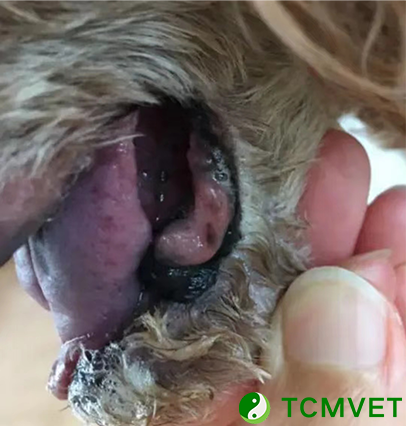
As pet owners, we always want the best for our furry companions, and one of the most concerning health issues is cancer. Tumors in pets, both benign and malignant, can be difficult to detect early, as many signs may not appear until the tumor has grown significantly. Early detection, however, can make a significant difference in treatment outcomes. This raises the question: Is early screening for pet tumors really worth it?
Why Early Screening Matters
Tumors can develop in any part of a pet’s body, and some cancers, such as lymphoma or osteosarcoma, can progress quickly without showing obvious symptoms. Early screening can help detect these tumors in their initial stages, when they are often easier to treat and manage. Just like with humans, early intervention can improve prognosis, reduce treatment costs, and even increase your pet’s lifespan.
Types of Tumor Screening
Early screening for tumors generally involves regular veterinary check-ups, along with certain diagnostic tests that can detect abnormal growths. These tests may include:
Physical Examination: Regular vet visits allow your veterinarian to feel for lumps or abnormalities in your pet’s body that may indicate a tumor.
Blood Tests: Certain blood tests, like complete blood counts (CBC) or specific tumor markers, can reveal underlying issues that may point to the presence of cancer.
Imaging: X-rays, ultrasounds, or CT scans may be used to visualize internal tumors, especially in organs like the lungs or abdomen.
Biopsy: If an abnormal growth is detected, a biopsy may be required to determine whether the mass is malignant or benign.
Genetic Testing: Some breeds are more prone to specific cancers. Genetic testing can provide early indications if a pet is at higher risk, allowing for more tailored preventive care.
Is It Worth It?
The decision to pursue early screening depends on several factors, including the pet’s age, breed, and overall health. Some pets, particularly older animals or those with a family history of cancer, may benefit greatly from early detection. On the other hand, routine screening for all pets, regardless of risk factors, may not always be necessary and could lead to unnecessary procedures and anxiety for both the pet and the owner.
If your pet belongs to a breed with a higher predisposition for certain types of cancer—like Golden Retrievers (known for lymphoma) or Boxers (prone to mast cell tumors)—early screening can be especially valuable. Similarly, pets that are getting older should undergo more frequent check-ups to monitor for any potential changes in health.
Benefits of Early Tumor Screening
Improved Treatment Outcomes: Detecting a tumor early allows for less aggressive treatment options, which are often more effective and have fewer side effects.
Cost Savings: Treating cancer in its early stages is often less expensive than waiting until it is more advanced.
Increased Lifespan: With early treatment, many pets can live longer, healthier lives.
Peace of Mind: Knowing that your pet is regularly monitored for potential health issues can reduce the anxiety that comes with a cancer diagnosis.
Conclusion
While not every pet needs to undergo tumor screening, early detection is undoubtedly beneficial for those at higher risk. If your pet is older, has a genetic predisposition, or shows any concerning symptoms, it may be worth discussing early screening with your veterinarian. Regular veterinary visits and proactive monitoring are key to ensuring your pet’s long-term health and well-being.
Stress plays a significant role in the overall health of pets, but many pet owners are unaware of its potential link to tumor development. Chronic stress, whether due to environmental factors, emotional distress, or physical illness, can compromise a pet’s immune system and potentially contribute to the growth of tumors. Understanding this connection can help pet owners take preventive steps to ensure their pets live healthier, happier lives.
How Stress Affects Pets
Pets, like humans, can experience stress in various forms. Changes in their environment, lack of proper care, separation anxiety, or even the stress of illness can weaken their bodies over time. When pets are stressed, their bodies release hormones such as cortisol, which can lead to immune system suppression if elevated over long periods. A weakened immune system has difficulty detecting and eliminating abnormal cells, making the body more vulnerable to the development of tumors.
The Connection Between Stress and Tumor Growth
Several studies suggest that chronic stress may contribute to the development and progression of tumors in pets. Stress-induced immune suppression can impair the body’s ability to fight cancerous cells. In addition, chronic stress can lead to increased inflammation, another factor that can support tumor growth. Tumors such as mast cell tumors in dogs and mammary tumors in cats have been observed more frequently in animals suffering from prolonged stress.
Stress-Related Behavioral Changes in Pets
One of the first signs of chronic stress in pets is behavioral changes. These can include increased aggression, withdrawal, or a sudden change in eating or sleeping habits. It is crucial for pet owners to recognize these signs early on and address them promptly. Behavioral interventions, such as providing a more stable environment or reducing exposure to stressors, can help alleviate the negative effects of stress.
Preventive Measures: Reducing Stress in Pets
To prevent stress-related health issues in pets, including tumor development, pet owners should focus on creating a stress-free environment. Regular exercise, mental stimulation, a healthy diet, and routine vet checkups can greatly reduce stress levels in pets. In addition, complementary therapies like acupuncture, herbal remedies, and massage therapy can further aid in stress reduction.
Supporting a Pet Diagnosed with a Tumor
If your pet has already been diagnosed with a tumor, reducing stress becomes even more critical. Cancer treatments like surgery, chemotherapy, or radiation therapy can be physically and emotionally taxing on pets. Minimizing stress during treatment can enhance the pet’s quality of life and potentially improve treatment outcomes. Stress management techniques, such as providing a quiet, comforting environment, using calming supplements, or incorporating Traditional Chinese Medicine (TCM) herbs, can support the pet’s recovery process.
The impact of stress on tumor development in pets is an important factor to consider when managing your pet’s overall health. By understanding the connection between stress and tumors, pet owners can take active steps to reduce stress and provide their pets with a healthier, happier life. Early intervention, stress reduction, and regular veterinary care can be powerful tools in preventing tumor growth and ensuring your pet’s well-being.
In recent years, there has been growing interest in using natural remedies to complement conventional treatments for pets dealing with tumors. Herbs are at the forefront of this movement, offering various benefits that not only support pets’ natural defenses but also contribute to their overall health and well-being. From inhibiting the formation of new blood vessels in tumors to promoting cellular health, the role of herbs in managing the growth and spread of abnormal cells is increasingly recognized.
Herbs and Their Role in Tumor Management
One of the primary benefits of herbs is their ability to promote the body’s natural detoxification processes. Abnormal cell growth, particularly in tumors, produces secretions and metabolic byproducts that can contribute to tumor growth and metastasis. While conventional treatments such as surgery and chemotherapy focus on directly targeting tumors, they often overlook the importance of clearing these harmful substances from the body. This is where herbs shine.
Herbs like turmeric, green tea extract, and Astragalus have been shown to help the body metabolize and excrete these byproducts, supporting the overall reduction of substances that may promote tumor growth. Inhibiting angiogenesis, or the formation of new blood vessels, is another way herbs contribute to managing tumors. By preventing tumors from forming their own blood supply, herbs can help slow their growth and spread.
Supporting Natural Defenses and Cellular Health
Herbs such as milk thistle, ginger, and licorice root are known to bolster the immune system, enhancing the body’s natural defense mechanisms. A stronger immune system is crucial for pets battling tumors, as it helps identify and eliminate abnormal cells before they can cause significant harm. Moreover, these herbs contain antioxidants and anti-inflammatory properties, which further protect healthy cells and promote overall wellness.
Complementary Therapy for Comprehensive Pet Care
While conventional treatments for tumors are essential, they often come with side effects and may not address underlying issues like the accumulation of metabolic byproducts. Incorporating herbs into a pet’s care regimen can provide a more holistic approach to health. These natural remedies support the body’s detoxification processes, help manage tumor growth, and contribute to overall well-being.
In summary, herbs offer a natural and complementary way to support pets’ health, especially when dealing with tumors. By promoting detoxification, inhibiting tumor growth, and enhancing immune function, herbs provide a valuable tool in comprehensive pet care.
The use of herbs as a complementary therapy in pet care offers several benefits that conventional treatments may not address. Whether it’s supporting the metabolism of secretions from abnormal cells or enhancing the body’s natural defenses, herbs play a vital role in promoting overall wellness. As more pet owners seek holistic approaches, incorporating herbal remedies can make a significant difference in their pets’ quality of life.
Cancer is a challenging disease for pets, but advances in veterinary medicine have introduced effective treatment options, with combination therapy emerging as one of the most successful approaches. Combination therapy involves the use of two or more treatments—most often chemotherapy drugs—working together to fight cancer. This method has become the most widely used strategy for treating cancer in pets, offering the best chance of success while maintaining a high quality of life for the animal.
What Is Combination Therapy?
Combination therapy refers to the use of multiple treatment options to combat cancer. In veterinary medicine, this typically involves a mix of chemotherapy drugs, but it can also include surgery, radiation therapy, and other targeted treatments. Each treatment targets the cancer in a unique way, which increases the chances of successfully controlling or eliminating the disease.
The main advantage of combination therapy is that it uses multiple mechanisms to attack cancer cells. For example, one drug may work by stopping cancer cell division, while another may kill the cancer cells directly. This multi-pronged approach makes it harder for cancer cells to develop resistance to treatment.
Advantages of Combination Chemotherapy
Combination chemotherapy offers numerous advantages over single-drug treatment programs. These include:
Reduced Drug Resistance: When only one chemotherapy drug is used, there is a risk that cancer cells will adapt and become resistant to the treatment. By using multiple drugs, each with a different mechanism of action, the likelihood of drug resistance decreases. This ensures that the cancer cells remain vulnerable to treatment throughout the therapy.
Targeting Multiple Cancerous Sites: Different drugs within the combination therapy can target various cancerous sites within the body. This comprehensive approach helps control the spread of cancer to different organs or areas, increasing the chance of a successful outcome.
Lower Side Effects: Surprisingly, using multiple drugs with different side effects can actually reduce the overall severity of side effects compared to using one drug at higher doses. This balance allows pets to tolerate the treatment better, with fewer disruptions to their quality of life.
Higher Treatment Success Rates: By combining drugs with different mechanisms, veterinarians improve the chances of eliminating or controlling the cancer. This multi-faceted approach allows for more flexibility in treatment and can be tailored to the specific type of cancer your pet is battling.
Maintaining Quality of Life During Treatment
One of the primary goals of combination therapy is to maintain your pet’s quality of life while fighting cancer. While chemotherapy can be effective, it also has side effects, which is why veterinarians aim to minimize discomfort during treatment. Combination therapy spreads the risk of side effects across multiple drugs, reducing the severity of any one side effect.
Regular monitoring and adjustments to the treatment plan can help veterinarians fine-tune the therapy based on how your pet responds. In many cases, pets undergoing combination therapy can continue enjoying everyday activities, with minimal interruption to their routine.
Is Combination Therapy Right for Your Pet?
Every pet is unique, and so is every cancer diagnosis. A veterinarian will assess your pet’s overall health, the type of cancer, and its progression before determining if combination therapy is the best option. While it is often the preferred approach, factors such as the pet’s age, underlying health conditions, and the cancer’s stage will influence the treatment plan.
Combination Therapy as a Comprehensive Cancer Treatment
Combination therapy is one of the most effective tools available in the fight against pet cancer. Its ability to reduce drug resistance, target multiple cancer sites, and maintain your pet’s quality of life makes it a powerful option for treating this complex disease. If your pet is diagnosed with cancer, discussing combination therapy with your veterinarian can provide the best path forward for ensuring their health and comfort during treatment.
Squamous cell carcinoma (SCC) is a common form of cancer in small animals, especially cats and dogs. This malignant tumor arises from the squamous epithelium, a layer of cells found in various parts of the pet’s body, including the skin, mouth, and other areas exposed to sunlight. Understanding the symptoms and diagnostic procedures for SCC is crucial for pet owners, as early detection can significantly impact treatment outcomes.
Symptoms of Squamous Cell Carcinoma in Pets
SCC can present in multiple forms, depending on its location. Here are some of the common symptoms associated with SCC:
Skin SCC: Often seen in areas with minimal fur and frequent sun exposure like the ears, nose, and eyelids. Symptoms include raised, crusty, or ulcerated lesions that may bleed.
Oral SCC: This form is more aggressive and can be challenging to detect early. Symptoms include difficulty eating, drooling, a foul odor from the mouth, visible mass in the mouth, and sometimes bleeding.
Subungual SCC: This affects the nail beds and toes. Symptoms include swelling, nail loss, and lameness.
Diagnostic Procedures for Squamous Cell Carcinoma
Physical Examination: A thorough physical examination by a veterinarian is the first step. They will look for masses, ulcers, or lesions on the skin, in the mouth, and around the nail beds.
Biopsy: A definitive diagnosis of SCC requires a biopsy of the tumor. This procedure involves taking a small tissue sample from the lesion and examining it under a microscope.
Imaging Tests: X-rays, CT scans, or MRIs might be necessary to determine the extent of the tumor, especially for oral SCC, which can invade bone and surrounding tissues.
Blood Tests and Other Diagnostics: While blood tests do not diagnose cancer, they can help assess the overall health of the pet and determine if they are fit for surgery or other treatments.
Squamous cell carcinoma in pets can be a serious condition, but with early detection and proper veterinary care, the prognosis can be positive. Pet owners should regularly check their pets for any signs of unusual growths or lesions, especially in sun-exposed areas, and consult their veterinarian if they notice any concerning symptoms. Remember, early detection and prompt treatment are key in managing this type of cancer effectively.