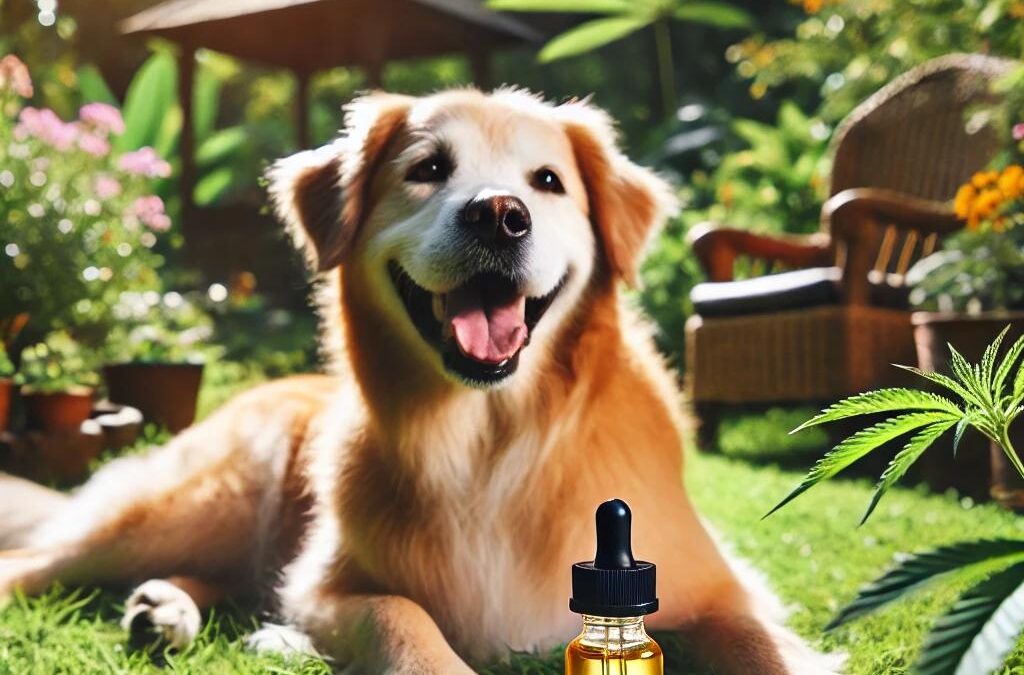
Cancer is one of the leading causes of death in dogs, and while conventional treatments such as surgery, chemotherapy, and radiation are often used, many pet owners are exploring natural remedies to complement these therapies. Natural remedies can offer supportive care, helping to manage symptoms, boost the immune system, and improve the overall quality of life for dogs battling cancer. In this article, we explore various natural remedies and how they may benefit dogs with cancer.
How Can Natural Remedies Help Dogs with Cancer?
While natural remedies are not a cure for cancer, they can play a significant role in supporting conventional cancer treatments. They may help to alleviate side effects, reduce inflammation, improve appetite, and strengthen the immune system. When used alongside veterinary care, natural remedies can help dogs cope better with their condition and treatments.
Key Natural Remedies for Dogs with Cancer
Here are some of the most commonly used natural remedies for dogs with cancer:
1. Herbal Supplements
Herbal remedies have been used for centuries in traditional medicine and can offer valuable support for dogs with cancer.
Turmeric (Curcumin): Known for its anti-inflammatory and antioxidant properties, turmeric is widely used as a natural remedy for cancer. Curcumin, the active ingredient, has been shown to slow tumor growth and reduce inflammation, making it a helpful addition to cancer treatment plans.
Milk Thistle: This herb is commonly used to support liver function, which is crucial when a dog is undergoing chemotherapy or taking medication. Milk thistle helps detoxify the liver and may protect it from the harmful effects of drugs used in cancer treatment.
Astragalus: Astragalus is believed to boost the immune system and has been used in traditional Chinese medicine for centuries. It may help increase a dog’s resistance to infections and support their overall health during cancer treatment.
2. Medicinal Mushrooms
Medicinal mushrooms such as Reishi, Maitake, and Shiitake have been studied for their immune-boosting and anti-cancer properties. These mushrooms contain beta-glucans, which stimulate the immune system and help the body fight cancer more effectively.
Reishi Mushroom: Known as the “mushroom of immortality,” Reishi has anti-tumor and immune-enhancing effects, making it beneficial for dogs with cancer.
Maitake Mushroom: Studies have shown that Maitake mushrooms can slow the growth of tumors and enhance the effectiveness of chemotherapy treatments.
3. CBD Oil
Cannabidiol (CBD) is a non-psychoactive compound derived from the hemp plant that has gained popularity for its potential benefits in cancer care for dogs. CBD oil may help:
Pain management: CBD is known for its pain-relieving properties and can help dogs cope with cancer-related discomfort and pain caused by treatments.
Reducing inflammation: CBD has anti-inflammatory properties that can alleviate swelling and discomfort associated with tumors.
Improving appetite: Cancer treatments often reduce a dog’s appetite, leading to weight loss. CBD oil can help stimulate appetite and improve nutritional intake.
4. Omega-3 Fatty Acids
Omega-3 fatty acids, found in fish oil and flaxseed oil, have powerful anti-inflammatory properties and may help slow the growth of cancer cells. These healthy fats support immune function and are beneficial in reducing the inflammation that often accompanies cancer.
Fish oil: Rich in EPA and DHA, fish oil can reduce inflammation and improve the overall health of dogs undergoing cancer treatment. It may also help protect healthy cells from the damaging effects of cancer therapies.
5. Dietary Adjustments
Proper nutrition plays a key role in supporting dogs with cancer. Many veterinarians recommend switching to a high-protein, low-carbohydrate diet to help “starve” cancer cells, as cancer tends to thrive on sugar.
High-quality protein sources: Provide lean meats such as chicken, turkey, and fish to help maintain muscle mass and energy levels.
Anti-cancer vegetables: Vegetables like broccoli, spinach, and sweet potatoes are rich in antioxidants and vitamins that support immune health.
6. Acupuncture and Massage Therapy
Alternative therapies such as acupuncture and massage can complement cancer treatments by providing pain relief, reducing stress, and improving circulation.
Acupuncture: This traditional Chinese medicine technique involves inserting thin needles into specific points on the body to stimulate healing and relieve pain. Acupuncture can help manage symptoms such as nausea, fatigue, and pain in dogs with cancer.
Massage therapy: Gentle massage can improve circulation, relieve muscle tension, and reduce stress in dogs undergoing cancer treatment. It can also promote relaxation and emotional well-being.
Benefits of Natural Remedies for Dogs with Cancer
Natural remedies can offer several benefits when used in conjunction with traditional cancer treatments. Some of the key benefits include:
Pain relief: Many natural remedies, such as CBD oil and acupuncture, help relieve cancer-related pain, improving the dog’s comfort and quality of life.
Reduced inflammation: Herbs like turmeric and omega-3 fatty acids have anti-inflammatory effects, which may help slow cancer progression and reduce tumor-related swelling.
Boosted immune system: Medicinal mushrooms and herbs like astragalus can strengthen the immune system, helping the dog’s body fight cancer more effectively.
Improved appetite and digestion: CBD oil and certain dietary changes can stimulate appetite and improve digestion, ensuring the dog receives the nutrients it needs to maintain strength during treatment.
Precautions When Using Natural Remedies
While natural remedies can offer support, it is important to consult with a veterinarian before introducing any new supplements or therapies. Some natural remedies may interact with conventional cancer treatments or may not be suitable for all dogs, depending on their condition. Always follow professional guidance to ensure your dog’s safety and well-being.
Natural remedies can provide valuable support for dogs with cancer, helping to manage symptoms, improve comfort, and enhance overall well-being. From herbal supplements and medicinal mushrooms to CBD oil and dietary changes, these holistic approaches can complement conventional cancer treatments, offering a more comprehensive care plan for dogs. As always, consult your veterinarian before implementing any new remedies to ensure they are safe and effective for your dog’s unique needs.
Caring for a dog diagnosed with cancer can be a challenging and emotional experience. While treatment options like surgery, chemotherapy, and radiation may be recommended, improving your dog’s quality of life should also be a top priority. By making small yet impactful adjustments to your dog’s daily routine, environment, and diet, you can help manage symptoms, reduce pain, and ensure they live as comfortably as possible.
1. Provide a Nutritious and Balanced Diet
Diet plays a crucial role in supporting your dog’s health during cancer treatment. Dogs with cancer often experience weight loss, muscle wasting, and a weakened immune system. To combat this, focus on a diet rich in high-quality proteins, healthy fats, and cancer-fighting antioxidants.
Key Diet Tips:
Lean meats and fish provide essential protein and omega-3 fatty acids, which help reduce inflammation.
Vegetables like broccoli, spinach, and sweet potatoes are packed with antioxidants that support the immune system.
Coconut oil or fish oil can be added to meals to promote skin health and boost energy levels.
2. Manage Pain and Discomfort
Cancer can cause significant pain and discomfort, especially in advanced stages. Consult your veterinarian about appropriate pain management strategies, which may include medications, physical therapy, or alternative treatments such as acupuncture.
Pain Management Strategies:
Medications: Nonsteroidal anti-inflammatory drugs (NSAIDs) or opioids may be prescribed to manage pain effectively.
Acupuncture: This traditional Chinese medicine technique can help alleviate pain and improve mobility in dogs.
Massage therapy: Gentle massages can reduce muscle tension and improve circulation, providing relief.
3. Create a Comfortable Living Space
As your dog battles cancer, it’s essential to create a peaceful and comfortable living environment. A soft bed, warm blankets, and a quiet space away from household noise can help reduce stress and promote rest.
Comfort Tips:
Orthopedic beds: These beds provide extra support to joints and muscles, reducing discomfort.
Calming products: Natural calming aids like lavender sprays or CBD oil can help reduce anxiety and improve sleep quality.
Environmental adjustments: Ensure that your dog has easy access to water, food, and favorite resting spots, especially if mobility is an issue.
4. Encourage Gentle Exercise and Mental Stimulation
While rigorous activity may be off the table, gentle exercise can still benefit your dog by improving circulation, reducing stiffness, and maintaining muscle tone. Activities like short walks or light play sessions can also boost your dog’s mood and provide mental stimulation.
Exercise Ideas:
Short walks: Even a 10-15 minute walk can help keep your dog active and prevent muscle atrophy.
Interactive toys: Puzzle toys or treat-dispensing toys can engage your dog mentally, offering distraction and enjoyment.
Hydrotherapy: Swimming or walking on an underwater treadmill can be a low-impact exercise option that supports joint health.
5. Monitor Symptoms and Maintain Regular Vet Check-ups
Regular monitoring of your dog’s condition is crucial. Keep a log of any changes in appetite, behavior, weight, or energy levels. Frequent vet check-ups ensure that any new symptoms are addressed promptly, and treatment plans can be adjusted as necessary.
Monitoring Tips:
Weight tracking: Monitor your dog’s weight regularly to ensure they aren’t losing too much muscle or fat.
Symptom log: Keep track of symptoms like vomiting, diarrhea, lethargy, or changes in eating habits, and report them to your vet.
6. Consider Alternative Therapies
In addition to conventional treatments, many pet owners explore alternative therapies to support their dog’s well-being. While not a replacement for veterinary care, holistic treatments may complement existing treatment plans.
Alternative Therapies:
Herbal supplements: Traditional Chinese Medicine herbs like turmeric, astragalus, and medicinal mushrooms may boost immunity and fight cancer cells.
Cannabidiol (CBD): Some research suggests that CBD oil may help reduce pain, inflammation, and anxiety in dogs with cancer.
Homeopathy: Some pet owners turn to homeopathic remedies to manage symptoms such as pain, nausea, and fatigue.
7. Provide Emotional Support and Bonding Time
Your dog needs emotional support just as much as physical care. Spend quality time together, shower your dog with affection, and provide comfort in times of stress. This will help reduce anxiety and improve their overall mood.
Bonding Activities:
Cuddling and petting: Physical touch can comfort your dog and strengthen your bond.
Positive reinforcement: Use treats and praise to encourage your dog during tough moments, like vet visits or medication time.
Quiet time together: Simply being in your dog’s presence can help reduce stress and provide emotional support.
While cancer in dogs is a serious diagnosis, there are many ways to improve their quality of life throughout treatment. A combination of nutritious food, proper pain management, a comfortable environment, gentle exercise, and emotional support can go a long way in ensuring your dog remains happy and comfortable. Working closely with your veterinarian to tailor a care plan will help you provide the best possible care for your canine companion during this difficult time.
As pet owners seek out ways to improve their dogs’ health, especially when faced with challenging diagnoses like cancer, CBD (cannabidiol) is emerging as a powerful natural option. Derived from the cannabis plant, CBD is non-psychoactive and has been widely studied for its potential in supporting canine health. While its use for managing pain and anxiety in dogs is well-known, recent research highlights its role in cancer therapy, offering potential benefits in reducing tumor growth and enhancing the effectiveness of traditional treatments.
How CBD Can Aid in Canine Cancer Treatment
Cannabidiol works by interacting with a dog’s endocannabinoid system (ECS), a crucial part of maintaining overall health. The ECS regulates key functions such as pain management, immune response, and inflammation. In dogs with cancer, CBD’s ability to influence the ECS is promising, as it can support the body’s fight against cancer while reducing the negative effects of the disease.
Several studies indicate that CBD may play a role in inducing apoptosis, or programmed cell death, in cancer cells, preventing them from multiplying. This ability to selectively target cancer cells while sparing healthy ones makes CBD a potentially powerful tool in combating cancer in dogs.
A study published in the Journal of Pharmacology and Experimental Therapeutics reported that CBD reduced the viability of cancer cells in canine subjects. The findings suggest that CBD may help slow tumor progression, especially in aggressive cancers like lymphoma and osteosarcoma.
Synergistic Effects of CBD with Conventional Cancer Treatments
One of the most exciting aspects of CBD in cancer therapy is its potential to complement traditional treatments such as chemotherapy and radiation. While these treatments are often effective at targeting cancer cells, they can cause significant side effects, including nausea, pain, and fatigue.
Emerging research shows that CBD may reduce these side effects and enhance the efficacy of conventional cancer treatments. By reducing inflammation and providing pain relief, CBD can make the treatment process more tolerable for dogs, improving their quality of life throughout the therapy.
Additionally, CBD has shown the ability to protect healthy cells from damage during chemotherapy and radiation, which could lead to better outcomes and a quicker recovery for dogs undergoing these intensive treatments.
Managing Pain and Anxiety in Dogs with Cancer
Dogs with cancer often face chronic pain and increased levels of anxiety, whether from the disease itself or the treatments they undergo. CBD offers a natural, non-invasive way to manage both conditions. Its interaction with the ECS helps reduce pain signals in the brain, providing relief for dogs suffering from discomfort.
Furthermore, CBD has calming properties that can reduce anxiety levels in dogs, making them feel more comfortable and relaxed during vet visits or while recovering from treatments. This dual effect—managing both physical and emotional stress—makes CBD a valuable tool in improving a dog’s overall well-being as they battle cancer.
Ensuring Safe Use of CBD for Dogs
While CBD is generally well-tolerated by dogs, it’s crucial for pet owners to consult with a veterinarian before introducing it into their pet’s cancer care plan. Dosage and product quality are key factors in ensuring the safety and effectiveness of CBD. Veterinarians can recommend high-quality, third-party tested CBD products that are free from harmful additives or contaminants.
It’s also important to ensure that CBD won’t interfere with any medications your dog may be taking as part of their cancer treatment. A veterinarian can provide guidance on proper dosing, the timing of administration, and any potential interactions with traditional therapies.
The Future of CBD in Canine Cancer Therapy
As research into CBD and its potential therapeutic benefits continues, its role in treating canine cancer is becoming clearer. Whether used to complement traditional treatments or as part of a holistic approach to cancer care, CBD offers a promising way to support the health and comfort of dogs facing this difficult diagnosis.
From reducing tumor growth to managing pain and anxiety, CBD’s wide-ranging effects provide hope for pet owners looking for natural ways to enhance their dog’s cancer treatment plan. As always, it’s essential to work closely with a veterinarian to ensure that CBD is used safely and effectively for your dog’s unique needs.
CBD’s role in canine cancer therapy continues to expand as more research uncovers its potential benefits. From reducing cancer cell viability to improving the effectiveness of traditional treatments and managing pain and anxiety, CBD offers a natural, holistic approach to supporting dogs with cancer. Pet owners interested in incorporating CBD into their dog’s cancer care should seek guidance from a veterinarian to ensure that their pet receives the safest and most effective treatment possible.