
by TCMVET | Jan 7, 2025 | Dog Cancer & Tumors
Cancer is a common health concern for dogs, with tumors affecting a wide range of organs and tissues. While veterinary medicine has advanced significantly with the development of treatments like surgery, chemotherapy, and radiation therapy, alternative options like Traditional Chinese Medicine (TCM) are gaining attention as complementary or even primary treatments. This article explores the advantages of both TCM and Western medicine in treating canine tumors, offering insights into how each approach works, their respective benefits, and how they can complement each other.
Western Medicine in Canine Tumor Treatment
Western veterinary medicine is largely focused on scientifically proven treatments. When a dog is diagnosed with a tumor, treatment options often include surgery, chemotherapy, and radiation therapy. Each approach is based on the goal of either removing or destroying cancerous cells.
- Surgery: If the tumor is localized and operable, surgical removal is often the first step. It is a highly effective option for many benign tumors and early-stage malignant tumors. However, surgery is invasive and carries risks such as infection, anesthesia complications, and the potential for the tumor to recur.
- Chemotherapy: Chemotherapy is used for tumors that are not amenable to surgery or have already metastasized. Chemotherapy drugs work by targeting rapidly dividing cells, which is a characteristic of cancer cells. While chemotherapy can extend life and improve quality of life, it can also have side effects such as nausea, fatigue, and lowered immunity, which may be challenging for a dog to endure.
- Radiation Therapy: Radiation therapy is used to target and shrink tumors, especially when surgery is not an option. While it can be effective, it often requires multiple sessions and can cause side effects like hair loss and skin irritation.
Traditional Chinese Medicine in Canine Tumor Treatment
Traditional Chinese Medicine (TCM) is a holistic approach that has been used for thousands of years to treat a variety of conditions, including cancer. TCM views the body as an interconnected system, and its goal is to balance the body’s energy, or “Qi,” to promote health and healing. When it comes to tumors, TCM focuses on addressing the root cause of the illness and strengthening the body’s natural defenses.
- Herbal Medicine: TCM utilizes a wide range of herbs to support the immune system, reduce inflammation, and promote the body’s ability to eliminate toxins. Herbs like Turmeric, Reishi Mushroom, Astragalus, and Dong Quai have been studied for their potential anti-cancer properties. These herbs are often prescribed in combination to target various aspects of tumor growth, such as reducing inflammation and improving immune function.
- Acupuncture: Acupuncture is another common treatment in TCM. By stimulating specific points on the body, acupuncture aims to promote the flow of Qi and improve circulation. It is often used to alleviate pain, reduce inflammation, and support overall vitality in dogs undergoing cancer treatment. Some studies suggest that acupuncture may help improve the side effects of chemotherapy and radiation, such as nausea and fatigue.
- Dietary Therapy: In TCM, diet is viewed as an essential part of maintaining health. Foods that are nourishing and supportive of the body’s energy are recommended to balance the effects of cancer. For dogs with tumors, TCM practitioners may recommend specific foods and dietary adjustments to strengthen the digestive system and improve overall energy levels.
- Qi Gong and Tai Chi: These ancient practices focus on gentle movements and breathing techniques to promote relaxation, improve circulation, and reduce stress. Although more commonly used for humans, some practitioners recommend Qi Gong or Tai Chi exercises for dogs to improve their quality of life during cancer treatment.
Advantages of Western Medicine
Western medicine is highly effective at diagnosing and treating specific types of tumors. It is based on rigorous scientific research, making it one of the most reliable forms of treatment for cancer. The primary advantages of Western medicine include:
- Precision: Western treatments, such as surgery and radiation, are highly targeted and can be tailored to the individual dog’s needs.
- Speed: Surgery, chemotherapy, and radiation can offer fast-acting results, which is crucial when treating aggressive or metastatic cancers.
- Proven Success Rates: For many types of tumors, Western medicine has established success rates that provide clear outcomes, whether it’s tumor removal, halting metastasis, or prolonging life.
Advantages of Traditional Chinese Medicine
While Western medicine excels in precision and fast results, TCM offers several advantages in supporting the dog’s overall health during cancer treatment and beyond. Some of these benefits include:
- Holistic Approach: TCM treats the whole dog, not just the tumor. It aims to balance the body’s energy, support immune function, and address any underlying imbalances that may contribute to tumor growth.
- Fewer Side Effects: TCM treatments, such as herbal medicine and acupuncture, tend to have fewer side effects compared to chemotherapy and radiation. This can be particularly beneficial for dogs who may not tolerate conventional treatments well.
- Improved Quality of Life: TCM often emphasizes improving the dog’s overall health and well-being, which can lead to a better quality of life, especially in advanced stages of cancer.
- Complementary Therapy: TCM can work in tandem with Western treatments to improve outcomes. For example, acupuncture may alleviate the side effects of chemotherapy, while herbal remedies can boost the immune system and support recovery.
Combining Western and Traditional Chinese Medicine
The combination of both Western and TCM approaches has shown promise in many cases. Integrative veterinary medicine recognizes the strengths of both traditions and applies them in a complementary manner. For example, a dog may undergo surgery to remove a tumor, while simultaneously receiving TCM treatments to boost their immune system and reduce the risk of recurrence.
By integrating the two approaches, pet owners can offer their dogs a more comprehensive treatment plan that addresses both the tumor itself and the overall well-being of the dog. It is essential, however, that pet owners consult with both conventional veterinarians and qualified TCM practitioners to ensure that the treatments work synergistically and do not interfere with each other.
Conclusion
When it comes to treating canine tumors, both Western and Traditional Chinese Medicine offer distinct advantages. Western medicine provides fast, targeted, and scientifically proven treatments, while TCM offers a holistic, supportive approach with fewer side effects. By combining the strengths of both systems, pet owners may be able to provide the best care for their dogs, improving both their survival rates and their quality of life. As always, it is important to consult with veterinary professionals to determine the most appropriate treatment plan based on the specific needs of the dog.
In the evolving world of veterinary medicine, there is growing recognition of the benefits of integrative treatments, combining the best of both Western and Eastern practices for the health and well-being of our canine companions.

by TCMVET | Dec 30, 2024 | Dog Cancer & Tumors
In recent years, the quest for holistic and integrative approaches to veterinary medicine has gained significant traction. Among these, natural therapies have emerged as promising adjuncts or alternatives in the treatment of pet tumors. As pet owners seek more holistic options to complement conventional treatments like surgery, chemotherapy, and radiation, understanding the application and efficacy of natural therapies becomes crucial. This article delves into the innovative use of natural therapies in managing pet tumors, exploring their mechanisms, benefits, and the science backing their use.
Understanding Pet Tumors
Tumors in pets, encompassing both benign and malignant forms, are increasingly common, especially in aging animals. Common types include lymphoma, mast cell tumors, osteosarcoma, and mammary tumors. Traditional treatments, while effective, often come with significant side effects and high costs. This has propelled interest in natural therapies that can potentially enhance treatment outcomes, reduce side effects, and improve the overall quality of life for pets.
Natural Therapies Explored
- Herbal MedicineHerbal remedies have been used for centuries across various cultures to treat a myriad of ailments. In the context of pet tumors, herbs like turmeric (curcumin), milk thistle (silymarin), and graviola (soursop) have shown potential anti-cancer properties. Curcumin, for instance, exhibits anti-inflammatory and antioxidant effects, potentially inhibiting tumor growth and metastasis. Milk thistle supports liver function, which is vital when pets undergo treatments like chemotherapy that can strain hepatic systems.
- Dietary InterventionsNutrition plays a pivotal role in cancer management. Diets rich in antioxidants, omega-3 fatty acids, and phytonutrients can bolster the immune system and combat oxidative stress associated with tumor progression. Incorporating foods like blueberries, kale, and fish oil into a pet’s diet may support conventional treatments and enhance overall health.
- Acupuncture and AcupressureOriginating from Traditional Chinese Medicine, acupuncture involves the insertion of fine needles into specific body points to stimulate healing. In pets with tumors, acupuncture can help manage pain, reduce inflammation, and alleviate side effects from conventional treatments. Acupressure, a needle-free alternative, offers similar benefits through the application of pressure on specific points.
- Essential Oils and AromatherapyAromatherapy employs essential oils like lavender, peppermint, and eucalyptus to promote relaxation, reduce anxiety, and improve appetite in pets undergoing cancer treatment. While not directly targeting tumors, the stress-relieving properties of aromatherapy can enhance the pet’s overall well-being and recovery process.
- Hyperthermia and CryotherapyThese therapies involve controlled application of heat or cold to tumor sites. Hyperthermia can make cancer cells more susceptible to radiation and chemotherapy, while cryotherapy can directly destroy malignant cells. When integrated with natural approaches, these therapies offer a multifaceted attack on tumor cells.
Mechanisms of Action
Natural therapies often work by targeting multiple pathways involved in tumor growth and metastasis. For example:
- Antioxidant Activity: Neutralizing free radicals to prevent DNA damage and inhibit cancer cell proliferation.
- Immune Modulation: Enhancing the pet’s immune response to recognize and destroy cancer cells more effectively.
- Anti-Inflammatory Effects: Reducing chronic inflammation that can contribute to tumor development and progression.
- Apoptosis Induction: Promoting programmed cell death in malignant cells without harming healthy tissues.
Scientific Evidence and Research
While anecdotal evidence and traditional use provide a foundation for natural therapies, scientific research is essential to validate their efficacy. Studies have shown promising results:
- Curcumin has been observed to inhibit the growth of various cancer cell lines in vitro and reduce tumor size in animal models.
- Omega-3 fatty acids have demonstrated anti-inflammatory and anti-proliferative effects in canine lymphoma.
- Acupuncture has been effective in managing chemotherapy-induced nausea and pain in pets, improving their quality of life during treatment.
However, it is crucial to approach natural therapies with scientific rigor, ensuring that treatments are evidence-based and administered safely alongside conventional therapies.
Case Studies and Success Stories
- Luna the Labrador: Diagnosed with lymphoma, Luna’s treatment included chemotherapy complemented by a turmeric-supplemented diet and acupuncture sessions. Over six months, Luna showed significant improvement in energy levels and a reduction in tumor size, highlighting the synergistic effects of combined therapies.
- Max the Maine Coon: Max was treated for a mast cell tumor with surgical removal followed by milk thistle supplements and essential oil aromatherapy. The integrated approach resulted in faster healing and minimal side effects, demonstrating the potential of natural therapies in post-surgical recovery.
Considerations and Cautions
While natural therapies offer numerous benefits, they should not replace conventional treatments but rather complement them. It is imperative to consult with a veterinarian before initiating any natural therapy to ensure compatibility with ongoing treatments and to avoid potential interactions. Dosage, quality of supplements, and individual pet health must be carefully considered to maximize benefits and minimize risks.
Conclusion
Natural therapies present a promising frontier in the management of pet tumors, offering holistic benefits that enhance conventional treatments and improve the quality of life for affected animals. As research continues to uncover the mechanisms and efficacy of these therapies, they hold the potential to revolutionize veterinary oncology. By embracing an integrative approach, pet owners and veterinarians can work together to harness the best of both natural and conventional medicine, fostering better outcomes for our beloved companions.
Future Directions
The future of natural therapies in veterinary oncology lies in comprehensive research, standardized treatment protocols, and education. Collaborative efforts between veterinarians, researchers, and holistic practitioners will be essential to establish evidence-based guidelines and optimize treatment strategies. Additionally, advancements in personalized medicine may allow for tailored natural therapy regimens that cater to the unique needs of each pet, paving the way for more effective and individualized cancer care.
Final Thoughts
The journey toward integrating natural therapies into pet tumor treatment is both exciting and challenging. By staying informed, seeking professional guidance, and prioritizing the well-being of our pets, we can navigate this evolving landscape and unlock the full potential of nature’s healing powers in veterinary medicine.

by TCMVET | Dec 20, 2024 | Dog Cancer & Tumors
Cancer in dogs has long been a subject of concern for pet owners. While it’s natural to feel overwhelmed when faced with this diagnosis, understanding the causes can offer insights into prevention and care. This article delves into the potential reasons behind cancer in dogs, shedding light on genetic, environmental, and lifestyle factors.
Genetic Predisposition: A Silent Driver
One of the primary reasons dogs develop cancer is genetics. Certain breeds are more prone to cancer due to inherited traits. For instance, Golden Retrievers, Boxers, and Rottweilers are known to have a higher likelihood of developing cancers such as lymphoma and osteosarcoma. This genetic predisposition highlights the importance of responsible breeding practices to minimize the risk.
Environmental Toxins: Invisible Threats
Dogs are often exposed to environmental toxins without their owners realizing it. Pesticides, herbicides, secondhand smoke, and even household cleaning products can contribute to the development of cancer. Prolonged exposure to these harmful substances can trigger mutations in cells, eventually leading to tumor growth.
Diet and Obesity: Feeding the Risk
A poor diet lacking essential nutrients or high in processed foods can weaken a dog’s immune system, making them more susceptible to cancer. Obesity further compounds the issue by creating an inflammatory environment in the body. Maintaining a balanced diet rich in antioxidants and avoiding overfeeding can significantly reduce the risk.
Aging: A Natural Factor
As dogs age, their cells undergo wear and tear, increasing the likelihood of cancer. Older dogs often experience a decline in immune function, which allows abnormal cells to proliferate unchecked. This makes regular veterinary check-ups essential for early detection and intervention.
Over-Vaccination and Medical Factors
Some studies suggest that over-vaccination or unnecessary medical procedures could play a role in increasing cancer risk. While vaccines are crucial for preventing diseases, excessive or poorly timed vaccinations might stress a dog’s immune system. Always consult with a trusted veterinarian to tailor a vaccination plan suited to your dog’s needs.
Sun Exposure and UV Damage
For dogs with light-colored fur or thin coats, excessive sun exposure can lead to skin cancer, particularly in areas with little pigmentation. Protecting your dog with pet-safe sunscreen or limiting outdoor activities during peak sunlight hours can help.
How to Minimize Risk
- Balanced Nutrition: Provide a high-quality diet tailored to your dog’s age, breed, and activity level. Include natural sources of antioxidants, such as blueberries and carrots.
- Limit Toxin Exposure: Use pet-safe cleaning products and avoid exposing your dog to pesticides or tobacco smoke.
- Regular Exercise: Maintain a healthy weight through regular physical activity.
- Routine Vet Visits: Schedule annual check-ups and screenings to detect potential health issues early.
- Tailored Vaccination Plans: Work with your veterinarian to develop a vaccination schedule that fits your dog’s lifestyle and health profile.
Closing Thoughts
Cancer in dogs is a complex disease influenced by a mix of genetic, environmental, and lifestyle factors. While it’s impossible to eliminate all risks, taking proactive measures can significantly reduce the likelihood of cancer. By staying informed and attentive, pet owners can provide their furry companions with the best possible care and quality of life.
by TCMVET | Nov 12, 2024 | Dog Cancer & Tumors
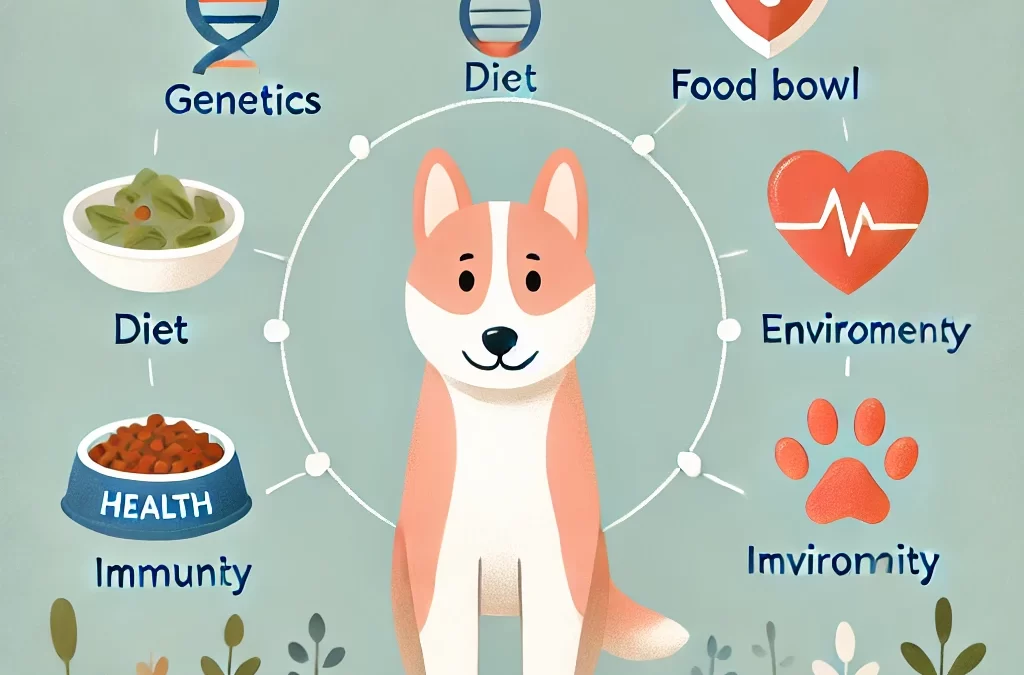
Cancer is one of the most challenging diseases for humans and pets alike, and it’s particularly heartbreaking when it affects our beloved dogs. But understanding why and how cancer develops in dogs can shed light on prevention and provide insight into early detection. While there’s no surefire way to prevent cancer, let’s explore the main contributing factors, emerging research, and ways we can help reduce risks.
1. Genetics: The Influence of Breed and Family History
Some breeds have a higher predisposition to cancer. For example, breeds like Golden Retrievers, Boxers, and Rottweilers are genetically inclined to develop certain cancers. Research suggests that inherited genetic mutations play a significant role in these tendencies. A study published in Canine Genetics and Epidemiology revealed that particular breeds have shared genetic traits that make them more susceptible to tumors. As a result, a dog’s lineage can increase its risk, meaning pet parents of certain breeds need to be extra vigilant with regular vet check-ups.
2. Environmental Factors: Carcinogens and Everyday Toxins
Dogs are exposed to environmental toxins just like humans. Common culprits include secondhand smoke, certain cleaning products, pesticides, and pollution. Dogs, with their close contact with floors and outdoor surfaces, can easily ingest or inhale harmful substances, unknowingly bringing toxins into their bodies. There is also mounting evidence that shows a direct correlation between exposure to specific carcinogens and increased cancer risks in dogs.
Actionable Insight: To minimize exposure, consider choosing natural cleaning products, avoiding smoking around pets, and ensuring your dog’s play areas are free from pesticides.
3. Diet: The Role of Nutrition in Cancer Prevention
What a dog eats can have profound effects on their health, influencing everything from immune function to cellular health. Poor-quality food, high in fillers and artificial additives, can contribute to cellular mutations and inflammation, potentially leading to cancer. On the other hand, a balanced diet rich in antioxidants, omega fatty acids, and natural proteins can support cellular repair and immune defenses.
Dietary Recommendation: Consider switching to high-quality, organic, or even home-cooked meals tailored to meet your dog’s nutritional needs. Always consult with a veterinarian for guidance on the best diet.
4. Hormonal Influences and Reproductive Health
Hormones are powerful chemical messengers in the body, and they can influence tumor growth. Studies have shown that spaying or neutering at the appropriate age can reduce the risk of certain cancers, such as mammary or testicular cancers. However, the timing of these procedures is essential, as early spaying or neutering has been linked with an increased risk of other cancers, such as osteosarcoma.
Balanced Decision: Talk with your vet about the best time for spaying or neutering your dog, as timing may vary depending on breed and individual health.
5. Infections and Viruses
Certain infections and viruses are known to be carcinogenic. In dogs, viruses like the canine papillomavirus can cause warts that may develop into malignant tumors in rare cases. Additionally, infections that cause chronic inflammation can lead to cellular changes and mutations over time, potentially leading to cancer.
6. Aging: The Inevitable Factor
Age is one of the most significant risk factors for cancer in dogs. With improvements in veterinary care, dogs are living longer, and with age comes an increased likelihood of cancer. As a dog’s cells age, the mechanisms for repairing DNA damage can become less efficient, making it easier for cancerous mutations to occur.
Preventative Steps and Lifestyle Changes for a Healthier Life
While not all cases of cancer are preventable, certain lifestyle adjustments can help reduce risks. Here are some preventative measures that could promote long-term health:
- Routine Veterinary Care: Regular check-ups help detect any abnormal growths or early warning signs.
- Healthy Diet Choices: Choose food high in essential nutrients, free of artificial additives and fillers.
- Maintain a Clean Environment: Use non-toxic products and avoid exposing your dog to harmful chemicals.
- Exercise Regularly: Keeping your dog active supports a robust immune system, vital for fighting off diseases.
Conclusion: Knowledge as Our Best Defense
Understanding the factors that contribute to cancer in dogs can help us make informed choices and, where possible, reduce the risk. While genetics and age are beyond our control, we can take steps to ensure our dogs lead healthier, longer lives. By remaining vigilant, prioritizing quality care, and fostering a toxin-free environment, we can give our dogs the best chance at a cancer-free life.

by TCMVET | Jul 15, 2024 | Dog Cancer & Tumors
The health of our canine companions is a top priority, and understanding the intricate connections between various health factors is essential for providing the best care. One emerging area of interest is the role of intestinal flora dysbiosis in influencing dog cancer. This article explores this hidden impact, offering insights into how gut health can affect cancer development and progression in dogs.
What is Intestinal Flora Dysbiosis?
Intestinal flora, also known as gut microbiota, refers to the diverse community of microorganisms living in the digestive tracts of animals. These microorganisms play a crucial role in maintaining overall health by aiding in digestion, producing essential nutrients, and supporting the immune system. Dysbiosis occurs when there is an imbalance in these microbial communities, leading to various health issues.
The Connection Between Gut Health and Cancer
Research has increasingly shown that gut health significantly impacts the overall well-being of dogs, including their susceptibility to cancer. Here’s how intestinal flora dysbiosis can influence dog cancer:
- Immune System Regulation: A healthy gut microbiome is essential for a well-functioning immune system. Dysbiosis can lead to a weakened immune response, making it easier for cancer cells to proliferate and spread.
- Inflammation: Chronic inflammation is a known risk factor for cancer. Dysbiosis can cause persistent inflammation in the gut, creating an environment conducive to cancer development.
- Toxin Production: Certain imbalances in the gut microbiota can lead to the production of harmful substances that damage DNA and promote cancerous changes in cells.
- Nutrient Absorption: Dysbiosis can impair nutrient absorption, leading to deficiencies that may weaken the body’s natural defenses against cancer.
Signs of Dysbiosis in Dogs
Recognizing the signs of intestinal flora dysbiosis is crucial for early intervention. Common symptoms in dogs include:
- Chronic diarrhea or constipation
- Bloating and gas
- Unexplained weight loss
- Poor appetite
- Lethargy and weakness
Managing Dysbiosis to Support Cancer Prevention
Maintaining a healthy gut microbiome is essential for reducing the risk of cancer and supporting overall health. Here are some strategies to manage dysbiosis in dogs:
- Probiotics and Prebiotics: Supplementing with probiotics can help restore a healthy balance of gut bacteria. Prebiotics, which are non-digestible fibers, can nourish beneficial bacteria and promote their growth.
- Balanced Diet: Feeding your dog a balanced and nutritious diet is vital for gut health. Consider incorporating high-quality, easily digestible proteins and fiber-rich vegetables.
- Regular Vet Check-ups: Routine veterinary visits can help detect early signs of dysbiosis and other health issues, allowing for timely intervention.
- Avoiding Antibiotic Overuse: While antibiotics are sometimes necessary, overuse can disrupt the gut microbiota. Always follow your vet’s recommendations and consider probiotic supplementation during and after antibiotic treatment.
Understanding the hidden impact of intestinal flora dysbiosis on dog cancer emphasizes the importance of maintaining gut health for overall well-being. By taking proactive steps to support a balanced microbiome, pet owners can help reduce the risk of cancer and promote a healthier, happier life for their furry friends.
