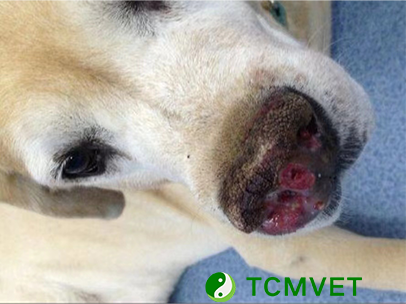
When it comes to pets and cancer, one of the most common questions pet owners ask is, “Can my pet inherit cancer from me or its parents?” While genetics do play a significant role in the development of certain diseases, including tumors, it’s important to understand that cancer is a complex condition. There is no single cause, and it’s rarely the result of just one factor.
The Role of Genetics in Pet Tumors
Much like humans, pets can inherit a predisposition to certain types of cancer from their genetic makeup. However, not all tumors are genetic in nature. Some pets may develop cancer as a result of environmental factors, lifestyle, or even random mutations in their cells. Here’s a breakdown of how genetics can influence cancer risk in pets:
Breed-Specific Predispositions Some dog and cat breeds are genetically predisposed to certain types of tumors. For example, Golden Retrievers and Boxers have a higher risk of developing certain cancers like hemangiosarcoma and lymphoma. Similarly, some cat breeds, like the Siamese, may be more prone to developing specific cancers, such as lymphoma. Understanding your pet’s breed-specific risks is key to early detection and prevention.
Inherited Mutations In some cases, specific gene mutations can increase the likelihood of tumor development. These mutations can be inherited from a pet’s parents, raising the risk of certain types of cancer. However, not every pet with a genetic mutation will develop cancer, as the condition depends on several other factors, including lifestyle and environmental exposure.
Genetic Testing for Early Detection While genetic testing for cancer in pets is still a relatively new field, advancements are being made in identifying genetic markers for specific types of tumors. If you have a pet from a breed known to have a genetic predisposition to certain cancers, genetic testing could provide valuable information for early detection and preventive care.
Environmental and Lifestyle Factors
While genetics play a role in cancer development, it’s essential not to overlook the impact of the environment and lifestyle. Factors like diet, exposure to toxins, sun exposure, and lack of exercise can all contribute to the risk of cancer in pets. In fact, some cancers are largely preventable if pets are given a healthy, balanced lifestyle. For example, keeping your pet at an ideal weight, ensuring they get regular exercise, and avoiding excessive sun exposure can all reduce the risk of developing certain types of tumors.
Early Detection and Preventive Care
The key to managing cancer in pets, especially when genetic factors are involved, is early detection. Regular veterinary check-ups are crucial, as they allow your vet to monitor any changes in your pet’s health. Tumors may sometimes go unnoticed until they become more advanced, but regular screenings and being proactive about your pet’s health can increase the chances of identifying problems early.
Preventive Measures:
Healthy Diet: Provide a balanced diet rich in antioxidants, vitamins, and minerals to support your pet’s immune system.
Regular Exercise: Ensure your pet remains active to help maintain a healthy weight and reduce the risk of obesity-related cancers.
Regular Vet Check-ups: Annual or bi-annual check-ups can help identify potential issues before they become serious.
Genetic Counseling: If your pet belongs to a breed with a known predisposition to cancer, consult with your veterinarian about genetic testing and preventive strategies.
Conclusion
While the genetics of pets can influence the risk of developing tumors, it’s not the only factor. A combination of genetics, lifestyle, and environmental influences contribute to a pet’s overall health. By understanding these factors and providing a healthy, proactive approach to care, pet owners can help reduce the risk of cancer and other related conditions in their beloved companions.
Proper nutrition and general care are essential for keeping your pet healthy and improving its ability to fight diseases, including cancer. Although no specific diet has been proven to prevent cancer in animals, providing a well-balanced and nutritionally appropriate diet significantly enhances your pet’s overall health and quality of life. This article explores the importance of good nutrition and offers practical guidelines to ensure your pet’s health and longevity.
Understanding Your Pet’s Nutritional Needs
Each species of animals has specific nutritional requirements, which have been established through extensive research. These guidelines have been used by commercial pet food producers to create well-formulated products, ensuring your pet receives the nutrients it needs to thrive. When choosing a pet food, it’s essential to understand your pet’s unique dietary needs and to carefully read the labels to ensure the food meets those requirements.
The Role of Nutrition in Disease Prevention
Good nutrition not only promotes general well-being but also strengthens your pet’s ability to combat various diseases. While cancer in pets cannot be directly prevented through diet alone, ensuring your pet is well-nourished helps support a stronger immune system, making it easier for your pet’s body to fight off health issues. Regularly providing a nutritionally balanced diet with the necessary vitamins, minerals, and protein is a cornerstone of maintaining optimal health.
The Impact of Obesity on Pet Health
Obesity in pets is an increasing problem in the United States and has been linked to a variety of health issues, including diabetes, heart disease, and joint problems. While cancer is not the most common condition associated with obesity, excess weight can lead to preventable complications that affect your pet’s quality of life. Preventing obesity is crucial, as it is an avoidable condition that can worsen many health problems.
Veterinarians recommend monitoring your pet’s body condition and adjusting food intake as necessary to maintain a healthy weight. Working with your vet, you can learn to assess your pet’s body condition score (BCS) and make changes to its diet to ensure optimal health. Regular exercise also plays a vital role in maintaining a healthy weight and preventing obesity-related diseases.
Final Thoughts: Ensuring Your Pet’s Health Through Proper Care
In conclusion, providing your pet with a balanced diet and adequate care is essential for its overall well-being. While no diet has been scientifically proven to prevent cancer, the importance of good nutrition cannot be overstated. By offering your pet high-quality food that meets its specific needs and maintaining a healthy body weight, you will enhance its quality of life and strengthen its ability to fight off diseases. Take the time to learn about your pet’s nutritional requirements and work closely with your veterinarian to provide the best care possible.
Cancer is a serious concern for pet owners, and unfortunately, pets are often experts at hiding signs of illness until the disease has progressed. This makes early cancer screening vital for ensuring the best possible outcome. Cancer symptoms in pets are often vague, so recognizing subtle changes and seeking veterinary care promptly can make a significant difference in your pet’s health and quality of life.
The Importance of Early Cancer Screening
Pets can easily mask the signs of a developing cancer. By the time they start showing noticeable symptoms, the cancer may already be in an advanced stage. Early detection through routine screenings, veterinary checkups, and awareness of subtle symptoms can improve the chances of early diagnosis and successful treatment.
Common but Vague Signs of Cancer in Pets
Because cancer symptoms can be vague and resemble many other less severe conditions, it’s easy to overlook the early warning signs. Here are some common changes that may indicate a more serious underlying issue:
Digestive Upset: Vomiting, diarrhea, or changes in bowel movements could be early signs of a cancerous process affecting the gastrointestinal system. While these symptoms may be temporary or caused by a mild condition, persistent digestive issues warrant further investigation.
Loss of Appetite: A sudden or gradual decrease in appetite can signal more than just a picky eater. Cancer often causes a pet to lose interest in food due to discomfort or metabolic changes.
Weight Loss: Unexplained weight loss, even if your pet is still eating, can be a red flag for internal tumors or metabolic imbalances caused by cancer. This is especially concerning if the weight loss occurs without any dietary changes.
Panting or Coughing: Difficulty breathing, panting excessively, or coughing could indicate lung or chest cancer. These symptoms are often mistaken for respiratory infections, but if they persist, they should be evaluated by a vet.
Weakness or Lethargy: While older pets naturally slow down, a noticeable decrease in energy or weakness could be a sign of cancer affecting internal organs, muscles, or bones.
Fever: If your pet has a recurring fever without an obvious infection, this could be a sign of cancer. The body’s immune system may be fighting a hidden tumor, leading to intermittent fevers.
Why Even Minor Changes Matter
It’s important to recognize that even seemingly minor changes in your pet’s behavior, appetite, or energy level can be early warning signs of cancer. Since pets can’t tell us when something is wrong, subtle shifts in their daily habits are often the only clues. Monitoring these changes and seeking prompt veterinary attention can lead to early diagnosis, which significantly improves treatment outcomes.
What to Do if You Notice Changes
If you notice any of the following in your pet, it’s important to schedule a vet visit:
Loss of appetite lasting more than a few days
Persistent vomiting, diarrhea, or digestive issues
Unexplained weight loss
Excessive panting or coughing that doesn’t improve
Weakness, lethargy, or loss of interest in activities they used to enjoy
Recurring fevers without obvious cause
Your veterinarian will likely recommend further tests, such as blood work, X-rays, or ultrasounds, to determine the underlying cause of the symptoms. If cancer is suspected, early intervention can provide more treatment options and a better prognosis.
Preventive Care and Routine Screenings
In addition to monitoring for symptoms, regular veterinary checkups are crucial for catching cancer early. Your vet can perform routine screenings that may detect hidden issues before they become severe. These might include:
Blood tests: To check for abnormal values that could indicate cancer or other diseases.
Imaging: X-rays, ultrasounds, or CT scans can reveal hidden masses or tumors.
Physical exams: A thorough exam can help your vet identify any lumps, bumps, or irregularities that may require further investigation.
Early cancer screening is critical because pets often hide symptoms until the disease has progressed. Vague symptoms such as digestive upset, loss of appetite, weight loss, or weakness can indicate something serious, and even minor changes should not be ignored. Regular veterinary care and monitoring your pet’s behavior for any subtle shifts can help detect cancer early, improving your pet’s chances of successful treatment and recovery.
Squamous Cell Carcinoma (SCC) is one of the most common types of cancer affecting pets, particularly dogs and cats. This malignant tumor arises from squamous cells, which are found in the skin and mucous membranes. While treatment options are available, prevention and early detection remain key factors in effectively managing this disease. This article will explore the various strategies and measures pet owners can take to prevent SCC in their pets and the importance of early detection.
1. Understanding Risk Factors:
Knowledge of the risk factors is crucial in preventing SCC. Pets with light-colored or thin coats, and those who spend a considerable amount of time outdoors are at a higher risk due to increased sun exposure. Certain breeds may also be predisposed to this condition. Awareness of these risk factors helps in implementing effective preventive measures.
2. Limiting Sun Exposure:
Since UV radiation from the sun can lead to SCC, especially in areas with less fur such as the ears, nose, and belly, it’s essential to limit your pet’s exposure to intense sunlight. Using pet-safe sunscreens, providing shaded areas, and avoiding outdoor activities during peak sunlight hours can significantly reduce the risk.
3. Regular Veterinary Check-ups:
Regular check-ups with a veterinarian are vital for early detection. These check-ups often include thorough physical examinations that can help identify any early signs of SCC, such as unusual growths or lesions on the skin.
4. Self-Examination of Your Pet:
Pet owners should regularly examine their pets for any signs of SCC. This includes looking for new lumps, sores, or lesions, particularly in sun-exposed areas, and noting any changes in existing moles or spots. Early stages of SCC might appear as small, crusty, or scaly patches.
5. Diet and Nutrition:
A healthy diet rich in antioxidants can help boost a pet’s immune system. Some studies suggest that a diet rich in certain nutrients like omega-3 fatty acids, vitamins A, C, and E might help in reducing the risk of cancer. Always consult with a veterinarian for dietary recommendations tailored to your pet’s specific needs.
6. Spaying/Neutering:
For certain types of SCC, especially those associated with the reproductive organs, spaying or neutering your pet can reduce the risk. This is particularly significant for female dogs and cats, as spaying them can help prevent types of SCC linked to the genital area.
7. Environmental Management:
Minimizing exposure to environmental carcinogens is essential. This includes tobacco smoke, certain chemicals, and pesticides, all of which may contribute to the development of SCC.
8. Early Veterinary Intervention:
If any signs of SCC are detected during self-examinations, it’s crucial to seek veterinary advice immediately. Early intervention can lead to more effective treatment and a better overall prognosis.
Preventing SCC in pets involves a combination of minimizing risk factors, maintaining a healthy lifestyle, and regular medical check-ups for early detection. By understanding the risk factors, implementing preventive measures, and being vigilant about any changes in their pets’ health, owners can play a critical role in protecting their pets from this common form of cancer. Remember, early detection and prompt treatment are the keys to successfully managing SCC in pets.