by TCMVET | Dec 11, 2025 | Dog Cancer & Tumors
Chow Chow cancer risks, early tumor symptoms in Chows, common cancers in this breed are important concerns for any owner of this distinctive, lion-like dog. Understanding how this breed ages, which cancers they are more prone to, and what early warning signs to watch for can help you act quickly if something isn’t right—and potentially improve your dog’s comfort and quality of life.
—
A. Breed Overview: The Unique Health Profile of the Chow Chow
Chow Chows are medium-sized, sturdy dogs known for their lion-like mane, blue-black tongue, and dignified, independent temperament. They often bond strongly with their families but can be aloof with strangers. Adults typically weigh 45–70 pounds, with a lifespan of around 9–15 years, depending on genetics, lifestyle, and healthcare.
Key traits that influence their health profile include:
– Dense double coat – requires regular grooming and can hide skin changes or lumps.
– Sturdy, square build – can be prone to joint issues and weight gain if not managed well.
– Independent nature – some Chows are stoic and may hide discomfort or pain.
Chow Chows are believed to have a higher-than-average risk of certain cancers, particularly some skin and oral tumors, as well as gastrointestinal cancers, compared to many other breeds. This doesn’t mean your dog will definitely develop cancer, but it does mean extra vigilance and regular checkups matter.
—
B. Tumor and Cancer Risks for This Breed
Common cancers in this breed
While any dog can develop cancer, research and clinical experience suggest several cancers are seen more frequently in Chow Chows:
1. Melanoma (skin and oral)
– Chows have pigmented mouths and skin, and this pigment may be related to a higher risk of certain melanomas.
– Oral melanoma can appear as dark or sometimes pale masses on the gums, lips, or inside the mouth.
– Skin melanomas may show up as new dark spots, raised pigmented lumps, or changing moles.
2. Mast Cell Tumors (MCT)
– These are common skin tumors in many breeds, and Chows are among the breeds reported to be at higher risk.
– MCTs can look like small, “bug bite–like” bumps or larger, irregular masses.
– They can change size, become red, or irritated, especially if the dog licks or scratches them.
3. Gastric (stomach) Cancer
– Chows are one of the breeds reported to have increased risk of stomach tumors, including gastric carcinoma.
– These cancers are internal and not visible from the outside, so early signs are often vague—like reduced appetite, weight loss, or vomiting.
4. Lymphoma
– A cancer of the lymphatic system that can cause enlarged lymph nodes (for example, under the jaw, in front of the shoulders, or behind the knees).
– Lymphoma can also cause fatigue, weight loss, and changes in appetite.
5. Other skin and soft tissue tumors
– Because of their thick coat, smaller lumps can go unnoticed.
– Benign and malignant growths can both occur, including lipomas (fatty tumors), soft tissue sarcomas, and other skin masses.
Why Chow Chows may be at higher risk
Several factors may play a role:
– Genetic background: As an ancient, relatively “pure” breed, inherited traits can strongly influence health patterns, including cancer risk.
– Pigmentation: Dark pigment in the mouth and skin is associated with some melanomas in dogs.
– Body size and build: Medium to larger breeds tend to have some overlap in cancer risks, including skin tumors and internal organ cancers.
– Lifestyle and environment: Like all dogs, exposure to tobacco smoke, excessive sun on light areas of skin, certain chemicals, or obesity may contribute to overall risk.
None of these factors guarantees cancer will occur, but they underscore why regular monitoring and veterinary partnership are so important for this breed.
—
C. Early Warning Signs Owners Should Watch For
Recognizing early tumor symptoms in Chows can be challenging because of their thick coat and often stoic personalities. Routine, hands-on checks at home can help you pick up changes before they become advanced.
Skin and coat changes
Watch for:
– New lumps or bumps anywhere under the coat.
– Existing lumps that change in size, shape, color, or texture.
– Sores that don’t heal, areas of hair loss, or crusty patches.
– Dark pigmented spots that grow, become raised, or ulcerate.
Helpful home routine:
– Once a month, run your hands over your Chow from nose to tail.
– Part the fur down to the skin in good light, especially:
– Around the neck and shoulders
– Under the tail and around the anus
– Along the belly and inner thighs
– Note any new findings and check them again in a week. If something grows, becomes painful, or looks odd, call your vet.
Mouth and facial signs
Because Chows may be prone to oral tumors:
– Check inside the mouth weekly if your dog allows:
– Look for lumps, bumps, or unusual pigmentation on gums, lips, and tongue.
– Notice bad breath that doesn’t match dental status.
– Watch for drooling, difficulty chewing, or dropping food.
– Bleeding from the mouth without obvious cause is a red flag.
Body-wide and behavior changes
More general signs can include:
– Weight loss or muscle wasting despite normal food intake.
– Reduced appetite, pickiness, or skipping meals.
– Lethargy or decreased interest in walks, play, or family activities.
– Stiffness, limping, or reluctance to jump or climb stairs.
– Vomiting, diarrhea, or changes in stool, especially if persistent.
– Coughing, labored breathing, or decreased exercise tolerance.
– Swollen lymph nodes (under the jaw, in front of shoulders, behind knees).
When to seek veterinary attention
Contact your veterinarian promptly if you notice:
– Any lump that:
– Is new and persists beyond 1–2 weeks
– Grows quickly
– Is firm, fixed, or ulcerated
– Unexplained weight loss
– Loss of appetite lasting more than 24–48 hours in a previously good eater
– Ongoing vomiting, diarrhea, or difficulty swallowing
– Bleeding from the mouth, nose, rectum, or urinary tract
– Visible discomfort, persistent limping, or sudden change in activity level
Only a veterinarian can determine if a lump or symptom is cancerous. Early evaluation often means more options for care and better comfort for your dog.
—
D. Senior Care Considerations for Chow Chows
As Chows age, their risk for tumors and cancer naturally increases. Many cancers are seen more often in dogs over 7–8 years old, though they can occur earlier.
Aging and this breed
Senior Chows may experience:
– Slower metabolism and tendency to gain weight.
– Joint stiffness or arthritis, especially in hips and knees.
– Less tolerance for heat due to thick coat and age-related changes.
– Gradual decrease in activity and muscle mass.
These changes can sometimes mask or mimic early cancer signs, so careful observation is important.
Nutrition and body condition
For older Chows:
– Aim for a lean, well-muscled body condition—you should be able to feel ribs with gentle pressure but not see them prominently.
– Discuss with your vet:
– Whether a senior or joint-supportive diet is appropriate.
– Adjustments in calories to prevent obesity, which can stress joints and may contribute to some cancer risks.
– Ensure easy access to fresh water at all times.
Exercise and activity
– Maintain daily, moderate exercise—brisk walks, gentle play, short training sessions.
– Avoid intense exercise in hot weather or on very hard surfaces.
– Watch for changes:
– Shorter walks than usual
– Lagging behind
– Reluctance to rise or climb
– Report significant changes in stamina or mobility to your vet—they may signal pain, arthritis, or an underlying illness.
Joint care and pain management
– Non-slip flooring, ramps, and comfortable bedding can help aging Chows move safely.
– Gentle, regular activity helps maintain joint mobility.
– If you suspect your dog is in pain, never start pain medications without veterinary guidance; some human or over-the-counter products are unsafe for dogs.
Veterinary check-ups and screenings
For senior Chows (often considered 7+ years):
– Aim for check-ups at least every 6 months.
– Ask your vet about:
– Baseline and follow-up bloodwork and urinalysis
– Physical exams focused on skin, lymph nodes, abdomen, and mouth
– Imaging (X-rays or ultrasound) if symptoms suggest internal disease
Frequent, thorough exams are one of the most effective tools for catching problems early in this breed.
—
E. General Tumor Prevention & Wellness Support
No method can guarantee cancer prevention, but certain choices can support overall health and may help reduce some risk factors.
Healthy weight and diet
– Keep your Chow at a healthy weight to reduce strain on joints and organs.
– Provide a balanced, high-quality diet appropriate for age, size, and activity level.
– Avoid frequent high-fat table scraps or excessive treats.
– If considering home-prepared or specialized diets, work with your veterinarian or a board-certified veterinary nutritionist to ensure they’re complete and safe.
Regular physical activity
– Consistent, moderate exercise:
– Helps maintain muscle and healthy weight
– Supports cardiovascular health
– May improve overall resilience
– Tailor activities to your dog’s age and health—gentle walks and mental enrichment often suit seniors well.
Environmental and lifestyle considerations
– Avoid secondhand smoke exposure.
– Limit unnecessary exposure to harsh chemicals (e.g., some insecticides or lawn treatments); follow label instructions strictly.
– For areas of light or thin fur, ask your vet whether pet-safe sun protection is advisable, especially in strong sunlight.
Supportive, integrative wellness options
Some owners explore options such as:
– Joint-support supplements (e.g., omega-3 fatty acids) for senior comfort.
– Gentle massage, stretching, or physical therapy–based exercise for mobility.
– Certain herbs or supplements promoted for general immune support.
Evidence for many products is limited or mixed, and safety can vary. Always:
– Discuss any supplements, herbs, or integrative therapies with your veterinarian before starting them.
– Use only products made specifically for pets or recommended by a vet.
– View them as supportive, not as treatments that replace surgery, chemotherapy, radiation, or other oncology care if cancer is diagnosed.
—
F. Integrative Care: Complementing, Not Replacing, Veterinary Treatment
Some Chow owners are interested in holistic or traditional wellness approaches to support their dog’s overall vitality during cancer treatment or as they age. Concepts such as “balancing the body,” supporting the immune system, or enhancing comfort can be part of a whole-dog care plan.
Potential integrative components might include:
– Acupuncture or gentle bodywork to support comfort and mobility.
– Nutrition counseling to help maintain strength and body condition during illness.
– Calming practices and environmental changes to reduce stress at home.
These approaches, when guided by a veterinarian or qualified integrative practitioner, are best used as additions to modern diagnostic and treatment options—never as substitutions for them. If your Chow is diagnosed with a tumor or cancer, a veterinary oncologist can help coordinate conventional care, and you can ask about safe, complementary options.
—
Conclusion
Chow Chows have distinct characteristics that may place them at higher risk for certain cancers, especially some skin, oral, and stomach tumors. By learning the key early tumor symptoms in this breed—such as new or changing lumps, mouth changes, weight loss, and shifts in behavior—you can seek veterinary attention before problems advance. Regular senior care, appropriate nutrition, weight control, and twice-yearly checkups give you and your veterinarian the best chance to detect issues early and tailor care to your individual dog. With attentive, breed-aware monitoring, you can help your Chow enjoy a more comfortable, well-supported life into their senior years.
by TCMVET | Dec 11, 2025 | Dog Cancer & Tumors
Scottish Terrier cancer risks, early tumor symptoms in Scotties, common cancers in this breed are crucial topics for any owner who wants to protect their dog’s health, especially as these sturdy little terriers get older. While Scotties are tough, loyal, and often live long lives, they do have some well-documented vulnerabilities when it comes to tumors and cancer.
—
A. Breed Overview: The Distinctive Scottie and Its Health Profile
Scottish Terriers are small but solid dogs, typically weighing 18–22 pounds, with a distinctive beard, wiry coat, and confident, sometimes stubborn personality. They’re known for being:
– Independent yet deeply loyal to their family
– Alert and often reserved with strangers
– Moderately active, enjoying walks and mental stimulation more than intense running
The average lifespan is around 11–13 years, and many Scotties remain spirited well into their senior years. However, this breed is widely recognized in veterinary literature as having an increased incidence of certain cancers, particularly bladder cancer (transitional cell carcinoma) and some types of skin and blood cancers. That doesn’t mean every Scottie will develop cancer, but it does mean owners should be especially proactive about monitoring and preventive care.
—
B. Tumor and Cancer Risks for Scottish Terriers
1. Transitional Cell Carcinoma (Bladder Cancer)
One of the most notable health concerns in this breed is transitional cell carcinoma (TCC), a malignant cancer of the bladder and sometimes the urethra.
Factors that may play a role include:
– Genetics: Scotties appear overrepresented in TCC studies, suggesting a breed-related predisposition.
– Body size and shape: Their compact build and urinary tract anatomy may be contributing factors.
– Environmental exposures: Research has linked some bladder cancers in dogs to exposure to certain lawn chemicals or other environmental toxins, which may be more significant in already-predisposed breeds.
Owners often first notice issues such as frequent urination, accidents in the house, or blood in the urine—signs that should never be ignored in this breed.
2. Mast Cell Tumors and Other Skin Tumors
Scotties can be prone to various skin tumors, including mast cell tumors and benign or malignant growths in or under the skin.
Potential influences:
– Pigmented skin and coat: Dark-coated breeds, including Scotties, are sometimes noted in connection with certain skin cancers.
– Chronic skin irritation or allergies: While not proven to cause cancer, ongoing inflammation can make it harder to detect new or changing lumps early.
Regularly feeling for new bumps under that dense coat is especially important.
3. Lymphoma (Lymphosarcoma)
Lymphoma, a cancer of the lymphatic system, can occur in any breed, and Scottish Terriers are no exception. It often affects lymph nodes, internal organs, or the digestive tract.
Contributing factors may include:
– Immune system vulnerabilities
– Possible hereditary influences, as some terriers and related breeds appear more frequently in lymphoma case reports
While not as uniquely associated with Scotties as bladder cancer, lymphoma is still one of the more common cancers seen in dogs overall.
4. Other Internal Tumors
Scotties may also develop:
– Hemangiosarcoma (a malignant vascular tumor, often in the spleen or heart)
– Mammary tumors (especially in intact females or those spayed later in life)
These issues are not exclusive to Scotties, but their small size means that even “small” internal tumors can significantly affect their health.
—
C. Early Warning Signs: What Scottie Owners Should Watch For
Because of the known Scottish Terrier cancer risks, early tumor symptoms in Scotties should always be taken seriously. While many signs can overlap with less serious conditions, it’s safer to have your veterinarian assess anything that seems off.
1. Urinary Changes (Especially Important in Scotties)
Given their bladder cancer risk, owners should pay close attention to:
– Straining to urinate
– Frequent, small amounts of urine
– Blood in the urine (pink, red, or brown discoloration)
– Repeated “urinary tract infections” that don’t fully resolve
Any of these signs—especially if they recur—warrant prompt veterinary evaluation.
2. Skin Lumps and Bumps
Check your Scottie’s body at least once a month:
– Gently run your hands over the body, including under the belly, chest, armpits, groin, and along the tail.
– Separate the hair to look at the skin if you feel a bump.
Concerning changes include:
– New lumps, even if small
– Changes in size, shape, or color of existing masses
– Lumps that become red, ulcerated, or painful
– Any lump that grows quickly
Not all lumps are cancerous, but only a veterinarian can tell for sure, often by sampling cells.
3. General Changes in Energy and Appetite
Subtle, ongoing shifts can be early clues:
– Decreased enthusiasm for walks or play
– Sleeping more or seeming “off” or withdrawn
– Gradual or sudden weight loss
– Eating less, or seeming hungry but losing weight
These signs can relate to many health problems, including tumors, and should prompt a check-up if they persist more than a few days.
4. Breathing, Coughing, and Bleeding
Call your veterinarian promptly if you notice:
– Persistent cough or difficulty breathing
– Collapse or episodes of weakness
– Unexplained bruising or nosebleeds
– Vomiting or stool that contains blood or looks very dark and tarry
Practical At-Home Monitoring Tips
– Keep a simple health journal: Note dates of new lumps, weight changes, appetite shifts, or urinary signs.
– Use your phone camera: Photograph lumps or skin changes with a coin or ruler for scale.
– Trust your instincts: You know your Scottie’s normal behavior best. If something feels wrong, schedule a visit.
—
D. Senior Care Considerations for Scottish Terriers
As Scottish Terriers age, their risk for many health issues—including tumors and cancer—increases. Thoughtful senior care can help detect problems earlier and maintain quality of life.
Aging and Cancer Risk
Most cancers are more common in middle-aged to older dogs. For Scotties, this means being especially vigilant from around 7–8 years onward, and sometimes even earlier if there is a strong family history of cancer.
Nutrition and Body Condition
– Aim for a lean, not chubby, body condition. Extra weight can stress joints and may increase some health risks.
– Choose a high-quality, age-appropriate diet recommended by your veterinarian, who may suggest specific formulations for weight management, urinary health, or overall senior wellness.
– Monitor weight regularly, at home and during vet visits, to catch gradual losses or gains.
Exercise and Activity Adjustments
Scotties are naturally active, but in their senior years:
– Continue daily walks and gentle play to maintain muscle mass and joint mobility.
– Avoid high-impact activities (repetitive jumping, rough play) that can worsen joint pain.
– Mentally stimulating games (sniffing games, puzzle feeders) help keep them engaged and observant, making it easier to spot behavior changes.
Joint Care and Pain Awareness
Arthritis is common in older Scotties:
– Watch for stiffness, reluctance to jump, or lagging behind on walks.
– Ask your vet about safe pain management options and joint-supportive strategies.
– Gentle ramps or steps can reduce joint stress and help a dog with both arthritis and cancer-related fatigue stay comfortable.
Veterinary Check-Ups and Screening
For a senior Scottish Terrier:
– Wellness exams every 6 months are reasonable for many older Scotties, or more often if there are known health concerns.
– Discuss screening tools with your vet, such as:
– Regular urinalysis and bloodwork
– Imaging (X-ray, ultrasound) when indicated
– Sampling of any suspicious lumps
Partnering closely with a veterinarian who understands this breed’s tendencies can catch issues earlier, when more options may be available.
—
E. General Tumor Prevention & Wellness Support
No strategy can guarantee a cancer-free life, but you can meaningfully support your Scottie’s overall health and potentially reduce some risk factors.
Healthy Weight and Lifestyle
– Maintain an ideal body condition: Extra fat is linked to higher risk of certain diseases and can make treatment, if needed, more complicated.
– Consistent, moderate exercise supports circulation, muscle tone, and mental health.
Diet and Hydration
– Provide balanced, complete nutrition that meets your dog’s life stage and health needs.
– Ensure constant access to fresh water to support urinary tract and kidney function.
– If your vet recommends a particular diet (for urinary support, weight control, or other reasons), follow their guidance and ask questions about long-term goals.
Reducing Environmental Risks
Some research has suggested possible links between bladder cancer in dogs and certain lawn chemicals or environmental exposures. While evidence is still evolving, you can consider:
– Minimizing exposure to herbicides and pesticides on lawns; following all label safety instructions if you must use them.
– Wiping paws and belly after walks on treated grass or city streets.
– Avoiding tobacco smoke exposure and obvious industrial chemical fumes.
Thoughtful Use of Supplements and “Natural” Supports
Owners sometimes explore supplements, herbs, or other natural products to support immune health, joints, or general wellness. When considering these:
– View them as supportive, not curative tools.
– Always discuss any supplement with your veterinarian before starting it, especially if your Scottie already has a diagnosis or takes other medications.
– Ask about possible side effects or interactions, and monitor your dog closely after adding anything new.
—
F. Integrative and Holistic Support (As a Complement Only)
Some families choose to include integrative approaches—such as acupuncture, massage, or nutrition-focused consultations—alongside conventional veterinary care for Scotties with tumors or cancer.
These approaches may aim to:
– Support comfort and mobility
– Enhance appetite or overall vitality
– Help manage stress and improve quality of life
It’s essential to:
– Work with qualified professionals who communicate openly with your primary veterinarian or veterinary oncologist.
– Remember that these methods are complements, not replacements, for evidence-based diagnostics and treatments.
– Avoid any practitioner or product claiming to cure cancer or allow you to skip conventional care.
—
Conclusion
Scottish Terriers face a higher-than-average risk for certain cancers—especially bladder cancer and some skin and blood tumors—making early detection and vigilant monitoring particularly important. By watching for changes in urination, new lumps, shifts in energy or appetite, and other subtle warning signs, you can help catch problems sooner. Combined with thoughtful senior care, regular veterinary check-ups, and a focus on overall wellness, a proactive, breed-aware approach offers your Scottie the best chance for a long, comfortable life under the guidance of a trusted veterinary team.
by TCMVET | Dec 11, 2025 | Dog Cancer & Tumors
Shar Pei cancer risks, early tumor symptoms in Shar Peis, common cancers in this breed are topics every owner should understand to help their wrinkled companion live a longer, healthier life. While not every Shar Pei will develop tumors, this breed does have some unique health tendencies that can affect how cancers appear, how quickly they’re noticed, and what owners should watch for—especially as their dog ages.
—
A. Breed Overview: What Makes the Shar Pei Unique?
The Chinese Shar Pei is a medium-sized, strongly built dog known for its loose, wrinkled skin, broad head, and dignified, somewhat reserved temperament. Adults typically weigh 40–60 pounds and stand around 18–20 inches tall. Many are devoted, calm companions who can be independent but deeply loyal to their families.
Lifespan & general health profile
– Average lifespan: roughly 8–12 years
– Common health issues: skin infections, ear problems, eye conditions (like entropion), Shar Pei fever, and kidney or liver issues related to amyloidosis
The Shar Pei’s heavily wrinkled skin, history of chronic inflammation (Shar Pei fever), and certain genetic factors are believed to influence how often they develop specific tumors—particularly skin-related ones. While research is still evolving, many veterinarians report that this breed may have a greater tendency toward certain skin cancers and mast cell tumors compared with some other breeds.
This doesn’t mean your dog will get cancer, but it does mean proactive monitoring and early detection are especially important.
—
B. Tumor and Cancer Risks for Shar Peis
1. Mast Cell Tumors (MCT)
Mast cell tumors are among the most commonly reported cancers in Shar Peis. They arise from mast cells, a type of immune cell found in the skin and other tissues.
Key points for owners:
– Often appear as skin lumps, which may be firm or soft, raised or flat.
– They can look very similar to benign (non-cancerous) skin bumps.
– Some may change size, redden, or become itchy or ulcerated.
Why Shar Peis may be at risk:
– Chronic skin inflammation and allergies, which are frequent in the breed, might contribute to abnormal mast cell activity.
– Their thick, folded skin can hide small lumps, making early detection more challenging unless you regularly check them.
2. Other Skin Tumors (Benign and Malignant)
Shar Peis commonly develop skin growths, and not all are cancerous. Some possibilities include:
– Histiocytomas – often benign, more common in younger dogs, usually fast-growing but sometimes regress.
– Soft tissue sarcomas – can appear as firm, deep lumps in or under the skin.
– Sebaceous gland tumors or cysts – often benign but can rupture or get infected.
Because this breed is already prone to skin problems (infections, allergies, thickened skin), it can be difficult for owners to distinguish a “typical” Shar Pei skin issue from a concerning mass. Any new or changing lump deserves attention.
3. Lymphoma (Lymphosarcoma)
Lymphoma is a cancer of the lymphatic system that can affect lymph nodes, organs, and sometimes the skin.
Features that may be relevant in Shar Peis:
– Lymph nodes (such as under the jaw or behind the knees) may become enlarged.
– Because Shar Peis may already have chronic immune and inflammatory issues, signs like lethargy or vague illness can be confusing.
– Lymphoma is common in dogs generally, and Shar Peis appear to be among the breeds seen with this condition, though exact risk levels are still being researched.
4. Internal Tumors (Spleen, Liver, and Others)
While not uniquely Shar Pei-specific, splenic masses, liver tumors, and other internal cancers can occur:
– Some Shar Peis develop amyloidosis (abnormal protein deposits in organs), which can cause kidney or liver problems. This is not cancer, but the symptoms can overlap with or mask those of internal tumors—things like weight loss, reduced appetite, or abdominal discomfort.
– Internal tumors may not be obvious until they are large or cause bleeding or organ dysfunction.
5. Oral and Mucocutaneous Tumors
Shar Peis may develop growths in or around the mouth, lips, and eyelids:
– Darker pigmented areas (like the mouth and tongue in some Shar Peis) can sometimes make it harder to spot early changes.
– Tumors in these areas can interfere with eating, cause drooling, or lead to bad breath and bleeding.
—
C. Early Warning Signs Owners Should Watch For
Understanding early tumor symptoms in Shar Peis is one of the most powerful tools you have as an owner. Because cancers can look like ordinary Shar Pei issues (skin bumps, minor infections, or “slowing down” with age), heightened awareness is crucial.
1. Skin Lumps and Bumps
Pay special attention to:
– Any new lump, no matter how small.
– Any existing lump that:
– Grows quickly
– Changes texture or color
– Becomes red, ulcerated, or scabby
– Seems painful when touched
At-home tip:
Once a month, gently run your hands over your dog’s entire body, including:
– Between skin folds
– Under the neck and jaw
– Behind the elbows and knees
– Along the tail and groin
Note the size, location, and feel of each lump. Taking photos and writing down approximate measurements (e.g., “about the size of a pea”) can help your vet track changes over time.
2. Changes in Weight, Appetite, or Thirst
Concerning trends include:
– Unexplained weight loss despite normal or good appetite
– Loss of appetite or pickiness with food
– Increased thirst or urination
– Trouble keeping weight on, despite feeding an appropriate diet
These signs can relate to many conditions—kidney disease, liver issues, or endocrine problems—not just cancer. They always justify a veterinary appointment.
3. Energy Levels, Pain, and Mobility
Shar Peis can be stoic and may not show obvious pain. Watch for:
– Decreased interest in walks, play, or family activities
– Stiffness, limping, or reluctance to jump or climb stairs
– Difficulty rising after resting
– Panting more than usual at rest
These changes may stem from arthritis, Shar Pei fever episodes, or tumors in bones, joints, or internal organs.
4. Bleeding, Coughing, or Other Red Flags
Seek prompt veterinary attention if you notice:
– Nosebleeds, blood in urine or stool, or unexplained bruising
– Persistent coughing or difficulty breathing
– Distended or tight-feeling abdomen
– Repeated vomiting or diarrhea, especially if accompanied by weight loss or lethargy
5. When to Call the Vet
Contact your veterinarian:
– Immediately for rapid changes (sudden large lump, severe lethargy, difficulty breathing, collapse).
– Within a few days for any new lump or lump that changes.
– Promptly for ongoing, vague symptoms (mild weight loss, appetite changes, intermittent vomiting, or increasing fatigue).
Early evaluation doesn’t always mean something serious—but it greatly improves outcomes when a tumor is involved.
—
D. Senior Care Considerations for Shar Peis
As Shar Peis enter their senior years (often around 7–8 years and older), aging can interact with existing breed tendencies to increase the risk and impact of tumors.
1. How Aging Affects This Breed
Common age-related changes in Shar Peis include:
– Slower metabolism and increased risk of weight gain
– Worsening arthritis or joint stiffness
– Declining kidney or liver function, particularly if they have a history of Shar Pei fever or amyloidosis
– More frequent skin problems due to reduced immune function and skin resilience
All of these can make it harder to spot subtle signs of cancer, as owners may assume symptoms are simply “old age.”
2. Nutrition and Body Condition
For older Shar Peis:
– Aim to keep them in lean, well-muscled condition—obesity is linked to increased inflammation and may influence some cancer risks.
– Ask your veterinarian about:
– Senior diets with appropriate protein and calorie levels
– Diet options that support joint health and organ function
– Monitoring for unintended weight loss, which can be an early sign of disease
Avoid making major diet changes without professional guidance, especially if your dog already has kidney, liver, or gastrointestinal issues.
3. Exercise and Activity Adjustments
Senior Shar Peis still need movement, but with modifications:
– Prefer frequent, shorter walks over long, intense exercise.
– Choose low-impact activities: gentle walks, controlled play, short training sessions.
– Watch for excessive panting, lagging behind, or stiffness afterward—these may indicate pain or internal issues that need evaluation.
Regular movement helps maintain healthy weight, muscle mass, and overall resilience.
4. Joint Care and Pain Management
Joint issues are common in aging Shar Peis:
– Discuss joint-support options (e.g., appropriate medications, therapeutic diets, or supplements) with your vet.
– Provide non-slip flooring, ramps or steps for furniture or cars, and a supportive, padded bed.
– Addressing pain can improve quality of life and make it easier to notice new or unusual behaviors that might signal a tumor.
5. Wellness Exams and Screening
For senior Shar Peis, many veterinarians recommend:
– Check-ups every 6 months, rather than yearly.
– Routine bloodwork and urinalysis to monitor organ function.
– Physical exams focused on:
– Skin and lymph nodes
– Abdominal palpation
– Mouth and gums
– Weight trends
Your vet may recommend imaging (e.g., X-rays, ultrasound) if there are concerning findings. These visits are key opportunities to catch issues early.
—
E. General Tumor Prevention & Wellness Support
While no approach can guarantee prevention of cancer, you can meaningfully support your Shar Pei’s overall health and possibly lower some risk factors.
1. Maintain a Healthy Weight
Excess body fat:
– Increases inflammation throughout the body
– Can strain joints and organs
– May be associated with higher risk for certain cancers in dogs
Work with your veterinarian to determine your dog’s ideal body condition score and adjust food portions, treats, and exercise accordingly.
2. Balanced Diet and Hydration
Provide:
– A complete and balanced diet appropriate for your dog’s life stage and health status.
– Constant access to fresh, clean water.
– Measured meals rather than free-feeding, to track appetite and intake.
If you are considering home-cooked, raw, or specialty diets, discuss these with your veterinarian first to avoid deficiencies or foodborne risks.
3. Regular Physical Activity
Consistent, moderate exercise:
– Helps support cardiovascular health and metabolism
– Aids digestion and joint mobility
– Provides daily opportunities to notice changes in gait, energy, or breathing
Adjust activity to your individual dog’s age, fitness, and health issues. Avoid overheating, as Shar Peis can be prone to heat sensitivity.
4. Minimize Environmental Risks Where Possible
Some steps to consider:
– Avoid secondhand smoke exposure.
– Limit unnecessary use of lawn chemicals, pesticides, and harsh cleaning agents; keep pets away from treated areas until safe.
– Use sun protection guidance from your vet if your Shar Pei has light-colored or sparsely haired skin areas that may burn easily.
5. Thoughtful Use of Supplements and Integrative Support
Owners sometimes explore options such as:
– Joint-support supplements
– Omega-3 fatty acids
– General wellness or immune-support formulas
– Herbal or “natural” products
These may support overall health for some dogs, but:
– They must never be used as a replacement for appropriate cancer diagnosis or veterinary treatment.
– Some products can interact with medications or affect organ function.
Always discuss any supplement or alternative therapy with your veterinarian before starting it.
—
F. Optional Integrative Care: Complementing, Not Replacing, Veterinary Treatment
Some Shar Pei owners are interested in holistic or traditional wellness approaches—such as acupuncture, massage, or TCM-inspired ideas of supporting the body’s balance and vitality.
When used carefully and under professional supervision, these approaches may:
– Help with comfort, stress reduction, and quality of life
– Support appetite, mobility, and general well-being during or after conventional treatments
– Provide additional tools for managing pain or anxiety
Key points to remember:
– Integrative care should complement, not replace, standard diagnostics and treatments recommended by your veterinarian or veterinary oncologist.
– Work only with qualified professionals who are comfortable coordinating care with your primary vet.
– Be cautious of any practitioner or product that claims to cure cancer or make surgery/oncology unnecessary.
—
Conclusion
Shar Peis are special dogs with distinctive traits—and those same traits can influence Shar Pei cancer risks, early tumor symptoms in Shar Peis, common cancers in this breed, especially involving the skin and immune system. Regular hands-on checks, close attention to changes in behavior or appetite, and twice-yearly senior wellness exams can dramatically improve the chances of catching problems early. By combining vigilant home monitoring with a strong partnership with your veterinarian, you can give your Shar Pei the best possible protection and care throughout every stage of life.
by TCMVET | Dec 11, 2025 | Dog Cancer & Tumors
Bernese Mountain Dog cancer risks, early tumor symptoms in Berners, common cancers in this breed are concerns that every Berner owner should understand. This gentle giant is beloved for its sweetness and loyalty, but unfortunately, it is also one of the breeds with a notably higher risk of developing cancer, often at a relatively young age. Knowing what to watch for and how to care for your dog as they age can make a real difference in quality of life and early detection.
—
A. Breed Overview
Bernese Mountain Dogs are large, tri-colored working dogs originally bred in Switzerland as farm helpers and draft animals. They usually weigh 70–115 pounds, with males larger than females, and have a dense double coat. Their temperament is typically:
– Gentle and affectionate
– Loyal and people-oriented
– Generally calm, especially as adults
The average lifespan of a Berner is shorter than many other breeds, often around 7–9 years, partly because this breed is known for a high incidence of certain cancers. Studies and breed club health surveys consistently show that malignant tumors are among the leading causes of death in this breed, and they often appear at younger ages than in many other large dogs.
Common genetic traits relevant to health include:
– Large body size (which can influence certain cancer risks)
– A relatively small gene pool in some lines, contributing to inherited disease risk
– Strong family patterns of specific cancers in some breeding lines
This doesn’t mean every Berner will develop cancer, but it does mean owners should be especially proactive about screening and early detection.
—
B. Tumor and Cancer Risks for This Breed
1. Histiocytic Sarcoma
Histiocytic sarcoma is one of the most characteristic and serious cancers seen in Bernese Mountain Dogs. This tumor arises from certain immune system cells and can affect:
– Internal organs (like spleen, liver, lungs)
– Joints and bones
– Skin and subcutaneous tissues
In this breed, histiocytic cancers are believed to have a strong genetic component. Certain family lines show a clear pattern of multiple affected dogs. These tumors can spread quickly, which is why early recognition and prompt veterinary evaluation of vague signs (like weight loss, lethargy, or lameness) are so important.
2. Lymphoma (Lymphosarcoma)
Lymphoma affects the lymphatic system, including lymph nodes and internal organs. In Berners, it can show up as:
– Firm, enlarged lymph nodes (under the jaw, in front of the shoulders, behind the knees)
– Generalized fatigue and loss of appetite
– Weight loss and decreased energy
While many breeds can develop lymphoma, Bernese Mountain Dogs are often listed among those with a higher overall cancer burden, and lymphoma is a common diagnosis within that group. There may be hereditary influences, but environment and immune factors are also thought to play roles.
3. Mast Cell Tumors
Mast cell tumors are skin or subcutaneous (under the skin) cancers that can appear as:
– Small or large lumps, sometimes red or itchy
– Masses that change size or shape
– Lesions that may ulcerate or bleed
Any new lump on a Berner should be checked by a veterinarian, because this breed’s overall cancer risk means that “waiting to see if it goes away” can be risky. Mast cell tumors can vary widely from low to high malignancy, and only testing (like a fine needle aspirate or biopsy) can tell the difference.
4. Osteosarcoma (Bone Cancer)
As a large, heavy breed, Berners may be at increased risk for osteosarcoma, a malignant bone cancer. It most often affects:
– The long bones of the legs (especially near joints)
– Occasionally other bones like ribs or jaw
Typical early signs include:
– Sudden or progressive lameness
– Swelling over a bone
– Pain when the limb is touched or used
Size and rapid growth during puppyhood, combined with genetic factors, likely contribute to this risk in large and giant breeds.
5. Soft Tissue Sarcomas and Other Tumors
Berners can also develop:
– Soft tissue sarcomas (tumors arising in connective tissue)
– Other skin tumors
– Less common cancers of internal organs
The overall pattern is that this breed, more than many others, has a predisposition to malignant cancers, making vigilance and regular vet care especially important.
—
C. Early Warning Signs Owners Should Watch For
Early detection often relies on you noticing small changes at home. While none of these signs automatically mean cancer, they are reasons to call your veterinarian, especially in a Bernese Mountain Dog.
Lumps, Bumps, and Skin Changes
Watch for:
– Any new lump, anywhere on the body
– Existing lumps that:
– Grow quickly
– Change shape or texture
– Become red, ulcerated, or start bleeding
At-home monitoring tips:
– Once a month, gently run your hands over your dog’s entire body, including:
– Behind ears
– Under the jaw
– Armpits
– Groin
– Along the legs and tail
– Note size and location of any lumps (you can use a ruler and take a photo)
– Have your vet evaluate any new or changing lump—do not assume it’s “just a fatty lump”
Changes in Weight, Appetite, and Energy
Concerning changes may include:
– Gradual or sudden weight loss without diet changes
– Decreased appetite or pickiness in a dog that usually eats well
– Increased thirst or urination
– Unusual fatigue, less interest in walks or play
Because Berners are often very stoic, subtle behavior changes can be easy to miss. If your dog seems “off” for more than a few days, especially if older than 5–6 years, it’s worth a call to your veterinarian.
Mobility, Pain, and Lameness
Possible red flags:
– Limping that lasts more than a day or two
– Difficulty getting up, climbing stairs, or jumping into the car
– Localized swelling over a bone or joint
– Whining, panting, or reluctance to be touched in a specific area
While joint disease is common in large breeds, bone tumors and joint-associated cancers are also concerns, so persistent lameness should always be examined.
Breathing, Bleeding, and Other Warning Signs
Other symptoms that warrant prompt vet attention:
– Persistent coughing or difficulty breathing
– Distended abdomen, discomfort when the belly is touched
– Unexplained nosebleeds or other unusual bleeding
– Vomiting or diarrhea that lasts more than a day or two, especially with lethargy
– Pale gums or sudden collapse (emergency situation)
Whenever you’re unsure, err on the side of calling your veterinarian. With Berners, early evaluation can make a significant difference in options and comfort.
—
D. Senior Care Considerations for Bernese Mountain Dogs
Because many Berners are considered “senior” around 6–7 years of age (sometimes earlier), cancer risk and age-related changes often overlap.
How Aging Affects This Breed
Common senior changes include:
– Slower metabolism and tendency to gain weight
– Increased joint stiffness or arthritis
– Reduced exercise tolerance
– Higher likelihood of developing tumors or internal disease
Regular wellness exams become more important as your dog ages, not just to find cancer but to catch any health issue early.
Nutrition and Body Condition
For older Berners:
– Aim to keep them slightly lean, with a visible waist and ribs that can be easily felt but not seen.
– Talk to your vet about:
– Senior or joint-supportive diets
– Appropriate calorie levels for current activity
– Any special dietary needs if other health conditions are present
Excess weight can:
– Increase strain on joints
– Potentially influence certain disease risks
– Reduce overall mobility and quality of life
Exercise and Activity Adjustments
Activity remains important, even for senior Berners:
– Daily walks at a comfortable pace
– Gentle hill work or swimming (if your vet approves)
– Mental enrichment (puzzle toys, training refreshers, nose work)
Avoid:
– Sudden, intense exercise
– High-impact activities that stress joints
Watch for signs of overexertion such as heavy panting, lagging behind, or prolonged stiffness afterward, and adjust accordingly.
Joint Care, Pain Management, and Weight Control
Older Berners often have some degree of joint discomfort. Work with your veterinarian on:
– Safe pain management strategies
– Joint-supportive supplements or diets (if appropriate)
– Environmental changes like:
– Non-slip rugs
– Ramps or stairs to furniture or car
– Orthopedic bedding
For senior dogs, veterinary checkups every 6 months are often recommended. Your vet may suggest:
– Regular bloodwork
– Urinalysis
– Imaging (like X-rays or ultrasound) if indicated
– Screening for common age-related and breed-related issues
—
E. General Tumor Prevention & Wellness Support
While not all cancers can be prevented—especially in a predisposed breed—supporting overall health may help reduce some risk factors and improve resilience.
Maintain a Healthy Weight
Key strategies:
– Measure food portions instead of free-feeding
– Choose a high-quality diet suited to large, often less-active adults or seniors
– Limit high-calorie treats; use small pieces or healthy alternatives (if vet-approved)
Keeping your Berner lean can ease joint strain and may improve overall health.
Diet, Hydration, and Everyday Care
Helpful habits include:
– Providing constant access to fresh, clean water
– Feeding balanced, complete dog food (commercial or home-prepared under veterinary guidance)
– Avoiding excessive table scraps, high-fat foods, and anything toxic
If you’re interested in adding items like omega-3 fatty acids, antioxidants, or other supplements:
– Discuss options with your veterinarian before starting anything
– Understand that supplements may support general health but are not cancer cures or replacements for medical treatment
Regular Physical Activity
Consistent, moderate exercise can:
– Help maintain muscle mass
– Support cardiovascular health
– Improve mental well-being
For Berners, multiple shorter walks may be better than one very long outing, especially in warm weather. Their thick coats make them prone to overheating, so avoid high temperatures and provide shade and water.
Minimizing Environmental Risks
While research is ongoing, some general precautions may include:
– Avoiding secondhand smoke exposure
– Reducing contact with lawn chemicals and pesticides when possible
– Storing household chemicals securely
– Using sun protection strategies for lightly pigmented areas if your dog spends a lot of time in strong sun
These steps can’t eliminate risk, but they may help provide a healthier environment.
—
F. Optional Integrative Care: Complementing Conventional Treatment
Some owners explore integrative or holistic approaches alongside standard veterinary care for Berners with tumors or cancer. These may include:
– Acupuncture for comfort and mobility
– Gentle massage or physiotherapy to support movement
– General wellness approaches aimed at supporting vitality and stress reduction
It’s important to view these methods as complementary—not alternative—to conventional diagnosis and treatment. Always:
– Discuss any integrative options with your primary veterinarian or a veterinary oncologist
– Make sure all providers are aware of every therapy and supplement being used
– Avoid any product that claims to cure cancer or replace medical treatment
The goal of integrative care is often to improve comfort, appetite, mobility, and overall quality of life while working alongside modern veterinary medicine.
—
Conclusion
Bernese Mountain Dogs face a higher-than-average risk of serious cancers, including histiocytic sarcoma, lymphoma, mast cell tumors, and bone tumors. By staying alert to early warning signs—such as new lumps, changes in weight or energy, persistent lameness, and unusual bleeding—you can help ensure your dog is evaluated promptly. Thoughtful senior care, regular vet checkups, and a focus on overall wellness all play a crucial role in supporting your Berner’s health. Partnering closely with your veterinarian for ongoing, breed-informed monitoring offers the best chance for early detection and the highest quality of life at every age.
by TCMVET | Jan 26, 2025 | Dog Cancer & Tumors
Melanoma is one of the most concerning cancers in dogs, often appearing in the mouth, skin, nail beds, and even the eyes. While all dogs can develop melanoma, certain breeds are genetically predisposed due to their pigmentation, skin characteristics, and other biological factors. This article explores which dog breeds are more susceptible to melanoma, the role of environmental factors, and how pet owners can take preventive measures.
Why Are Some Breeds More Prone to Melanoma?
Melanoma arises from melanocytes, the pigment-producing cells in a dog’s body. The following factors contribute to an increased risk in certain breeds:
- Genetic predisposition – Some breeds inherit a higher likelihood of abnormal melanocyte growth.
- Pigmentation & coat color – Dogs with dark pigmentation, particularly black-coated breeds, are often more prone to oral melanoma. Conversely, lightly pigmented dogs are more susceptible to skin melanoma in sun-exposed areas.
- Environmental triggers – Prolonged sun exposure, immune system function, and even diet can influence the development of melanoma in dogs.
Breeds with Higher Risk of Melanoma
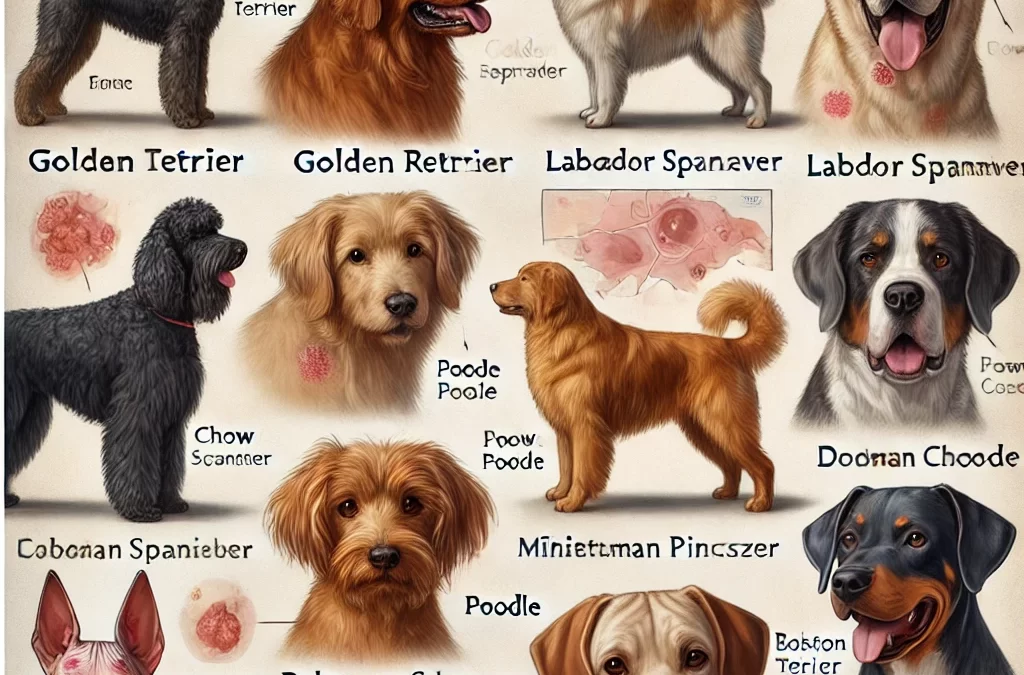
Research and veterinary case studies suggest that the following breeds have a higher risk of developing melanoma:
- Scottish Terrier – Often linked to skin melanoma, especially in sun-exposed areas.
- Golden Retriever – Prone to various cancers, including melanoma, particularly in their mouths.
- Labrador Retriever – Increased cases of oral melanoma have been reported.
- Cocker Spaniel – Higher occurrence of melanoma, particularly in the eyes (ocular melanoma).
- Chow Chow – Their dark pigmentation increases susceptibility to oral melanoma.
- Poodle – Miniature and standard Poodles have been diagnosed with nail bed melanoma.
- Dachshund – More likely to develop skin melanoma due to genetic factors.
- Doberman Pinscher – Higher incidence of oral and nail bed melanomas.
- Miniature Schnauzer – Prone to both skin and oral melanoma.
- Boston Terrier – Increased risk of skin melanoma, especially in lighter-colored individuals.
Environmental & Lifestyle Factors That Increase Risk
Even if a dog is not from a high-risk breed, external factors can still influence melanoma development:
- Sun exposure – Dogs with lighter skin or thin fur are at risk of UV-induced skin melanoma.
- Oral hygiene – Poor dental care can contribute to inflammation, potentially increasing oral melanoma risks.
- Age – Older dogs are more prone to cellular mutations that lead to melanoma.
- Toxins & diet – Chemical exposure and a lack of antioxidants in a dog’s diet may play a role in cancer susceptibility.
Preventive Measures for Dog Owners
- Routine vet check-ups – Early detection is crucial, especially for high-risk breeds.
- Oral and skin examinations – Regularly check inside your dog’s mouth, paws, and skin for unusual growths.
- Sunscreen protection – Light-skinned dogs should avoid excessive sun exposure, and pet-safe sunscreen can help.
- A balanced diet – Antioxidants and omega-3 fatty acids can support immune function and reduce inflammation.
- Maintain oral health – Brushing your dog’s teeth and providing dental chews may lower oral melanoma risks.
Final Thoughts
While melanoma is an aggressive cancer, awareness of breed-specific risks and proactive care can help in early detection and prevention. Regular check-ups, a healthy diet, and vigilant monitoring can make a significant difference in a dog’s health. If you notice any unusual lumps, especially in your dog’s mouth, seek veterinary advice as soon as possible.
