Recognizing Subtle Signs of Cancer in Pets That Most Pet Owners Overlook
Cancer is a leading cause of death in pets, but many of its early warning signs are easy to miss. Unlike obvious symptoms such as weight loss or large lumps, subtle indicators often go unnoticed by pet parents, which can delay diagnosis and treatment. Being aware of these subtle signs could make all the difference in detecting cancer early and improving your pet’s prognosis.
Common Yet Overlooked Signs of Cancer in Pets
- Changes in Eating Habits
If your pet suddenly becomes a picky eater or shows a drastic change in appetite, it may be an early sign of cancer. Tumors affecting the gastrointestinal system, mouth, or throat can cause discomfort or difficulty eating. Even if your pet seems to just prefer certain foods over others, it’s important to monitor their eating patterns closely. - Lethargy and Unexplained Fatigue
A sudden lack of energy or reluctance to engage in regular activities can be an early sign of cancer. While many pet owners may attribute this to aging, persistent fatigue, or reduced activity levels can indicate underlying health issues, including cancer. - Unusual Lumps or Swellings
Not all lumps are easily noticeable, especially in pets with thick fur. Swellings that develop under the skin or in hard-to-reach areas (such as between the toes or on the tail) may go unnoticed. Regularly checking your pet’s body for unusual growths is crucial. - Weight Loss or Gain
Unexpected weight loss can be one of the clearest signs of cancer in pets. However, some pet parents may overlook this symptom, especially in long-haired pets where weight changes are less obvious. On the flip side, certain tumors can lead to fluid retention, resulting in sudden weight gain. - Persistent Coughing or Difficulty Breathing
A chronic cough, especially one that doesn’t seem to be associated with respiratory infections, can be a subtle sign of cancer, particularly lung cancer. If your pet develops labored breathing or has a dry, unproductive cough, it’s important to get a veterinary evaluation. - Changes in Bathroom Habits
Cancer in the digestive system or bladder can cause changes in a pet’s bathroom habits. Look for persistent diarrhea, constipation, blood in the stool, or difficulty urinating. These changes might be subtle, but they could indicate a more serious underlying condition. - Bad Breath or Oral Discomfort
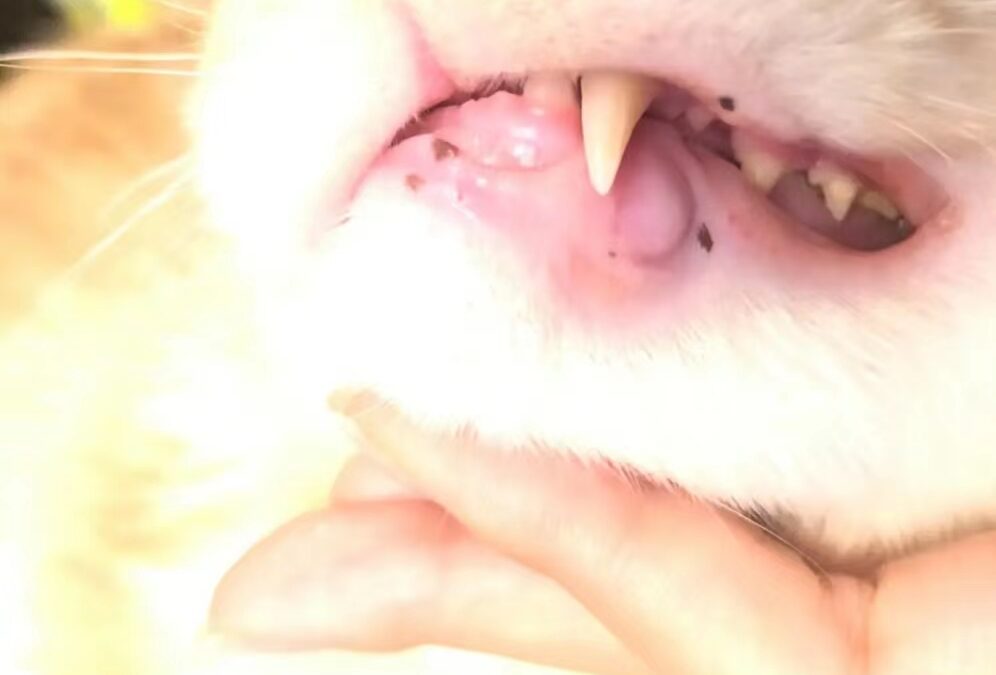
While bad breath in pets is often associated with dental disease, it can also be a sign of oral tumors. If your pet shows signs of mouth pain, excessive drooling, or bleeding gums, it’s worth investigating further to rule out the possibility of cancer. - Wounds That Won’t Heal
If your pet has sores or wounds that take an unusually long time to heal, it could be a sign of cancer. Persistent wounds or infections may be the result of a weakened immune system caused by the disease. - Behavioral Changes
If your normally friendly and social pet becomes withdrawn, irritable, or aggressive, it could be a sign of discomfort or pain. Behavioral changes may be an early indicator of internal issues, including cancer.
Why Early Detection Matters
Detecting cancer in pets early can significantly improve treatment options and outcomes. Regular check-ups and routine monitoring of your pet’s health are key to catching potential warning signs before the disease progresses. If you notice any of these subtle changes in your pet, it’s essential to consult your veterinarian for further examination and testing.
Many pet parents overlook subtle signs of cancer in their pets, often attributing changes to aging or minor health issues. By staying vigilant and paying attention to small changes in behavior, appetite, or physical condition, you can help ensure early detection and treatment of cancer, potentially saving your pet’s life.