by TCMVET | Dec 11, 2025 | Dog Cancer & Tumors
“GWP cancer risks, early tumor signs in German Wirehaired Pointers, common cancers in this breed” are important topics for any owner of this energetic, versatile hunting dog. While most German Wirehaired Pointers live active, happy lives into their senior years, they do have some breed tendencies that make understanding tumors and cancer especially helpful for long-term care and early detection.
—
A. Breed Overview: German Wirehaired Pointer Health Profile
German Wirehaired Pointers (GWPs) are medium-to-large, athletic dogs originally bred for versatile hunting work on land and in water. They are:
– Size: Typically 50–70 pounds, muscular and athletic
– Coat: Harsh, wiry coat with a dense undercoat and distinctive facial furnishings
– Temperament: Intelligent, energetic, loyal, and often strongly bonded to their family
– Lifespan: Commonly around 12–14 years, sometimes longer with good care
As a sporting breed, GWPs are generally robust, but like many medium-to-large dogs, they can be predisposed to certain health conditions, including some types of tumors and cancers. While they are not at the very top of cancer-prone breeds, veterinary reports and breed health discussions suggest that GWPs may be at increased risk for:
– Some skin and soft tissue tumors
– Cancers related to internal organs (such as spleen or liver)
– Bone and joint-related issues that can occasionally be linked with tumors
Knowing these tendencies allows owners to be proactive with screening and senior care.
—
B. Tumor and Cancer Risks for German Wirehaired Pointers
When looking at common cancers in this breed, it helps to remember that not every GWP will develop cancer; rather, these are patterns seen more often than average in similar hunting and sporting breeds.
1. Mast Cell Tumors (Skin Cancer)
Mast cell tumors are one of the most frequently seen skin cancers in dogs overall, and active, outdoor breeds like GWPs often have multiple skin lumps and bumps over their lifetime.
– Where they appear: On the skin, often as raised, sometimes itchy or inflamed lumps
– Why GWPs might be affected: Their exposure to the elements, minor skin injuries, insect bites, and genetic factors may all play a role
– Key concern: Some mast cell tumors behave aggressively and spread, while others are more benign in behavior—only a veterinarian can tell which is which through testing
2. Soft Tissue Sarcomas
Soft tissue sarcomas are tumors that arise from connective tissues such as fat, muscle, or fibrous tissue.
– Where they appear: Often as firm lumps under the skin or in deeper tissues
– Risk factors: Larger, athletic breeds like GWPs may see these more often than toy breeds
– Behavior: Some grow slowly, others more quickly, and some may spread to other areas of the body
3. Hemangiosarcoma (Spleen and Heart Cancer)
Hemangiosarcoma is a malignant cancer that arises from blood vessel lining cells. It is seen more commonly in some sporting and large breeds.
– Typical locations: Spleen, liver, heart, or skin
– Why relevant to GWPs: Their size and shared ancestry with other gundogs (like German Shorthaired Pointers) mean they may have a similar risk profile
– Key danger: Internal hemangiosarcoma can be silent until a tumor ruptures, causing sudden internal bleeding and collapse
4. Lymphoma
Lymphoma is a cancer of lymphocytes (a type of white blood cell) and can involve lymph nodes, internal organs, or bone marrow.
– Signs: Enlarged lymph nodes (for example, under the jaw, in front of shoulders, behind knees), lethargy, weight loss
– Breed link: While not the top lymphoma-prone breed, GWPs fall into the general medium-to-large, active dog population where lymphoma is fairly common overall
5. Osteosarcoma (Bone Cancer)
Osteosarcoma is more typical in giant breeds, but medium-to-large, athletic dogs like GWPs are not exempt.
– Where it occurs: Usually the long bones of the legs
– Influence of size and activity: High-impact activity and larger frame may contribute to stress on bones over time, though the exact cause is multifactorial and not fully understood
Genetic and Physiological Factors in GWP Cancer Risk
Several factors may contribute to tumor risk in German Wirehaired Pointers:
– Size: Medium-to-large body size is associated with some internal and bone cancers.
– Activity level: High-energy dogs can experience more injuries and inflammation, which sometimes intersect with tumor risks later in life.
– Outdoor lifestyle: Increased sun exposure, insect bites, and minor injuries can contribute to skin and soft tissue issues.
– Family history: Lines with close relatives affected by cancer may carry higher genetic risk.
These influences do not mean your dog will get cancer—but they do highlight why regular monitoring and early checks matter.
—
C. Early Warning Signs Owners Should Watch For
Being familiar with early tumor signs in German Wirehaired Pointers can make an enormous difference in outcomes. Many cancers are easier to manage when found early.
1. Lumps and Bumps on the Skin or Under the Skin
Check your GWP’s body at least once a month:
– Run your hands slowly along the neck, shoulders, chest, back, belly, legs, and tail.
– Note any new lumps, or existing ones that:
– Grow in size
– Change texture (from soft to hard, or irregular)
– Ulcerate, bleed, or become scabby
– Become painful to the touch
When to call the vet:
– Any new lump that persists longer than 1–2 weeks
– Any lump that grows rapidly, bleeds, or seems painful
– Multiple lumps appearing in a short period
2. Changes in Appetite or Weight
GWPs are usually food-motivated and active. Red flags include:
– Gradual or sudden weight loss without a change in diet or exercise
– Reduced appetite or pickiness in a dog that normally eats well
– Belly swelling or a “pot-bellied” appearance despite weight loss elsewhere
3. Energy and Mobility Changes
Because GWPs are energetic by nature, changes here are often noticeable:
– Reluctance to run, jump, or climb stairs
– Stiffness, limping, or favoring one leg (could indicate joint pain, injury, or, in rare cases, bone tumors)
– General lethargy—spending much more time resting or avoiding play
4. Bleeding, Coughing, or Breathing Changes
Certain symptoms can signal more serious internal problems:
– Sudden weakness or collapse, especially with pale gums (could indicate internal bleeding)
– Persistent coughing or breathing changes not explained by exercise or allergies
– Unexplained nosebleeds or blood in urine or stool
5. At-Home Monitoring Tips
To stay on top of your GWP’s health:
– Create a “lump map”:
– Note the size and location of any lumps on a simple body diagram.
– Take photos next to a coin or ruler for comparison over time.
– Track weight:
– Weigh your dog monthly, or have the vet clinic weigh them regularly.
– Keep a symptom log:
– Record appetite, energy level, and any new signs (coughing, limping, vomiting).
Prompt veterinary attention is crucial if you see rapid changes, pain, difficulty breathing, sudden collapse, or non-healing sores.
—
D. Senior Care Considerations for German Wirehaired Pointers
As your GWP moves into their senior years (often around 8+ years), both general aging and cancer risk become more relevant.
How Aging Affects This Breed
Older GWPs commonly show:
– Slower recovery after long runs or hunts
– More stiffness, especially in the hips and knees
– Mild hearing or vision changes
– Gradual muscle loss if activity decreases
At the same time, the likelihood of both benign and malignant tumors increases with age.
1. Nutrition and Body Condition
Maintaining a healthy body condition is key:
– Avoid excess weight: Extra pounds put stress on joints and are associated with higher overall cancer risk in dogs.
– Senior-appropriate diet: Discuss with your veterinarian whether a senior or joint-supportive diet is appropriate. They can help ensure:
– Adequate but not excessive calories
– Appropriate protein for maintaining muscle
– Balanced fats, including omega-3s for general wellness
2. Exercise and Activity Adjustments
German Wirehaired Pointers usually stay active into old age, but may need modifications:
– Keep daily walks, but shorten duration or intensity if stiffness or fatigue appears.
– Swap repeated high-impact activities (like constant ball chasing on hard ground) for:
– Gentle off-leash walks (where safe)
– Swimming, if your dog enjoys water
– Mental games and scent work to exercise the brain
3. Joint Care and Pain Management
Arthritis and joint wear are common in older sporting dogs:
– Signs include limping, hesitation to jump, difficulty rising, or reduced interest in play.
– Pain management, joint-supportive diets, and supplements may help comfort but should always be chosen in consultation with a veterinarian.
– Addressing pain early can also make it easier to distinguish age-related stiffness from potential signs of bone or joint tumors.
4. Weight Control
For a senior GWP, even a small amount of extra weight is meaningful:
– Use a body condition score (BCS) (often 1–9 scale) guided by your vet.
– Adjust feeding if ribs are hard to feel or if your dog’s waist disappears from above.
5. Recommended Check-Up Intervals
For senior GWPs, consider:
– Vet visits at least every 6 months
– Regular:
– Physical exams (including thorough lump checks)
– Bloodwork and urinalysis as recommended
– Possible imaging (X-rays or ultrasound) if there are concerning signs
These visits allow earlier detection of subtle changes that may signal cancer or other serious disease.
—
E. General Tumor Prevention & Wellness Support
No method can guarantee your German Wirehaired Pointer will never develop cancer. However, you can support overall health and potentially reduce some risk factors.
1. Maintain a Healthy Weight and Body Condition
This is one of the most powerful lifestyle steps:
– Measure food portions instead of free-feeding.
– Limit high-calorie extras and treats; use training treats in small sizes.
– Combine appropriate exercise with diet adjustments if your vet flags your dog as overweight.
2. Balanced Diet and Hydration
A complete, balanced diet suited to your dog’s life stage and activity level helps support immune function and overall resilience.
– Choose high-quality commercial food or a carefully formulated home-prepared diet under veterinary guidance.
– Make sure fresh water is always available, especially for hard-working GWPs in the field.
3. Regular Physical Activity
Consistent, moderate exercise:
– Helps maintain muscle mass and a healthy weight
– Supports joint health and cardiovascular fitness
– Makes it easier to spot changes (a dog that suddenly tires quickly or limps is noticed sooner)
4. Reduce Environmental Risks
While not all risks can be avoided, you can:
– Limit exposure to secondhand smoke.
– Store lawn chemicals, pesticides, and rodent poisons safely away from pets.
– Rinse your dog after heavy use of lawn products, walking on treated grass, or swimming in unknown water sources.
– Protect pale-skinned or thin-coated areas from excessive sun exposure when possible.
5. Thoughtful Use of Supplements and “Natural” Support
Some owners explore:
– Joint supplements
– Omega-3 fatty acids
– General wellness supplements or herbs
These may support overall health, but:
– They do not cure or shrink cancer, and should never replace veterinary cancer care.
– Always discuss any supplement or “natural” product with your veterinarian, especially if your dog is on other medications or undergoing cancer treatment.
—
F. Integrative and Holistic Care as a Complement
For some families, integrative approaches can provide additional comfort and quality of life alongside modern veterinary care.
– Modalities such as acupuncture, massage, simple physical therapy exercises, or certain herbal approaches (guided by a vet experienced in integrative medicine) may help with:
– Pain relief
– Stress reduction
– Supporting overall vitality and resilience
These approaches should be understood as supportive, not curative:
– They should always be coordinated with your primary veterinarian or veterinary oncologist.
– The goal is to help your GWP feel as comfortable and active as possible, not to replace evidence-based treatments recommended by your vet.
—
Conclusion
German Wirehaired Pointers are resilient, hardworking dogs, but like many athletic, medium-to-large breeds, they can be prone to certain skin, soft tissue, blood vessel, and internal cancers. Learning the key GWP cancer risks, recognizing early changes such as new or changing lumps, appetite shifts, lethargy, or unexplained bleeding, and seeking prompt veterinary evaluation can significantly improve options and outcomes. With thoughtful senior care, regular check-ups, and ongoing communication with your veterinarian, you can give your GWP the best chance for a long, active, and comfortable life.
by TCMVET | Dec 11, 2025 | Dog Cancer & Tumors
Shiba Inu cancer risks, early tumor signs in Shibas, common cancers in this breed are topics every Shiba guardian should understand, especially as these spirited little dogs move into their middle and senior years. While not the most cancer-prone breed, Shiba Inus are living longer than ever, which naturally increases the chances of facing tumors or cancer at some point in their lives.
Below is a practical, breed-focused guide to help you recognize potential warning signs early, support your Shiba’s health, and work closely with your veterinarian over your dog’s lifetime.
—
A. Breed Overview: The Shiba Inu in a Health Context
The Shiba Inu is a small to medium-sized spitz-type dog, typically weighing 17–23 pounds and standing about 13.5–16.5 inches tall. They are:
– Independent and alert
– Loyal and affectionate with family
– Energetic but not hyperactive
– Known for their “fox-like” appearance and confident personality
Typical lifespan is around 12–16 years when well cared for. Because they often reach their teens, age-related problems—including tumors—are not unusual.
From current veterinary literature and breed reports:
– Shibas are not at the very top of cancer-prone breed lists like Boxers or Golden Retrievers.
– However, they do experience many of the common canine cancers, especially as they age.
– Some reports and clinical experience suggest a predisposition to:
– Skin tumors (including mast cell tumors)
– Oral and dental-related issues that can sometimes hide tumors
– Internal cancers that may remain silent for a long time
Like all breeds, individual dogs vary, and lifestyle, genetics, and environment all play roles in whether cancer develops.
—
B. Shiba Inu Cancer Risks & Common Tumor Types
1. Skin Tumors, Including Mast Cell Tumors
Shibas have a dense double coat and relatively light skin in many individuals, which can make skin changes hard to see at first.
Common issues include:
– Benign lumps such as lipomas (fatty tumors)
– Mast cell tumors (MCT), a type of skin cancer that can look like:
– A small “bug bite” bump
– A raised, red or pink lump
– A lesion that seems to change size or appearance
Because the Shiba’s thick coat can hide lumps, owners may miss small changes until they become larger. Regular “hands-on” exams at home are especially important for this breed.
2. Soft Tissue Sarcomas
Soft tissue sarcomas are tumors that arise from connective tissues (muscle, fat, fibrous tissue). In Shibas, they may appear as:
– Firm, sometimes deep-seated lumps under the skin
– Masses that slowly enlarge over months
These tumors can be benign or malignant; only a veterinarian, with tests like a biopsy, can tell which is which.
3. Lymphoma
Lymphoma is a cancer of the lymphatic system, and like in many breeds, Shibas can be affected. Risk factors include:
– Age (more common in middle-aged to older dogs)
– Possible genetic components shared across many dog breeds
Signs of lymphoma can be subtle at first, such as:
– Enlarged lymph nodes under the jaw, in front of the shoulders, or behind the knees
– Decreased energy, weight loss, or poor appetite
4. Hemangiosarcoma (Spleen, Liver, Heart)
Hemangiosarcoma is a cancer of blood vessel cells. It is widely reported in larger breeds, but small and medium breeds, including Shibas, can develop it as well.
This cancer:
– May grow silently inside organs like the spleen or liver
– Often doesn’t cause visible signs until bleeding occurs
– Is more common in older dogs
Because Shibas often remain active even into their teens, a sudden collapse or weakness in an older Shiba should always be taken seriously and checked urgently.
5. Oral and Dental-Associated Tumors
Shibas have relatively small muzzles and can be prone to dental crowding or tartar if dental care is neglected. Hidden in the mouth, tumors can be missed until they are advanced.
Oral tumors may appear as:
– Thickened, swollen, or bleeding areas of gum
– Loose teeth not explained by normal wear and tear
– Bad breath that doesn’t improve with routine dental cleaning
—
C. Early Warning Signs Owners Should Watch For
Recognizing changes early is one of the most powerful things you can do for your Shiba.
1. New or Changing Skin Lumps
Because of their dense coat, Shibas benefit from a monthly “nose-to-tail” check:
– Run your hands slowly over the entire body, including:
– Behind ears
– Under the collar
– Inside thighs and armpits
– Along the chest and belly
– Note any:
– New lumps
– Lumps that feel harder or larger
– Areas that seem sore when touched
Use a simple log (or your phone) to note:
– Date found
– Location (“nickel-sized lump on right ribcage”)
– Approximate size (compare to a coin or pea)
When to call your vet promptly:
– Any newly discovered lump
– A lump that grows, changes color, or becomes ulcerated
– A lump that makes your Shiba lick, scratch, or act uncomfortable
2. Weight Loss, Appetite Changes, and Energy Levels
Shibas usually have good appetites and a steady body condition. Watch for:
– Gradual or sudden weight loss without a diet change
– Eating less, or seeming hungry but giving up quickly
– New pickiness in a dog that usually eats well
– Less interest in walks or play, more sleeping or “slowing down”
These signs can have many causes, but in older Shibas, they warrant a veterinary visit—especially if they persist more than a week or two.
3. Mobility, Pain, and Behavior Changes
Aging Shibas may have arthritis and joint pain. However, pain or stiffness can also accompany internal tumors.
Monitor for:
– Difficulty jumping onto the couch or into the car
– Reluctance to climb stairs or go for normal walks
– Whining, panting, or restlessness at night
– Sudden withdrawal or irritability
Any noticeable, ongoing change in behavior merits a conversation with your vet.
4. Bleeding, Coughing, or Other Concerning Symptoms
Contact your veterinarian promptly if you notice:
– Nosebleeds, gum bleeding, or blood in vomit or stool
– Persistent cough, heavy breathing, or exercise intolerance
– Unexplained bruising or tiny red spots on the gums or skin
– Distended belly, especially if your Shiba seems weak or pale
These are not always signs of cancer, but they can indicate serious internal problems that need rapid evaluation.
—
D. Senior Care Considerations for Shibas
As Shibas age—often into their teens—cancer risk naturally increases. Proactive senior care can help detect problems earlier and support quality of life.
1. Nutrition and Body Condition
Shibas often gain weight easily if overfed or under-exercised. Extra weight can:
– Stress joints and worsen arthritis
– Complicate anesthesia and surgery if a tumor must be removed
– Possibly contribute to chronic inflammation in the body
Helpful steps:
– Work with your vet to keep your Shiba at an ideal body condition
– Adjust food amounts as activity levels change
– Choose age-appropriate diets that support joint, kidney, and overall health (your vet can guide brand and type)
2. Exercise and Activity Adjustments
Senior Shibas still need movement, but intensity should match their abilities:
– Several shorter walks rather than one long, strenuous outing
– Gentle hill work or stairs, if tolerated, to maintain muscle mass
– Low-impact play such as scent games or indoor fetch
Regular but moderate exercise helps:
– Maintain healthy weight
– Support joint function and muscle tone
– Keep you familiar with your dog’s normal breathing and endurance, making it easier to spot changes
3. Joint Care and Pain Management
Arthritis is common with age and can mask or mimic signs of cancer-related pain. Discuss with your vet:
– Safe pain-relief strategies for long-term use
– Joint-supportive diets or supplements (if appropriate)
– Physical therapy or gentle home exercises
Never start pain medications or supplements without veterinary advice, as some can interact with other medications or underlying diseases.
4. Wellness Exams and Screening
For a healthy adult Shiba, yearly checkups are usually recommended. For seniors (often age 8+):
– Every 6 months for wellness exams is a reasonable goal
– Periodic screening tests such as:
– Bloodwork
– Urinalysis
– Possibly imaging (X-rays, ultrasound) if concerns arise
Discuss breed- and age-appropriate screening with your vet. Even subtle lab changes or minor physical findings can be early clues that something more serious is developing.
—
E. General Tumor Prevention & Wellness Support
No lifestyle choice can guarantee a cancer-free life, but healthy habits can support overall resilience and may reduce certain risks.
1. Maintain a Healthy Weight
For Shibas especially:
– Monitor body shape—your dog should have a visible waist and ribs you can feel easily under a thin fat layer.
– Measure food, rather than free-feeding.
– Adjust calories promptly if you notice weight creeping up.
2. Balanced Diet and Hydration
A complete, balanced diet that matches your Shiba’s life stage and health status is essential:
– Choose foods that meet recognized nutritional standards (ask your vet what to look for).
– Provide fresh water at all times.
– Avoid frequent high-fat table scraps, which can strain the pancreas and contribute to obesity.
Some owners explore diets that include omega-3 fatty acids, antioxidants, or other supportive nutrients. These may have general health benefits, but:
– They should never be viewed as cancer cures.
– Any new diet or supplement should be discussed with your veterinarian first, particularly if your Shiba has an existing illness.
3. Regular Physical and Mental Activity
Engaged, active Shibas tend to age more gracefully:
– Daily walks adapted to fitness level
– Training refreshers and mental games to keep the brain sharp
– Social interaction and enrichment toys
Good circulation, muscle mass, and mental health all contribute to overall well-being.
4. Minimize Environmental Risks Where Possible
While not all risks can be eliminated, you can:
– Avoid second-hand smoke exposure
– Use pet-safe cleaning products and lawn treatments when feasible
– Prevent excessive unprotected sun exposure on lightly pigmented skin (such as the nose or belly)
Always be cautious with pesticides, rodent poisons, and other chemicals, and store them out of reach.
—
F. Integrative and Holistic Support (As a Complement Only)
Some Shiba owners are interested in complementary approaches, such as:
– Acupuncture
– Massage therapy
– Gentle herbal or nutritional support
– Traditional or TCM-inspired wellness strategies aimed at supporting vitality and balance
These approaches may:
– Help with comfort, mobility, and stress
– Support appetite or overall resilience alongside conventional care
However:
– They should never replace diagnostic testing, surgery, chemotherapy, radiation, or other evidence-based treatments when those are recommended.
– Any integrative therapy should be overseen by a veterinarian, ideally one with additional training in holistic or integrative medicine, to avoid interactions or side effects.
—
Conclusion
Shiba Inu cancer risks rise with age, and common cancers in this breed often involve the skin, soft tissues, lymph system, internal organs, or mouth. By learning the early tumor signs in Shibas—new lumps, weight or appetite changes, altered energy, unexplained bleeding or breathing changes—you can act quickly if something seems off. Partnering closely with your veterinarian for regular exams, age-appropriate screening, and tailored senior care gives your Shiba the best chance for early detection and a comfortable, well-supported life at every stage.
by TCMVET | Dec 11, 2025 | Dog Cancer & Tumors
Pit Bull cancer risks, early tumor symptoms in Pit Bulls, common cancers in this breed are concerns many devoted owners eventually face as their dogs age. Because these muscular, affectionate companions often hide discomfort, it’s especially important for guardians to understand their specific health vulnerabilities and how to spot subtle changes early.
—
A. Breed Overview: What Makes Pit Bulls Unique?
“Pit Bull” is a broad term often used for the American Pit Bull Terrier, American Staffordshire Terrier, Staffordshire Bull Terrier, and similar bully breeds. While each has its own standard, they share many traits:
– Temperament: Generally people-oriented, affectionate, and energetic. Many are highly social and eager to please.
– Size: Medium-sized, often 30–70 pounds depending on type and lineage.
– Build: Muscular, athletic, with short coats and strong jaws.
– Lifespan: Commonly 12–15 years with good care, though this varies.
– Common traits: High pain tolerance, strong prey drive in some lines, and a tendency to be very “stoic” even when unwell.
Current evidence and clinical experience suggest that bully breeds, including Pit Bulls, may have a higher incidence of certain skin tumors and mast cell tumors compared with some other breeds. They can also be prone to issues like knee injuries and allergies, which sometimes complicate the picture when trying to identify more serious problems such as cancer.
—
B. Tumor and Cancer Risks for Pit Bulls
While any dog can develop cancer, certain patterns are seen more often in this group. Below are some of the more frequently reported tumor types and cancers in bully breeds.
1. Mast Cell Tumors (MCTs)
Mast cell tumors are among the most common skin cancers in many short-coated breeds, including Pit Bulls.
– Often appear as lumps or bumps in or under the skin—they can be small and “insect bite–like,” or larger, firm nodules.
– They may change size (swell then shrink) over days or weeks.
– Common on the trunk, limbs, or around the muzzle, but can occur anywhere.
Pit Bulls’ short coats make skin changes easier to see, but their tendency to get minor skin issues (allergies, scrapes) can lead owners to overlook a persistent lump. Genetics and immune system factors are thought to contribute to risk.
2. Soft Tissue Sarcomas
Soft tissue sarcomas are cancers that arise from connective tissues such as muscle, fat, or fibrous tissue.
– Usually present as firm, deep-seated masses under the skin.
– May start small and slowly enlarge over months.
– Often not painful at first, which fits with the breed’s stoic nature.
Because Pit Bulls often have strong, well-defined muscles, these tumors can be mistaken for “just muscle” or a benign fatty lump, leading to delayed evaluation.
3. Lymphoma
Lymphoma is a cancer of the lymphatic system that can affect any dog.
– May cause enlarged lymph nodes (under the jaw, in front of the shoulders, behind the knees, or in the groin).
– Some dogs show lethargy, weight loss, or decreased appetite.
– Not specifically a “Pit Bull disease,” but it is commonly seen in general practice across breeds.
Pit Bulls’ enthusiasm and drive can mask fatigue early on, so small changes in energy level may be overlooked.
4. Skin and Subcutaneous Tumors (Including Lipomas)
Bully breeds frequently develop various benign and malignant skin and under-the-skin masses, including:
– Lipomas: Usually benign fatty tumors, soft and movable.
– Other non-cancerous growths (like warts or cysts).
– Malignant tumors that may initially resemble harmless lumps.
Because this breed can develop many benign masses, it’s risky to “assume” a new lump is harmless. Only a veterinarian can distinguish benign from malignant using tests like fine needle aspirates or biopsies.
5. Bone Tumors (Less Common but Serious)
Large and giant breeds are more classic candidates for bone cancer (osteosarcoma), but it can occasionally occur in Pit Bulls:
– Often affects the long bones of the legs.
– Can present as limping, swelling, or sudden pain.
– May be mistaken for a sprain or arthritis at first.
The strong athletic build and frequent high-energy activities in Pit Bulls mean lameness is sometimes attributed to injury, delaying more serious investigation.
—
C. Early Warning Signs Owners Should Watch For
Recognizing early changes is one of the most powerful things you can do for your Pit Bull’s health. While these signs are not proof of cancer, they are reasons to call your veterinarian.
1. New or Changing Lumps and Bumps
Watch for:
– Any new lump—large or small, soft or firm.
– A lump that grows, changes shape, or changes texture.
– A mass that becomes red, itchy, ulcerated, or bleeds.
– Areas where your dog licks or chews repeatedly.
At-home monitoring tips:
– Once a month, do a gentle “nose-to-tail” exam:
– Run your hands over the entire body.
– Note any lumps on a simple chart or in a phone note (size, location, date).
– If a lump:
– Appears suddenly,
– Is larger than a pea,
– Persists longer than a month, or
– Changes in any way
→ Schedule a veterinary check.
2. Weight Loss and Appetite Changes
Keep an eye on:
– Unplanned weight loss, even if your Pit Bull is eating.
– A noticeable drop in appetite or pickiness in a dog that usually loves food.
– Increased thirst or changes in drinking/urination patterns.
Subtle loss of muscle over the head, spine, or hips can be an early clue something systemic is going on.
3. Lethargy, Pain, and Mobility Issues
Pit Bulls often push through discomfort, so even mild changes matter:
– Reluctance to jump into the car or onto furniture.
– Limping that does not improve within a few days.
– Decreased interest in play, shorter walks, or needing more rest.
– Whining, flinching, or avoiding touch in certain areas.
Any unexplained pain or persistent lameness should be discussed with your vet, especially in middle-aged and older dogs.
4. Bleeding, Coughing, or Other Concerning Symptoms
Seek prompt veterinary care if you notice:
– Persistent coughing, especially with exercise.
– Difficulty breathing or rapid breathing at rest.
– Unexplained bruising, nosebleeds, or bleeding from the mouth or rectum.
– Vomiting or diarrhea that lasts more than a day or two.
– Straining to urinate or defecate.
While these symptoms can have many causes, some are associated with cancers of the spleen, lungs, gastrointestinal tract, or blood.
—
D. Senior Care Considerations for Pit Bulls
As Pit Bulls age, their risk for tumors and cancer naturally increases, just as it does in people. Thoughtful senior care can help spot issues sooner and support comfort and longevity.
How Aging Typically Affects Pit Bulls
Common age-related changes include:
– Decreased muscle mass and potential weight gain or loss.
– Slower recovery from exercise or minor injuries.
– More obvious joint stiffness, especially in knees and hips.
– Increased likelihood of skin lumps and dental disease.
Nutrition and Body Condition
Aim to keep your Pit Bull at a lean, muscular weight:
– You should be able to feel—but not see—ribs easily.
– Maintain strong muscle by providing adequate high-quality protein (discuss exact diet with your vet).
– Adjust calories if your dog is slowing down to avoid obesity, which can complicate arthritis and other health issues.
Exercise and Activity Adjustments
Older Pit Bulls still benefit from daily activity:
– Opt for shorter, more frequent walks rather than intense, long sessions.
– Include gentle play and mental enrichment (sniff walks, puzzle feeders).
– Avoid high-impact activities if there are joint issues or prior injuries.
Regular, moderate exercise helps maintain muscle tone, joint flexibility, and a healthy weight—all important for overall resilience.
Joint Care and Pain Management
Arthritis and old sports injuries are common in athletic breeds:
– Watch for hesitation on stairs, difficulty lying down or getting up, or lagging behind on walks.
– Your veterinarian may suggest:
– Prescription pain relief if needed.
– Joint-supportive strategies such as controlled exercise, appropriate bedding, and sometimes supplements.
– Never start a pain medication or supplement without veterinary guidance, as some products can interfere with other conditions or medications.
Veterinary Check-Ups and Screening
For middle-aged and senior Pit Bulls (around 7+ years, or earlier if advised):
– Consider wellness exams every 6 months instead of once a year.
– Ask your vet about:
– Routine bloodwork and urinalysis.
– Periodic chest or abdominal imaging if indicated by exam or history.
– Regular oral exams to monitor for dental problems and oral tumors.
Frequent check-ups improve the chance of catching problems early, when more options may be available.
—
E. General Tumor Prevention & Wellness Support
No strategy can guarantee that a dog will never develop cancer, but you can reduce some risk factors and support your Pit Bull’s overall health.
Healthy Weight and Body Condition
Obesity has been linked to shorter lifespans and higher risk of several diseases:
– Feed measured meals rather than free-feeding.
– Use low-calorie treats and factor them into daily calories.
– Adjust food intake as activity levels change with age or season.
Appropriate Diet and Hydration
A balanced, complete diet and good hydration support immune function and tissue health:
– Choose a diet that meets AAFCO or equivalent standards for your dog’s life stage.
– Provide fresh water at all times and monitor intake for sudden changes.
– If considering home-prepared or alternative diets, work with a veterinarian or board-certified veterinary nutritionist to avoid nutrient imbalances.
Regular Physical Activity
Consistent movement helps maintain weight, muscle mass, and mental well-being:
– Combine aerobic activity (walks, play) with brain work (training, scent games).
– Tailor intensity to your individual dog’s age, fitness, and medical status.
Minimizing Environmental Risks
While not all risks are controllable, you can:
– Limit exposure to secondhand smoke and harsh chemicals where possible.
– Use pet-safe lawn and household products when feasible.
– Protect skin from excessive sun in pale or thinly coated areas (ask your vet about appropriate methods).
Thoughtful Use of Supplements and “Natural” Support
Some owners explore options like:
– Omega-3 fatty acids for general wellness.
– Joint-supportive supplements.
– Gentle herbal or nutraceutical products aimed at immune support.
These may have a role in an overall wellness plan, but:
– Evidence for cancer prevention is limited.
– Some products can interact with medications or underlying conditions.
Always discuss any supplement or integrative product with your veterinarian before starting it.
—
F. Integrative Care: Complementing (Not Replacing) Modern Treatment
For Pit Bulls diagnosed with tumors or cancer, some families choose to combine conventional veterinary care with integrative approaches. These might include:
– Acupuncture or massage to support comfort and mobility.
– Rehabilitation exercises to maintain strength during or after treatment.
– Gentle, traditional wellness frameworks (such as Chinese medicine concepts of “balance” and “vitality”) to guide supportive care choices.
These approaches are best used as complements, not substitutes, for evidence-based diagnostics and treatments like surgery, radiation, or chemotherapy when recommended. A veterinarian familiar with both conventional and integrative methods can help create a safe, individualized plan that respects your dog’s needs and your goals.
—
Conclusion
Pit Bulls are resilient, loving dogs, but they do face meaningful risks for certain skin tumors, mast cell tumors, and other cancers as they age. By learning about Pit Bull cancer risks, early tumor symptoms in Pit Bulls, common cancers in this breed, you can spot subtle changes sooner and seek timely veterinary help. Regular hands-on checks at home, consistent senior wellness exams, and a focus on healthy weight, diet, and activity create a strong foundation for long-term health. Partner closely with your veterinarian to monitor your Pit Bull’s unique needs over time and to address any new lump, symptom, or behavior change without delay.
by TCMVET | Dec 11, 2025 | Dog Cancer & Tumors
Chihuahua cancer risks, early tumor symptoms in Chihuahuas, common cancers in this breed are important topics for any owner of these tiny, spirited dogs to understand. Chihuahuas are known for their big personalities, compact size (typically 3–6 pounds), and long lifespans—often 14–16 years or more. Their loyalty and tendency to bond closely with one person make them beloved companions, but their longer lifespan also means they spend many years as seniors, when tumors and cancers become more likely. While Chihuahuas are not at the very top of the “high-cancer-risk” list compared with some large breeds, they do have certain tumor types seen more often, especially involving the mouth, skin, and mammary glands.
Below, you’ll find a structured, owner-friendly guide to tumor and cancer concerns specific to Chihuahuas, what to watch for, and how to support them as they age.
—
A. Breed Overview: Health Profile of the Chihuahua
Chihuahuas are:
– Size: Toy breed, usually under 6 pounds
– Coat types: Smooth coat or long coat, in many colors
– Temperament: Alert, bold, affectionate with their family, often wary of strangers
– Lifespan: Commonly 14–16 years, sometimes longer with good care
Because they are long-lived, age-related conditions, including tumors and cancers, tend to show up in their later years. Certain issues appear somewhat more often in this breed:
– Oral tumors and dental disease: Their small mouths are crowded, which can increase dental problems and sometimes oral masses.
– Mammary tumors: Especially in females who are not spayed or are spayed later in life.
– Skin and subcutaneous (under the skin) growths: As in many small breeds, benign and malignant lumps can occur on the body.
This doesn’t mean your Chihuahua will develop cancer, only that it’s wise to be proactive and informed.
—
B. Understanding Chihuahua cancer risks, early tumor symptoms in Chihuahuas, common cancers in this breed
While any dog can develop almost any type of tumor, some patterns are more common in Chihuahuas. Below are several tumor types and risk factors that owners should be aware of.
1. Mammary (Breast) Tumors
In intact female Chihuahuas or those spayed later in life, mammary tumors are one of the more frequent concerns.
– Where they appear: Along the belly, in a chain of mammary glands from the chest to the groin.
– Risk factors:
– Being unspayed or spayed after multiple heat cycles
– Age (more common in middle-aged and older females)
Some mammary tumors are benign, while others are malignant. Early detection of any small lump along the mammary chain is important.
2. Oral Tumors
Because Chihuahuas have very small jaws and often crowded teeth, oral health issues are common, and sometimes masses can develop in the mouth.
– Common areas: Gums, tongue, lips, or the roof of the mouth
– Why they’re missed: Many dogs hide mouth pain and owners may not look inside the mouth regularly
Not every bump or area of inflammation in the mouth is cancer, but persistent or growing lesions need a prompt veterinary exam.
3. Skin and Subcutaneous Masses
Chihuahuas, like many small and toy breeds, can develop lumps on or under the skin:
– Types can include:
– Benign fatty lumps (lipomas)
– Sebaceous gland tumors
– Mast cell tumors or other malignant skin tumors
Their thin skin and small body size make lumps easier to feel early—if you regularly check them. However, you can’t tell if a lump is “safe” just by appearance or feel; your veterinarian may need to sample it with a needle or biopsy.
4. Oral and Nasal Melanoma or Other Pigmented Tumors
Darkly pigmented areas inside the mouth or on the lips can sometimes develop melanocytic tumors, which range from benign to malignant.
– Risk factors: Dark pigmentation in the mouth or lips can make changes harder to notice.
– Why it matters: Oral melanomas can be aggressive, so early detection is particularly important.
5. Other Internal Cancers
Older Chihuahuas, like other senior dogs, can also develop internal cancers such as:
– Lymphoma (a cancer of the lymphatic system)
– Liver or spleen tumors
– Bladder tumors
These may not be visible on the outside, so awareness of subtle behavior or health changes is key.
—
C. Early Warning Signs Owners Should Watch For
Spotting early tumor symptoms in Chihuahuas often comes down to knowing what’s normal for your dog and noticing small changes.
1. Skin and Body Lumps
Check your Chihuahua from nose to tail every few weeks:
– Run your fingers gently over the neck, chest, belly, back, legs, and tail.
– Look for:
– New lumps or bumps
– Existing lumps that are growing, changing shape, or becoming firmer
– Lumps that are red, ulcerated, or bleeding
When to call the vet promptly:
– Any lump that appears suddenly
– Any mass that grows noticeably over a few weeks
– Lumps that cause pain, bleeding, or interfere with walking or grooming
2. Mouth and Dental Changes
Due to their dental crowding, oral changes are especially important in Chihuahuas.
Watch for:
– Bad breath that’s worse than usual
– Drooling, pawing at the mouth, or difficulty chewing
– Dropping food, favoring one side of the mouth
– Bleeding from the gums, tongue, or lips
– Visible masses, darkened areas, or “cauliflower” growths in the mouth
Make it a habit to gently lift your dog’s lips and look at the teeth and gums regularly. If your dog resists or you see anything suspicious, schedule a veterinary dental exam.
3. General Signs: Behavior and Body Changes
Tumors, especially internal ones, may cause more subtle changes:
– Weight loss despite eating normally, or reduced appetite
– Lethargy or less interest in play and walks
– Coughing or difficulty breathing
– Vomiting or diarrhea that persists
– Difficulty urinating or blood in the urine
– Stiffness, lameness, or signs of pain when picked up or handled
At-home monitoring tips:
– Weigh your Chihuahua monthly using a small scale. Unexplained weight loss deserves attention.
– Keep a simple health journal: note changes in appetite, stool, energy, and behavior.
– Trust your instincts—if your dog “just isn’t right” and the change lasts more than a few days, contact your veterinarian.
—
D. Senior Care Considerations for Chihuahuas
Because Chihuahuas often live well into their teens, they spend a large portion of life as “seniors,” when tumor and cancer risks naturally rise.
1. How Aging Affects This Breed
Common age-related changes include:
– Dental disease: Very common, can mask or mimic signs of oral tumors
– Joint discomfort: Particularly in the knees (luxating patellas) and spine
– Heart disease: Murmurs and heart enlargement can appear with age
– Slower metabolism: Predisposition to weight gain if food intake isn’t adjusted
These changes can complicate how tumors are detected and managed, making regular vet visits crucial.
2. Nutrition and Body Condition
Maintaining a healthy weight is one of the best ways to support overall health:
– Aim for a slim, well-defined waist when viewed from above.
– You should be able to feel, but not sharply see, the ribs.
– Senior Chihuahuas may benefit from:
– Slightly lower-calorie foods if weight gain is an issue
– Highly digestible, balanced diets appropriate for small dogs
Discuss any diet changes with your veterinarian, especially if your dog already has health conditions.
3. Exercise and Activity Adjustments
Chihuahuas are small, but they still need daily movement:
– Short, gentle walks or indoor play sessions help keep muscles and joints healthy.
– Avoid overexertion or jumping from high furniture, which can stress joints and spine.
– Watch for signs of fatigue, coughing, or stiffness after activity and mention them at checkups.
4. Joint Care and Pain Awareness
Subtle joint pain can reduce activity and mask other issues:
– Watch for reluctance to jump onto the couch or bed
– Note any limping, stiffness, or slow rising
– Discuss options such as:
– Joint-supportive diets or supplements
– Pain management strategies
Always consult your veterinarian before starting any joint supplement or pain medication.
5. Recommended Check-Up Intervals
For senior Chihuahuas (usually 8–10 years and older):
– Twice-yearly wellness exams are often recommended.
– Discuss with your vet whether routine bloodwork, urinalysis, or imaging (X-rays, ultrasound) is appropriate for early detection of internal problems.
– Ask your veterinarian to:
– Perform thorough oral and skin exams
– Palpate the lymph nodes, abdomen, and mammary glands
Regular visits build a health baseline, making changes easier to spot.
—
E. General Tumor Prevention & Wellness Support
No strategy can guarantee a tumor-free life, but you can reduce some risk factors and support overall resilience.
1. Maintain a Healthy Weight
Excess weight can:
– Increase stress on joints
– Contribute to chronic inflammation
– Complicate anesthesia and surgery if a mass needs removal
Use measured portions, appropriate treats, and regular exercise to keep your Chihuahua lean.
2. Balanced Diet and Hydration
Feed a complete, balanced diet formulated for small dogs, and provide fresh water at all times. Some owners explore diets with:
– High-quality proteins
– Appropriate levels of healthy fats
– Controlled calories for small, less-active seniors
Any changes in diet, including home-prepared or raw options, should be planned with a veterinarian to ensure safety and nutrient balance.
3. Regular Physical Activity
Consistent, moderate activity:
– Supports immune function and circulation
– Helps maintain a healthy body weight
– Keeps muscles and joints stronger in older age
Daily short walks and gentle indoor play are usually ideal for this small breed.
4. Limiting Environmental Risks
While not all risks are avoidable, you can:
– Avoid exposure to secondhand smoke
– Store cleaning products, pesticides, and lawn chemicals safely
– Use dog-safe, vet-recommended flea/tick/parasite preventives rather than untested remedies
If you’re concerned about any environmental factor, discuss it with your veterinarian.
5. Thoughtful Use of Supplements and “Natural” Support
Some owners are interested in herbs, antioxidants, or other supplements to support general wellness. When considering these:
– Keep expectations realistic—supplements cannot cure cancer or replace veterinary treatment.
– Quality and safety vary widely between products.
– Always consult your veterinarian before starting anything new, especially if your Chihuahua is on medications or has existing health conditions.
—
F. Optional Integrative Care: Complementing Modern Veterinary Medicine
Integrative or holistic approaches, such as acupuncture, massage, or traditional wellness philosophies (including some TCM-inspired practices), may help support comfort and overall vitality in dogs living with tumors or recovering from treatment.
These approaches can sometimes:
– Reduce stress and promote relaxation
– Support mobility and comfort
– Help some dogs cope better with age-related changes
However, they should never replace diagnostic workups, surgery, chemotherapy, radiation, or other treatments recommended by a veterinary professional. If you’re interested in integrative options, look for a veterinarian trained in both conventional and complementary therapies and coordinate care closely with your dog’s primary vet.
—
Conclusion
Chihuahuas are long-lived companions, which naturally increases the time frame in which tumors and cancers can appear. By understanding specific Chihuahua cancer risks, early tumor symptoms in Chihuahuas, common cancers in this breed, you’re better equipped to notice changes quickly and seek timely veterinary guidance. Regular home checks, twice-yearly senior exams, and open communication with your veterinarian provide the best chance of catching problems early and supporting a comfortable, healthy life for your tiny friend.
by TCMVET | Sep 11, 2024 | Dog Cancer & Tumors
Cancer is one of the leading causes of death in dogs, with the Flint Animal Cancer Center reporting that up to 50% of dogs succumb to the disease. Just like in humans, early detection is critical in increasing the chances of successful treatment. While many symptoms can be caused by other conditions, recognizing potential warning signs early on could make a big difference in your dog’s prognosis.
Key Signs and Symptoms of Canine Cancer
Here are some of the most common signs of cancer in dogs. If you notice any of these symptoms, it’s important to schedule a veterinary visit to rule out any serious conditions.
1. Collapsing or Weakness
Sudden weakness, lethargy, or collapsing can be a sign of a serious health issue, including cancer. Large breed dogs are particularly prone to tumors of the spleen, which can cause these symptoms. Even if your dog seems to recover quickly, it’s essential to have them checked by a vet immediately.
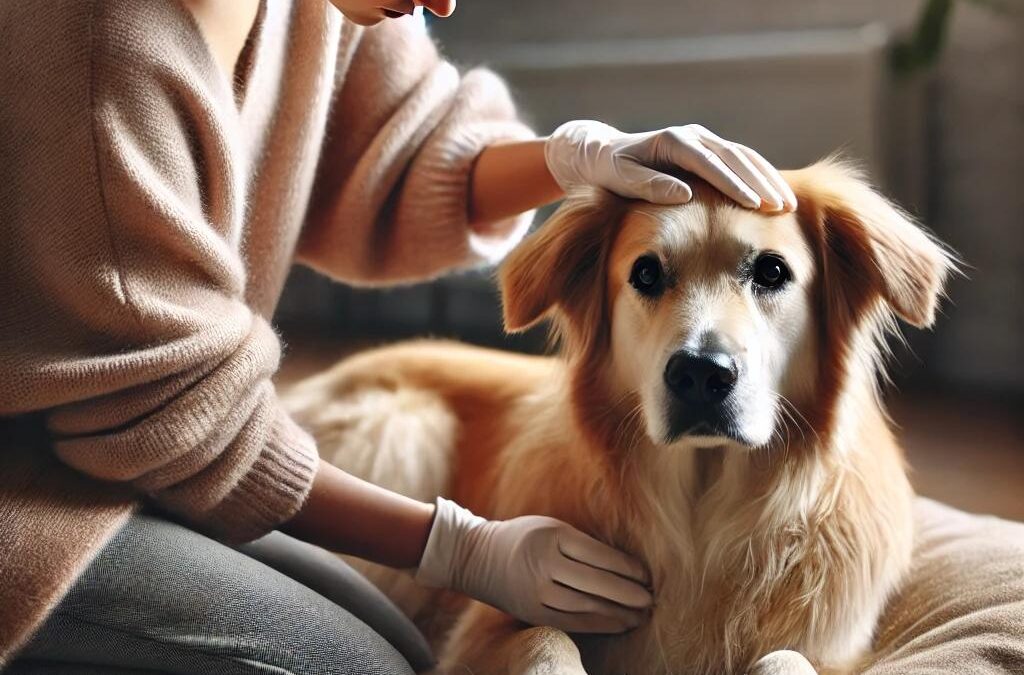
2. Unusual Lumps and Bumps
Lumps and swellings that don’t go away or continue to grow can be a sign of tumors. Not all lumps are cancerous, but it’s important to have any abnormal growths examined to rule out malignancy.
3. Abnormal Discharges
Any unusual discharge, including bleeding, vomiting, diarrhea, or pus, could be an indicator of an underlying health issue, including cancer. If your dog shows these symptoms, consult your veterinarian for an evaluation.
4. Weight Loss or Loss of Appetite
A sudden lack of interest in food and noticeable weight loss can signal serious illness. If your dog’s appetite decreases without an obvious cause, such as a change in food or routine, it’s time to consult your vet.
5. Difficulty Breathing, Urinating, Defecating, Eating, or Swallowing
When everyday functions like breathing, eating, or going to the bathroom become a challenge for your dog, it could indicate a more serious health issue. Tumors can block airways, digestive tracts, or urinary pathways, so these symptoms should not be ignored.
6. Pain or Sensitivity
If your dog becomes sensitive to touch, limps, or avoids physical activity, they may be in pain. While joint issues or arthritis can cause similar symptoms, it’s worth investigating if cancer could be the underlying cause.
While many of these symptoms can be related to non-cancerous conditions, early detection of cancer in dogs can be crucial for successful treatment. If your dog shows any of these signs, don’t hesitate to seek veterinary attention. Regular check-ups and staying vigilant about your dog’s health can make all the difference.
