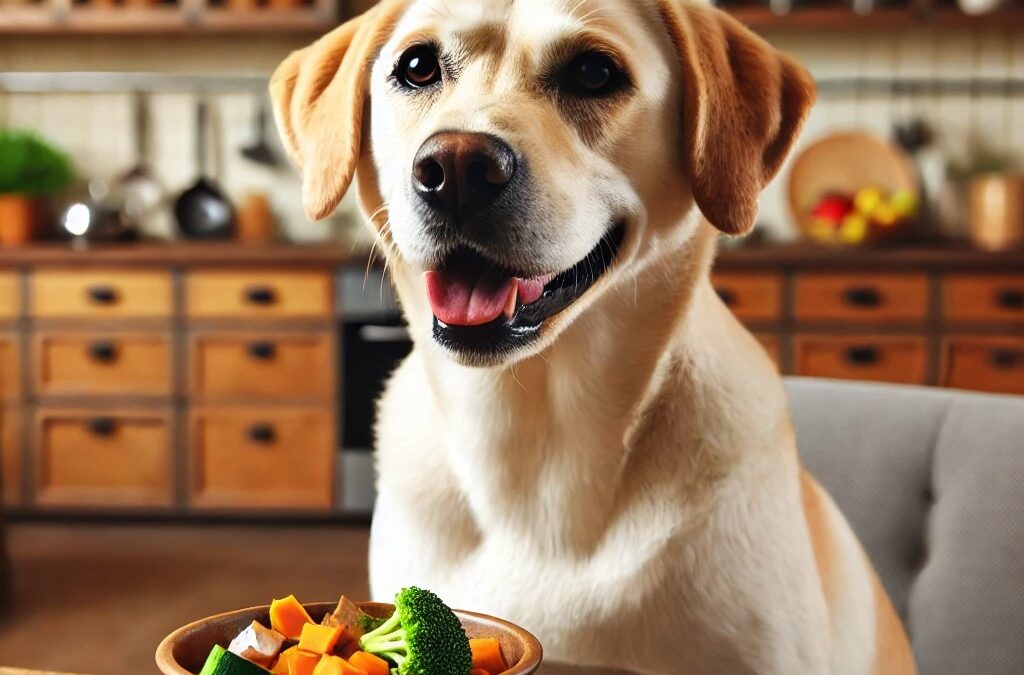
Watching a beloved dog battle late-stage cancer is an emotional and heart-wrenching journey. While a cure may not be possible, there are ways to enhance their comfort, alleviate pain, and improve their remaining quality of life. This article explores practical, compassionate, and even alternative approaches to supporting dogs with terminal cancer.
1. Prioritizing Pain Management
Pain relief is the cornerstone of late-stage cancer care. Conventional pain management options include:
Prescription Pain Medications – NSAIDs (non-steroidal anti-inflammatory drugs) and opioids (such as tramadol) help manage pain effectively.
Adjunct Therapies – Gabapentin for nerve pain and amantadine as an NMDA antagonist can improve comfort when combined with other painkillers.
CBD Oil and Herbal Remedies – Many pet owners turn to full-spectrum CBD oil, turmeric, and boswellia to help reduce inflammation and pain naturally.
2. Nutritional Support to Strengthen Vitality
A diet tailored for cancer support can slow progression and improve overall well-being. Consider:
High-Quality Protein – Lean meats and fish provide essential amino acids for muscle maintenance.
Healthy Fats – Omega-3 fatty acids from fish oil help reduce inflammation and may slow tumor growth.
Low-Carb, High-Fiber Diet – Cancer cells thrive on sugar, so reducing carbohydrate intake may help slow progression.
Natural Supplements – Medicinal mushrooms like turkey tail and reishi, along with Chinese herbs like astragalus, can provide immune support.
3. Holistic Therapies for Comfort and Mobility
Beyond medications and diet, holistic treatments can provide additional relief:
Acupuncture – Helps reduce pain, improve mobility, and stimulate energy balance.
Massage Therapy – Gentle massage enhances circulation and alleviates stiffness.
Hydrotherapy – Warm water therapy relieves joint pressure and promotes gentle exercise.
Energy Healing & Reiki – Some pet owners explore energy healing for relaxation and stress relief.
4. Creating a Comfortable Environment
Adapting your dog’s living space can make a huge difference:
Temperature Control – Older, ailing dogs struggle with temperature regulation, so keeping them warm in winter and cool in summer is essential.
Minimizing Stress – A quiet, calm environment with familiar scents can help ease anxiety and pain.
5. Managing Digestive Issues & Hydration
Cancer can lead to nausea, diarrhea, and loss of appetite. Addressing these symptoms helps improve well-being:
Appetite Stimulants – Medications like mirtazapine can encourage eating.
Homemade Bone Broths – Gentle on the stomach, packed with nutrients, and hydrating.
Probiotics & Digestive Enzymes – Support gut health and aid digestion.
Frequent Hydration – Ensuring adequate water intake prevents dehydration and supports kidney function.
6. Emotional Support & Bonding Moments
Your presence is one of the greatest comforts for a dog in their final stages. Spend time together:
Engage in Favorite Activities – A short walk, a car ride, or a quiet cuddle session can bring joy.
Talk to Your Dog – The sound of your voice is reassuring and calming.
Be Present Without Fear – Dogs sense emotions, so maintaining a peaceful and loving energy helps them feel secure.
7. Knowing When to Say Goodbye
One of the hardest decisions is determining when euthanasia is the most compassionate choice. Consider:
The HHHHHMM Scale – Developed by Dr. Alice Villalobos, this quality-of-life assessment measures Hurt, Hunger, Hydration, Hygiene, Happiness, Mobility, and More Good Days than Bad.
Veterinary Hospice & At-Home Euthanasia – Many vets offer in-home services to allow a peaceful transition in a familiar environment.
Listening to Your Dog – Changes in demeanor, persistent pain despite medication, or a complete loss of appetite can indicate it’s time.
Conclusion
Caring for a dog with late-stage cancer is a profound experience filled with love, dedication, and compassion. By focusing on pain management, nutritional support, holistic therapies, and emotional well-being, pet parents can ensure their dog’s remaining days are filled with comfort and dignity. Whether choosing palliative care or eventually making the difficult decision to say goodbye, the goal remains the same: to honor the bond and give them the best quality of life possible.
Cancer in dogs is a devastating diagnosis for pet owners, leading many to explore alternative and supportive treatments to enhance their beloved companions’ quality of life. One dietary approach that has been gaining attention is the ketogenic (keto) diet, which has been studied for its potential benefits in supporting dogs with cancer. This article will delve into what makes the keto diet distinctive, why it may be beneficial for dogs with cancer, and essential considerations for pet owners.
Understanding the Keto Diet
The keto diet is a high-fat, low-carbohydrate eating plan that shifts the body’s metabolism from relying on glucose (sugar) to ketones—compounds produced when fat is metabolized in the liver. In humans, this metabolic state, known as ketosis, has been linked to numerous health benefits, including weight loss and improved cognitive function. For dogs, the principles remain the same: reducing carbohydrate intake to starve cancer cells that thrive on glucose while supporting overall health through increased healthy fat consumption.
How the Keto Diet Impacts Cancer
Cancer cells have unique metabolic requirements; they typically rely on glycolysis—a process that breaks down glucose for energy—at a much higher rate than normal cells. By limiting carbohydrate intake and increasing fat consumption, the keto diet aims to deprive cancer cells of their preferred energy source while providing ketones that healthy cells can utilize for energy. This shift may slow down the growth of tumors, improve the dog’s energy levels, and support better overall health.
Benefits of a Keto Diet for Dogs with Cancer
Reduced Inflammation: Healthy fats, such as omega-3 fatty acids found in fish oil, may help reduce inflammation in dogs, potentially easing the discomfort associated with cancer.
Improved Energy Levels: Dogs with cancer often experience lethargy due to the disease and its treatments. Ketones can serve as an efficient fuel source for the body and brain, potentially boosting energy.
Enhanced Immune Function: A diet rich in healthy fats and low in inflammatory carbohydrates can support a stronger immune system, helping the dog fight off secondary infections.
Controlled Weight Management: Cancer treatment can lead to weight loss or gain. The keto diet’s high-fat composition can help maintain a stable weight, crucial for dogs undergoing treatment.
Considerations and Risks
While the keto diet may offer potential benefits, it is not without risks and should be carefully managed:
Nutritional Balance: Ensuring that a dog receives a balanced diet while following a keto plan is essential. Consulting with a veterinarian or a veterinary nutritionist is crucial to avoid deficiencies.
Pancreatitis Risk: Dogs predisposed to pancreatitis may not be suitable candidates for a high-fat diet. Close monitoring is necessary.
Transition Period: Shifting a dog to a keto diet requires a gradual transition to avoid gastrointestinal distress. This process may take a few weeks as the body adapts to using ketones instead of glucose.
How to Implement a Keto Diet for Your Dog
If you are considering the keto diet for your dog with cancer, here are some tips to get started:
Consult Your Veterinarian: This cannot be overstated. A professional will help determine if your dog is a good candidate for a keto diet and monitor their progress.
Plan the Diet: Focus on high-quality, animal-based fats such as fish oil, chicken fat, and coconut oil. Include moderate amounts of protein and very low carbohydrates.
Incorporate Supplements: Nutritional supplements like omega-3 fatty acids, vitamin E, and probiotics can complement the diet and enhance its benefits.
Monitor Ketone Levels: Pet owners can use blood ketone meters to ensure their dog remains in a state of ketosis. This helps in adjusting the diet as needed.
Real-Life Success Stories
There have been anecdotal reports from pet owners who have observed positive changes in their dogs after switching to a keto diet. Improved energy levels, reduced tumor growth rates, and better overall vitality have been noted in some cases. While scientific studies on the subject are still emerging, the preliminary results and personal testimonials indicate that this approach may be worth exploring for canine cancer care.
Final Thoughts
The keto diet is not a cure for cancer, but it can be a powerful complementary tool in managing the disease. By providing an alternative energy source that may hinder cancer cell growth while nourishing healthy cells, the keto diet can play a role in a comprehensive treatment plan. Always work closely with veterinary professionals to create a safe and effective plan tailored to your dog’s unique needs. With thoughtful implementation and careful monitoring, the keto diet could offer hope and support for dogs battling cancer and their devoted owners.
As pet owners, the diagnosis of cancer in our beloved dogs can be heart-wrenching. While veterinary treatments are crucial, nutrition plays a significant role in supporting their health and well-being during this challenging time. Creating homemade meals tailored to the needs of dogs battling cancer can provide essential nutrients, improve their quality of life, and complement medical treatments. Here’s a guide to crafting the best homemade meals for dogs fighting cancer.
Understanding the Nutritional Needs of Dogs with Cancer
Cancer can significantly alter a dog’s metabolism, leading to weight loss, muscle wasting, and decreased energy levels. It’s essential to understand the specific nutritional requirements for dogs with cancer:
High-Quality Protein: Protein helps maintain muscle mass and supports the immune system. Choose easily digestible, high-quality protein sources such as chicken, turkey, fish, and lean beef.
Healthy Fats: Fats are a vital energy source for dogs with cancer. Omega-3 fatty acids, found in fish oil, flaxseed oil, and chia seeds, have anti-inflammatory properties and can help slow cancer progression.
Low Carbohydrates: Cancer cells thrive on glucose, so it’s beneficial to limit carbohydrate intake. Opt for low-glycemic vegetables like broccoli, spinach, and cauliflower.
Antioxidants: Antioxidants help combat oxidative stress and support the immune system. Incorporate foods rich in vitamins A, C, and E, such as carrots, blueberries, and sweet potatoes.
Hydration: Ensure your dog stays well-hydrated, as cancer and its treatments can lead to dehydration. Add bone broth or water-rich vegetables like cucumbers to their diet.
Recipe Ideas for Homemade Dog Meals
Here are some nutritious and delicious recipes to consider when preparing homemade meals for your dog with cancer:
1. Chicken and Veggie Delight
Ingredients:
1 cup cooked chicken breast (shredded)
1/2 cup steamed broccoli (chopped)
1/2 cup steamed carrots (chopped)
1/4 cup quinoa (cooked)
1 tablespoon fish oil
Instructions:
Combine all ingredients in a bowl.
Mix well and serve at room temperature.
Store leftovers in the refrigerator for up to three days.
2. Beef and Sweet Potato Stew
Ingredients:
1 pound lean ground beef
1 cup sweet potatoes (diced)
1/2 cup green beans (chopped)
1/4 cup blueberries
1 tablespoon flaxseed oil
Instructions:
Cook the ground beef in a skillet until fully browned.
In a pot, combine the cooked beef, sweet potatoes, green beans, and blueberries.
Add enough water to cover the ingredients and simmer until the vegetables are tender.
Stir in the flaxseed oil and let the stew cool before serving.
Store leftovers in the refrigerator for up to three days.
3. Fish and Spinach Medley
Ingredients:
1 cup cooked salmon (flaked)
1/2 cup spinach (steamed and chopped)
1/2 cup cauliflower (steamed and chopped)
1/4 cup brown rice (cooked)
1 tablespoon chia seeds
Instructions:
Combine all ingredients in a bowl.
Mix well and serve at room temperature.
Store leftovers in the refrigerator for up to three days.
Supplementing with TCMVET’s Baituxiao
In addition to these nutritious meals, consider supplementing your dog’s diet with TCMVET’s Baituxiao. This supplement is formulated to support the immune system and overall health, providing an extra layer of defense against cancer.
Consulting with Your Veterinarian
Before making any significant changes to your dog’s diet, consult with your veterinarian. They can provide personalized recommendations based on your dog’s specific needs and medical condition.
Crafting homemade meals for dogs battling cancer is a labor of love that can have a profound impact on their health and quality of life. By understanding their nutritional needs and incorporating high-quality ingredients, you can provide your furry friend with the best possible support during their fight against cancer. Remember, a well-balanced diet, combined with veterinary care and supplements like TCMVET’s Baituxiao, can make a significant difference in their journey to recovery.
When a dog is diagnosed with cancer, proper nutrition and supportive supplements can play a crucial role in their overall health and quality of life. This article aims to provide a comprehensive guide on the best diet and supplements for dogs with cancer, helping pet owners make informed decisions to support their furry companions.
Understanding the Nutritional Needs of Dogs with Cancer
Cancer can significantly impact a dog’s metabolism and nutritional needs. Here are some key considerations for feeding a dog with cancer:
High-Quality Protein: Dogs with cancer often require high-quality protein sources to maintain muscle mass and support their immune system. Opt for lean meats like chicken, turkey, and fish.
Low Carbohydrates: Cancer cells thrive on carbohydrates. Reducing the carbohydrate content in your dog’s diet can help slow down the growth of cancer cells. Focus on low-carb vegetables like spinach, broccoli, and cauliflower.
Healthy Fats: Omega-3 fatty acids have anti-inflammatory properties and can help support the immune system. Include sources like fish oil, flaxseed oil, and coconut oil in your dog’s diet.
Antioxidants: Antioxidants help combat oxidative stress, which is often elevated in dogs with cancer. Include antioxidant-rich foods like blueberries, carrots, and leafy greens.
Best Diet for Dogs with Cancer
A balanced and tailored diet can help improve the quality of life for dogs with cancer. Here are some dietary recommendations:
Homemade Diet
A homemade diet allows you to control the ingredients and tailor the nutrition to your dog’s specific needs. Consult with a veterinarian or a pet nutritionist to create a balanced meal plan. Here’s a sample recipe:
Protein Source: 50% lean meat (chicken, turkey, or fish)
Several commercial dog foods are formulated specifically for dogs with cancer. These diets are designed to provide balanced nutrition while minimizing ingredients that may feed cancer cells. Look for brands that offer high protein, low carbohydrate, and high fat content, with added antioxidants and Omega-3 fatty acids.
Supplements for Dogs with Cancer
In addition to a balanced diet, certain supplements can support a dog’s health during cancer treatment. Here are some beneficial supplements:
Fish Oil: Rich in Omega-3 fatty acids, fish oil helps reduce inflammation and supports the immune system.
Probiotics: Probiotics promote a healthy gut microbiome, which is crucial for overall health and immune function.
Turmeric: Curcumin, the active ingredient in turmeric, has anti-inflammatory and antioxidant properties that can help combat cancer.
CBD Oil: Cannabidiol (CBD) oil can help manage pain, reduce inflammation, and improve overall well-being in dogs with cancer.
Mushroom Extracts: Certain mushrooms like Reishi, Shiitake, and Maitake have immune-boosting and anti-cancer properties.
Consulting with a Veterinarian
Before making any significant changes to your dog’s diet or introducing new supplements, consult with your veterinarian. They can provide personalized recommendations based on your dog’s specific type of cancer, overall health, and treatment plan.
Proper nutrition and supportive supplements can play a vital role in the health and quality of life of dogs with cancer. By focusing on a balanced diet rich in high-quality proteins, healthy fats, and low carbohydrates, and incorporating beneficial supplements, you can help support your dog through their cancer journey. Always consult with a veterinarian to ensure that any dietary changes or supplements are safe and appropriate for your pet.