by TCMVET | Aug 12, 2026 | Research and News
Ocoxin Pets alternative products are attracting attention among dog owners in the Netherlands who want supportive nutrition for a pet diagnosed with a tumor. Supplements cannot replace veterinary treatment, surgery, chemotherapy, radiation, or professional monitoring, but carefully selected ingredients may help maintain appetite, energy, digestion, and general wellbeing. The best choice depends on your dog’s diagnosis, current medication, age, weight, and overall health. For readers comparing a practical Ocoxin Pets alternative, the key is finding a product that fits the treatment plan and is easy to use every day.
Why consider an Ocoxin Pets alternative?
Ocoxin Pets is known as a supportive supplement containing a combination of nutrients and plant-derived ingredients. However, it may not always be available through Dutch suppliers, may exceed a household’s budget, or may not suit every dog’s nutritional needs. Some owners also prefer products with clearer ingredient lists, locally available distribution, or formulations tailored to specific concerns such as appetite, digestive health, or recovery after treatment.
Looking for an Ocoxin Pets alternative should therefore involve more than comparing prices. A suitable product should be safe, transparent, easy to administer, and appropriate for use alongside the dog’s veterinary care. It is also important to avoid products that make unsupported claims about curing cancer or shrinking tumors.
For many families, the real goal is to find one of the best Ocoxin Pets alternative choices that fits the dog’s daily routine and treatment plan without creating new risks. A carefully chosen Ocoxin Pets alternative can be a practical part of supportive care when it is matched to the dog’s needs.
If you are just beginning to compare options, it can help to think in terms of the dog’s current priorities. Some dogs need appetite support first, while others need help with digestion, weight maintenance, or simply finding a supplement they will actually accept in food. That practical approach makes an Ocoxin Pets alternative easier to evaluate and less likely to become another unused bottle on the shelf.
What should dog tumor supplements provide?
Dogs with tumors can experience reduced appetite, weight loss, inflammation, digestive upset, fatigue, or increased nutritional demands. A supportive supplement may be selected to help address one or more of these issues.
Useful nutritional features may include:
- Highly digestible proteins and amino acids to support muscle maintenance
- Omega-3 fatty acids from carefully sourced fish or algae oils
- Antioxidant vitamins and minerals in controlled amounts
- Prebiotics or probiotics for digestive support
- Calorie-dense ingredients for dogs struggling to maintain weight
- Palatable powders, liquids, or soft chews that are easy to administer
No single supplement is ideal for every patient. A dog receiving chemotherapy may need a different approach from a dog recovering from surgery or managing a slow-growing tumor. The objective is generally to support quality of life and nutritional status rather than to replace evidence-based cancer treatment.
When owners search for an Ocoxin Pets alternative, they should focus on whether the product can support these goals consistently and safely. In practice, that means reading labels carefully and avoiding formulas that sound impressive but do little for the dog’s actual condition.
It can also help to separate marketing language from functional benefit. A supportive formula does not need to be complicated to be useful. Sometimes the most effective Ocoxin Pets alternative is simply the product with the fewest unnecessary additives, the clearest dosage instructions, and the ingredients most relevant to the dog’s present needs.
Dog tumor supplements Netherlands: choosing safely
When comparing dog tumor supplements Netherlands pet owners should look for products that are sold by reputable veterinary, pharmacy, or specialist pet-health suppliers. Clear labeling is essential. The packaging should identify active ingredients, quantities per serving, recommended use, batch information, and storage instructions.
Dutch buyers should also check whether the product is intended for animals and whether it complies with applicable European safety and labeling requirements. A supplement imported from outside the European Union may have different quality controls or incomplete information. Products purchased through established local distributors are often easier to trace and replace.
It is wise to avoid supplements containing long, vague blends that do not disclose ingredient amounts. “Natural” does not automatically mean safe. Certain herbs and concentrated extracts can affect the liver, kidneys, blood clotting, or the way medicines are absorbed. This matters especially when a dog is taking anti-inflammatory drugs, pain medication, steroids, chemotherapy, or anticoagulants.
For a broader reference on safe complementary care, the American Veterinary Medical Association’s overview of complementary and alternative veterinary medicine is a useful educational source.
Owners in the Netherlands often benefit from a simple checklist: confirm the intended use, compare the daily dose, review possible interactions, and ask whether the product can be given with food. That process makes any Ocoxin Pets alternative easier to evaluate without being distracted by marketing claims.
When possible, compare a few products side by side instead of choosing the first one that appears online. That extra step can reveal whether the formula is truly affordable over time, whether it needs refrigeration, and whether the daily serving fits your dog’s routine. An Ocoxin Pets alternative that looks inexpensive at first can become costly if the serving size is high or the product is difficult to source consistently.
Ingredients commonly considered for supportive care
Omega-3 fatty acids, especially EPA and DHA, are frequently discussed in veterinary nutrition. They may support normal inflammatory balance and help maintain skin, coat, and general nutritional health. Fish oil must be fresh, properly stored, and dosed according to veterinary advice because excessive amounts can cause digestive problems or contribute additional calories.
Antioxidants are another common feature of supportive formulas. Vitamins such as vitamin E and compounds found in certain plants can help protect cells from oxidative stress. However, high doses are not automatically better, and some antioxidant products may not be suitable during particular cancer treatments. The oncology team should approve the timing and dosage.
Digestive-support ingredients can be helpful when illness or treatment causes nausea, soft stools, constipation, or appetite changes. Probiotics and prebiotics may support a healthy intestinal environment, but they should be selected carefully for immune-compromised dogs. A veterinarian may recommend a specific veterinary probiotic rather than a general human product.
Protein and energy support are particularly important for dogs losing weight. A complete therapeutic diet may be more beneficial than adding several separate supplements. In some cases, a veterinarian or veterinary nutritionist can create a feeding plan that matches the dog’s calorie and protein requirements.
These nutritional details matter when choosing an Ocoxin Pets alternative, because the most helpful product is usually the one that matches the dog’s immediate needs instead of promising broad benefits it cannot deliver. A well-chosen Ocoxin Pets alternative should support feeding, comfort, and consistency, not just sound appealing on the label.
One important point is that supportive ingredients should be appropriate for the dog’s whole medical picture. For example, a dog that already eats a rich recovery diet may not need additional calories, but may benefit more from digestive support or a palatable supplement that helps maintain intake during a difficult treatment week. The right Ocoxin Pets alternative should solve a real problem, not create a new one.
Alternatives to Ocoxin Pets: what to compare
When evaluating alternatives to Ocoxin Pets, compare products according to purpose rather than marketing language. Consider whether the formula is designed for general nutritional support, digestive health, appetite, joint comfort, or recovery. A product with fewer ingredients may be preferable if it provides transparent dosing and has a lower risk of interactions.
Also compare the practical details. Dogs undergoing treatment may refuse tablets or dislike strong flavors, so a powder mixed into food or a liquid may be easier. Check the cost per daily serving instead of the price of the container, since a cheaper product may require a larger dose. Storage requirements and delivery times are also relevant for owners in the Netherlands, particularly when a product needs refrigeration or is supplied from abroad.
Most importantly, review the formula with the treating veterinarian. Bring the full ingredient list, including the amount per serving. This allows the veterinary team to identify possible overlaps with the dog’s diet and medications.
If you are comparing an Ocoxin Pets alternative with other supportive products, keep the dog’s treatment plan and tolerance for taste, texture, and dosing frequency in mind. The best choice is usually the one that can be used consistently without upsetting the dog’s stomach or routine.
For families dealing with a confirmed diagnosis, the decision often comes down to reliability. A product that arrives on time, has understandable instructions, and can be given without a daily struggle is usually more valuable than a more expensive formula with vague promises. That is why many owners end up prioritizing a straightforward Ocoxin Pets alternative over a premium-looking product with a complicated label.
How to introduce a supplement
Introduce any new supplement gradually unless a veterinarian gives different instructions. Start with the recommended amount or a lower amount if the product instructions permit it, then monitor appetite, stool quality, vomiting, itching, energy, and behavior. Keep a simple record of the product, dose, start date, and any changes.
Stop the supplement and contact a veterinarian if the dog develops persistent vomiting, diarrhea, facial swelling, breathing difficulty, severe lethargy, bleeding, or a sudden decline. Do not delay urgent veterinary care because a supplement is being used.
Supplements should also be reviewed regularly. A dog’s needs may change after surgery, during chemotherapy, when blood tests change, or if the tumor progresses. What was appropriate at diagnosis may not remain appropriate later.
That is why any Ocoxin Pets alternative should be introduced cautiously and with follow-up, especially when the dog is already on medication. A gradual start gives you a better chance of spotting whether the product truly helps.
It may also be useful to introduce only one new product at a time. If you begin several supplements together, it becomes hard to tell which one helped or caused a reaction. That simple method can save time, reduce stress, and make the search for a useful Ocoxin Pets alternative much more practical.
Supporting quality of life beyond supplements
Nutrition is only one part of supportive cancer care. Comfortable bedding, gentle exercise when tolerated, hydration, pain management, and a calm daily routine can make a meaningful difference. Monitoring appetite, drinking, weight, mobility, breathing, and interest in normal activities gives the veterinarian useful information.
A reliable Ocoxin Pets alternative may provide targeted nutritional support, but its role should remain complementary. The strongest approach combines a clear veterinary diagnosis, an evidence-based treatment plan, appropriate food, carefully selected supplements, and regular quality-of-life assessments. For dog owners in the Netherlands, choosing transparent products from reputable suppliers and discussing every ingredient with a veterinarian is the safest way to support a beloved companion with a tumor.
For dogs with tumors, even small improvements in appetite, comfort, and routine can make daily life feel more stable. That is why the best Ocoxin Pets alternative is the one that supports nutrition, fits the treatment plan, and remains easy for both the dog and the owner to use day after day.
Supportive care can also include emotional steadiness at home. Keeping feeding times predictable, reducing stress during medication, and staying consistent with the veterinary plan can help a dog feel more secure. These small measures often work hand in hand with a thoughtful supplement choice.
Practical questions to ask before buying
Before choosing an Ocoxin Pets alternative, ask whether the product has been used in veterinary settings, whether it lists all ingredients clearly, and whether there is a recommended serving size based on body weight. If the answer to any of those questions is unclear, the supplement may not be worth the risk.
It is also sensible to ask how quickly the product should show any intended benefit. Supportive supplements should have realistic goals. They may help with appetite, stool quality, or overall tolerance, but they are not expected to produce dramatic changes overnight. If a product promises instant results or cancer-fighting effects without veterinary oversight, treat that as a warning sign.
Finally, consider how the supplement fits into the day-to-day care of the dog. A product that is too expensive, difficult to source, or hard to give consistently will rarely be useful for long. That practical lens often leads owners to a better long-term choice than simply buying the most heavily advertised option.
Another useful question is whether the product can be paused easily if your veterinarian changes the treatment plan. Flexibility matters because dogs with tumors often move through different phases of care. A simple, adaptable Ocoxin Pets alternative can be easier to manage during those transitions.
When to ask for veterinary nutrition support
Some dogs need more than a simple supplement comparison. If your dog is losing weight, refusing food, vomiting repeatedly, or struggling with diarrhea, ask about a veterinary nutrition consultation. A clinician can help determine whether a therapeutic diet, appetite support, digestive support, or a different feeding strategy is the better next step.
This is especially important when a dog has multiple medical conditions or is taking several medications. In those cases, an apparently harmless product may not be the safest choice. Veterinary guidance can prevent unnecessary trial and error and save time when the dog needs support quickly.
For many families, that consultation provides a clearer answer than any online comparison of Ocoxin Pets alternative products. It also helps ensure that the supplement plan stays aligned with the dog’s current health status and treatment goals.
In some cases, professional support may reveal that the dog needs a different form of help altogether. For example, if the main issue is appetite loss from nausea, then a supplement alone may not be enough. If weight loss is the bigger concern, a diet change may matter more than any Ocoxin Pets alternative. The earlier that distinction is made, the easier it is to keep the dog comfortable and nourished.
How to think about affordability without compromising safety
Affordability is a major concern for many households, especially when a dog is already facing the cost of veterinary visits and treatment. Still, the cheapest product is not always the best value. A low-cost supplement that is poorly tolerated, inadequately labeled, or difficult to source may end up wasting money.
To compare value fairly, calculate the cost per day and not just the retail price. Also consider whether the product requires multiple servings, whether it has a short shelf life after opening, and whether it needs to be combined with other supplements to achieve the effect you want. Sometimes a single well-designed Ocoxin Pets alternative is cheaper in the long run than piecing together several separate products.
Safety should remain the priority even when budget is tight. If there is any uncertainty about interactions, talk to your veterinarian before buying. A product that seems affordable but causes digestive upset or conflicts with treatment can become expensive very quickly.
Common mistakes to avoid
One common mistake is assuming that every supportive supplement is interchangeable. Formulas can vary widely in ingredient quality, dose, and intended use. Another mistake is starting multiple products at once, which makes it impossible to know what actually works.
Some owners also rely too heavily on customer reviews. Reviews may reflect a different diagnosis, a different dose, or a completely different treatment plan. They are not a substitute for veterinary advice. Finally, avoid using human supplements unless a veterinarian specifically approves them for your dog.
A thoughtful Ocoxin Pets alternative should fit the dog, the disease, and the household. When those three factors line up, the chance of success is much higher than when a product is chosen only because it was easy to buy.
Where this approach can be especially helpful
This type of supportive supplementation is often most useful for dogs that need extra nutritional help during a difficult period. That may include dogs with reduced appetite, dogs recovering after procedures, or dogs that are stable but need ongoing support to maintain condition. In these situations, a carefully chosen supplement can be a gentle addition to the broader care plan.
Owners who prefer a simple, practical routine may also appreciate a product that can be mixed into food and used without complicated preparation. The more seamlessly an Ocoxin Pets alternative fits into mealtime, the more likely it is to be used consistently.
When support is integrated into a routine the dog already accepts, the experience is often better for everyone. Less stress at feeding time can mean better adherence, calmer behavior, and more reliable intake overall.
Conclusion
Choosing an Ocoxin Pets alternative in the Netherlands is less about finding a miracle product and more about matching supportive nutrition to a dog’s real needs. Focus on transparent labeling, safe ingredients, veterinary compatibility, and practical daily use. The best results usually come from a product that is affordable, easy to administer, and appropriate for the dog’s stage of treatment.
If you compare options carefully and keep your veterinarian involved, you can select one of the more suitable Ocoxin Pets alternative choices with confidence. The goal is steady support, better comfort, and a safer routine for your dog with a tumor.
In the end, the most helpful decision is usually the simplest one: choose a product your dog tolerates well, confirm it with the veterinary team, and stay consistent. That approach gives an Ocoxin Pets alternative the best chance to contribute meaningfully to everyday comfort and nutritional support.
by TCMVET | Aug 12, 2026 | Research and News
Ocoxin Pets alternative options are attracting attention among Spanish dog owners looking for affordable nutritional support during cancer care. Although no supplement can replace veterinary diagnosis, surgery, chemotherapy, radiotherapy, or prescribed medication, carefully selected products may help support appetite, digestion, immune function, and general condition. The most important step is to discuss any supplement with a veterinarian, especially when a dog has a tumor or is receiving treatment.
Understanding Ocoxin Pets and Its Purpose
Ocoxin Pets is a complementary nutritional product commonly associated with support for dogs and cats facing serious illness. Its formulation may include ingredients such as antioxidants, plant extracts, vitamins, minerals, and compounds intended to help maintain overall vitality. It is not a cure for cancer, and its effects can vary considerably between animals.
Some owners search for Ocoxin Pets alternative options because of price, availability, shipping limitations, ingredient preferences, or concerns about whether a particular formula suits their dog. In Spain, access to veterinary supplements can differ between local clinics, pharmacies, specialist pet shops, and online retailers. Comparing formulations rather than choosing solely by brand name is therefore essential.
For dogs with tumors, the goal is usually to support comfort, appetite, and daily function while following the veterinary treatment plan. That is why an Ocoxin Pets alternative should be viewed as part of supportive care, not as a substitute for a full medical approach.
It also helps to remember that supportive products work best when the rest of the care plan is stable. A dog eating a consistent diet, receiving pain relief when needed, and attending follow-up appointments may respond better to a carefully chosen Ocoxin Pets alternative than a dog whose treatment plan is changing every few days. Supportive care is about routine, observation, and communication with the veterinary team.
In many cases, owners want something practical rather than complicated. They may be looking for a formula that is easy to give, gentle on the stomach, and suitable for longer use. Those are sensible priorities, especially when the dog already has enough stress from illness or treatment. The best option is usually one that fits naturally into the dog’s day without creating extra strain for the owner.
What Makes a Good Ocoxin Pets Alternative?
A suitable Ocoxin Pets alternative should be selected according to the dog’s individual needs. A small, elderly dog with reduced appetite may need a different nutritional strategy from a large dog recovering after surgery. The product should also be transparent about its ingredients, dosage, manufacturing standards, and intended use.
Important points to consider include:
– Veterinary compatibility: The supplement should not interfere with chemotherapy, corticosteroids, pain medication, antibiotics, or other treatments.
– Clear composition: Labels should state the amount of each active ingredient rather than relying on vague “immune support” claims.
– Appropriate dosage: Products designed for humans are not automatically safe for dogs.
– Digestive tolerance: Some botanical extracts, oils, or concentrated compounds may cause vomiting or diarrhea.
– Quality control: Look for reputable manufacturers, batch information, storage instructions, and professional distribution.
– Practical affordability: The best option is one that can be used consistently without creating financial pressure.
Supplements can be useful as part of supportive care, but they should never delay veterinary assessment of a lump, unexplained weight loss, persistent coughing, bleeding, pain, or changes in behavior.
To better understand treatment safety and supportive nutrition, owners can also consult the Merck Veterinary Manual, a widely used reference for veterinary health topics.
A useful way to judge any Ocoxin Pets alternative is to ask one simple question: does this product solve a real problem for my dog? If the answer is not clear, the formula may be more marketing than value. A supplement that supports appetite, digestion, or body condition in a way your veterinarian recognizes is more likely to be helpful than one that only sounds impressive on the label.
When a dog has a tumor, small details matter. For example, a product that causes mild stomach upset may not be acceptable for a dog already feeling nauseous from treatment. Another dog may tolerate a product well but still need a different kind of nutritional help, such as more calories or a more palatable format. Choosing the right Ocoxin Pets alternative means matching the product to the symptom, not the symptom to the product.
Common Types of Dog Tumor Supplements in Spain
The phrase dog tumor supplements Spain covers several different categories of products. These supplements do not all serve the same purpose, and combining several products without professional guidance may create unnecessary risks.
Nutrition-focused support products
Dogs with cancer may eat less, lose weight, or struggle to maintain muscle. High-calorie nutritional pastes, balanced recovery diets, and veterinary therapeutic foods can provide concentrated energy when normal meals are insufficient. Products containing highly digestible proteins and appropriate fats may be especially useful for dogs with poor appetite, although dietary recommendations depend on the tumor type and treatment plan.
These products are often the first practical step when owners look for an Ocoxin Pets alternative, because they address a basic need: calories. A dog that cannot eat enough will usually need more than a general wellness supplement. In that situation, appetite support and calorie density may matter more than any single ingredient advertised for immune health.
Omega-3 fatty acids
Fish oil containing EPA and DHA is often discussed in veterinary nutrition. These fatty acids may support skin health, inflammatory balance, and body condition. However, dosage matters. Excessive amounts can contribute to gastrointestinal upset, weight gain, or bleeding concerns, particularly when combined with certain medications or before surgery. A veterinarian should recommend a product designed for animals and calculate the dose based on body weight.
For some dogs, omega-3s may be part of a broader Ocoxin Pets alternative strategy rather than the main product itself. That is especially true when the dog needs nutritional support and a manageable supplement routine. However, the formula should always be chosen with the treatment plan in mind, not just the advertised benefits.
Antioxidant formulas
Some supplements contain vitamins, selenium, carotenoids, or plant-derived antioxidants. Their role during cancer treatment is complex. Antioxidants may support normal cellular protection, but high doses could potentially conflict with specific treatment strategies. For this reason, antioxidant supplements should be coordinated with the veterinary oncologist rather than added automatically.
This is one reason many owners compare several Ocoxin Pets alternative products before buying. Two supplements may look similar on the outside but differ greatly in the balance of antioxidants, vitamins, and added herbs. A careful comparison helps prevent accidental duplication of ingredients or excessive dosing.
Mushroom and botanical extracts
Medicinal mushrooms and botanical compounds are frequently marketed for immune support. Their quality and concentration can vary widely, and scientific evidence is not equally strong for every ingredient. Some extracts may affect the liver, kidneys, blood clotting, or the metabolism of medication. Natural does not mean risk-free, so a complete ingredient list is essential.
Owners often ask whether a mushroom-based formula is a good Ocoxin Pets alternative. Sometimes it may be reasonable, but only if the product is from a reliable manufacturer and the veterinarian agrees it fits the dog’s condition. The label should be specific, and the concentration should be clear enough for the veterinary team to evaluate.
Probiotics and digestive support
Chemotherapy, stress, antibiotics, and changes in diet can disturb the digestive system. Veterinary probiotics or fiber-based products may help some dogs maintain more regular stools and better digestive comfort. They are generally chosen according to symptoms, but persistent vomiting, diarrhea, or refusal to eat requires veterinary attention rather than supplementation alone.
Digestive support is often overlooked when people search for an Ocoxin Pets alternative. Yet for many dogs, comfort and appetite are directly linked to gut health. If a dog is nauseous or has irregular stools, a gentle digestive support product may be more useful than a broad-spectrum formula with many ingredients.
Recovery diets and palatable feeding support
In Spain, some dogs benefit from veterinary recovery diets that are easier to eat and digest than standard food. These diets may come in wet or semi-moist form and can be helpful after surgery or during periods of low appetite. They are not a direct replacement for all supplements, but they may reduce the need for multiple products by addressing the biggest problem first: food intake.
For many households, a recovery diet becomes the practical foundation of an Ocoxin Pets alternative approach. If the dog eats better, maintains weight, and feels steadier, then the rest of the supportive plan often becomes easier to manage. This is one of the simplest ways to improve daily care without overcomplicating the supplement routine.
How to Compare Alternatives to Ocoxin Pets
When comparing alternatives to Ocoxin Pets, start by identifying the intended goal. Is the priority appetite, weight maintenance, digestive health, recovery after surgery, or general nutritional support? A product marketed for “immune health” may not provide meaningful calories, while a high-energy recovery supplement may contain few ingredients aimed at broader support.
Read the label carefully and avoid products making guaranteed claims such as “shrinks tumors,” “cures cancer,” or “replaces chemotherapy.” Such statements are unreliable and may encourage dangerous delays in treatment. A trustworthy supplement company should explain that the product is complementary and should be used under veterinary supervision.
Price comparisons should also account for serving size. A cheaper container may provide fewer daily doses, making it more expensive over time. Check whether the product requires refrigeration, how it should be administered, and whether it is available consistently in Spain. Reliable supply is particularly important for dogs that depend on a daily nutritional routine.
It is also wise to compare the format of each Ocoxin Pets alternative. Some dogs accept liquids more easily, while others tolerate capsules, chewables, or pastes better. Palatability can make a major difference when a dog has nausea or reduced appetite, so the most useful product is often the one the dog will actually take consistently.
In practice, the best Ocoxin Pets alternative is usually the product that matches the dog’s current needs, is clearly labeled, and can be used safely with the rest of the treatment plan. That balance matters more than marketing language or a long list of trendy ingredients.
If you are reviewing different options in Spain, think about the full routine as well. A supplement may be helpful, but it works best alongside regular meals, hydration, weight checks, and veterinary follow-up. This makes the choice of Ocoxin Pets alternative more practical and less dependent on trial and error.
Another helpful comparison point is administration ease. A product that tastes acceptable and can be given without stress is more likely to be used correctly. Owners sometimes choose a formula because it looks advanced, but then stop using it because the dog refuses it. A realistic Ocoxin Pets alternative should fit into real life, not an ideal routine that is difficult to maintain.
It is also worth asking whether the product adds value beyond what the dog already receives from food and medication. If a supplement repeats the same nutrients found in a complete diet, it may not provide much extra benefit. By contrast, a better Ocoxin Pets alternative may fill a genuine gap such as calorie intake, digestive stability, or nutrient support during recovery.
Safety Considerations for Spanish Dog Owners
Before introducing any new supplement, provide the veterinarian with the full product label and a list of every medication the dog receives. This is particularly important for animals with liver disease, kidney disease, diabetes, clotting disorders, or a history of digestive problems.
Introduce only one new product at a time. Begin with the professionally recommended amount and monitor appetite, stool quality, energy, itching, vomiting, and behavior. Stop the product and contact the veterinary team if significant adverse effects appear.
Owners in Spain should also check whether products are legally marketed as animal feed supplements, veterinary products, or human nutritional products. Appropriate labeling, traceability, and storage information can help reduce the risk of counterfeit or contaminated items purchased through unreliable websites.
A careful approach also helps avoid confusion when several supportive products are being considered at once. If a dog is already receiving prescribed treatment, the veterinary team should decide whether a new Ocoxin Pets alternative is appropriate, especially if surgery or chemotherapy is scheduled.
It may also help to monitor the dog in a simple log. Write down the date, dose, appetite, stool changes, and any unusual behavior after starting the product. This makes it easier to see whether the Ocoxin Pets alternative is actually helping or whether the dog needs a different approach. Small notes can be very useful during follow-up appointments.
If the dog is receiving multiple therapies, timing matters too. Some products are better given with food, while others are easier on the stomach when split into smaller servings. A veterinarian can help decide whether the supplement should be given in the morning, with meals, or at another time that minimizes side effects. That kind of planning often makes an Ocoxin Pets alternative more practical and better tolerated.
A Balanced Approach to Supportive Cancer Care
The most effective supportive plan usually combines veterinary treatment with practical daily care. This may include a palatable complete diet, adequate hydration, pain control, nausea management, regular weight monitoring, gentle exercise when appropriate, and emotional comfort. Supplements can have a role, but they are only one part of the plan.
Choosing a dog tumor supplement should be based on evidence, safety, affordability, and the animal’s specific condition. By comparing ingredients and seeking veterinary guidance, owners can find a responsible Ocoxin Pets alternative in Spain without relying on exaggerated promises. The goal is not to replace cancer treatment, but to help the dog maintain comfort, nutrition, and quality of life throughout care.
When used carefully, an Ocoxin Pets alternative can fit into a broader plan that protects well-being without adding unnecessary risk. If your dog is already receiving treatment, keep the veterinary team informed, and make changes slowly so the best Ocoxin Pets alternative can be chosen for the dog’s current needs. In many cases, the most practical Ocoxin Pets alternative is the one that is safe, affordable, and easy to give consistently.
For most owners, the decision becomes much easier once the priorities are clear. Supportive nutrition, ingredient transparency, and veterinary oversight matter more than brand popularity. With that approach, an Ocoxin Pets alternative can be selected with confidence and used as part of a sensible care routine.
In short, the right Ocoxin Pets alternative should help your dog stay comfortable, maintain nutrition, and avoid unnecessary complications. That makes the supplement more useful in everyday care and easier to integrate into a treatment plan guided by a veterinary professional.
If you want to go one step further, focus on the basics first: consistent meals, enough water, and a product the dog can actually tolerate. Once those pieces are in place, the right Ocoxin Pets alternative becomes easier to identify, and the overall care plan feels more manageable for both the dog and the owner.
Many Spanish dog owners also benefit from discussing the supplement plan during regular checkups rather than waiting for a problem to appear. That simple habit can prevent conflicts between products, reduce unnecessary spending, and improve the chance that the chosen Ocoxin Pets alternative is genuinely useful over time.

by TCMVET | Aug 12, 2026 | Research and News
Best Supplements for Dogs with Cancer should be chosen carefully, alongside veterinary treatment rather than as a replacement for it. A diagnosis of cancer can be overwhelming, but appropriate nutritional and supportive care may help some dogs maintain appetite, muscle condition, energy and quality of life. The right approach depends on the cancer type, treatment plan, existing health problems and the medicines your dog is receiving.
Can supplements help dogs with cancer?
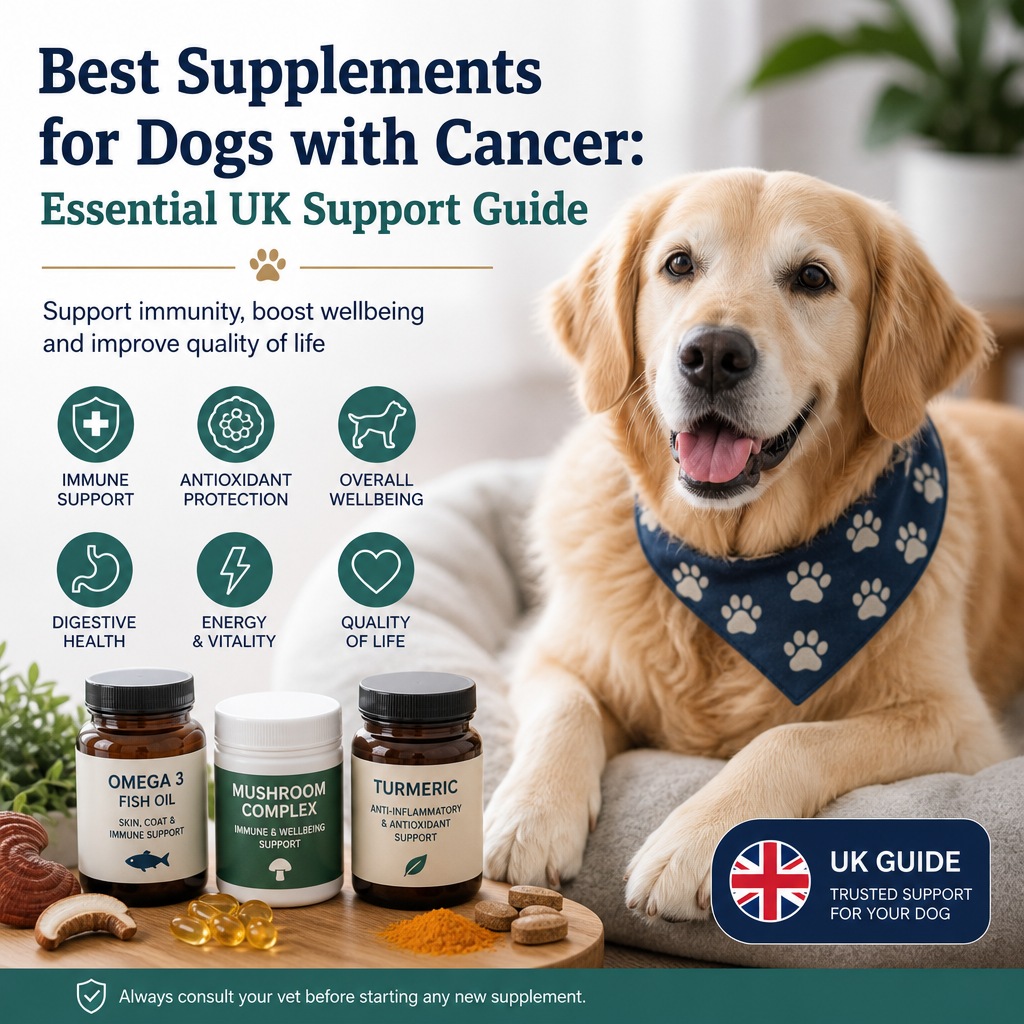
Supplements may provide nutritional support, but they cannot cure cancer. Their potential benefits include helping manage inflammation, supporting normal immune function, maintaining healthy skin and coat, and improving overall nutritional intake. However, evidence varies considerably between products, and a supplement that is suitable for one dog may be unsuitable for another.
Cancer treatment can include surgery, chemotherapy, radiotherapy, immunotherapy or palliative care. Each option may affect digestion, appetite, liver function, kidney function and medication requirements. For this reason, every supplement should be discussed with your vet before it is introduced.
The most important foundations remain a complete, balanced diet, adequate hydration, effective pain control and regular monitoring. Supplements are most useful when they address a specific need identified by a veterinary professional. In other words, the best supplements for dogs with cancer are the ones that fit the individual dog rather than a generic checklist.
It also helps to think of supplements as part of a wider care plan. A dog that is eating well, maintaining weight and coping with treatment may only need modest support, while a dog with nausea, poor appetite or muscle loss may benefit from more targeted nutritional help. That is why the best supplements for dogs with cancer should always be chosen with the bigger picture in mind.
Owners in the UK often search for quick solutions, but cancer care is rarely about one single product. The most useful decisions usually come from combining veterinary guidance, diet adjustments and careful observation at home. When that happens, the best supplements for dogs with cancer can play a supportive role without overwhelming the treatment plan.
Best Supplements for Dogs with Cancer
When owners ask about the best supplements for dogs with cancer, the most useful products are usually the ones that support a clear need rather than trying to do everything at once. The best supplements for dogs with cancer should be matched to the dog’s diagnosis, appetite, treatment plan and current bloodwork whenever possible.
It is also important to keep expectations realistic. Supplements may help with comfort, nutrition and day-to-day wellbeing, but they do not replace the effects of surgery, chemotherapy or other prescribed treatment. Used well, the best supplements for dogs with cancer can help your dog cope better with the demands of illness and treatment.
Omega-3 fatty acids
Omega-3 fatty acids, particularly EPA and DHA from sustainably sourced fish oil, are among the most commonly considered supplements for dogs with cancer. They may help support a healthy inflammatory response and can contribute to skin, coat, joint and general health.
Some veterinary nutrition plans use omega-3 fatty acids to support dogs experiencing weight loss or reduced appetite. They may also be useful for maintaining comfort in dogs with chronic inflammation. Quality and dosage are important, since excessive amounts can cause diarrhoea, provide too many calories or affect blood clotting.
Choose a veterinary-quality product with clearly stated EPA and DHA amounts rather than relying only on the total quantity of fish oil. Your vet should determine the appropriate dose, especially if your dog has pancreatitis, a bleeding disorder or is taking anticoagulant medication. If you are comparing the best supplements for dogs with cancer, omega-3 products are often near the top of the list because they are well studied and easy to tailor.
Some owners worry that adding oil will upset a sensitive stomach. That can happen, particularly if the dose is increased too quickly. A cautious introduction and a clear dosing plan are more helpful than simply buying a strong product and hoping for the best. With the right guidance, the best supplements for dogs with cancer may include omega-3 support without creating digestive problems.
Antioxidants
Antioxidants such as vitamins E and C, selenium and certain plant compounds help protect cells from oxidative stress. They are sometimes included in canine cancer support plans, although the evidence for their impact on cancer outcomes is mixed.
High-dose antioxidant supplementation requires particular caution during chemotherapy or radiotherapy. Some cancer treatments work partly by creating oxidative stress within abnormal cells, so large amounts of antioxidants could theoretically interfere with treatment. This does not mean that antioxidants must always be avoided, but dosing and timing should be guided by the veterinary oncology team.
A balanced commercial diet may already provide adequate levels of several antioxidants. Adding multiple products can create unnecessary overlap or excessive intake. For many dogs, the best supplements for dogs with cancer are the ones that fill a clearly identified gap rather than adding more of a nutrient the diet already provides.
If your vet does recommend antioxidant support, ask whether it should be used continuously or only at certain stages of care. That question matters because the best supplements for dogs with cancer are not always the same during surgery recovery, active treatment and palliative support.
Probiotics and digestive support
Probiotics may help support the gut microbiome, particularly when a dog experiences diarrhoea, stress-related digestive upset or changes in appetite. Some dogs receiving cancer treatment develop gastrointestinal side effects, although probiotics are not appropriate in every situation.
A veterinary probiotic should contain clearly identified strains and storage instructions. Products intended for humans may contain unsuitable ingredients or doses. Dogs with severely compromised immune systems may require extra caution, and probiotics should not be given without veterinary approval if the dog is critically ill or has a serious intestinal condition.
Digestive enzymes, fibre supplements and prebiotics may also be recommended in specific cases, but they should be selected according to the underlying problem rather than added routinely. The best supplements for dogs with cancer often work best when they are targeted at a symptom such as loose stool, poor digestion or reduced food tolerance.
Owners often notice that gut health and appetite are linked. When digestion is unsettled, a dog may avoid food, and when appetite drops, the gut may become more sensitive. That is one reason why careful digestive support can be so valuable in a broader plan of care.
Medicinal mushrooms
Mushroom-derived compounds, including products made from turkey tail, reishi or maitake mushrooms, are marketed as canine cancer supplements UK owners may consider. Research into medicinal mushrooms is ongoing, and some early findings are promising, but these products are not proven cures.
The quality of mushroom supplements varies widely. Concentration, extraction method, contamination testing and ingredient transparency all matter. Some mushrooms may interact with chemotherapy, steroids, immune-modulating medicines or drugs affecting blood clotting. Veterinary supervision is therefore essential.
For owners who want to learn more about nutritional planning alongside supplements, see our guide to diet and supplements for dogs with cancer.
It is sensible to view mushroom products as part of a conversation, not a shortcut. The best supplements for dogs with cancer should be supported by evidence where possible, and they should never create confusion about what the main treatment is. If a product claims to be a cure, that is a warning sign rather than a benefit.
Joint and mobility supplements
Dogs with cancer may become less active because of pain, weakness, surgery or age-related arthritis. Glucosamine, chondroitin and green-lipped mussel products are often used to support joint comfort and mobility. These supplements do not treat cancer, but they may help some dogs remain comfortable and engaged in normal activities.
Green-lipped mussel products can contain omega-3 fatty acids, so the total intake should be considered when combining them with fish oil. Dogs with shellfish sensitivities may also need an alternative.
Mobility support can make a real difference to quality of life. A dog that can get up more easily, walk to the garden more comfortably or settle better after activity may cope better overall. For that reason, some of the best supplements for dogs with cancer are not “cancer supplements” in the narrow sense, but comfort-focused products that help preserve normal routines.
Small improvements matter. Better mobility can support appetite, reduce frustration and help a dog stay involved with the family. When combined with pain control and sensible exercise, joint support can be a practical part of care.
Calorie-dense nutritional supplements
Some dogs need extra calories because cancer or treatment is making weight maintenance difficult. In these cases, highly palatable nutritional supplements or recovery diets may be more useful than a long list of separate capsules. These products can help support energy intake when normal meals are no longer enough.
They should still be chosen carefully. A product that is helpful for one dog may be too rich for another, especially if vomiting, pancreatitis or intestinal disease is present. If the dog is already eating a veterinary cancer diet, your vet may recommend whether additional calories should come from that diet or from a separate supplement.
For many dogs, a practical feeding plan is the real secret behind the best supplements for dogs with cancer. Appetite support, palatability, consistency and timing often matter as much as the supplement itself.
What to look for in a safe supplement
When comparing the best supplements for dogs with cancer, look for transparent labelling, batch testing and clear information about active ingredients. Veterinary-formulated products are generally preferable because they are designed with canine safety and dosing in mind. Avoid supplements that promise to shrink tumours, replace chemotherapy or provide guaranteed results.
In the UK, supplements are not regulated in exactly the same way as licensed medicines. Marketing claims may therefore sound stronger than the available evidence. Reputable manufacturers should be willing to provide certificates of analysis, manufacturing standards and guidance for use alongside prescribed treatment.
Do not use human supplements without professional advice. Xylitol, certain sweeteners, concentrated herbs, excessive vitamin D and iron can be dangerous to dogs. Combination products may also contain ingredients that are unsuitable for dogs with liver, kidney or gastrointestinal disease.
For general safety advice on supplements and medicines, the UK government website is a useful starting point for public health and consumer guidance.
It is also sensible to keep an eye on the full ingredient list, not just the front label. Some products contain flavourings, fillers or botanicals that may not be obvious at first glance. The best supplements for dogs with cancer should be simple enough that you can understand what each ingredient is doing and why it is included.
If a product seems to offer everything in one capsule, pause and check whether that is actually a strength. Multi-ingredient blends can be harder to assess for safety, and they may make it difficult to identify the cause if your dog develops vomiting or loose stools. Often, the best supplements for dogs with cancer are the ones with the shortest, clearest label.
It can help to ask three practical questions: What is this supplement meant to do? Is there evidence it is safe for my dog? Could it interfere with treatment or medication? If the answers are unclear, the product may not be a good fit.
Choosing dog cancer supplements UK owners can trust
When looking for dog cancer supplements UK owners can trust, it helps to focus on products that are easy to verify rather than those with the boldest claims. Ask your veterinary team whether the ingredient has a clear purpose, whether the product has quality control testing and whether it fits your dog’s treatment plan.
Veterinary oncologists may recommend supplements at different stages of care. For example, a dog receiving chemotherapy may need a different approach from a dog on long-term palliative care. The best supplements for dogs with cancer are not always the same throughout treatment, so the plan may change over time.
Before starting anything new, check for interactions with prescribed medicines, especially steroids, anti-nausea drugs, pain relief or blood-thinning treatment. A supplement that seems harmless can still affect absorption, clotting or digestion. This is one reason why dog cancer supplements UK owners find online should never be started without advice from the vet who knows the medical history.
It may also be useful to keep a simple supplement log. Write down the product name, the start date, the dose and any changes you notice in appetite, stools, energy or comfort. That record can help your vet decide whether the supplement is helping or whether it should be stopped.
Another sensible step is to review the overall budget. Cancer care can become expensive, and it is easy to spend money on products that add complexity without adding real benefit. Fewer, better-chosen supplements are usually preferable to a crowded cupboard. In many cases, the best supplements for dogs with cancer are selected because they are practical, affordable and easy to monitor.
Questions to ask your vet before buying
- What problem is this supplement meant to address?
- Does it fit with my dog’s current medications?
- Could it affect chemotherapy, radiotherapy or surgery recovery?
- What dose should I use, and for how long?
- What signs should I watch for if it does not suit my dog?
These questions are useful because they keep the focus on safety and function rather than promises. The best supplements for dogs with cancer usually earn their place through a clear purpose and a sensible plan for monitoring.
Nutrition is the foundation of canine cancer support
Maintaining body weight and muscle mass is often more important than adding numerous supplements. Cancer can alter metabolism and may cause appetite loss, nausea, changes in taste and muscle wasting. A vet or veterinary nutritionist can recommend a complete diet with suitable calories, protein and fat for the individual dog.
Some dogs benefit from smaller, more frequent meals, gently warmed food or highly palatable veterinary diets. Never force-feed a dog without professional guidance, especially if there is vomiting, swallowing difficulty or a risk of aspiration.
Keep a simple record of food intake, water consumption, weight, bowel movements, vomiting, energy and changes in behaviour. This information helps the veterinary team identify side effects and adjust treatment promptly.
These practical steps can make the best supplements for dogs with cancer more effective because they are used in the context of consistent, balanced nutrition.
Hydration matters too. Dogs that are drinking less may become weaker, less interested in food and more prone to constipation or nausea. Fresh water, moisture-rich meals and veterinary advice about hydration support can all be useful. Sometimes a very simple adjustment makes the biggest difference.
Feeding routines also matter. Many dogs with cancer do better when meals are predictable and calm. Avoid abrupt diet changes unless your vet has advised them, because sudden switches can upset the stomach and make it harder to judge whether a supplement is helping. A stable routine helps the best supplements for dogs with cancer work in a more controlled way.
When supplements are not enough
If a dog is losing weight quickly, refusing food or struggling with repeated vomiting, supplements alone are not enough. The vet may need to adjust pain relief, prescribe an anti-nausea medication, change the diet texture or investigate whether the cancer or treatment is causing a new complication. The best supplements for dogs with cancer only work well when the dog is stable enough to benefit from them.
Owners sometimes hope a supplement can restore energy on its own, but fatigue often has several causes. Anaemia, dehydration, pain, poor sleep and medication effects can all play a role. A practical plan usually combines diet, medication review and targeted nutritional support rather than relying on a single product.
If your dog suddenly refuses food for more than a day, seems painful, or looks much weaker than usual, that should be reported promptly. Waiting to see whether a supplement works can delay care that is actually needed. The best supplements for dogs with cancer are helpful only when the underlying medical picture is also being managed carefully.
This is especially important in dogs already receiving treatment. A change in appetite or bowel habits can be a normal side effect, but it can also signal a more serious problem. Good communication with the veterinary team makes it easier to decide whether to continue, adjust or stop a supplement.
Practical ways to introduce a supplement
Introduce only one new supplement at a time, using the recommended dose. Monitor for vomiting, diarrhoea, itching, lethargy, bruising, appetite changes or worsening pain. Stop the product and contact your vet if a concerning reaction occurs.
A slow introduction is often safer than starting everything at once. That approach makes it easier to tell whether a supplement is helping and reduces the chance of confusing side effects. If you are trying to identify the best supplements for dogs with cancer, careful step-by-step changes are far more useful than introducing several products together.
It can also help to give supplements at the same time each day, unless your vet advises otherwise. Regular timing supports consistency and makes it easier to remember what has been given. If your dog becomes reluctant to take a product, do not keep forcing it without checking with the vet first.
Some supplements are easier to give with food, while others are better on an empty stomach. That detail can affect tolerance, so follow the product instructions and your veterinary advice closely. Small practical adjustments often make a supplement more successful in daily life.
Safety precautions and when to contact the vet
Seek urgent veterinary advice if your dog has repeated vomiting, severe diarrhoea, difficulty breathing, collapse, uncontrolled bleeding, marked weakness or refuses food and water. Supplements should never delay assessment of new or worsening symptoms.
It is also sensible to contact your vet if your dog develops a rash, swelling, restlessness, signs of abdominal pain or unusual bruising after starting a new product. Even when a reaction is mild, it may mean the supplement is not right for that dog.
If your dog is due for surgery, chemotherapy or a new medication, ask whether any supplements should be paused beforehand. Timing matters, especially for products that could influence clotting, digestion or the way the body handles medicines.
The most effective canine cancer support combines evidence-based treatment, good nutrition, pain management, emotional reassurance and careful monitoring. With guidance from your veterinary team, selected supplements may have a useful supporting role while keeping your dog’s comfort and quality of life at the centre of every decision.
If you are comparing the best supplements for dogs with cancer, start with your vet’s advice, then review product quality, the stage of treatment and your dog’s specific needs. That approach gives the safest path to practical, supportive care.
In many homes, the most successful plan is also the simplest one: a balanced diet, one or two carefully chosen supplements, close observation and regular vet checks. That is usually the most reliable way to use the best supplements for dogs with cancer without adding unnecessary complexity.
by TCMVET | Jan 14, 2026 | Dog Cancer & Tumors
Wellness routine dog care begins with understanding how daily habits can support a pet navigating cancer-related challenges. Thoughtful routines offer structure, comfort, and proactive monitoring, all of which keep pet parents more confident and their companions more at ease. While each diagnosis and dog are different, many fundamentals—nutrition, movement, mental stimulation, veterinary collaboration, and emotional reassurance—remain consistent. This article explores those fundamentals in detail so you can craft a personalized plan that complements professional guidance and prioritizes your dog’s well-being.
—
The evolving landscape of canine cancer support
Cancer in dogs can feel overwhelming, but the landscape of supportive care has improved thanks to advances in diagnostics, individualized treatment plans, and better owner education. Veterinary teams now emphasize holistic support, meaning they consider the dog’s entire lifestyle rather than focusing solely on a tumor or symptom. This trend mirrors what human oncology has long recognized: consistent routines, minimized stress, and attentive monitoring contribute to a better quality of life.
A wellness-focused approach acknowledges that:
– Every dog is unique. Breed tendencies, past health issues, and personality all matter.
– Care is collaborative. Veterinarians, oncology specialists, rehabilitation therapists, and nutritionists each play a role.
– Owners are essential observers. Noticing small changes in appetite, behavior, or energy can inform timely interventions.
– Balance is key. Too much activity or change can be as disruptive as too little.
By framing care as an ongoing routine rather than a crisis, you can help your dog feel safer while also accessing actionable data for your veterinary team.
—
Core pillars of supportive care
A comprehensive routine typically includes several interlocking components:
1. Regular veterinary oversight – Scheduled visits, recommended diagnostics, and honest conversations about goals.
2. Tailored nutrition – High-quality foods suited to the dog’s age, metabolic needs, and any treatment side effects.
3. Appropriate physical activity – Adjusted to energy levels, joint health, and the stage of treatment.
4. Mental enrichment – Gentle training games, scent work, or puzzle feeders that keep the mind active.
5. Rest and comfort – Soft bedding, quiet spaces, and predictable daily rhythms.
6. Emotional support – Calm handling, positive reinforcement, and patience with fluctuations in mood.
When these pillars are addressed thoughtfully, owners often report improved appetite, calmer behavior, and better communication with their veterinary team.
—
Building a wellness routine dog owners can trust
Creating a reliable routine takes planning and flexibility. Here’s how to get started:
1. Map out the day
Sketch a rough timetable covering meals, medications (if prescribed by your veterinarian), walks, play, rest, and check-ins. Consistency helps regulate digestion, sleep, and stress hormones.
2. Coordinate with professionals
Share your schedule with your veterinarian or oncology specialist. They can flag activities that might interfere with tests, treatments, or recovery. If you work with a veterinary nutritionist or rehabilitation therapist, include their recommendations too.
3. Track observations
Use a simple journal or app to note energy levels, stool quality, hydration, play interest, and any unusual behaviors. Patterns can reveal what’s working and what needs adjustment.
4. Incorporate gentle enrichment
Short sniff walks, nose work games, or low-impact training sessions provide stimulation without exhausting your dog. Rotate activities to keep things interesting but not overwhelming.
5. Build in recovery time
Dogs undergoing cancer-related treatments can have fluctuating stamina. Plan quiet periods after vet visits or busy mornings. Provide a cozy, temperature-regulated resting area away from noise.
6. Stay adaptable
If your dog shows signs of fatigue or disinterest, scale back. Conversely, on high-energy days, extend a walk or introduce a new puzzle. Flexibility ensures the routine supports rather than stresses.
—
Nutrition considerations without making medical claims
Food is often the centerpiece of any wellness approach. While only your veterinarian can recommend a specific diet, you can keep these general principles in mind:
– Prioritize quality ingredients. Whole-food-based diets or high-grade commercial foods with clearly listed proteins and limited additives are preferable.
– Monitor appetite changes. Dogs undergoing treatment may alternate between voracious hunger and pickiness. Offer smaller, more frequent meals if needed.
– Stay hydrated. Fresh water should be available at all times. Some owners use broth ice cubes or wet food toppers to encourage fluid intake.
– Discuss supplements with the vet. From omega-3 fatty acids to antioxidants, many products claim benefits. Always seek veterinary approval to avoid interactions.
– Prevent abrupt dietary shifts. Sudden changes can lead to digestive upset, which complicates treatment and comfort.
Remember, “natural” doesn’t automatically mean safe. Collaboration with a veterinary professional is the safest way to balance nutrients, caloric needs, and treatment considerations.
—
Exercise and movement tailored to energy levels
Physical activity helps maintain muscle mass, joint flexibility, and mental balance, but it must be tailored carefully.
Low-impact exercise ideas
– Leashed neighborhood walks: Short, frequent strolls allow sniffing and gentle movement.
– Indoor obstacle paths: Use cushions and low rails to create slow, controlled challenges.
– Canine rehabilitation sessions: If recommended, hydrotherapy or physiotherapy can offer targeted support under professional supervision.
Signs to slow down or pause
– Heavy panting that doesn’t resolve quickly
– Limping or favoring a limb
– Reluctance to move or sudden lying down
– Whining, trembling, or glazed eyes
Respect these cues, and update your veterinary team if they persist. Exercise should leave your dog pleasantly tired, not depleted.
—
Mental and emotional enrichment
Cancer journeys can bring unfamiliar sights and sounds—hospital smells, new people, different medications—so mental health deserves attention.
Strategies to reduce stress
– Predictability: Use cues like “rest time” or soft music to signal transitions.
– Positive associations: Pair brushing, gentle handling, or carrier time with treats and soothing voices.
– Quiet retreat spaces: Set up a nook with familiar blankets, toys, and low lighting.
– Mind games: Snuffle mats, slow feeders, or easy training cues (“touch,” “sit,” “watch me”) keep focus sharp without taxing the body.
If your dog seems anxious, pacing, or withdrawn, note triggers and share them during vet visits. Professionals may suggest behavior adjustments or supplemental tools.
—
Communication with the veterinary team
Successful routines rely on open, honest dialogue.
– Prepare for appointments: Bring your observation log, list of questions, and video clips if you’ve captured concerning behavior.
– Clarify goals: Are you aiming for comfort, maintaining mobility, or monitoring specific side effects? Clear goals help prioritize interventions.
– Ask about red flags: Know which symptoms require immediate attention versus those that can wait for a regular check-in.
– Be transparent about supplements or alternative therapies: Veterinarians appreciate being informed so they can watch for interactions or contraindications.
A strong partnership fosters trust and ensures everyone works from the same information.
—
Integrating natural wellness philosophies responsibly
Many dog owners seek gentle practices to complement conventional care. When approached responsibly, natural wellness can enhance comfort without making medical promises.
Examples of supportive practices
– Massage or gentle touch: Light strokes can relax muscles and deepen the bond. Learn proper techniques from a certified practitioner.
– Aromatherapy caution: Only use pet-safe products approved by your vet, and ensure the space is well ventilated.
– Mindful breathing time: Sit beside your dog, breathe slowly, and offer calm verbal reassurance. Your tranquility can influence theirs.
– Environmental enhancements: Sunlight exposure, soothing background music, and stable temperatures help regulate mood.
Always confirm that new practices pose no risk based on your dog’s diagnosis or treatment plan.
—
Practical tips for daily caregiving
To keep your routine manageable, consider these actionable steps:
1. Create a care calendar. Include vet visits, grooming, medication reminders, and enrichment ideas.
2. Assemble a “comfort kit.” Stock soft blankets, favorite toys, natural chew items, and calming aids suggested by your vet.
3. Organize records. Digitize medical reports, lab results, and expense receipts for quick reference.
4. Share responsibilities. If family or pet sitters assist, provide written guidelines to maintain consistency.
5. Celebrate small wins. A good appetite day or enthusiastic tail wag deserves recognition. Positive energy boosts morale for both of you.
—
Monitoring quality of life
Quality-of-life (QOL) scales help owners evaluate comfort objectively. These tools typically assess appetite, hydration, hygiene, mobility, and happiness. By rating each category daily or weekly, you can detect subtle shifts. If scores decline, discuss options with your veterinarian, who may adjust treatments, recommend pain management strategies, or explore palliative support.
Remember, quality-of-life discussions are not solely about end-of-life decisions. They guide everyday choices, ensuring your dog enjoys meaningful experiences even during challenging times.
—
When routines need adjusting
Illness trajectories are rarely linear. You may need to modify the routine when:
– Treatment protocols change. Chemotherapy cycles, radiation schedules, or surgical recoveries alter energy levels and needs.
– Side effects appear. Nausea, skin irritation, or digestive issues might require temporary diet or activity shifts.
– Weather disrupts plans. Rain, heat, or cold may push exercise indoors, prompting new enrichment ideas.
– Behavior changes. Increased irritability, clinginess, or restlessness could signal discomfort or anxiety.
Approach adjustments with patience. Some trial and error is normal, and your attentiveness is a powerful asset.
—
Emotional resilience for caregivers
Caring for a dog facing cancer-related concerns is emotionally demanding. Supporting your own resilience helps you remain patient and present.
– Seek community. Join moderated support groups, either online or through local veterinary hospitals, to share experiences and coping strategies.
– Set realistic expectations. Not every day will go smoothly. Accepting fluctuations prevents burnout.
– Practice self-care. Adequate sleep, nutrition, and short breaks enhance your ability to provide calm care.
– Acknowledge emotions. It’s normal to feel fear, frustration, or sadness. Speaking with counselors or trusted friends can be therapeutic.
Your well-being directly influences your dog’s environment. A centered caregiver fosters a calmer household.
—
Long-term planning and preparedness
While the primary focus is daily comfort, planning ahead reduces stress if unexpected decisions arise.
1. Discuss advanced care preferences with your veterinarian, including palliative options or hospice support.
2. Prepare financial contingencies. Explore pet insurance coverage details, savings plans, or payment arrangements for extended treatment.
3. Document emergency contacts—veterinarian, oncology specialist, after-hours clinic—and keep them accessible.
4. Plan for travel or work disruptions. Identify trusted caregivers who understand your dog’s routine and medical needs.
Being prepared doesn’t mean expecting the worst; it simply ensures you can respond calmly when situations change.
—
Encouraging gentle play and social interaction
Social engagement can uplift a dog’s spirits, but it must be curated carefully.
– One-on-one playdates with calm canine friends can provide companionship without overstimulation.
– Family cuddle sessions reinforce security and affection.
– Interactive toys that encourage light tugging or soft fetching help maintain muscle tone and coordination.
Monitor for signs of fatigue or irritation, and end sessions on a positive note before your dog becomes overstressed.
—
Case-style scenario: crafting a routine in action
Consider a hypothetical dog, Luna, a seven-year-old golden retriever undergoing treatment under veterinary supervision:
– Morning: Light breakfast, gentle brushing, and a short neighborhood walk to sniff and stretch.
– Midday: Rest period with soft music, followed by a puzzle feeder session for mental engagement.
– Afternoon vet visit: Observation notes shared with the oncology team, including appetite logs and energy ratings.
– Evening: Massage session learned from a veterinary technician, concluding with quiet family time.
– Throughout the week: Alternating enrichment (scent games, trick training) and consistent hydration checks.
This example illustrates how routines combine structure with sensitivity, adjusting as Luna’s responses guide each day.
—
Key takeaways for pet parents
– Structure builds confidence. Consistent schedules help dogs feel secure and give owners a roadmap.
– Observation is powerful. Documenting daily patterns supports proactive veterinary decisions.
– Customization matters. Tailor nutrition, activity, and enrichment to your dog’s current abilities and preferences.
– Collaboration is essential. Open dialogue with veterinary professionals ensures safety and alignment with treatment goals.
– Compassionate flexibility allows you to adapt when energy levels, mood, or medical plans shift.
—
Gentle conclusion
Supporting a beloved companion through cancer-related challenges is an act of deep love. By focusing on thoughtful routines, attentive observation, and collaborative care, you create an environment where comfort, dignity, and natural wellness can flourish. Continue listening to your dog, leaning on your veterinary team, and embracing small moments of joy—the foundation of a nurturing path forward.

by TCMVET | Oct 25, 2024 | Dog Cancer & Tumors
When a dog is facing lymphoma, providing a calm and stable environment is essential for their comfort and well-being. By reducing sources of stress and maintaining a peaceful home, you can help your dog feel more secure and at ease during this challenging time. Here are some practical tips to create a soothing environment for your dog.
1. Designate a Quiet Resting Spot
Give your dog a dedicated spot in the home where they can rest without interruptions. Choose a warm, quiet corner, away from high-traffic areas, and add a soft, comfortable bed. This quiet resting place helps reduce noise and activity, allowing your dog to relax more deeply.
Suggestions: Consider placing your dog’s bed near a window with natural light but away from outdoor noise to maintain a balance of light and quiet.
2. Keep the Environment Stable
Sudden changes in surroundings, like moving furniture or rearranging their area, can lead to confusion and anxiety in dogs with lymphoma. Maintaining a stable environment with familiar sights and smells provides them with a comforting sense of normalcy, helping to alleviate stress.
Tips: Try to avoid significant changes in your dog’s space. If rearrangements are necessary, introduce them gradually to minimize your dog’s reaction.
3. Implement a Consistent Daily Routine
Establishing a steady daily routine for meals, walks, and rest can help your dog feel secure and reduce anxiety. A regular schedule allows your dog to know what to expect and when, reducing the stress of unpredictable events. Consistent routines are especially beneficial for dogs facing health challenges, as they create a sense of order and reassurance.
Example Routine: Plan meals at the same time each day, followed by light activities or quiet time to reinforce predictability.
Providing a stable, peaceful environment is a simple yet effective way to support dogs with lymphoma. With a dedicated resting area, a stable environment, and a regular daily schedule, you can create a tranquil space that allows your dog to relax and feel more at ease. These strategies promote comfort and reduce stress, supporting their emotional well-being as they navigate their health journey.
