
by TCMVET | Feb 7, 2025 | Dog Cancer & Tumors
Chemotherapy can be a lifesaving treatment for dogs with cancer, but it often comes with side effects that impact their quality of life. While chemotherapy for dogs is generally less aggressive than in humans, many dogs still experience digestive issues, fatigue, appetite loss, and weakened immunity. Understanding how to minimize discomfort and provide proper nutritional and supportive care can make a significant difference in your dog’s well-being during treatment.
Common Side Effects of Chemotherapy in Dogs
🐶 Gastrointestinal Issues – Vomiting, diarrhea, nausea, and loss of appetite are common due to chemotherapy’s impact on fast-dividing stomach lining cells.
🐶 Fatigue & Weakness – Your dog may be more tired than usual and prefer longer rest periods.
🐶 Lowered Immunity – Chemotherapy can reduce white blood cell counts, making your dog more prone to infections.
🐶 Hair Loss (in Certain Breeds) – While most dogs don’t lose much hair, breeds with continuously growing coats (e.g., Poodles) may experience noticeable thinning.
🐶 Mouth Ulcers & Drooling – Some dogs develop mouth sores, leading to discomfort while eating.
How to Alleviate Chemotherapy Side Effects?
1. Managing Nausea & Vomiting
- Feed small, frequent meals instead of large portions.
- Offer bland, easily digestible foods like boiled chicken, white rice, and pumpkin.
- Ginger (fresh or in supplement form) can help reduce nausea.
- If vomiting persists, ask your vet about anti-nausea medications like Cerenia (maropitant).
2. Supporting Appetite & Preventing Weight Loss
- Warm up your dog’s food slightly to enhance aroma and encourage eating.
- Try high-calorie, nutrient-dense foods such as cooked eggs, lean meats, and cottage cheese.
- Consider adding bone broth or goat milk to meals for extra hydration and nourishment.
- If your dog refuses food, appetite stimulants like Mirtazapine may help.
3. Preventing Diarrhea & Dehydration
- Use probiotics (e.g., FortiFlora) to support gut health.
- Feed foods rich in soluble fiber like canned pumpkin or steamed sweet potatoes.
- Ensure constant access to fresh water and offer electrolyte solutions if diarrhea persists.
- Consult your vet if diarrhea lasts more than 24 hours or includes blood.
4. Boosting the Immune System
- Include antioxidant-rich foods like blueberries, turmeric, and omega-3 fatty acids.
- Medicinal mushrooms (e.g., Turkey Tail, Reishi) may help modulate immune function.
- Avoid raw diets during chemotherapy, as weakened immunity increases infection risks.
5. Managing Fatigue & Weakness
- Allow your dog extra rest but encourage light activities like short walks for circulation.
- Provide a comfortable, warm resting space with soft bedding.
- Consider gentle massage therapy or acupressure to ease tension and improve relaxation.
6. Caring for Mouth Sores & Drooling
- Offer soft or moistened food to reduce irritation.
- Use pet-safe oral rinses (e.g., chlorhexidine solution) to prevent infections.
- Coconut oil can be applied to gums for its soothing and antibacterial properties.
Supplements That May Help
🌿 Milk Thistle – Supports liver detoxification from chemotherapy drugs.
🌿 CBD Oil – May help with pain relief, nausea, and inflammation.
🌿 L-Glutamine – Supports gut lining health and reduces diarrhea risk.
🌿 Omega-3 Fatty Acids (Fish Oil) – Provides anti-inflammatory benefits and supports immune health.
When to Contact Your Vet?
🚨 Persistent vomiting or diarrhea lasting over 24 hours
🚨 Severe lethargy or collapse
🚨 Signs of infection (fever, swollen lymph nodes, excessive panting)
🚨 Loss of appetite for more than two days
🚨 Uncontrolled bleeding or bruising
Final Thoughts
Managing chemotherapy side effects in dogs requires a balanced approach combining nutritional support, home care, and veterinary guidance. By closely monitoring your dog’s response and making necessary adjustments, you can help them navigate treatment with greater comfort and resilience.

by TCMVET | Feb 6, 2025 | Dog Cancer & Tumors
Spleen tumors in dogs are often referred to as “silent killers” because they can grow undetected for a long time, showing minimal symptoms until they become a medical emergency. Many pet owners only realize their dog has a spleen tumor when sudden internal bleeding occurs. Understanding the risks, signs, and treatment options for canine splenic tumors is crucial for early detection and intervention.
What Are Spleen Tumors in Dogs?
The spleen is an important organ that helps with blood filtration, immune function, and iron recycling. Tumors in the spleen can be benign (non-cancerous) or malignant (cancerous). The most common types of splenic tumors in dogs include:
- Hemangioma – A benign tumor made up of blood vessels.
- Hemangiosarcoma (HSA) – A highly aggressive cancer that originates in blood vessel cells and has a high risk of spreading to other organs.
- Lymphoma – A type of cancer that affects the lymphatic system and can involve the spleen.
- Splenic Nodular Hyperplasia – A non-cancerous condition where the spleen forms abnormal nodules that can still rupture and cause bleeding.
Among these, hemangiosarcoma is the most dangerous and accounts for a large percentage of splenic tumors. It is particularly common in breeds like Golden Retrievers, German Shepherds, and Labrador Retrievers.
Symptoms of Spleen Tumors in Dogs
Early detection of spleen tumors is difficult because many dogs remain asymptomatic until the tumor grows significantly or ruptures. Some signs to watch for include:
- Lethargy or weakness – Your dog may seem tired and less active than usual.
- Pale gums – A sign of anemia, often due to internal bleeding.
- Sudden collapse – This may occur if the tumor ruptures and causes internal bleeding.
- Enlarged abdomen – A swollen belly can indicate a growing tumor or internal bleeding.
- Loss of appetite and weight loss – Gradual decline in eating and body weight.
- Rapid breathing or increased heart rate – A sign of low blood volume or oxygen deprivation.
If your dog shows any of these symptoms, seek veterinary care immediately, especially if they collapse or have pale gums.
How Are Spleen Tumors Diagnosed?
A veterinarian will typically use the following methods to diagnose splenic tumors:
- Physical Examination – Checking for an enlarged abdomen or signs of anemia.
- Ultrasound – Helps visualize masses inside the spleen.
- X-rays – Can show an enlarged spleen or signs of metastasis.
- Blood Tests – Detects anemia, abnormal white blood cell counts, and organ function changes.
- Fine-Needle Aspiration or Biopsy – Helps determine if the tumor is benign or malignant.
In many cases, a definitive diagnosis can only be made after the spleen is surgically removed and examined.
Treatment Options for Canine Spleen Tumors
1. Surgery (Splenectomy)
If a spleen tumor is detected, the most common treatment is splenectomy (surgical removal of the spleen). Dogs can live without a spleen, but if the tumor is malignant, surgery alone is often not enough to stop cancer progression.
2. Chemotherapy
For hemangiosarcoma, chemotherapy may be recommended after surgery to slow down cancer spread. However, the prognosis remains poor, with an average survival time of 3 to 6 months even with treatment.
3. Natural and Holistic Support
Some pet owners explore natural therapies to support their dog’s immune system and quality of life. Potential options include:
- Medicinal mushrooms (like Turkey Tail and Reishi) – May help support immune function.
- TCM (Traditional Chinese Medicine) herbs – Some herbal blends, like Baituxiao, have been used for tumor care.
- Dietary changes – A high-protein, anti-inflammatory diet may support overall health.
While these options cannot cure cancer, they may enhance well-being and slow disease progression.
Can Spleen Tumors Be Prevented?
While there is no guaranteed way to prevent spleen tumors, pet owners can take steps to reduce risks:
- Regular vet check-ups – Early detection through routine exams and ultrasounds in high-risk breeds.
- Avoid carcinogenic exposure – Reduce exposure to pesticides, secondhand smoke, and low-quality pet food.
- Support immune health – A balanced diet with antioxidants may help prevent cell damage.
Final Thoughts
Spleen tumors in dogs are a serious health concern, especially hemangiosarcoma, which often goes undetected until it becomes life-threatening. Regular veterinary check-ups, being aware of subtle symptoms, and acting quickly if your dog shows signs of distress can make a critical difference. If your dog is diagnosed with a splenic tumor, discuss treatment options with your vet to determine the best course of action for your pet’s quality of life.
By staying informed and proactive, pet owners can provide their dogs with the best possible care and support during this challenging time.
by TCMVET | Jan 20, 2025 | Dog Cancer & Tumors
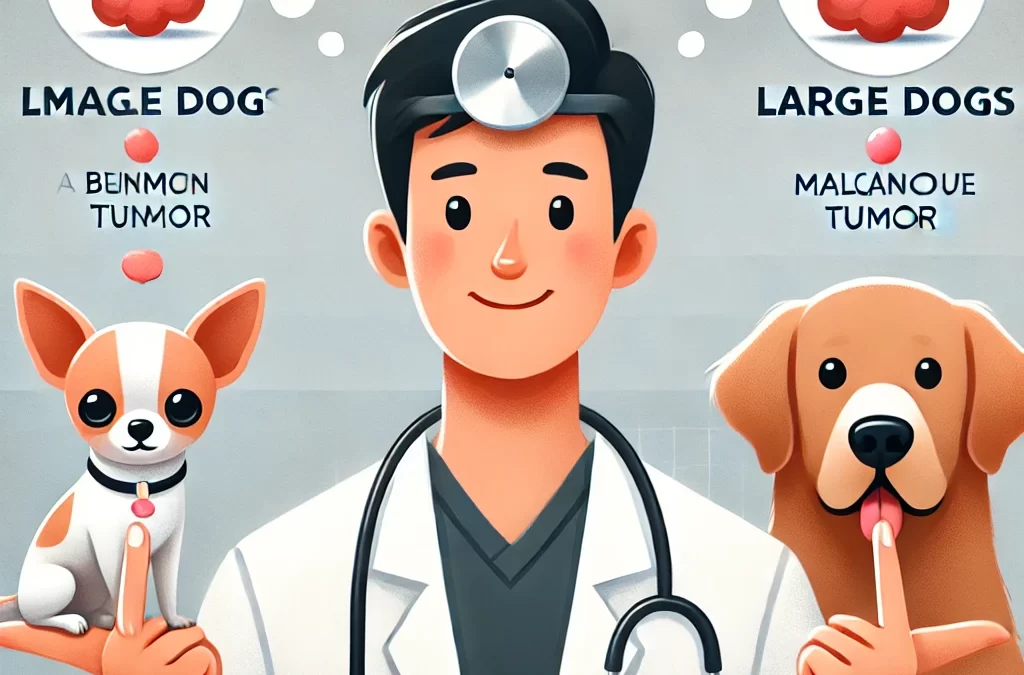
When it comes to cancer and tumor development in dogs, size matters—literally. Small and large breeds have different genetic predispositions, metabolic rates, and immune responses, all of which contribute to variations in how tumors develop, progress, and respond to treatment. If you’re a pet parent concerned about your dog’s health, understanding these differences can help you make informed decisions about prevention, early detection, and treatment.
1. The Genetic Factor: Breed-Specific Tumor Risks
Some cancers are more common in certain breeds, and a dog’s size often plays a role in this predisposition.
- Large Breeds: Dogs like Golden Retrievers, Great Danes, and Rottweilers are more likely to develop osteosarcoma (bone cancer), hemangiosarcoma (blood vessel cancer), and lymphoma. These cancers tend to be aggressive and often metastasize quickly.
- Small Breeds: Breeds like Poodles, Dachshunds, and Chihuahuas are more prone to benign tumors such as lipomas and papillomas, but they can also develop mammary tumors and bladder cancer.
The difference is not just in the type of tumors but also in how these cancers behave and respond to treatment.
2. Tumor Growth Rate and Behavior
Tumor progression varies significantly between small and large dogs due to differences in growth rates and cell metabolism.
- Faster Growth in Large Dogs: Larger breeds grow rapidly as puppies, and this rapid cell division may contribute to a higher risk of developing malignant tumors later in life. Their tumors also tend to be more aggressive.
- Slower Growth in Small Dogs: While tumors in small breeds may develop more slowly, they are still a concern. Benign tumors like lipomas are common but may interfere with mobility if they grow too large. Additionally, small dogs can still develop malignant tumors, such as mast cell tumors, which can spread if left untreated.
3. Life Expectancy and Tumor Onset
Large dogs tend to have shorter lifespans than small dogs, and this impacts tumor development timelines.
- Early-Onset Cancers in Large Dogs: Since large breeds age faster, they are more likely to develop cancer at a younger age—often between 6 to 8 years old. This means owners should begin cancer screenings and preventive care early.
- Later-Onset Tumors in Small Dogs: Small breeds may not show signs of cancer until their senior years (10+ years old), which means long-term monitoring is essential.
Understanding these timelines can help pet owners schedule vet checkups at the right time to catch potential tumors early.
4. Diagnosis and Treatment Challenges
When diagnosing and treating tumors, size plays a role in both detection and the ability to perform procedures.
- Surgical Considerations: Large dogs can better tolerate some surgeries due to their larger body mass, but removing tumors in weight-bearing bones (like with osteosarcoma) can be challenging. Small dogs, on the other hand, may struggle with anesthesia risks, especially if they are very tiny.
- Chemotherapy and Medication Differences: Dosing for chemotherapy is weight-dependent, and larger dogs often require higher drug doses, increasing treatment costs. Small dogs, despite needing lower doses, may experience stronger side effects due to their delicate systems.
5. Prevention and Early Detection Strategies
Regardless of size, early detection is crucial. Here’s what dog owners can do:
- Routine Veterinary Checkups: Regular exams help catch tumors before they grow too large.
- Physical Checks at Home: Running your hands over your dog’s body weekly can help detect unusual lumps.
- Breed-Specific Cancer Screenings: Large breeds should have early X-rays and ultrasounds, while small breeds may benefit from skin and bladder screenings.
- Diet and Lifestyle Adjustments: A balanced diet, regular exercise, and weight management can help support overall health and potentially reduce cancer risks.
Final Thoughts
While tumors affect both small and large dogs, their differences in genetics, tumor behavior, and treatment options mean pet owners need tailored care strategies. Large dogs are more prone to aggressive cancers at younger ages, while small dogs may develop slower-growing tumors later in life. By understanding these distinctions and prioritizing early detection, dog owners can improve their pets’ quality of life and potentially extend their time together.

by TCMVET | Jan 8, 2025 | Dog Cancer & Tumors
When faced with a tumor diagnosis in your beloved dog, making treatment decisions can feel overwhelming. Owners often ask: Should I opt for conventional treatments like chemotherapy or surgery, or explore natural therapies? Each option has its benefits, risks, and unique considerations. This guide provides a fresh perspective to help you navigate these choices.
1. Chemotherapy: A Double-Edged Sword
Chemotherapy is a common treatment for certain types of cancer, especially systemic cancers like lymphoma. It works by targeting rapidly dividing cancer cells, but it can also affect healthy cells, leading to side effects.
Pros:
- Effective for systemic cancers that have spread.
- Can shrink tumors and improve quality of life.
- May extend survival time significantly.
Cons:
- Side effects include nausea, fatigue, and immune suppression.
- Requires frequent vet visits, which can be stressful for the dog.
- Costs can quickly add up, depending on the type and duration of treatment.
Chemotherapy might be a good choice if your dog’s cancer is aggressive and systemic, and you’re willing to manage potential side effects.
2. Surgery: Precision in Action
Surgical intervention is often the first line of defense for localized tumors. It aims to remove the tumor entirely, providing a potential cure in cases where the cancer hasn’t spread.
Pros:
- High success rate for benign or localized tumors.
- Immediate removal of the tumor reduces pain and pressure on surrounding tissues.
- Can provide a definitive diagnosis through biopsy.
Cons:
- Not suitable for all cancers, especially metastatic ones.
- Recovery can be painful and requires diligent aftercare.
- Anesthesia risks, particularly for older or weaker dogs.
Surgery is ideal for tumors detected early, especially those in accessible areas with minimal surrounding tissue involvement.
3. Natural Therapies: A Holistic Approach
Natural therapies, such as herbal remedies, dietary changes, and acupuncture, focus on boosting the body’s natural defenses to fight cancer and improve quality of life.
Popular Natural Options:
- Herbal Supplements: Ingredients like turmeric (curcumin) and Chuanxiong (Szechuan Lovage) are believed to reduce inflammation and inhibit tumor growth.
- Dietary Adjustments: High-protein, low-carb diets may starve cancer cells by reducing their primary energy source.
- Acupuncture and Massage: These can relieve pain and improve energy levels.
Pros:
- Non-invasive and often free of severe side effects.
- Can complement conventional treatments, enhancing their efficacy.
- Focuses on overall well-being, not just the tumor.
Cons:
- Lack of scientific evidence for some therapies.
- Results may take time, and not all cancers respond.
- Requires commitment to lifestyle changes and regular administration.
Natural therapies are best suited for dogs whose owners seek a gentler, supportive approach, either as a standalone treatment for slow-growing tumors or alongside conventional options.
Making the Right Choice
Choosing the best treatment involves a careful assessment of several factors:
- Type and Stage of Cancer: Some cancers respond better to specific treatments. For example, surgery may cure a benign tumor, while chemotherapy is necessary for aggressive lymphomas.
- Your Dog’s Overall Health: Older dogs or those with other health conditions may not tolerate invasive treatments.
- Financial and Emotional Capacity: Treatments can be costly and emotionally draining, so consider what’s realistic for your situation.
- Quality of Life: Prioritize your dog’s comfort and happiness, especially in advanced stages.
Blending Approaches for Optimal Results
Increasingly, vets recommend integrative care—combining conventional treatments with natural therapies. For example:
- Surgery to remove a primary tumor, followed by a tailored diet and supplements to prevent recurrence.
- Chemotherapy to manage metastasis, complemented by acupuncture to reduce nausea and fatigue.
Conclusion
There is no one-size-fits-all answer when treating canine tumors. Whether you choose chemotherapy, surgery, or natural therapies, the ultimate goal is to enhance your dog’s quality of life and provide the best possible care. Collaborate closely with your veterinarian, and don’t hesitate to seek a second opinion or explore holistic practitioners. After all, your dog’s journey is unique—and so is the love you share.

by TCMVET | Nov 1, 2024 | Dog Cancer & Tumors
Hemangiosarcoma is a serious and aggressive cancer that affects dogs, with a high tendency to spread to other organs. This article outlines the prognosis for different types of hemangiosarcoma and offers insights into care strategies that may improve a dog’s quality of life.
Hemangiosarcoma Types and Their Prognosis
- Splenic Hemangiosarcoma
Splenic hemangiosarcoma is one of the most common and aggressive types, occurring in the spleen. Without treatment, life expectancy is often limited to just a few weeks. Surgical removal of the spleen can extend survival to about 2–3 months. When combined with chemotherapy, some dogs may live up to 9 months. However, long-term survival is rare, with fewer than 10% surviving beyond one year.
- Cardiac Hemangiosarcoma
This type of hemangiosarcoma affects the heart, making it difficult to treat and typically resulting in a grave prognosis. Most dogs live only days to weeks without treatment. With palliative care and chemotherapy, survival may extend to around 4 months. However, cardiac hemangiosarcoma is generally incurable, and supportive care focuses on the dog’s comfort.
- Cutaneous Hemangiosarcoma
Cutaneous hemangiosarcoma, which affects the skin, has a relatively better prognosis. Tumors caused by UV exposure are less likely to metastasize, and dogs may live years if these tumors are removed promptly. Close monitoring of UV-exposed areas is essential, as recurrence can happen, and timely removal of new tumors is recommended.
- Subcutaneous Hemangiosarcoma
Located just below the skin, subcutaneous hemangiosarcoma has a poorer prognosis than cutaneous types because it can spread into deeper tissues. Even with treatment, survival may only be extended by a few months, depending on the tumor’s extent and response to treatment.
Treatment Options and Care Plans
For hemangiosarcoma, treatment can include surgery, chemotherapy, or a combination of approaches. Each has specific benefits and is chosen based on the tumor’s type, location, and progression.
- Surgical Removal
Surgery may be an option for splenic and skin tumors. For splenic hemangiosarcoma, removal of the spleen is a common approach, often followed by chemotherapy to reduce the risk of recurrence.
- Chemotherapy
Chemotherapy can help slow down the tumor’s spread and improve survival times, especially for aggressive types like splenic and cardiac hemangiosarcoma. However, it’s crucial to weigh chemotherapy’s benefits and potential side effects with your veterinarian.
- Palliative Care
Palliative care aims to enhance comfort and manage symptoms in dogs with advanced hemangiosarcoma. This may involve pain management, supportive therapies, and lifestyle adjustments to help the dog enjoy a better quality of life.
Monitoring and Follow-Up
Regular follow-up visits with the veterinarian are vital for tracking the progression of hemangiosarcoma. These visits may include bloodwork and diagnostic imaging to detect any changes or potential metastasis. Keeping a close watch on your dog’s health and communicating with your veterinarian will help tailor care to the dog’s needs.
Enhancing Quality of Life
While the prognosis for hemangiosarcoma remains challenging, pet owners can take proactive steps to enhance their dog’s quality of life. Balanced nutrition, gentle exercise, and creating a calm environment can positively impact a dog’s well-being. Working closely with the veterinarian to adapt the treatment plan as the disease progresses is key to ensuring that the dog remains as comfortable as possible.
