by TCMVET | May 22, 2024 | Dog Cancer & Tumors
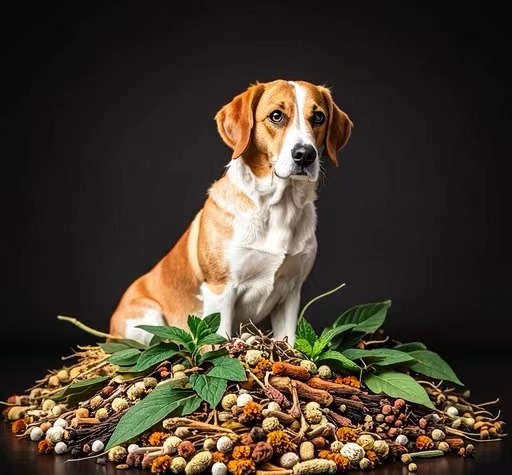
In recent years, advancements in veterinary medicine have brought immunotherapy to the forefront of cancer treatment for dogs. Immunotherapy works by activating or enhancing the dog’s immune system to fight against cancer cells, providing a relatively gentle and effective treatment option. Additionally, the use of Chinese herbs can further improve the efficacy of immunotherapy, reduce side effects, and enhance the overall health of dogs.
Principles of Immunotherapy
Immunotherapy primarily operates through the following mechanisms:
- Immune Checkpoint Inhibitors: These drugs block cancer cells from using immune checkpoints to evade the immune system, allowing immune cells to recognize and destroy cancer cells.
- Cytokine Therapy: This involves the use of natural or recombinant cytokines (such as interferons and interleukins) to boost the immune system’s response to cancer cells.
- Cancer Vaccines: These stimulate the dog’s body to produce an immune response against specific cancer antigens, helping the immune system recognize and attack cancer cells.
Role of Chinese Herbs in Immunotherapy
Chinese herbs contribute to cancer immunotherapy in dogs in several ways:
- Enhancing Immune Function: Herbs like astragalus, reishi, and ginseng are known for their immune-boosting properties, which can enhance the dog’s immune response to cancer.
- Antitumor Effects: Certain herbs, such as Hedyotis diffusa and Scutellaria barbata, are believed to have direct antitumor effects, inhibiting the growth and spread of cancer cells.
- Improving Treatment Tolerance: Chinese herbs can help alleviate the side effects of immunotherapy, improving the dog’s tolerance to treatment and overall quality of life.
Advantages of Combining Immunotherapy with Chinese Herbs
- Synergistic Effects: Immunotherapy and Chinese herbs can complement each other, enhancing the overall treatment efficacy. For instance, immune checkpoint inhibitors can be combined with immune-boosting herbs to strengthen the immune response.
- Reduced Side Effects: The use of Chinese herbs can help mitigate the side effects of immunotherapy, such as fatigue and loss of appetite, thereby improving the dog’s quality of life.
- Holistic Health Management: Chinese herbs not only target cancer treatment but also help in managing the overall health of the dog, improving its physical condition and disease resistance.
Case Studies
Studies have shown that combining Chinese herbs with immunotherapy can lead to better treatment outcomes and improved tolerance in canine cancer patients. For example, in a study on malignant melanoma in dogs, the combination of immunotherapy with herbs like astragalus and reishi significantly extended survival times and reduced side effects.
Conclusion
As an emerging treatment option for canine cancer, immunotherapy activates the dog’s own immune system, providing a safe and effective way to combat cancer. The integration of Chinese herbs can further enhance the therapeutic effects, reduce side effects, and improve the overall well-being of dogs, offering a holistic approach to cancer treatment.

by TCMVET | May 15, 2024 | Dog Cancer & Tumors
Cancer in dogs is a challenging diagnosis for any pet owner. While traditional veterinary medicine offers surgery, chemotherapy, and radiation, many pet owners are also turning to holistic approaches, such as homeopathic remedies, to provide comfort and possibly extend the quality of life for their canine companions. This article explores the integration of homeopathic treatments with supportive care strategies to help dogs diagnosed with cancer.
Understanding Homeopathic Treatments for Canine Cancer
Homeopathy is a form of alternative medicine based on the principle of “like cures like,” which suggests that substances that produce symptoms in a healthy individual can treat similar symptoms in a sick individual when provided in highly diluted doses. For dogs with cancer, homeopathic remedies are tailored to the individual’s symptoms, rather than the disease itself.
Common homeopathic remedies used in the treatment of cancer in dogs include:
- Arsenicum Album: Often used for animals experiencing severe weakness, restlessness, and anxiety.
- Thuja Occidentalis: Generally recommended for growths stemming from vaccinations or other underlying issues.
- Belladonna: Suitable for cases with sudden onset of symptoms that are particularly intense and painful.
It’s crucial to consult with a veterinarian skilled in homeopathy to choose the appropriate remedy and dosage for your dog’s specific condition.
Supportive Care Strategies for Dogs with Cancer
Alongside homeopathic treatments, supportive care is vital in managing a dog’s quality of life with cancer. Here are some effective supportive care strategies:
- Nutrition: Feeding your dog a balanced diet tailored to their specific needs can help maintain strength and enhance their quality of life. Some pet owners opt for diets rich in antioxidants, omega-3 fatty acids, and easily digestible proteins.
- Pain Management: Traditional pain relief medications, acupuncture, and laser therapy are options to help manage pain effectively.
- Regular Exercise: Depending on the dog’s health and stamina, light to moderate exercise can help maintain muscle tone and stimulate their spirits.
- Emotional Support: Just like humans, dogs benefit from a supportive and loving environment. Maintaining a routine and spending quality time together can help lift a dog’s spirits.
Considerations and Precautions
While homeopathic remedies offer an alternative path, it’s essential to approach cancer treatment comprehensively. Always discuss any new treatment plans with a qualified veterinarian who understands both traditional and holistic approaches. Monitoring your dog’s response to any treatment and adjusting as necessary is crucial.
In conclusion, managing canine cancer involves a combination of medical intervention and compassionate care. Whether integrating homeopathy, adjusting dietary needs, or providing emotional support, the goal remains to enhance your dog’s quality of life and provide the best possible care during their treatment journey.
by TCMVET | May 14, 2024 | Dog Cancer & Tumors
In the ongoing quest for effective treatments for canine cancer, pet owners and veterinarians are increasingly turning to both traditional and innovative therapies. Among these, Si Miao San, a classic herbal formula from Traditional Chinese Medicine (TCM), has garnered attention for its potential benefits in treating various conditions, including cancer in dogs. This article explores the science behind Si Miao San, its application for canine health, and evaluates its role as a potential ‘miracle cure’ for dog cancer.
What is Si Miao San?
Si Miao San is a four-herb formula that has been used in Traditional Chinese Medicine for centuries. Originally designed to treat damp-heat conditions in humans, its applications have been successfully extended to pets, particularly dogs. The formula typically includes the following herbs:
- Atractylodes lancea (Cang Zhu): Known to help reduce inflammation and improve digestion.
- Phellodendron amurense (Huang Bai): Recognized for its anti-inflammatory and antibacterial properties.
- Coptis chinensis (Huang Lian): Celebrated for its ability to treat infections and soothe inflammation.
- Alisma plantago-aquatica (Ze Xie): Useful for its diuretic properties and its ability to help manage body fluids.
Si Miao San and Canine Cancer
Cancer in dogs often involves chronic inflammation and an imbalance in the body’s immune system. Si Miao San’s combination of herbs works synergistically to address these issues, making it a compelling option for supportive cancer care. Here’s how Si Miao San might help:
- Anti-inflammatory Properties: Many cancers are associated with inflammation. Si Miao San’s components like Huang Bai and Huang Lian are potent anti-inflammatories, which may help in reducing tumor-associated swelling and discomfort.
- Immune Modulation: The formula can modulate the immune system, potentially improving the body’s natural ability to fight cancer.
- Enhanced Quality of Life: By addressing secondary symptoms such as inflammation and poor digestion, Si Miao San can help improve the overall quality of life for dogs suffering from cancer.
Evaluating the Miracle Cure Claim
While Si Miao San shows promise in managing symptoms associated with cancer, it is important to maintain a balanced perspective. The term “miracle cure” can be misleading, as no single treatment guarantees a cure for cancer. Effective cancer treatment often requires a multifaceted approach, including conventional therapies like surgery, chemotherapy, and radiation, alongside supportive measures such as TCM.
Consultation with Veterinary Professionals
Before integrating Si Miao San into a dog’s cancer treatment regimen, it is crucial to consult with a veterinarian. Veterinarians who have experience in both conventional and holistic medicine can provide guidance tailored to an individual dog’s health condition.
Si Miao San offers a hopeful perspective for managing canine cancer, particularly when used as part of a comprehensive treatment plan. While not a miracle cure, its potential to improve quality of life and modulate the immune response in dogs is an avenue worth exploring for pet owners and veterinary practitioners alike. As research continues to evolve, so too will our understanding of how best to integrate traditional remedies like Si Miao San into modern veterinary care.

by TCMVET | May 9, 2024 | Dog Cancer & Tumors
Cancer remains one of the most formidable health challenges in dogs, but understanding the disease and adopting preventive measures can significantly improve the quality of life and longevity of our canine companions. This article explores critical strategies for preventing canine cancer and supportive measures for dogs diagnosed with the condition.
Understanding Canine Cancer: A Brief Overview
Cancer in dogs, similar to humans, involves the uncontrolled growth of cells that can affect any part of the body. The most common types include lymphoma, melanoma, mammary cancer, and bone cancer. Early detection and appropriate treatment are crucial in managing this disease effectively.
Preventive Measures to Reduce Cancer Risk
Diet and Nutrition: A balanced diet rich in antioxidants can help reduce inflammation and prevent cancer. Foods that are high in vitamins E and C, beta-carotene, and omega-3 fatty acids are especially beneficial. Consider incorporating fresh, whole foods like blueberries, carrots, and leafy greens into your dog’s diet.
Regular Exercise: Regular physical activity not only helps maintain a healthy weight but also reduces the risk of cancer. Exercise boosts the immune system and helps eliminate toxins through increased metabolic activity.
Avoid Carcinogens: Minimize your dog’s exposure to known carcinogens such as tobacco smoke, certain pesticides, and toxic household chemicals. Use natural cleaning products and ensure that your dog’s environment is as toxin-free as possible.
Routine Veterinary Check-ups: Regular check-ups can help detect cancer early. Veterinarians can perform routine screenings for lumps, abnormal swellings, or symptoms that could indicate the onset of cancer.
Supporting a Dog Diagnosed with Cancer
Optimal Diet: Adjust your dog’s diet to support cancer treatment. Diets high in protein and low in carbohydrates can starve cancer cells and slow their growth. Consult with a veterinary nutritionist to tailor a diet plan that’s best for your dog’s specific type of cancer.
Pain Management: Effective pain management is crucial. Your veterinarian can recommend medications to alleviate pain, improve quality of life, and support overall well-being.
Alternative Therapies: Consider complementary therapies such as acupuncture, massage, or herbal supplements that may provide additional support alongside conventional treatments like chemotherapy or radiation.
Emotional Support: Beyond physical care, emotional support plays a vital role in the health of a dog with cancer. Provide a comfortable, stress-free environment and spend quality time with your pet to help them feel loved and secure.
The Importance of Hope and Care
While a cancer diagnosis can be daunting, advancements in veterinary medicine have made it a manageable condition in many cases. With the right strategies and compassionate care, dogs with cancer can lead fulfilling lives.
Implementing these guidelines can significantly aid in both preventing and managing canine cancer. Owners are encouraged to work closely with their veterinarians to tailor prevention and treatment plans that best suit their pets’ needs.

by TCMVET | May 8, 2024 | Dog Cancer & Tumors
Turkey tail mushrooms (Trametes versicolor) have emerged as a powerful natural treatment in the battle against canine cancer. This article explores the unique properties of turkey tail mushrooms, their role in enhancing a dog’s immune system during cancer therapy, and practical advice for incorporating them into your pet’s regimen.
What are Turkey Tail Mushrooms?
Turkey tail mushrooms are a type of fungus renowned for their distinctive, colorful, fan-like shape. They are abundant in bioactive compounds, such as beta-glucans, which are known to boost immune responses and potentially counteract the growth of cancer cells.
Immune System Enhancement
The primary benefit of turkey tail mushrooms lies in their ability to modulate the immune system. They increase the production of immune cells like macrophages and lymphocytes, which are crucial for detecting and destroying cancerous cells. This makes them an excellent adjunct therapy for dogs undergoing traditional cancer treatments such as chemotherapy or radiation.
Anti-Cancer Properties
Beyond immune support, turkey tail mushrooms contain compounds that directly combat cancer. Research has indicated that the natural phenols and flavonoids present in turkey tail mushrooms have antioxidant properties that help reduce cellular damage from free radicals, a common issue in cancerous cells.
Incorporation into Canine Diets
Turkey tail mushrooms can be administered to dogs in various forms, including powdered supplements, capsules, or tinctures. When introducing turkey tail into your dog’s diet, start with small doses to assess tolerance and gradually increase to the recommended dose based on your dog’s weight and health condition.
Veterinary Oversight and Dosing
It is vital to consult with a veterinarian experienced in integrative medicine before adding any new supplement to your dog’s cancer treatment plan. A professional can provide guidance on appropriate dosing and ensure the supplement does not interfere with other treatments.
Quality and Purity in Supplements
When choosing a turkey tail supplement, opt for products that guarantee high purity and are free from contaminants. Products should ideally be certified organic and produced by reputable manufacturers who specialize in medicinal mushrooms.
Turkey tail mushrooms offer a promising complementary treatment for dogs with cancer, thanks to their immune-boosting and anti-cancer properties. By enhancing the body’s natural defenses and providing additional antioxidant support, they can be a valuable part of a holistic cancer treatment plan. Always remember to work closely with your veterinarian to tailor the approach to your dog’s specific needs and health status, ensuring the safest and most effective use of this natural therapy.
