by TCMVET | Nov 12, 2024 | Dog Cancer & Tumors
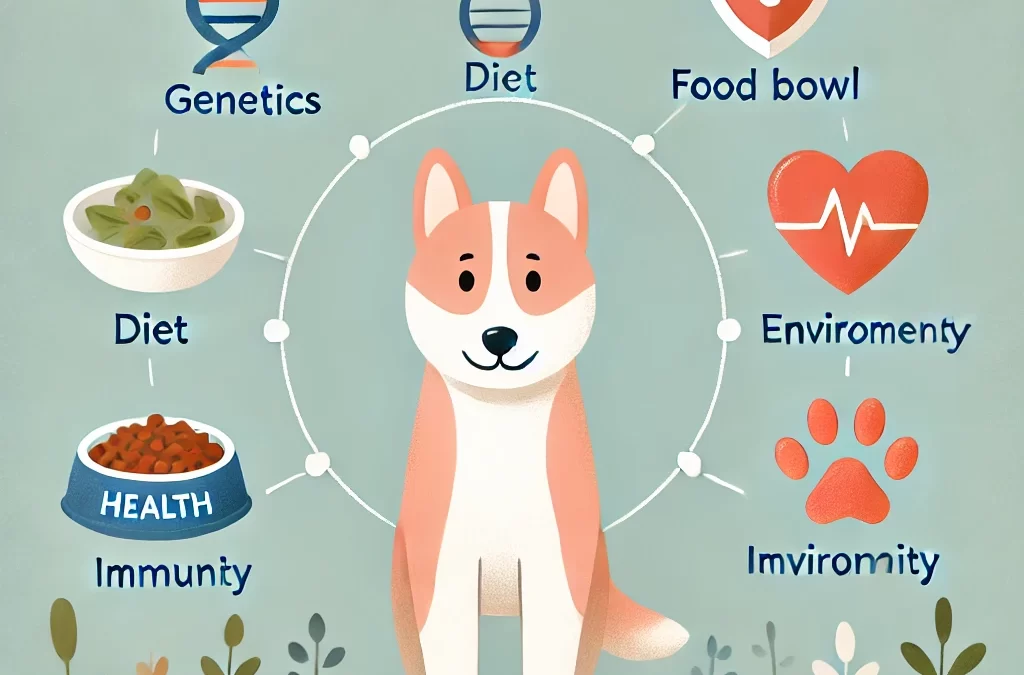
Cancer is one of the most challenging diseases for humans and pets alike, and it’s particularly heartbreaking when it affects our beloved dogs. But understanding why and how cancer develops in dogs can shed light on prevention and provide insight into early detection. While there’s no surefire way to prevent cancer, let’s explore the main contributing factors, emerging research, and ways we can help reduce risks.
1. Genetics: The Influence of Breed and Family History
Some breeds have a higher predisposition to cancer. For example, breeds like Golden Retrievers, Boxers, and Rottweilers are genetically inclined to develop certain cancers. Research suggests that inherited genetic mutations play a significant role in these tendencies. A study published in Canine Genetics and Epidemiology revealed that particular breeds have shared genetic traits that make them more susceptible to tumors. As a result, a dog’s lineage can increase its risk, meaning pet parents of certain breeds need to be extra vigilant with regular vet check-ups.
2. Environmental Factors: Carcinogens and Everyday Toxins
Dogs are exposed to environmental toxins just like humans. Common culprits include secondhand smoke, certain cleaning products, pesticides, and pollution. Dogs, with their close contact with floors and outdoor surfaces, can easily ingest or inhale harmful substances, unknowingly bringing toxins into their bodies. There is also mounting evidence that shows a direct correlation between exposure to specific carcinogens and increased cancer risks in dogs.
Actionable Insight: To minimize exposure, consider choosing natural cleaning products, avoiding smoking around pets, and ensuring your dog’s play areas are free from pesticides.
3. Diet: The Role of Nutrition in Cancer Prevention
What a dog eats can have profound effects on their health, influencing everything from immune function to cellular health. Poor-quality food, high in fillers and artificial additives, can contribute to cellular mutations and inflammation, potentially leading to cancer. On the other hand, a balanced diet rich in antioxidants, omega fatty acids, and natural proteins can support cellular repair and immune defenses.
Dietary Recommendation: Consider switching to high-quality, organic, or even home-cooked meals tailored to meet your dog’s nutritional needs. Always consult with a veterinarian for guidance on the best diet.
4. Hormonal Influences and Reproductive Health
Hormones are powerful chemical messengers in the body, and they can influence tumor growth. Studies have shown that spaying or neutering at the appropriate age can reduce the risk of certain cancers, such as mammary or testicular cancers. However, the timing of these procedures is essential, as early spaying or neutering has been linked with an increased risk of other cancers, such as osteosarcoma.
Balanced Decision: Talk with your vet about the best time for spaying or neutering your dog, as timing may vary depending on breed and individual health.
5. Infections and Viruses
Certain infections and viruses are known to be carcinogenic. In dogs, viruses like the canine papillomavirus can cause warts that may develop into malignant tumors in rare cases. Additionally, infections that cause chronic inflammation can lead to cellular changes and mutations over time, potentially leading to cancer.
6. Aging: The Inevitable Factor
Age is one of the most significant risk factors for cancer in dogs. With improvements in veterinary care, dogs are living longer, and with age comes an increased likelihood of cancer. As a dog’s cells age, the mechanisms for repairing DNA damage can become less efficient, making it easier for cancerous mutations to occur.
Preventative Steps and Lifestyle Changes for a Healthier Life
While not all cases of cancer are preventable, certain lifestyle adjustments can help reduce risks. Here are some preventative measures that could promote long-term health:
- Routine Veterinary Care: Regular check-ups help detect any abnormal growths or early warning signs.
- Healthy Diet Choices: Choose food high in essential nutrients, free of artificial additives and fillers.
- Maintain a Clean Environment: Use non-toxic products and avoid exposing your dog to harmful chemicals.
- Exercise Regularly: Keeping your dog active supports a robust immune system, vital for fighting off diseases.
Conclusion: Knowledge as Our Best Defense
Understanding the factors that contribute to cancer in dogs can help us make informed choices and, where possible, reduce the risk. While genetics and age are beyond our control, we can take steps to ensure our dogs lead healthier, longer lives. By remaining vigilant, prioritizing quality care, and fostering a toxin-free environment, we can give our dogs the best chance at a cancer-free life.

by TCMVET | Nov 8, 2024 | Dog Cancer & Tumors
Dogs hold a cherished place in our lives, embodying loyalty, companionship, and boundless joy. However, certain breeds are genetically predisposed to cancer, making it a significant concern for many dog owners. Understanding which breeds are more susceptible to cancer and why can help owners be more vigilant and proactive in managing their pet’s health.
The Breeds at Higher Risk
While cancer can affect any dog, some breeds show a higher incidence due to their genetic makeup. Here are a few breeds known to be more prone to cancer:
- Golden Retrievers: One of the most beloved dog breeds, Golden Retrievers, unfortunately, have one of the highest cancer rates. Hemangiosarcoma and lymphoma are particularly common in this breed.
- Boxers: Known for their playful and energetic nature, Boxers are prone to developing mast cell tumors and lymphoma. Early detection and regular check-ups are crucial for this breed.
- Rottweilers: Rottweilers are susceptible to osteosarcoma, an aggressive type of bone cancer. Their large size and genetic predispositions make them particularly vulnerable.
- Bernese Mountain Dogs: This breed is admired for its gentle nature but has a high risk of histiocytic sarcoma. Owners should monitor for any unusual lumps or behavioral changes.
- German Shepherds: Renowned for their intelligence and loyalty, German Shepherds can develop hemangiosarcoma and other cancers. Their large size and genetic line contribute to their predisposition.
Understanding the Genetic Link
The genetic component plays a significant role in why certain breeds are more prone to cancer. Selective breeding, while often aimed at enhancing desirable traits, can inadvertently pass on genes that predispose dogs to various cancers. Genetic mutations, hereditary syndromes, and breed-specific predispositions are factors that contribute to the increased risk.
Recognizing the Signs
Early detection can make a significant difference in treatment outcomes. Here are some key symptoms owners should look out for:
- Unexplained weight loss
- Lethargy or decreased interest in activities
- Persistent lumps or growths
- Changes in eating or drinking habits
- Panting or difficulty breathing, especially at night
Preventive Measures and Proactive Care
While some cancers cannot be prevented, owners can take steps to reduce risks and promote overall health:
- Regular Veterinary Check-Ups: Routine visits can help catch potential issues early.
- Balanced Diet and Exercise: Maintaining a healthy weight and ensuring proper nutrition can support the immune system.
- Genetic Testing: For breeds with a high risk, genetic testing can provide insights into potential predispositions.
- Awareness of Breed-Specific Risks: Knowing the risks allows owners to be more observant and proactive in their care.
A Call for Research and Awareness
Ongoing research into canine cancer aims to better understand the genetic and environmental factors that contribute to these conditions. Awareness campaigns and funding for veterinary oncology are essential in advancing treatment options and preventive strategies.
Conclusion
Owning a dog from a breed that is prone to cancer does not mean inevitable heartache; rather, it emphasizes the importance of knowledge and preparedness. By understanding the risks, recognizing the signs, and maintaining proactive care, owners can provide their beloved companions with a higher quality of life and more precious moments together.

by TCMVET | Nov 8, 2024 | Dog Cancer & Tumors
Introduction
In the vast realm of veterinary medicine, certain conditions lurk in obscurity, eluding even the most seasoned practitioners. Splenic stromal sarcoma in dogs is one such enigma—a rare cancer originating from the connective tissue of the spleen. Unlike the more commonly diagnosed hemangiosarcoma, splenic stromal sarcoma remains a shadowy adversary, often undetected until it reaches an advanced stage.
Rethinking Diagnosis: Beyond the Conventional
Traditional diagnostic methods for splenic tumors rely heavily on imaging techniques like ultrasound and radiography, which may not distinguish stromal sarcomas from other splenic masses effectively. To revolutionize diagnosis:
- Molecular Imaging: Utilizing PET scans with specialized tracers can highlight metabolic activity specific to stromal sarcoma cells.
- Liquid Biopsies: Detecting circulating tumor DNA (ctDNA) in the bloodstream offers a non-invasive diagnostic avenue and real-time monitoring of tumor dynamics.
- Artificial Intelligence (AI): Implementing AI algorithms to analyze imaging data can enhance the detection and characterization of splenic masses, improving diagnostic accuracy.
Personalized Medicine: Tailoring Treatment to the Tumor
The heterogeneity of splenic stromal sarcoma necessitates individualized treatment strategies. Embracing personalized medicine involves:
- Genomic Profiling: Sequencing the tumor’s genetic material to identify mutations and aberrant pathways provides targets for tailored therapies.
- Targeted Therapies: Drugs designed to interfere with specific molecules involved in tumor growth can be more effective and less toxic than conventional chemotherapy.
- Immunotherapy: Stimulating the dog’s immune system to recognize and attack cancer cells offers a promising frontier, leveraging vaccines or checkpoint inhibitors.
Collaborative Research: Bridging Gaps in Knowledge
Advancing our understanding of splenic stromal sarcoma requires a concerted effort:
- Cross-Species Studies: Comparing canine stromal sarcomas with human counterparts can uncover common mechanisms and therapeutic targets.
- Veterinary Oncogenomics Consortia: Establishing collaborative networks to share data and resources accelerates research and fosters innovation.
- Clinical Trials: Encouraging participation in clinical trials expands treatment options for dogs and contributes valuable data to the scientific community.
Ethical Considerations and Owner Involvement
Innovative treatments and research endeavors must be balanced with ethical considerations:
- Informed Consent: Owners should be fully informed about the potential risks and benefits of novel diagnostics and treatments.
- Quality of Life Assessments: Prioritizing the well-being of the canine patient ensures that interventions align with compassionate care principles.
- Data Privacy: Safeguarding the genetic and medical data collected during research protects the privacy of both pets and owners.
Conclusion
Splenic stromal sarcoma in dogs challenges us to push the boundaries of veterinary medicine. By embracing advanced diagnostics, personalized therapies, and collaborative research, we can transform our approach to this rare cancer. This journey not only holds promise for improving outcomes in canine patients but also enriches the broader understanding of sarcomas across species.

by TCMVET | Oct 10, 2024 | Dog Cancer & Tumors
As responsible pet owners, ensuring the health and well-being of our dogs is a top priority. One of the growing concerns among dog owners is the risk of tumors, which can vary from benign lumps to malignant cancers. Understanding how to prevent and recognize canine tumors early on can significantly improve the chances of successful treatment and extend your pet’s quality of life.
What Are Canine Tumors?
Tumors in dogs are abnormal growths of cells that can form masses or lumps on or inside the body. They can be either benign (non-cancerous) or malignant (cancerous). Benign tumors are usually slow-growing and less harmful, while malignant tumors are aggressive and can spread to other parts of the body.
Common Types of Canine Tumors
- Lipomas: These are soft, fatty lumps found just under the skin. Lipomas are generally benign and do not spread to other tissues.
- Mast Cell Tumors: Often seen in the skin, these tumors are the most common type of malignant skin tumor in dogs. Mast cell tumors can be dangerous, depending on their stage and grade.
- Mammary Gland Tumors: These tumors occur in unspayed female dogs and are often associated with hormonal changes. They can be benign or malignant.
- Hemangiosarcoma: A highly aggressive cancer, this tumor originates from the blood vessels and often affects the spleen or heart.
- Melanoma: A type of skin cancer, melanoma in dogs is usually malignant and can spread to other organs.
Signs and Symptoms to Watch For
Recognizing the early signs of a tumor is crucial for prompt treatment. Be on the lookout for:
- Unexplained lumps or swelling under the skin
- Sudden changes in appetite or weight loss
- Difficulty breathing, urinating, or defecating
- Lethargy or decreased activity
- Persistent sores or wounds that don’t heal
- Any changes in behavior or daily routine
Prevention Tips for Canine Tumors
While not all tumors can be prevented, certain lifestyle adjustments can lower the risk of tumors in dogs:
- Regular Veterinary Checkups: Annual or bi-annual vet visits allow for early detection of tumors and other health issues.
- Balanced Diet: A diet rich in antioxidants, omega-3 fatty acids, and quality protein can boost your dog’s immune system and reduce cancer risks.
- Exercise: Keeping your dog physically active helps maintain a healthy weight, which can lower the risk of tumors, particularly mammary gland tumors in unspayed females.
- Spaying and Neutering: Spaying female dogs before their first heat cycle drastically reduces the risk of mammary tumors. Neutering males can lower the risk of certain cancers like testicular cancer.
- Limit Exposure to Carcinogens: Avoid exposing your dog to tobacco smoke, pesticides, and other harmful chemicals known to cause cancer.
- Herbal Supplements and Traditional Medicine: Some pet owners have turned to herbal supplements to support their dog’s immune system. Traditional Chinese herbs, such as Szechuan lovage and Scrophularia, have been explored for their potential in promoting circulation, reducing inflammation, and managing tumors in pets.
When to See a Veterinarian
If you notice any unusual lumps or changes in your dog’s health, it’s important to consult your veterinarian right away. A biopsy or other diagnostic tests may be necessary to determine whether the lump is benign or malignant. Early diagnosis greatly improves the outcome of treatment.
Canine tumors are a serious health concern, but with proper preventive care and early detection, many dogs can live long, healthy lives. Regular vet visits, a nutritious diet, and attention to any changes in your pet’s health can go a long way in reducing the risk of tumors. Stay informed and proactive about your dog’s health, and consult with your veterinarian if you have any concerns.

by TCMVET | Oct 6, 2024 | Dog Cancer & Tumors
Cancer is a leading health concern for dogs, and early detection can significantly improve the chances of successful treatment. While physical symptoms like lumps or weight loss are common signs, often the earliest indicators of cancer can be found through abnormalities in blood tests. Regular blood work is a critical tool for monitoring your dog’s health, and understanding these key abnormalities can help you spot cancer in its early stages.
The Importance of Blood Tests in Canine Cancer Detection
Routine blood tests provide valuable insights into your dog’s overall health and can reveal changes in blood cell counts, organ function, and other critical markers that may indicate the presence of cancer. A veterinarian can analyze a complete blood count (CBC) and biochemistry panel to identify any red flags that warrant further investigation.
Key Blood Abnormalities to Watch For in Canine Cancer
- Anemia: Anemia occurs when there is a decrease in red blood cells (RBCs), which are responsible for carrying oxygen throughout the body. Certain cancers, such as lymphoma or leukemia, can cause anemia by directly affecting bone marrow function or through internal bleeding caused by tumors. Symptoms of anemia in dogs may include lethargy, weakness, and pale gums, and this condition is often detected through low RBC counts in blood tests.
- Leukocytosis (Elevated White Blood Cell Count):
An elevated white blood cell (WBC) count can be a sign that the body is fighting off an infection or, in some cases, cancer. Certain cancers like lymphoma and leukemia directly affect white blood cells. A blood test showing elevated WBC levels could indicate inflammation, infection, or the presence of cancerous cells. Persistent high WBC counts often require further diagnostic testing.
- Thrombocytopenia (Low Platelet Count):
Platelets help with blood clotting, and a low platelet count, known as thrombocytopenia, may signal an underlying cancer. This is often seen in dogs with cancers that affect the bone marrow, such as leukemia, or tumors that interfere with normal blood clotting. Dogs with low platelet counts may show signs of bruising, nosebleeds, or prolonged bleeding from minor cuts.
- Hypercalcemia (Elevated Calcium Levels):
High levels of calcium in the blood, or hypercalcemia, can be a hallmark of certain cancers, such as lymphoma, multiple myeloma, or anal sac carcinoma. Elevated calcium levels can lead to symptoms like excessive thirst, increased urination, lethargy, and vomiting. Blood tests can quickly identify hypercalcemia, which may prompt further testing for cancer.
- Increased Liver Enzymes:
If your dog’s blood test shows elevated liver enzymes, it may be an indication of liver disease or cancer. Primary liver cancer or metastasis to the liver from other cancers can lead to abnormalities in these enzyme levels. Common signs of liver-related issues include jaundice (yellowing of the skin or eyes), appetite loss, and abdominal swelling.
- Elevated Blood Urea Nitrogen (BUN) and Creatinine:
High levels of BUN and creatinine in blood tests often point to kidney dysfunction, which can be caused by tumors in the kidneys or cancers that affect kidney function. Kidney cancer, while less common, can lead to a variety of symptoms such as excessive thirst, increased urination, weight loss, and poor coat condition.
When to Seek Veterinary Attention
If your dog’s routine blood work shows any of these abnormalities, it is essential to consult your veterinarian immediately. While these indicators don’t always point to cancer, they do suggest that further testing may be necessary. Early diagnosis is key to increasing the effectiveness of treatment, so catching these signs as early as possible can make a significant difference in your dog’s prognosis.
How Often Should Dogs Have Blood Tests?
For older dogs or those with a history of cancer or other chronic conditions, regular blood tests are critical. Most veterinarians recommend annual or bi-annual blood tests for middle-aged and senior dogs, but the frequency may increase if your dog is showing signs of illness or has been diagnosed with a condition that requires close monitoring.
Understanding the importance of blood tests in detecting cancer early can empower dog owners to take an active role in their pet’s health. By staying vigilant about key blood abnormalities such as anemia, leukocytosis, and elevated calcium levels, you can catch potential warning signs of cancer early. Regular veterinary check-ups and blood tests are essential tools in safeguarding your dog’s health and ensuring they live a longer, healthier life.
