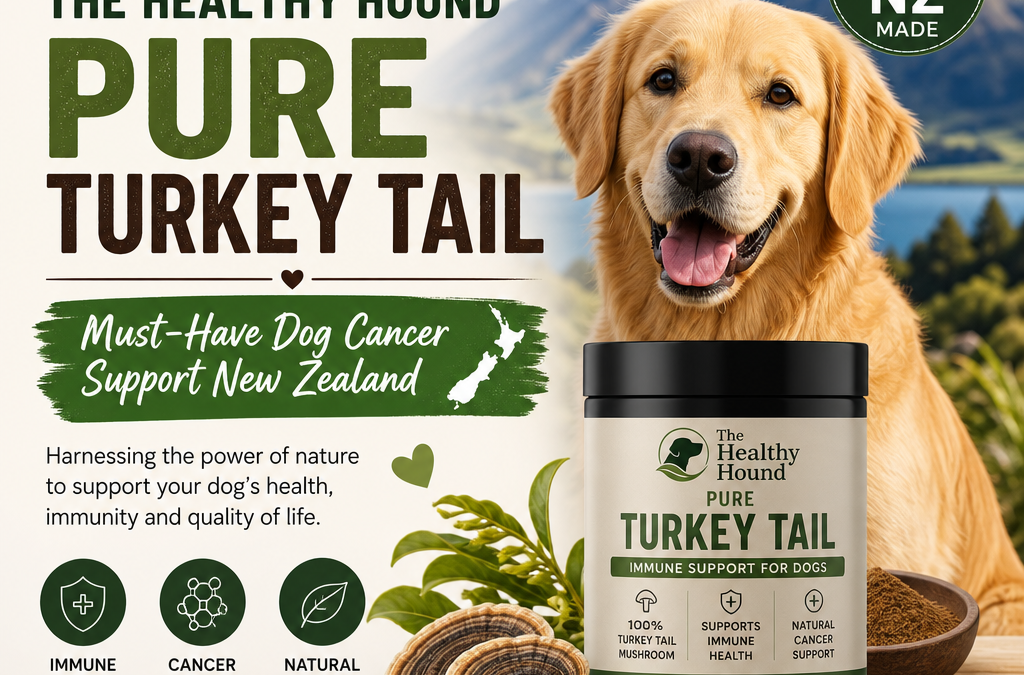
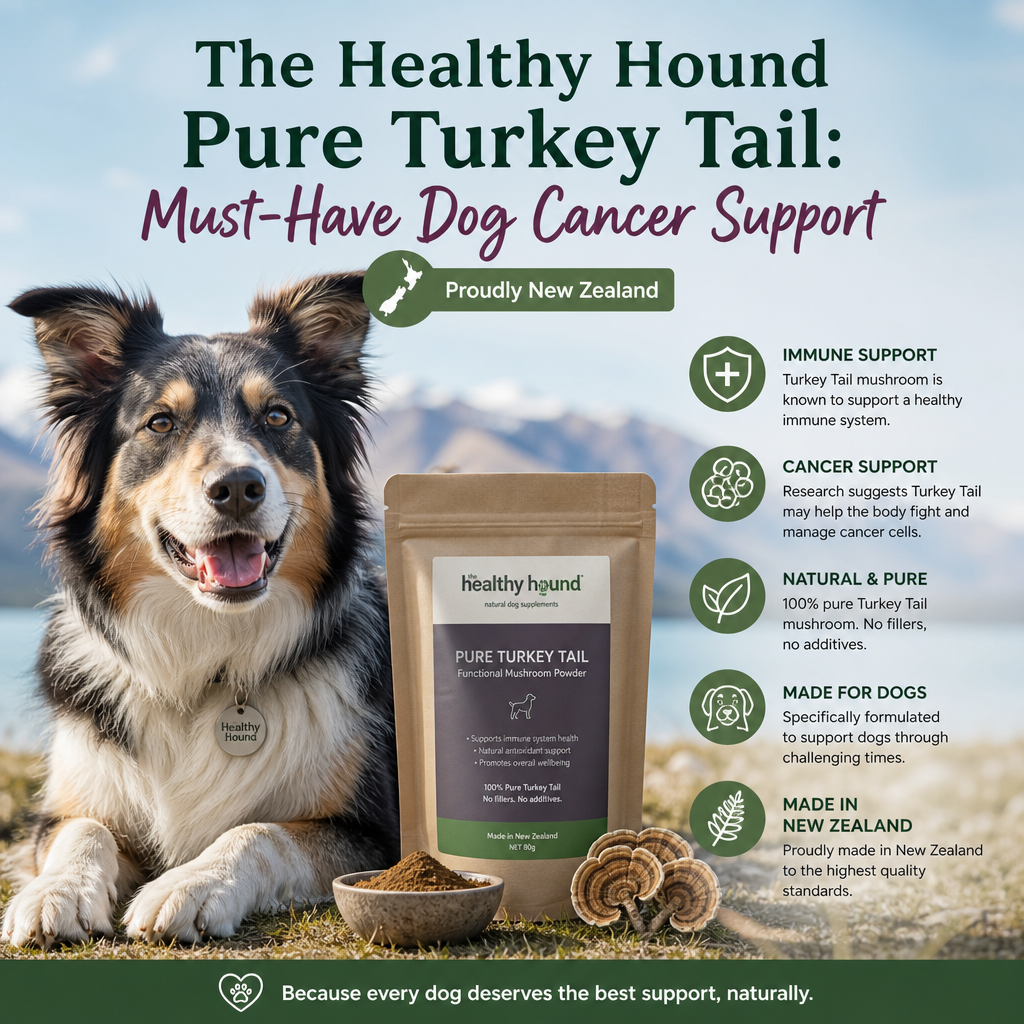
The Healthy Hound Pure Turkey Tail is attracting attention among New Zealand dog owners looking for additional support for a pet facing cancer or recovering from serious illness. Made from turkey tail mushroom, a fungus traditionally valued for its immune-supporting compounds, this type of supplement is commonly used as part of a broader veterinary care plan. It is important to understand what the product may offer, how to use it responsibly, and why professional guidance remains essential.
The Healthy Hound Pure Turkey Tail is a mushroom-based supplement formulated for dogs. Its primary ingredient, turkey tail mushroom, is known scientifically as Trametes versicolor or Coriolus versicolor. The mushroom contains compounds called polysaccharides, including beta-glucans and polysaccharide-K (PSK), which have been studied for their potential effects on immune function.
Rather than acting as a conventional cancer treatment, turkey tail is generally considered a complementary wellness product. It may be used alongside surgery, chemotherapy, radiation therapy, prescription medicine, nutritional support, and regular veterinary monitoring. The aim is usually to support the body’s normal immune response and overall resilience, not to replace clinically recommended treatment.
Product quality matters greatly with mushroom supplements. A reliable formulation should clearly identify the mushroom species, ingredient concentration, extraction method, serving guidance, batch information, and manufacturing standards. These details help owners and veterinarians assess whether a supplement is appropriate for a particular dog.
The Healthy Hound Pure Turkey Tail dog cancer support
The phrase The Healthy Hound Pure Turkey Tail dog cancer support describes the product’s role as a possible adjunct to a dog’s cancer-care routine. Research into turkey tail mushrooms has produced interest because certain mushroom compounds may influence immune activity. Some studies involving dogs have explored turkey tail extracts in relation to immune markers and quality-of-life outcomes, although research is still developing and results should not be interpreted as proof that the supplement cures cancer.
Cancer affects dogs differently depending on the tumour type, stage, location, age, breed, and general health. A supplement that may be suitable for one dog could be unsuitable for another. For example, dogs with immune disorders, liver or kidney disease, digestive sensitivities, or those taking multiple medications may require extra caution.
A veterinarian can help determine whether turkey tail is appropriate and how it fits with an existing treatment plan. Owners should provide the full product label and disclose every supplement their dog receives. This is especially important before chemotherapy, surgery, or other procedures, because some natural compounds may affect medication metabolism, blood clotting, or immune activity.
Potential benefits and limitations
Turkey tail is most often discussed for its potential immune-supporting properties. Beta-glucans may interact with immune cells and help regulate normal immune responses. Some owners also use mushroom supplements to support appetite, energy, digestion, and general wellbeing during stressful periods.
However, these potential benefits should be viewed realistically. A supplement cannot guarantee tumour reduction, remission, longer survival, or freedom from treatment side effects. Testimonials may be encouraging, but individual experiences do not replace controlled clinical evidence. Cancer care should always be guided by a qualified veterinarian, preferably a veterinary oncologist when available.
The safest way to evaluate a product is to consider it one part of a complete plan. Effective care may include diagnostics, pain management, nutritional support, prescribed medication, treatment monitoring, exercise suited to the dog’s condition, and attention to emotional wellbeing.
For more background on complementary approaches in animal health, owners can also review the TCM Vet blog for general educational articles about pet wellbeing.
The Healthy Hound Pure Turkey Tail review: what to assess
When reading a The Healthy Hound Pure Turkey Tail review, look beyond statements about dramatic results. A useful review should discuss ingredient transparency, ease of use, packaging, serving instructions, tolerability, and customer service. It should also distinguish personal experience from scientifically established evidence.
Consider the following points before purchasing:
Ingredient clarity: The label should state the mushroom species and whether the product uses a whole mushroom, fruiting body, mycelium, or extract.
Testing and quality control: Look for information about contaminant screening, batch testing, and manufacturing standards.
Serving guidance: Instructions should be clear and based on the dog’s size or weight.
Palatability: A supplement is only useful if the dog will reliably accept it.
Storage requirements: Follow directions to preserve freshness and potency.
Veterinary compatibility: Confirm that the product is suitable alongside current medicines and treatments.
Reviews can help owners understand practical issues, but they should not be treated as medical recommendations. Be cautious of claims that suggest a product can cure cancer, replace chemotherapy, or work identically for every dog.
Using The Healthy Hound Pure Turkey Tail New Zealand
For owners searching for The Healthy Hound Pure Turkey Tail New Zealand, availability, shipping conditions, and local purchasing requirements may be important considerations. New Zealand customers should check whether the product is supplied through an authorised retailer and whether the packaging includes complete directions and ingredient information.
Choose a product from a reputable source rather than relying solely on marketplace listings or unverified social media advertisements. Imported supplements should arrive sealed, clearly labelled, and within their use-by date. Store the product according to the manufacturer’s instructions, particularly if heat or moisture could affect its quality.
Before introducing it, speak with your dog’s veterinarian. Start only with the recommended amount, unless a veterinary professional provides different instructions. Introducing any new supplement gradually may make it easier to identify digestive upset or intolerance.
Possible unwanted effects can include loose stools, vomiting, reduced appetite, gas, or sensitivity to an ingredient. Stop using the product and contact a veterinarian if symptoms are severe, persistent, or accompanied by weakness, breathing difficulty, facial swelling, or collapse.
A responsible approach to canine cancer support
Supporting a dog with cancer involves more than selecting a supplement. Maintain scheduled veterinary appointments, monitor appetite and weight, observe mobility and behaviour, and report changes promptly. Keep a simple daily record of food intake, energy, bowel movements, medication, and comfort. This information can help the veterinary team evaluate whether the overall plan is working.
The Healthy Hound Pure Turkey Tail may be worth discussing as a complementary option, particularly for owners seeking a mushroom-based supplement with a clearly defined purpose. Its best use is within an evidence-informed care strategy, with realistic expectations and professional oversight. By combining veterinary treatment, careful product selection, attentive monitoring, and plenty of comfort, owners can make thoughtful decisions that prioritise their dog’s wellbeing.
In short, The Healthy Hound Pure Turkey Tail can be a reasonable part of supportive care, but it should never be viewed as a stand-alone solution. Keep the discussion with your veterinary team open, especially if your dog’s diagnosis, medication list, or appetite changes over time.
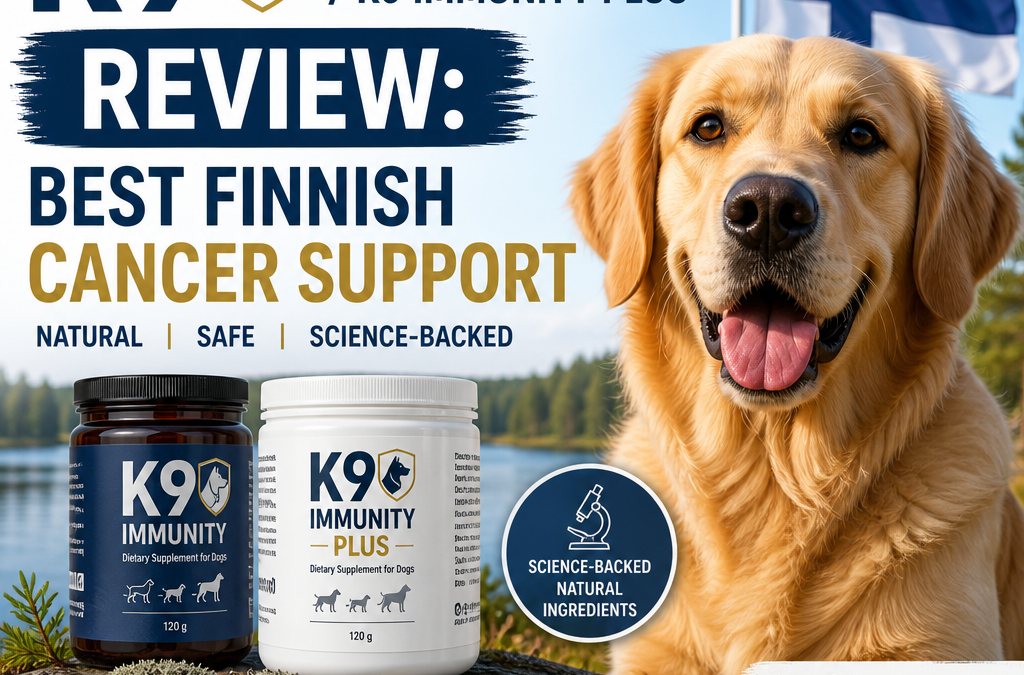
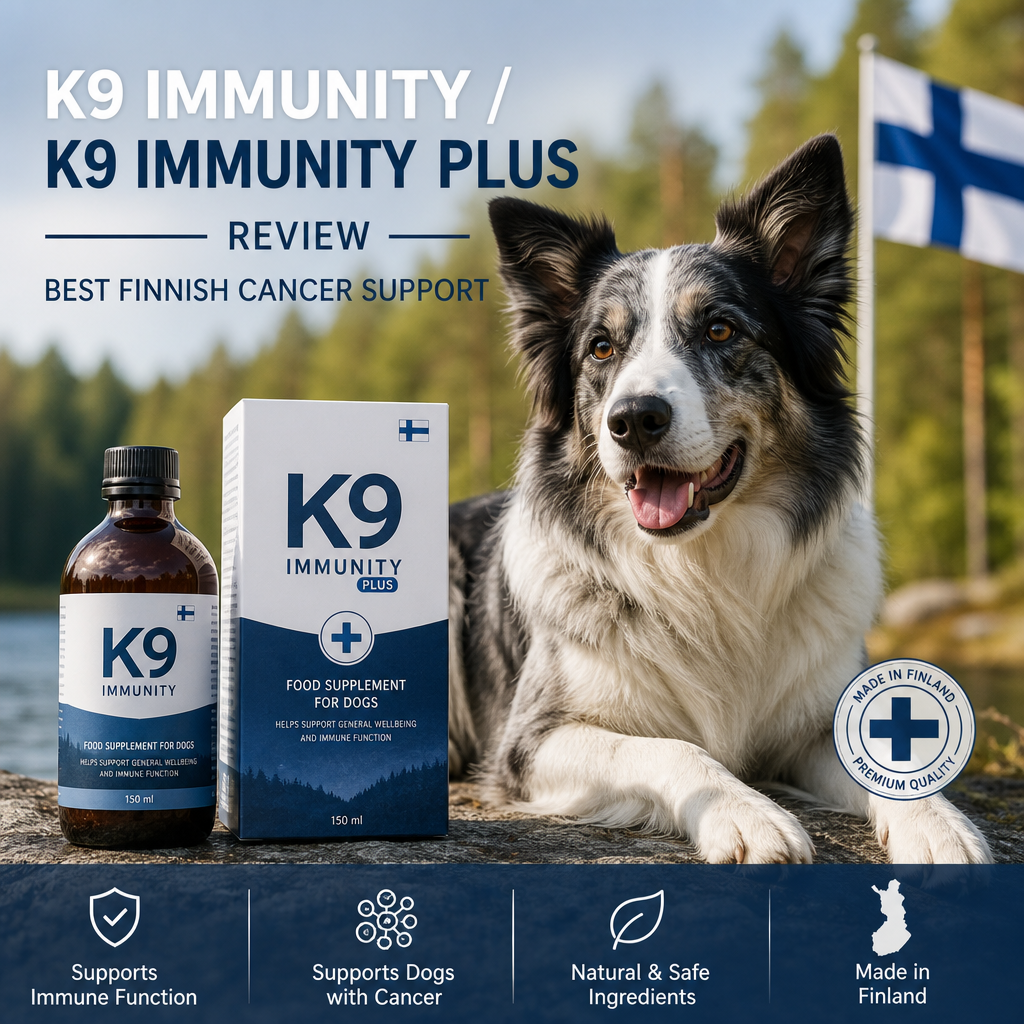
K9 Immunity / K9 Immunity Plus is a well-known canine supplement range designed to support dogs facing serious health challenges, including cancer. Associated with Finnish quality standards and natural ingredients, the product is often considered by owners looking for complementary support alongside veterinary care. However, supplements should never replace diagnosis, surgery, chemotherapy, radiation, or other treatments recommended by a veterinarian.
K9 Immunity and K9 Immunity Plus are nutritional supplements formulated for dogs that may need additional immune and nutritional support. The products are commonly discussed in connection with medicinal mushrooms, antioxidants, vitamins, minerals, and other natural compounds that may help maintain normal immune function.
The “Plus” version is generally positioned as a more comprehensive formula, depending on the specific product formulation and market. Because ingredients and serving instructions can change, owners should always read the current packaging and consult a veterinary professional before beginning supplementation.
The main goal is not to claim that a supplement can cure cancer. Rather, the goal is to help support a dog’s overall condition, resilience, appetite, energy, and quality of life while the underlying disease is being managed.
K9 Immunity / K9 Immunity Plus Review: What Do Owners Look For?
A thoughtful K9 Immunity / K9 Immunity Plus review should consider more than marketing claims. Dog owners commonly look at five areas: ingredient quality, safety, ease of use, suitability for their pet’s condition, and the level of veterinary support provided.
Many owners are attracted to the product because it is associated with natural ingredients and Finnish manufacturing or sourcing. Finland has a strong reputation for food safety, traceability, and quality control, which can provide reassurance. Nevertheless, “natural” does not automatically mean risk-free. Some natural ingredients may interact with medication, affect blood clotting, influence the immune system, or cause digestive upset.
Owners also tend to evaluate whether their dog tolerates the supplement. A product that is difficult to administer or causes vomiting, loose stools, or reduced appetite may not be appropriate, even if its ingredient profile looks promising. Palatability matters, particularly for dogs already experiencing nausea or appetite loss.
Because the product is used in a sensitive health context, a K9 Immunity / K9 Immunity Plus review should also weigh the dog’s individual diagnosis, current prescriptions, and overall energy level before any supplement is added.
K9 Immunity / K9 Immunity Plus Dog Cancer Support
K9 Immunity / K9 Immunity Plus dog cancer support is usually considered complementary care. This means it may be used alongside a veterinary treatment plan rather than instead of one. Dogs with cancer can experience weight loss, inflammation, fatigue, reduced appetite, digestive problems, and weakened condition. Nutritional support may be helpful, but the correct approach depends on the cancer type, stage, treatment plan, and general health of the dog.
Some formulas in this category contain mushroom-derived compounds. Medicinal mushrooms are researched for their polysaccharides and beta-glucans, which may interact with immune pathways. Other ingredients may provide antioxidant or nutritional support. However, evidence from laboratory studies, human research, and veterinary use should not be treated as proof that a supplement cures canine cancer.
The most realistic expectations are often related to maintaining general wellness. A supplement might be considered as part of a broader plan focused on adequate nutrition, hydration, pain management, comfortable activity, and monitoring of symptoms. Any noticeable change should be reported to the veterinarian, particularly if the dog is receiving prescription medication.
For background on established cancer symptom management and treatment planning, the Merck Veterinary Manual offers a widely respected veterinary reference for owners who want to better understand oncology care.
Potential Benefits and Limitations
Potential benefits of a carefully selected canine supplement may include support for normal immune function, improved nutritional intake, and assistance in maintaining condition during a demanding period. Some owners also report subjective improvements in energy, appetite, or vitality, although personal experiences do not replace controlled clinical evidence.
There are also important limitations. Supplements cannot reliably eliminate tumors, prevent metastasis, or substitute for cancer-directed treatment. Evidence may be limited for specific combinations of ingredients, dosages, or cancer types. Product quality can vary between batches or sellers, making authenticity and storage important considerations.
It is also possible for a supplement to create problems. Digestive sensitivity, allergies, medication interactions, or excessive intake of certain nutrients should be taken seriously. Dogs with liver disease, kidney disease, autoimmune disorders, bleeding problems, or upcoming surgery may require extra caution.
A balanced K9 Immunity / K9 Immunity Plus review should therefore acknowledge both the possible supportive role of the product and the need for realistic expectations.
K9 Immunity / K9 Immunity Plus Finland: Quality and Purchasing Considerations
When researching K9 Immunity / K9 Immunity Plus Finland, buyers should verify the official distribution channel and examine the product label carefully. Check the manufacturer’s information, batch number, expiry date, storage guidance, dosage instructions, and list of active and inactive ingredients.
Purchasing from an established source reduces the risk of counterfeit, expired, improperly stored, or incorrectly labeled products. Be cautious of websites making guaranteed cancer cure claims or promising results for every dog. Responsible supplement providers should explain that the product is complementary and encourage veterinary consultation.
Finnish origin or association may be an important quality factor, but it should be considered alongside transparency, manufacturing standards, testing information, and customer support. A trustworthy product should clearly identify its ingredients and provide practical guidance for safe use.
If you are comparing official product availability, it may also be useful to check the brand’s main shopping area at the store for current product details and purchasing options.
For Finnish owners, K9 Immunity / K9 Immunity Plus Finland research should always include shipping conditions and storage advice, especially during warm weather or longer transit times.
How to Use the Supplement Responsibly
Before introducing K9 Immunity or K9 Immunity Plus, discuss it with your veterinarian. Provide the full ingredient list and explain all medicines, treatments, and other supplements your dog is receiving. Start only with the recommended serving, and do not increase the dose because a dog appears unwell.
Introduce any new supplement gradually when possible and monitor appetite, stool quality, vomiting, itching, energy, and behavior. Stop using it and contact a veterinarian if serious symptoms occur. Owners should also keep a simple health record, noting weight, appetite, symptoms, medication, and any changes after supplementation.
Most importantly, do not delay veterinary care while waiting for a supplement to work. Warning signs such as breathing difficulty, persistent vomiting, severe pain, collapse, uncontrolled bleeding, inability to eat or drink, or sudden weakness require prompt professional attention.
Using K9 Immunity / K9 Immunity Plus responsibly means treating it as one part of a wider care plan, not as a substitute for diagnosis or follow-up.
Common Questions Finnish Owners Often Ask
Can it be used with prescription cancer treatment?
Sometimes it can, but only with veterinary approval. Any supplement may affect digestion, clotting, or medication metabolism, so your vet should review it against your dog’s treatment plan.
How soon should results appear?
There is no guaranteed timeline. Supportive supplements are not instant fixes, and visible changes may be subtle. Appetite, comfort, and energy should be monitored over time rather than expected overnight.
Is it better than other natural options?
Not necessarily. The best choice depends on the dog’s diagnosis, current health, ingredients, tolerance, and cost. In some cases, another supportive formula may be more appropriate.
Should owners in Finland buy online or through a clinic?
Either may be acceptable if the seller is reputable and the product is authentic. The key is quality control, clear labeling, proper storage, and veterinary guidance.
These questions show why a careful K9 Immunity / K9 Immunity Plus review should focus on practical safety, not just product claims.
What to Watch For After Starting the Supplement
After beginning a new supplement, watch for changes in stool quality, vomiting, drooling, itching, restlessness, reduced appetite, or any unusual behavior. Dogs with cancer may already have fragile digestion or fluctuating energy, so even mild changes can matter.
If your dog begins refusing food, becomes more lethargic, or seems uncomfortable after starting the product, pause use and speak with a veterinarian. It may be necessary to adjust the serving, timing, or overall plan.
Owners should also keep in mind that improvement can be hard to attribute to one product alone. Changes in diet, pain medication, treatment response, and disease progression can all affect how a dog feels.
Final Assessment
K9 Immunity / K9 Immunity Plus may be a reasonable complementary supplement for some dogs, particularly when selected with veterinary guidance and purchased from a reliable source. Its appeal comes from its natural ingredient profile, reputation for Finnish quality, and focus on immune and nutritional support.
The strongest K9 Immunity / K9 Immunity Plus review is a balanced one: the product may contribute to a broader wellness plan, but it should not be presented as a cure for cancer. A dog’s cancer treatment should be based on veterinary diagnosis, evidence-based options, comfort, nutrition, and ongoing monitoring. Used responsibly, a supplement can be one supportive element in a comprehensive care strategy.
For owners in Finland who are evaluating supportive care, the key takeaway is simple: ask your veterinarian first, compare ingredients carefully, and use K9 Immunity / K9 Immunity Plus only as part of a broader plan for your dog’s health.
K9 Immunity is a dog health supplement often discussed by owners looking for additional support during a cancer diagnosis or other serious illness. This K9 Immunity review examines what the product is intended to do, how its ingredients may fit into a broader care plan, what Norwegian dog owners should consider before ordering, and why veterinary guidance remains essential. It is not a replacement for diagnosis, surgery, chemotherapy, radiation, or other treatments prescribed by a qualified veterinarian.
K9 Immunity is generally presented as a nutritional supplement designed to support a dog’s immune system and overall resilience. Products in this category commonly combine medicinal mushrooms, plant extracts, antioxidants, vitamins, minerals, or other compounds selected for their potential effects on immune function and cellular health.
The purpose of such a supplement is usually supportive rather than curative. A dog may need help maintaining appetite, energy, digestion, and body condition during a demanding treatment period. However, the exact formula, dosage, manufacturing standards, and scientific evidence can vary considerably between products. Owners should therefore examine the current ingredient label and follow professional advice rather than relying on general claims found online.
For many owners, the appeal of K9 Immunity comes from wanting to do something practical and proactive while the dog is already receiving veterinary care. That instinct is understandable, especially when a pet is going through a serious illness and the family wants to preserve comfort and routine. A thoughtful K9 Immunity review should, however, focus on what the supplement can realistically contribute: supportive nutrition, not a cure.
In everyday use, owners often ask whether a product like K9 Immunity should be started immediately after diagnosis or only later in the care plan. There is no one-size-fits-all answer. The right timing depends on the diagnosis, the dog’s appetite, the current treatment stage, and whether the veterinarian believes the ingredient profile is appropriate. That is why K9 Immunity Norway buyers should avoid making a fast online purchase before confirming compatibility with the dog’s clinical situation.
K9 Immunity dog cancer support: what does it mean?
The phrase “K9 Immunity dog cancer support” refers to the use of nutritional products alongside conventional veterinary care. Cancer affects dogs differently depending on the tumour type, location, stage, age, and general health. A supplement that is appropriate for one dog may be unsuitable for another, particularly if the dog has liver or kidney disease or is receiving several medications.
Supportive care can involve several goals:
Helping maintain a healthy body condition
Supporting normal immune function
Encouraging adequate food and water intake
Managing treatment-related digestive changes
Preserving mobility and quality of life
Monitoring energy, discomfort, and daily behaviour
A supplement may contribute to a balanced routine, but it should not be described as a proven cure unless strong clinical evidence supports that claim. Owners should be particularly cautious of statements promising to shrink tumours, replace chemotherapy, or guarantee a specific outcome.
For general veterinary guidance on cancer in dogs, the American Veterinary Medical Association provides a helpful overview of common treatment approaches and considerations: AVMA guidance on cancer in dogs.
In practical terms, supportive care is often less about dramatic claims and more about small but meaningful improvements. If a dog can keep eating, maintain hydration, move around more comfortably, and remain engaged with family life, those changes can matter. That is the context in which many owners evaluate K9 Immunity dog cancer support. The goal is to help the dog feel steadier while the veterinary team manages the underlying disease.
It is also worth remembering that cancer care is rarely limited to a single product or a single intervention. Most dogs do best when the care plan includes nutrition, pain relief, regular monitoring, and prompt follow-up when symptoms change. In that setting, a supplement may be an optional addition rather than the centrepiece of treatment.
Ingredients and possible benefits
Many immune-support products for dogs include mushroom-derived ingredients such as turkey tail, reishi, maitake, or shiitake. These mushrooms contain compounds that have attracted scientific interest, including beta-glucans. Preliminary research suggests that some mushroom compounds may influence immune activity, but evidence from laboratory studies or small clinical investigations does not automatically prove that a finished supplement improves survival in every dog.
Other formulas may contain antioxidants, omega fatty acids, herbal extracts, or nutrients associated with general wellness. These ingredients can have different effects and may interact with medicines. For example, some herbs can influence blood clotting, blood pressure, liver enzymes, or the metabolism of prescription drugs. This is especially important before surgery or when a dog is receiving chemotherapy, corticosteroids, anti-inflammatory medicines, or anticoagulants.
The quality of an ingredient also matters. Look for clear quantities, batch information, expiration dates, storage instructions, and transparent manufacturing details. A label that lists a proprietary blend without individual amounts makes it harder for an owner or veterinarian to assess the product.
Even when the ingredient list looks promising, the final product matters more than the marketing language. The source of the raw material, how it was processed, and whether it was stored correctly can all influence quality. For dog owners comparing products in K9 Immunity Norway searches, this is especially important because imported supplements can vary in packaging, labeling, and quality documentation.
What to check on the label
Exact ingredient amounts instead of vague proprietary blends
Recommended dosing based on the dog’s weight
Storage and expiry information
Any allergen warnings
Third-party testing or quality-control notes
These details do not guarantee effectiveness, but they do make it easier to evaluate whether a product is suitable for a specific dog.
When owners read a K9 Immunity review, they often want a simple answer about whether the product “works.” The better question is whether the formula is sensible, transparent, and compatible with the dog’s current treatment plan. A supplement with modest but well-documented ingredients may be more useful than one with bold promises and little quality information.
It is also helpful to compare how the product presents its ingredient list with what a veterinarian can verify. If the label is vague, the dosage is unclear, or the claims seem exaggerated, those are warning signs. A careful owner does not need to become a scientist, but they should be able to explain to their vet what the supplement contains and why they are considering it.
For owners who want to browse related supportive products, the store page can be a convenient place to compare options, but final decisions should still be made with veterinary input.
K9 Immunity review: evaluating the evidence
A responsible K9 Immunity review should separate customer experiences from clinical proof. Positive testimonials may describe improvements in appetite, activity, coat condition, or general wellbeing, but these reports cannot establish that a supplement treated cancer. Dogs can also improve because of veterinary treatment, changes in diet, pain control, reduced stress, or natural variation in the illness.
When assessing evidence, consider the following questions:
Has the finished product been tested in controlled studies involving dogs?
Were the studies conducted by independent researchers?
Is the ingredient quantity clearly disclosed?
Are safety data available for long-term use?
Does the manufacturer explain quality-control and laboratory-testing procedures?
Are claims supported by veterinary or peer-reviewed sources?
The strongest evidence usually comes from well-designed clinical research on the exact product, not merely studies on one isolated ingredient. Lack of strong evidence does not necessarily mean a product is useless, but it does mean expectations should remain realistic.
If a manufacturer refers to published science, it is worth reading the original study rather than only the marketing summary. Many promising ingredients show interesting biological activity in early research, yet that does not always translate into a predictable benefit for a dog at home. A thoughtful K9 Immunity review should therefore distinguish between laboratory interest and real-world veterinary usefulness.
Owners may also benefit from asking whether the product has been used in dogs with similar health issues. Evidence from one condition may not apply cleanly to another. A formula that seems promising for immune support in general may not be the best choice for a dog with advanced disease, a poor appetite, or a complex medication schedule.
Another useful question is whether the company explains limitations honestly. Trustworthy brands usually avoid claiming that a supplement can replace standard treatment. They may discuss the role of nutrition, quality control, and supportive care without pretending to have a miracle solution. That kind of restraint is often a good sign.
Safety considerations for dogs
Natural does not always mean risk-free. Possible adverse effects from supplements may include vomiting, diarrhoea, reduced appetite, allergic reactions, or changes in blood-test results. A dog with a sensitive stomach may react even to a product that is well tolerated by other animals.
Before introducing K9 Immunity or any similar supplement, discuss the following with a veterinarian:
The dog’s cancer type and current treatment
Existing liver, kidney, digestive, or immune conditions
All medicines and supplements being used
Upcoming surgery or diagnostic procedures
The appropriate dose for the dog’s weight and age
Signs that require immediate discontinuation
Introduce only one new product at a time when possible. This makes it easier to identify the cause of an adverse reaction. Keep a simple record of appetite, stool quality, energy, weight, and other changes. Regular veterinary examinations and blood tests remain important, particularly during cancer treatment.
It is also sensible to store supplements safely, away from moisture and heat, and to discard anything past the expiry date. If the dog becomes weaker, stops eating, or develops new symptoms, do not wait to see whether a supplement alone will help.
For many households, the hardest part is deciding when a side effect is serious enough to stop the supplement. As a general rule, sudden vomiting, marked lethargy, a significant drop in appetite, black stools, swelling, or unusual bruising should be treated as reasons to contact a vet promptly. A supplement that appears harmless at first can still be inappropriate if it coincides with treatment changes or worsening disease.
Safety also includes medication timing. Some owners assume that because a product is marketed as natural it can be given alongside anything else without concern. That is not always true. If a dog is on chemotherapy, steroids, pain medication, or blood-thinning therapy, the veterinarian should review the supplement before use.
K9 Immunity Norway: buying and practical considerations
For owners searching for K9 Immunity Norway, availability, delivery, currency, and import rules should be checked before purchase. Products ordered from abroad may involve shipping charges, taxes, customs processing, or longer delivery times. Confirm whether the seller ships directly to Norway and whether the package includes an ingredient list in a language you understand.
Norwegian buyers should also check:
Whether the seller is an authorised distributor
The product’s expiry date and storage requirements
Return and refund conditions
Shipping timelines and tracking
The total cost after delivery and possible fees
Whether the product is intended for animals and labelled accordingly
Avoid purchasing from pages that make extreme medical promises or provide no verifiable company information. Counterfeit or poorly stored supplements may have different contents from the advertised product. A local veterinary clinic may also be able to recommend products with clearer regulatory documentation or easier access to professional support.
For dog owners who prefer a convenient way to browse related products, the store page may be a useful starting point, but any purchase should still be checked against your veterinarian’s advice.
Import issues matter not just for cost but also for consistency. If a dog tolerates one batch well, the owner will want the same product to remain available in the future. That can be harder when an item is frequently out of stock or arrives with different packaging. Before relying on a supplement long term, make sure it can be obtained reliably and stored properly.
Owners should also pay attention to customer service and product support. Can the seller answer questions about ingredients, lot numbers, and shelf life? Do they provide clear contact details? If not, it may be better to choose a source that offers more transparency, even if the upfront price is slightly higher.
In Norway, where families may compare overseas and local options, a practical buying decision often depends on more than the label. The best choice is usually the one that combines clear information, stable supply, and veterinary approval. That approach is especially sensible when the dog is already under stress from illness and treatment.
How to use supplements responsibly
A supplement should fit into a complete care plan that includes a suitable diet, hydration, prescribed treatment, pain management, rest, and regular monitoring. Do not alter chemotherapy schedules or stop medication because of claims made in advertising or online reviews.
The most useful measure of success is often the dog’s quality of life. Observe whether the dog is eating, sleeping comfortably, moving willingly, interacting with family, and enjoying normal activities. Report meaningful changes to the veterinary team rather than assuming they are caused by the supplement.
Practical routine matters too. Give the supplement consistently if your vet approves it, and note whether it is better tolerated with food or on a different schedule. Small adjustments can sometimes improve appetite and reduce stomach upset, but any change should be discussed with the veterinary team when the dog is under active treatment.
If the dog is receiving multiple interventions, it may help to create a simple daily schedule. Many families find it easier to keep track of medications, meals, and supplements when everything is written down. That can reduce missed doses and also make it easier to identify patterns if the dog feels unwell. This is one reason responsible K9 Immunity use should be guided by a veterinarian rather than trial and error alone.
Another practical issue is measuring improvement. Owners often hope for a visible transformation, but supportive supplements usually work, if at all, in subtle ways. A dog may show steadier appetite, improved interest in meals, more consistent energy, or fewer digestive ups and downs. Those changes can still be meaningful even if the disease itself is not “fixed.”
Used this way, K9 Immunity is best thought of as one piece of a larger plan. It may complement other supportive measures, but it should not create false confidence or distract from follow-up care. If anything changes unexpectedly, the vet should be the first point of contact.
Questions to ask your vet
Is this supplement compatible with the current treatment plan?
Should the dose be adjusted because of weight loss or poor appetite?
Could it affect blood tests, surgery, or medication timing?
What side effects should I watch for at home?
How soon should we reassess whether it is helping?
Final perspective
K9 Immunity may appeal to owners seeking additional nutritional support for a dog with cancer, but it should be approached with careful research and realistic expectations. A balanced K9 Immunity review must consider ingredients, evidence, safety, product quality, and possible interactions with treatment. For dog owners in Norway, reliable sourcing and veterinary communication are equally important. Used responsibly, a supplement may form one small part of supportive care, while professional diagnosis and an individualised veterinary treatment plan remain the foundation of cancer management.
In short, the best decision is the one that supports the dog’s comfort, safety, and overall wellbeing while staying aligned with the veterinarian’s recommendations. If you are considering K9 Immunity, keep the focus on the dog’s day-to-day needs, clear communication with the clinic, and products that are transparent about what they contain and how they should be used.
Choosing K9 Immunity should never replace a veterinary plan, but it can be considered as a measured addition when your clinician agrees it is appropriate. For many families, the most helpful outcome is not a cure claim but steadier support, clearer monitoring, and a better day-to-day routine for the dog.
K9 Immunity / K9 Immunity Plus has attracted attention among Swedish dog owners looking for nutritional support during a difficult cancer journey. The product is marketed as an immune-support formula for dogs, and many owners consider it alongside veterinary treatment, a balanced diet, and regular monitoring. However, it is important to understand what this supplement can realistically offer, how it may fit into a dog’s care plan, and why professional veterinary guidance remains essential.
What Is K9 Immunity / K9 Immunity Plus?
K9 Immunity and K9 Immunity Plus are dietary supplements designed to support canine immune function. They are commonly discussed in connection with dogs diagnosed with cancer, although immune-support products may also be considered for dogs dealing with age-related weakness, chronic illness, recovery, or general health challenges.
The formula is typically associated with medicinal mushrooms and other natural ingredients selected for their potential antioxidant and immune-modulating properties. These ingredients are not intended to replace surgery, chemotherapy, radiation therapy, medication, or other treatments prescribed by a veterinarian. Instead, the supplement is generally used as complementary nutritional support.
The exact formulation, serving instructions, and product availability may vary between versions and suppliers. Dog owners should always check the current product label and confirm that they are purchasing from a reliable source.
K9 Immunity / K9 Immunity Plus review: What Do Owners Look For?
A K9 Immunity / K9 Immunity Plus review should consider more than testimonials or promotional claims. Owners typically want to know whether the product is safe, practical, well tolerated, and appropriate for a dog’s specific diagnosis.
Common reasons people consider the supplement include:
Supporting normal immune-system activity
Helping maintain appetite and energy during illness
Providing antioxidant compounds through nutritional ingredients
Supporting general wellbeing in senior dogs
Complementing a veterinarian-supervised cancer-care plan
Some owners report improvements in vitality, appetite, coat condition, or overall comfort after introducing nutritional supplements. However, individual experiences can vary significantly. A supplement that appears helpful for one dog may not produce the same result in another, particularly because cancer types, treatment plans, ages, and underlying health conditions differ.
A balanced review must also recognize the limits of available evidence. Positive customer experiences can be meaningful, but they do not prove that a supplement treats or cures cancer. Clinical decisions should be based on veterinary assessment and credible medical evidence rather than testimonials alone.
K9 Immunity / K9 Immunity Plus dog cancer support
K9 Immunity / K9 Immunity Plus dog cancer support is best understood as complementary care rather than a standalone cancer treatment. Dogs with cancer may experience changes in appetite, digestion, energy, immune function, and body condition. Nutritional support can be valuable, but the right approach depends on the dog’s condition and treatment schedule.
Before using the product, discuss it with the treating veterinarian. This is especially important if the dog is receiving chemotherapy, corticosteroids, anti-inflammatory medication, pain relief, or other prescription treatments. Certain supplements may affect digestion, liver metabolism, blood clotting, or the way medications work.
Veterinary input is also essential when a dog has:
Liver or kidney disease
A history of gastrointestinal sensitivity
Autoimmune disease
Bleeding or clotting problems
Recent surgery
Multiple medications
Poor appetite, vomiting, or diarrhea
A veterinarian may recommend blood tests or other monitoring to evaluate how the dog is responding. Owners should report any new symptoms promptly instead of assuming that a natural product cannot cause side effects.
For general background on cancer in animals, the American Veterinary Medical Association provides helpful educational information at Cancer in pets: AVMA pet owner guidance.
Potential benefits and limitations
The potential appeal of K9 Immunity / K9 Immunity Plus lies in its focus on nutritional ingredients that may help support normal immune responses. Some mushroom-derived compounds, for example, have been studied for their biological activity, including antioxidant and immune-related effects. These findings are interesting, but research conducted in laboratories or humans cannot automatically be interpreted as proof of effectiveness in dogs with cancer.
Possible benefits may include helping owners provide structured nutritional support and encouraging closer attention to appetite, weight, energy, and quality of life. The supplement may also be convenient for people seeking an additional wellness measure during veterinary treatment.
Its limitations are equally important. It should not be presented as a cure, and it cannot replace diagnosis or professional treatment. Cancer is not one single disease; lymphoma, mast-cell tumors, osteosarcoma, mammary tumors, and other cancers may respond very differently to treatment. A general supplement cannot address all of these conditions in the same way.
In practical terms, K9 Immunity / K9 Immunity Plus may be one part of a broader supportive plan, but it should never become the only plan. Nutrition, medication, follow-up visits, and honest quality-of-life monitoring matter just as much as any supplement choice.
K9 Immunity / K9 Immunity Plus Sweden: Buying and using it responsibly
For owners searching for K9 Immunity / K9 Immunity Plus Sweden, purchasing through a reputable seller is an important step. Check the packaging, ingredient list, expiration date, storage requirements, and serving instructions. Be cautious of websites making guaranteed claims, promising rapid cures, or discouraging veterinary care.
Swedish dog owners should also consider practical issues such as delivery conditions, import rules, customer support, and whether the product is intended specifically for animals. A supplement should be clearly labeled for canine use, and dosing should be based on the dog’s weight and the manufacturer’s instructions. Never assume that a larger dose will produce better results.
If you are comparing the product with other items in the catalog, the store page can help you review available options in one place.
Introduce any new supplement gradually when appropriate, and observe the dog for changes in stool, appetite, itching, vomiting, lethargy, or other unusual symptoms. If a reaction occurs, stop the product and contact a veterinarian for advice.
Owners who want to better understand supplement quality and ingredient evaluation can also benefit from reading labels carefully, checking the manufacturer’s support information, and asking a veterinary professional whether the product fits the dog’s current treatment stage.
How to Evaluate Whether It Is Right for Your Dog
The most useful way to assess the product is to create realistic goals with the veterinary team. These goals might include maintaining body weight, supporting appetite, improving comfort, or monitoring daily energy. Keep a simple record of meals, medication, bowel movements, activity, and symptoms. This makes it easier to distinguish genuine changes from normal day-to-day variation.
Quality of life should remain the central concern. A supplement may be worth considering if it is safe, affordable, well tolerated, and compatible with the dog’s treatment plan. It should never delay necessary veterinary care or create false hope.
It can also help to review the dog’s response after a set period rather than continuing indefinitely without a check-in. If appetite, energy, or comfort worsen, the veterinary team may want to adjust the care plan. If the dog remains stable and the supplement is well tolerated, that information is useful too.
In that sense, K9 Immunity / K9 Immunity Plus should be evaluated like any other supportive option: by safety, practicality, and how well it fits the dog’s overall medical picture.
Final assessment
K9 Immunity / K9 Immunity Plus may be considered as a complementary nutritional supplement for some dogs, including dogs undergoing cancer treatment. Its appeal comes from its immune-support positioning and natural ingredient profile, but expectations should remain realistic. The product is not a substitute for veterinary diagnosis, cancer therapy, pain management, or individualized nutrition.
For dog owners in Sweden, the safest approach is to verify the product source, follow the label carefully, and discuss its use with the treating veterinarian. With professional guidance, careful observation, and a focus on comfort and quality of life, supplements can be considered as one part of a broader and responsible canine-care plan.
When used thoughtfully, K9 Immunity / K9 Immunity Plus may fit into supportive care, but the dog’s medical needs should always lead the decision. That balanced approach gives owners the best chance of making a practical, informed choice.
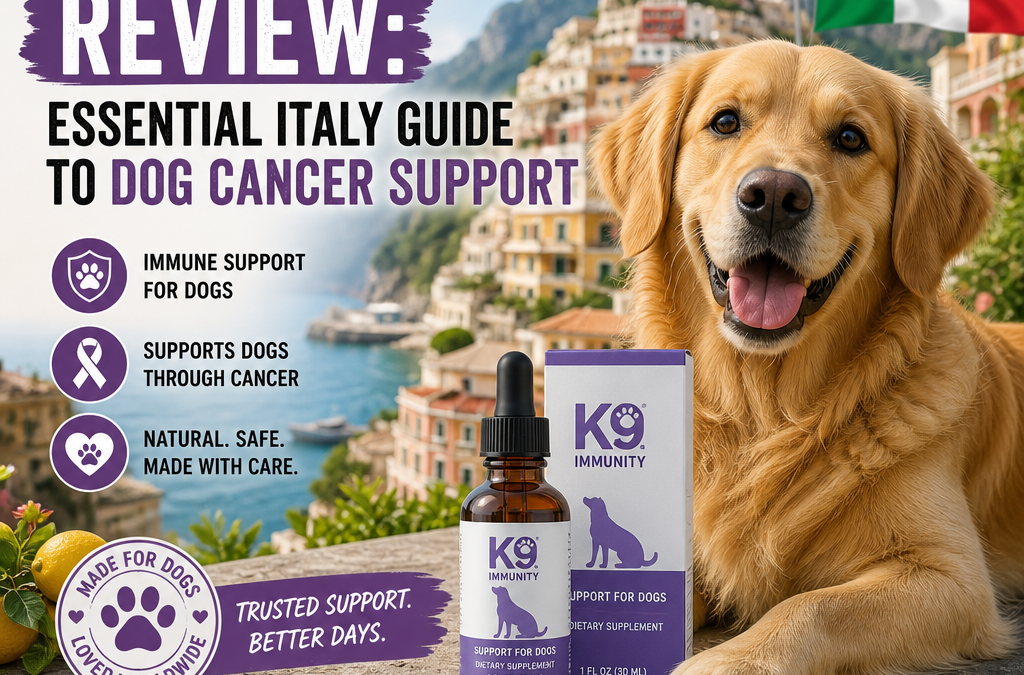
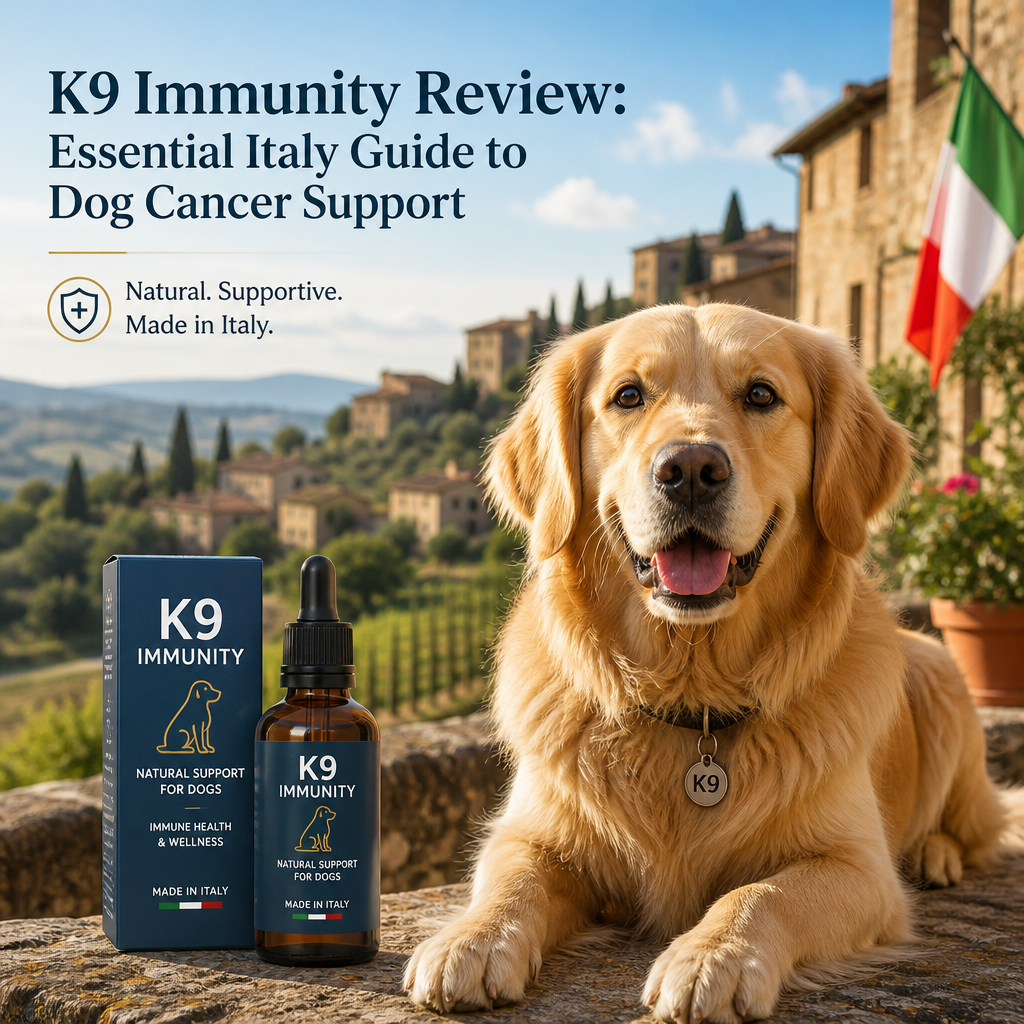
K9 Immunity is a nutritional supplement designed to support dogs whose immune systems may be under strain, including dogs being monitored for cancer or recovering from serious illness. For owners in Italy, understanding what this product can and cannot do is essential before adding it to a pet’s care plan. This K9 Immunity review examines its intended role, ingredients, potential benefits, safe use, and the importance of veterinary guidance.
K9 Immunity is generally presented as a natural immune-support formula for dogs. Products in this category are usually intended to provide compounds such as medicinal mushrooms, antioxidants, vitamins, minerals, or plant-based ingredients that may help support normal immune function.
It is important to distinguish nutritional support from medical treatment. A supplement cannot replace surgery, chemotherapy, radiation therapy, prescription medication, diagnostic testing, or professional veterinary monitoring. Instead, it may be considered as part of a broader supportive-care strategy when a veterinarian believes it is appropriate.
Because formulas and serving instructions can change, Italian pet owners should check the current product label, manufacturer information, and import documentation before purchasing. The exact ingredient list, concentration, capsule or powder format, and recommended dosage should always be confirmed from the packaging.
What Benefits May It Offer?
The main reason owners investigate K9 Immunity is the possibility of supporting a dog’s natural defenses during periods of illness. A healthy immune system helps the body respond to infections, inflammation, and other biological challenges. Dogs with cancer may also experience reduced appetite, treatment-related stress, or changes in general condition, making nutritional support an important part of overall care.
Potential reasons a veterinarian might discuss an immune-support supplement include:
Supporting normal immune-system activity
Providing antioxidant compounds
Helping maintain energy and general vitality
Supporting appetite or nutritional status when a dog is recovering
Complementing a balanced diet and conventional treatment plan
However, evidence for individual supplements varies considerably. Results seen in laboratory studies, small trials, or research on one ingredient do not automatically prove that a finished product will treat cancer or extend a dog’s life. Owners should be cautious about dramatic claims, guaranteed outcomes, or testimonials presented as medical evidence.
K9 Immunity Dog Cancer Support and Veterinary Care
K9 Immunity dog cancer support should be viewed as complementary rather than curative. Canine cancer includes many different diseases, such as lymphoma, mast cell tumors, osteosarcoma, hemangiosarcoma, and mammary tumors. Each condition can require a different diagnostic and treatment approach.
Before using a supplement, the veterinarian should know:
The dog’s diagnosis, if one has been confirmed
Current medications and chemotherapy drugs
Any history of liver, kidney, or digestive disease
Previous allergic or supplement reactions
Whether surgery or another procedure is planned
Changes in appetite, weight, stools, energy, or behavior
Some natural ingredients can affect blood clotting, blood pressure, liver enzymes, immune activity, or the absorption of medicines. These interactions may be particularly important before surgery or during chemotherapy. A veterinarian may recommend pausing a supplement at certain stages of treatment, even if the product is generally considered gentle.
When evaluating any K9 Immunity review, look beyond marketing language and examine the label carefully. A quality product should identify its active ingredients and provide clear information about amounts per serving. Vague “proprietary blends” can make it difficult to determine how much of each ingredient a dog receives.
Consider the following points:
Ingredient transparency: The label should clearly list active and inactive ingredients.
Dosage instructions: Serving guidance should account for the dog’s weight or size.
Manufacturing standards: Look for information about production, testing, and quality control.
Batch consistency: A reputable manufacturer should be able to explain how products are tested for purity and contamination.
Storage guidance: Heat, moisture, and incorrect storage can reduce product quality.
Expiration information: Do not use an expired supplement or one with damaged packaging.
Mushroom-based ingredients, botanical extracts, and concentrated antioxidants are often associated with immune-support products. They may be suitable for some dogs but not for every patient. A dog with an autoimmune disorder, sensitive stomach, or impaired liver function may require additional caution.
K9 Immunity Italy: Buying and Using It Responsibly
For owners researching K9 Immunity Italy, purchasing through a reliable source is especially important. Imported supplements may be sold through international websites, distributors, or marketplaces, but availability and labeling can differ by country. Check whether the seller provides a complete ingredient label, customer service details, shipping information, and a clear return policy.
Italian consumers should also consider:
Whether the product can legally be imported and sold as a pet supplement
Whether labels and instructions are available in a language the owner understands
Potential customs charges or delivery delays
Product authenticity and packaging security
Whether the seller stores the supplement under suitable conditions
Avoid products with missing labels, unusually low prices, broken seals, or claims that sound too good to be true. A supplement marketed as a guaranteed cancer cure should be treated as a warning sign. Responsible companies should explain that their product is intended to support wellness and should not replace veterinary treatment.
Even natural products can cause adverse reactions. Some dogs may develop vomiting, diarrhea, reduced appetite, itching, or other signs of intolerance. If symptoms appear after starting K9 Immunity, stop giving the product and contact a veterinarian for advice.
Seek prompt veterinary attention if a dog experiences difficulty breathing, facial swelling, collapse, severe weakness, persistent vomiting, bloody stools, or a sudden decline in condition. Owners should also avoid introducing several new supplements at once, since doing so makes it difficult to identify the cause of a reaction.
Introduce any approved supplement according to professional advice and monitor the dog’s appetite, stool quality, energy, weight, and comfort. Keep a written record of all medications and supplements, especially when a dog is undergoing cancer treatment.
This K9 Immunity review supports a balanced conclusion: the product may be considered as nutritional support for some dogs, but it should not be presented as a standalone cancer treatment. Its suitability depends on the individual dog, the diagnosis, current therapy, ingredient profile, and veterinary assessment.
For families in Italy, the safest approach is to verify the product’s authenticity, review the label, purchase from a dependable source, and discuss its use with a veterinarian before administration. Supportive nutrition can be valuable, but the foundation of canine cancer care remains accurate diagnosis, appropriate treatment, regular monitoring, pain control, and attention to the dog’s quality of life.