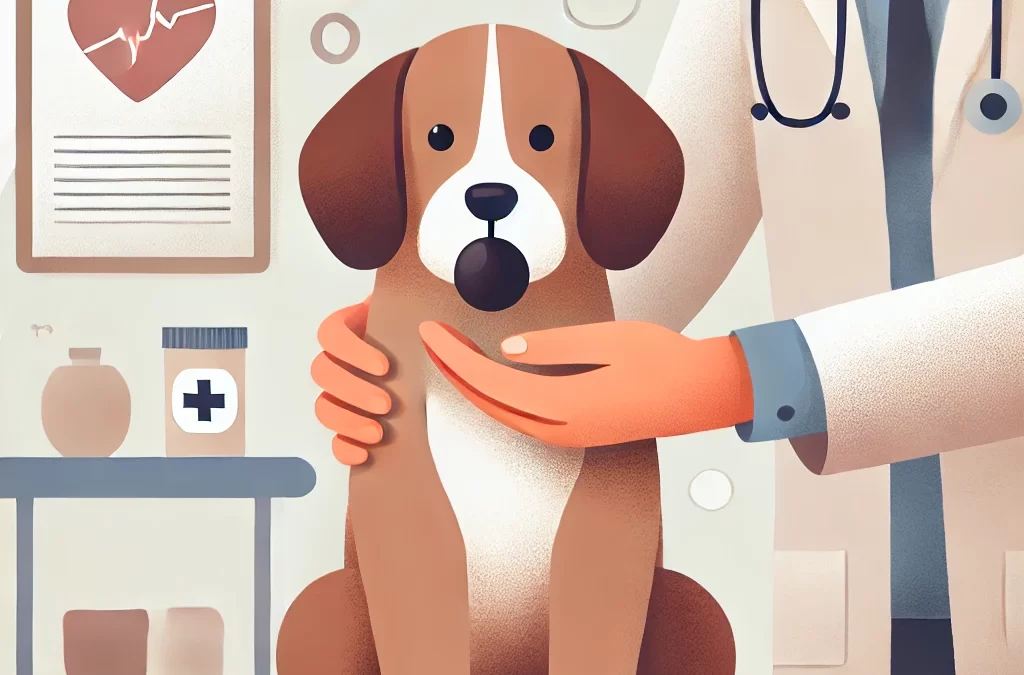
Oral malignant melanoma (OMM) in dogs is a stealthy adversary. Known for its aggressive nature and rapid spread, it’s a diagnosis that strikes fear into the hearts of pet owners. But OMM is more than just a medical condition—it’s a call to action for pet parents to embrace vigilance, innovation, and holistic care. Let’s dive into this challenging topic with a fresh lens, exploring both science and hope.
What Is Oral Malignant Melanoma?
Oral malignant melanoma is a type of cancer that originates in the melanocytes—cells responsible for pigment production in the skin and mucous membranes. While it most commonly appears in the mouth, this cancer doesn’t stop there. It’s notorious for its ability to invade nearby tissues and metastasize to distant organs like the lungs and lymph nodes.
This condition is most prevalent in middle-aged to older dogs, particularly breeds with dark-pigmented gums, such as Cocker Spaniels, Chow Chows, and Scottish Terriers. Despite its grim reputation, understanding OMM’s signs and treatment options can empower owners to make informed decisions.
Recognizing the Signs
Oral malignant melanoma often goes unnoticed until it’s advanced, making regular oral check-ups critical. Common signs include:
A dark or irregular mass in the mouth, gums, or lips.
Bleeding, foul breath, or drooling.
Difficulty eating, chewing, or swallowing.
Facial swelling or enlarged lymph nodes.
If you spot any of these symptoms, consult your veterinarian immediately. Early detection can significantly impact outcomes.
Beyond Traditional Treatments: Embracing Innovation
Conventional treatments for OMM include surgery, radiation therapy, and chemotherapy. While effective in many cases, these options aren’t always accessible or affordable. Here are some innovative and integrative approaches gaining attention:
Immunotherapy Vaccines: A game-changer in oncology, OMM-specific vaccines, like the canine melanoma vaccine (ONCEPT®), stimulate the dog’s immune system to fight cancer cells. This cutting-edge treatment has shown promise in extending survival times.
Photodynamic Therapy (PDT): This technique uses light-activated drugs to destroy cancer cells selectively, sparing surrounding healthy tissue. It’s a less invasive option for certain cases.
Holistic Supplements: Natural supplements like curcumin (found in turmeric), medicinal mushrooms, and omega-3 fatty acids are being explored for their anti-inflammatory and immune-boosting properties. Always consult a vet before incorporating supplements.
The Role of Diet in Recovery
A cancer diagnosis calls for a shift in dietary strategies. Dogs battling OMM benefit from a diet tailored to their metabolic needs. Focus on:
High-quality proteins: Lean meats and fish to maintain muscle mass.
Healthy fats: Omega-3 fatty acids to combat inflammation and support overall health.
Low-carbohydrate options: Cancer cells thrive on sugar; limiting carbs can help slow their growth.
Homemade, vet-approved meals can be a great way to ensure your dog receives optimal nutrition.
Emotional and Practical Support for Pet Parents
Caring for a dog with OMM is as emotionally demanding as it is challenging. Here’s how to navigate this journey:
Create a daily care routine: Establishing consistency can help reduce stress for both you and your dog.
Seek community support: Online forums and local support groups for pet owners dealing with canine cancer can provide comfort and valuable insights.
Explore palliative care options: If curative treatment isn’t an option, focus on pain management and improving your dog’s quality of life.
A Glimpse of Hope
While oral malignant melanoma in dogs is a formidable foe, advancements in veterinary medicine and integrative care are changing the narrative. Early detection, innovative treatments, and a focus on holistic well-being are empowering pet parents to fight back against this disease.
Your dog’s diagnosis doesn’t define the journey—it’s a chapter in the story of their resilience, love, and the bond you share. Keep asking questions, seeking solutions, and cherishing every moment.
Oral melanoma is one of the most common malignant tumors in dogs, affecting the tissues in the mouth, including the gums, tongue, or palate. Early detection is crucial, as oral melanoma can be aggressive and spread to other parts of the body. Fortunately, when diagnosed in the early stages, several treatment options can improve the prognosis and quality of life for your dog. This article will explore the best treatment strategies for early-stage oral melanoma in dogs and the importance of early intervention.
What is Oral Melanoma in Dogs?
Oral melanoma is a cancer that originates from melanocytes, the pigment-producing cells in a dog’s mouth. While oral melanoma can occur in any breed, it is most commonly seen in breeds with darker pigmentation, such as Chow Chows, Poodles, and Golden Retrievers. It typically presents as a dark, irregular mass or swelling in the oral cavity, though not all melanomas are pigmented, making visual diagnosis difficult in some cases.
Early Signs of Oral Melanoma in Dogs
Recognizing the early signs of oral melanoma is key to improving outcomes. Here are some symptoms to look for:
Bad breath: Persistent bad breath (halitosis) is one of the first signs of oral health issues, including oral cancer.
Oral masses or swelling: Visible lumps in the mouth, whether dark or light in color, should be checked by a veterinarian.
Difficulty eating: If your dog is struggling to chew or is drooling excessively, it could be a sign of discomfort in the mouth.
Bleeding from the mouth: Unexplained bleeding from the gums or other areas of the mouth should not be ignored.
Loose teeth: Oral melanoma can cause teeth to become loose or displaced due to tumor growth.
If you notice any of these signs, it’s essential to schedule a veterinary appointment immediately for a thorough examination.
Diagnosis of Oral Melanoma
The diagnosis of oral melanoma usually involves a combination of visual examination, biopsy, and imaging tests.
Physical examination: The veterinarian will examine the oral cavity for visible masses or abnormalities.
Biopsy: A tissue sample from the suspicious area will be taken and examined under a microscope to confirm the presence of cancer cells.
Imaging: X-rays, CT scans, or MRIs may be used to assess the extent of the tumor and determine if it has spread to surrounding tissues or lymph nodes.
Best Treatment Options for Early Oral Melanoma in Dogs
Treating early-stage oral melanoma offers the best chance of success. Here are the most effective treatment strategies available:
1. Surgical Removal Surgery is the primary treatment option for dogs diagnosed with early-stage oral melanoma. The goal of the surgery is to completely remove the tumor along with a margin of healthy tissue to reduce the chances of recurrence.
Complete excision: If the tumor is localized and hasn’t spread, surgical removal can be curative in some cases.
Partial mandibulectomy or maxillectomy: In cases where the tumor is near the jawbone, part of the jaw may need to be removed to ensure all cancerous cells are excised.
Surgical intervention in early-stage cases typically offers the best prognosis, and many dogs can recover well with minimal side effects.
2. Radiation Therapy Radiation therapy is often used when the tumor cannot be entirely removed through surgery or when there is a risk of recurrence. Radiation therapy is effective in shrinking tumors and targeting remaining cancer cells after surgery.
External beam radiation: This form of radiation uses high-energy rays to target and destroy cancer cells in the affected area.
Stereotactic radiation therapy: This is a more precise method that focuses on delivering radiation directly to the tumor with minimal damage to surrounding tissues.
Radiation therapy is generally well-tolerated by dogs and can significantly extend survival times in cases of oral melanoma.
3. Immunotherapy (Melanoma Vaccine) Immunotherapy has gained attention as a promising treatment option for canine melanoma. The melanoma vaccine (Oncept) is designed to stimulate the dog’s immune system to attack melanoma cells and prevent further spread of the cancer.
How it works: The vaccine trains the immune system to recognize and destroy cells that contain melanoma-specific proteins.
When it’s used: The melanoma vaccine is usually administered after surgery or radiation therapy to reduce the risk of recurrence or metastasis.
While the melanoma vaccine is not a cure, it has been shown to extend the life expectancy of dogs treated for melanoma and is especially useful in early-stage cases.
4. Chemotherapy Although chemotherapy is not typically as effective for melanoma as it is for other cancers, it may be used as an adjunct therapy in cases where the tumor is inoperable or has metastasized.
Purpose: Chemotherapy helps to slow the progression of cancer and may be combined with other treatments to maximize the chances of success.
Chemotherapy can be administered orally or through injections, depending on the treatment plan designed by your veterinarian.
Prognosis for Early Oral Melanoma in Dogs
The prognosis for dogs with early-stage oral melanoma depends on several factors, including the size of the tumor, its location, and whether it has spread. Dogs with smaller, localized tumors that are surgically removed have a significantly better prognosis compared to those with advanced-stage melanoma. With early detection and a combination of surgery, radiation, and immunotherapy, many dogs can achieve extended survival times and maintain a good quality of life.
Importance of Regular Dental Check-ups
Because early detection is key to successfully treating oral melanoma, regular dental exams are crucial, especially for older dogs or breeds predisposed to this type of cancer. Your veterinarian will be able to monitor for any changes in the mouth, catch potential issues early, and recommend prompt treatment.
Early oral melanoma in dogs can be managed effectively if caught early, with surgery being the most common and successful treatment option. The addition of radiation therapy, immunotherapy, and chemotherapy can improve the chances of survival and prevent the spread of the disease. Regular veterinary check-ups and prompt attention to any oral abnormalities are critical to ensuring the best possible outcome for your dog.