Baituxiao vs Stangest OncoVet I: 7 Powerful Must-Have Dog Tumor Support Tips

Baituxiao vs Stangest OncoVet I: 7 Powerful Must-Have Dog Tumor Support Tips

Baituxiao vs Stangest OncoVet I is a comparison many dog owners consider when looking for nutritional support during a tumor diagnosis. Both products are designed to complement veterinary care, but they may differ in ingredients, formulation, intended use, and availability. Understanding those differences can help owners have a more productive conversation with their veterinarian and choose an option that fits their dog’s individual treatment plan.

A supplement should never be viewed as a replacement for surgery, chemotherapy, radiation, prescription medication, or other therapies recommended by a veterinary oncology team. Instead, the goal of a dog tumor support product is usually to provide targeted nutritional assistance, help maintain overall condition, and support quality of life alongside professional medical care.

What Are These Products?

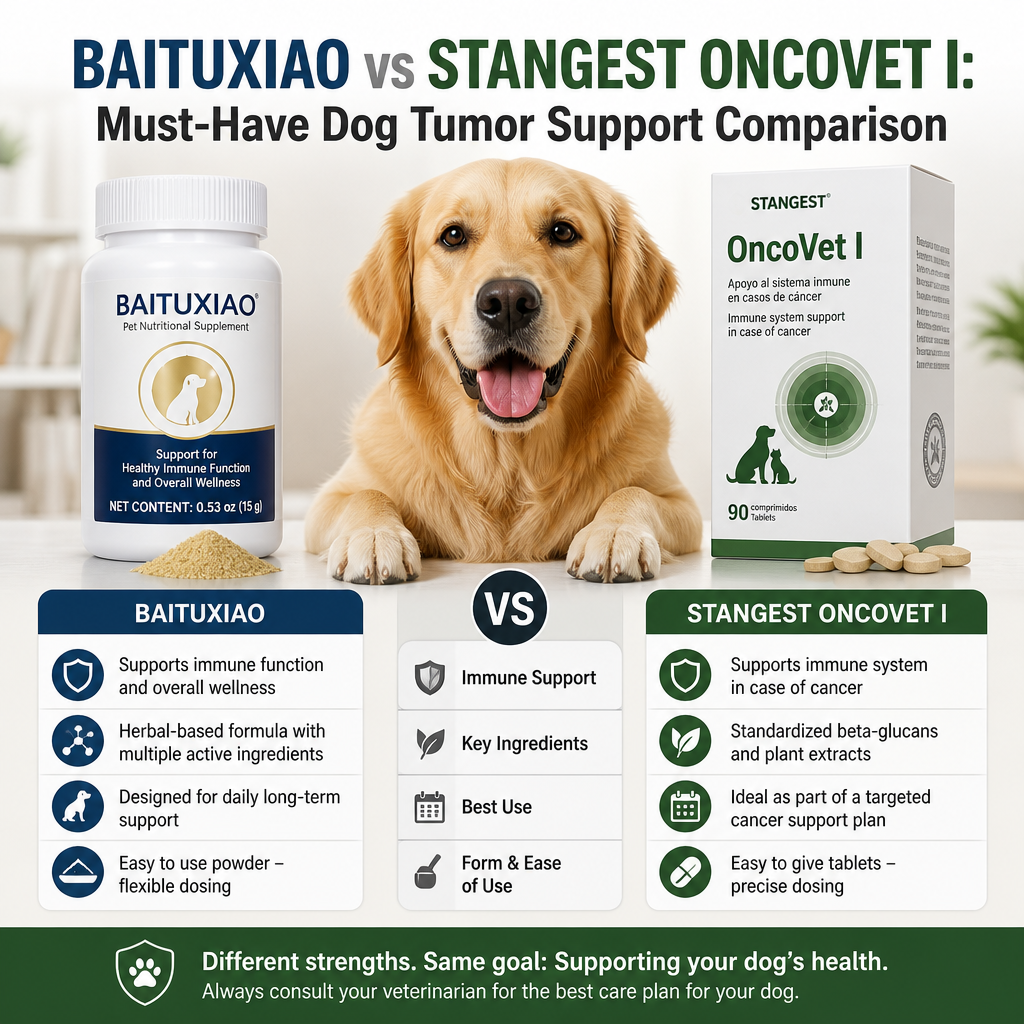
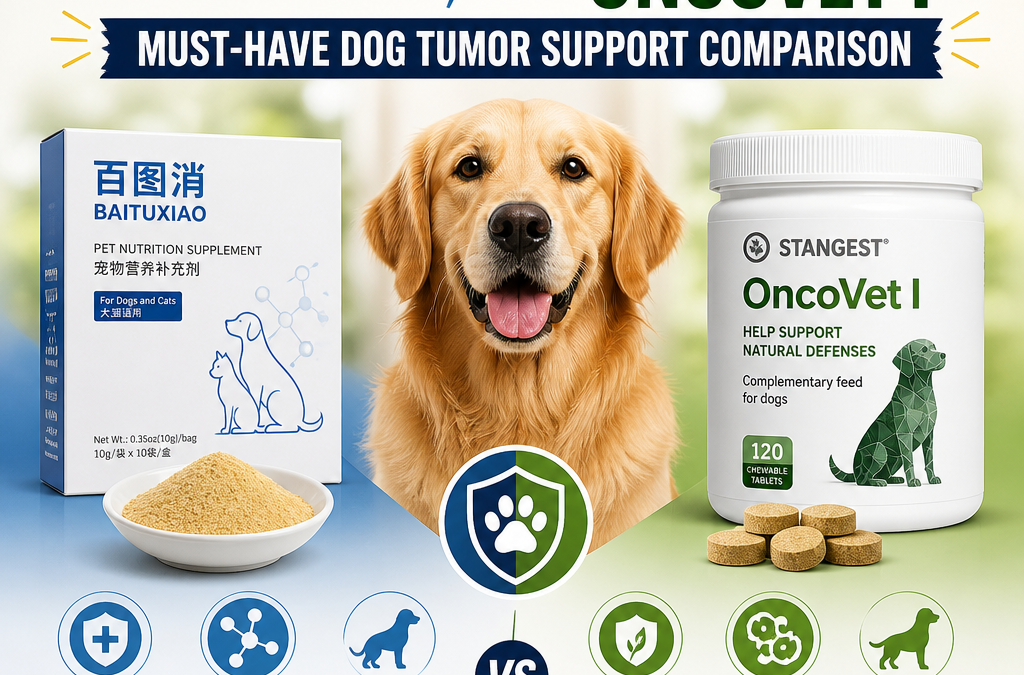
Baituxiao vs Stangest OncoVet I illustration

Baituxiao vs Stangest OncoVet I is a comparison many owners begin when they want to understand supportive options during cancer care. Both products are marketed for dogs requiring additional nutritional support during serious health challenges, including tumor-related conditions. Their exact role depends on the ingredients, dosage, the dog’s diagnosis, and the broader treatment plan.

Baituxiao is commonly discussed as a traditional-support formula containing a blend of botanical and animal-derived ingredients. It is generally presented as a product intended to support immune function, circulation, and general vitality. Because herbal ingredients can have biological effects, its use deserves particular care when a dog is receiving chemotherapy, anti-inflammatory drugs, anticoagulants, or other medications.

Stangest OncoVet I is formulated specifically as veterinary nutritional support for dogs and cats with oncological needs. Its product positioning focuses on providing nutrients that may help maintain body condition, immune support, and normal physiological function during periods of illness or treatment. The formula and recommended use should always be checked on the current packaging or through a veterinarian, since product details and regional availability can change.

For many owners, the first step in Baituxiao vs Stangest OncoVet I is simply understanding what each product is meant to do. That means looking past product names and asking whether the supplement is designed to support appetite, maintain weight, or fit into a longer-term oncology plan. This kind of evaluation is especially important when a dog is already dealing with fatigue, poor appetite, digestive changes, or medication side effects.

It also helps to remember that supportive care is just one part of a larger picture. If your dog is receiving a diagnosis of cancer or a tumor, your veterinarian may be focused on staging, pathology results, surgical options, and follow-up monitoring. A supplement can fit into that plan, but it should be selected with the same care used for any other part of treatment.

Baituxiao vs Stangest OncoVet I: Formula and Intended Role

The most important part of any Baituxiao vs Stangest OncoVet I comparison is not simply counting ingredients. A long ingredient list does not automatically make a product more effective. Owners should consider whether the formula is transparent, whether the ingredients are appropriate for the dog’s condition, and whether the supplement has a clearly defined nutritional purpose.

Baituxiao may appeal to owners who prefer a broader traditional botanical approach. Its ingredients are often selected for supportive properties rather than as a complete diet or direct cancer treatment. However, botanical formulas can be difficult to evaluate because the concentration of active compounds, manufacturing standards, and evidence may vary between products and markets.

OncoVet I is generally positioned as a veterinary-oriented nutritional supplement. This may make it easier to integrate into a conventional oncology plan, particularly when the veterinarian is familiar with the product. Veterinary formulations may also offer clearer dosing guidance based on species and body weight, although owners should still verify the instructions before use.

In both cases, the product should be judged by its suitability for the individual dog rather than by marketing language. A dog with weight loss may need calorie-dense nutrition, while a dog with kidney disease may require careful control of certain nutrients. A dog undergoing chemotherapy may need a completely different approach from a dog recovering after tumor removal.

One reason Baituxiao vs Stangest OncoVet I comes up so often is that owners want a supportive product that feels practical, gentle, and easy to use. But practicality is not the same as suitability. A product may be simple to administer yet still be inappropriate if it conflicts with medication schedules, triggers digestive upset, or does not align with the dog’s current stage of care.

Ingredients also matter because they can influence how a product works in real life. For example, some formulas may emphasize herbal support, while others are built around a more conventional nutritional approach. The former may appeal to owners looking for traditional options, while the latter may be preferred when the goal is straightforward supplementation under veterinary supervision. In either case, Baituxiao vs Stangest OncoVet I should be assessed based on the dog’s actual needs, not on general assumptions about “natural” or “clinical” products.

For readers comparing veterinary supplement options, it may also help to review related dog tumor support articles such as Turkey Tail Mushroom: A Natural Supplement for Supporting Breast Tumor Treatment in Dogs, which explains how a different supportive ingredient fits into a broader care plan.

If the dog is already taking other supplements, the comparison becomes more important. Multiple products may duplicate nutrients or add unnecessary complexity. In that case, the most responsible version of Baituxiao vs Stangest OncoVet I is not about which option sounds stronger, but which one fits cleanly into the rest of the dog’s care routine.

Comparing Safety and Medication Interactions

Safety is one of the most important factors in any dog tumor support comparison. Natural does not always mean risk-free, and supplements can affect the body in ways that overlap with conventional drugs.

Some herbal compounds may influence blood clotting, blood pressure, liver enzymes, or immune activity. These effects could be significant for a dog scheduled for surgery or receiving medications that affect bleeding, inflammation, or immune response. For this reason, veterinarians should know about every supplement a dog is taking, including products purchased online.

OncoVet I should also be reviewed with a veterinarian, especially if the dog has liver disease, kidney disease, diabetes, digestive problems, or a history of food allergies. Nutritional products can contain proteins, fats, minerals, or other ingredients that may not be suitable for every patient.

When people compare Baituxiao vs Stangest OncoVet I, they often focus on “what it helps with,” but safety questions may be more important. Does the product fit the dog’s medication list? Could it interfere with blood clotting before surgery? Could it worsen loose stool or reduce appetite? These are practical concerns, and they deserve straightforward answers before a supplement is started.

For general drug and supplement safety guidance, the American Veterinary Medical Association’s pet care resources offer a helpful starting point for discussing treatment decisions with a veterinary professional.

A practical safety checklist includes:

  • Share the full product label with the veterinarian.
  • Confirm the correct dose for the dog’s weight.
  • Ask whether the supplement should be stopped before surgery.
  • Discuss possible interactions with chemotherapy and prescription drugs.
  • Monitor for vomiting, diarrhea, appetite changes, itching, lethargy, or unusual bleeding.
  • Stop the product and contact the veterinary team if concerning reactions appear.

It is also wise to monitor the dog closely during the first few days after starting any new product. Even if a formula seems appropriate on paper, the dog’s individual response matters most. Some dogs tolerate a supplement well but show no meaningful benefit, while others may experience digestive upset right away. In Baituxiao vs Stangest OncoVet I, that early response can be a useful signal about whether the product deserves a longer trial.

Owners should also ask whether the product needs to be given with food or away from meals. That small detail can affect absorption, palatability, and tolerance. A supplement that is technically suitable but difficult to administer consistently may not be the best real-world choice.

Which Option May Be More Suitable?

There is no universal winner in the Baituxiao vs Stangest OncoVet I discussion. The better choice depends on the dog’s diagnosis, current treatment, nutritional status, and tolerance.

A veterinarian may prefer a clearly standardized veterinary supplement when the dog is undergoing a complex treatment protocol. In other situations, a carefully selected botanical product may be considered, provided the veterinary team has reviewed the ingredients and believes they are appropriate.

Owners should also consider whether the dog can realistically take the product. Some supplements are available as tablets, powders, liquids, or pastes. A product that causes stress or is consistently rejected may be less useful than one the dog accepts easily. Palatability, dosing frequency, storage requirements, and cost all affect whether a supplement can be used consistently.

Another useful way to approach Baituxiao vs Stangest OncoVet I is to look at the dog’s primary problem. If the biggest issue is reduced appetite, the owner may prioritize something that is easy to administer and gentle on the stomach. If the main concern is maintaining body condition, the decision may lean toward a product that fits better with food intake and daily calorie support. If the dog is in recovery after surgery, tolerability and medication compatibility may matter more than anything else.

There are also practical household considerations. Some families need a product that can be purchased reliably, while others need a supplement that is easy to ship or store. In a long treatment journey, convenience affects adherence. A great product that is hard to find can become less useful than a simpler product that is always available.

Practical questions to ask before choosing Baituxiao vs Stangest OncoVet I

Before deciding between Baituxiao vs Stangest OncoVet I, ask whether the dog needs appetite support, immune support, or help maintaining body condition. It is also wise to confirm whether the current treatment plan includes surgery, chemotherapy, or other medications that could interact with ingredients in the supplement. A simple product that fits the dog’s routine is often more useful than a more complicated formula that the dog refuses to take.

Another helpful step is to track how the dog responds during the first one to two weeks of use. If appetite, stool quality, energy, or comfort worsens, the veterinary team may recommend stopping the product or adjusting the plan. In that sense, Baituxiao vs Stangest OncoVet I should be treated as a living decision rather than a one-time purchase.

It may also help to ask whether the product is intended for short-term support or longer-term use. Some dogs only need nutritional support during a specific phase of treatment, while others may benefit from an ongoing plan. Knowing the intended duration can make it easier to judge value and set realistic expectations.

For some families, the best question is not “Which one is better?” but “Which one is safest and easiest for my dog right now?” That framing often leads to better outcomes because it keeps the focus on the individual patient rather than on general product comparisons.

Evidence, Expectations, and Quality of Life

Supplements should be approached with realistic expectations. They are not proven substitutes for tumor-directed treatment, and they should not delay diagnostic testing or a recommended intervention. The strongest benefits may be supportive rather than curative, such as helping maintain appetite, body condition, normal digestion, or general resilience.

Quality of life should remain the central measure. Owners can track appetite, hydration, activity, comfort, sleep, weight, bowel movements, and interest in normal activities. These observations help the veterinary team determine whether a supplement appears helpful, neutral, or poorly tolerated.

Product quality also matters. Look for clear labeling, reputable manufacturing, batch information, expiration dates, and dosing instructions. Be cautious of products that promise to cure cancer, replace chemotherapy, or work for every tumor type. Such claims are not consistent with responsible veterinary care.

When discussing Baituxiao vs Stangest OncoVet I, it helps to think in terms of support rather than cure. A supplement may be valuable if it helps a dog eat better, maintain strength, or tolerate treatment a little more comfortably. That kind of benefit is meaningful, even if it is not dramatic. In oncology care, small improvements in appetite, energy, or comfort can matter a great deal to both the dog and the family.

Some owners also compare supportive products with different natural ingredients or complementary approaches. If you are exploring that broader area, it may be helpful to read more about carefully selected options like Supporting Your Dog with Tumors Naturally: Benefits of Jinyinhua. This can give more context on how herbal support is discussed alongside conventional veterinary treatment.

Baituxiao vs Stangest OncoVet I also becomes easier to evaluate when owners look at the dog’s current stage of care. A newly diagnosed dog may need a different supportive approach than one recovering after surgery or managing chronic side effects from treatment. That broader context can prevent unrealistic expectations and help the family focus on comfort, appetite, and daily function.

Long-term monitoring is important as well. A supplement that seems helpful during the first month may not remain the best choice if the dog’s treatment changes or if new lab results show a different medical priority. Periodic reassessment keeps the plan aligned with the dog’s real condition, which is exactly what supportive care should do.

Owners should also keep in mind that evidence may be uneven across brands and regions. Two products with similar-sounding goals can differ substantially in formulation quality, ingredient sourcing, and dosing clarity. That is another reason Baituxiao vs Stangest OncoVet I should be discussed with a veterinarian rather than judged only by product descriptions.

Making a Responsible Choice

The most useful dog tumor support comparison combines ingredient review with professional medical guidance. Before choosing between Baituxiao and Stangest OncoVet I, identify the dog’s specific diagnosis and treatment goals, review the complete ingredient list, and ask the veterinarian how the product fits into the overall plan.

The choice should support—not compete with—evidence-based treatment. With careful supervision, an appropriate supplement may contribute to nutritional management and quality-of-life care. The right decision is ultimately the one that is safe, practical, transparent, and tailored to the dog’s individual medical needs.

For many families, the most useful outcome is not finding a product with the loudest claims, but choosing the most reliable support for their dog’s daily comfort and treatment plan. That is why the Baituxiao vs Stangest OncoVet I decision should always be made with veterinary input, especially when the dog is already receiving oncology care.

When you revisit Baituxiao vs Stangest OncoVet I later in the treatment process, reassess appetite, weight, energy, and any side effects. A product that seemed promising at the start may no longer be the best fit if the dog’s condition changes. Ongoing monitoring keeps the choice practical and safe.

In short, Baituxiao vs Stangest OncoVet I is less about picking a universal winner and more about matching the right support to the right patient. With the veterinarian’s guidance, owners can make a calmer, more informed choice that fits the dog’s needs.

For readers comparing Baituxiao vs Stangest OncoVet I, the safest approach is to keep the discussion centered on the dog’s diagnosis, current medications, and day-to-day comfort. That keeps the decision grounded in real-world veterinary care rather than in marketing claims.

Ultimately, Baituxiao vs Stangest OncoVet I should be reviewed as part of a wider supportive-care plan. When owners ask the right questions and monitor the dog carefully, they are more likely to choose a supplement that is both practical and genuinely helpful.

If the dog’s needs change, the best choice may change too. Revisiting Baituxiao vs Stangest OncoVet I with the veterinary team can help ensure the supplement still matches the dog’s current health status and treatment goals.

Before making a final decision, it can help to write down the dog’s current medications, recent symptoms, appetite pattern, and any previous supplement reactions. Bringing that information to the appointment makes the Baituxiao vs Stangest OncoVet I discussion more productive and may help the veterinarian recommend the more suitable option faster.

That simple preparation can also reduce confusion later. If the dog improves or if the oncology plan changes, the family can revisit the same notes and make a more informed adjustment. In a long treatment journey, that kind of organized, careful decision-making is often just as valuable as the supplement itself.
Pyravet Immunity + Cancer Support For Dogs With EBC-46 vs alternatives: Powerful Best Alternatives

Pyravet Immunity + Cancer Support For Dogs With EBC-46 vs alternatives: Powerful Best Alternatives

Pyravet Immunity + Cancer Support For Dogs With EBC-46 vs alternatives is a comparison many pet owners explore after a dog receives a cancer diagnosis. Supplements cannot replace veterinary treatment, but carefully selected products may complement a veterinarian-directed plan by supporting nutrition, digestive health, antioxidant balance, and overall wellness. The right choice depends on the dog’s cancer type, current medications, appetite, laboratory results, and treatment goals.

If you are comparing Pyravet Immunity + Cancer Support For Dogs With EBC-46 vs alternatives, it helps to start with the dog’s diagnosis and the treatment plan already in place. A product that looks promising on paper may still be a poor fit if it conflicts with medication timing, surgery recovery, or digestive sensitivity.

Understanding the Role of Dog Tumor Support Options

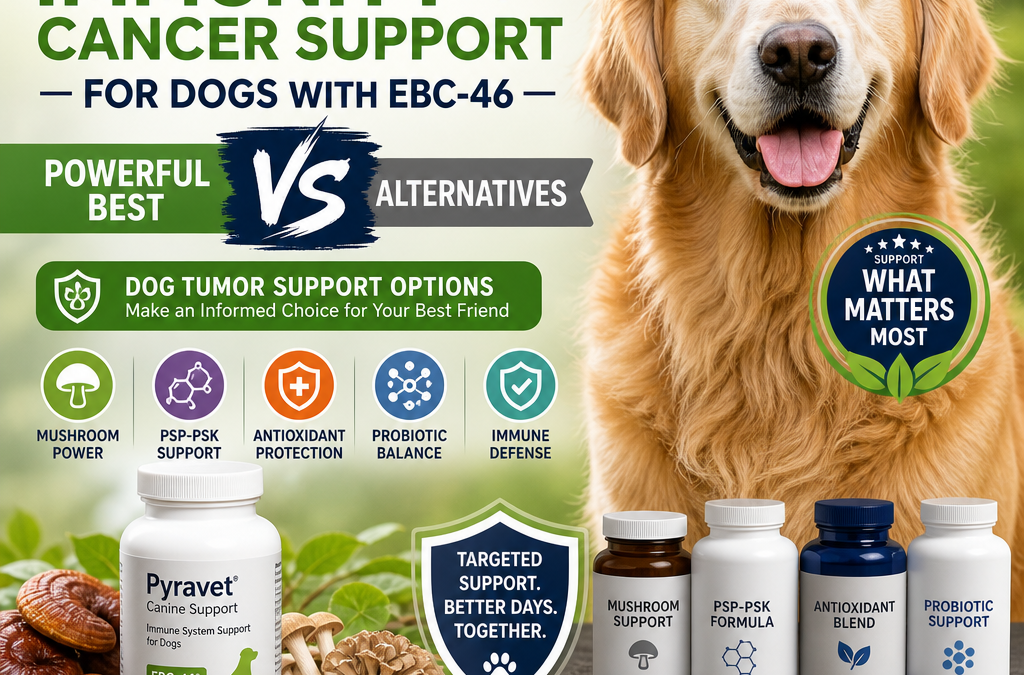
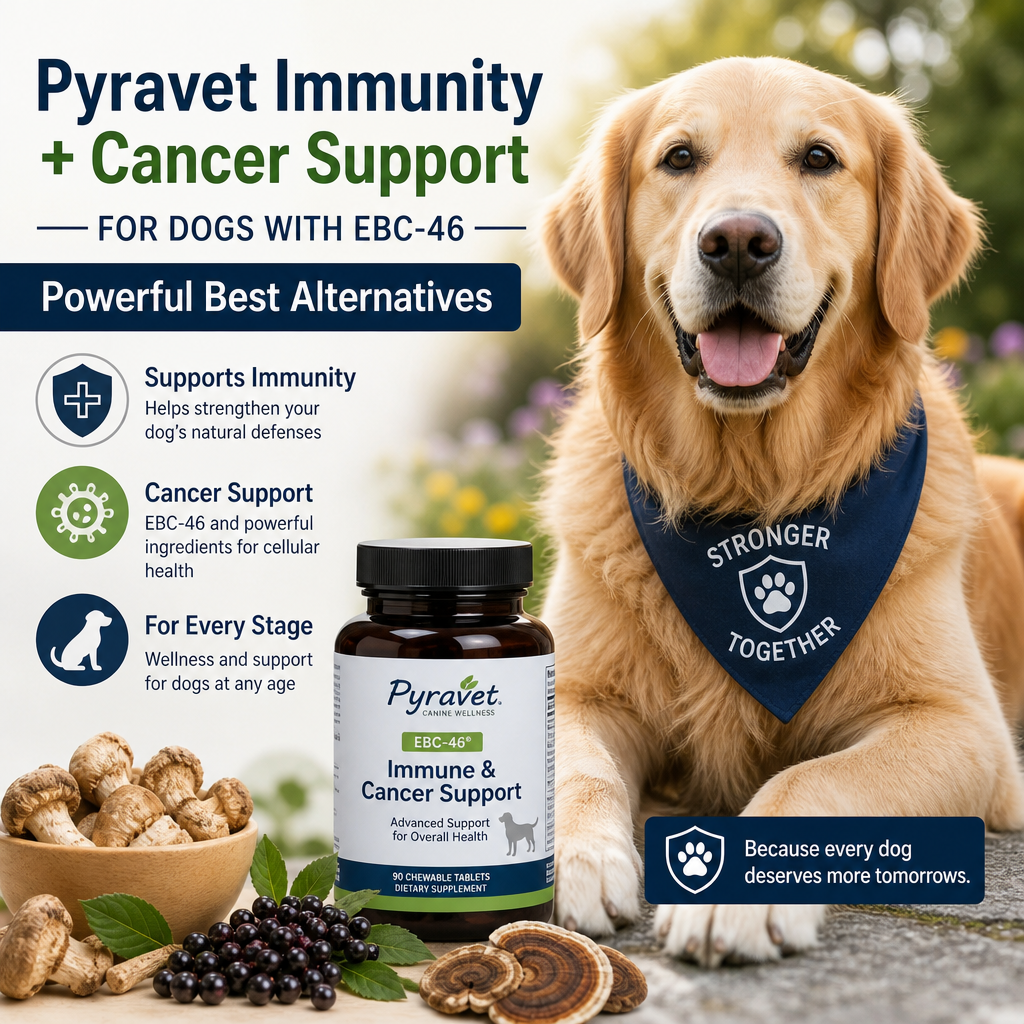
Pyravet Immunity + Cancer Support For Dogs With EBC-46 vs alternatives illustration

“Tumor support” products are generally designed to help maintain a dog’s condition rather than directly eliminate cancer. Depending on the formula, they may contain medicinal mushrooms, immune-support ingredients, antioxidants, probiotics, vitamins, or botanical compounds. These products are often used alongside surgery, chemotherapy, radiation, targeted treatment, or palliative care.

It is important to distinguish supportive care from cancer treatment. A supplement may help a dog maintain energy, tolerate treatment, or support normal digestion, but evidence for preventing tumor growth or extending survival is limited and varies substantially by ingredient. Veterinary oversight is especially important because some supplements can alter drug metabolism, affect clotting, or interfere with chemotherapy and anesthesia.

For owners who want to compare supportive options, one helpful reference is wellness routine dog Effective Helpful Cancer Care, which shows how everyday care can support dogs through cancer treatment.

Many families begin this search after noticing changes in appetite, body condition, or stamina. At that stage, the goal is usually not to replace oncology care, but to make it easier for the dog to cope with the treatment journey. That is why a thoughtful comparison of support products should include the dog’s daily routines, medication schedule, and the veterinarian’s monitoring plan.

In practice, supportive care can also be divided into short-term and long-term goals. Short-term goals may include reducing nausea, improving stool quality, or helping a dog recover after a procedure. Long-term goals may include maintaining weight, protecting muscle mass, and keeping the dog comfortable enough to enjoy normal activities. The best product is the one that fits the stage of care rather than the one with the loudest claims.

What Makes EBC-46 Different?

EBC-46 is a compound derived from the blushwood tree, commonly associated with the botanical name Hylandia dockrillii. It has attracted attention because preliminary research has explored its effects on certain localized tumors. However, evidence in dogs remains limited, and availability, quality control, dosing, and veterinary guidance are critical concerns.

EBC-46 should not be treated as a universal cancer remedy. Research findings from laboratory studies, experimental settings, or limited case reports do not establish that it is effective for every tumor type. Cancer is not one disease: lymphoma, mast cell tumors, osteosarcoma, hemangiosarcoma, and oral tumors can behave very differently. A veterinarian or veterinary oncologist should evaluate whether an EBC-46-containing product is appropriate for a particular patient.

Products positioned around EBC-46 may also include immune, mushroom, antioxidant, or digestive-support ingredients. Reading the complete label is therefore essential. The presence of a notable active ingredient does not automatically make a formula better than a simpler, more transparent supplement.

For dogs with specific tumor concerns, it may also help to review Samoyed Cancer Risks: Essential Early Signs and Common Tumors to understand how risk and tumor type can shape support decisions.

Because EBC-46 is often discussed online in highly promotional language, pet owners benefit from slowing down and checking the details. Ask where the ingredient comes from, whether the formulation is standardized, and whether the manufacturer provides clear dosing guidance for dogs. If those answers are vague, the product may be harder to evaluate responsibly.

It is also worth remembering that an ingredient’s popularity does not guarantee it is appropriate for every patient. A dog with digestive upset, liver concerns, or a complicated medication plan may need a different approach than a dog with a localized tumor and otherwise stable health. The question is not just whether EBC-46 is interesting; it is whether it fits the dog’s overall care plan safely.

Pyravet Immunity + Cancer Support For Dogs With EBC-46 vs alternatives

When comparing Pyravet Immunity + Cancer Support For Dogs With EBC-46 vs alternatives, pet owners should look beyond marketing language and assess the formula, evidence, safety, and practical suitability.

Pyravet-style products may appeal to owners seeking a broad, all-in-one approach that combines EBC-46 with immune-support compounds and nutritional ingredients. This can be convenient, especially when a dog has a poor appetite or the owner wants to avoid administering several separate supplements. However, combination formulas can make it harder to identify which ingredient is helping or causing an adverse reaction.

Alternatives may take several forms:

  • A veterinary-prescribed cancer treatment plan focused on the diagnosed tumor
  • A single-ingredient supplement selected for a specific nutritional goal
  • A medicinal mushroom product with clearly listed beta-glucan content
  • A probiotic or digestive-support product for dogs experiencing gastrointestinal problems
  • A veterinary therapeutic diet designed for weight maintenance and treatment tolerance
  • Palliative-care support focused on pain control, nausea, appetite, and comfort

A product with fewer ingredients may be preferable when a dog is taking multiple medications. Conversely, a broader formula may be useful when the veterinarian believes several supportive goals can be addressed safely at once. The best comparison is not simply “strongest” versus “weakest,” but rather which option has the clearest purpose and the lowest avoidable risk.

When the goal is long-term monitoring, this practical guide to wellness routine dog Essential Helpful Care for Cancer can help owners stay consistent with everyday support.

In practical terms, the decision often comes down to fit. Some dogs do better with a single targeted ingredient, while others need a broader blend that addresses appetite, digestion, and immune support together. That is why Pyravet Immunity + Cancer Support For Dogs With EBC-46 vs alternatives should be reviewed alongside the dog’s current medication list and recent lab work.

If a veterinarian is already monitoring liver values, kidney values, hydration, or clotting risk, that information should guide the choice. A supportive product that seems attractive for general wellness may still be unsuitable if it adds too much complexity to the care plan. In other words, Pyravet Immunity + Cancer Support For Dogs With EBC-46 vs alternatives is not only about ingredients; it is also about safety, timing, and the dog’s current condition.

Some owners also prefer to separate their options by goal. For example, one product may be chosen mainly for immune support, another for digestive comfort, and another for recovery after procedures. This can make follow-up easier if side effects appear. For dogs with cancer, clarity matters, and the most useful product is often the one that is simplest to evaluate over time.

When evaluating Pyravet Immunity + Cancer Support For Dogs With EBC-46 vs alternatives, it may help to ask a few plain-language questions: What problem is this product intended to solve? How will we know whether it is helping? Could it interfere with the dog’s current treatment? If a product cannot answer these questions clearly, it may be less useful than a simpler alternative with stronger documentation.

Owners sometimes worry that choosing a gentler option means doing less for their dog. In reality, a careful and measured approach can be more valuable than adding many ingredients at once. A supplement that is easy to tolerate and easy to monitor may provide better day-to-day support than a more complex formula that creates uncertainty. That is one reason Pyravet Immunity + Cancer Support For Dogs With EBC-46 vs alternatives should be judged by practical outcomes, not just label appeal.

Cancer-support formula with mushroom/PSP-PSK/antioxidant/probiotic positioning

Many canine cancer supplements use a cancer-support formula with mushroom/PSP-PSK/antioxidant/probiotic positioning. Each category serves a different proposed purpose, and quality can vary considerably.

Medicinal mushrooms may provide beta-glucans and other polysaccharides involved in immune signaling. Common examples include turkey tail, reishi, maitake, and shiitake. Turkey tail has received particular scientific interest in veterinary oncology, but product quality depends on extraction methods, standardization, and accurate labeling. A label that lists only “mushroom blend” offers less useful information than one specifying species and active-compound content.

PSP and PSK are polysaccharide compounds associated primarily with certain mushroom extracts. They are often discussed in relation to immune modulation and cancer support. However, their effects may differ according to purity, dose, manufacturing process, and the dog’s medical condition. Owners should avoid assuming that any mushroom powder provides the same benefits as a standardized extract.

Antioxidants are included to support normal cellular protection, but more is not always better. High doses of certain antioxidants could theoretically affect oxidative mechanisms involved in some cancer treatments. This does not mean antioxidants are universally unsafe; it means timing, dosage, and treatment type matter.

Probiotics may help support the intestinal microbiome, particularly when stress, dietary changes, antibiotics, or cancer treatment cause digestive upset. They are not tumor treatments, but maintaining stool quality and appetite can meaningfully improve a dog’s comfort and resilience.

For a broader view of complementary research, readers can review the veterinary discussion at the NIH National Center for Complementary and Integrative Health, which explains how evidence for supportive therapies is evaluated.

Because formulas in this category often combine several actives, it is wise to ask what the product is really meant to do. If the main goal is immune support, then a product with a clear mushroom extract profile may be more useful than a mixed formula with small amounts of many ingredients. If the main goal is digestive comfort, then a probiotic-centered option may be a better match. The phrase Pyravet Immunity + Cancer Support For Dogs With EBC-46 vs alternatives may describe the search, but the best answer depends on the dog’s needs.

Quality control also matters. Look for clear dosing, species identification, and contact details for the manufacturer. Products intended for dogs should ideally provide guidance based on body weight and explain how to introduce the supplement gradually. If a label is vague, it becomes harder to compare Pyravet Immunity + Cancer Support For Dogs With EBC-46 vs alternatives in a meaningful way.

Owners should also be cautious about assuming that a more complex formula is automatically more advanced. In many cases, a transparent product with fewer moving parts is easier to coordinate with oncology care. That is especially true when the dog is already receiving pain medication, anti-nausea therapy, or a prescription diet.

Another useful distinction is between ingredients that may support general health and ingredients that are presented as tumor-specific. Mushroom compounds, antioxidants, and probiotics can all have supportive roles, but their effects are not the same. A formula may look impressive because it includes several recognized categories, yet still fail to provide meaningful amounts of any one ingredient. Reading the supplement facts panel is therefore one of the most important steps in the comparison.

It can also help to note how a product is introduced to the dog. Some supplements need a gradual ramp-up to reduce stomach upset, while others are best given with food. If the directions are unclear or hard to follow, daily consistency becomes difficult. A practical care plan should make it easier to give the supplement correctly, not harder.

How to Evaluate Dog Tumor Support Products

Start with transparency. Look for complete ingredient amounts, serving instructions, lot or batch information, expiration dates, and manufacturing standards. Products that rely on vague proprietary blends make it difficult to assess dosage or compare alternatives.

Next, consider the dog’s diagnosis and treatment. A supplement appropriate for a stable dog receiving palliative care may not be appropriate for a dog undergoing surgery or chemotherapy. Potential concerns include bleeding risk, liver metabolism, kidney function, blood pressure, sedation, and gastrointestinal sensitivity.

It is also useful to track measurable outcomes. Record appetite, body weight, stool quality, vomiting, energy, pain behaviors, and any changes noted by the veterinary team. These observations can help determine whether a product is providing practical supportive value. Discontinue a supplement and contact the veterinarian if the dog develops persistent vomiting, diarrhea, facial swelling, breathing difficulty, weakness, jaundice, or a sudden decline.

Owners who are comparing herbal options may also find value in The Potential of Plantain (Plantago) in Supporting Canine Cancer Treatment when looking at ingredient transparency and support goals.

Before starting any new product, ask whether the formula has been reviewed for the dog’s age, breed, tumor type, and treatment stage. A young dog in active treatment may need a very different support strategy than an older dog in remission monitoring. That is one reason the comparison in Pyravet Immunity + Cancer Support For Dogs With EBC-46 vs alternatives should remain individualized rather than generic.

It also helps to think in terms of goals. Are you trying to support appetite, digestion, immune function, or comfort? A single product may address only one of these goals well, while another may try to do too much. When care is targeted, it is easier to tell whether the support is worth continuing. That practical approach makes Pyravet Immunity + Cancer Support For Dogs With EBC-46 vs alternatives easier to judge in the real world.

Another practical step is to involve the same veterinarian who is overseeing the cancer plan. Even if a supplement is purchased online, the care team can help decide whether it should be paused before anesthesia, adjusted during chemotherapy, or avoided because of a specific lab result. That level of coordination is especially important when a product combines several active ingredients into one capsule, chew, or powder.

Owners should also keep an eye on the whole picture rather than one ingredient alone. A formula may be safe for one dog but not another because of age, concurrent disease, or treatment stage. For example, a dog with a history of stomach sensitivity may react differently to a mushroom blend than a dog with strong digestion. Similarly, a dog with clotting concerns may need a more cautious approach than a dog with stable bloodwork.

Nutrition and Comfort Remain Essential

No supplement can compensate for inadequate calories, uncontrolled pain, dehydration, or untreated nausea. Dogs with cancer often benefit most from a comprehensive plan that protects appetite, maintains muscle, manages discomfort, and monitors quality of life.

Veterinarians may recommend calorie-dense foods, appetite support, anti-nausea medication, pain management, fluid therapy, or dietary adjustments. Regular examinations and laboratory testing can identify anemia, organ stress, infection, or treatment complications before they become severe.

Ultimately, Pyravet Immunity + Cancer Support For Dogs With EBC-46 vs alternatives should be viewed as a comparison of supportive strategies, not a search for a miracle cure. Comparing formulas carefully, choosing evidence-informed ingredients, and involving a veterinary professional can help owners select dog tumor support options that are realistic, safe, and aligned with the dog’s individual needs.

For dogs with breed-specific concerns, it is also worth learning from cases such as Chinese Crested Cancer Risks: Essential Early Tumor Signs, especially when early detection and ongoing monitoring are part of the care plan.

When owners approach care this way, the focus stays on comfort, function, and informed decision-making. Whether the final choice is a combination formula, a simpler supportive product, or no supplement at all, the safest path is the one that supports the dog without complicating medical care. In that sense, Pyravet Immunity + Cancer Support For Dogs With EBC-46 vs alternatives is best answered with veterinary guidance and careful observation over time.

In summary, the most useful choice is rarely the one with the broadest claims. It is the one that matches the dog’s medical needs, fits the treatment schedule, and can be monitored without confusion. If a support product improves appetite, steadiness, or comfort without creating new problems, it may have a place in the plan. If it adds uncertainty, side effects, or interaction risk, a different approach is usually better. For many families, that is the most practical way to compare Pyravet Immunity + Cancer Support For Dogs With EBC-46 vs alternatives and make a responsible decision.

Green yin-yang logo with TCMVET
Privacy Overview

This website uses cookies so that we can provide you with the best user experience possible. Cookie information is stored in your browser and performs functions such as recognising you when you return to our website and helping our team to understand which sections of the website you find most interesting and useful.