
by TCMVET | Aug 8, 2024 | Dog Cancer & Tumors
Oral tumors in dogs can significantly impact their quality of life. Recognizing the different types and understanding their symptoms are crucial for timely intervention and effective treatment. This article provides a comprehensive overview of the various types of canine oral tumors, their symptoms, and available treatment options.
Common Types of Canine Oral Tumors
1. Oral Melanoma
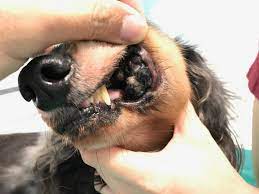
Oral melanoma is one of the most common malignant tumors in dogs. These tumors often appear as dark, irregular masses in the mouth and are known for their aggressive nature, frequently spreading to other body parts like the lungs and lymph nodes.
Symptoms:
- Dark or black masses in the mouth
- Halitosis (bad breath)
- Drooling
- Oral bleeding
- Difficulty eating or swallowing
2. Oral Squamous Cell Carcinoma
Squamous cell carcinoma (SCC) is another prevalent type of oral tumor in dogs, typically presenting as a firm, white or pink mass. These tumors can be invasive, often affecting the bones and tissues around the mouth.
Symptoms:
- Visible mass in the mouth
- Oral bleeding
- Bad breath
- Difficulty eating
- Facial swelling
3. Fibrosarcoma
Fibrosarcomas are malignant tumors originating from the fibrous connective tissues in the mouth. These tumors are less aggressive than melanomas but can still invade local tissues and recur after surgical removal.
Symptoms:
- Firm, fleshy mass in the mouth
- Swollen gums
- Difficulty eating or drinking
- Persistent bad breath
- Oral bleeding
4. Osteosarcoma
Osteosarcoma is a type of bone cancer that can affect the jawbones in dogs. These tumors are highly aggressive and often spread to other parts of the body, such as the lungs.
Symptoms:
- Swelling in the jaw
- Painful chewing or eating
- Loose teeth
- Noticeable mass in the mouth
- Difficulty opening the mouth
5. Papilloma
Papillomas are benign tumors caused by the papillomavirus, appearing as small, wart-like growths in the mouth. These are more common in younger dogs and are typically harmless, though they can cause discomfort if they grow large.
Symptoms:
- Wart-like growths in the mouth
- Multiple growths
- Mild discomfort when eating
- Drooling
6. Epulis
Epulis is a benign growth originating from the periodontal ligament. There are three types: fibromatous, ossifying, and acanthomatous epulis. Acanthomatous epulis can be locally invasive, affecting the bone.
Symptoms:
- Growth on the gums
- Oral bleeding
- Difficulty eating
- Loose teeth
- Gum swelling
Diagnosis and Treatment
Early diagnosis is essential for the effective treatment of oral tumors in dogs. Veterinary examination, including biopsy and imaging techniques like X-rays or CT scans, helps determine the tumor type and appropriate treatment.
Treatment Options:
- Surgical Removal: The primary treatment for most oral tumors, aiming to excise the tumor completely.
- Radiation Therapy: Often used in combination with surgery to target residual tumor cells.
- Chemotherapy: Particularly useful for tumors that have metastasized or are not fully resectable.
- Immunotherapy: An emerging treatment option that enhances the body’s immune response to fight cancer cells.
- Palliative Care: Focused on improving quality of life by managing symptoms and pain.
Preventive Measures and Early Detection
Regular veterinary check-ups are crucial for early detection of oral tumors. Pet owners should routinely check their dog’s mouth for any unusual growths, swelling, or changes in eating habits. Early intervention can significantly improve the prognosis and quality of life for dogs with oral tumors.
Understanding the various types of canine oral tumors, their symptoms, and available treatments is vital for pet owners. Prompt veterinary care and a comprehensive treatment plan can help manage these tumors effectively.
by TCMVET | Mar 5, 2024 | Dog Cancer & Tumors
Oral tumors in dogs account for about 6% of all canine tumors and are a significant concern for pet owners and veterinarians. This article provides an in-depth look at the various types of oral tumors in dogs, their prevalence, symptoms, and effective treatment options.
Types of Canine Oral Tumors: Oral tumors in dogs can be classified into several categories based on their histological makeup, including:
- Epithelial Tumors: Such as squamous cell carcinoma (SCC), papillomas, fibropapillomas, intraosseous carcinomas, and infiltrative nasal carcinomas.
- Melanocytic Tumors: Including malignant melanomas.
- Mesenchymal Tumors: Like fibrosarcomas, hemangiosarcomas, and osteosarcomas.
- Mixed Tumors: Such as transmissible venereal tumors and lymphomas.
- Odontogenic Tumors: Specific to tooth-forming tissues, including ameloblastomas.
Epidemiology and Prevalence: Oral tumors are more common in older dogs and certain breeds, such as Cocker Spaniels and German Shepherds. Symptoms such as decreased appetite, bad breath, tooth loosening or loss, bleeding, eye protrusion, nosebleeds, swallowing difficulties, chewing pain, and increased thirst are often observed.
Diagnosis and Treatment: Early diagnosis through biopsies is essential for effective treatment, which may include surgery, radiation, or chemotherapy, depending on the tumor type.
Understanding the types, symptoms, and treatment options for canine oral tumors is crucial for early detection and effective management. Regular veterinary check-ups are vital for maintaining the oral health of dogs and catching any anomalies early.
by TCMVET | Mar 5, 2024 | Dog Cancer & Tumors
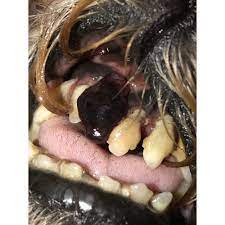
Malignant melanoma stands out as the most prevalent oral tumor in dogs, accounting for 30%-40% of all malignant oral tumors. This article aims to provide a detailed overview of malignant melanomas in canines, focusing on their prevalence, risk factors, symptoms, and treatment options.
Prevalence and Risk Factors: Malignant melanoma typically affects older dogs, with an average onset age of around 12 years. It is more common in male dogs and is seen with a higher frequency in dogs with darker oral mucosa. Certain breeds, such as Chow Chows and Golden Retrievers, are at a higher risk of developing this condition.
Symptoms and Diagnosis: Malignant melanomas in dogs can occur in various locations within the mouth, including the gums, cheek mucosa, lips, hard and soft palates, and the tongue. These tumors are often firm and darkly pigmented, although about 33% of cases may present as non-pigmented tumors. They can sometimes have ulcerated or necrotic surfaces. Rapid growth and local infiltration are characteristic of these tumors.
Treatment and Management: The management of malignant melanoma in dogs requires an integrated approach involving surgical removal, possibly followed by radiation therapy or chemotherapy. The prognosis depends on the stage of the tumor at diagnosis and the effectiveness of the treatment.
Early detection and prompt treatment are key in managing malignant melanoma in dogs. Regular veterinary check-ups and awareness of the symptoms can help in early diagnosis, improving the chances of successful treatment.

by TCMVET | Mar 5, 2024 | Dog Cancer & Tumors
Canine oral tumors are a significant health concern for dog owners and veterinarians. They account for about 6% of all tumors in dogs and can occur in various oral locations including the lips, cheek mucosa, upper and lower jaws, palate, teeth, tongue, and tonsils. This comprehensive guide aims to shed light on the different types of oral tumors in dogs, their symptoms, diagnosis, and treatment options.
Types of Canine Oral Tumors: Oral tumors in dogs can be classified into several types based on their tissue origin. These include:
- Epithelial Tumors: The most common type is the squamous cell carcinoma (SCC), but this category also includes papillomas, fibropapillomas, intraosseous carcinomas, and infiltrative nasal carcinomas.
- Melanocytic Tumors: Malignant melanomas are a serious concern due to their aggressive nature.
- Mesenchymal Tumors: These include fibrosarcomas, hemangiosarcomas, granular cell tumors, mixed mesenchymal sarcomas, neurofibrosarcomas, undifferentiated sarcomas, myxosarcomas, chondrosarcomas, osteosarcomas, and multilobular osteochondrosarcomas.
- Odontogenic Tumors: These originate from tooth-forming tissues and include ameloblastomas, calcifying epithelial odontogenic tumors, and odontomas.
- Miscellaneous Tumors: This group includes transmissible venereal tumors, mast cell tumors, lymphomas, and plasma cell tumors.
Symptoms of Oral Tumors in Dogs: The clinical signs of oral tumors in dogs can vary, but common symptoms include:
- Decreased appetite
- Bad breath
- Loose or missing teeth
- Blood in saliva
- Bulging eyes
- Nasal discharge or bleeding
- 吞咽困难
- Chewing difficulty or pain
- Excessive drooling
Diagnosis of Canine Oral Tumors: Early diagnosis is crucial for effective treatment. Diagnostic methods include:
- Physical examination
- Biopsy and histopathology
- Radiography (X-rays)
- CT scans or MRI for advanced imaging
Treatment Options: The treatment of oral tumors in dogs depends on the type, location, and stage of the tumor. Common treatment methods include:
- Surgery: This is often the primary treatment for removing the tumor.
- Radiation Therapy: Used primarily for tumors that cannot be completely removed surgically or for palliative care.
- Chemotherapy: Often used in conjunction with surgery or radiation.
- Immunotherapy: Emerging as a potential treatment, especially for melanomas.
Prevention and Prognosis: While there is no sure way to prevent oral tumors in dogs, regular dental care and check-ups can help in early detection. The prognosis depends on the type of tumor, with some like SCC and melanomas having a more guarded prognosis due to their aggressive nature.
Oral tumors in dogs are a complex health issue that requires prompt attention and specialized care. Understanding the types, symptoms, diagnosis, and treatment options is crucial for dog owners and veterinarians. Early detection and appropriate treatment can significantly improve the quality of life and prognosis for dogs with oral tumors.

by TCMVET | Feb 18, 2024 | Dog Cancer & Tumors
Oral tumors in dogs represent a significant portion of canine cancers, accounting for 6 to 7 percent of all cases. These tumors can arise from various oral structures and are often malignant. This article delves into four common types of canine oral tumors: malignant melanoma (MM), squamous cell carcinoma (SCC), fibrosarcoma (FSA), and acanthomatous ameloblastoma (AA), providing insights into their clinical presentation, diagnosis, and treatment options.
Common Types of Canine Oral Tumors
- Malignant Melanoma (MM):
- Location and Behavior: Aggressive, with a high rate of recurrence and metastasis (up to 80 percent).
- Prognosis: Guarded, due to aggressive nature and high metastatic potential.
- Treatment: Wide excision, possibly involving mandibulectomy or maxillectomy. Adjuvant treatments may include radiation therapy and immunotherapy, such as the Oncept melanoma vaccine.
- Squamous Cell Carcinoma (SCC):
- Location and Behavior: Commonly found on the rostral mandible, often invading the bone.
- Prognosis: Good to excellent with complete excision, lower metastatic rate (up to 30 percent).
- Treatment: Surgical removal is the primary approach, with potential for radiation therapy and chemotherapy in some cases.
- Fibrosarcoma (FSA):
- Location and Behavior: Typically located on the maxillary gingiva or hard palate; locally invasive with a lower metastatic rate.
- Prognosis: Variable, better with complete excision.
- Treatment: Aggressive surgery, often combined with adjuvant radiation therapy.
- Acanthomatous Ameloblastoma (AA):
- Location and Behavior: Usually occurs on the rostral mandible; benign but locally invasive.
- Prognosis: Excellent with complete surgical excision.
- Treatment: Surgical removal, often involving mandibulectomy or maxillectomy.
Diagnosis and Staging of Canine Oral Tumors
Achieving an accurate diagnosis is crucial for effective treatment. Fine needle aspiration can provide an initial diagnosis, but incisional biopsy for histopathology is often necessary for a definitive diagnosis. Imaging, such as CT scans, is essential for assessing tumor extent and staging, using the TNM system to categorize the tumor size and metastatic status.
Treatment and Prognosis
Treatment strategies for oral tumors in dogs vary based on the tumor type and stage:
- Surgical Removal: The primary treatment for most oral tumors, aiming for complete excision.
- Radiation Therapy: Used either as an adjuvant therapy or for treating inoperable tumors.
- Chemotherapy and Immunotherapy: Options for specific tumor types, especially when surgery is not feasible or in cases of metastasis.
The prognosis for each tumor type depends on various factors, including stage at diagnosis, tumor type, and treatment efficacy.
Conclusion
The management of canine oral tumors requires a combination of accurate diagnosis, appropriate staging, and tailored treatment strategies. While surgical removal remains the cornerstone of treatment, advancements in veterinary oncology, including radiation therapy, chemotherapy, and immunotherapy, offer hope for extended quality of life and survival. Regular veterinary check-ups and prompt attention to oral changes are essential in early detection and effective treatment of these tumors.
