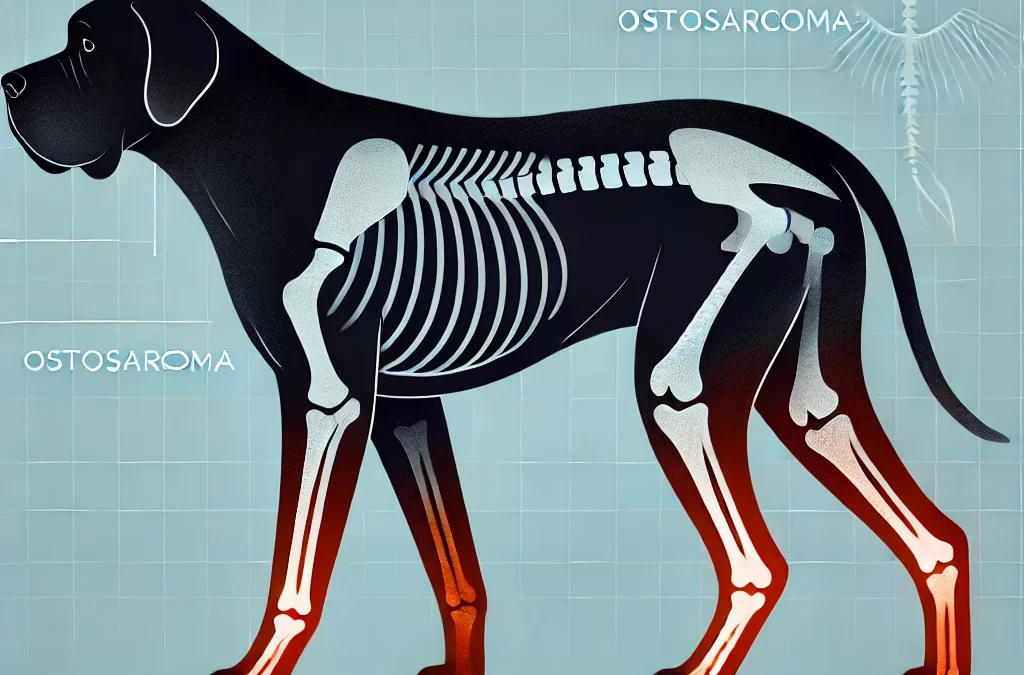
Osteosarcoma (OSA) is the most common primary bone cancer in dogs, and it disproportionately affects large and giant breeds. With its aggressive nature and rapid metastasis, this cancer presents a significant challenge for pet owners. However, understanding the risk factors and adopting preventive strategies can make a difference. This article explores why large dogs are more vulnerable to osteosarcoma and what proactive steps owners can take to minimize the risk.
Why Are Large and Giant Breeds More Susceptible to Osteosarcoma?
Rapid Growth and Bone Development Large and giant breed dogs grow quickly during their early months, putting stress on their bones. This rapid growth may lead to micro-damages in bone structures, creating a predisposition for cancerous mutations.
Genetic Factors Certain breeds have a genetic predisposition to osteosarcoma. Commonly affected breeds include:
Great Dane
Saint Bernard
Irish Wolfhound
Rottweiler
Greyhound
Labrador Retriever
Golden Retriever
Limb Length and Bone Stress Taller dogs with long limbs are more prone to bone stress. Osteosarcoma frequently occurs in weight-bearing bones like the radius, ulna, humerus, and femur.
Hormonal Influence and Spaying/Neutering Studies suggest that early spaying or neutering, particularly before skeletal maturity, may increase osteosarcoma risk. This is believed to be linked to the removal of sex hormones, which play a role in bone growth regulation.
Chronic Inflammation and Bone Trauma Repeated trauma, previous fractures, or orthopedic surgeries may increase cancer susceptibility in dogs, especially in breeds already predisposed to osteosarcoma.
How to Reduce the Risk of Osteosarcoma in Large Dogs
Controlled Growth During Puppyhood
Avoid high-calorie, rapid-growth diets that put excessive strain on developing bones.
Feed large breed puppies specially formulated food that promotes steady, controlled growth.
Balanced Diet with Antioxidants
Incorporate foods rich in omega-3 fatty acids, turmeric, and antioxidants to combat inflammation and oxidative stress.
A diet with controlled calcium and phosphorus levels supports bone health without overgrowth.
Responsible Spaying and Neutering
Consider delaying sterilization until the dog has reached skeletal maturity (typically around 18-24 months for large breeds).
Discuss alternative sterilization options with a veterinarian to balance cancer risk with reproductive health.
Regular Exercise Without Excessive Strain
Low-impact activities like swimming and controlled walks help maintain bone and joint health.
Avoid excessive jumping and repetitive high-impact activities, particularly in young dogs.
Early Detection and Routine Checkups
Regular veterinary screenings help detect subtle bone changes early.
Owners should monitor for signs such as limping, swelling in limbs, persistent pain, or sudden difficulty in movement.
Supplements for Bone Strength
Glucosamine & Chondroitin: Supports joint and bone integrity.
Vitamin D & K2: Helps with calcium absorption and bone density.
Curcumin & Medicinal Mushrooms: Exhibits anti-inflammatory and potential anti-cancer properties.
Avoidance of Environmental Toxins
Reduce exposure to known carcinogens, including pesticides, tobacco smoke, and processed pet foods with artificial additives.
Final Thoughts
While large and giant breed dogs are at higher risk for osteosarcoma, preventative care can play a significant role in reducing this threat. A well-balanced diet, controlled exercise, responsible breeding, and regular health monitoring can help pet owners manage risks effectively. Being proactive not only improves a dog’s longevity but also enhances their overall quality of life. If you notice any signs of lameness or swelling, consult a veterinarian as early diagnosis is crucial for improving outcomes.
Turmeric, a golden spice commonly used in traditional medicine, is gaining popularity in modern veterinary science for its potential role in preventing and treating cancer in dogs. The active ingredient in turmeric, curcumin, has been studied extensively for its anti-inflammatory, antioxidant, and anti-cancer properties. While it has long been used in human cancer research, recent studies have demonstrated its promising effects in dogs, particularly in combating various forms of canine cancer.
The Power of Curcumin in Canine Cancer Treatment
Curcumin, the bioactive compound in turmeric, works by modulating several cell signaling pathways. This enables it to target multiple aspects of cancer development, including tumor growth, metastasis (the spread of cancer), and the survival of cancer cells. Unlike some conventional cancer treatments, curcumin’s ability to affect various cancer types makes it a versatile option for cancer prevention and support in dogs.
A study focusing on dogs with osteosarcoma, a type of bone cancer common in large dog breeds, revealed that curcumin could significantly reduce tumor growth and limit metastasis. Osteosarcoma is notoriously aggressive, often requiring limb amputation and chemotherapy, but the study’s findings suggest that curcumin may serve as an additional line of defense against this disease. Other canine cancers, such as lymphoma and mast cell tumors, may also benefit from the anti-cancer properties of curcumin.
Anti-Inflammatory Benefits for Cancer Prevention
One of the major contributors to cancer development in both humans and dogs is chronic inflammation. Persistent inflammation can lead to the formation of cancerous cells over time. Curcumin’s potent anti-inflammatory properties help reduce inflammation throughout the body, thereby lowering the risk of cancer development.
In addition to its anti-inflammatory effects, curcumin is a powerful antioxidant, which helps combat oxidative stress—another factor linked to cancer. Oxidative stress occurs when free radicals, unstable molecules that can damage cells, accumulate in the body. Curcumin neutralizes these free radicals, preventing cell damage and mutations that could lead to cancer.
Turmeric’s Safety Profile and Veterinary Recommendations
One of the greatest advantages of turmeric is its excellent safety profile in dogs. While many cancer treatments can cause significant side effects, turmeric is generally well-tolerated by dogs when used in appropriate doses. This makes it an accessible option for pet owners looking to supplement their dog’s cancer prevention or treatment plan.
However, despite its safety, it’s crucial to consult with a veterinarian before adding turmeric to your dog’s diet. Dosage matters, and turmeric can interact with certain medications, such as blood thinners and anti-inflammatory drugs. Your vet can guide you on the appropriate amount of turmeric for your dog’s size, breed, and health status to ensure it’s administered safely and effectively.
How to Incorporate Turmeric into Your Dog’s Diet
Incorporating turmeric into your dog’s diet can be as simple as adding a small amount of turmeric powder to their food. However, curcumin alone isn’t easily absorbed by the body, so it’s essential to combine it with black pepper, which contains piperine—an ingredient that enhances curcumin absorption by up to 2000%.
Some pet owners opt for ready-made supplements that contain curcumin and other complementary ingredients designed to support cancer prevention. These supplements often come in easy-to-administer forms such as capsules, chews, or powders, but it’s essential to choose high-quality, veterinarian-approved products.
Other Health Benefits of Turmeric for Dogs
Beyond its potential role in cancer prevention and treatment, turmeric offers a host of other health benefits for dogs. These include:
Joint Health: Curcumin’s anti-inflammatory properties make it particularly useful for dogs suffering from arthritis or joint pain, helping to alleviate discomfort and improve mobility.
Digestive Health: Turmeric supports healthy digestion by reducing inflammation in the gut, promoting better nutrient absorption and easing gastrointestinal issues like gas and bloating.
Heart Health: Turmeric’s antioxidant properties help protect the heart by reducing oxidative stress and supporting healthy blood circulation.
Immune Support: Curcumin helps boost the immune system, making it easier for your dog to fend off infections and other health issues that could contribute to cancer risk.
Turmeric, with its potent anti-inflammatory and anti-cancer properties, offers a promising natural approach to cancer prevention and treatment in dogs. The active compound curcumin has shown significant potential in reducing tumor growth, slowing cancer progression, and supporting overall health. While it’s generally safe for dogs, it’s essential to consult your veterinarian before incorporating turmeric into your dog’s routine to ensure the correct dosage and prevent potential interactions with medications.
By adding turmeric to your dog’s diet, you may not only support their cancer prevention but also improve their quality of life through enhanced joint, digestive, and heart health.
Osteosarcoma is a highly aggressive and malignant bone cancer that commonly affects large and giant breed dogs. As this cancer progresses, it often spreads to other parts of the body, including the lungs and other bones. Understanding the final stages of osteosarcoma can help pet owners provide the best possible care for their beloved pets during this difficult time.
Recognizing Symptoms in the Final Stages
In the final stages of osteosarcoma, dogs exhibit a range of symptoms that indicate the cancer has advanced and the disease is taking a severe toll on their health. These symptoms include:
Severe Pain and Lameness: Dogs may exhibit significant lameness, often refusing to put weight on the affected limb. The pain can become unmanageable even with medication.
Visible Swelling: Noticeable swelling around the tumor site, which may be warm to the touch.
Fatigue and Lethargy: Dogs may become extremely tired, spending most of their time resting or sleeping.
Loss of Appetite: A marked decrease in appetite, leading to weight loss and muscle wasting.
Difficulty Breathing: If the cancer has spread to the lungs, dogs may experience labored breathing or persistent coughing.
Behavioral Changes: Increased irritability, depression, or withdrawal from family interactions.
Providing Palliative Care
Palliative care focuses on providing comfort and maintaining the quality of life for dogs in the final stages of osteosarcoma. Here are some key aspects of palliative care:
Pain Management: Administering strong pain medications, such as opioids, to alleviate severe pain.
Nutritional Support: Offering high-calorie, palatable foods to encourage eating, along with nutritional supplements.
Mobility Assistance: Using supportive devices like slings or harnesses to help dogs move around and maintain some level of activity.
Comfortable Environment: Ensuring a comfortable, quiet, and stress-free environment where the dog can rest.
Hydration: Providing adequate hydration, either through oral intake or subcutaneous fluids.
Considering Euthanasia
When the quality of life is significantly diminished, and pain management becomes ineffective, euthanasia may be the most humane option. Here are some considerations:
Quality of Life Assessment: Evaluating the dog’s overall quality of life using tools like the HHHHHMM Scale (Hurt, Hunger, Hydration, Hygiene, Happiness, Mobility, More Good Days Than Bad).
Consulting with a Veterinarian: Discussing with your veterinarian to understand the prognosis and get professional advice on when it might be time to consider euthanasia.
Making the Decision: This is a deeply personal decision and should be made based on the dog’s comfort, dignity, and overall well-being.
Supporting Pet Owners
The final stages of osteosarcoma are not only challenging for the dog but also for the pet owners. Here are some tips for coping with this difficult period:
Emotional Support: Seeking support from friends, family, or pet loss support groups can provide comfort and understanding.
Memorializing Your Pet: Creating a memorial or keepsake can help honor your dog’s memory and provide a sense of closure.
Professional Help: Speaking with a counselor or therapist who specializes in pet loss can be beneficial in managing grief and emotions.
Conclusion
The final stages of osteosarcoma in dogs are incredibly difficult, marked by severe symptoms and a significant decline in quality of life. Providing compassionate palliative care, considering euthanasia when necessary, and seeking support can help pet owners navigate this challenging time. Remember, the ultimate goal is to ensure your dog’s remaining time is as comfortable and pain-free as possible.
Bone cancer, or osteosarcoma, is a highly aggressive and common form of cancer in large breed dogs, including Rottweilers. It primarily affects the long bones in the legs but can occur in any bone in the body. Early detection and treatment are crucial for improving the quality of life and longevity of your Rottweiler.
Recognizing Symptoms of Bone Cancer in Rottweilers
Early identification of symptoms can make a significant difference in the outcome for your dog. Here are some key symptoms to watch for:
Lameness or Limping: One of the earliest signs is persistent lameness or limping, often mistaken for a minor injury.
Swelling: Visible swelling around the affected area, typically near the joints.
Pain: Increased sensitivity or pain in the affected limb, often resulting in your dog favoring one leg.
Lethargy: A noticeable decrease in activity levels and reluctance to engage in physical activities.
Weight Loss: Sudden and unexplained weight loss can be a sign of an underlying issue.
Loss of Appetite: Decreased interest in food and difficulty eating due to pain or discomfort.
Fractures: Bones weakened by cancer are more prone to fractures, even with minor trauma.
Diagnosing Bone Cancer in Rottweilers
If you observe any of these symptoms, it’s essential to consult with a veterinarian as soon as possible. The diagnostic process typically includes:
Physical Examination: A thorough examination to assess the affected area.
X-rays: Imaging to detect bone abnormalities and assess the extent of the disease.
Biopsy: A sample of the bone tissue may be taken for laboratory analysis to confirm the presence of cancer cells.
CT Scans and MRIs: Advanced imaging techniques to get a detailed view of the tumor and its spread.
Treatment Options for Bone Cancer in Rottweilers
Treatment for bone cancer in Rottweilers often involves a combination of approaches:
Surgery: Amputation of the affected limb can prevent the spread of cancer and alleviate pain. In some cases, limb-sparing surgery may be an option.
Chemotherapy: Used alongside surgery to target any remaining cancer cells and reduce the risk of metastasis.
Radiation Therapy: Helps to control pain and slow the progression of the disease.
Pain Management: Medications and therapies to manage pain and improve the dog’s quality of life.
Holistic and Supportive Care: Nutritional support, physical therapy, and alternative treatments to support overall well-being.
Caring for a Rottweiler with Bone Cancer
Providing the best care for a Rottweiler with bone cancer involves a combination of medical treatment and supportive care:
Regular Vet Visits: Frequent check-ups to monitor the dog’s condition and adjust treatment as needed.
Balanced Diet: High-quality nutrition to support immune function and overall health.
Comfortable Environment: Ensuring your dog has a comfortable and stress-free living space.
Physical Activity: Gentle exercise to maintain mobility and prevent muscle atrophy, as advised by your veterinarian.
Conclusion
Bone cancer in Rottweilers is a serious and challenging condition, but with early detection, appropriate treatment, and compassionate care, you can significantly enhance your dog’s quality of life. Stay vigilant for symptoms, seek veterinary advice promptly, and explore all available treatment options to give your Rottweiler the best possible chance.