Alternatives to Imported cancer-support / mushroom products are becoming increasingly popular among Australian dog owners who want practical, transparent, and locally available options for supporting a dog diagnosed with cancer. While no supplement can replace veterinary treatment, carefully selected nutritional support may help maintain appetite, body condition, digestion, mobility, and overall quality of life. The best approach is to focus on evidence-informed ingredients, reliable Australian sourcing, and close communication with your veterinarian.
Why Australian dog tumor supplement alternatives matter
Alternatives to Imported cancer-support / mushroom products can be easier to evaluate when they are manufactured and sold in Australia. Imported supplements can be difficult to assess because labels may use unfamiliar regulatory terms, ingredient concentrations may vary, and international shipping can create delays or storage concerns. Some products are also marketed with broad claims about “fighting” or “destroying” tumors without providing meaningful evidence.
Choosing Australia-based options can offer several practical benefits:
Easier access to customer and manufacturer information
Clearer understanding of ingredient sourcing
Faster delivery and more consistent availability
Products formulated with Australian dogs and regulations in mind
Reduced risk of purchasing counterfeit, expired, or poorly stored supplements
However, “Australian-made” does not automatically mean a product is effective or suitable. Owners should still check the ingredient list, dosage instructions, quality controls, and claims made by the manufacturer. When evaluating alternatives to Imported cancer-support / mushroom products, the key is to compare formulation quality rather than marketing promises.
Dog tumor supplement alternatives: what to look for
A useful supplement plan should support the dog’s individual needs rather than follow a one-size-fits-all formula. Dogs undergoing cancer treatment may experience reduced appetite, nausea, weight loss, inflammation, fatigue, or digestive changes. A supplement intended for a healthy dog may not be appropriate for a dog receiving chemotherapy, radiation, corticosteroids, or pain medication.
When reviewing dog tumor supplement alternatives, look for products that provide:
Transparent ingredient quantities Avoid formulas that list a “proprietary blend” without showing the amount of each ingredient.
Quality assurance Choose manufacturers that perform batch testing for contaminants, heavy metals, microbes, and ingredient identity.
Clear feeding directions Dosage should be based on body weight or a clearly explained serving size.
Appropriate claims Responsible products support general wellness and do not promise to cure cancer or replace veterinary care.
Veterinary compatibility The formula should be reviewed alongside the dog’s diagnosis, medications, and treatment plan.
It also helps to think in terms of safety, clarity, and practical use rather than just marketing language. In most cases, the best alternatives to Imported cancer-support / mushroom products are the ones that are easy to dose, easy to verify, and easy to fit into an existing care plan.
Choosing the right support for your dog
Because cancer care can be complex, a supplement that works well for one dog may be inappropriate for another. Body weight, appetite, disease stage, treatment protocol, and concurrent medications all matter. If a product is vague about its purpose, uses aggressive claims, or hides basic information, it is usually better to look elsewhere.
Practical Australian dog tumor supplement alternatives often focus on one clear goal at a time, such as supporting digestion, providing omega-3 fatty acids, or offering a well-defined mushroom extract. That simplicity can make it easier to monitor your dog’s response.
It is also wise to introduce only one new product at a time. That way, if your dog develops loose stool, reduced appetite, or any other change, you can more easily identify the cause. For many families, this step alone makes alternatives to Imported cancer-support / mushroom products feel far more manageable and less confusing.
In addition, keep expectations realistic. Supportive products can complement a care plan, but they do not replace diagnostics, pain relief, or treatment adjustments. A thoughtful supplement choice should make daily care easier, not add stress or uncertainty.
Mushroom ingredients: potential benefits and limitations
Mushroom-based supplements are often used in canine wellness products because certain mushroom compounds, including beta-glucans, have been studied for their relationship with immune function. Reishi, turkey tail, maitake, and shiitake are among the mushrooms commonly found in animal supplements.
The important distinction is between a carefully prepared mushroom extract and a product that simply contains powdered mushroom material. Extracts may be standardised for specific compounds, while powders can vary considerably in potency. The product should also identify the mushroom species and explain whether the fruiting body, mycelium, or both are used.
Mushroom products are not risk-free. They may cause digestive upset, interact with immune-modifying medicines, or be unsuitable for dogs with particular liver, kidney, or autoimmune conditions. Never feed wild mushrooms to a dog, and do not assume that a human mushroom supplement is safe for pets.
For Australian owners seeking alternatives to Imported cancer-support / mushroom products, a locally manufactured formula with batch testing and veterinary guidance may be more practical than ordering an unknown product from overseas. Still, the evidence for mushroom supplements remains limited, and they should be considered supportive rather than curative.
One reason mushroom products remain popular is that they are often packaged as a simple solution. In reality, the quality of the extract matters far more than the label. If the product does not explain the source, concentration, and intended use, it may be difficult to judge whether it belongs in a plan for alternatives to Imported cancer-support / mushroom products at all.
Veterinarians may also recommend pausing or avoiding mushroom supplements around certain procedures or therapies, depending on the dog’s condition. That is why a careful review of ingredients is just as important as the brand name.
Nutritional support beyond mushrooms
The most useful dog tumor supplement alternatives may not be mushroom-based at all. Nutritional support can be tailored to common challenges associated with cancer and its treatment. For many owners, the best alternatives to Imported cancer-support / mushroom products are ingredients that address appetite, inflammation, digestion, or general nutritional stability.
Omega-3 fatty acids
Marine-derived omega-3 fatty acids, particularly EPA and DHA, are commonly discussed in veterinary nutrition. They may help support skin, coat, joint comfort, and normal inflammatory balance. A veterinarian can recommend an appropriate source and dose, especially because oil quality and concentration vary widely.
Choose products that disclose the actual amount of EPA and DHA rather than listing only the total amount of fish oil. Freshness testing is also important because oxidised oils may be less desirable.
Omega-3s are often easier to fit into a routine than more complicated blends, which makes them one of the more practical alternatives to Imported cancer-support / mushroom products. They can also be paired with a balanced diet when the goal is to maintain weight and overall condition.
Digestive and appetite support
Some dogs need support with appetite, stool quality, or digestion. Carefully selected probiotics, prebiotic fibres, or digestive enzymes may be useful in specific cases, but they are not universally necessary. Dogs with severe vomiting, diarrhoea, intestinal disease, or compromised immunity require veterinary assessment before starting these products.
Palatability is especially important. A supplement that causes food refusal or nausea is unlikely to help, regardless of its theoretical benefits.
If your dog is already struggling to eat, even a good product may fail simply because the dog will not take it consistently. That is why palatability testing matters so much when comparing dog tumor supplement alternatives. A modest product that your dog will reliably consume is usually more useful than a stronger formula that sits unused.
Antioxidant nutrients
Antioxidants are frequently included in cancer-support formulas, but more is not always better. Some cancer treatments rely partly on oxidative mechanisms, and high-dose antioxidant supplementation may not be appropriate during certain therapies. Vitamins A, C, and E, selenium, and other compounds should only be given at veterinary-approved doses.
A complete, balanced diet is usually a better foundation than adding multiple high-dose products. Supplements should correct a recognised need or provide a carefully considered adjunct—not create nutritional excess.
When owners search for alternatives to Imported cancer-support / mushroom products, the real goal is often support for comfort and steadiness rather than a dramatic change overnight. That perspective makes it easier to choose sensible ingredients and avoid overcomplicated formulas.
How to assess an Australian product
Before purchasing a supplement, investigate the company as carefully as the formula. Check whether the business provides a physical Australian address, accessible customer support, batch or lot information, and meaningful manufacturing details. Be cautious of dramatic testimonials, claims that a product works for every type of cancer, or recommendations to stop conventional treatment.
It is also worth confirming whether the product is intended specifically for dogs. Human products can contain xylitol, excessive minerals, concentrated herbs, or other ingredients that are unsafe for pets. Even natural ingredients can be harmful at the wrong dose.
Keep a record of every supplement your dog receives, including the brand, dose, start date, and any changes in appetite, stool, energy, or symptoms. This makes it easier for your veterinarian to identify benefits, side effects, or possible interactions.
For authoritative guidance on medication and supplement safety, the VCA Animal Hospitals pet health library is a practical educational reference for many common conditions.
Using an evidence-based checklist
When comparing alternatives to Imported cancer-support / mushroom products, it helps to use a simple checklist. Ask whether the label clearly explains the active ingredients, whether the dose is realistic for your dog’s size, whether the company provides testing information, and whether the formula fits your veterinarian’s recommendations. If any of those answers are unclear, the product may not be worth the risk.
A useful checklist can also prevent impulse buying. If a product looks appealing but lacks clear dosing or testing, it may create more uncertainty than benefit. The safest dog tumor supplement alternatives are usually the ones that can be explained clearly in plain language.
It can also help to compare products by purpose. For example, one supplement may be designed for immune support, while another is aimed at digestive comfort or weight maintenance. Choosing one clear purpose makes the decision easier and often results in a more useful care plan.
A balanced approach to supportive care
The strongest supportive-care plan combines appropriate veterinary treatment with good nutrition, hydration, pain management, gentle activity, and regular monitoring. Supplements may have a role, but they should never delay diagnosis or replace surgery, chemotherapy, radiation, prescribed medication, or follow-up appointments.
When comparing alternatives to Imported cancer-support / mushroom products in Australia, prioritise quality, transparency, suitability, and realistic expectations. A well-made local product may provide a convenient alternative to imported cancer-support / mushroom products, but its value depends on the dog’s individual condition and the ingredients used. The goal is not to find a miracle cure; it is to make informed choices that support comfort, resilience, and quality of life throughout the dog’s care.
In practice, the best results usually come from a small number of well-chosen, evidence-informed products rather than a long list of supplements. That approach keeps dosing simpler, lowers the chance of interactions, and makes it easier to judge whether a product is genuinely helping.
Owners should also remember that weight loss, reduced appetite, and digestive upset can be signs of pain, treatment side effects, or disease progression. A supplement plan works best when it is part of a broader care plan that includes monitoring, regular rechecks, and adjustments based on the dog’s response.
For dogs with ongoing cancer care needs, practical decision-making matters more than chasing trends. Ask whether each product has a clear purpose, whether it fits the dog’s current treatment, and whether the benefit is likely to outweigh the cost. That framework is useful whether you are choosing mushroom extracts, omega-3s, probiotics, or other dog tumor supplement alternatives.
By keeping the focus on safety, transparency, and veterinary oversight, Australian owners can choose alternatives to Imported cancer-support / mushroom products with far more confidence and far less guesswork.
When in doubt, speak with your veterinarian before starting any new supplement. Even well-intended support can cause problems if it conflicts with treatment, irritates the stomach, or duplicates nutrients already present in the diet. A steady, informed approach is usually the most effective one for long-term supportive care.
Ultimately, the most reliable alternatives to Imported cancer-support / mushroom products are not the loudest or most heavily marketed. They are the ones that are clearly labelled, appropriately dosed, and genuinely useful for your dog’s current needs.
Botanical tumor support vs Mushroom / immune / antioxidant products can be confusing for Canadian dog owners searching for complementary ways to support a dog with cancer. These supplements are often grouped together, yet they may have very different ingredients, goals, safety considerations, and levels of evidence. Understanding those differences can help families have more productive discussions with their veterinarian and avoid choosing a product based only on marketing claims.
A supplement should never replace veterinary diagnosis, surgery, chemotherapy, radiation, pain management, or other recommended treatment. Instead, it may be considered as part of a broader care plan focused on comfort, nutrition, mobility, immune health, and quality of life.
Understanding the main supplement categories
The phrase “botanical tumor support” usually refers to formulas containing plant-derived ingredients selected for their potential role in cellular health, inflammation balance, circulation, or general resilience. Depending on the product, botanicals may include turmeric compounds, milk thistle, green tea derivatives, medicinal herbs, or other plant extracts.
Mushroom supplements typically use extracts from fungi such as turkey tail, reishi, maitake, shiitake, or cordyceps. These products are often marketed for immune support. Their active compounds may include beta-glucans and other polysaccharides, although the concentration and quality can vary significantly between products.
Immune supplements are broader. They may contain mushrooms, probiotics, colostrum, vitamins, minerals, nucleotides, or other ingredients intended to support normal immune function. Antioxidant formulas generally focus on compounds that help manage oxidative stress, such as vitamins C and E, selenium, coenzyme Q10, or plant-based polyphenols.
Because these categories overlap, reading the ingredient panel is more useful than relying on the front label. In practice, botanical tumor support vs Mushroom / immune / antioxidant formulas may look similar at first glance, but the details often reveal very different priorities.
It also helps to think in terms of goals rather than marketing categories. A botanical formula may be chosen because it emphasizes plant compounds, while a mushroom product may be preferred because it is centered on fungal polysaccharides. An immune blend may bring several ideas together in one bottle, and an antioxidant supplement may be intended to support normal cellular defense. Even when these products overlap, botanical tumor support vs Mushroom / immune / antioxidant comparisons become clearer when you ask what each formula is trying to do for the dog.
Some supplements are built around a single flagship ingredient, while others combine several ingredients into a broader wellness blend. That difference matters because a simpler formula can be easier to evaluate for safety, whereas a multi-ingredient blend may be harder to match with a specific need. For owners comparing labels, this is often the first practical lesson in botanical tumor support vs Mushroom / immune / antioxidant shopping.
Another helpful perspective is that the same ingredient can appear in more than one category. For example, a mushroom extract might be included in a product marketed for immune support, while a botanical extract could appear in a formula that also highlights antioxidant activity. This overlap is why the label, extract type, and dosage matter more than the category name alone.
Botanical tumor support vs Mushroom / immune / antioxidant goals
The most important difference is the intended purpose of each formula. Botanical products may be designed to provide multi-pathway support, including inflammatory balance and liver support. Mushroom products are usually centered on immune modulation. Antioxidant supplements focus on oxidative balance, which may be relevant to normal cellular protection but does not mean they directly treat cancer.
This distinction matters because “immune boosting” is not always the same as “immune balancing.” A dog receiving chemotherapy, corticosteroids, immunosuppressive drugs, or treatment for an autoimmune condition may require a carefully tailored approach. Stimulating or altering immune activity without veterinary guidance may not be appropriate in every case.
Likewise, antioxidants are not automatically harmless or beneficial in high doses. Some cancer treatments rely partly on oxidative mechanisms, so concentrated antioxidant supplementation should be discussed with the veterinary oncology team. Timing, dose, product quality, and the specific treatment protocol all matter.
When owners compare botanical tumor support vs Mushroom / immune / antioxidant products, the question is not which category sounds stronger. The better question is which category fits the dog’s current therapy and risk profile.
A practical way to narrow the choice is to ask what the product is meant to support day to day. Is the goal appetite and digestion, calm immune support, liver support, or a broader wellness approach? That question often reveals why two labels that sound similar can behave very differently in real life. In that sense, botanical tumor support vs Mushroom / immune / antioxidant products are best understood as tools with different jobs, not as interchangeable replacements.
It is also worth remembering that cancer care in dogs is often about comfort and function. A supplement may be chosen because it supports normal energy, helps maintain appetite, or complements a treatment plan without adding unnecessary complexity. When the goal is quality of life, botanical tumor support vs Mushroom / immune / antioxidant decisions should stay grounded in the dog’s actual needs rather than in broad promises.
What to look for in a dog cancer supplement comparison
A useful dog cancer supplement comparison should evaluate more than the number of ingredients. Start with transparency. The label should clearly list each ingredient, the amount per serving, the form of the extract, and directions based on the dog’s weight. Products that hide behind vague proprietary blends are harder to assess and may provide little practical information.
Quality control is equally important. Look for manufacturers that perform identity, purity, and contaminant testing. Certificates of analysis, lot testing, and appropriate manufacturing standards can offer additional reassurance. This is especially relevant for mushroom and botanical products, which may be affected by growing conditions, processing methods, pesticides, heavy metals, or microbial contamination.
The extraction method can also affect a product’s usefulness. For mushrooms, a properly identified extract may be more meaningful than a product made from undifferentiated mushroom powder. For botanicals, the standardized amount of an active compound may be more informative than simply listing the plant name.
Another practical point in botanical tumor support vs Mushroom / immune / antioxidant shopping is dose clarity. A product that provides exact serving information is easier to evaluate and easier to discuss with a veterinarian.
If you want to compare ingredient standards with a science-based reference, the National Center for Complementary and Integrative Health provides a helpful overview of herbal and dietary supplement use at NCCIH’s herbs at a glance resource.
When you compare botanical tumor support vs Mushroom / immune / antioxidant labels, check whether the serving size matches your dog’s weight and whether the formula explains why each ingredient is included. Clear instructions make it easier to use a supplement responsibly and to notice whether it is truly helping.
It can also help to ask whether the product has been formulated for canine use. A supplement created for pets is more likely to consider dog-specific dose ranges, palatability, and practical safety concerns than a generic human product. This is another reason botanical tumor support vs Mushroom / immune / antioxidant comparisons should include more than just the ingredient list.
When a formula uses a long list of ingredients, look for a sensible pattern. For example, a product that combines mushrooms with antioxidants and herbs may be designed as a broad support blend. That is not automatically bad, but it does mean the owner should be extra careful about interactions, duplicate nutrients, and the total amount of each active component. In a dog cancer supplement comparison, simpler is often easier to review.
Finally, remember that label language can be persuasive without being precise. Words like “advanced,” “powerful,” or “complete” do not replace evidence or a dosing explanation. The most helpful supplement is the one whose claims, ingredients, and serving directions make sense together and fit into the dog’s treatment plan.
Safety considerations for Canadian dogs
Canadian dog owners should consider both veterinary safety and regulatory limitations. Natural health products may be sold through different channels, and product oversight can vary depending on whether an item is marketed as a veterinary product, supplement, or general wellness product. A Canadian label does not automatically guarantee that a product has been proven effective for canine cancer.
Avoid human supplements unless a veterinarian specifically approves them. Human products may contain xylitol, concentrated essential oils, excessive vitamin D, iron, caffeine, or other ingredients that are dangerous for dogs. Even a familiar herb can cause problems when used in a concentrated extract.
Potential concerns include stomach upset, diarrhea, allergic reactions, liver stress, changes in blood clotting, and interactions with medications. Some botanicals may affect drug metabolism, while others may increase bleeding risk before surgery. Mushroom products can also cause digestive symptoms or immune-related concerns in sensitive animals.
Before starting a supplement, provide the veterinarian with the complete label, serving size, and ingredient list. This is particularly important if the dog has liver disease, kidney disease, a bleeding disorder, diabetes, pancreatitis, or a history of medication sensitivity.
In real-world use, botanical tumor support vs Mushroom / immune / antioxidant products should be viewed through the lens of safety first. A formula that seems mild on paper can still create problems when combined with cancer medications or a fragile appetite.
For Canadian families, safety also means watching for supplements that promise broad benefits but give little detail about dosing, sourcing, or testing. A cautious review is especially valuable when a dog is already taking pain medication, appetite stimulants, or chemotherapy agents.
Practical safety also includes monitoring the dog after the first doses. Keep an eye on appetite, stool quality, energy, vomiting, itching, and any change in behavior. If the dog seems more tired than usual or develops digestive upset, the supplement may not be the right fit. Botanical tumor support vs Mushroom / immune / antioxidant products should never be pushed forward simply because they are “natural.”
It is wise to store supplements carefully, too. Canadian winters, warm indoor heating, and fluctuating humidity can affect product quality if a bottle is left in poor conditions. A sealed container stored according to the label helps protect the ingredients and makes dosing more consistent.
Evaluating evidence without overpromising
Research on individual ingredients may be encouraging, but laboratory findings do not automatically prove that a finished supplement will shrink tumors or extend survival in dogs. Studies may involve cell cultures, laboratory animals, small clinical trials, or different doses and extracts than those used in commercial products.
Evidence should therefore be viewed in layers. First, ask whether the ingredient has a plausible biological role. Next, determine whether studies have examined it in dogs. Finally, consider whether the exact product has been tested for safety, consistency, and clinical outcomes.
Be cautious of claims promising to “cure” cancer, replace chemotherapy, dissolve tumors, or guarantee results. Responsible products should describe their role as supportive rather than curative.
That caution applies especially when people compare botanical tumor support vs Mushroom / immune / antioxidant formulas online. Promising language can make products sound interchangeable even when the evidence behind them is not.
A realistic reading of the research helps owners stay grounded. A supplement may support appetite, comfort, or nutritional balance without being a treatment for cancer itself, and that difference matters when expectations are set with the veterinary team.
It is also useful to separate “can support” from “has been proven to improve outcomes.” Many supplement pages use vague language that sounds encouraging but does not answer the key question: what evidence exists for dogs? A strong dog cancer supplement comparison should make that distinction clear. When the discussion stays honest, botanical tumor support vs Mushroom / immune / antioxidant products become easier to evaluate with a calm mind.
Another important point is that evidence can change over time. A compound that looks promising in one study may need more research before it can be confidently recommended. That does not make the ingredient worthless, but it does mean the product should be considered part of supportive care rather than a guaranteed answer. Families comparing botanical tumor support vs Mushroom / immune / antioxidant options benefit from patience and realistic expectations.
Choosing the most appropriate approach
The best choice depends on the dog’s diagnosis, treatment plan, age, weight, appetite, laboratory results, and overall quality of life. A dog undergoing chemotherapy may need nutritional and digestive support, while a dog recovering from surgery may require attention to healing and medication interactions. Another dog may benefit most from pain control, appetite management, gentle exercise, and a complete diet rather than a complex supplement regimen.
Introduce only one new product at a time whenever possible. This makes it easier to identify benefits or side effects. Keep a simple record of appetite, stool quality, energy, pain signs, medication changes, and laboratory results. Stop the product and contact the veterinarian if the dog develops persistent vomiting, diarrhea, unusual bruising, weakness, jaundice, or a sudden change in behavior.
Botanical tumor support vs Mushroom / immune / antioxidant products is not a competition with one universal winner. Each category serves a different purpose, and the safest option is the one that fits the dog’s medical needs, has transparent labeling, and is compatible with professional cancer care.
A thoughtful comparison can support better decisions, but veterinary guidance should remain the foundation of any canine cancer plan. In that context, botanical tumor support vs Mushroom / immune / antioxidant decisions become less about trends and more about fit, safety, and the dog’s day-to-day comfort.
When in doubt, bring the full product label to your veterinary team and ask how it fits with the current treatment plan. That simple step can prevent unnecessary risks and help you choose the most appropriate support for your dog.
Ultimately, botanical tumor support vs Mushroom / immune / antioxidant choices are most useful when they are individualized. A calm, informed, and veterinary-guided approach gives Canadian dog owners the best chance of choosing supportive care that is both practical and safe.
To make the decision even clearer, compare the product’s purpose, ingredients, dose, and compatibility with the current cancer protocol. If one option is designed to support the immune system while another is focused on plant-based antioxidant support, the better choice depends on the dog’s condition and treatment plan rather than on category labels alone. That is the most sensible way to approach botanical tumor support vs Mushroom / immune / antioxidant decisions in everyday practice.
It can also be helpful to revisit the supplement after a few weeks. Ask whether the dog is eating well, maintaining weight, acting more comfortably, or experiencing any side effects. If nothing meaningful has changed, the product may not be contributing enough to justify the cost or complexity. In that case, the conversation about botanical tumor support vs Mushroom / immune / antioxidant support can shift toward simpler, more targeted care.
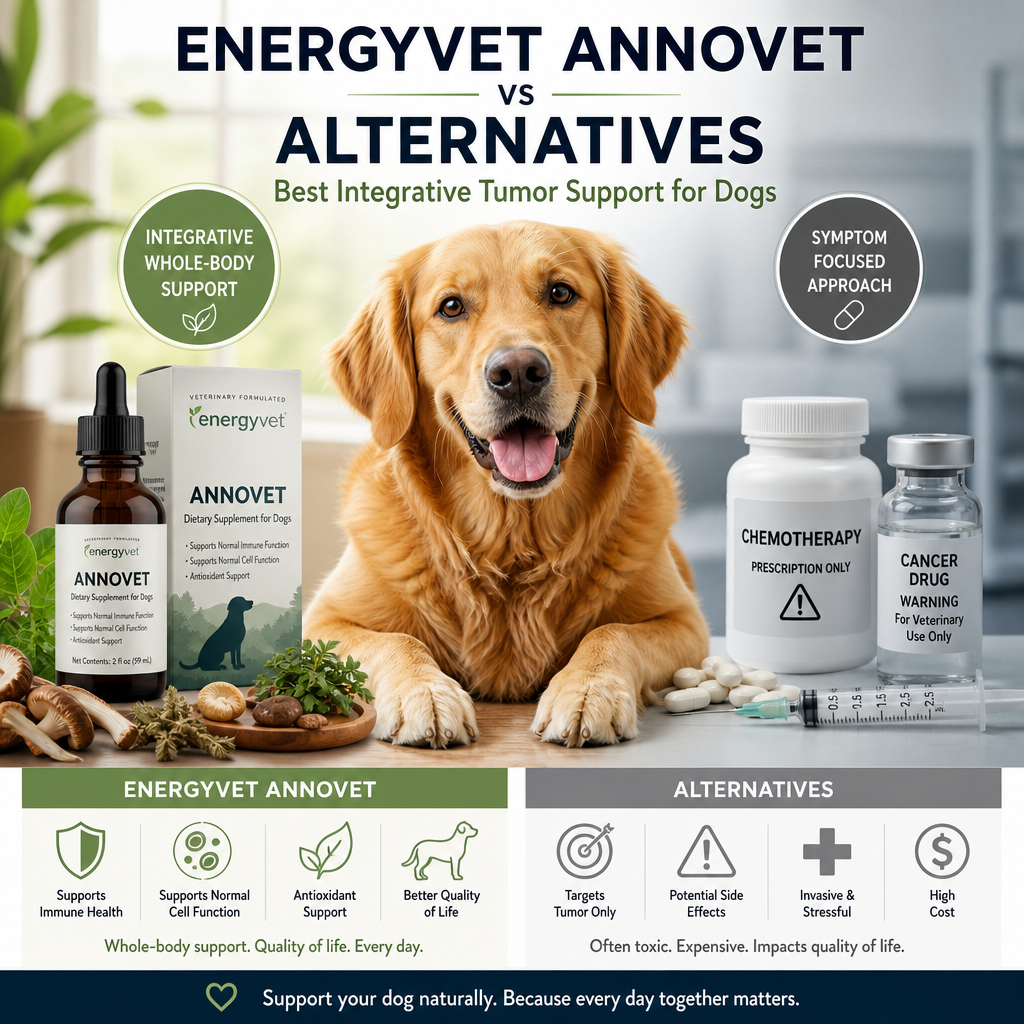
Energyvet Annovet vs Alternatives is an important comparison for dog owners exploring supportive care during a cancer diagnosis. While no supplement should be considered a cure for cancer, integrative approaches may help support comfort, appetite, digestive function, hydration, and overall quality of life when used alongside veterinary treatment. The best plan depends on the type of tumor, disease stage, current medications, and the dog’s individual needs.
Understanding natural and integrative oncology support
Natural/integrative oncology support combines conventional veterinary medicine with carefully selected complementary therapies. Conventional care may include surgery, chemotherapy, radiation, targeted medication, or palliative treatment. Integrative care focuses on the whole patient, adding nutritional strategies, symptom management, rehabilitation, and selected supplements where appropriate.
The goal is not to replace evidence-based cancer treatment. Instead, supportive therapies may help a dog tolerate treatment, maintain strength, manage side effects, and enjoy a better quality of life. A veterinary oncologist or veterinarian with integrative training should guide the process, especially because supplements can interact with chemotherapy, steroids, anti-inflammatory drugs, anticoagulants, and anesthetic agents.
In practice, Energyvet Annovet vs alternatives should be assessed through the same lens: does the product support the dog’s current needs, and is it appropriate for the treatment stage the dog is in?
It also helps to remember that supportive care is not a single decision but an ongoing process. As a dog’s condition changes, the balance between appetite support, comfort, hydration, and medication tolerance can change too. A product that seems useful early on may become unnecessary later, while another option may become more important after surgery or during chemotherapy. That is why Energyvet Annovet vs alternatives should be rechecked at each major treatment step rather than decided once and forgotten.
Owners often feel pressure to act quickly after hearing a cancer diagnosis, but a careful review usually leads to better choices. Taking time to understand how each supplement or supportive measure fits into the broader care plan can prevent unnecessary spending, reduce the risk of interactions, and keep the dog’s comfort at the center of the decision.
What is Energyvet Annovet?
Energyvet Annovet is marketed as a veterinary complementary product for animals with serious health conditions, including tumor-related concerns. Product formulations and recommended uses may vary by region, so owners should carefully review the current label and discuss the product with a veterinarian before use.
Some practitioners consider products in this category as part of a broader supportive-care program. However, claims about directly shrinking tumors, eliminating cancer, or replacing medical treatment should be treated cautiously. Cancer is not one disease; lymphoma, mast cell tumors, osteosarcoma, mammary tumors, and hemangiosarcoma all behave differently and require different treatment strategies.
Before considering Annovet, owners should ask:
What is the confirmed diagnosis?
Is the product intended for general support or a specific condition?
Could its ingredients affect clotting, liver metabolism, blood pressure, or immune function?
Should it be stopped before surgery or chemotherapy?
How will the dog’s response and safety be monitored?
A supplement should have a clear role in the treatment plan rather than being added simply because it is labeled “natural.” That same rule applies when comparing Energyvet Annovet vs alternatives for dogs with tumors.
In many cases, the most useful question is not whether a supplement sounds promising, but whether it fits the dog’s current situation. For example, a dog with poor appetite and weight loss may need nutrition and anti-nausea support before any additional supplement is considered. A dog with bleeding risk may need certain ingredients avoided entirely. Those practical details matter more than marketing claims, and they are central to a safe comparison of Energyvet Annovet vs alternatives.
It is also important to understand that supportive products are not all aiming at the same problem. Some are designed to support digestion, some to improve nutrient intake, some to help with inflammation, and some to fit into broader integrative oncology routines. That is why comparing labels carefully, alongside the dog’s diagnosis and lab work, is more useful than comparing product names alone.
Energyvet Annovet vs Alternatives: key comparison factors
When evaluating Energyvet Annovet vs alternatives, the most useful comparison is not based solely on brand reputation. Owners should examine evidence, safety, ingredients, quality control, and compatibility with the dog’s primary treatment.
1. Evidence and transparency
Look for clearly identified ingredients, standardized amounts, manufacturing information, and realistic claims. A product that promises to cure multiple forms of cancer is a warning sign. Veterinary supplements often have less research than prescription medications, so transparency is especially important.
Transparency also means understanding what the product is not meant to do. A supportive supplement may be used to assist comfort, digestion, or recovery, but that is very different from a treatment proven to control tumor growth. When Energyvet Annovet vs alternatives are compared honestly, the best option is usually the one with the clearest purpose and the most understandable label.
2. Safety and interactions
Natural products can produce side effects. Certain herbs and concentrated compounds may affect liver enzymes, kidney function, blood clotting, blood pressure, or immune activity. This matters greatly for dogs undergoing surgery, chemotherapy, radiation, or long-term medication.
Interactions are especially important when several products are used together. A supplement that seems harmless by itself can become a concern when combined with another ingredient that also affects the same body system. This is one reason veterinarians often want a full list of everything the dog receives, including treats, powders, oils, and chews. In a thoughtful review of Energyvet Annovet vs alternatives, safety should always be considered before convenience.
3. Quality control
Choose products from manufacturers that test for contamination, ingredient identity, and consistency between batches. Supplements intended for humans may contain ingredients or concentrations that are inappropriate for dogs. Products containing xylitol, high doses of vitamin D, essential oils, or other toxic substances should never be given without explicit veterinary approval.
Quality control is particularly important in long-term support. A dog may receive a product for weeks or months, so the same formula should be consistently manufactured. If a brand changes ingredients or sourcing, the response in the dog may change too. That is another practical reason Energyvet Annovet vs alternatives should be reviewed with attention to product quality, not only to price.
4. Practical goals
A supplement should address a specific concern, such as poor appetite, gastrointestinal upset, muscle loss, or general nutritional support. Vague goals make it difficult to determine whether the product is helping or causing problems.
These same rules apply to Energyvet Annovet vs alternatives in everyday practice: if a product does not fit the diagnosis, the dose, and the treatment timeline, it is probably not the right choice.
Good decision-making also includes setting a time frame. A product should be evaluated after a reasonable trial, with attention to appetite, stool quality, comfort, activity, and lab values when relevant. If no meaningful benefit appears, it may be better to stop it and focus on more direct supportive measures.
Dog tumor support options to discuss with a veterinarian
There are several dog tumor support options that may complement cancer treatment. Their suitability depends on the dog’s diagnosis and medical status.
Nutrition and weight maintenance
Maintaining body weight and muscle is often one of the most important supportive goals. A complete, balanced diet with adequate calories and protein may help preserve strength. Some dogs benefit from highly palatable therapeutic diets, while others need customized feeding plans because of nausea, pancreatitis, kidney disease, or gastrointestinal problems.
Restrictive “cancer diets” can be risky if they cause weight loss or nutritional deficiencies. Homemade diets should be formulated by a veterinary nutritionist rather than assembled from internet recipes.
In many cases, good nutrition is the foundation for evaluating Energyvet Annovet vs alternatives because a supplement cannot compensate for inadequate calories or uncontrolled nausea.
Feeding support may also involve practical adjustments at home. Smaller meals, warmed food, hand feeding, changing food texture, or adding veterinary-approved toppers can make a major difference in intake. These simple strategies often provide more immediate relief than introducing multiple products at once. When owners are overwhelmed by choices, it helps to remember that the most effective dog tumor support options are often the simplest ones that improve eating and hydration.
Omega-3 fatty acids
Veterinary-formulated fish oil may support skin health, inflammation management, and nutritional balance. It can also add calories, which may be useful for some dogs. However, high doses may cause diarrhea or affect platelet function, so dosing should be determined by a veterinarian. Fish oil is not appropriate for every patient, particularly dogs with certain bleeding or pancreatic disorders.
Omega-3 products are often discussed in integrative oncology because they can be part of a broader nutritional strategy. Still, dose and timing matter. A product that is too concentrated may upset the stomach, while a product that is too low in EPA and DHA may not provide the intended benefit. If Energyvet Annovet vs alternatives is being considered in a dog already using fish oil, the veterinarian should review the full supplement list to avoid unnecessary overlap or digestive upset.
Digestive and appetite support
Cancer and its treatments may cause nausea, constipation, diarrhea, or appetite loss. Prescription anti-nausea medications, appetite stimulants, hydration therapy, and dietary adjustments often provide more predictable benefits than untested supplements. Probiotics may be useful in selected cases, but product quality and strain selection matter.
When owners compare Energyvet Annovet vs alternatives, digestive support often matters more than a supplement’s marketing language because comfort and food intake can change quickly during treatment.
Digestive support should also be matched to the underlying issue. A dog with nausea needs a different plan from a dog with loose stool or a dog that simply feels too tired to eat. Because of that, the best dog tumor support options are often the ones that target a specific symptom rather than trying to do everything at once.
Pain management and rehabilitation
Pain control is a central part of integrative oncology. Depending on the condition, care may include prescription analgesics, acupuncture, physical rehabilitation, massage, laser therapy, mobility support, or environmental changes. These approaches should be coordinated so that complementary therapies do not delay necessary treatment.
For many dogs, pain control and mobility support are the most meaningful dog tumor support options because they directly affect activity, sleep, and willingness to eat.
Rehabilitation can be especially helpful after surgery or when a tumor affects movement. Short, gentle walks, traction on slippery floors, ramps, supportive bedding, and careful exercise planning may reduce strain and improve confidence. These non-drug approaches are often overlooked, yet they can be a major part of a dog’s comfort and day-to-day quality of life.
Herbal and antioxidant products
Herbal formulas and antioxidant supplements are sometimes used in integrative care, but they require particular caution. Some antioxidants or plant compounds may theoretically interfere with radiation or chemotherapy, while others may increase bleeding risk or alter drug metabolism. “Natural” does not automatically mean safe, especially at concentrated doses.
This is one reason Energyvet Annovet vs alternatives should always be reviewed with a veterinarian who knows the dog’s full treatment plan.
Herbal products may also vary in strength and purity. The same plant-based ingredient can behave differently depending on how it is extracted, standardized, and stored. If an owner is considering an herbal supportive product, consistency and monitoring become just as important as the ingredient list itself.
Because tumors and treatments differ widely, there is no single best choice among dog tumor support options. A dog with early-stage disease may need a different approach than a dog receiving palliative care. That is why individualized guidance is essential before starting any product.
Comfort-focused supportive care
Not every useful measure has to be a supplement. Warm resting areas, gentle grooming, easier access to water, reduced stair use, and low-stress routines can all support a dog receiving cancer care. These comfort measures do not replace medical treatment, but they can improve daily living in a very real way.
When owners compare Energyvet Annovet vs alternatives, it is worth remembering that the most effective support plan usually combines products, medications, and home adjustments rather than relying on one category alone. This broader perspective helps prevent disappointment and supports more realistic expectations.
How to build a safer integrative plan
Start with a confirmed diagnosis and a written list of every medication, supplement, treat, and diet the dog receives. Ask the veterinary team to identify the primary goals of supportive care. These may include maintaining appetite, reducing nausea, controlling pain, preserving mobility, or supporting recovery after surgery.
Introduce only one new product at a time. This makes it easier to identify side effects and determine whether the product is producing a meaningful benefit. Keep a simple daily record of appetite, water intake, vomiting, stool quality, energy, pain signs, weight, and general comfort.
Stop a product and contact the veterinarian if the dog develops persistent vomiting, diarrhea, jaundice, unusual bruising, severe lethargy, breathing changes, seizures, or a sudden decline. Supplements should also be reviewed before procedures, changes in chemotherapy, or the addition of new prescriptions.
If you are still weighing Energyvet Annovet vs alternatives, use the same safety checklist for every option so the final plan is based on evidence and observation rather than assumptions.
One practical way to keep decisions grounded is to compare any product with the dog’s real-world response over time. If appetite improves, nausea settles, or mobility becomes easier, that is meaningful. If nothing changes, or side effects appear, the product may not belong in the plan.
Supportive care also works best when everyone on the veterinary team is informed. A general practitioner, oncologist, surgeon, and rehabilitation specialist can each notice different risks. Sharing the full list of products helps avoid duplicate ingredients and accidental interactions.
Owners in the Czech Republic often face the same challenge as pet parents elsewhere: there are many options, but not every option suits every dog. That is why a calm, structured review of Energyvet Annovet vs alternatives is more valuable than a quick decision based on online claims.
It can also help to write down questions before each veterinary visit. Asking how a product might affect anesthesia, whether it should be paused during chemotherapy, and what signs of intolerance to watch for can make supportive care safer and less stressful. This kind of planning turns the comparison of Energyvet Annovet vs alternatives into a practical decision rather than a guess.
If the dog has more than one medical issue, the plan may need to be even more selective. Heart disease, kidney disease, liver disease, or endocrine disorders can all affect which supportive products are appropriate. In those cases, the most useful dog tumor support options are often the ones that do not complicate existing disease management.
Making an informed choice
The best natural/integrative oncology support is individualized, evidence-aware, and safety-focused. Energyvet Annovet may be considered by some owners as one component of a broader supportive plan, but it should not replace diagnosis, oncology consultation, surgery, chemotherapy, radiation, or appropriate palliative care.
Comparing Energyvet Annovet vs alternatives requires more than choosing the product with the strongest marketing. Consider the dog’s tumor type, current treatment, laboratory results, nutritional status, comfort, and quality of life. A carefully monitored plan that combines proven veterinary care with appropriate supportive measures is generally safer and more useful than relying on a single supplement as a stand-alone cancer treatment.
In short, Energyvet Annovet vs alternatives should be decided by diagnosis, safety, and goals of care. The right choice is the one that supports the dog’s comfort and treatment plan without creating unnecessary risk.
When in doubt, ask the veterinarian to rank the available dog tumor support options by urgency: what is essential now, what may help later, and what should be avoided entirely. That approach keeps treatment organized and gives the dog the best chance of staying comfortable during care.
For many families, the most reassuring decision is the one that blends realism with hope. There may not be a cure in every case, but there is still value in comfort, appetite, and time together. A thoughtful comparison of Energyvet Annovet vs alternatives can help owners choose support that truly fits the dog in front of them, rather than a generic idea of cancer care.
As treatment progresses, the plan may need to evolve. A product that was useful after diagnosis may no longer be needed months later, or a new supportive therapy may become appropriate if side effects increase. Regular reassessment keeps care aligned with the dog’s changing needs and makes the entire integrative approach more effective.