
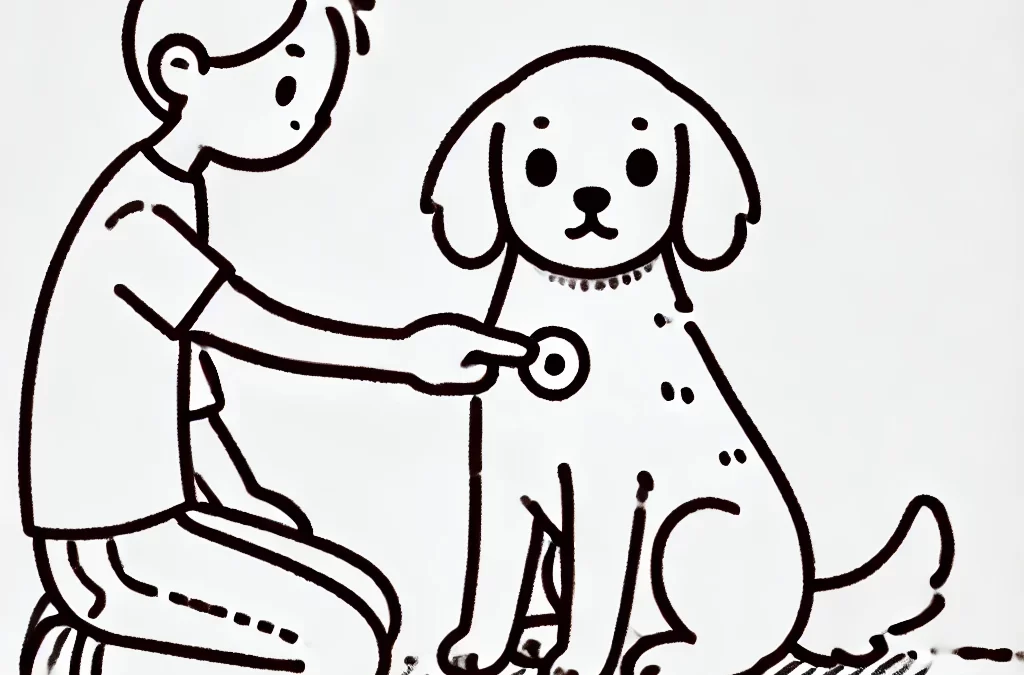
How to Examine Lumps on Your Dog’s Body: When to Seek Veterinary Care?

How to Examine Lumps on Your Dog’s Body: When to Seek Veterinary Care?

Discovering a lump on your dog’s body can be alarming. Is it just a harmless fatty tumor, or could it be something more serious? Many pet owners hesitate between monitoring the lump at home and rushing to the vet. The key is knowing how to assess the lump properly and recognizing the warning signs that require medical attention.

This article introduces a practical, hands-on guide for pet owners to evaluate their dog’s lumps and bumps, helping you make informed decisions about when to seek veterinary care.

Step-by-Step Guide to Checking Your Dog’s Lump

🖐 1. Use the “Rule of Five” Approach
When examining a lump on your dog, assess these five factors:

1️⃣ Size – Is the lump smaller than a pea, or is it growing over time?
2️⃣ Shape – Is it round and smooth, or irregular and bumpy?
3️⃣ Texture – Is it soft and movable, or firm and attached to underlying tissue?
4️⃣ Color & Surface – Is the skin over the lump normal, reddened, or ulcerated?
5️⃣ Growth Rate – Has it changed in size within weeks or months?

🐾 2. The “Two-Finger Test”
Gently move the lump between your fingers. If it feels freely movable under the skin, it’s more likely to be benign (such as a lipoma). If it’s firmly attached to deeper tissues, it could be more concerning.

🔍 3. Observe Any Additional Symptoms
Check for changes in your dog’s behavior and overall health. Are they eating well? Losing weight? Scratching or licking the lump excessively? These clues can help determine if the lump is causing discomfort or systemic effects.

Common Types of Lumps and When to Worry

🔹 Lipomas (Fatty Tumors)
✅ Soft, round, and movable
✅ Common in older or overweight dogs
✅ Usually harmless, but should be monitored for sudden growth

🔹 Sebaceous Cysts
✅ Filled with a thick, white, or yellowish substance
✅ Can rupture or become infected
✅ Often not serious but may need draining or removal if problematic

🔹 Mast Cell Tumors (MCTs)
🚨 Often appear red, swollen, or ulcerated
🚨 Can change size rapidly due to histamine release
🚨 Require immediate veterinary evaluation, as they can be aggressive

🔹 Histiocytomas
✅ Common in young dogs, usually on the head or legs
✅ Appear as red, raised, button-like lumps
✅ Often disappear on their own, but should still be checked

🔹 Soft Tissue Sarcomas
🚨 Firm, deep-seated, and slow-growing
🚨 Often do not feel well-defined
🚨 Can be invasive and may require surgical removal

When Should You See a Vet?

📌 Immediate Veterinary Visit Required If:

  • The lump grows rapidly or changes shape
  • It is firmly attached to underlying structures
  • There is bleeding, ulceration, or infection
  • The lump causes pain or discomfort
  • Your dog shows other symptoms like weight loss, lethargy, or appetite changes

📌 Monitor at Home If:

  • The lump is small, soft, and slow-growing
  • Your dog is acting normal with no discomfort
  • No rapid changes in size, texture, or color are observed

How Vets Diagnose Lumps

If a vet visit is necessary, they may use:
🩸 Fine Needle Aspiration (FNA) – Extracting cells for microscopic examination
🔬 Biopsy – Taking a tissue sample for more detailed analysis
🖥 Ultrasound or X-rays – To check for internal masses or metastasis

Final Thoughts

Not all lumps are cause for panic, but early detection is crucial. The best approach is to regularly check your dog’s body, stay alert for changes, and consult your vet when in doubt. Being proactive can make a huge difference in ensuring your dog’s long-term health.

10 Things Dog Owners Must Know After a Tumor Diagnosis

10 Things Dog Owners Must Know After a Tumor Diagnosis

When your beloved dog is diagnosed with a tumor, it can feel like your world has turned upside down. While the news is daunting, the journey ahead doesn’t have to be. This guide offers fresh insights into caring for your furry friend, ensuring they remain comfortable and supported during this challenging time.

1. Don’t Panic: Focus on Understanding the Diagnosis

The word “tumor” often sparks fear, but not all tumors are malignant. Consult your veterinarian to understand the type, stage, and prognosis of the tumor. Knowledge empowers you to make informed decisions.

2. Explore All Treatment Options

From surgery to chemotherapy, radiation, and even alternative therapies, the treatment landscape for canine tumors is diverse. Discuss options with your vet and consider a second opinion to ensure you’ve explored every avenue.

3. Prioritize Nutrition

A well-balanced diet can strengthen your dog’s immune system. Include antioxidant-rich vegetables, lean proteins, and omega-3 fatty acids. Consider consulting a veterinary nutritionist to tailor a diet for your dog’s specific needs.

4. Create a Comfortable Environment

Your dog’s comfort is paramount. Invest in orthopedic bedding, ensure easy access to food and water, and reduce environmental stressors like loud noises or frequent visitors.

5. Monitor for Changes

Keep a journal of your dog’s symptoms, appetite, and energy levels. Subtle changes can indicate how well the treatment is working or if adjustments are needed.

6. Embrace Natural Remedies (With Caution)

Natural therapies like CBD oil, turmeric, and medicinal mushrooms are gaining popularity for managing canine tumors. Always consult your vet before introducing any supplements to avoid interactions with ongoing treatments.

7. Provide Emotional Support

Dogs are intuitive creatures and can pick up on your stress. Stay positive, spend quality time with them, and maintain routines to give them a sense of normalcy.

8. Stay on Top of Pain Management

Pain management is crucial for dogs with tumors. Work closely with your vet to establish a plan using medications, acupuncture, or physical therapy to keep your dog comfortable.

9. Consider Palliative Care

If the tumor is untreatable, palliative care focuses on enhancing quality of life. This may include pain relief, mobility aids, and strategies to improve appetite.

10. Join a Support Community

You’re not alone on this journey. Connect with other pet owners who have gone through similar experiences. Their insights and emotional support can be invaluable.

Final Thoughts

A tumor diagnosis is not the end of the road for your dog. With the right care, they can continue to enjoy a fulfilling life. As an owner, your love and dedication make all the difference in navigating this chapter together.

By focusing on their comfort, exploring innovative treatments, and leaning on support networks, you can give your dog the best care possible during this time.

Green yin-yang logo with TCMVET
Privacy Overview

This website uses cookies so that we can provide you with the best user experience possible. Cookie information is stored in your browser and performs functions such as recognising you when you return to our website and helping our team to understand which sections of the website you find most interesting and useful.