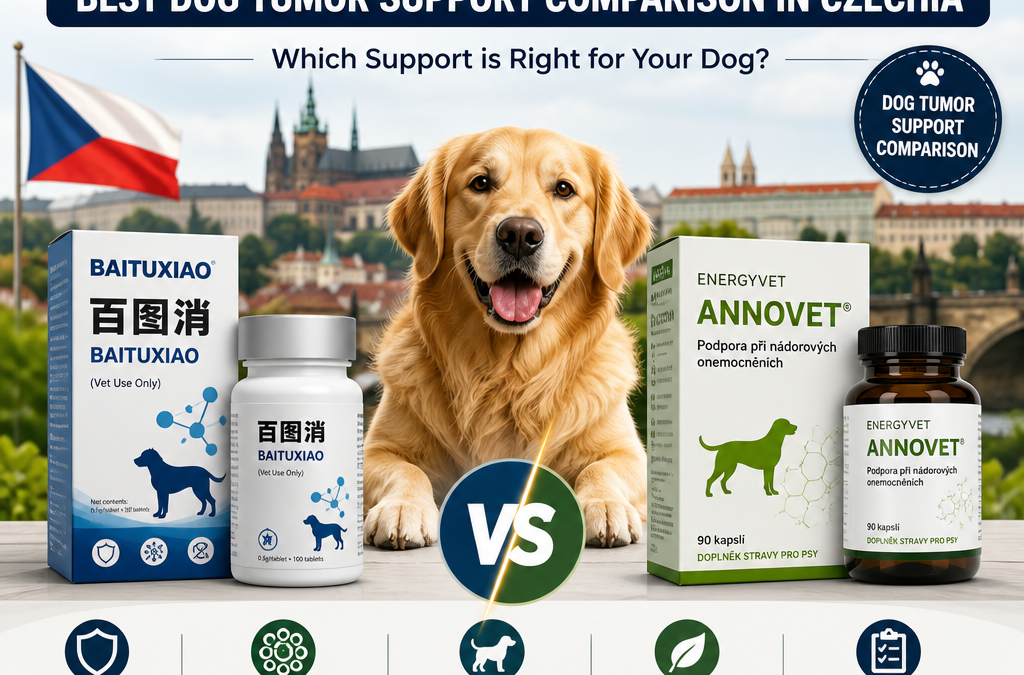
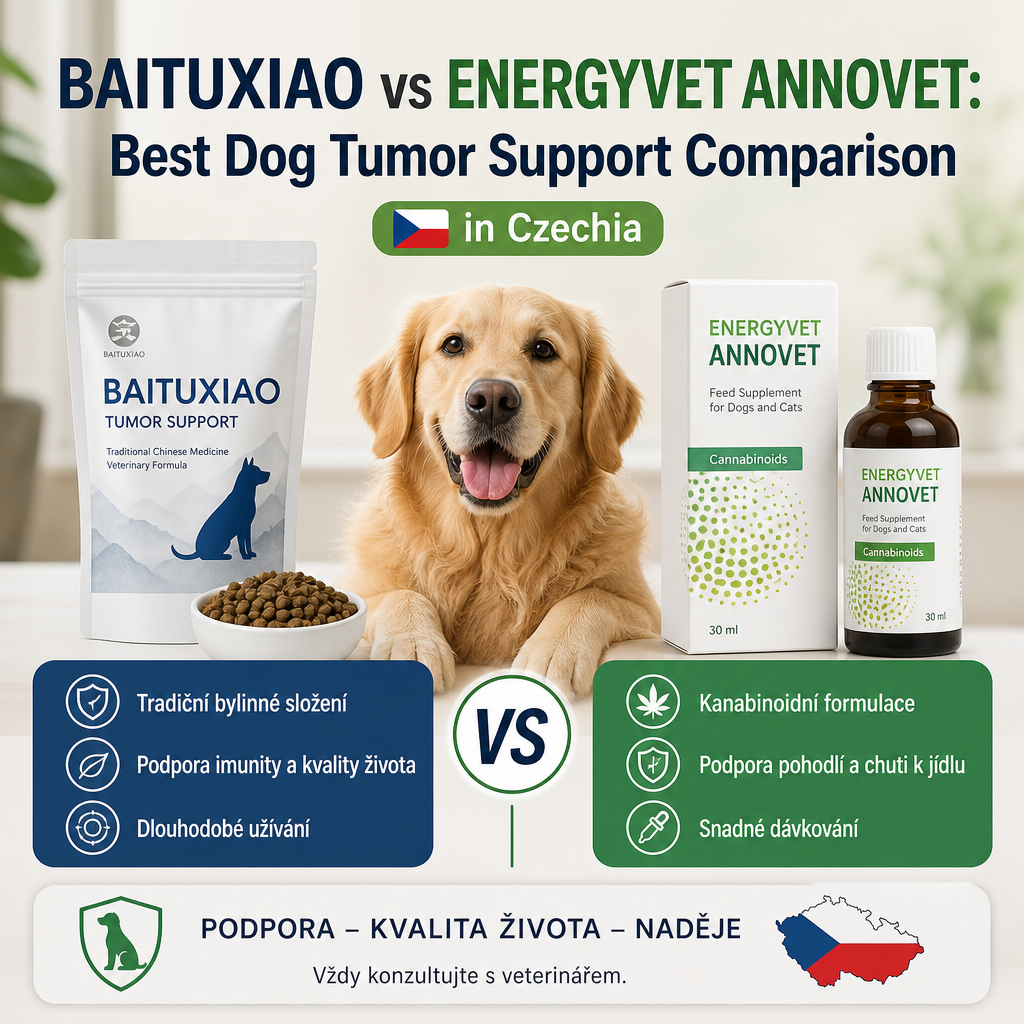
Baituxiao vs Energyvet Annovet is a comparison many dog owners in Czechia explore after learning that their pet has a tumor or another serious health condition. Both products are discussed as complementary support, but they are not substitutes for veterinary diagnosis, surgery, chemotherapy, radiation, pain management, or other evidence-based treatment. Understanding their intended use, ingredients, safety considerations, and practical differences can help owners have a more informed conversation with a veterinarian. If you are researching this topic for the first time, the key is to compare the products carefully rather than assuming either one is automatically better.
In any Baituxiao vs Energyvet Annovet discussion, the dog’s diagnosis should come first. A benign mass, an inflammatory swelling, and an aggressive tumor can look similar at home. That is why a veterinarian may recommend cytology, biopsy, bloodwork, or imaging before any supplement decision is made. The products may still play a supportive role, but only as part of a broader care plan.
A tumor is not a single disease. Some growths are benign, while others are malignant, invasive, or capable of spreading to distant organs. Treatment depends on the tumor’s location, type, grade, stage, size, and the dog’s overall health. A lump that appears harmless externally may still require cytology, biopsy, blood tests, or imaging. In other words, Baituxiao vs Energyvet Annovet cannot be judged fairly without knowing what problem the dog actually has.
Supportive products may sometimes be used alongside veterinary care to help maintain appetite, digestion, energy, or general wellbeing. However, no supplement should be presented as a cure for cancer. Products marketed for tumor support can vary considerably in formulation, quality control, dosing instructions, and the strength of available evidence. That is why Baituxiao vs Energyvet Annovet should be approached as a support comparison, not as a replacement for medical care.
For owners in Czechia, the most important practical step is to confirm the product’s legal status, labeling, importer or manufacturer information, and recommended use. A veterinarian should review the complete ingredient list before administration, especially when a dog is receiving medication. If you are also comparing regional options, it may help to review a related article such as Vicano Support Life Tabs alternative: 5 Smart, Affordable, Helpful Options for Dogs in Germany for a broader view of product categories and support styles.
In many cases, the best starting point is not the supplement itself but the dog’s diagnosis and current care plan. That context determines whether any supportive product is worth discussing at all. A careful Baituxiao vs Energyvet Annovet review should always begin there.
For a trusted general reference on canine cancer basics, the American College of Veterinary Internal Medicine provides helpful educational material at ACVIM’s official veterinary medicine resource, which can support a more informed discussion with your veterinarian.
Baituxiao vs Energyvet Annovet: different approaches
The Baituxiao vs Energyvet Annovet discussion is complicated by the fact that these products are generally positioned differently. Baituxiao is commonly marketed as a traditional herbal or botanical formula intended for supportive use in animals with masses or tumors. Product descriptions may refer to herbs traditionally associated with circulation, inflammation, immune support, or general vitality.
Energyvet Annovet is generally presented as a veterinary-oriented complementary product, often associated with support for animals facing significant health challenges. Depending on the market and specific product version, its formulation and recommended use may differ. This makes it essential to check the current Czech or European label rather than relying on information from unrelated online listings. In a practical Baituxiao vs Energyvet Annovet comparison, the label matters more than the brand name.
The distinction is important: a traditional herbal blend and a veterinary supplement may have different goals, concentrations, administration instructions, and safety profiles. Comparing them only by brand name or promotional claims can lead to incorrect conclusions. Owners should also ask whether the product is meant for short-term support, longer monitoring, or use alongside an active treatment plan. That practical difference matters more than marketing language.
It can also help to compare how each product fits into the dog’s day-to-day routine. A formula that is easy to dose, palatable, and consistent with the dog’s feeding schedule may be easier to use correctly. Even in a Baituxiao vs Energyvet Annovet decision, convenience is only a secondary factor; tolerance and medical compatibility still matter more.
If you are evaluating alternatives in other European markets, you may notice that products aimed at tumor support often follow one of two patterns: a botanical approach or a more standardized veterinary supplement approach. Baituxiao vs Energyvet Annovet fits neatly into that broader pattern, which is why ingredient transparency and dosing clarity are so important.
Owners who compare products for tumor support should also keep expectations realistic. A supplement can be supportive without being dramatic, and that is often what matters most in daily care. When the goal is comfort and steady support, the Baituxiao vs Energyvet Annovet choice should be based on consistency, not promises.
Energyvet Annovet comparison: ingredients and formulation
An Energyvet Annovet comparison should begin with the exact ingredient panel. Owners should examine:
Active ingredients and their quantities
Botanical species and plant parts used
Excipients, preservatives, or flavoring agents
Suggested serving size for the dog’s weight
Warnings concerning pregnancy, liver disease, kidney disease, or medication
Batch information, expiry date, and storage instructions
Herbal products can contain biologically active compounds. “Natural” does not automatically mean risk-free, and two products with similar marketing language may have very different pharmacological effects. Some botanicals can influence blood clotting, blood pressure, liver enzymes, sedation, or immune activity. This is one reason why Baituxiao vs Energyvet Annovet should never be treated as a simple shopping decision.
This is particularly relevant before surgery or biopsy. A veterinarian may recommend stopping certain supplements in advance if they could affect bleeding risk or interact with anesthetic drugs. Dogs with reduced liver or kidney function may also process ingredients differently from healthy animals. If the product is part of a longer care plan, the animal’s condition should be monitored, not guessed.
Owners should also pay attention to concentration and consistency. A small change in dosage can matter if an ingredient is potent or if the dog is already taking medication. In many cases, the safer choice is the product with clearer labeling, fewer unknowns, and better instructions for veterinary supervision.
When reading a label, look for exact amounts rather than vague blends. Transparent formulation is usually easier to evaluate than a proprietary mixture with no meaningful breakdown. That is one of the most useful lessons in any Baituxiao vs Energyvet Annovet comparison.
Owners should also ask whether the manufacturer provides a lot number, a quality-control statement, or contact details for product questions. These may seem like minor details, but they are helpful signs that the company takes product consistency seriously. If a seller cannot explain the formula clearly, caution is reasonable.
In practical terms, ingredient transparency often separates a reassuring product from a confusing one. That is why a careful Baituxiao vs Energyvet Annovet review should include the label, the dose, and the dog’s medical history together.
Comparing evidence and marketing claims
A useful dog tumor support comparison separates laboratory research, traditional use, clinical evidence, and advertising language. Evidence from cell cultures or laboratory animals does not prove that a product will shrink a tumor in a living dog. Likewise, testimonials can describe individual experiences but cannot establish effectiveness or safety for all animals.
When reviewing either product, owners should ask:
Has the finished product been studied in dogs?
Were studies controlled and independently reviewed?
Were outcomes measured objectively, such as survival time, tumor size, pain, or quality of life?
Are the ingredients standardized between batches?
Does the manufacturer provide transparent safety and quality information?
A responsible product description should avoid guaranteeing tumor reduction or implying that veterinary treatment is unnecessary. Claims involving cancer deserve especially careful scrutiny because delays in diagnosis or treatment may reduce available options. In a Baituxiao vs Energyvet Annovet evaluation, the strength of evidence should matter more than the confidence of the sales copy.
Owners should also be cautious of language that suggests a supplement can “detoxify,” “reverse,” or “eliminate” cancer without a diagnosis-backed treatment plan. Those terms are often used loosely and may create false hope. A more trustworthy product description will focus on support, tolerance, and compatibility with veterinary care rather than dramatic outcomes.
If the dog is already on a prescription medication, the risk-benefit balance becomes even more important. A supplement that looks promising in theory may still be a poor choice if it adds uncertainty, complicates monitoring, or makes side effects harder to interpret. Baituxiao vs Energyvet Annovet is therefore also a question of practical medical supervision.
When owners read reviews, it helps to separate personal stories from medical outcomes. A dog may seem brighter for many reasons, and that improvement may not be caused by the supplement alone. Keeping that perspective makes the Baituxiao vs Energyvet Annovet comparison more balanced and less emotional.
Safety when using supplements with cancer treatment
Safety is one of the most important issues in any Baituxiao vs Energyvet Annovet discussion. Dogs with cancer are often medically fragile, and many are already taking multiple therapies. Supplements can interact with drugs that affect the liver, kidneys, clotting system, stomach lining, appetite, or immune function.
Potential safety questions include:
Could the product increase bleeding risk before a biopsy or surgery?
Could it affect sedation, anesthesia, or pain medication?
Could it cause vomiting, diarrhea, reduced appetite, or lethargy?
Could it burden the liver or kidneys in a dog with pre-existing disease?
Could it complicate the veterinarian’s ability to evaluate treatment response?
Even a well-intentioned supplement may need to be paused before a procedure. Owners should never make that decision on their own if the dog is actively being treated. Instead, they should ask the veterinarian or oncology team for a clear plan. In many cases, a short call can prevent a serious problem.
Another important point is dose accuracy. Small dogs, senior dogs, and dogs with chronic illness may not tolerate the same regimen as a healthy adult dog. The phrase Baituxiao vs Energyvet Annovet can make the products sound interchangeable, but the dog’s body may not see them that way. The safest approach is individualized guidance.
Owners should also watch for subtle intolerance signs after starting any new product: restlessness, itching, loose stool, dark stool, unusual tiredness, coughing, pale gums, or a noticeable change in drinking or urination. Any new sign should be reported promptly. A supplement that seems “mild” can still cause meaningful problems in a vulnerable dog.
When in doubt, introduce only one new supportive product at a time. That makes it easier to identify whether the dog is benefiting or reacting badly. It also keeps the Baituxiao vs Energyvet Annovet comparison practical rather than speculative.
If the veterinarian recommends continuing a supplement, ask how to monitor appetite, stool quality, energy, and any new lump changes. Clear monitoring rules make Baituxiao vs Energyvet Annovet easier to use responsibly and help owners notice problems sooner.
Practical considerations for dog owners in Czechia
Dog owners in Czechia should look beyond the product description and consider availability, veterinary oversight, and supplier reliability. A locally distributed product may have clearer import documentation, Czech-language instructions, and easier customer support. That matters if dosing questions or side effects arise later.
Before buying, check whether the seller provides:
Full ingredient disclosure
Clear dosage guidance by weight
Storage and handling instructions
Manufacturer or importer contact information
Batch and expiry details
It is also sensible to save screenshots or copies of product pages in case the listing changes later. Online supplements can be relabeled, reformulated, or removed without warning. In a Baituxiao vs Energyvet Annovet search, that can make it difficult to compare what was originally promised with what was actually purchased.
Owners should think about palatability too. If a product tastes unpleasant, the dog may refuse it or spit it out, leading to inconsistent dosing. In that case, even a theoretically better formula may be less useful in practice. Reliable administration is often more valuable than an attractive marketing claim.
Cost is another factor, but the cheapest option is not always the wisest one. A lower-priced product with vague ingredients and weak support information may create more uncertainty than it solves. When comparing Baituxiao vs Energyvet Annovet, it is reasonable to weigh cost, but not at the expense of safety and transparency.
Owners who want a broader perspective on tumor-support products across Europe can also look at other regional comparisons, such as the way herbal and veterinary supplement categories are described in different countries. This can help set realistic expectations and reduce the chance of being influenced by exaggerated claims.
It also helps to keep a simple record after starting any product. Note the date, dose, appetite, stool quality, and any changes in energy. That record can be useful if the veterinarian later reviews whether Baituxiao vs Energyvet Annovet fits the dog’s ongoing care plan.
Which option is better?
There is no universal winner in a Baituxiao vs Energyvet Annovet comparison. The better option depends on the dog’s diagnosis, current medications, liver and kidney function, treatment goals, and tolerance for the product. A formula that suits one dog may be unsuitable for another.
If the goal is to add supportive care without complicating treatment, the best choice is usually the product with the clearest label, the most conservative claims, and the easiest veterinary review. If the goal is simply to “do something,” that instinct should be redirected toward evidence-based care, monitoring, and vet-approved support instead. Supplements can play a role, but they should not overwhelm the main treatment plan.
For many owners, the most useful question is not which product sounds stronger, but which product is easier to justify medically. That framing keeps the decision grounded in the dog’s real needs. Baituxiao vs Energyvet Annovet becomes more manageable when it is treated as a support choice rather than a promise of tumor control.
In practice, the safest path is to discuss the dog’s diagnosis, current prescriptions, and goals of care with a veterinarian before starting anything new. If a supplement is appropriate, the vet can help determine timing, dosing, and monitoring. If not, the owner can avoid unnecessary risk and focus on the therapies most likely to help the dog.
For Czechia dog owners comparing Baituxiao vs Energyvet Annovet, the right answer is usually the product that fits the medical plan most responsibly, not the one with the boldest claims. Careful comparison, veterinary input, and realistic expectations are the best way to support a dog with a tumor.
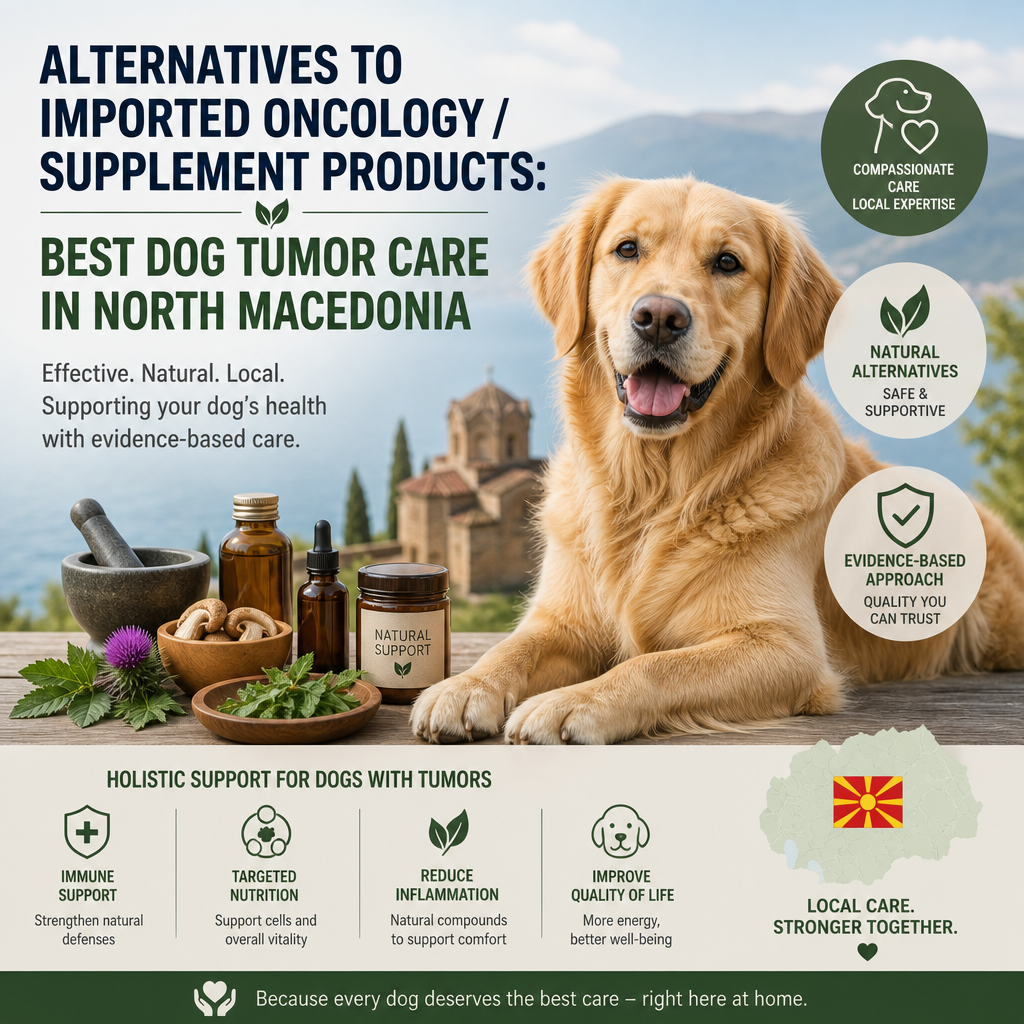
Alternatives to imported oncology / supplement products can help dog owners in North Macedonia manage costs, availability, and treatment continuity when certain veterinary products are difficult to find. However, caring for a dog with a tumor should always begin with a veterinary diagnosis and a clearly defined treatment plan. Supplements may support general health, but they are not a substitute for surgery, chemotherapy, radiation, pain control, or other evidence-based cancer care.
Understanding Canine Tumors Before Choosing Supplements
A tumor is an abnormal growth of cells, and not all tumors behave in the same way. Some are benign and may grow slowly, while malignant tumors can invade nearby tissues or spread to other organs. The appropriate treatment depends on the tumor’s type, location, size, stage, and the dog’s overall condition.
A veterinarian may recommend a physical examination, blood tests, imaging, fine-needle aspiration, biopsy, or additional staging tests. These steps are important because a supplement that seems appropriate for one dog may be unsuitable for another. For example, a dog with liver disease, kidney problems, bleeding risks, or a sensitive stomach may require a completely different supportive-care plan.
In North Macedonia, access to specialized oncology services and imported veterinary products may vary by city and supplier. This makes communication with a local veterinarian especially important. Ask about equivalent veterinary medicines, locally available nutritional products, and safe supportive measures before purchasing products online or using human supplements.
Dog Tumor Supplement Alternatives in North Macedonia
Dog tumor supplement alternatives may include veterinary diets, carefully selected nutrients, and practical supportive-care products available through local veterinary clinics, pharmacies, or reputable pet suppliers. The goal is not to replace cancer treatment, but to help maintain appetite, body weight, hydration, mobility, and quality of life.
Veterinary therapeutic diets
Nutrition is one of the most useful forms of supportive care. A complete veterinary diet may be recommended for dogs undergoing cancer treatment, especially when appetite, digestion, or body condition is changing. Some cancer-support diets are formulated with highly digestible ingredients, controlled carbohydrates, increased protein, or added omega-3 fatty acids.
When imported oncology diets are unavailable, a veterinarian may suggest another complete commercial veterinary food with a similar nutritional purpose. A locally available high-quality diet is generally safer than an unbalanced homemade recipe. Sudden diet changes can cause vomiting or diarrhea, so transitions should usually be gradual unless a veterinarian advises otherwise.
Omega-3 fatty acids
Fish oil is commonly discussed in canine cancer support because EPA and DHA may help support normal inflammatory responses and skin, coat, and joint health. However, product quality and dosage matter. Fish oil can cause digestive upset and may increase bleeding risk in some dogs, particularly those taking certain medications or preparing for surgery.
Choose a product with clearly stated EPA and DHA amounts rather than relying only on the total fish-oil quantity. Veterinary guidance is recommended before use, especially if the dog has a bleeding disorder, pancreatitis, or is receiving medication.
Antioxidant support
Vitamins and antioxidants are often marketed for dogs with tumors, but more is not always better. High doses of certain antioxidants may interact with cancer treatment or create toxicity. Some dogs may also receive adequate nutrients through a complete diet.
Do not give large amounts of vitamin A, vitamin E, selenium, or other concentrated products without professional advice. A veterinarian can determine whether supplementation is appropriate and whether it should be paused during chemotherapy or radiation.
Digestive and appetite support
Dogs with tumors may experience nausea, constipation, diarrhea, or reduced appetite. In these situations, the most helpful intervention may be a veterinary anti-nausea medicine, appetite stimulant, probiotic, or digestive diet rather than a general “immune booster.”
Probiotics can be useful for some dogs, but they should be selected carefully. Dogs with severely weakened immune systems may require additional caution. Persistent vomiting, bloody diarrhea, refusal to eat, or rapid weight loss requires prompt veterinary attention.
Safer Local Options Than Unverified Imported Products
When imported products are expensive or unavailable in North Macedonia, owners may be tempted to buy supplements from social media pages, unverified websites, or informal sellers. This can create serious risks, including counterfeit products, incorrect dosages, contamination, expired ingredients, and false claims.
A safer approach is to compare products based on their ingredient list, manufacturer information, batch number, expiration date, storage instructions, and intended animal use. Products designed for humans may contain ingredients that are unsafe for dogs, including xylitol, excessive vitamin D, stimulants, or inappropriate herbal extracts.
Ask a veterinarian or licensed pharmacist whether a locally available product is suitable and whether an equivalent veterinary formulation exists. Maintaining a written list of all medicines and supplements can help prevent dangerous interactions.
For reliable reference information on pet nutrition and supplement safety, you can also consult the FDA’s pet food and treat guidance.
How to Compare Alternatives to Imported Oncology / Supplement Products
When you compare alternatives to imported oncology / supplement products, start with the dog’s diagnosis, current medications, and treatment goals. The safest choice is usually the option that fits the medical plan without adding unnecessary ingredients or unclear claims. A product that looks convenient is not automatically better if it has poor labeling or no veterinary oversight.
Look for products with clear dosing instructions, full ingredient disclosure, and a manufacturer that can be verified. If the label does not explain what the product contains or how it should be used, it is harder to judge safety. This is especially important for dogs with cancer, because even mild side effects can affect appetite, hydration, and recovery.
It also helps to ask whether the product is intended for short-term support or long-term use. Some options may be suitable only during recovery, while others may need monitoring because of possible interactions with chemotherapy, anesthesia, or pain medication. A veterinarian can help separate marketing language from practical benefit.
Questions to ask before buying
Is this product meant for dogs, and is the dosage clear?
Does it list exact amounts of active ingredients?
Could it interact with current medication or surgery?
Is there a locally available veterinary alternative?
What signs mean the product should be stopped?
These questions make alternatives to imported oncology / supplement products more useful in real life because they focus on safety rather than on price alone.
What to Avoid in Dog Tumor Care
Natural does not automatically mean safe. Garlic, concentrated essential oils, alcohol-based extracts, and several human pain medicines can be dangerous for dogs. Herbal products may also affect the liver, kidneys, blood clotting, or the metabolism of chemotherapy drugs.
Avoid stopping prescribed treatment in favor of supplements. A product marketed as a “tumor cure” or “cancer detox” should be treated with caution, particularly when it promises guaranteed results. Delaying diagnosis or proven treatment can allow a tumor to progress while valuable time is lost.
Homemade diets should also be approached carefully. Meat, rice, vegetables, or broth alone do not provide complete nutrition for a dog, especially one recovering from surgery or receiving cancer therapy. If a homemade diet is necessary, it should be formulated by a veterinarian with advanced nutrition training.
Warning signs that need a veterinarian
Seek prompt veterinary help if the dog develops difficulty breathing, uncontrolled pain, repeated vomiting, severe weakness, pale gums, sudden swelling, collapse, or inability to eat and drink. These signs may indicate a complication that no supplement can fix.
Building a Practical Care Plan
A useful care plan for a dog with cancer should cover more than supplements. It may include scheduled examinations, medication administration, nutrition, hydration, pain management, wound care, activity limits, and monitoring at home.
Record the dog’s appetite, water intake, weight, bowel movements, energy, breathing, and signs of pain. Contact the veterinarian if the dog develops difficulty breathing, uncontrolled pain, repeated vomiting, severe weakness, pale gums, sudden swelling, collapse, or inability to eat and drink.
For families in North Macedonia, practical planning can also include checking product availability before treatment begins, asking whether a clinic can order veterinary medicines, and identifying the nearest facility with imaging, surgery, or oncology support. Reliable access to basic care is often more important than purchasing a costly supplement with uncertain benefits.
The best alternatives to imported oncology / supplement products are therefore individualized and evidence-informed: an appropriate veterinary diet, locally available medicines when prescribed, carefully selected nutritional support, and consistent monitoring. Supplements can play a supporting role, but the foundation of dog tumor care remains accurate diagnosis, professional treatment, and attention to the dog’s comfort and quality of life.
When you compare options, keep the focus on safety, proven benefit, and veterinary supervision rather than marketing claims. In that sense, alternatives to imported oncology / supplement products are not just cheaper substitutes; they are part of a thoughtful care plan that helps your dog stay stable while treatment decisions are made.
Where to Learn More About Dog Tumor Support
If you are still comparing alternatives to imported oncology / supplement products, the next step is usually a consultation with a veterinarian who knows your dog’s medical history. That discussion can clarify which nutrients are useful, which products should be avoided, and whether a local substitute is appropriate during treatment.
Some dogs benefit most from simple, targeted support rather than a long list of supplements. Others need medication, nutrition changes, or palliative care to stay comfortable. The right plan depends on the tumor type and the dog’s response over time. In every case, alternatives to imported oncology / supplement products work best when they are part of a documented plan rather than an online guess.
Cancer is a devastating diagnosis for any pet owner, but integrating Traditional Chinese Medicine (TCM) into your dog’s treatment plan can offer hope and improved quality of life. TCM, with its centuries-old practices, provides a holistic approach to treating canine tumors, focusing on restoring balance and promoting the body’s natural healing abilities. This article explores how Chinese medicine can be effectively used to treat canine tumors, highlighting its benefits and applications.
Understanding Canine Tumors and TCM
Canine tumors can be benign or malignant, affecting various parts of a dog’s body. Conventional treatments like surgery, chemotherapy, and radiation are often necessary but can come with significant side effects. TCM offers a complementary approach that can enhance the effectiveness of these treatments while minimizing their adverse effects.
Benefits of Chinese Medicine for Canine Tumors
Immune System Boost: Many Chinese herbs, such as Astragalus and Ginseng, are known for their immune-boosting properties, helping the body fight off cancer cells more effectively.
Anti-inflammatory Effects: Inflammation is a common issue in cancer patients. Herbs like Turmeric and Ginger possess potent anti-inflammatory properties, reducing pain and swelling.
Antioxidant Protection: Antioxidants found in herbs like Green Tea and Goji Berries protect cells from damage and support overall health, playing a crucial role in combating cancer.
Improved Appetite and Digestion: Cancer and its treatments often lead to a loss of appetite. Herbs like Licorice Root and Dandelion can stimulate appetite and support digestive health, ensuring dogs receive the necessary nutrients.
Effective Chinese Herbs for Treating Canine Tumors
Huang Qi (Astragalus membranaceus): This herb is prized for its ability to strengthen the immune system and enhance the effectiveness of other cancer treatments. It is particularly beneficial for dogs with weakened immune systems.
Ren Shen (Panax Ginseng): Ginseng provides energy and supports immune function, helping dogs maintain strength and vitality during cancer treatment.
Jiang Huang (Curcuma longa): Known for its anti-inflammatory and anticancer properties, Turmeric contains curcumin, which can inhibit the growth of cancer cells and reduce tumors.
Ling Zhi (Ganoderma lucidum): Reishi mushroom is celebrated for its immune-boosting and antioxidant properties. It can improve overall health and combat cancer cells.
Gou Qi Zi (Lycium barbarum): Rich in antioxidants and nutrients, Goji Berries support overall health and help fight cancer.
How to Incorporate Chinese Medicine into Your Dog’s Treatment Plan
Before introducing any TCM herbs, consult with a veterinarian experienced in TCM or integrative medicine. They can recommend appropriate herbs and dosages tailored to your dog’s specific condition and treatment plan. Combining Chinese medicine with conventional treatments can provide a more comprehensive approach to managing canine tumors.
Case Studies and Success Stories
Numerous case studies and anecdotal reports highlight the positive effects of TCM in treating canine tumors. Dogs receiving Chinese medicine often show improvements in energy levels, appetite, pain management, and overall well-being. These success stories offer hope and encouragement for pet owners considering this holistic approach.
Chinese medicine offers a promising complementary approach to treating canine tumors. With its immune-boosting, anti-inflammatory, and antioxidant properties, TCM can significantly improve your dog’s quality of life. Always work with a knowledgeable veterinarian to ensure the best possible outcomes for your furry friend.
Discovering a lump on your dog’s leg can be alarming, leading to worries about potential health issues. While some lumps may be benign, others could indicate more serious conditions such as tumors. Baituxiao, a natural therapy product, is emerging as an effective solution for managing such lumps, particularly those associated with tumors. This article explores the steps to take when you find a lump on your dog’s leg and how Baituxiao can play a vital role in treatment and recovery.
Recognizing the Lump: Initial Steps
When you notice a lump on your dog’s leg, it’s essential to take immediate but measured action:
Observe and Document: Take note of the lump’s size, shape, texture, and any changes over time. Photographs can help track its progress.
Check for Symptoms: Look for signs such as pain, swelling, redness, or changes in your dog’s behavior, appetite, and mobility.
Schedule a Veterinary Visit: Consult your veterinarian for a thorough examination and to discuss the next steps.
Diagnostic Procedures
Your veterinarian may recommend several diagnostic procedures to determine the nature of the lump:
Physical Examination: The vet will palpate the lump and check for signs of pain or infection.
Fine Needle Aspiration (FNA): A small sample of cells is taken from the lump for microscopic examination.
Biopsy: A more extensive tissue sample is taken for a detailed histopathological analysis.
Imaging: X-rays, ultrasounds, or MRI scans to assess the lump’s structure and any potential spread.
Common Types of Lumps
Lumps on a dog’s leg can range from benign cysts to malignant tumors. Common types include:
Lipomas: Benign fatty tumors that are typically harmless.
Mast Cell Tumors: Can be benign or malignant and often require removal.
Fibrosarcomas: Malignant tumors arising from fibrous connective tissue.
Osteosarcomas: Aggressive bone cancer common in larger breeds.
Introducing Baituxiao: A Natural Remedy
Baituxiao, rooted in Traditional Chinese Medicine (TCM), combines a blend of herbal ingredients known for their anti-tumor, anti-inflammatory, and immune-boosting properties. It offers a holistic approach to managing lumps, particularly those associated with tumors.
How Baituxiao Works
Anti-Tumor Properties: The herbal compounds in Baituxiao have been shown to inhibit tumor growth and induce apoptosis (programmed cell death) in cancer cells.
Anti-Inflammatory Effects: Reducing inflammation helps alleviate pain and swelling, improving the dog’s comfort.
Immune System Support: Strengthening the immune system enhances the body’s ability to fight tumors and prevent recurrence.
Enhanced Blood Circulation: Improved circulation ensures that nutrients and oxygen reach the affected area, supporting healing and recovery.
Success Stories and Clinical Evidence
Veterinary practices have reported positive outcomes with Baituxiao, including:
Tumor Reduction: Significant shrinkage of tumors and even complete remission in some cases.
Improved Quality of Life: Dogs experience less pain, better mobility, and increased energy levels.
Minimal Side Effects: Compared to conventional treatments, Baituxiao has a favorable side effect profile.
Integrating Baituxiao into Treatment Plans
For optimal results, Baituxiao should be part of a comprehensive treatment plan tailored to your dog’s specific needs:
Veterinary Guidance: Always use Baituxiao under the supervision of a veterinarian.
Dosage and Administration: Follow the prescribed dosage based on your dog’s weight, health status, and severity of the lump.
Regular Monitoring: Schedule follow-up visits to track progress and make necessary adjustments to the treatment plan.
Finding a lump on your dog’s leg can be concerning, but with the right approach and effective treatments like Baituxiao, you can manage the condition and improve your dog’s health and well-being. By combining the benefits of natural therapy with professional veterinary care, Baituxiao offers a promising solution for treating lumps and enhancing the quality of life for dogs.
Electrochemotherapy is emerging as a revolutionary treatment for canine cancer, offering new hope to pet owners and veterinarians alike. This advanced therapy combines electrical pulses with chemotherapy to enhance drug uptake by cancer cells, leading to more effective and targeted cancer treatment. In this article, we delve into the benefits, process, and success stories of electrochemotherapy for canine cancer, highlighting its potential to transform cancer care for dogs.
Understanding Electrochemotherapy
Electrochemotherapy (ECT) is a technique that uses short, intense electrical pulses to increase the permeability of cancer cell membranes. This process, known as electroporation, allows chemotherapeutic drugs to enter the cancer cells more effectively, increasing the cytotoxic effects of the drugs while minimizing damage to surrounding healthy tissues.
How Electrochemotherapy Works
Administration of Chemotherapeutic Drug: A chemotherapeutic agent, commonly bleomycin or cisplatin, is administered either intravenously or directly into the tumor.
Application of Electrical Pulses: After the drug administration, electrical pulses are delivered to the tumor site using specialized electrodes. These pulses create temporary pores in the cancer cell membranes, allowing the drug to penetrate the cells more efficiently.
Enhanced Drug Uptake: The increased permeability of the cancer cells leads to higher concentrations of the chemotherapeutic agent within the cells, resulting in greater cell death and tumor shrinkage.
Benefits of Electrochemotherapy for Canine Cancer
Increased Efficacy: ECT enhances the effectiveness of chemotherapy drugs, leading to improved outcomes compared to chemotherapy alone.
Minimized Side Effects: By targeting the cancer cells more precisely, ECT reduces the exposure of healthy tissues to chemotherapeutic agents, minimizing side effects.
Outpatient Procedure: ECT is typically performed on an outpatient basis, reducing the need for extended hospital stays.
Versatile Application: ECT can be used to treat a variety of tumors, including those that are difficult to remove surgically or have recurred after traditional treatments.
Non-Invasive: ECT is a less invasive option compared to surgery, making it suitable for dogs that may not be candidates for surgical intervention.
Case Studies and Success Stories
Several case studies have demonstrated the effectiveness of electrochemotherapy in treating canine cancer:
Cutaneous and Subcutaneous Tumors: ECT has shown remarkable success in treating skin and subcutaneous tumors, resulting in significant tumor reduction and, in some cases, complete remission.
Mast Cell Tumors: Dogs with mast cell tumors have responded well to ECT, with notable decreases in tumor size and improved quality of life.
Oral Tumors: ECT has been used to treat oral tumors in dogs, providing a less invasive alternative to surgery and achieving positive outcomes.
Considerations and Precautions
While electrochemotherapy offers numerous benefits, it is essential to consider the following:
Veterinary Expertise: ECT should be performed by a veterinarian experienced in the procedure to ensure optimal results and minimize risks.
Individualized Treatment Plans: Each dog’s condition is unique, and treatment plans should be tailored to the specific type and stage of cancer.
Follow-Up Care: Regular follow-up visits are crucial to monitor the dog’s progress and adjust the treatment plan as needed.
Electrochemotherapy represents a cutting-edge advancement in the treatment of canine cancer, offering a more effective and less invasive option for dogs with various types of tumors. By enhancing the uptake of chemotherapeutic drugs, ECT provides a promising alternative to traditional treatments, improving outcomes and quality of life for dogs battling cancer. As research continues and more success stories emerge, electrochemotherapy is poised to become a cornerstone of modern veterinary oncology.