Vitamin K1, also known as phylloquinone, is an essential nutrient that plays a critical role in your dog’s health. Often overlooked, Vitamin K1 is crucial for blood clotting and bone health. This article delves into the transformative benefits of Vitamin K1 tablets for dogs, providing insights into how this powerful supplement can enhance your pet’s well-being.
Why Vitamin K1 is Essential for Dogs
Vitamin K1 is vital for several physiological functions in dogs:
Blood Clotting: Vitamin K1 is essential for the synthesis of certain proteins required for blood clotting. A deficiency can lead to uncontrolled bleeding, which can be life-threatening.
Bone Health: Vitamin K1 contributes to bone metabolism by aiding in the regulation of calcium. It helps in the formation and maintenance of strong, healthy bones.
Cardiovascular Health: Vitamin K1 helps prevent calcification of the arteries, promoting overall cardiovascular health.
Benefits of Vitamin K1 Tablets for Dogs
Effective Treatment for Poisoning:
Rodenticide Poisoning: One of the most common uses of Vitamin K1 tablets in veterinary medicine is the treatment of rodenticide poisoning. These poisons inhibit Vitamin K1 activity, leading to severe bleeding. Administering Vitamin K1 can reverse these effects and save your dog’s life.
Supports Healing:
Post-Surgery Recovery: Vitamin K1 can be beneficial in the recovery process after surgeries, ensuring proper blood clotting and reducing the risk of excessive bleeding.
Enhances Bone Strength:
Bone Disorders: For dogs with bone disorders or those prone to fractures, Vitamin K1 tablets can help improve bone density and strength, supporting overall skeletal health.
Improves Cardiovascular Function:
Heart Health: Regular supplementation can aid in maintaining cardiovascular health by preventing arterial calcification, ensuring your dog’s heart remains strong and healthy.
How to Administer Vitamin K1 Tablets
Administering Vitamin K1 to your dog should always be done under the guidance of a veterinarian. The dosage and duration will depend on the specific needs and health conditions of your pet. Here are some general guidelines:
Consult Your Vet: Always start with a veterinary consultation to determine the appropriate dosage and frequency.
Follow Instructions: Administer the tablets as per the vet’s instructions. Consistency is key to ensuring the effectiveness of the treatment.
Monitor Your Dog: Keep an eye on your dog for any adverse reactions or side effects. Common side effects are rare but can include gastrointestinal upset.
Natural Sources of Vitamin K1
While supplements are effective, incorporating natural sources of Vitamin K1 into your dog’s diet can provide additional health benefits:
Leafy Greens: Vegetables like spinach, kale, and broccoli are rich in Vitamin K1 and can be added to your dog’s meals in moderation.
Herbs: Parsley and basil are also excellent sources of Vitamin K1 and can be sprinkled on your dog’s food.
Unlocking the power of Vitamin K1 tablets can significantly enhance your dog’s health, providing crucial support for blood clotting, bone strength, and cardiovascular function. Whether addressing specific health issues like rodenticide poisoning or promoting overall wellness, Vitamin K1 is an invaluable addition to your dog’s health regimen. Always consult with your veterinarian to ensure your dog receives the right dosage and benefits from this essential nutrient. By integrating Vitamin K1 into your dog’s diet and health plan, you can help ensure they lead a healthier, happier life.
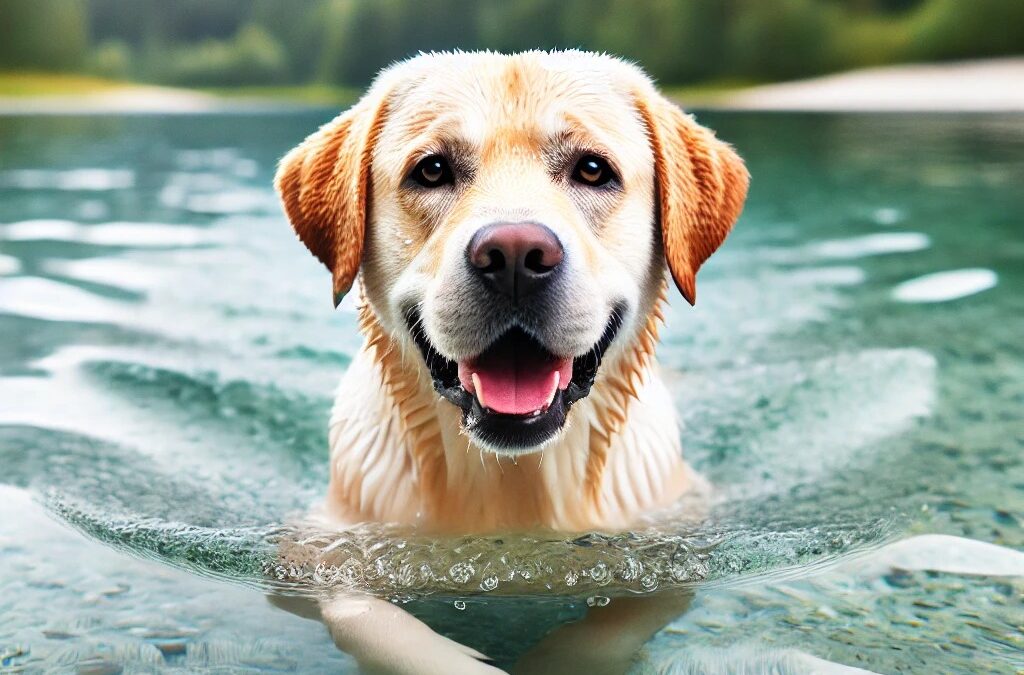
Swimming is a beloved activity for many dogs, offering both exercise and enjoyment. However, when a dog is undergoing Traditional Chinese Medicine (TCM) treatment for tumors, pet owners often wonder if this activity remains safe. This article explores whether dogs can swim during TCM treatment for tumors, shedding light on best practices and considerations for ensuring their safety and well-being.
Understanding Traditional Chinese Medicine for Tumors
Traditional Chinese Medicine (TCM) is an ancient healing practice that focuses on restoring balance within the body. For dogs with tumors, TCM may include herbal remedies, acupuncture, dietary changes, and other holistic approaches. These treatments aim to strengthen the immune system, reduce inflammation, and support the body’s natural healing processes.
The Benefits of Swimming for Dogs
Swimming offers numerous benefits for dogs, including:
Low-Impact Exercise: Swimming is gentle on the joints, making it an excellent exercise for dogs with mobility issues or arthritis.
Muscle Strengthening: The resistance of water helps build and maintain muscle strength without placing undue stress on the body.
Mental Stimulation: The activity provides mental stimulation and can reduce stress and anxiety.
Can Dogs Swim During TCM Treatment for Tumors?
The answer to whether dogs can swim during TCM treatment for tumors is generally positive, but with certain precautions:
1. Consult with Your Veterinarian
Before allowing your dog to swim, consult with your veterinarian or a TCM practitioner. They can provide personalized advice based on your dog’s specific condition and treatment plan.
2. Monitor Energy Levels
Dogs undergoing TCM treatment for tumors may have varying energy levels. Ensure your dog is not overexerting themselves and adjust the duration and intensity of swimming sessions accordingly.
3. Avoid Contaminated Waters
Choose clean, safe swimming environments. Avoid lakes, rivers, or ponds with potential pollutants that could harm your dog’s health or compromise their immune system.
4. Watch for Skin Sensitivity
Some TCM treatments may include topical applications or herbal baths that could make your dog’s skin more sensitive. Rinse your dog thoroughly after swimming to remove chlorine or saltwater and prevent irritation.
5. Balanced Activity
Swimming should be part of a balanced activity routine. Complement swimming with other gentle exercises and ensure your dog has ample rest to support their recovery and overall health.
Integrating Swimming into TCM Treatment
If your veterinarian gives the green light, here are some tips for safely integrating swimming into your dog’s TCM treatment plan:
Start Slow: Introduce your dog to swimming gradually, starting with short sessions and slowly increasing the duration as they build stamina.
Use Safety Gear: Equip your dog with a canine life jacket for added safety, especially if they are new to swimming or have reduced strength.
Supervise Closely: Always supervise your dog while swimming to ensure their safety and intervene if they show signs of fatigue or distress.
Post-Swim Care: Dry your dog thoroughly after swimming to prevent any chills or skin issues, and provide a comfortable resting area.
Swimming can be a beneficial and enjoyable activity for dogs undergoing Traditional Chinese Medicine treatment for tumors, provided it is done with care and caution. By consulting with your veterinarian, monitoring your dog’s energy levels, and choosing safe swimming environments, you can help your dog reap the benefits of this low-impact exercise while supporting their holistic healing journey.