
Supplements for Dogs During Chemotherapy: 7 Essential Questions for Safer Vet Care
Supplements for Dogs During Chemotherapy can seem like a natural way to support a pet’s strength, appetite, and overall well-being. However, cancer treatment changes how a dog’s body processes nutrients and medications, so even products marketed as gentle or natural may create risks. The safest approach is to treat every supplement as a medical intervention and discuss it with the veterinary oncology team before giving it.
Used carefully, supplements for dogs during chemotherapy may have a place in supportive care, but they should never be added casually. A small change in ingredients, dose, or timing can make a big difference when a dog is receiving cancer treatment. That is why a clear plan matters more than a long list of products.
Table of Contents
- Why supplements for dogs during chemotherapy require caution
- Questions to ask before using dog cancer supplements
- Common types of canine chemo supplements
- Antioxidants and chemotherapy: a careful conversation
- Herbal products are not automatically safer
- Warning signs that require prompt veterinary attention
- Making a supplement plan part of safer cancer care
Why supplements for dogs during chemotherapy require caution
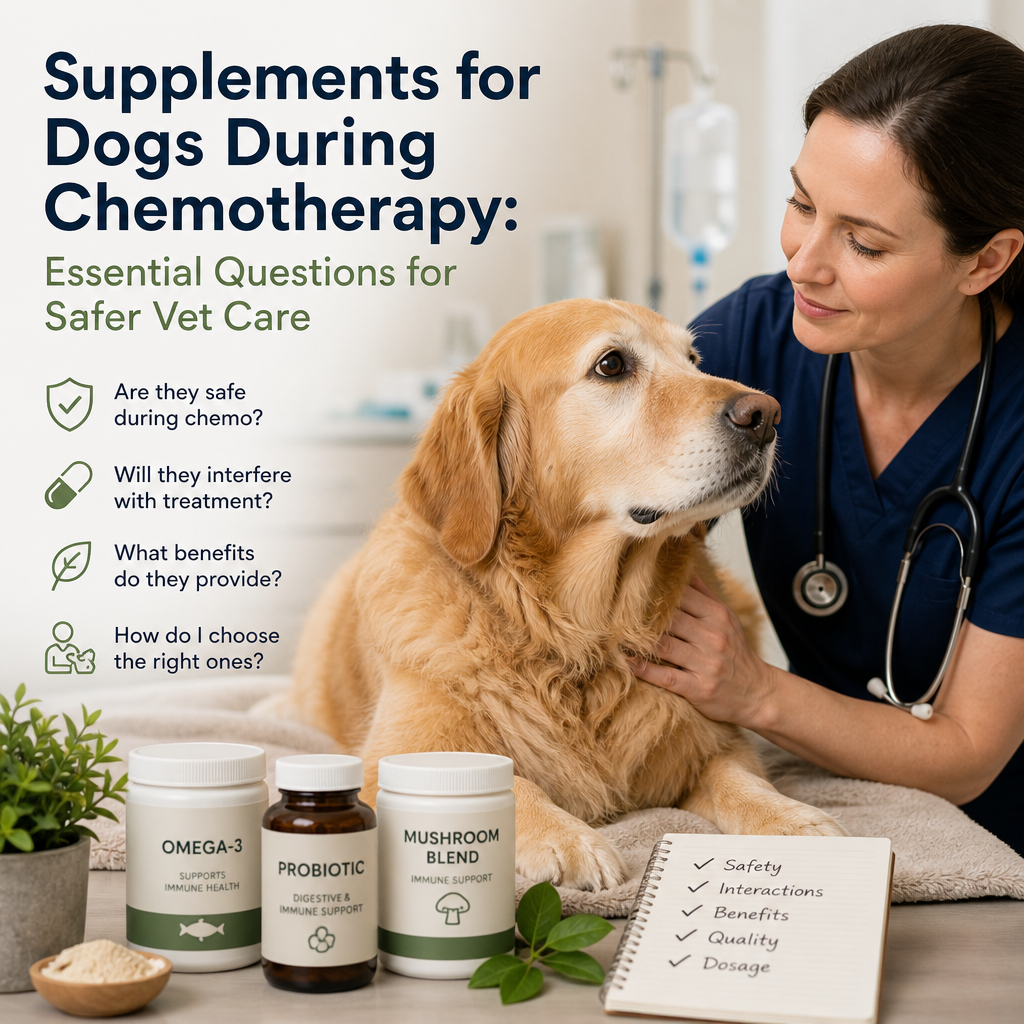
Chemotherapy is designed to damage or destroy rapidly dividing cancer cells, but it can also affect healthy cells in the bone marrow, digestive tract, and other tissues. Dogs may experience nausea, diarrhea, reduced appetite, fatigue, or lowered white blood cell counts. Because of these effects, owners often look for supplements that might improve immunity, protect organs, or help maintain body weight.
The challenge is that supplements for dogs during chemotherapy can interact with chemotherapy drugs in several ways. Some may change how a medication is absorbed or broken down. Others may affect blood clotting, blood pressure, kidney function, or liver enzymes. Antioxidant products may also influence the oxidative mechanisms involved in some cancer treatments, although the significance varies by drug, dose, and individual patient.
A supplement that is appropriate for a healthy dog may therefore be unsuitable during treatment. The product’s ingredients, concentration, manufacturing quality, and timing all matter. A “natural” label does not guarantee safety, especially when the body is already under stress from cancer and medication.
For additional background on supportive options, see Dog Tumour Supplements: 7 Safe, Effective Support Options Compared.
It also helps to think about the overall treatment goal. Some supplements are intended to support appetite or digestion for a few days, while others are marketed for immune health or long-term use. Those are not the same thing, and they should not be treated the same way. A dog with a sensitive stomach after treatment needs a different plan than a dog that is stable and eating well.
Another reason for caution is that cancer patients often receive several medications at once. Anti-nausea drugs, antibiotics, pain relievers, steroids, and appetite stimulants may already be part of the protocol. Adding another product without review can make it harder to trace the cause of side effects. With supplements for dogs during chemotherapy, simplicity usually improves safety.
Questions to ask before using dog cancer supplements
Before adding any product, ask the veterinary oncologist several specific questions:
- Is this supplement compatible with the chemotherapy protocol?
- Could it interfere with another medication, such as an anti-nausea drug, steroid, antibiotic, or pain reliever?
- Is there evidence that it benefits dogs with this type of cancer?
- Could it affect blood clotting, kidney function, liver function, or blood cell counts?
- Should it be stopped before chemotherapy or resumed only after bloodwork?
- Is the product manufactured for dogs, and has it been tested for quality and contamination?
- What dose and schedule are appropriate for this individual dog?
Bring the actual container or a complete ingredient list to the appointment. Product labels can vary, and some supplements contain blends that do not clearly identify the amount of every ingredient. Human products may also contain xylitol, excessive vitamin D, iron, or other substances that are dangerous for dogs.
When you are unsure, it is better to pause and ask than to guess. That is especially true with supplements for dogs during chemotherapy, because even small ingredient changes can matter. A short delay is usually safer than an avoidable interaction.
It can also help to ask whether the supplement is meant for short-term support during a difficult week or for longer use throughout treatment. The answer may change depending on bloodwork, appetite, and side effects. If your dog is also receiving prescription cancer therapy, this question becomes even more important because timing may matter as much as the ingredient itself.
If you are comparing product categories or trying to narrow down options, a broader review can be useful before making a choice. You can also look at guidance on Dog Tumour Supplements: 7 Safe, Effective Support Options Compared to understand how supportive products are generally evaluated.
Common types of canine chemo supplements
There is no universal supplement plan for dogs receiving cancer treatment. Recommendations depend on the cancer type, treatment protocol, laboratory results, appetite, weight, and existing medical conditions.
Some owners hope to find one product that will do everything, but that rarely exists. In real-world care, a supplement should address a specific problem such as poor appetite, loose stool, weight loss, or low dietary intake. When the purpose is clear, it is easier to judge whether the product is helping.
Omega-3 fatty acids
Fish oil provides EPA and DHA, which may support skin health, help regulate inflammation, and contribute calories to the diet. Some veterinary nutritionists use omega-3 fatty acids as part of a broader nutritional plan for selected cancer patients.
However, fish oil can cause gastrointestinal upset and may influence platelet function or bleeding risk, particularly at high doses or when combined with certain medications. Quality also matters because rancid or contaminated products may be harmful. A veterinarian should determine whether omega-3 supplementation is suitable and calculate an appropriate dose based on the dog’s weight and overall health.
In some care plans, omega-3s are considered one of the more practical supplements for dogs during chemotherapy, but only when the dosing and timing are reviewed first. If the dog already has diarrhea or a history of pancreatitis, that recommendation may change.
Probiotics and digestive support
Chemotherapy can disturb the gastrointestinal tract, and some dogs develop soft stools, diarrhea, or changes in appetite. A veterinary probiotic may be considered for digestive support, but probiotics are not automatically appropriate for every patient. Dogs with severe immune suppression or certain serious illnesses may require extra caution.
Products should be selected with veterinary guidance, especially if the dog has fever, bloody diarrhea, persistent vomiting, or a low white blood cell count. These symptoms can indicate complications that require medical care rather than supplementation. In those cases, the right response is usually a call to the clinic, not a change in supplements.
For dogs with upset stomach or variable stools, supportive nutrition may be more useful than adding several products at once. That approach can make it easier to see what is helping and what may be causing side effects. It also reduces the chance that supplements for dogs during chemotherapy will be layered on top of an already complicated medication plan.
Nutritional supplements and calorie support
Maintaining body weight and muscle mass is often more important than adding a long list of specialty products. Depending on the situation, a veterinarian may recommend a complete, balanced diet, a highly digestible food, a therapeutic nutrition product, or carefully selected calorie support.
Avoid forcing food or making sudden dietary changes without guidance. Appetite loss can result from nausea, pain, constipation, medication side effects, or disease progression. Treating the underlying cause is usually more effective than relying on a general appetite supplement.
Owners sometimes ask about supplements for dogs during chemotherapy because they hope to improve energy quickly. In practice, steady calorie intake and symptom control often provide more reliable support. If weight loss is occurring, the team may focus first on food texture, feeding frequency, and nausea control before recommending anything else.
Vitamins and minerals
Dogs eating a complete and balanced commercial or veterinary diet typically do not need broad vitamin and mineral supplementation. Excess amounts of certain nutrients can be toxic or may place additional stress on the liver and kidneys. Vitamin D, calcium, iron, and selenium are examples of nutrients that should not be supplemented casually.
Blood tests and a dietary assessment can help determine whether a deficiency exists. In many cases, correcting the diet or treating an underlying problem is safer than using a multivitamin. A dog that is eating poorly may need food support more than a vitamin blend.
If your dog’s diet has become limited, your veterinarian may refer you to a board-certified nutrition specialist through the American College of Veterinary Nutrition.
Even when a product seems simple, the label may hide a long list of added ingredients. That is one reason supplements for dogs during chemotherapy should be checked line by line before use. A single blend can contain herbs, antioxidants, and vitamins all in one formula.
Some owners also ask whether a multivitamin can “cover the bases” during treatment. In most cases, the answer is no. Broad supplementation is not a substitute for a targeted plan, and extra nutrients may create more problems than they solve. The safest route is usually to match the product to a specific need and a specific time frame.
Antioxidants and chemotherapy: a careful conversation
Antioxidants are frequently included in canine cancer supplements chemotherapy products. These compounds may help neutralize free radicals, but some chemotherapy drugs rely partly on oxidative damage to affect cancer cells. Research in veterinary patients is still limited, and the effects may differ between medications.
This does not mean every antioxidant is harmful, nor does it mean antioxidants must always be avoided. It means the decision should be based on the specific chemotherapy protocol. Do not start high-dose vitamin C, vitamin E, turmeric, curcumin, or blended antioxidant formulas without approval from the oncology team.
When in doubt, ask whether the product has been studied alongside the exact drug your dog is receiving. That question can prevent avoidable overlap and helps keep supplements for dogs during chemotherapy aligned with the treatment plan. It also shows the veterinarian exactly what you are hoping to support, whether that is appetite, inflammation control, or recovery between visits.
If the oncology team approves an antioxidant, ask whether it should be paused on treatment days or used only between chemotherapy visits. Timing can matter as much as the ingredient itself. A product that is acceptable on off-days may not be appropriate right before or after infusion.
Owners often assume that more protection is always better. With cancer therapy, that assumption can be risky. The point is not to block all stress in the body; the point is to support the dog without weakening the effect of treatment. That is why these conversations should happen before the bottle is opened.
Herbal products are not automatically safer
Herbal ingredients can have genuine biological effects. Turmeric, milk thistle, medicinal mushrooms, green tea extracts, and other botanicals may influence inflammation, liver enzymes, immune activity, or blood clotting. Some products may also contain contaminants or vary substantially between batches.
Milk thistle, for example, is sometimes considered for liver support, but it can still interact with medications and should be used only when a veterinarian has evaluated the dog’s liver function and treatment plan. Likewise, medicinal mushrooms are not a substitute for chemotherapy and may not be suitable for dogs receiving immune-modifying treatments.
In practice, the most helpful approach is not to assume a supplement is safe because it is plant-based. It is to verify whether it fits the dog’s diagnosis, bloodwork, and chemotherapy schedule. That is especially important if the dog already has liver disease, kidney disease, clotting issues, or a history of digestive sensitivity.
Owners looking at supplements for dogs during chemotherapy should also check whether the brand uses third-party testing. Independent quality control can reduce, though not eliminate, the risk of contamination or inaccurate labeling. When a company provides transparent manufacturing information, it is easier for the veterinary team to assess the product.
Herbal blends are also more likely to include multiple active ingredients in a single capsule or chew. That can make it hard to identify what is helping and what is causing a problem. If a dog develops vomiting or a rash, a simple product is easier to stop and review than a complex multi-ingredient formula.
If you are considering any plant-based support, ask for the exact ingredient list and share it with the oncology team. The fact that something is sold as a pet wellness product does not mean it belongs in every treatment plan.
Warning signs that require prompt veterinary attention
Contact the veterinary team promptly if a dog receiving chemotherapy develops repeated vomiting, severe or persistent diarrhea, refusal to eat, marked weakness, pale gums, difficulty breathing, bleeding, fever, or sudden behavioral changes. Do not attempt to manage these signs with supplements alone.
Keep a written record of every medication, supplement, treat, and dose. Include the time each product is given and note changes in appetite, stool, energy, and weight. This information helps veterinarians identify side effects and make safer adjustments.
If your dog is already receiving supplements for dogs during chemotherapy, bring the list to every recheck so the team can reassess what still makes sense. A product that was appropriate during one phase of treatment may become unnecessary or risky later.
When symptoms change quickly, the safest choice is to stop the new product and call the clinic. A fast response can prevent minor side effects from becoming more serious. This is particularly important when chemotherapy is affecting blood counts or hydration status.
Watch for subtle changes too. A dog that is less interested in food, quieter than usual, or drinking much more or less than normal may be giving early warning signs. Those changes are worth reporting even if they seem mild. Catching a problem early may allow the oncology team to adjust treatment or supportive care before the next scheduled visit.
Making a supplement plan part of safer cancer care
The most useful plan is individualized, evidence-informed, and regularly reviewed. A veterinary oncologist may collaborate with a board-certified veterinary nutritionist to address weight loss, muscle preservation, food preferences, and digestive problems. Supplements may have a role, but they should complement—not replace—prescribed cancer treatment, symptom control, follow-up bloodwork, and appropriate nutrition.
Ultimately, the best canine chemo supplements are not necessarily the products with the longest ingredient list. They are the products that have a clear purpose, a verified quality standard, a carefully calculated dose, and a demonstrated compatibility with the dog’s treatment. Careful communication with the veterinary team gives owners the best chance of supporting comfort and quality of life while minimizing avoidable risks.
For readers comparing supportive options, this article pairs well with Dog Tumour Supplements: 7 Safe, Effective Support Options Compared, which explains how common ingredients are typically used in cancer care. The main goal is the same: make each decision safer, simpler, and better informed.
Before starting anything new, remember that supplements for dogs during chemotherapy are most helpful when they solve a specific problem and fit the treatment plan. A thoughtful, case-by-case approach is usually the safest path.
If your dog’s care plan feels complicated, write down the goal of each product in one sentence. For example, one supplement might support digestion, another might help with calories, and another might be under review for liver support. That simple step can make supplements for dogs during chemotherapy easier to track and discuss at each follow-up visit.
In the end, the best choice is the one that helps your dog feel better without creating new risks. When owners, primary veterinarians, and oncology teams communicate clearly, it becomes much easier to choose products wisely and stop anything that no longer serves a purpose. That is the safest way to use supplements for dogs during chemotherapy as part of a broader cancer care plan.