

Tumor Treatment and Side Effects: How to Help Your Cat or Dog Cope with the Challenges of Cancer Therapy

Tumor Treatment and Side Effects: How to Help Your Cat or Dog Cope with the Challenges of Cancer Therapy

When your beloved cat or dog is diagnosed with cancer, the journey ahead can feel overwhelming. Aside from the emotional toll, there are also physical and psychological hurdles that come with cancer treatment. Fortunately, many treatments today are designed to improve quality of life and prolong it, but like humans, pets can experience side effects. Understanding these challenges and knowing how to help your pet navigate them can make all the difference in their recovery and comfort.

Understanding Cancer Treatments for Pets

The main treatment options for cancer in pets are surgery, chemotherapy, radiation, and immunotherapy. These treatments aim to eliminate or shrink the tumor, prevent the spread of cancer, or relieve symptoms. However, each comes with its own set of potential side effects.

  1. Surgery: If the tumor is localized, surgery might be the first line of treatment. While surgery can be life-saving, it can also lead to pain, infection, and recovery challenges, especially if the tumor is in a delicate area. Pets may need extra support and care post-operation.
  2. Chemotherapy: Although chemotherapy is known for causing fatigue and nausea in humans, it affects pets differently. While they may not experience the same dramatic side effects, they can still become lethargic, lose their appetite, or develop gastrointestinal issues. Fortunately, most pets tolerate chemotherapy well and have fewer side effects compared to humans.
  3. Radiation Therapy: Radiation can cause skin irritation, hair loss, and fatigue. If the tumor is located near the surface of the skin, your pet might experience noticeable redness or burns. However, radiation is an effective treatment for targeting tumors without affecting surrounding healthy tissue.
  4. Immunotherapy: This relatively new treatment aims to boost the pet’s immune system to fight cancer cells. It’s less invasive, with fewer side effects, but it can still cause mild reactions like skin irritation or fever.

Managing Side Effects: Tips for Pet Owners

As a pet owner, the key to helping your pet cope with cancer treatment is staying proactive, informed, and compassionate. Here are a few strategies that can ease the side effects of treatment and support your pet’s well-being:

1. Monitor Appetite and Hydration

A lack of appetite is one of the most common side effects of chemotherapy and radiation. It’s important to keep an eye on your pet’s eating and drinking habits. Offer smaller, more frequent meals or try to entice them with their favorite foods. Wet food or homemade meals can sometimes be more palatable. Also, ensure your pet stays hydrated to avoid complications related to dehydration.

2. Pain Management

Cancer treatment can lead to pain, especially after surgery. Speak with your vet about appropriate pain relief options. Non-steroidal anti-inflammatory drugs (NSAIDs), opioids, and alternative therapies such as acupuncture or physical therapy can help ease discomfort and improve mobility during recovery.

3. Rest and Comfort

During treatment, your pet may feel more tired than usual. Allow them to rest in a quiet, comfortable space, away from stressors or distractions. A soft bed, familiar toys, and your presence can help them feel more secure and comfortable.

4. Monitor Their Behavior

Changes in behavior can signal side effects or complications. Keep track of your pet’s daily habits, such as their energy level, interactions, and bowel movements. If you notice unusual symptoms, such as vomiting, diarrhea, or lethargy, contact your vet promptly.

5. Protecting the Skin

For pets undergoing radiation therapy, it’s important to protect the affected skin area. Avoid direct sunlight, and use gentle, hypoallergenic lotions or ointments recommended by your vet. Keep the area clean to prevent infection and help the healing process.

6. Alternative Therapies

Many pet owners have found that complementary therapies, like acupuncture, massage, and herbal remedies, can provide additional support during cancer treatment. Always consult your vet before introducing any alternative therapies, as some treatments may interact with conventional cancer therapies.

Emotional Support: Helping Your Pet Through the Journey

Cancer treatment isn’t just physically demanding for your pet—it can be emotionally taxing as well. Pets can sense changes in their environment and may become anxious, confused, or even depressed. The emotional bond you share is incredibly important during this time.

Spend quality time with your pet, providing love, comfort, and reassurance. Regular walks, playtime, and simple companionship can improve their mood and help them feel safe. Additionally, consider working with a pet behaviorist if your pet shows signs of severe anxiety or depression.

Conclusion

While cancer treatment can be challenging for both pets and their owners, there are numerous ways to help your cat or dog cope with the side effects. By maintaining a strong line of communication with your veterinarian, monitoring your pet’s physical and emotional well-being, and providing them with the care and comfort they need, you can ensure they remain as healthy and happy as possible throughout their treatment. The road ahead may not be easy, but your support is invaluable in helping them face each day with resilience and love.
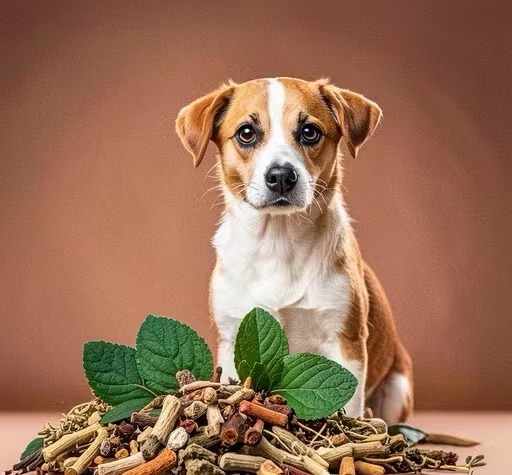

Natural Treatments for Lymphoma in Dogs: Integrating Chinese Herbs for Holistic Healing

Natural Treatments for Lymphoma in Dogs: Integrating Chinese Herbs for Holistic Healing

Lymphoma is one of the most common cancers affecting dogs, particularly in middle-aged and older canines. It originates in the lymphocytes, a type of white blood cell, and can affect various organs, including the lymph nodes, spleen, liver, and bone marrow. Conventional treatments like chemotherapy are often effective but can come with significant side effects. As a result, many pet owners are exploring natural treatments to support their dog’s health and enhance their quality of life. Among these, Chinese herbs have gained attention for their potential to complement traditional therapies and provide holistic benefits.

Understanding Lymphoma in Dogs

Lymphoma in dogs presents in several forms, with multicentric lymphoma (affecting multiple lymph nodes) being the most common. Symptoms can include:

  • Swollen lymph nodes
  • Lethargy
  • Weight loss
  • Loss of appetite
  • Fever
  • Increased thirst and urination

Early diagnosis and a comprehensive treatment plan are crucial for managing the disease and improving the dog’s prognosis.

Natural Treatment Approaches

Natural treatments for lymphoma aim to support the dog’s immune system, alleviate symptoms, and enhance overall well-being. These approaches can be used alongside conventional treatments or, in some cases, as standalone therapies. Key natural treatments include:

  1. Dietary Changes
    • High-Quality Protein: Ensuring a diet rich in high-quality, easily digestible protein supports the immune system and overall health.
    • Antioxidants: Foods high in antioxidants, such as blueberries, spinach, and carrots, can help combat oxidative stress associated with cancer.
    • Omega-3 Fatty Acids: Found in fish oil, these fatty acids have anti-inflammatory properties and can help slow cancer progression.
  2. Herbal Supplements
    • Turmeric: Contains curcumin, known for its anti-inflammatory and anticancer properties.
    • Milk Thistle: Supports liver health, crucial for dogs undergoing chemotherapy.
    • Echinacea: Boosts the immune system and helps fight infections.
  3. Acupuncture
    • Acupuncture can help relieve pain, improve appetite, and enhance overall vitality. It works by stimulating specific points on the body to promote natural healing processes.
  4. Chinese Herbs Chinese herbal medicine has a long history of use in treating various ailments, including cancer. For dogs with lymphoma, specific herbs can provide significant benefits:
    • Astragalus (Huang Qi): Known for its immune-boosting properties, astragalus helps strengthen the body’s defenses against cancer.
    • Reishi Mushroom (Ling Zhi): Has anticancer, anti-inflammatory, and immune-modulating effects.
    • Hedyotis Diffusa (Bai Hua She She Cao): Exhibits antitumor properties and helps reduce inflammation.
    • Scutellaria Barbata (Ban Zhi Lian): Known for its antitumor and detoxifying effects.

Integrating Chinese Herbs with Conventional Treatments

Combining Chinese herbs with conventional treatments such as chemotherapy can enhance efficacy and reduce side effects. This integrative approach aims to:

  • Enhance Immune Function: Herbs like astragalus and reishi can boost the immune system, helping the body fight cancer more effectively.
  • Reduce Side Effects: Chinese herbs can alleviate side effects of chemotherapy, such as nausea, fatigue, and loss of appetite.
  • Promote Overall Health: Herbs contribute to the dog’s general well-being, improving energy levels, digestion, and vitality.

Case Studies and Research

Several studies and anecdotal evidence support the use of Chinese herbs in managing canine lymphoma. For example, a study on dogs with lymphoma treated with a combination of conventional therapies and Chinese herbal formulas showed improved survival times and quality of life compared to those receiving conventional treatments alone.

Conclusion

Natural treatments, including dietary changes, herbal supplements, acupuncture, and Chinese herbs, offer promising avenues for managing lymphoma in dogs. Integrating these approaches with conventional therapies can provide a holistic treatment plan that enhances the dog’s immune function, reduces side effects, and improves overall health. As always, it is essential to consult with a veterinarian experienced in integrative medicine to develop a tailored treatment plan for your dog’s specific needs. This holistic approach can help ensure the best possible outcomes for dogs battling lymphoma, providing them with a higher quality of life and a better chance of recovery.

TCMVET Baituxiao and Cancer Care for Pets

TCMVET Baituxiao and Cancer Care for Pets

Can TCMVET Baituxiao be used to support pets undergoing cancer treatment?

Yes, TCMVET Baituxiao is designed to be an adjunct therapy for pets undergoing conventional cancer treatments such as chemotherapy. It contains ingredients that help mitigate the side effects of such treatments and supports the body’s ability to fight cancer by inducing cancer cell apoptosis and inhibiting tumor growth.

What are the benefits of TCMVET Baituxiao for pets with tumors?

The formula includes components like Scutellaria barbata and Campanulaceae, which are known for their anti-tumor properties. These ingredients work synergistically to inhibit tumor growth, reduce tumor size, and assist in preventing metastasis, providing a holistic approach to tumor management in pets.

Green yin-yang logo with TCMVET
Privacy Overview

This website uses cookies so that we can provide you with the best user experience possible. Cookie information is stored in your browser and performs functions such as recognising you when you return to our website and helping our team to understand which sections of the website you find most interesting and useful.