
by TCMVET | Mar 8, 2024 | Dog Cancer & Tumors
Dogs, much like humans, can suffer from a variety of health issues, one of which includes eye tumors. These tumors can be a cause for concern for any pet owner. This article aims to provide comprehensive information about eye tumors in dogs, covering aspects such as causes, types, symptoms, diagnosis, treatment, and prevention.
Causes and Types of Eye Tumors in Dogs
Eye tumors in dogs can be caused by a variety of factors, including genetics, environmental elements, and age. There are several types of eye tumors in dogs, each with unique characteristics:
- Melanoma: The most common type, usually appearing as pigmented or non-pigmented masses.
- Lymphoma: Less common, can affect the eye and surrounding structures.
- Adenomas and Adenocarcinomas: Tumors that originate from glandular tissue.
- Squamous Cell Carcinoma: Arises from the conjunctiva or cornea.
Symptoms to Watch For
The symptoms of eye tumors in dogs can vary, but there are key signs to look out for:
- Visible growth in or around the eye.
- Redness or inflammation.
- Discharge from the eye.
- Changes in eye color or size.
- Cloudiness or change in vision.
- Eye pain or discomfort, evident through pawing or rubbing.
Diagnosing Eye Tumors in Dogs
Early diagnosis is critical for effective treatment. Veterinarians may use the following methods:
- Physical Examination: Initial assessment of the eye.
- Ophthalmic Examination: Detailed examination using specialized equipment.
- Biopsy: Taking a tissue sample for analysis.
- Imaging Tests: Such as X-rays, ultrasound, or MRI to determine the extent of the tumor.
Treatment Options
Treatment varies based on the type and stage of the tumor:
- Surgery: To remove the tumor or, in severe cases, the entire eye.
- Radiation Therapy: Used for tumors that cannot be fully removed surgically.
- Chemotherapy: Employed for certain types of cancer that affect the eye.
- Medication: To manage symptoms and control pain.
Prognosis and Prevention
The prognosis depends on the type of tumor and the stage at which it is diagnosed. Some tumors, if caught early and treated effectively, can have a good prognosis.
Prevention of eye tumors in dogs involves:
- Regular veterinary check-ups.
- Protecting dogs from excessive sunlight exposure.
- Maintaining a healthy diet and environment.
Conclusion
Eye tumors in dogs can be a significant health concern, but with early detection and appropriate treatment, many dogs continue to live fulfilling lives. Pet owners should stay vigilant for any signs of eye issues and seek veterinary care promptly for the best outcomes.
Remember, your veterinarian is your best resource for information and advice on your dog’s specific health needs.
by TCMVET | Mar 7, 2024 | Cat Cancer & Tumors
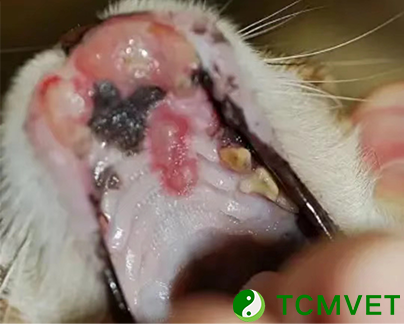
Squamous Cell Carcinoma (SCC) is a prevalent type of cancer in small animals, particularly affecting dogs and cats. It’s a malignant tumor that originates in the squamous epithelium, which is the outermost layer of the skin, as well as in the linings of the organs and cavities of the body. As a pet owner or a veterinary enthusiast, understanding the treatment options available for SCC in small animals is crucial for managing this disease effectively.
1. Surgical Removal:
Surgery is often the primary treatment for squamous cell carcinoma, particularly when the tumor is localized and has not metastasized. The goal of the surgery is to completely remove the cancerous tissue. In cases where SCC is located in the skin, the surgical removal is relatively straightforward. However, if the tumor is in more complex areas, such as the mouth or near the nail beds, the procedure can be more challenging. Post-surgical histopathology is essential to ensure that the margins are clear of cancer cells.
2. Radiation Therapy:
Radiation therapy is another effective treatment, particularly for tumors that are difficult to remove surgically, such as those in the oral cavity. It involves the use of high-energy rays to destroy cancer cells and shrink tumors. This therapy is often used post-surgery if the margins are not clear or if the cancer is inoperable. For some pets, radiation therapy can be used as a palliative treatment to relieve symptoms and improve the quality of life.
3. Chemotherapy:
Chemotherapy is less commonly used in treating SCC in small animals compared to other types of cancer, but it may be recommended in cases where the cancer has metastasized. It involves the use of drugs to kill cancer cells or slow their growth. Chemotherapy can be administered orally or through injections and often comes with side effects such as nausea, fatigue, and increased susceptibility to infections.
4. Cryosurgery:
For smaller or superficial SCC lesions, cryosurgery might be an option. This treatment involves using extreme cold (liquid nitrogen) to freeze and destroy abnormal cells. It is less invasive than traditional surgery and is usually performed on an outpatient basis.
5. Photodynamic Therapy (PDT):
PDT is a relatively new treatment option that involves using drugs, known as photosensitizing agents, alongside light to kill cancer cells. The drug is absorbed by the cancer cells and, when exposed to a specific wavelength of light, it produces a form of oxygen that kills the cells.
6. Electrochemotherapy:
Electrochemotherapy combines chemotherapy and electric pulses to enhance the absorption of chemotherapeutic drugs by the cancer cells. This treatment is gaining interest for treating tumors that are difficult to treat with conventional methods.
7. Palliative Care:
In cases where the cancer is too advanced, or the animal is not a good candidate for aggressive treatments, palliative care becomes the focus. This involves managing symptoms and maintaining the quality of life with medications, nutritional support, and pain management.
Treatment for squamous cell carcinoma in small animals varies based on the tumor’s location, size, and the general health of the animal. Advances in veterinary medicine have significantly increased the effectiveness of SCC treatments, offering hope and improved outcomes for pets diagnosed with this condition. Regular check-ups and early detection remain key in successfully managing and treating SCC. As always, consultation with a qualified veterinary oncologist is crucial to determine the best course of action for each individual case.
by TCMVET | Mar 6, 2024 | Dog Cancer & Tumors
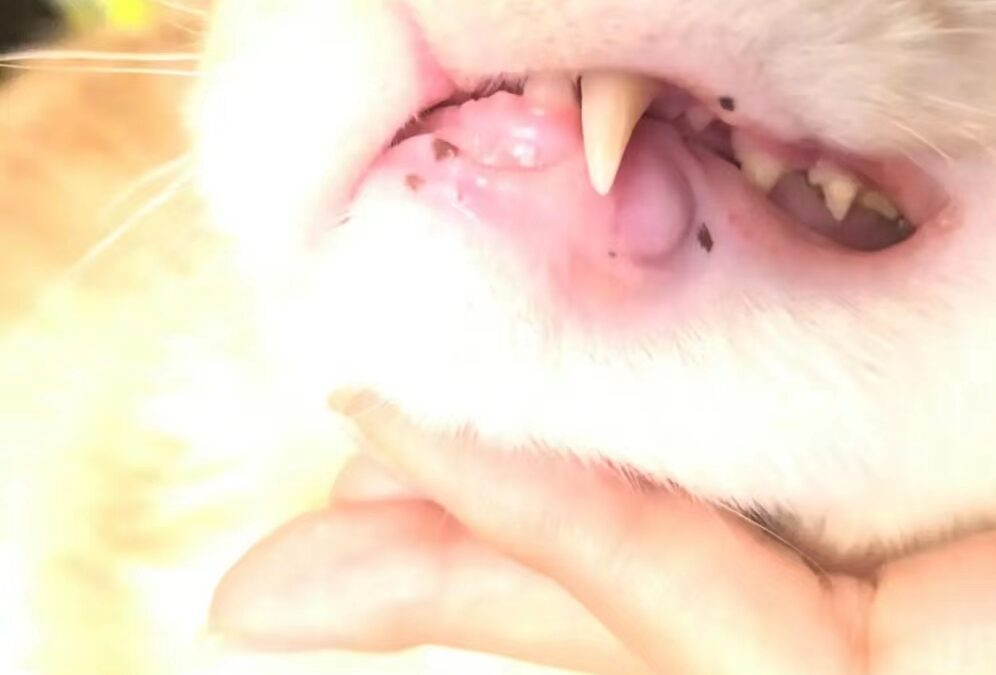
Melanoma, a serious form of cancer, is not just a human affliction but also affects our beloved pets, particularly dogs and to a lesser extent, cats. This article aims to educate pet owners about melanoma in pets, focusing on early detection, treatment options, and preventative measures.
Early Detection and Symptoms
Understanding Symptoms: Pet owners should look for unusual growths or changes in their pet’s skin, oral cavity, nail beds, and eyes. In dogs, melanomas often appear as small, dark-colored lumps, while in cats, they are less common but usually more aggressive.
Regular Veterinary Check-ups: Routine check-ups can help in early detection, which is crucial for successful treatment. Veterinarians can perform thorough examinations, especially in breeds predisposed to melanoma.
Treatment Options
Surgical Removal: The primary treatment for localized tumors, aiming to remove the cancer completely.
Radiation and Chemotherapy: These are options when surgical removal isn’t feasible or in cases of metastasis.
Immunotherapy: A newer approach, like the canine melanoma vaccine, which stimulates the pet’s immune system to fight cancer.
Preventative Measures
Sun Protection: While less common, UV light can contribute to melanoma. Protecting pets from excessive sun exposure, particularly those with less hair or lighter skin, is advisable.
Awareness and Education: Being aware of the breeds at higher risk and educating oneself about the signs and treatment options can significantly impact outcomes.
by TCMVET | Mar 6, 2024 | Dog Cancer & Tumors
Melanoma, a form of cancer arising from pigment-producing melanocytes, is a significant health concern in dogs and, to a lesser extent, in cats. This comprehensive guide aims to shed light on the characteristics, diagnosis, and potential treatment options for melanoma in these animals, providing valuable information for pet owners and veterinary professionals alike.
What is Melanoma?
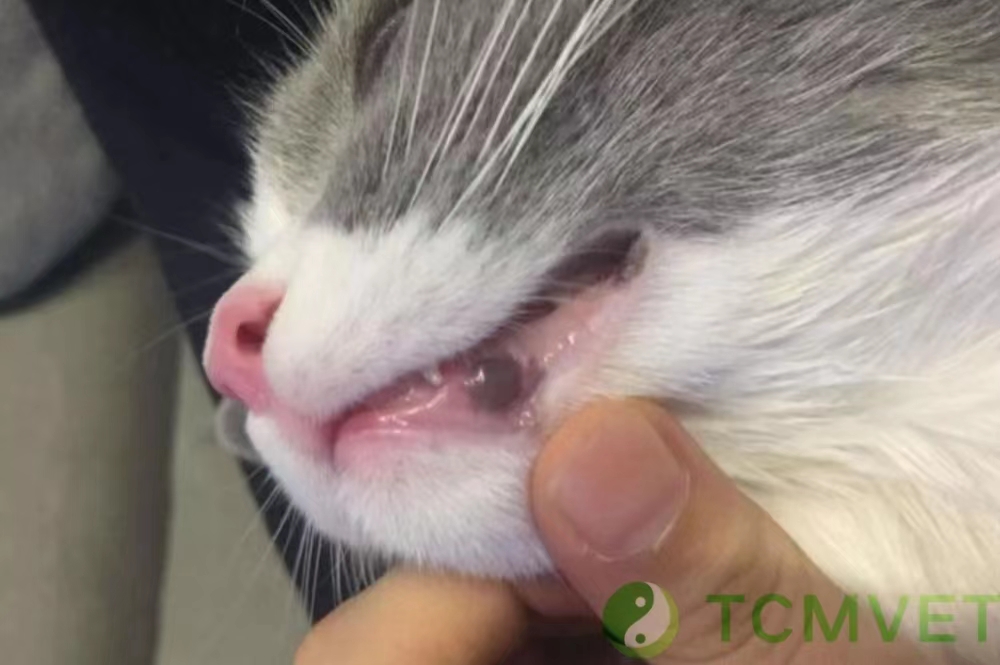
Melanoma is a cancer that originates in melanocytes, the cells responsible for pigment production in the skin and other parts of the body. In dogs, it is a relatively common cancer, especially in breeds with considerable skin pigmentation. Unlike in dogs, melanoma is rarer in cats but tends to be more malignant when it occurs.
Common Sites and Appearances
In dogs, melanomas are most frequently found on the haired skin, presenting as small, brown to black masses. They can also appear as larger, flat, and wrinkled masses. Primary melanomas in dogs may also develop in the oral cavity, nailbed, footpad, eye, gastrointestinal tract, nasal cavity, anal sac, or mucocutaneous junctions. The most common site for oral melanoma in dogs includes the gingiva, lips, tongue, and hard palate.
Risk Factors and Causes
Unlike human melanomas, which are often linked to UV light exposure, canine melanoma is less likely attributed to sunlight due to the protective hair coat of most breeds. However, the exact risk factors for canine melanoma are not well established. In cats, melanoma is less common and its causes are similarly complex and not fully understood.
Diagnosis and Pathology
Diagnosing melanoma can be challenging, especially anaplastic amelanotic melanomas that resemble soft tissue sarcomas. Immunohistochemical methods are frequently used to increase diagnostic precision, employing antibodies like PNL2 and tyrosinase, in addition to Melan A and S-100.
Molecular Biology Insights
Canine and feline melanomas have a limited molecular characterization compared to human melanomas. In canine oral malignant melanomas (MMs), BRAF mutations common in human cutaneous melanoma are uncommon. However, ERK activation similarities in human and canine MMs suggest potential parallels in molecular pathways. Researchers have also identified other molecular abnormalities in canine and feline melanoma, providing new avenues for treatment research.
Treatment Options and Research
The treatment of melanoma in dogs and cats depends on various factors, including the location, size, stage, and histological characteristics of the tumor. Some of the treatment options include:
- Surgery: The primary treatment for localized melanoma, aiming to remove the entire tumor.
- Radiation Therapy: Often used for tumors that cannot be completely removed surgically.
- Chemotherapy: Employed in cases where the melanoma has spread, although its effectiveness can vary.
- Immunotherapy: A newer approach, such as the use of Oncept vaccine in dogs, specifically designed for canine melanoma.
Future Therapeutic Targets
Recent transcriptome analysis in canine melanoma has revealed new therapeutic targets in the focal adhesion and PI3K-Akt signaling pathways. Furthermore, the presence of exon 11 c-kit gene mutations in some dogs with malignant melanoma opens up the possibility for targeted therapy using KIT small molecule inhibitors.
The Road Ahead
Continued research into the molecular biology of canine and feline melanomas holds promise for the development of more effective treatments. Understanding somatic mutations in genes like NRAS and PTEN, similar to human melanoma hotspots, may offer new therapeutic avenues.
Melanoma in dogs and cats presents a unique set of challenges in veterinary medicine. Ongoing research and advances in molecular biology are key to improving diagnosis and treatment. Pet owners should be aware of the signs and consult with a veterinarian for early detection and optimal care.

by TCMVET | Feb 18, 2024 | Dog Cancer & Tumors
Oral tumors in dogs represent a significant portion of canine cancers, accounting for 6 to 7 percent of all cases. These tumors can arise from various oral structures and are often malignant. This article delves into four common types of canine oral tumors: malignant melanoma (MM), squamous cell carcinoma (SCC), fibrosarcoma (FSA), and acanthomatous ameloblastoma (AA), providing insights into their clinical presentation, diagnosis, and treatment options.
Common Types of Canine Oral Tumors
- Malignant Melanoma (MM):
- Location and Behavior: Aggressive, with a high rate of recurrence and metastasis (up to 80 percent).
- Prognosis: Guarded, due to aggressive nature and high metastatic potential.
- Treatment: Wide excision, possibly involving mandibulectomy or maxillectomy. Adjuvant treatments may include radiation therapy and immunotherapy, such as the Oncept melanoma vaccine.
- Squamous Cell Carcinoma (SCC):
- Location and Behavior: Commonly found on the rostral mandible, often invading the bone.
- Prognosis: Good to excellent with complete excision, lower metastatic rate (up to 30 percent).
- Treatment: Surgical removal is the primary approach, with potential for radiation therapy and chemotherapy in some cases.
- Fibrosarcoma (FSA):
- Location and Behavior: Typically located on the maxillary gingiva or hard palate; locally invasive with a lower metastatic rate.
- Prognosis: Variable, better with complete excision.
- Treatment: Aggressive surgery, often combined with adjuvant radiation therapy.
- Acanthomatous Ameloblastoma (AA):
- Location and Behavior: Usually occurs on the rostral mandible; benign but locally invasive.
- Prognosis: Excellent with complete surgical excision.
- Treatment: Surgical removal, often involving mandibulectomy or maxillectomy.
Diagnosis and Staging of Canine Oral Tumors
Achieving an accurate diagnosis is crucial for effective treatment. Fine needle aspiration can provide an initial diagnosis, but incisional biopsy for histopathology is often necessary for a definitive diagnosis. Imaging, such as CT scans, is essential for assessing tumor extent and staging, using the TNM system to categorize the tumor size and metastatic status.
Treatment and Prognosis
Treatment strategies for oral tumors in dogs vary based on the tumor type and stage:
- Surgical Removal: The primary treatment for most oral tumors, aiming for complete excision.
- Radiation Therapy: Used either as an adjuvant therapy or for treating inoperable tumors.
- Chemotherapy and Immunotherapy: Options for specific tumor types, especially when surgery is not feasible or in cases of metastasis.
The prognosis for each tumor type depends on various factors, including stage at diagnosis, tumor type, and treatment efficacy.
Conclusion
The management of canine oral tumors requires a combination of accurate diagnosis, appropriate staging, and tailored treatment strategies. While surgical removal remains the cornerstone of treatment, advancements in veterinary oncology, including radiation therapy, chemotherapy, and immunotherapy, offer hope for extended quality of life and survival. Regular veterinary check-ups and prompt attention to oral changes are essential in early detection and effective treatment of these tumors.
