
by TCMVET | Apr 26, 2024 | Dog Cancer & Tumors
Mast Cell Tumors (MCT) are one of the most common forms of cancer in dogs, presenting a significant challenge for pet owners and veterinarians. While chemotherapy is a common treatment, it’s not always the preferred route due to its side effects and the stress it can cause to both the pet and its owner. As an alternative, Chinese herbal medicine offers a less invasive option that has been gaining attention for its potential to manage MCT effectively without the harsh impacts of conventional chemotherapy.
Understanding Mast Cell Tumors
Mast cell tumors arise from mast cells, which are part of the immune system. These tumors can vary widely in their behavior, from benign masses that can be easily removed surgically to highly malignant tumors that can spread rapidly. Because of this variability, treatment strategies must be carefully considered.
The Role of Chinese Herbs in Treating MCT
Chinese herbal medicine has been used for centuries to treat a variety of ailments in both humans and animals. For dogs with MCT, certain herbs have been identified that target the mechanisms which drive tumor growth and metastasis:
- Yunnan Baiyao: This herb is renowned for its ability to control bleeding and reduce inflammation, which can be beneficial in cases of MCT.
- Scutellaria Baicalensis (Huang Qin): Known for its anti-inflammatory and antioxidant properties, this herb can help to stabilize mast cells and reduce the release of histamine and other chemicals that contribute to tumor growth.
- Curcuma Longa (Turmeric): Contains curcumin, which has been studied extensively for its anti-inflammatory, antioxidant, and anti-cancer properties.
- Artemisia Capillaris (Yin Chen Hao): Traditionally used to detoxify the liver, which can be supportive in cases where the body is trying to cope with cancerous cells.
Integrating Chinese Herbs into Treatment Plans
Incorporating Chinese herbs into the treatment regimen for a dog with MCT should always be done under the guidance of a veterinarian who is trained in both conventional and herbal medicine. Dosage, formulation, and administration routes need to be tailored to the individual dog’s condition and overall health profile.
Case Studies and Research
While clinical studies on the use of Chinese herbs for MCT in dogs are limited, numerous anecdotal reports and some veterinary case studies suggest that they can be an effective part of a broader treatment plan. Researchers continue to investigate these herbs to better understand their mechanisms of action and potential benefits.
Conclusion
Choosing to treat a dog’s mast cell tumors with Chinese herbs represents a shift towards holistic veterinary care. This approach considers the dog’s overall well-being and seeks to treat the cancer with minimal side effects. For pet owners looking for alternatives to chemotherapy, Chinese herbs offer a promising avenue, though they should be pursued with careful veterinary supervision to ensure the best outcomes for their beloved pets.
This exploration of Chinese herbs as a treatment for mast cell tumors in dogs without chemotherapy provides a foundational understanding for pet owners considering holistic alternatives to traditional cancer treatments.

by TCMVET | Mar 25, 2024 | pet Chinese herbal medicine
At TCMVET, our mission is simple yet profound: to enhance the health and vitality of companion animals through the power of traditional Chinese herbal supplements. With a deep-rooted belief in the efficacy of ancient remedies, we are committed to crafting premium-quality products that harness the inherent healing properties of nature.
Rooted in History, Grounded in Science
Traditional Chinese Veterinary Medicine (TCVM) boasts a rich legacy dating back over two millennia, tracing its origins to the ancient period of Fuxi in China. It began as a humble practice, with simple herbal remedies used to treat the ailments of domesticated animals. Today, TCVM stands as a comprehensive system of animal healthcare, blending time-honored traditions with modern research insights.
Our Commitment to Quality
At TCMVET, quality is non-negotiable. We meticulously source our herbal ingredients from the pristine landscapes of China, ensuring that each plant meets rigorous standards of authenticity and purity. From origin and variety to wildness and cultivation, every aspect of our herbs is scrutinized to guarantee unmatched quality and efficacy.
Harnessing the Power of Nature
Our herbal supplements serve as powerful allies in promoting pet wellness, offering natural solutions to a wide range of health concerns. Whether used as complementary therapy alongside conventional treatments or as standalone remedies, Chinese herbs provide holistic support for pets facing complex health challenges.
Safe and Sustainable Solutions
With a legacy of safety spanning thousands of years, Chinese herbs offer a gentle yet effective approach to pet care. Unlike synthetic medications, our herbal supplements boast minimal to no side effects, making them suitable for long-term use without compromising on safety or efficacy.
At TCMVET, we invite you to embark on a journey towards optimal pet health and vitality. With our premium-quality herbal supplements, backed by centuries of wisdom and modern scientific insights, you can provide your furry companions with the care they deserve – naturally and holistically.

by TCMVET | Mar 20, 2024 | pet Chinese herbal medicine
The holistic approach of Traditional Chinese Medicine (TCM) has been a cornerstone in human healthcare for thousands of years. However, its application in veterinary medicine, especially for treating cancer in pets, is gaining traction and offering new hope for pet owners seeking alternative or complementary therapies.
Understanding TCM and Its Philosophy
TCM is rooted in the belief that health is achieved through the balance of the body’s energies. Unlike Western medicine, which often focuses on treating symptoms, TCM aims to address the underlying disharmony in the body, viewing the patient holistically.
Chinese Herbs in Cancer Treatment
- The Role of Herbal Medicine: Chinese herbal remedies are an integral part of TCM. They are not only used for treating symptoms but also for targeting the root causes of illnesses. In the context of cancer, these herbs are believed to help restore balance and boost the body’s natural defenses.
- Common Herbs Used: Several herbs are popular in TCM for their anti-cancer properties. These include Astragalus (Huang Qi), known for boosting immunity; Oldenlandia (Bai Hua She She Cao), recognized for its anti-tumor properties; and Turmeric (Jiang Huang), celebrated for its anti-inflammatory effects.
- Personalized Treatment: One of the key features of TCM is the customization of treatment. A TCM practitioner will formulate a herbal regimen based on the specific needs and condition of each pet, taking into account factors like the type of cancer, stage of disease, and overall health.
Integrating TCM with Conventional Cancer Treatments
Many veterinarians and pet owners are finding value in combining TCM with conventional cancer treatments such as chemotherapy and radiation. This integrative approach can help minimize side effects, improve quality of life, and potentially enhance the effectiveness of standard treatments.
The Scientific Backing
While TCM has been practiced for millennia, scientific research into its effectiveness, especially for cancer treatment, is still in the early stages. However, emerging studies suggest that certain Chinese herbs can inhibit tumor growth and enhance the immune response.
The Future of TCM in Veterinary Oncology
As interest in holistic and integrative veterinary care grows, so does the role of TCM in managing and treating pet cancer. Ongoing research and clinical trials continue to explore the potential benefits and efficacy of Chinese herbal remedies in oncology.
TCM offers a time-honored approach to health and wellness, and its application in veterinary oncology is an exciting development. By harnessing the power of Chinese herbal remedies, pet owners have additional tools in the fight against cancer, blending ancient wisdom with modern veterinary care.
by TCMVET | Mar 3, 2024 | Cat Cancer & Tumors
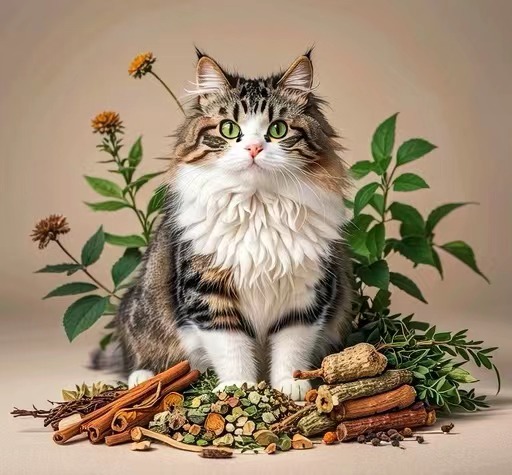
Cancer in cats is a daunting challenge, but hope lies in nature’s bounty. Chinese herbs have been used for centuries to treat various ailments, and their role in combating feline cancer is gaining interest. This article delves into how these ancient remedies can be a game-changer in the fight against cancer in our feline friends.
The Prevalence of Cancer in Cats
Feline cancer is not uncommon and can affect cats of any age, though it’s more prevalent in seniors. Types of cancer in cats include lymphoma, skin cancer, and mammary gland cancer, each with different symptoms and treatment options.
Chinese Herbs: An Ancient Solution
Chinese herbal medicine, part of Traditional Chinese Medicine (TCM), uses a variety of plants and herbs to treat diseases. In the context of feline cancer, these herbs aim to strengthen the immune system, inhibit tumor growth, and alleviate the side effects of conventional cancer treatments.
Key Chinese Herbs for Feline Cancer
- Astragalus (Huang Qi): Known for boosting immunity and potentially inhibiting tumor growth.
- Dong Quai (Dang Gui): Used for its blood-tonifying properties, important in cancer care.
- Ginseng (Ren Shen): A powerful adaptogen that can improve overall vitality.
- Turmeric (Jiang Huang): Contains curcumin, with its anti-inflammatory and anti-cancer properties.
Integrating Chinese Herbs with Conventional Treatments
While Chinese herbs offer promising benefits, they should not replace conventional cancer treatments. Instead, they can be used alongside chemotherapy or radiation to enhance effectiveness and reduce side effects. Consultation with a veterinarian knowledgeable in both Western and Eastern medicine is crucial.
The Science Behind Chinese Herbs in Cancer Treatment
Recent studies have begun to explore the efficacy of Chinese herbs in cancer treatment, with some showing positive effects on immune function and tumor inhibition. More research is needed, but the potential is promising.
Real-Life Success Stories
Numerous anecdotes from pet owners suggest that Chinese herbs have helped their cats live longer and more comfortably with cancer. These stories, while not scientific evidence, offer hope and insight into the potential of herbal treatments.
The Future of Herbal Treatment in Veterinary Oncology
As interest in holistic and integrative veterinary medicine grows, so too does the exploration of herbal treatments in cancer care. The future of these treatments looks bright, with ongoing research and a growing body of anecdotal evidence.
“Nature’s Cure: Using Chinese Herbs to Fight Cancer in Cats” highlights the potential of Chinese herbal medicine as a complementary treatment in feline cancer care. These ancient remedies, combined with modern veterinary science, offer a holistic approach to improving the quality of life for cats with cancer.

by TCMVET | Feb 29, 2024 | Dog Cancer & Tumors
In the realm of veterinary medicine, the treatment of cancer in dogs represents a significant challenge and a source of concern for pet owners worldwide. As modern veterinary practices continue to evolve, there is a growing interest in ancient remedies, specifically the use of Chinese herbs, as a complementary approach in dog cancer care. This article delves into how the timeless wisdom of Traditional Chinese Medicine (TCM) is providing innovative solutions for contemporary health issues like canine cancer.
The Prevalence of Canine Cancer:
Cancer is one of the leading causes of death in dogs, particularly as they advance in age. Types of canine cancer include lymphoma, mast cell tumors, and osteosarcoma, among others. Recognizing early symptoms such as weight loss, lethargy, and unusual lumps is crucial for timely treatment.
Traditional Chinese Medicine (TCM): An Overview:
TCM, with its roots stretching back thousands of years, is based on the concept of balance and harmony within the body. It employs various practices, including the use of herbal remedies, acupuncture, and dietary modification, to treat illnesses by restoring this balance.
Chinese Herbs in Canine Cancer Treatment:
In TCM, herbs are not merely used to treat symptoms but are also aimed at correcting underlying imbalances that contribute to diseases like cancer. Some notable herbs used in canine cancer care include:
- Astragalus (Huang Qi): Known for boosting the immune system and potentially inhibiting tumor growth.
- Dang Gui (Angelica Sinensis): Often used for its blood-nourishing properties, beneficial for overall vitality.
- Scutellaria Baicalensis (Huang Qin): Recognized for its anti-inflammatory and anti-tumor effects.
- Silymarin (from Milk Thistle): A liver protectant, which can be especially helpful for dogs undergoing chemotherapy.
- Turmeric (Jiang Huang): Contains curcumin, known for its anti-inflammatory and antioxidant properties.
Integrating Chinese Herbs with Conventional Cancer Therapies:
Combining TCM with conventional treatments can offer a more comprehensive approach to canine cancer care. These herbs can help alleviate side effects of conventional treatments, enhance overall wellness, and potentially improve treatment outcomes.
Safety and Professional Guidance:
It’s imperative to consult with a veterinarian experienced in both TCM and conventional medicine before introducing Chinese herbs into a dog’s cancer treatment regimen. This ensures the safety and suitability of the herbs for each individual case.
The integration of Chinese herbs in canine cancer care exemplifies how ancient wisdom can address modern medical problems. This holistic approach, focusing on treating the entire body rather than just the symptoms, offers a promising avenue for enhancing the quality of life and health outcomes for dogs with cancer.
