
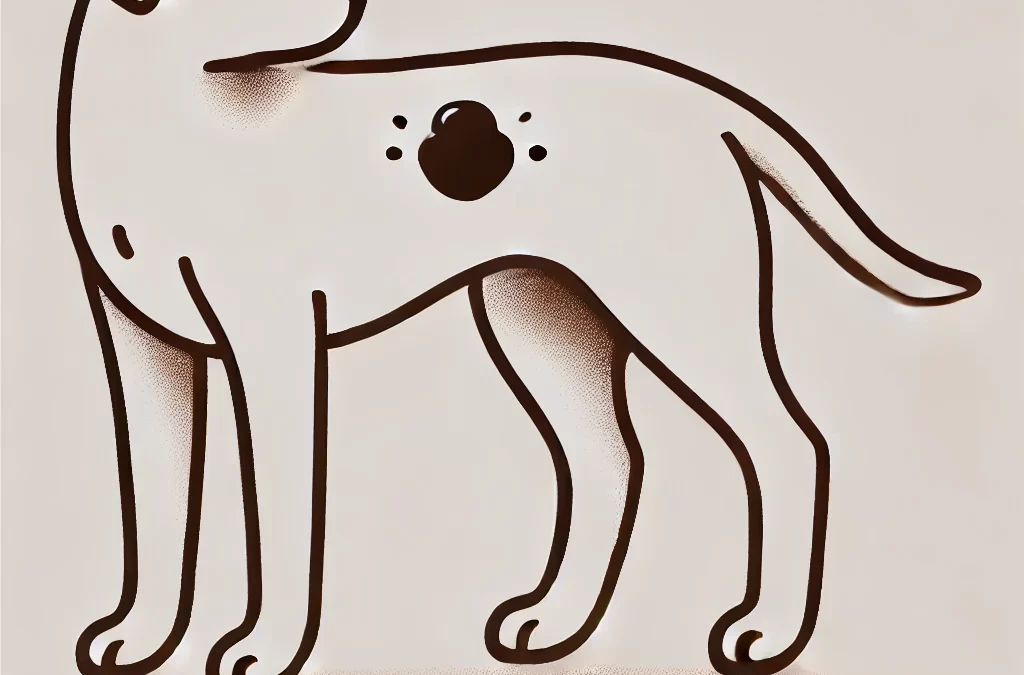
Cornifying Epitheliomas in Dogs: Understanding and Managing This Rare Skin Condition

Cornifying Epitheliomas in Dogs: Understanding and Managing This Rare Skin Condition

Skin health in dogs is often a mirror of their overall well-being, yet some conditions can be puzzling for even the most attentive pet owners. One such rare condition is cornifying epitheliomas, a type of benign skin tumor that can cause concern due to its appearance and effects. Let’s delve into this unusual dermatological condition, its causes, treatments, and what makes it a unique challenge in canine healthcare.

What Are Cornifying Epitheliomas?

Cornifying epitheliomas are benign tumors that originate from sebaceous glands, specifically the epithelium (skin cells) responsible for keratin production. These tumors often present as nodular, wart-like growths on a dog’s skin. While they are not life-threatening, their potential to cause discomfort or infection means they shouldn’t be ignored.

What Causes Cornifying Epitheliomas?

The exact cause of cornifying epitheliomas isn’t fully understood, but contributing factors may include:

  1. Genetic Predisposition: Breeds such as Cocker Spaniels, Beagles, and Siberian Huskies are more prone to developing these growths.
  2. Hormonal Imbalances: Sebaceous gland activity can be influenced by hormonal changes, particularly in older dogs.
  3. Dietary Deficiencies: Poor nutrition can lead to imbalances in skin health, potentially exacerbating conditions like epitheliomas.

Recognizing the Symptoms

Cornifying epitheliomas typically appear as:

  • Small, firm nodules with a wart-like texture
  • Yellowish or waxy in color due to keratin build-up
  • Localized around the head, neck, or back but can occur anywhere
  • Occasionally accompanied by redness or inflammation if secondary infection occurs

While these growths are benign, rapid changes in size, color, or texture should be evaluated by a veterinarian to rule out malignancies.

Diagnosing Cornifying Epitheliomas

Diagnosis usually involves:

  1. Physical Examination: A veterinarian will assess the size, location, and appearance of the growths.
  2. Fine-Needle Aspiration (FNA): A sample of cells is extracted and analyzed to confirm the nature of the tumor.
  3. Biopsy: In some cases, a biopsy may be necessary to differentiate between benign epitheliomas and other skin conditions or cancers.

Treatment Options

Treatment depends on the severity and impact of the epitheliomas on your dog’s quality of life.

  1. Monitoring
    For small, non-problematic growths, regular monitoring is often sufficient.
  • Ensure the area remains clean and free from infection.
  • Use soothing topical treatments if recommended by your vet.
  1. Surgical Removal
    If the growths are causing discomfort, recurring infections, or cosmetic concerns, surgical removal is a common solution.
  • Minimally invasive techniques like laser surgery can reduce recovery time.
  1. Topical or Systemic Therapies
  • Retinoids or vitamin A supplements can regulate keratin production.
  • Antibiotics may be prescribed for secondary bacterial infections.

Innovative and Natural Approaches

For owners looking to complement conventional treatments with holistic care:

  1. Omega-3 Fatty Acids: These can reduce inflammation and promote overall skin health.
  2. Herbal Remedies: Calendula and aloe vera can soothe irritated areas.
  3. Dietary Adjustments: A diet rich in antioxidants and high-quality proteins supports skin regeneration.

Preventive Measures

Although not all cases of cornifying epitheliomas can be prevented, these steps can help maintain optimal skin health:

  • Regular Grooming: Keeps the skin clean and promotes early detection of abnormalities.
  • Balanced Diet: Supports the immune system and reduces the likelihood of skin issues.
  • Routine Veterinary Visits: Early intervention is key to managing any skin condition.

A Unique Challenge in Canine Dermatology

Cornifying epitheliomas highlight the importance of understanding and addressing even rare conditions in dogs. While benign, these growths can impact your pet’s comfort and appearance, making prompt and effective management essential. By staying informed and working closely with your veterinarian, you can ensure your dog remains healthy, happy, and thriving.

Cornifying Epitheliomas in Dogs: Causes, Symptoms, and Treatment Options

Cornifying Epitheliomas in Dogs: Causes, Symptoms, and Treatment Options

Cornifying epitheliomas, also known as keratoacanthomas or infundibular keratinizing acanthomas, are benign skin tumors that commonly affect middle-aged dogs. These tumors are characterized by tough, layered lumps that protrude from the skin and can resemble small horns. While generally harmless, they may cause discomfort or lead to complications if left untreated. This article explores the causes, symptoms, and treatment options for cornifying epitheliomas in dogs.

What Are Cornifying Epitheliomas?

Cornifying epitheliomas are benign tumors that typically arise from hair follicles. These growths form nests of tough, layered lumps on the skin, which may look like small horns or cornified cysts. They can develop anywhere on the dog’s body but are most frequently found on the back, tail, and legs. In some cases, these tumors may cause irritation, leading to scratching or biting, which can result in secondary infections or skin trauma.

Breeds at Risk for Cornifying Epitheliomas

Certain dog breeds are more prone to developing cornifying epitheliomas. Middle-aged dogs are particularly susceptible, and specific breeds at higher risk include:

  • Norwegian Elkhounds
  • Belgian Sheepdogs
  • Lhasa Apsos
  • Bearded Collies

Norwegian Elkhounds and Lhasa Apsos are particularly at risk for developing multiple tumors or a more widespread form of the disease.

Symptoms of Cornifying Epitheliomas

The primary symptom of cornifying epitheliomas is the presence of tough, horn-like tumors on the skin. These tumors can vary in size and may cause discomfort depending on their location. Some key symptoms include:

  • Raised, horn-like lumps: The tumors appear as tough, layered growths that stick up from the skin surface.
  • Cornified cysts: In some cases, the tumors may appear as cornified cysts rather than horns.
  • Self-trauma: Dogs may scratch, rub, or bite at the tumors, leading to trauma or ulceration.
  • Secondary infections: If the tumors are irritated or broken open, they can become infected.

Causes of Cornifying Epitheliomas

While the exact cause of cornifying epitheliomas is not fully understood, they most likely originate from hair follicles. Genetic factors may play a role in certain breeds, especially those predisposed to the condition. Environmental factors such as skin irritation or trauma may also contribute to the development of these tumors.

Treatment Options for Cornifying Epitheliomas

Treatment for cornifying epitheliomas depends on the severity of the condition and whether the tumors are causing discomfort or complications. In some cases, the tumors may be left untreated if they are not causing any issues. However, treatment is recommended in cases of self-trauma, ulceration, or secondary infection.

  • Surgical Removal: Surgical removal is the preferred treatment option, especially if the dog is experiencing discomfort or if the tumors are prone to infection. However, it’s important to note that dogs are likely to develop additional tumors over time.
  • Oral Retinoid Medications: For dogs with a generalized form of the disease, oral retinoid medications may be prescribed to help manage the condition and reduce the occurrence of new tumors.
  • Monitoring: In cases where the tumors are not causing any issues, regular monitoring is advised to ensure they do not worsen or lead to complications.

Cornifying epitheliomas are benign tumors that can cause discomfort and complications in dogs, particularly in certain breeds like Norwegian Elkhounds and Lhasa Apsos. While treatment is not always necessary, surgical removal is recommended in cases where the tumors lead to self-trauma or infection. With proper management, most dogs can live comfortably with this condition, although additional tumors may develop over time.

Green yin-yang logo with TCMVET
Privacy Overview

This website uses cookies so that we can provide you with the best user experience possible. Cookie information is stored in your browser and performs functions such as recognising you when you return to our website and helping our team to understand which sections of the website you find most interesting and useful.