
by TCMVET | Jun 16, 2024 | Dog Cancer & Tumors
As pet owners, we strive to provide the best care for our furry friends, especially when they face serious health challenges like cancer. Traditional treatments like surgery, chemotherapy, and radiation are common, but many pet owners are now exploring holistic and natural alternatives to complement these treatments. One such alternative is the use of Celtic salt. In this article, we delve into how Celtic salt can be beneficial in managing cancer in dogs, enhancing their quality of life, and promoting overall well-being.
Understanding Celtic Salt
Celtic salt, also known as grey sea salt, is harvested from the coastal regions of France using traditional methods. Unlike regular table salt, which is heavily processed and stripped of its natural minerals, Celtic salt retains its rich mineral content, including magnesium, potassium, calcium, and trace elements. These minerals are essential for maintaining various bodily functions and promoting health.
The Role of Celtic Salt in Cancer Management
1. Detoxification
One of the primary benefits of Celtic salt is its ability to aid in detoxification. Cancer treatments can lead to the accumulation of toxins in a dog’s body. The minerals in Celtic salt help in flushing out these toxins, thereby reducing the burden on vital organs like the liver and kidneys. This detoxification process is crucial in maintaining a dog’s health during cancer treatment.
2. Hydration and Electrolyte Balance
Maintaining proper hydration and electrolyte balance is essential for dogs undergoing cancer treatment. Dehydration can exacerbate the side effects of treatments and weaken the immune system. Celtic salt helps in retaining hydration and balancing electrolytes, ensuring that your dog remains energetic and resilient during their treatment.
3. Immune System Support
The minerals in Celtic salt play a significant role in supporting the immune system. Magnesium, for instance, is vital for various biochemical reactions that enhance immune function. A strong immune system is crucial for dogs battling cancer, as it helps in fighting off infections and improving overall health.
4. Anti-inflammatory Properties
Inflammation is a common issue in dogs with cancer, often leading to pain and discomfort. Celtic salt has natural anti-inflammatory properties that can help in reducing inflammation and alleviating pain. This makes it an excellent addition to a holistic cancer management plan, providing relief without the side effects associated with conventional pain medications.
5. Enhancing Nutrient Absorption
Cancer and its treatments can affect a dog’s appetite and nutrient absorption. The minerals in Celtic salt can enhance the absorption of nutrients from food, ensuring that your dog receives the essential vitamins and minerals needed for recovery and strength.
How to Integrate Celtic Salt into Your Dog’s Diet
When considering adding Celtic salt to your dog’s diet, it is essential to consult with a veterinarian, particularly one who specializes in holistic or integrative veterinary medicine. They can provide guidance on the appropriate amount based on your dog’s size, health condition, and specific needs.
Simple Ways to Add Celtic Salt:
- Sprinkle on Food: A small pinch of Celtic salt can be sprinkled on your dog’s food. Ensure it is well mixed to avoid overconsumption.
- Hydration Solution: Dissolve a small amount of Celtic salt in your dog’s drinking water. This can help in maintaining electrolyte balance and hydration.
- Homemade Treats: Incorporate Celtic salt into homemade dog treats for an added health boost.
Conclusion
Celtic salt offers a natural, holistic approach to supporting dogs with cancer. Its detoxifying properties, ability to maintain hydration, support the immune system, reduce inflammation, and enhance nutrient absorption make it a valuable addition to any cancer management plan. As with any supplement, it is crucial to consult with a veterinarian to tailor its use to your dog’s specific needs. By integrating Celtic salt into your dog’s diet, you can help improve their quality of life and support them in their fight against cancer.

by TCMVET | May 22, 2024 | Food & Health
In recent years, the use of medicinal mushrooms has gained popularity in both human and veterinary medicine. Among the various mushroom supplements available, the 5 Defenders Mushroom blend has emerged as a potent option for enhancing the health and well-being of dogs. This blend typically includes a mix of five powerful medicinal mushrooms: Reishi, Shiitake, Maitake, Turkey Tail, and Chaga. Each of these mushrooms brings unique health benefits that, when combined, can offer comprehensive support for your dog’s immune system, overall health, and disease prevention.
Overview of the 5 Defenders Mushroom Blend
- Reishi (Ganoderma lucidum)
- Immune Modulation: Reishi is known for its ability to balance and support the immune system, making it beneficial for both immune-compromised and immune-overactive dogs.
- Anti-Cancer Properties: Reishi contains compounds that have shown promise in inhibiting the growth of cancer cells and enhancing the effectiveness of chemotherapy.
- Stress Reduction: Known as the “mushroom of immortality,” Reishi also helps reduce stress and improve overall well-being.
- Shiitake (Lentinula edodes)
- Immune Support: Shiitake mushrooms are rich in polysaccharides, particularly beta-glucans, which boost the immune response.
- Antimicrobial Properties: Shiitake has natural antibacterial and antiviral properties, helping to protect dogs from infections.
- Liver Health: Shiitake supports liver function and detoxification processes, which is crucial for dogs on medication or those exposed to toxins.
- Maitake (Grifola frondosa)
- Immune Enhancement: Maitake is well-regarded for its potent immune-boosting properties, aiding in the fight against infections and diseases.
- Blood Sugar Regulation: Maitake can help regulate blood sugar levels, making it beneficial for dogs with diabetes or metabolic issues.
- Anti-Tumor Effects: Studies have shown that Maitake has anti-tumor properties, which can be beneficial in the management of cancer.
- Turkey Tail (Trametes versicolor)
- Cancer Fighting: Turkey Tail is renowned for its anti-cancer properties, particularly in enhancing the immune system’s ability to target and destroy cancer cells.
- Gut Health: This mushroom supports a healthy gut microbiome, which is essential for overall health and immune function.
- Antioxidant Benefits: Turkey Tail is rich in antioxidants that help protect cells from damage and support overall health.
- Chaga (Inonotus obliquus)
- Antioxidant Powerhouse: Chaga is one of the most antioxidant-rich foods, helping to fight oxidative stress and reduce inflammation.
- Immune Boosting: Chaga supports the immune system, enhancing the body’s ability to fight infections and diseases.
- Anti-Inflammatory: Chaga’s anti-inflammatory properties can help manage chronic conditions and improve overall well-being.
Health Benefits of the 5 Defenders Mushroom Blend for Dogs
- Enhanced Immune Function The combined immune-boosting properties of these five mushrooms make the 5 Defenders blend a powerful supplement for enhancing your dog’s immune system. This can help protect against infections, improve response to vaccinations, and support recovery from illness.
- Cancer Prevention and Management The anti-cancer properties of Reishi, Maitake, and Turkey Tail, combined with the antioxidant benefits of Chaga, provide a comprehensive approach to cancer prevention and management. These mushrooms can help slow the growth of tumors, enhance the effectiveness of conventional cancer treatments, and improve quality of life for dogs with cancer.
- Anti-Inflammatory and Antioxidant Effects Chronic inflammation is at the root of many health issues in dogs, including arthritis, allergies, and autoimmune diseases. The 5 Defenders mushrooms offer strong anti-inflammatory and antioxidant benefits, helping to manage and reduce inflammation, and protect cells from oxidative damage.
- Support for Digestive Health A healthy gut is crucial for overall well-being and immune function. Turkey Tail, in particular, supports a healthy gut microbiome, aiding in digestion and nutrient absorption. This can be especially beneficial for dogs with digestive issues or those on long-term medications that affect gut health.
- Liver Health and Detoxification The detoxifying properties of Shiitake and Reishi support liver health, helping to cleanse the body of toxins. This is particularly important for dogs exposed to environmental toxins, those on medication, or those with liver issues.
- Blood Sugar Regulation Maitake’s ability to help regulate blood sugar levels can be beneficial for dogs with diabetes or metabolic syndrome, helping to maintain stable blood sugar levels and improve overall metabolic health.
How to Incorporate 5 Defenders Mushroom into Your Dog’s Diet
- Choosing the Right Supplement
- Quality: Ensure you choose a high-quality supplement from a reputable manufacturer. Look for products that use whole mushroom fruiting bodies rather than mycelium-based products, as the former contains higher concentrations of active compounds.
- Form: 5 Defenders Mushroom supplements are available in various forms, including powders, capsules, and tinctures. Choose the form that is easiest to administer to your dog.
- Dosage
- Consult Your Veterinarian: Always consult with your veterinarian before adding any new supplement to your dog’s diet, especially if your dog has pre-existing health conditions or is on medication.
- Start Slow: Introduce the supplement gradually to allow your dog’s system to adjust. Start with a lower dose and gradually increase to the recommended dosage based on your dog’s weight and health needs.
- Administration
- Mixing with Food: The most common method is to mix the mushroom powder with your dog’s regular food. Ensure it is thoroughly mixed to avoid selective eating.
- Capsules and Tinctures: These can be administered directly or mixed with a treat or food.
Conclusion
The 5 Defenders Mushroom blend offers a wealth of health benefits for dogs, from enhanced immune function and cancer prevention to improved digestive health and inflammation management. By incorporating this powerful supplement into your dog’s diet, you can help support their overall health and well-being. Always consult with your veterinarian to ensure the supplement is appropriate for your dog and to determine the correct dosage. With careful administration, the 5 Defenders Mushroom blend can be a valuable addition to your dog’s wellness routine, helping them live a healthier and happier life.

by TCMVET | May 22, 2024 | pet Chinese herbal medicine
Dandelion root is a popular herbal remedy known for its numerous health benefits. In recent years, it has gained popularity among pet owners as a natural supplement for dogs. Dandelion root can support liver health, improve digestion, and act as a diuretic. However, it’s crucial to know the appropriate dosage to ensure its safety and effectiveness for your dog.
Benefits of Dandelion Root for Dogs
Dandelion root offers several benefits for dogs, including:
- Liver Support
- Detoxification: Dandelion root helps in detoxifying the liver, which is essential for dogs, especially those undergoing medication or treatment.
- Improved Liver Function: It can promote bile production, aiding in digestion and overall liver health.
- Digestive Health
- Aids Digestion: Dandelion root stimulates appetite and helps in breaking down food, improving nutrient absorption.
- Prevents Constipation: The fiber content in dandelion root can help regulate bowel movements and prevent constipation.
- Diuretic Properties
- Reduces Water Retention: As a natural diuretic, dandelion root can help reduce water retention and flush out toxins through urine.
- Supports Kidney Health: It promotes kidney function and can be beneficial for dogs with urinary tract issues.
Appropriate Dosage of Dandelion Root for Dogs
The appropriate dosage of dandelion root depends on the form you are using and your dog’s size and health condition. Here are general guidelines:
- Dried Dandelion Root
- Small Dogs (up to 20 lbs): 1/4 teaspoon per day.
- Medium Dogs (21-50 lbs): 1/2 teaspoon per day.
- Large Dogs (51-100 lbs): 1 teaspoon per day.
- Giant Dogs (over 100 lbs): Up to 2 teaspoons per day.
- Dandelion Root Tincture
- Small Dogs (up to 20 lbs): 10-15 drops, 1-2 times per day.
- Medium Dogs (21-50 lbs): 20-30 drops, 1-2 times per day.
- Large Dogs (51-100 lbs): 40-50 drops, 1-2 times per day.
- Giant Dogs (over 100 lbs): Up to 60 drops, 1-2 times per day.
- Dandelion Root Capsules or Tablets
- Follow the manufacturer’s dosage instructions based on your dog’s weight. Typically, it ranges from 1/4 to 1 capsule per day for small dogs, up to 2 capsules per day for larger dogs.
Precautions and Considerations
While dandelion root is generally safe for dogs, there are a few precautions to keep in mind:
- Consult Your Veterinarian: Always consult with your veterinarian before adding any new supplement to your dog’s diet, especially if your dog has existing health conditions or is on medication.
- Monitor for Allergic Reactions: Watch for signs of allergic reactions, such as itching, swelling, or digestive upset. If any adverse reactions occur, discontinue use and consult your veterinarian.
- Gradual Introduction: Introduce dandelion root gradually to allow your dog’s system to adjust and to monitor for any potential side effects.
Conclusion
Dandelion root can be a beneficial natural supplement for dogs, offering liver support, improved digestion, and diuretic properties. Understanding the appropriate dosage and taking necessary precautions can help you safely incorporate dandelion root into your dog’s diet. Always consult with your veterinarian to ensure it is suitable for your dog’s specific health needs and to determine the correct dosage. With the right approach, dandelion root can be a valuable addition to your dog’s wellness routine.
by TCMVET | May 22, 2024 | Dog Cancer & Tumors
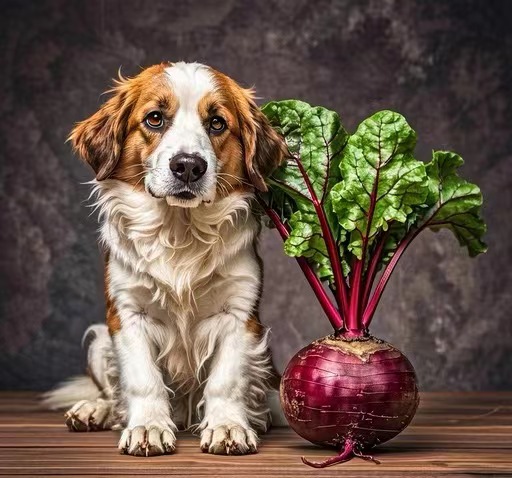
When a beloved dog is diagnosed with cancer, pet owners often seek the best ways to support their pet’s health and improve their quality of life. Among the various dietary considerations, beets have emerged as a potential superfood. This article explores whether beets are beneficial for dogs with cancer, considering their nutritional properties and potential health benefits.
Nutritional Profile of Beets
Beets are rich in essential nutrients and bioactive compounds, including:
- Vitamins: Beets are high in vitamins A, C, and several B vitamins, which are crucial for overall health.
- Minerals: They provide important minerals such as potassium, magnesium, and iron.
- Fiber: Beets contain dietary fiber, which aids in digestion and promotes gut health.
- Antioxidants: Beets are known for their high antioxidant content, particularly betalains, which give them their distinctive red color.
Potential Benefits of Beets for Dogs with Cancer
The following points highlight how beets might benefit dogs with cancer:
- Antioxidant Properties
- Oxidative Stress Reduction: Cancer and its treatments can cause oxidative stress, leading to cell damage. The antioxidants in beets can help neutralize free radicals and reduce oxidative stress, potentially slowing the progression of cancer.
- Anti-Inflammatory Effects
- Inflammation Reduction: Chronic inflammation is associated with cancer progression. Betalains in beets have anti-inflammatory properties that may help reduce inflammation and improve the dog’s overall health.
- Immune System Support
- Immune Boosting: Vitamins and minerals in beets, particularly vitamin C and iron, can support the immune system, helping the dog’s body to fight cancer more effectively.
- Digestive Health
- Improved Digestion: The fiber in beets aids in digestion and promotes a healthy gut microbiome, which is essential for nutrient absorption and overall well-being.
- Detoxification
- Liver Support: Beets can help support liver function, aiding in the detoxification process. This is especially beneficial for dogs undergoing chemotherapy or other cancer treatments that can tax the liver.
How to Incorporate Beets into a Dog’s Diet
While beets can offer various health benefits, it’s important to introduce them properly into a dog’s diet:
- Cooked Beets: Always cook beets before feeding them to your dog to make them easier to digest and to reduce the risk of gastrointestinal upset.
- Moderation: Start with small amounts to ensure your dog tolerates beets well. Too much fiber can cause digestive issues.
- No Additives: Avoid adding salt, sugar, or spices to the beets. Plain, cooked beets are the best option.
- Consult a Veterinarian: Always consult with your veterinarian before making significant changes to your dog’s diet, especially if your dog has cancer.
Conclusion
Beets can be a nutritious addition to the diet of dogs with cancer, offering antioxidant, anti-inflammatory, and immune-boosting benefits. However, they should be introduced in moderation and as part of a balanced diet tailored to the specific needs of a dog with cancer. Consulting with a veterinarian is crucial to ensure that beets and other dietary changes are appropriate for your pet’s individual health condition and treatment plan. By carefully incorporating beets into your dog’s diet, you can provide additional nutritional support to help them combat cancer and maintain a better quality of life.

by TCMVET | Feb 2, 2024 | Dog Cancer & Tumors
In recent years, the impact of passive smoking on pets, particularly dogs, has become an area of increasing concern. Among the serious health issues associated with this exposure is canine lung cancer. This article explores the role of Chinese herbs in mitigating the effects of passive smoking in dogs and their potential use in treating canine lung cancer.
Passive smoking, or second-hand smoke, is a well-documented health hazard for humans, and its harmful effects extend to pets. Dogs exposed to tobacco smoke are at a higher risk of developing lung cancer, primarily due to their heightened sensitivity to airborne pollutants. The toxins and carcinogens in cigarette smoke can accumulate in a dog’s lungs, leading to the development of malignant tumors over time.
Traditional Western medical treatments for lung cancer in dogs typically include surgery, chemotherapy, and radiation therapy. While these treatments can be effective, they often come with significant side effects. In recent years, Traditional Chinese Medicine (TCM) has emerged as a complementary approach, offering a more holistic treatment option with fewer side effects.
Chinese herbs have been used for centuries to treat various ailments in humans and animals. In the context of canine lung cancer caused by passive smoking, TCM focuses on herbs that are believed to detoxify the body, support the immune system, and target cancer cells. Some of the commonly used herbs include:
- Astragalus (Huang Qi): Known for its immune-boosting properties, Astragalus is believed to strengthen the body’s natural defenses and enhance vitality.
- Ginseng (Ren Shen): Ginseng is another powerful immune enhancer and is thought to improve overall energy levels and well-being.
- Green Tea (Lu Cha): Rich in antioxidants, green tea helps combat the oxidative stress caused by environmental toxins, including cigarette smoke.
- Dandelion (Pu Gong Ying): Often used for its detoxifying properties, dandelion helps cleanse the liver and kidneys, organs that play a crucial role in filtering toxins.
- Turmeric (Jiang Huang): Known for its anti-inflammatory properties, turmeric is believed to help in reducing inflammation and combating cancer cells.
The holistic approach of TCM not only focuses on treating the disease but also aims to improve the overall health of the dog. This includes dietary modifications, acupuncture, and herbal therapy, all of which contribute to a stronger immune system and a better quality of life.
It’s important to note that while Chinese herbs show promise in supporting dogs with lung cancer, they should not replace conventional veterinary treatments. Instead, they should be used in conjunction with them. The effectiveness of these herbs can vary depending on the individual dog, and it’s essential to consult with a veterinarian who has experience in both Western and Eastern medicine to tailor a treatment plan.
In conclusion, the role of Chinese herbs in mitigating canine lung cancer caused by passive smoking is an area that holds significant potential. These herbs offer a natural, less invasive option for supporting dogs affected by this condition, potentially improving their quality of life and complementing traditional treatments. As awareness of the dangers of passive smoking to pets grows, so does the importance of exploring all available treatment options, including those offered by Traditional Chinese Medicine.
