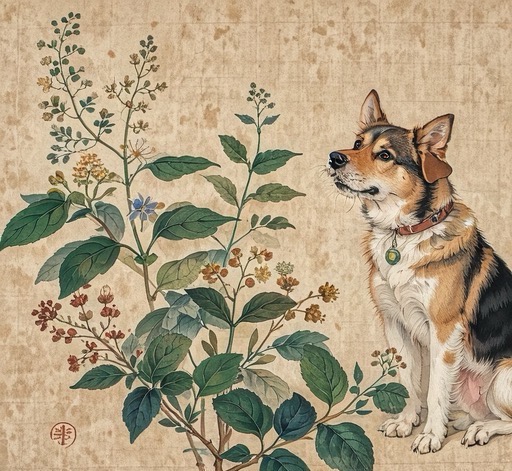
Holistic and Traditional Chinese Medicine Approaches for Managing Mediastinal Tumors in Dogs
Mediastinal tumors in dogs present a challenging health issue that often requires a comprehensive treatment approach. While conventional treatments such as surgery, chemotherapy, and radiation therapy are commonly used, many pet owners are turning to holistic and Traditional Chinese Medicine (TCM) approaches to complement these treatments and improve their dog’s quality of life. This article explores how holistic care and TCM can play a role in managing mediastinal tumors in dogs, offering alternative and supportive options that can work alongside conventional veterinary medicine.
Understanding Holistic Approaches
Holistic veterinary care focuses on treating the whole dog rather than just the disease. This approach takes into consideration the physical, emotional, and environmental aspects of a dog’s well-being. Holistic treatments aim to support the body’s natural healing processes, reduce stress, and enhance overall health, which can be particularly beneficial for dogs dealing with serious conditions like mediastinal tumors.
Key Holistic Therapies
- Diet and Nutrition
- Nutrition plays a crucial role in managing cancer in dogs. A diet rich in high-quality proteins, healthy fats, and low carbohydrates can help support the immune system and overall health. Many holistic veterinarians recommend incorporating fresh, whole foods and avoiding processed dog foods. Supplements like omega-3 fatty acids, antioxidants, and probiotics may also be recommended to support immune function and reduce inflammation.
- Herbal Medicine
- Herbal medicine is a key component of holistic care. Specific herbs may help manage symptoms, reduce tumor growth, and support the immune system. For example, herbs such as turmeric, known for its anti-inflammatory properties, and astragalus, which supports immune function, are often used in holistic cancer care. It is essential to consult with a veterinarian knowledgeable in herbal medicine to ensure that the herbs are safe and appropriate for your dog.
- Acupuncture
- Acupuncture, a practice rooted in Traditional Chinese Medicine, involves inserting thin needles into specific points on the body to promote healing and alleviate pain. For dogs with mediastinal tumors, acupuncture can help manage pain, reduce inflammation, and improve overall energy levels. This treatment can be particularly beneficial in enhancing the dog’s quality of life and supporting the body’s ability to cope with the disease.
- Massage Therapy
- Massage therapy can be a valuable tool in holistic cancer care. It helps reduce stress, improve circulation, and alleviate pain and discomfort associated with mediastinal tumors. Regular massage can also enhance your dog’s emotional well-being, providing comfort and relaxation.
Traditional Chinese Medicine (TCM) Approaches
Traditional Chinese Medicine offers a unique perspective on cancer treatment, focusing on restoring balance and harmony within the body. TCM practices such as acupuncture, herbal medicine, and dietary therapy are commonly used to support dogs with mediastinal tumors.
- Chinese Herbal Formulas
- Chinese herbal medicine is an integral part of TCM. Herbal formulas are often customized based on the specific needs of the dog and the nature of the tumor. For example, the formula Xiao Chai Hu Tang is frequently used to support liver function and reduce inflammation, while Shen Qi Wan may be recommended to strengthen the kidneys and promote overall vitality. These formulas aim to address the root causes of illness, restore balance, and support the body’s natural defenses.
- Qi Flow and Balance
- In TCM, the concept of Qi (vital energy) is central to health. TCM therapies focus on ensuring the free flow of Qi throughout the body. Acupuncture and herbal medicine are often used to unblock stagnant Qi, which is believed to contribute to the development of tumors. By restoring the flow of Qi, these treatments can help improve the dog’s overall health and ability to fight the disease.
- Dietary Therapy in TCM
- Dietary therapy is another important aspect of TCM. Foods are selected based on their energetic properties and their ability to nourish specific organs. For example, cooling foods like cucumber and watermelon may be used to reduce heat in the body, while warming foods like ginger and lamb can help boost Qi. A TCM practitioner may create a customized diet plan to support your dog’s health during cancer treatment.
Integrating Holistic and TCM with Conventional Care
It’s important to note that holistic and TCM approaches are not intended to replace conventional cancer treatments but rather to complement them. By integrating these approaches with surgery, chemotherapy, or radiation therapy, you can create a more comprehensive treatment plan that addresses the physical, emotional, and spiritual needs of your dog. Always consult with your veterinarian before introducing any new treatments to ensure they are safe and appropriate for your dog’s specific condition.
Benefits of Holistic and TCM Approaches
- Improved Quality of Life: Holistic and TCM approaches focus on the overall well-being of the dog, helping to alleviate pain, reduce stress, and enhance comfort during treatment.
- Support for Conventional Treatments: These therapies can help mitigate the side effects of conventional treatments, such as nausea, fatigue, and pain, making the overall treatment experience more tolerable for the dog.
- Enhanced Immune Function: Many holistic and TCM therapies aim to strengthen the immune system, helping the body to better fight the tumor and recover from treatments.
- Reduced Side Effects: Natural therapies are often gentler on the body and can reduce the risk of adverse side effects associated with conventional cancer treatments.
Holistic and Traditional Chinese Medicine approaches offer valuable support for managing mediastinal tumors in dogs. By focusing on the whole dog and using natural therapies to complement conventional treatments, these approaches can improve your dog’s quality of life, support their immune system, and enhance their ability to cope with the disease. If you are considering integrating holistic or TCM treatments into your dog’s care plan, consult with a veterinarian experienced in these therapies to ensure the best possible outcomes for your beloved pet.