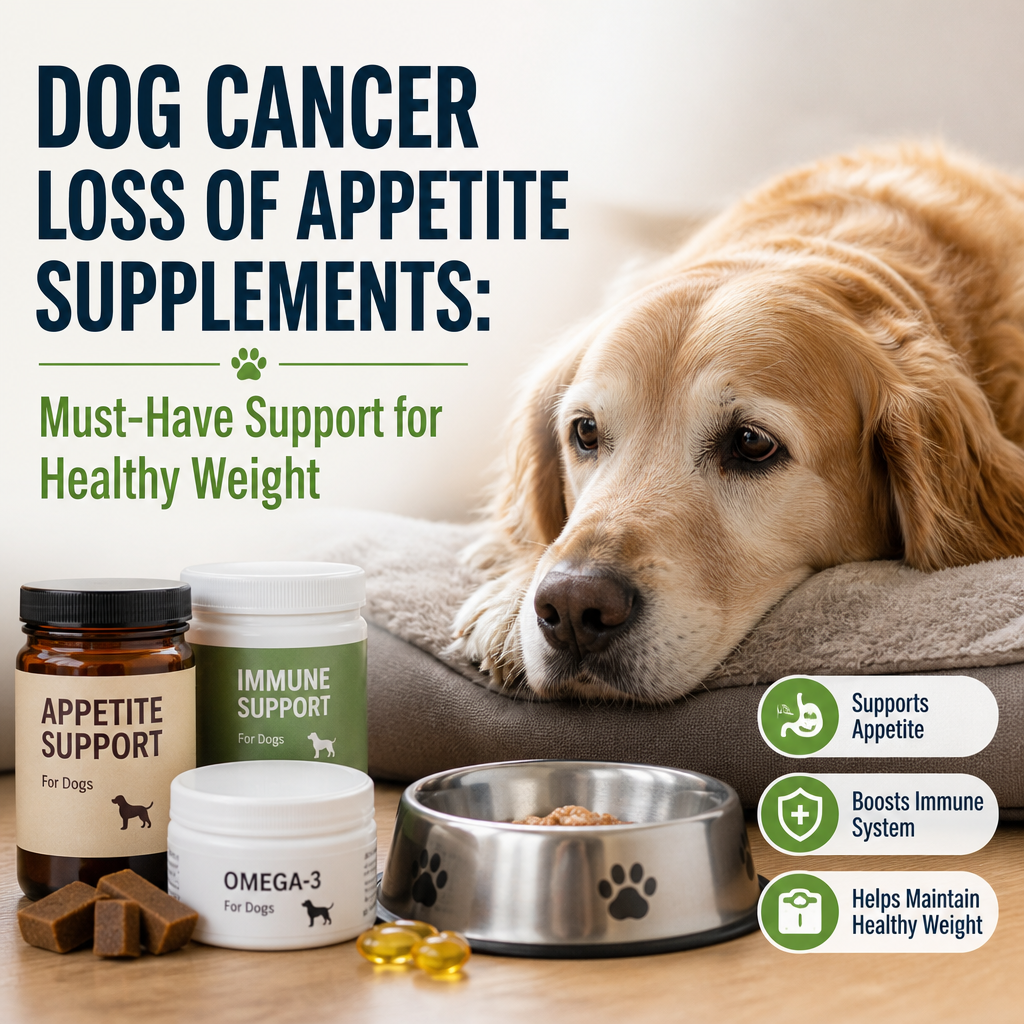
Dog Cancer Loss of Appetite Supplements can provide valuable nutritional support when illness, treatment side effects, or pain make eating difficult. Maintaining a healthy weight is important for strength, immune function, healing, and quality of life, but supplements should never replace veterinary care. A veterinarian can help identify the reason for appetite loss and create a safe feeding plan based on your dog’s diagnosis, treatment, medications, and overall condition.
When a dog is losing interest in food, the best approach is usually a combination of symptom control, diet adjustments, and carefully chosen Dog Cancer Loss of Appetite Supplements. The right products may make meals easier to accept, but they work best when they are matched to the dog’s medical needs and daily tolerance.
Dogs with cancer may eat less for many reasons. Tumors can affect digestion, metabolism, or the ability to chew and swallow. Chemotherapy, radiation, surgery, and certain medications may cause nausea, mouth discomfort, altered taste, constipation, or fatigue. Anxiety and pain can also reduce interest in food.
A short period of reduced appetite may not cause serious harm, but ongoing food refusal can lead to muscle loss, dehydration, weakness, and slower recovery. Weight loss is especially concerning when a dog loses lean muscle rather than only body fat. Muscle supports mobility, immune activity, and the ability to tolerate medical treatment.
Monitoring your dog’s weight, appetite, water intake, stool, energy, and body condition can help your veterinarian respond early. Contact the veterinary team promptly if your dog refuses food for a prolonged period, vomits repeatedly, cannot keep water down, appears painful, or becomes unusually weak.
When dogs are struggling to eat, the right plan may include diet changes, symptom control, and carefully selected Dog Cancer Loss of Appetite Supplements. The goal is to make food easier to accept while supporting overall health.
It also helps to remember that cancer-related anorexia is often more complex than simple pickiness. A dog may want to eat but feel nauseated after just a few bites, or may be hungry yet too tired to finish a normal meal. That is why Dog Cancer Loss of Appetite Supplements are most useful when they are chosen as part of a bigger support strategy rather than as a single solution.
Early action matters. If a dog loses interest in food for more than a day or two, the problem can snowball quickly. Less food intake means less energy, less protein for muscle maintenance, and often less enthusiasm for movement and interaction. A timely nutrition plan can help break that cycle before it becomes harder to reverse.
Dog Cancer Loss of Appetite Supplements to discuss with a veterinarian
The best supplement depends on the underlying cancer, current diet, laboratory results, and treatment plan. Products marketed for appetite or weight gain are not automatically safe for every dog. Some contain concentrated herbs, stimulants, minerals, or high levels of fat that may interfere with medications or worsen digestive problems.
Omega-3 fatty acids
Veterinary-formulated omega-3 fatty acids, particularly EPA and DHA from fish oil, are commonly discussed as part of cancer nutrition for dogs. They may help support normal inflammatory balance and provide concentrated calories. However, dosing matters. Excessive amounts can contribute to diarrhea, pancreatitis risk, abnormal bleeding, or unwanted interactions with medications.
Use a product designed for pets and ask your veterinarian to recommend an appropriate dose based on your dog’s weight and health status. Avoid giving human supplements without checking the ingredient list, since some products contain additives that are unsafe for dogs.
High-calorie nutritional gels and liquid diets
Veterinary nutritional gels, calorie-dense pastes, and recovery diets may help dogs that are eating only small portions. These products are often formulated to provide energy, protein, vitamins, and minerals in a compact serving. They can be useful after surgery or during periods of treatment-related appetite loss.
High-calorie products should be introduced gradually and used according to professional guidance. A dog with pancreatitis, severe gastrointestinal disease, or certain liver conditions may need a lower-fat or specially formulated diet instead.
Some dogs experience diarrhea, constipation, or digestive changes during cancer treatment. A veterinary probiotic may help support a balanced intestinal environment, although results vary and probiotics are not appropriate for every immunocompromised patient. Digestive enzymes should also be used only when recommended, because unnecessary supplementation can cause irritation or fail to address the actual problem.
Appetite-stimulating medications
Although not technically supplements, prescription appetite stimulants may be more reliable than over-the-counter products. Veterinarians may consider medications such as capromorelin or other options depending on the dog’s condition. These treatments require professional supervision, especially when nausea, pain, kidney disease, or liver disease is present.
Because appetite loss can have several causes at once, Dog Cancer Loss of Appetite Supplements work best when they are part of a vet-guided plan rather than a stand-alone fix.
Some families also ask whether a supplement should be changed as treatment changes. The answer is often yes. A product that works well after surgery may not be the best choice during chemotherapy, and a dog that tolerated one formula last month may now need a different texture, calorie level, or digestive support. Reassessing Dog Cancer Loss of Appetite Supplements regularly keeps the plan aligned with the dog’s current needs.
It is also wise to review the label carefully. Look for unnecessary fillers, added sweeteners, or ingredients that your dog has not tolerated well in the past. Simpler formulas are often easier to adjust, and that flexibility can be useful when the appetite fluctuates from week to week.
Dog cancer weight loss support through complete nutrition
Supplements work best when they complement a complete and balanced diet. Cancer nutrition for dogs should provide adequate calories, highly digestible protein, essential fatty acids, vitamins, minerals, and appropriate hydration. The ideal diet varies according to the type of cancer and any organ problems.
Some dogs do well with a veterinary therapeutic diet, while others benefit from a carefully formulated home-prepared plan created by a board-certified veterinary nutritionist. Homemade meals can be tempting when a dog refuses regular food, but improvised recipes often lack essential nutrients or contain inappropriate amounts of fat, calcium, or phosphorus.
To increase acceptance, offer small meals several times a day rather than one large portion. Warm food slightly to enhance its aroma, unless your veterinarian advises otherwise. Hand-feeding, using a quiet eating area, or offering different safe textures may also help. Avoid constantly changing foods, since abrupt dietary changes can cause gastrointestinal upset.
For owners seeking a practical next step, Dog Cancer Loss of Appetite Supplements should be matched to the feeding approach, whether that means a recovery diet, a calorie booster, or a targeted digestive aid. The right choice depends on what the dog can tolerate day to day.
In many cases, the feeding plan matters as much as the product itself. A dog that refuses one texture may still accept another, and a small change in warmth, moisture, or scent can make a noticeable difference. When used thoughtfully, Dog Cancer Loss of Appetite Supplements can support a more consistent daily routine and reduce the stress that often surrounds mealtime.
It can also be helpful to think in terms of “nutrition density” instead of just volume. When a dog cannot manage large meals, every bite needs to count. Dense nutrition, careful portioning, and consistent timing often make a bigger difference than trying to force more food at once.
Some owners find success by dividing the day into many small opportunities to eat. A dog may refuse breakfast but eagerly eat a late-morning snack or accept a spoonful after a rest period. That pattern is normal during illness, and it is one reason Dog Cancer Loss of Appetite Supplements are often most effective when used with flexible meal scheduling.
Managing nausea, pain, and treatment side effects
An appetite supplement cannot overcome untreated nausea or pain. Dogs that approach food and then turn away may feel sick, have oral discomfort, or associate eating with previous nausea. Veterinary treatment may include anti-nausea medication, pain control, dental or mouth care, hydration therapy, or management of constipation.
Tell the veterinary team about every supplement, treat, herbal product, and medication your dog receives. Certain ingredients may affect blood clotting, blood pressure, liver metabolism, or the effectiveness of chemotherapy. “Natural” does not always mean risk-free, particularly for dogs undergoing intensive treatment.
Before starting any product, ask whether it fits your dog’s cancer type, current medications, and digestive tolerance.
Reliable nutrition guidance from a veterinary professional can prevent wasteful trial-and-error and reduce the chance that Dog Cancer Loss of Appetite Supplements will conflict with treatment.
If nausea or pain is driving the appetite problem, supportive products alone are unlikely to solve it. In that situation, the most helpful step may be adjusting the medical plan first and then reassessing food intake once the dog feels more comfortable. This is often the safest way to use Dog Cancer Loss of Appetite Supplements effectively.
Some dogs also need help with side effects that do not seem directly related to appetite. Mild constipation, dry mouth, sore gums, or even travel stress can make eating less appealing. Addressing those smaller problems can improve the response to Dog Cancer Loss of Appetite Supplements and may reduce the need for more aggressive intervention later.
For dogs receiving ongoing therapy, timing can matter too. If a treatment day predictably causes nausea or fatigue, plan meals and supplements around the window when the dog feels best. A predictable routine can improve acceptance and help you notice whether a product is truly helping.
When assisted feeding may be needed
If appetite loss continues despite medical treatment, a veterinarian may discuss assisted feeding. In some cases, temporary feeding through a syringe or feeding tube can provide nutrition while the underlying problem is addressed. Force-feeding by mouth is not recommended without professional instruction because it can increase stress and create a risk of aspiration.
A feeding tube may sound intimidating, but it can be a practical and comfortable way to deliver food, water, and some medications. The veterinary team can explain care requirements and determine whether this approach suits the dog’s diagnosis and quality-of-life goals.
For some families, this stage is when supportive products become part of a wider plan that includes pain management, hydration, and carefully selected Dog Cancer Loss of Appetite Supplements. In other cases, the most helpful intervention is simply controlling the side effect that is keeping the dog from eating.
Assisted feeding is not a failure. It can be a temporary bridge that protects body condition while treatment continues or while a reversible cause of anorexia is addressed. Used with veterinary guidance, it may help preserve strength and reduce the risk that a short-term eating problem becomes a more serious nutritional crisis.
It is also important to set realistic expectations. Assisted feeding does not mean your dog will stop enjoying food forever, and it does not mean every oral supplement must be abandoned. In many cases, Dog Cancer Loss of Appetite Supplements are still used alongside assisted feeding when they fit the dog’s digestive tolerance and medical needs.
If your dog begins to eat more reliably again, the feeding plan can often be adjusted. The veterinary team may reduce tube use, lower calorie support, or simplify the routine as your dog’s comfort improves. That gradual transition is one more reason consistent monitoring is so important.
Creating a practical nutrition monitoring plan
Keep a daily record of meals offered, food consumed, water intake, vomiting, stool quality, medications, and energy levels. Weigh your dog regularly using the same scale and conditions whenever possible. At veterinary visits, ask about body condition score and muscle condition, not just body weight.
The goal of dog cancer weight loss support is not simply to add calories. It is to preserve muscle, maintain hydration, reduce discomfort, and support meaningful daily activity. Early intervention generally gives dogs more options and helps prevent a manageable appetite problem from becoming a serious nutritional crisis.
A practical monitoring plan should also note what your dog will willingly eat. Some owners find that a specific flavor, temperature, or texture is accepted for only a short time, so keeping simple notes can help identify patterns. That information can make it easier to choose the next round of Dog Cancer Loss of Appetite Supplements with less guesswork.
If you want a reputable reference for cancer and nutrition basics, the American College of Veterinary Internal Medicine provides helpful educational information at the ACVIM website.
With veterinary guidance, carefully selected Dog Cancer Loss of Appetite Supplements may be one part of a broader plan that includes appropriate food, symptom control, monitoring, and emotional support. A balanced strategy tailored to the individual dog offers the best chance of maintaining strength and comfort throughout treatment.
For dogs that need more specialized support, your veterinarian may also discuss options that fit the broader treatment plan, including diet adjustments, targeted digestive care, and long-term weight maintenance strategies. Used this way, Dog Cancer Loss of Appetite Supplements are not a quick fix but a practical tool within complete cancer care.
Many owners worry about whether they are “doing enough” when a dog eats poorly during cancer care. The most helpful mindset is to focus on small, trackable wins: a few extra bites, fewer nausea episodes, steadier weight, or better energy after meals. Those changes can show that the plan is working, even if progress is gradual.
Consistency is usually more valuable than dramatic changes. A simple routine that your dog can tolerate every day is often better than a complicated plan that only works for a few meals. When used appropriately, Dog Cancer Loss of Appetite Supplements can support that steady routine and make it easier to keep your dog nourished over time.
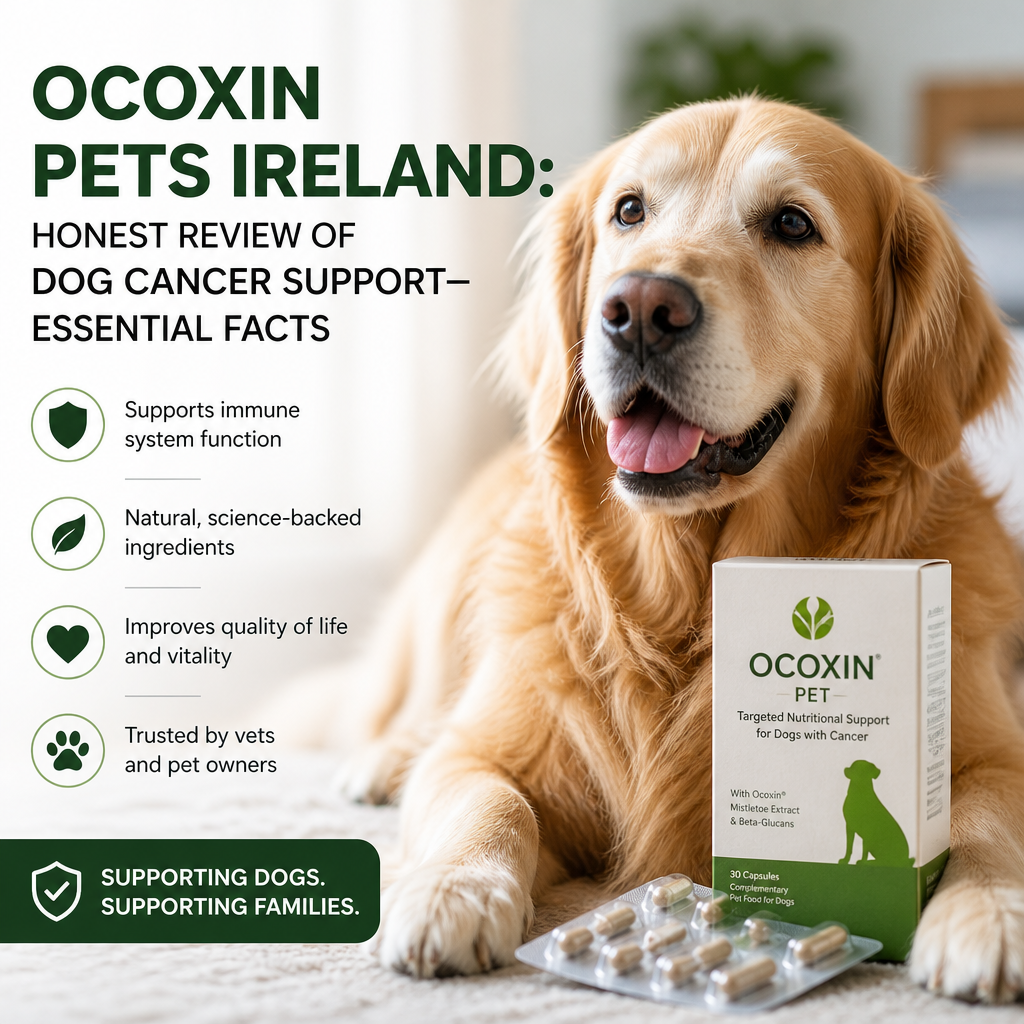
Ocoxin Pets is a veterinary nutritional supplement designed to provide supportive care for dogs and other companion animals, including pets being treated for cancer. Interest in Ocoxin Pets Ireland has grown as owners look for additional ways to support appetite, energy, immune function, and general wellbeing. However, it is important to understand what this product can and cannot do before adding it to a dog’s treatment plan.
What is Ocoxin Pets?
Ocoxin Pets is a liquid supplement developed for use in companion animals. It contains a blend of vitamins, minerals, antioxidants, and plant-based ingredients intended to support the body during periods of illness or recovery. The formula is commonly discussed in connection with dogs diagnosed with cancer, although it may also be considered for pets experiencing reduced appetite, weight loss, fatigue, or the effects of intensive veterinary treatment.
The product is generally positioned as supportive nutrition rather than a medicine. That distinction matters. A supplement may help a dog maintain nutritional status or cope with the demands of illness, but it should not be presented as a cure for cancer or as a replacement for surgery, chemotherapy, radiotherapy, pain relief, or other veterinary treatments.
For many owners, the appeal of Ocoxin Pets Ireland is practical as much as anything else. A liquid supplement can sometimes be easier to give than tablets, especially to dogs that are nauseous, weak, or fussy about food. Even so, convenience should never be the only reason to choose a product. The dog’s diagnosis, current medications, appetite, and organ function all need to be considered first.
What does Ocoxin Pets aim to do?
Cancer can affect dogs in several ways. The disease itself may cause inflammation, tiredness, nausea, reduced appetite, and weight loss. Treatments can also produce side effects that make eating and maintaining normal activity more difficult. For these reasons, nutritional support is often an important part of a broader care plan.
Ocoxin Pets dog cancer support is generally intended to help provide:
Additional nutritional support during illness
Antioxidant compounds that may help protect cells from oxidative stress
Support for appetite and overall condition
Assistance during recovery from surgery or other treatment
A convenient liquid format for dogs that struggle with tablets
The practical value of any supplement depends on the individual dog. A product that is tolerated well by one animal may not suit another, particularly if the dog has kidney disease, liver problems, digestive sensitivities, or difficulty swallowing.
It can also help to think about the day-to-day goals of supportive care. In some dogs, the most realistic aim is to keep food intake stable, reduce the strain of treatment, and preserve comfort rather than expecting visible changes in the tumour itself. Those smaller gains may still be meaningful to both the dog and the family.
Owners sometimes ask whether a supplement should be started as soon as cancer is diagnosed or only after treatment begins. There is no universal answer. Some veterinary teams may consider support early if appetite is already declining, while others may prefer to wait until a full treatment plan is in place. The safest approach is to let the veterinarian coordinate timing, especially when surgery or chemotherapy is planned.
Ingredients and how they may be relevant
The formula includes a combination of nutritional and botanical ingredients. Depending on the specific product version and market, the label may include substances such as vitamins, minerals, amino acids, antioxidants, and plant extracts. These ingredients are selected because they may contribute to normal immune function, energy metabolism, or protection from cellular damage.
Antioxidants are often discussed in relation to cancer care, but their role can be complex. Oxidative stress is involved in many disease processes, yet antioxidant supplementation is not automatically beneficial in every situation. Some cancer treatments may rely partly on oxidative mechanisms, so the timing and combination of supplements should always be reviewed by the treating veterinary team.
This is one of the most important points in any Ocoxin Pets review: a long ingredient list does not prove that the product will improve survival or shrink tumours. The scientific evidence for individual ingredients may not directly demonstrate the effectiveness of the complete product in dogs with cancer.
It is also worth remembering that labels can vary by region. Ingredients, dosage instructions, and formulation details may differ slightly between suppliers, so owners in Ireland should not assume that a product sold elsewhere is identical. Always check the package carefully and compare it with the guidance provided by the manufacturer or veterinary professional.
Some ingredients may be associated with normal immune support, while others may be intended to assist energy balance or recovery from illness. That does not mean they are interchangeable, and it certainly does not mean that “more” is better. In cancer care, the benefit of any support product depends on the overall treatment plan, the dog’s current health status, and the absence of harmful interactions.
A balanced Ocoxin Pets review should look beyond positive testimonials. Pet owners often report that their dogs seem brighter, eat more readily, or recover better while using a supplement. These experiences can be meaningful, but they do not establish that the supplement treated the cancer. Changes may also result from pain control, improved diet, treatment of infection, reduced nausea, or natural fluctuations in the disease.
Evidence is another important consideration. Ask whether studies have been conducted in dogs, whether they involved a suitable number of animals, and whether the results measured meaningful outcomes such as quality of life, treatment tolerance, or survival. Laboratory findings and research on individual ingredients cannot automatically be applied to the finished product.
A trustworthy assessment should also consider palatability, ease of administration, possible adverse effects, cost, availability, and whether the product fits the dog’s existing treatment plan.
When reading product claims, it helps to separate supportive language from clinical proof. Words such as “maintains,” “supports,” and “helps” are common in supplement marketing, but they are not the same as evidence that a product changes the course of disease. Pet owners deserve clear information so they can make informed decisions instead of feeling pressured by hopeful promises.
Another useful question is whether the supplement fits the practical realities of cancer care at home. Some dogs have reduced appetite, some need multiple medications at different times of day, and some are already difficult to medicate. A good supportive product should be simple enough to use consistently without creating extra stress for the dog or family.
For a broader explanation of cancer support products and how they are evaluated, the American College of Veterinary Internal Medicine’s cancer resources can be a helpful starting point: ACVIM veterinary oncology information.
It may also help to discuss the supplement in the context of quality-of-life goals. If a dog is comfortable, eating well, and coping with treatment, the supplement may be adding value. If the dog is still losing weight or becoming more lethargic, then the product may not be enough on its own. In that case, the vet may need to adjust medication, nutrition, or the overall treatment plan.
Safety, side effects, and veterinary advice
Many dogs tolerate nutritional supplements without major problems, but “natural” does not mean risk-free. Possible issues may include digestive upset, loose stools, vomiting, refusal to take the product, or allergic reactions. A dog with a sensitive stomach may need a gradual introduction, but this should be discussed with a veterinarian.
Extra caution is needed when a dog is receiving chemotherapy, corticosteroids, non-steroidal anti-inflammatory drugs, anticoagulants, seizure medication, or other prescription treatments. Supplements can sometimes affect drug absorption, metabolism, blood clotting, blood pressure, or liver function. Dogs with kidney or liver disease may also require a carefully controlled intake of certain nutrients.
Before using Ocoxin Pets, provide the veterinarian with the full ingredient list and the dog’s current medication details. The vet may recommend monitoring weight, appetite, hydration, blood tests, or liver and kidney values. Stop the supplement and seek veterinary advice if the dog develops persistent vomiting, diarrhoea, facial swelling, breathing difficulty, marked lethargy, or a sudden deterioration.
It is also sensible to watch for smaller changes that can be easy to miss at first. A dog that becomes less interested in food, seems nauseous after dosing, or begins to avoid meals may be signalling that the supplement is not a good fit. Early feedback allows the veterinarian to make changes before the problem becomes more serious.
Owners should be especially careful when their dog has multiple health issues. Cancer patients are often older, and older dogs may already have arthritis, heart disease, dental problems, or digestive conditions. In such cases, a product that seems harmless on paper may still be unsuitable because of the dog’s complete medical picture.
Never combine supplements casually just because each one seems supportive on its own. A well-intentioned stack of products can become confusing, expensive, and potentially risky. Clear dosing instructions and one coordinated plan are usually better than trying several remedies at once.
If your veterinarian is not familiar with the brand, bring the product label to the appointment. A clear ingredient list, dose guidance, and any available clinical information will make the discussion more productive. Good communication often matters as much as the supplement itself.
Buying Ocoxin Pets Ireland
When searching for Ocoxin Pets Ireland, purchase through a reputable veterinary practice, established animal-health supplier, or authorised distributor. Product availability, packaging, dosage instructions, and import arrangements can differ between countries. Check the expiry date, batch information, storage instructions, and whether the seal is intact.
It is also wise to compare the label supplied by the seller with information from the manufacturer or veterinary distributor. Avoid relying solely on online reviews, especially when claims promise dramatic cancer cures or guaranteed results. Such claims are not consistent with responsible veterinary care.
Pricing may vary depending on bottle size, shipping, and whether the product is purchased as part of a wider treatment plan. The most suitable supplement is not necessarily the one with the longest list of ingredients; it is the one that is appropriate for the dog’s diagnosis, condition, medication, and nutritional needs.
When comparing suppliers, ask practical questions. Is the item in stock? Can the seller confirm the exact formulation? Are return policies clear? Is advice available if the dog refuses the taste? These simple checks can reduce the chance of buying something that is difficult to use or unsuitable for your pet.
For readers in Ireland, shipping and product access can affect timing. If a dog is starting a new treatment cycle, avoid waiting until the last minute to source a supplement. Delays can cause unnecessary stress, and in cancer care, consistency is usually more valuable than rushing to try a product without preparation.
How to use a supplement responsibly
Use the recommended amount rather than assuming that a larger dose will provide greater benefits. Introduce the product according to professional guidance and observe how the dog responds. Keep a simple record of appetite, weight, bowel movements, energy, pain signs, and any treatment side effects. This information can help the veterinary team decide whether continuing the supplement is worthwhile.
Most importantly, nutritional support should complement—not replace—evidence-based cancer care. A dog’s quality of life should remain the central priority. Regular veterinary reviews can help determine whether treatment is controlling symptoms, whether adjustments are needed, and whether the dog is comfortable.
A responsible routine might include giving the supplement at the same time each day, noting whether it is taken with food, and watching for patterns in the dog’s response over one to two weeks. Consistency makes it easier to tell whether a change in appetite or energy is truly linked to the product or simply part of the condition.
Owners should also keep an eye on hydration and overall nutrition. A supplement is not a substitute for adequate calories, and dogs with cancer often need tailored feeding plans. Small, frequent meals may be more helpful than one large meal, especially if nausea or early satiety is present.
If the dog is undergoing chemotherapy or other hospital-based treatment, ask the vet whether the supplement should be paused before or after certain medications. Timing can matter, and a short pause may be preferable to a risk of interaction or stomach upset.
Some dogs may benefit from a trial period, where the product is used for a set number of days and then reviewed. That approach can help owners make a practical decision based on real-world results instead of hopeful assumptions. If nothing changes, it may be better to redirect effort toward diet adjustments, pain control, or other supportive measures.
Remember that emotional wellbeing matters too. Dogs with cancer often thrive on routine, calm handling, and close monitoring. A supplement can only do so much if the dog is stressed, in pain, or struggling with an untreated side effect. Supportive care works best when it is part of a wider, compassionate plan.
What to expect from supportive care
Supportive supplements can be most helpful when expectations are realistic. In many cases, the goal is not dramatic change but small, practical improvements that make daily life easier for a dog and more manageable for an owner. Better appetite, steadier energy, fewer struggles with eating, or improved comfort during treatment can all matter, even if they do not change the underlying diagnosis.
That said, it is important to watch for signs that the supplement is not helping. If a dog continues to lose weight, refuses food, becomes more withdrawn, or shows a decline in comfort, the veterinary team may need to adjust the overall care plan. A supplement should be assessed as part of the whole picture, not in isolation.
Owners can also support treatment outcomes with simple day-to-day routines. Offering palatable meals, keeping fresh water available, minimizing stress, and maintaining consistent medication schedules can all contribute to better care. These basic steps often make a bigger difference than a single product alone.
In practical terms, support products are best judged over time. One good meal or one energetic afternoon does not prove a supplement is working, just as one off day does not mean it has failed. The most useful measure is whether the dog’s overall trend is stable or improving over several days or weeks.
It can also be helpful to review goals with the vet at each stage of the illness. In early treatment, the focus may be on maintaining body condition and tolerance of therapy. Later, the aim may shift toward comfort and ease of feeding. A supplement that once felt useful may not remain the best choice if priorities change.
If the dog’s cancer is advanced, the conversation may become more about maintaining dignity and comfort than about prolonging life at any cost. In that setting, a supplement can still have value if it helps the dog eat, settle, or feel a little better, but it should never delay more important decisions about pain control or palliative care.
For owners comparing support products across countries, product names and claims can sound impressive, but the core questions remain the same everywhere: Is there evidence? Is it safe? Does the dog tolerate it? Does it help the dog’s daily life? Those are the questions that matter most.
Final assessment
Ocoxin Pets may have a place as supportive nutrition for some dogs, particularly those struggling with appetite, weight maintenance, or recovery during cancer care. Nevertheless, the available claims should be interpreted carefully. It should not be regarded as a proven cancer cure, and its suitability depends on the dog’s health status and treatment regimen.
A sensible approach to Ocoxin Pets dog cancer support is to discuss the product openly with a veterinarian, verify the ingredients, monitor the dog closely, and judge its value by practical outcomes such as comfort, appetite, and wellbeing. For owners considering Ocoxin Pets Ireland, professional guidance and realistic expectations are more important than promotional claims or isolated testimonials.
When used thoughtfully, a supplement can be one part of a broader care plan. The best decisions usually come from combining careful observation, veterinary advice, and a clear understanding of what the product can realistically offer.
If you are still weighing options, it may help to compare similar products and supportive approaches before making a final choice. That broader view can make it easier to identify what is genuinely useful for your dog rather than what simply sounds promising. A steady, evidence-aware approach is usually the safest route.
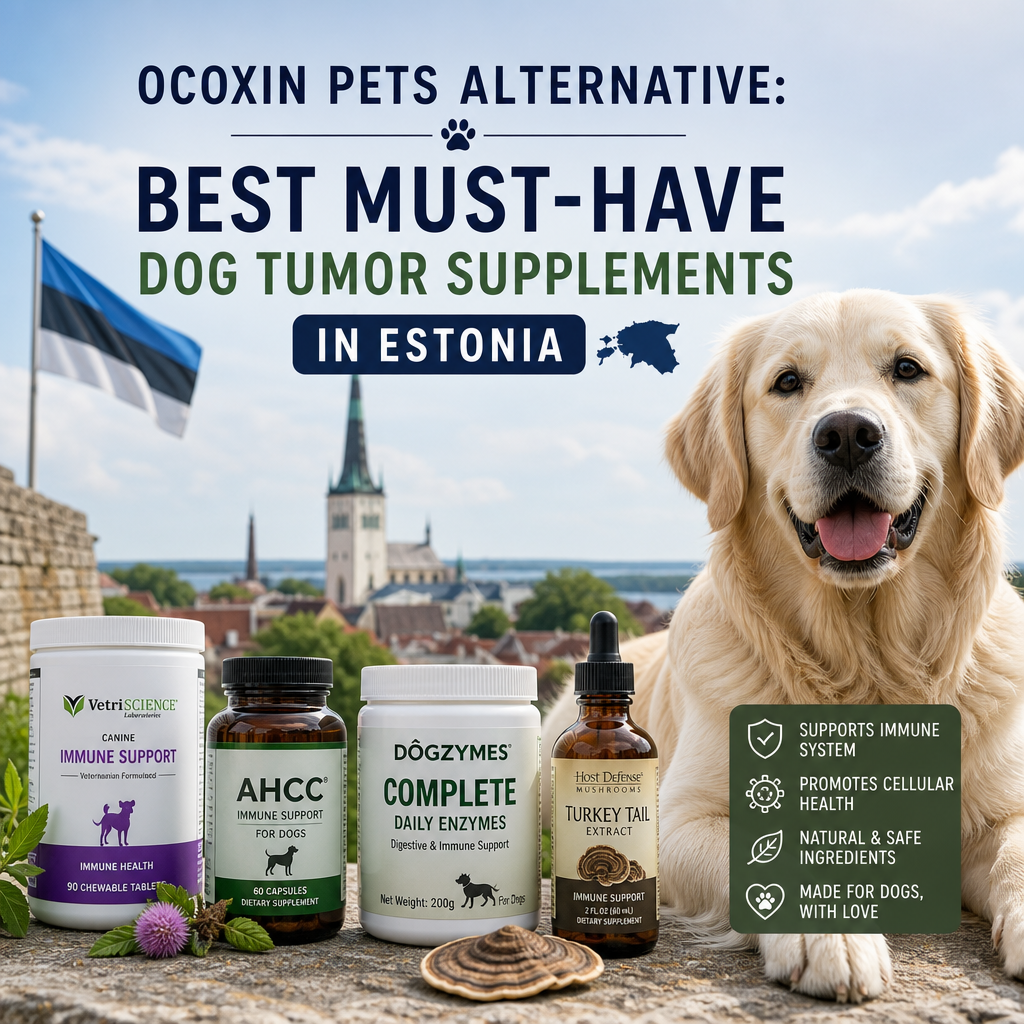
Ocoxin Pets alternative options are attracting attention among Estonian dog owners who want additional nutritional support for dogs diagnosed with tumors or undergoing cancer treatment. Although supplements cannot replace veterinary care, carefully selected products may help support appetite, energy, digestion, immune function, and overall quality of life. The right choice depends on the dog’s diagnosis, medication, treatment plan, age, and general condition. If you are comparing dog tumor supplements in Estonia, it helps to focus on practical support, safety, and long-term tolerability rather than on dramatic marketing claims.
Why consider an Ocoxin Pets alternative?
Ocoxin Pets is used in some veterinary settings as a supportive nutritional product for dogs and cats. However, availability, price, formulation, or individual tolerance may lead owners to look for alternatives to Ocoxin Pets. Some dogs may refuse a particular product, while others may experience digestive sensitivity or require a supplement with a different nutritional profile. In practice, the best Ocoxin Pets alternative is often the one the dog can tolerate consistently.
When searching for dog tumor supplements in Estonia, it is important to focus on the purpose of supplementation rather than simply choosing the most popular product. A useful supplement should be safe, clearly labeled, suitable for dogs, and compatible with the animal’s veterinary treatment. Products marketed for humans are not automatically appropriate for pets, and “natural” does not always mean risk-free. A thoughtful Ocoxin Pets alternative should fit the dog’s diagnosis and daily routine.
In many cases, owners are not looking for a perfect replacement. They are looking for a manageable, reliable option that can be used every day without upsetting the stomach or complicating the treatment plan. That practical mindset is often more helpful than chasing the most advanced formula on the shelf. For that reason, comparing an Ocoxin Pets alternative should begin with the dog’s current symptoms, not the product label.
What should dog tumor supplements support?
Cancer and cancer treatments can affect a dog in several ways. Some animals lose their appetite, experience nausea, become less active, or lose muscle mass. Surgery, chemotherapy, radiation therapy, and medication may also place additional demands on the body. In a dog that is already feeling weak or selective about food, even small nutritional improvements can matter.
A supportive supplement may be selected to help with:
Maintaining appetite and body condition
Supporting normal immune function
Providing antioxidants in an appropriate amount
Supporting digestion and stool quality
Helping maintain mobility and comfort
Supplying calories, amino acids, or essential fatty acids
Supporting recovery after surgery or other procedures
The best product is not necessarily the one with the longest ingredient list. A focused formulation with transparent quantities is often more useful than a product making broad or dramatic claims. For many owners, an Ocoxin Pets alternative is best chosen by function first, brand second.
It is also worth remembering that nutritional support works differently from medicine. A supplement may help a dog eat better, recover more smoothly, or stay stronger during treatment, but it usually works gradually. Clear expectations prevent disappointment and make it easier to notice genuine benefits. This is one reason careful selection of dog tumor supplements in Estonia can be more effective than switching products frequently.
Key ingredients to look for
Omega-3 fatty acids
Fish oil containing EPA and DHA is commonly discussed in veterinary nutrition. These fatty acids may support skin, coat, normal inflammatory balance, and general nutritional status. They can be particularly valuable when a dog’s diet is low in marine-based fats.
Quality matters. Choose a product designed for pets or one specifically approved by the veterinarian, and check whether the label provides the actual EPA and DHA content rather than only listing “fish oil.” Fish oil can interact with certain medications and may not be appropriate for every dog, especially those with bleeding disorders or digestive problems.
High-quality protein and amino acids
Maintaining muscle mass is an important part of supporting a dog with serious illness. A supplement may provide protein, amino acids, or extra calories, but it should complement a complete and balanced diet rather than replace it without veterinary guidance.
Dogs with poor appetite may benefit more from a palatable nutritional paste, recovery food, or calorie-dense veterinary diet than from a general multivitamin. A veterinarian can help determine whether the priority is protein, calories, hydration, or nausea control. In some cases, a carefully chosen Ocoxin Pets alternative may be a recovery formula rather than a classic supplement.
Digestive support
Changes in appetite, medication, stress, and treatment can affect the gastrointestinal system. Probiotics, prebiotics, digestive enzymes, or fiber may be useful in selected cases, especially when stool quality is inconsistent. However, these products are not interchangeable, and a dog with vomiting, persistent diarrhea, constipation, or abdominal pain needs veterinary assessment before supplementation.
Vitamins and minerals
A complete commercial dog food normally supplies essential vitamins and minerals. Adding extra amounts without a specific reason can create imbalances. This is especially important with fat-soluble vitamins such as vitamins A, D, E, and K, which can accumulate in the body.
A supplement should therefore be evaluated according to the dog’s full diet. Combining several products may unintentionally duplicate ingredients. If you are comparing an Ocoxin Pets alternative, look carefully at the total daily intake from food and supplements combined. This step is especially helpful when evaluating dog tumor supplements in Estonia, where product ranges and formulations can differ widely.
Exploring dog tumor supplements in Estonia
Estonian pet owners can find nutritional products through veterinary clinics, animal pharmacies, specialized pet shops, and reputable online retailers. When comparing dog tumor supplements in Estonia, check the manufacturer, ingredient list, dosage instructions, storage requirements, and batch information.
Local availability may change, so it is helpful to ask a veterinarian or veterinary pharmacist about equivalent products. A suitable Ocoxin Pets alternative may be a veterinary nutritional paste, an omega-3 product, a clinically formulated recovery diet, or another targeted supplement rather than a direct copy of the original formula. For product labeling and feed categories, the European Pet Food Industry Federation provides useful reference information.
Pay attention to language and labeling. Products sold in Estonia should provide understandable instructions and identify whether they are complementary feed, complete feed, or a non-food veterinary product. Avoid products that promise to shrink tumors, cure cancer, replace chemotherapy, or guarantee survival. Such claims are not reliable and may delay effective treatment.
It is also wise to compare how products are distributed and stored. Supplements that require refrigeration or have a short shelf life may still be useful, but they need a routine that fits your household. If the dog is already dealing with reduced appetite, the best option is often the one that is easiest to give consistently. That simple reality often decides which Ocoxin Pets alternative becomes the most practical long-term choice.
How to evaluate product quality
Not every supplement with a professional-looking package is a good fit for a dog with cancer. Product quality should be judged by transparency, consistency, and suitability rather than appearance. A useful formula clearly states what it contains, how much to give, and why it is being used.
When reviewing a label, ask the following questions:
Are the active ingredients listed with exact amounts?
Is the product intended for dogs, not only for general use?
Does the manufacturer explain the purpose in a realistic way?
Are there unnecessary sweeteners, flavorings, or fillers?
Is there contact information for the company or distributor?
Is the dosage based on body weight or a vague recommendation?
These details matter because a dog with tumors may already have a sensitive digestive system or a complicated medication schedule. A supplement that is difficult to measure or inconsistent from batch to batch may be less useful than one with a simpler, more predictable formula. The same applies when choosing an Ocoxin Pets alternative for a dog already struggling with nausea or fatigue.
Another useful sign of quality is whether the product avoids exaggerated promises. A formula that says it supports nutrition, appetite, or recovery is much more credible than one that claims to cure disease. That distinction protects both the dog and the owner from unrealistic expectations and wasted money.
Feeding strategy and daily routine
Supplements often work best when the overall feeding plan is carefully organized. Dogs with tumors may eat smaller amounts, prefer certain textures, or feel more comfortable with multiple small meals instead of one large serving. The routine itself can improve intake.
Simple adjustments may include:
Offering smaller meals more frequently
Warming food slightly to improve aroma
Using a quieter feeding area
Keeping mealtimes consistent
Recording which foods are best tolerated
Adding moisture if the dog prefers softer food
In some dogs, a supplement becomes more effective when paired with a food that is already well accepted. If the dog refuses the base diet, even a well-designed supplement may not be enough. A veterinary nutrition plan can determine whether the priority is calories, palatability, or digestive comfort.
This is another reason the best Ocoxin Pets alternative may not be a single product at all. It may be a combination of feeding adjustments, a specific veterinary diet, and one targeted supplement. That approach can be more sustainable than relying on one product to solve several problems at once.
Safety considerations before starting a supplement
Always discuss supplementation with the veterinarian managing the dog’s cancer care. This is particularly important if the dog is receiving chemotherapy, corticosteroids, nonsteroidal anti-inflammatory drugs, anticoagulants, seizure medication, or other prescription treatments.
Some herbal ingredients may affect liver enzymes, blood clotting, blood pressure, or drug absorption. High-dose antioxidants may also be inappropriate during certain treatment protocols, because some cancer therapies rely partly on oxidative mechanisms. The timing and dose of a supplement can matter as much as the ingredient itself. Before choosing an Ocoxin Pets alternative, make sure it does not conflict with the current medical plan.
Introduce only one new product at a time and monitor the dog for changes in appetite, vomiting, diarrhea, itching, lethargy, or unusual behavior. Stop the product and contact a veterinarian if concerning signs appear. Keep supplements stored securely, since concentrated products may be harmful when consumed in large quantities.
Dogs with liver disease, kidney disease, pancreatitis, clotting disorders, or multiple concurrent medications may need especially cautious planning. Even products that seem gentle can be unsuitable in the wrong context. A responsible owner will treat every Ocoxin Pets alternative as a medical decision, not a casual purchase.
Supporting quality of life beyond supplements
Nutrition is only one part of supportive cancer care. Fresh water, comfortable bedding, gentle activity, regular weight monitoring, pain management, and stress reduction can make a meaningful difference. Feeding small, frequent meals may help dogs with reduced appetite. Warming food slightly can improve its aroma, although food safety and veterinary dietary instructions should always be respected.
Record daily changes in appetite, drinking, mobility, stool, vomiting, sleep, and comfort. This information helps the veterinary team assess whether a supplement is useful or whether the treatment plan needs adjustment. Even the best Ocoxin Pets alternative works best when it is part of a wider care routine.
Owners may also find it useful to track body weight weekly, note any food aversions, and write down the times when the dog feels most comfortable eating. These small observations can guide smarter choices about dog tumor supplements in Estonia and help the veterinarian adjust support strategies more precisely.
Comfort also matters. Dogs with serious illness often benefit from predictable routines, soft resting areas, reduced household stress, and short, gentle walks if they are willing. Quality of life is not measured only by lab results or supplement choice; it is also reflected in whether the dog still enjoys food, rest, and time with family. A well-planned Ocoxin Pets alternative should support that broader picture rather than distract from it.
Practical ways to compare products
When comparing an Ocoxin Pets alternative, start by reading the label closely. Look for clear ingredient amounts, feeding guidance, and a realistic purpose statement. If the product only uses vague language such as “supports wellness” without stating what is inside, it may be less useful than a formula with transparent nutrition facts.
Ask whether the product is intended for short-term recovery, long-term maintenance, or a specific nutritional gap. A recovery paste may be helpful during treatment cycles, while omega-3 fatty acids may be more appropriate for ongoing support. Some dogs do better with a single targeted product instead of several overlapping items. That is why the right Ocoxin Pets alternative is not always the most complex one.
It can also help to compare palatability. A supplement only works if the dog accepts it. Powder, liquid, capsule, paste, or chew formats each have advantages, but the most convenient format is often the one the dog will eat without stress. A palatable option is especially valuable for dogs undergoing therapy, because consistency matters more than novelty.
Price should be considered in relation to daily cost, not only the retail label. A larger bottle may seem expensive but last longer, while a cheaper product may need a higher dose. Estonian buyers comparing dog tumor supplements in Estonia often benefit from calculating the cost per day and discussing whether the formula is meant for a limited period or ongoing use.
Questions to discuss with your veterinarian
Before beginning a new supplement, consider asking:
Is this supplement safe with my dog’s current medications?
Should we avoid antioxidants, herbs, or omega-3s during treatment?
Would a recovery diet be better than a capsule or paste?
How long should we trial the product before deciding whether it helps?
What signs mean we should stop immediately?
These questions can make it easier to choose the right Ocoxin Pets alternative and avoid unnecessary trial and error. They also help owners compare dog tumor supplements in Estonia with the dog’s actual clinical needs in mind rather than marketing claims.
If your veterinarian recommends monitoring weight, hydration, or blood work, follow that advice closely. Objective data can reveal whether the supplement is helping or whether changes are needed. In this way, the search for an Ocoxin Pets alternative becomes part of a structured care plan instead of an isolated purchase decision.
Making a thoughtful choice
The best alternatives to Ocoxin Pets are not defined by marketing language or price alone. They should match the dog’s medical needs, nutritional status, treatment plan, and ability to tolerate the product. In some cases, a specialized diet may be more beneficial than a supplement. In others, targeted omega-3 fatty acids, digestive support, or a calorie-dense recovery product may be appropriate.
For owners comparing an Ocoxin Pets alternative in Estonia, the safest approach is to choose transparent, veterinary-compatible products and use them as part of a broader care plan. Supplements may offer supportive benefits, but professional diagnosis, appropriate cancer treatment, and close monitoring remain the foundation of responsible care. If you are unsure where to begin, ask the veterinary team which Ocoxin Pets alternative best fits your dog’s stage of treatment, appetite, and overall condition.
When used thoughtfully, the right support can make daily life easier for both the dog and the owner. That is the real goal behind every good Ocoxin Pets alternative: practical nutrition support, safer decision-making, and better comfort during an already difficult time.
For broader guidance on canine cancer nutrition, see our canine cancer support overview and discuss any Ocoxin Pets alternative with your veterinarian before starting it.